Image credits: Pixabay
In the 1980s, our backyards were alive with the songs and colors of numerous bird species. Today, many of these once-common visitors are becoming increasingly rare. Let’s explore 15 backyard birds that were everywhere in the 1980s but are vanishing today.
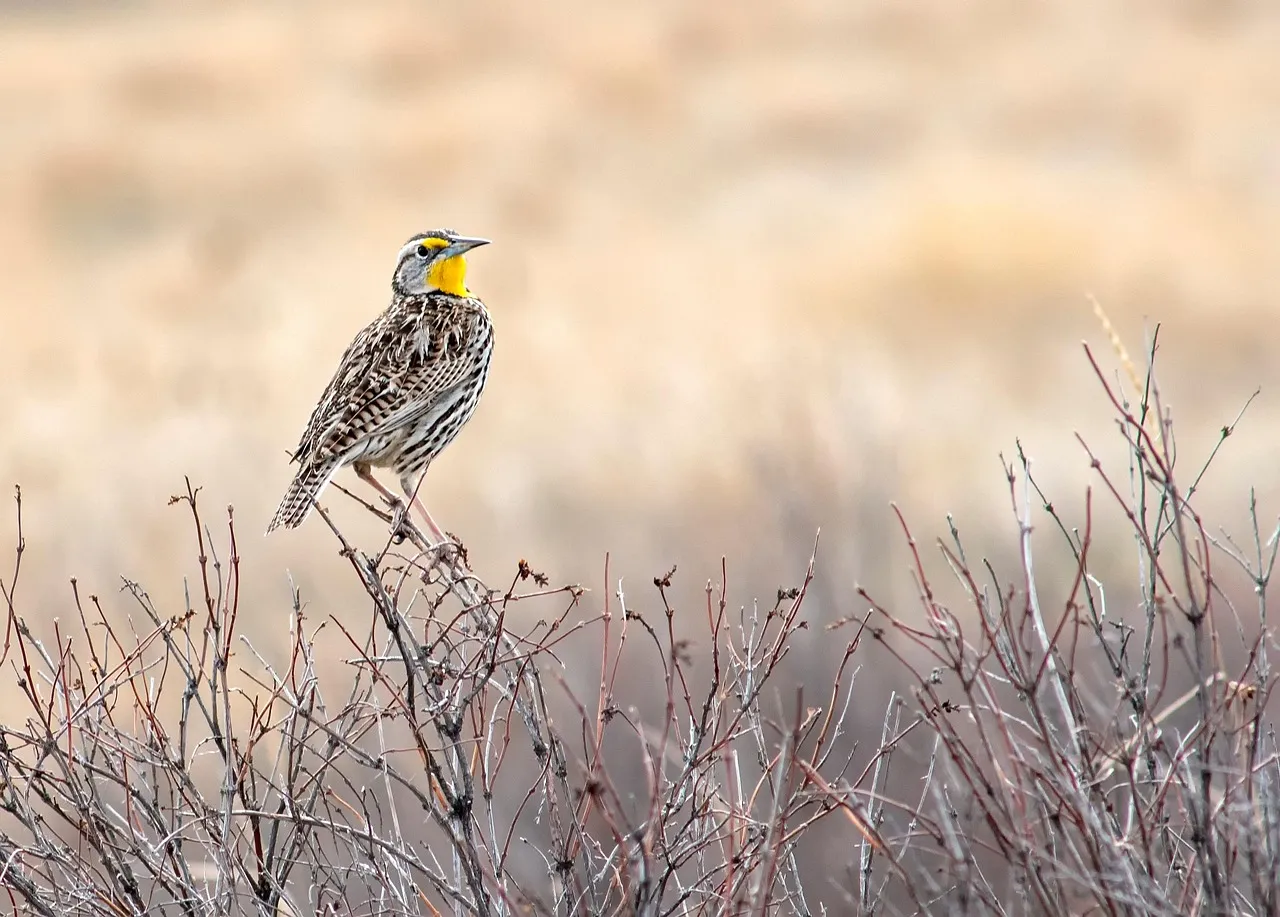
Eastern Meadowlark
Eastern Meadowlark (Image Credits: Pixabay)
The Eastern Meadowlark, with its bright yellow chest and melodious song, was a staple in open fields and meadows. Since 1970, their population has declined by about 75%, primarily due to habitat loss from agricultural expansion and urban development. ([birds.cornell.edu](https://www.birds.cornell.edu/home/bring-birds-back?utm_source=openai))
These birds rely on grasslands for nesting and feeding. As these habitats disappear, so do the meadowlarks, leaving our landscapes quieter and less vibrant.
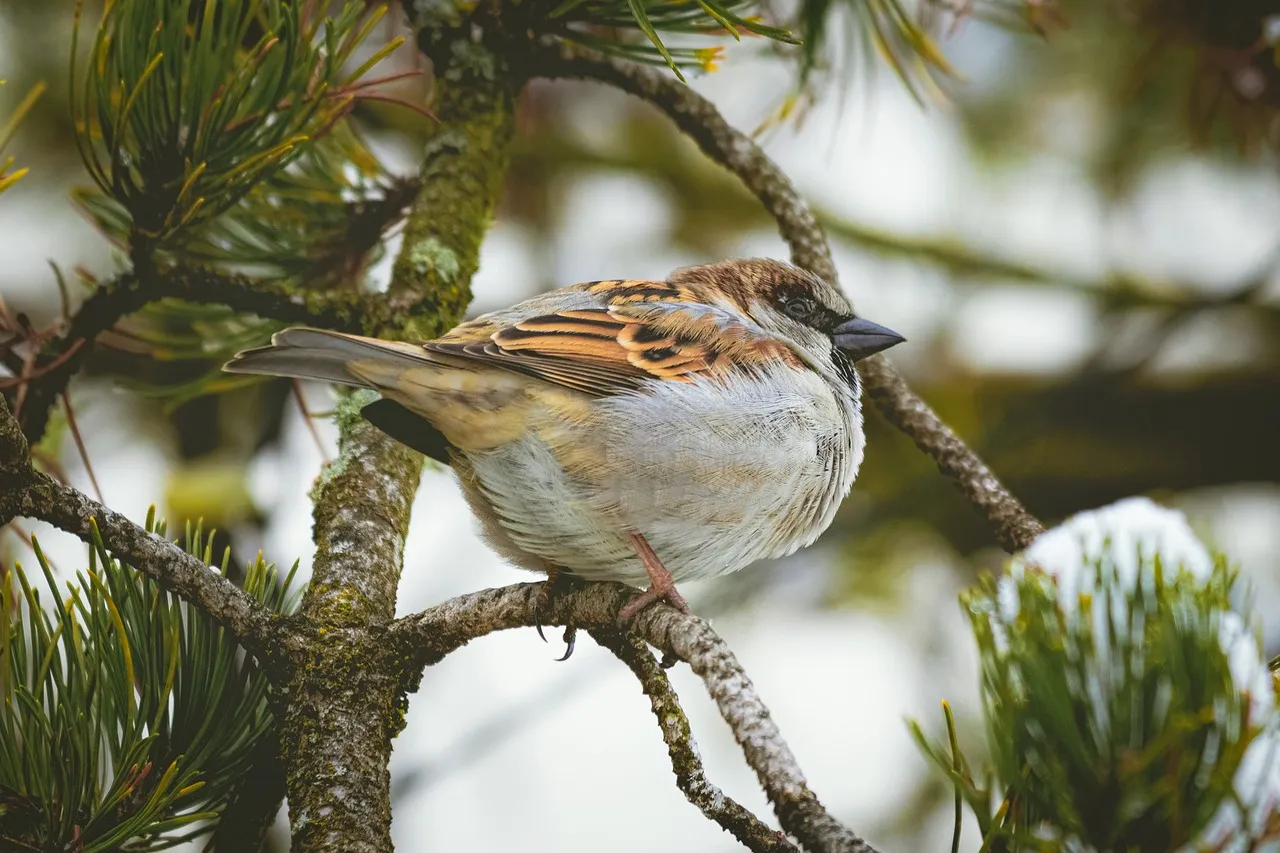
House Sparrow
House Sparrow (Image Credits: Pixabay)
Once ubiquitous in urban and suburban areas, the House Sparrow has seen significant declines. In North America, their numbers have dropped by approximately 84% since 1966. ([en.wikipedia.org](https://en.wikipedia.org/wiki/House_sparrow?utm_source=openai))
Factors such as changes in building architecture, reduced food availability, and competition with other species have contributed to their decline. The absence of these chirping companions is noticeable in many neighborhoods.
Red-winged Blackbird
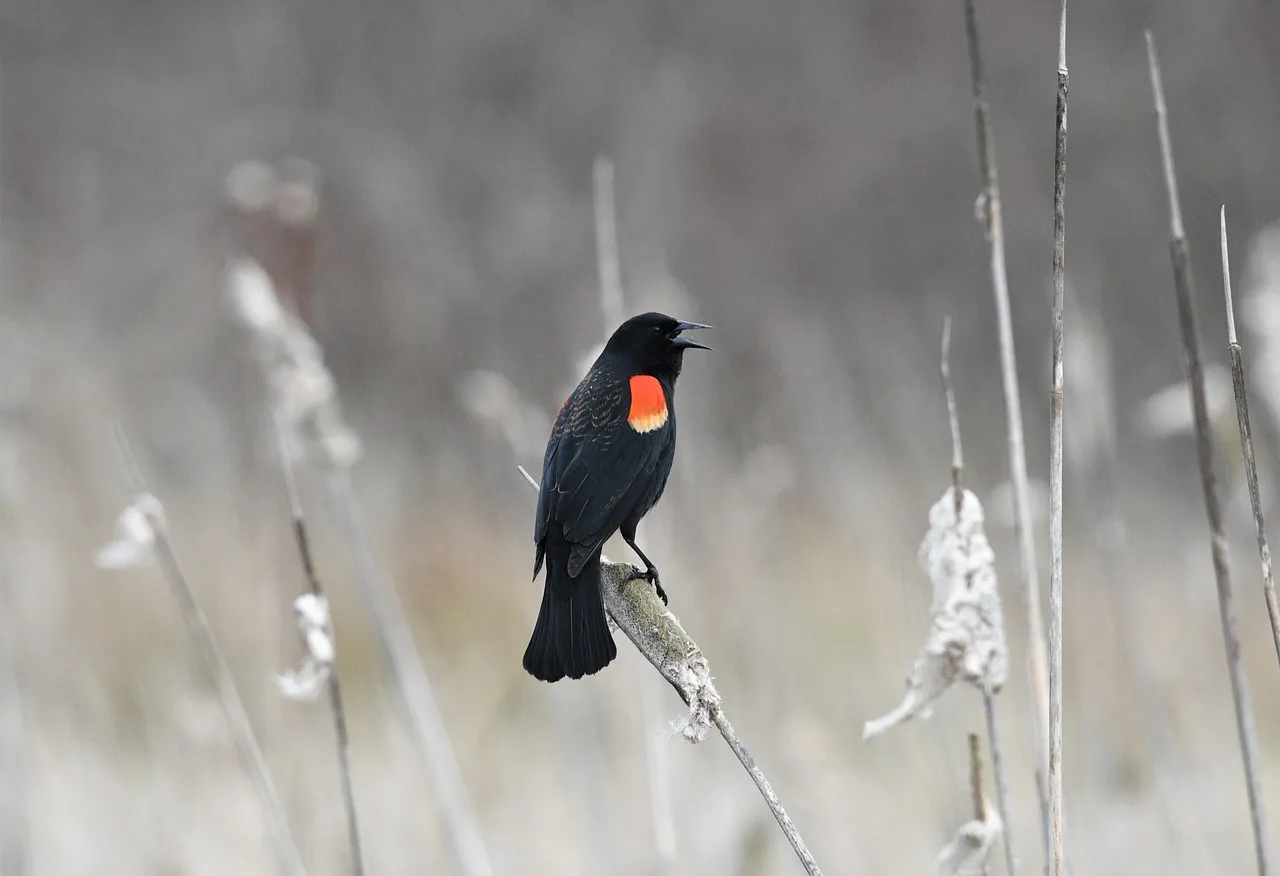
Red-winged Blackbird (Image Credits: Pixabay)
Recognizable by the males’ striking red shoulder patches, Red-winged Blackbirds were once common sights in marshes and wetlands. Their population has decreased by about 92 million individuals since 1970. ([birds.cornell.edu](https://www.birds.cornell.edu/home/bring-birds-back?utm_source=openai))
Wetland drainage and pollution have severely impacted their habitats, leading to fewer nesting sites and food sources. The decline of these birds signals broader environmental issues affecting wetland ecosystems.
Common Grackle
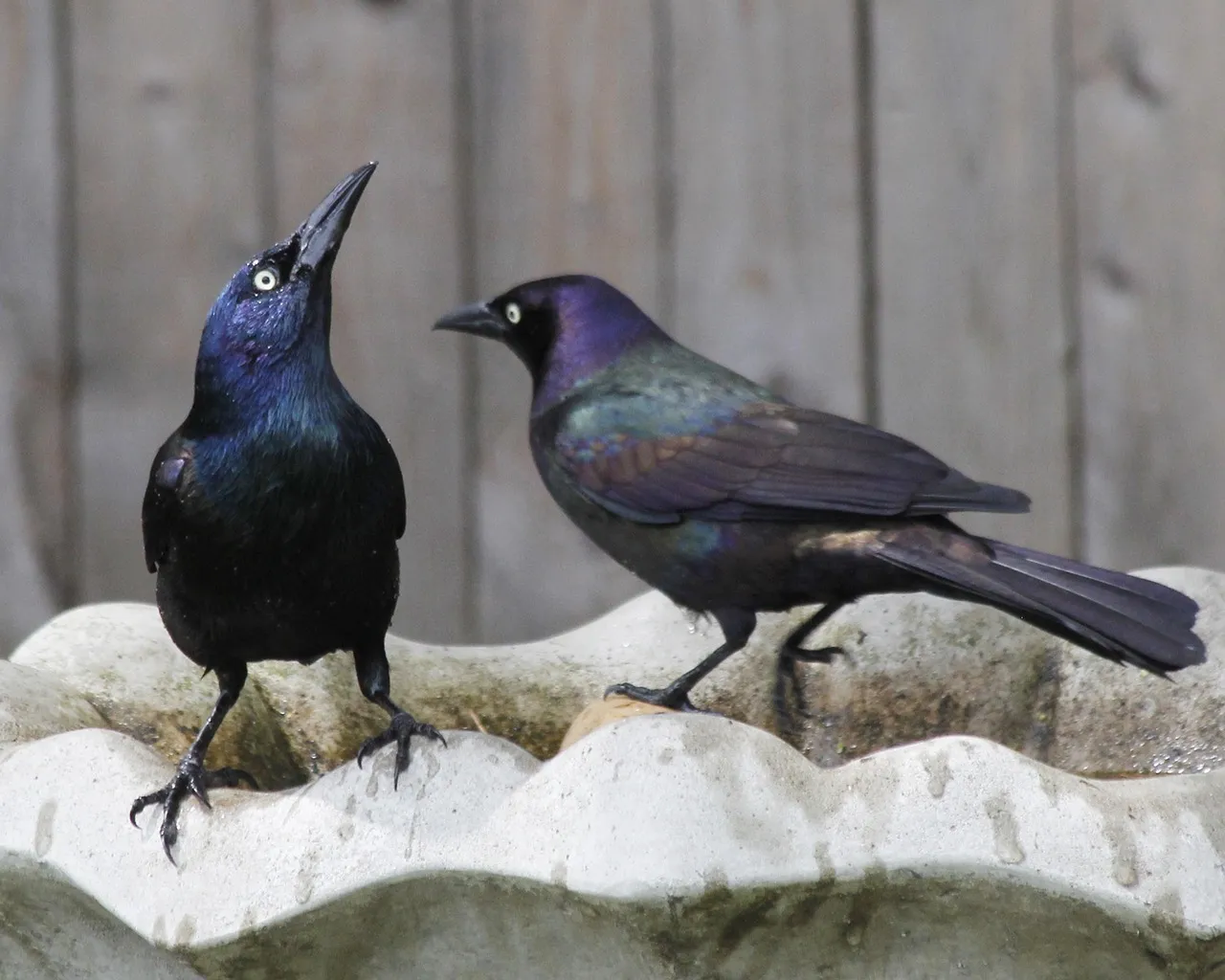
Common Grackle (Image Credits: Pixabay)
The iridescent Common Grackle, known for its glossy black plumage and piercing yellow eyes, has experienced a significant population decline. Since 1970, their numbers have dropped by about 58%. ([birds.cornell.edu](https://www.birds.cornell.edu/home/bring-birds-back?utm_source=openai))
Habitat loss and changes in agricultural practices have reduced their feeding and nesting areas. The diminishing presence of grackles reflects the broader challenges faced by many bird species.
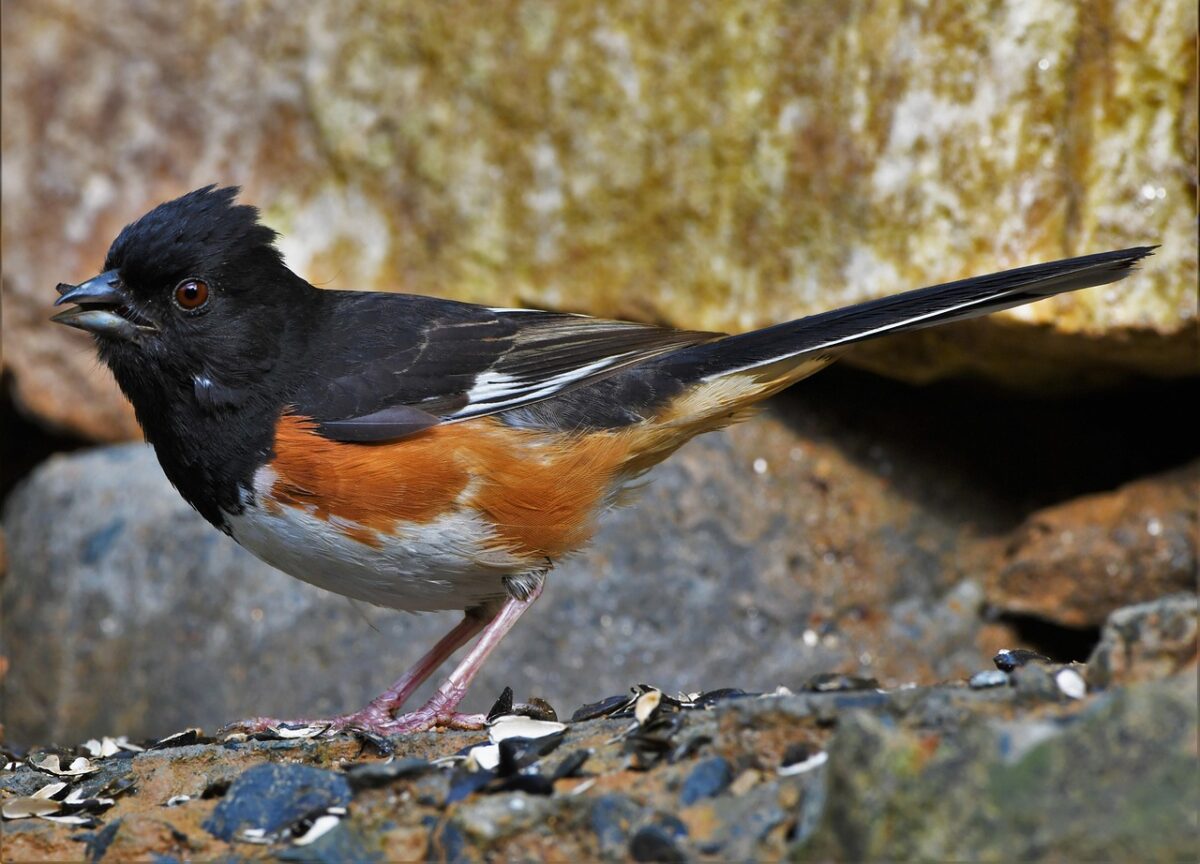
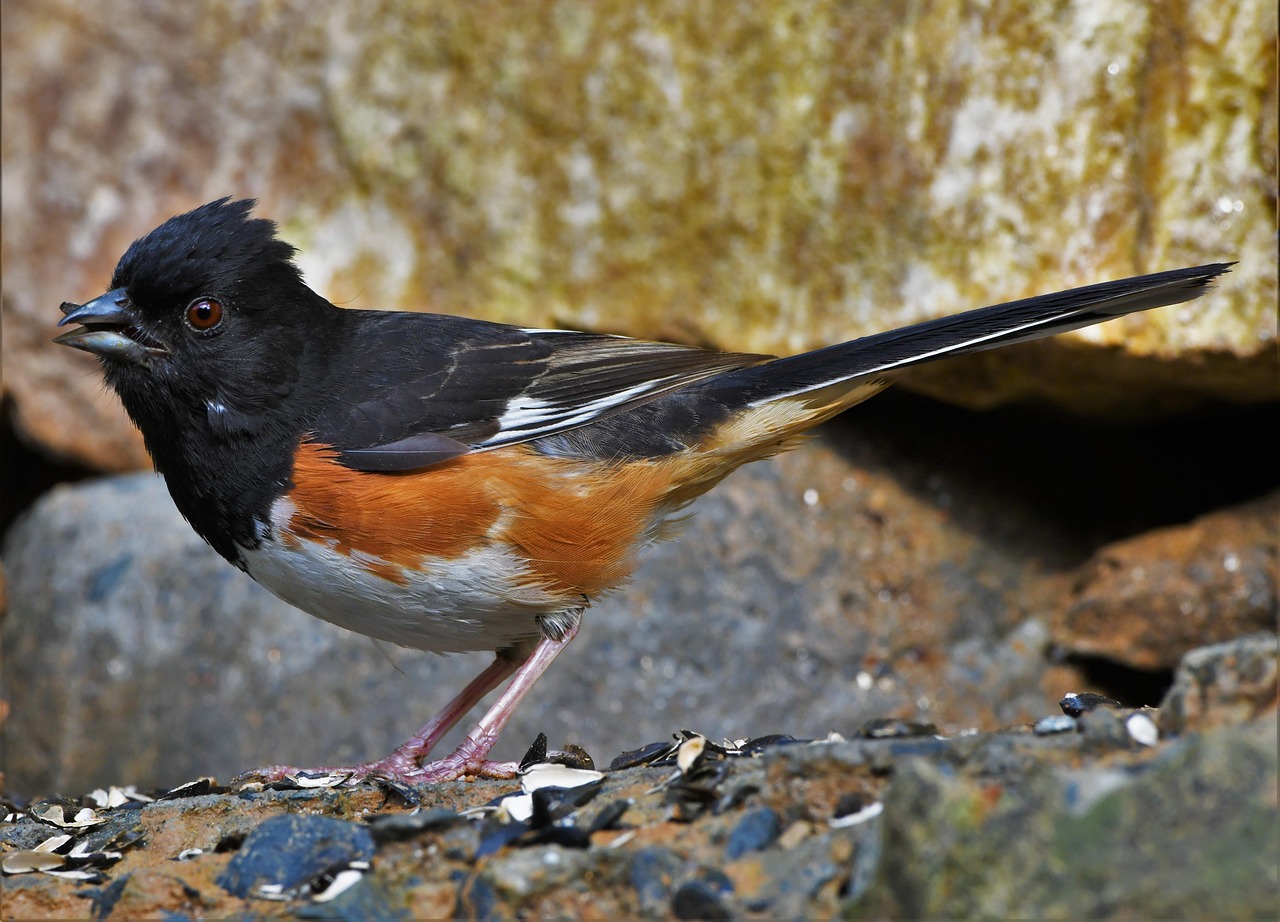
Eastern Towhee
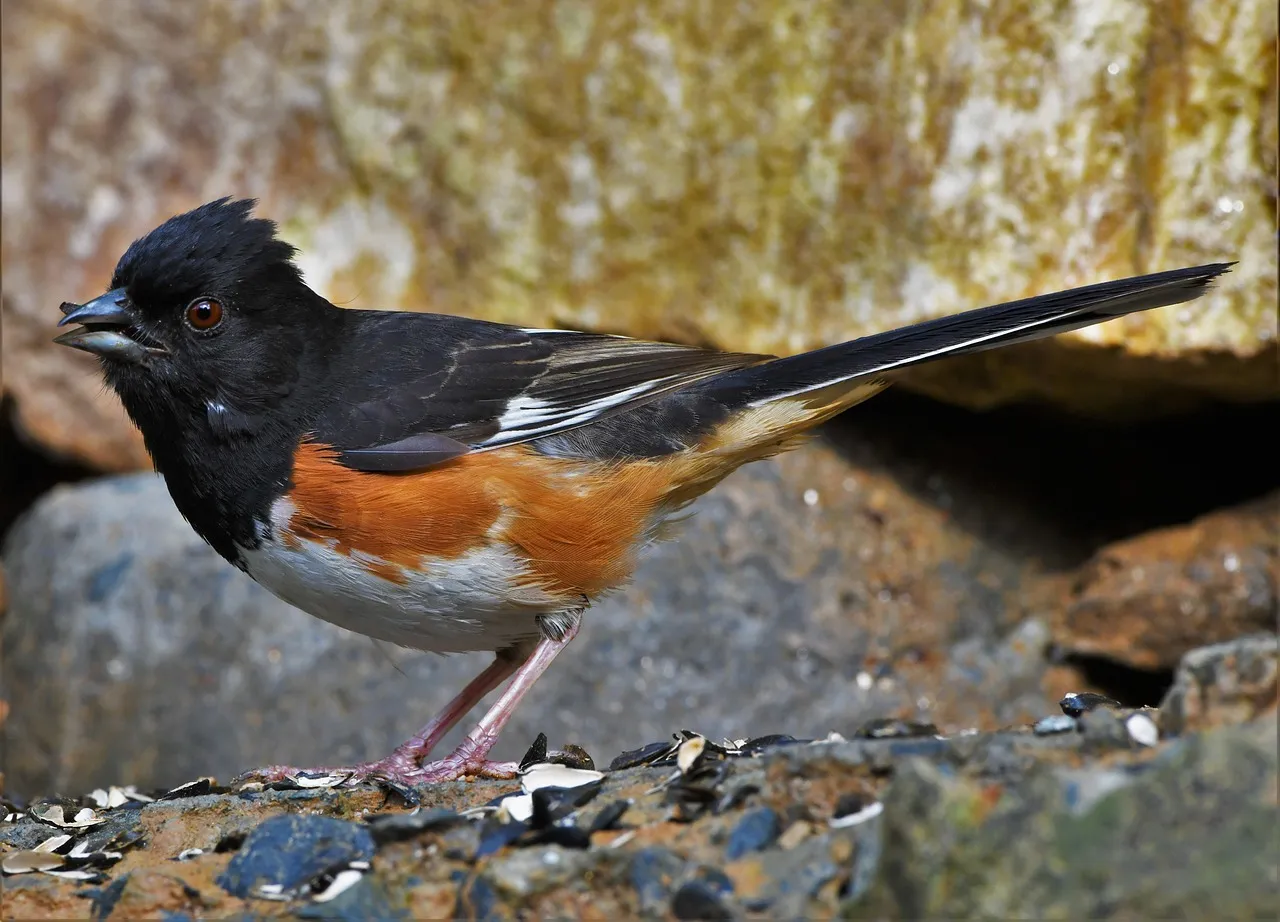
Eastern Towhee (Image Credits: Pixabay)
The Eastern Towhee, with its distinctive “drink-your-tea” song, was a common sight in thickets and underbrush. Their population has declined by approximately 50% since 1970. ([birds.cornell.edu](https://www.birds.cornell.edu/home/bring-birds-back?utm_source=openai))
Urbanization and deforestation have led to the loss of their preferred habitats. The reduction in towhee numbers highlights the impact of human activities on bird populations.
Field Sparrow
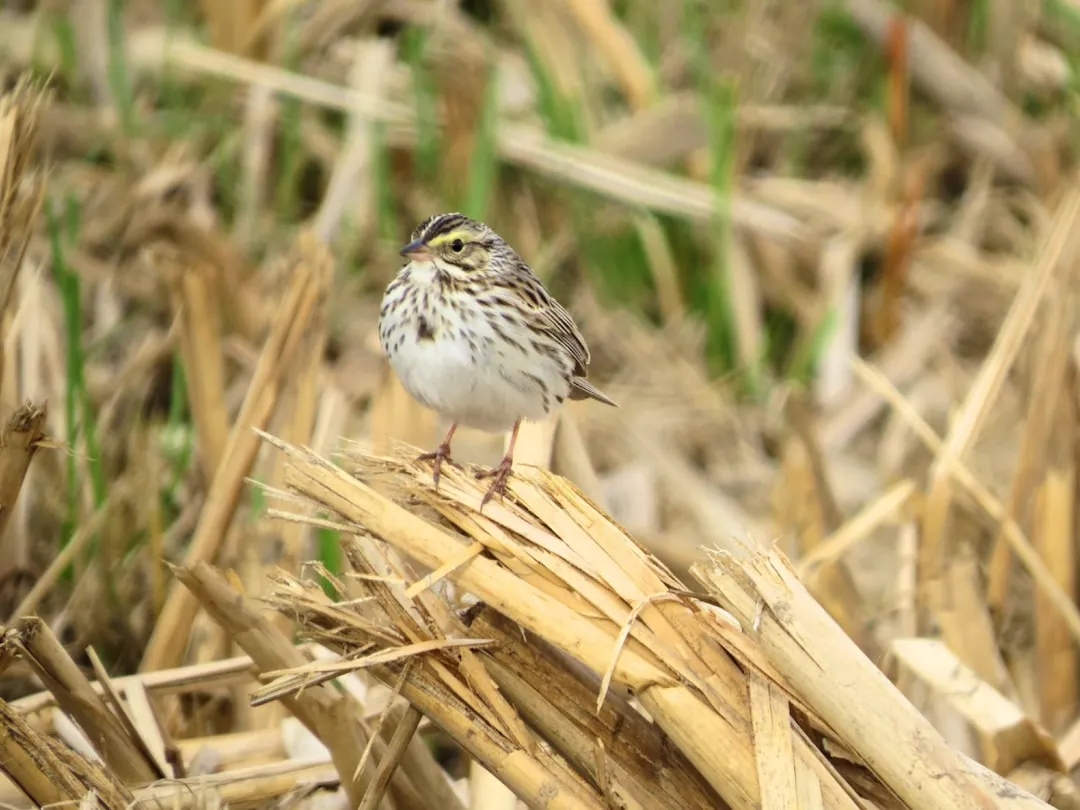
Field Sparrow (Image Credits: Unsplash)
The gentle trill of the Field Sparrow was once a familiar sound in open fields and grasslands. Their population has decreased by about 68% since 1970. ([birds.cornell.edu](https://www.birds.cornell.edu/home/bring-birds-back?utm_source=openai))
Agricultural intensification and suburban sprawl have led to habitat fragmentation, making it difficult for these sparrows to thrive. Their decline underscores the need for habitat conservation efforts.
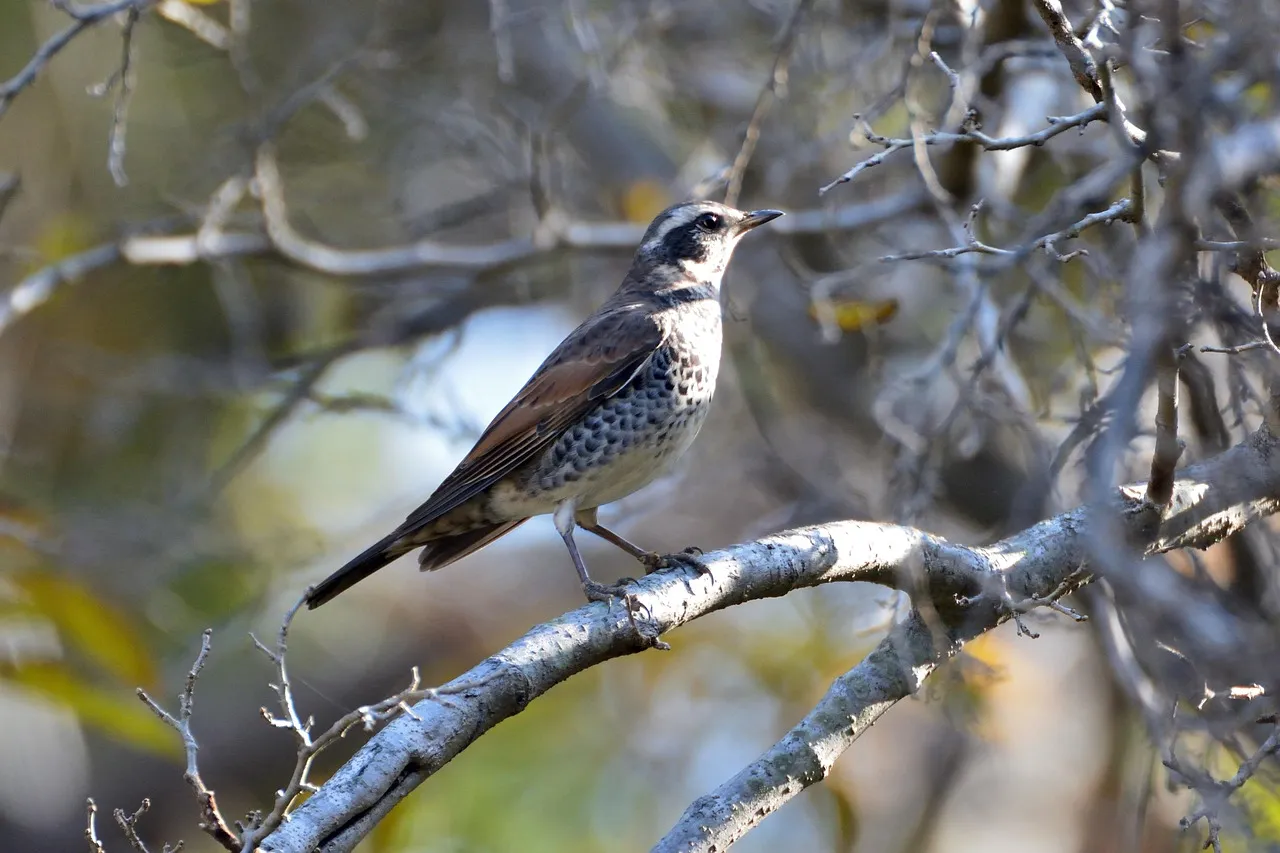
Wood Thrush
Wood Thrush (Image Credits: Pixabay)
Known for its ethereal flute-like song, the Wood Thrush has seen a population decline of about 60% since 1970. ([birds.cornell.edu](https://www.birds.cornell.edu/home/bring-birds-back?utm_source=openai))
Deforestation and habitat degradation, both in their breeding and wintering grounds, have contributed to their decline. The loss of the Wood Thrush’s song is a poignant reminder of the fragility of our ecosystems.
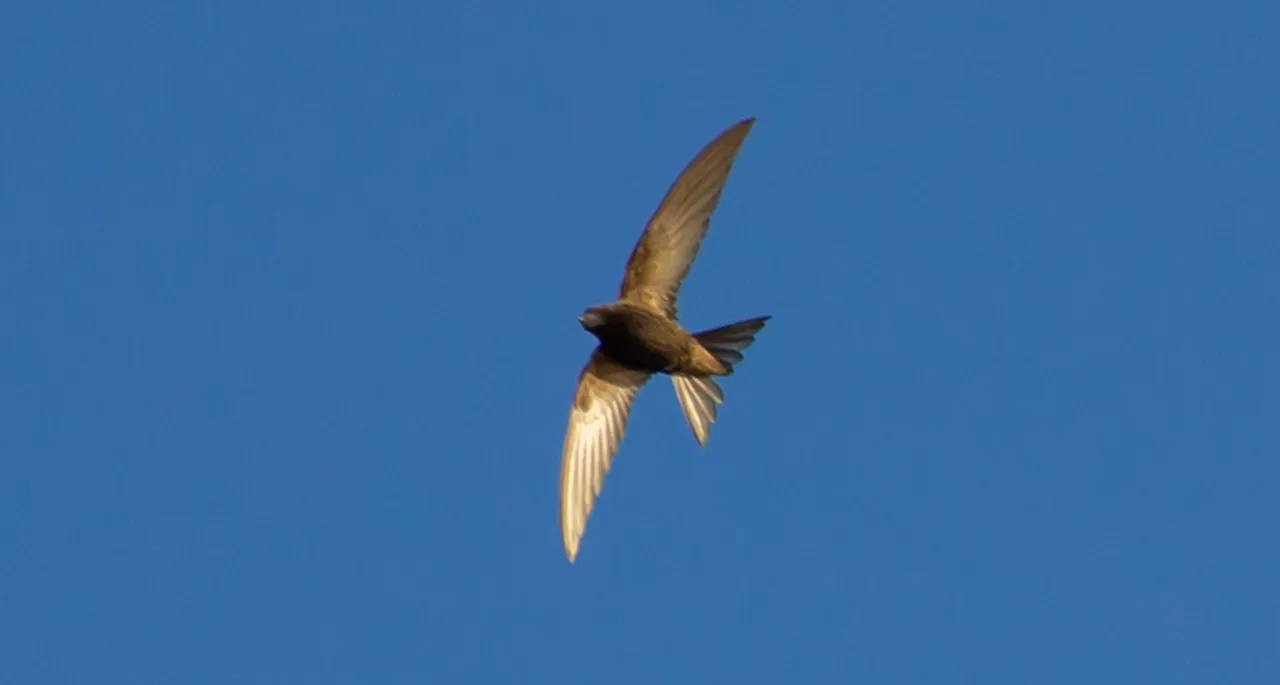
Chimney Swift
Chimney Swift (Image Credits: Pixabay)
Chimney Swifts, often seen darting through the sky in search of insects, have experienced a population decline of about 72% since 1970. ([birds.cornell.edu](https://www.birds.cornell.edu/home/bring-birds-back?utm_source=openai))
The loss of suitable nesting sites, such as old chimneys and hollow trees, has severely impacted their numbers. The decline of these aerial acrobats reflects broader environmental challenges.
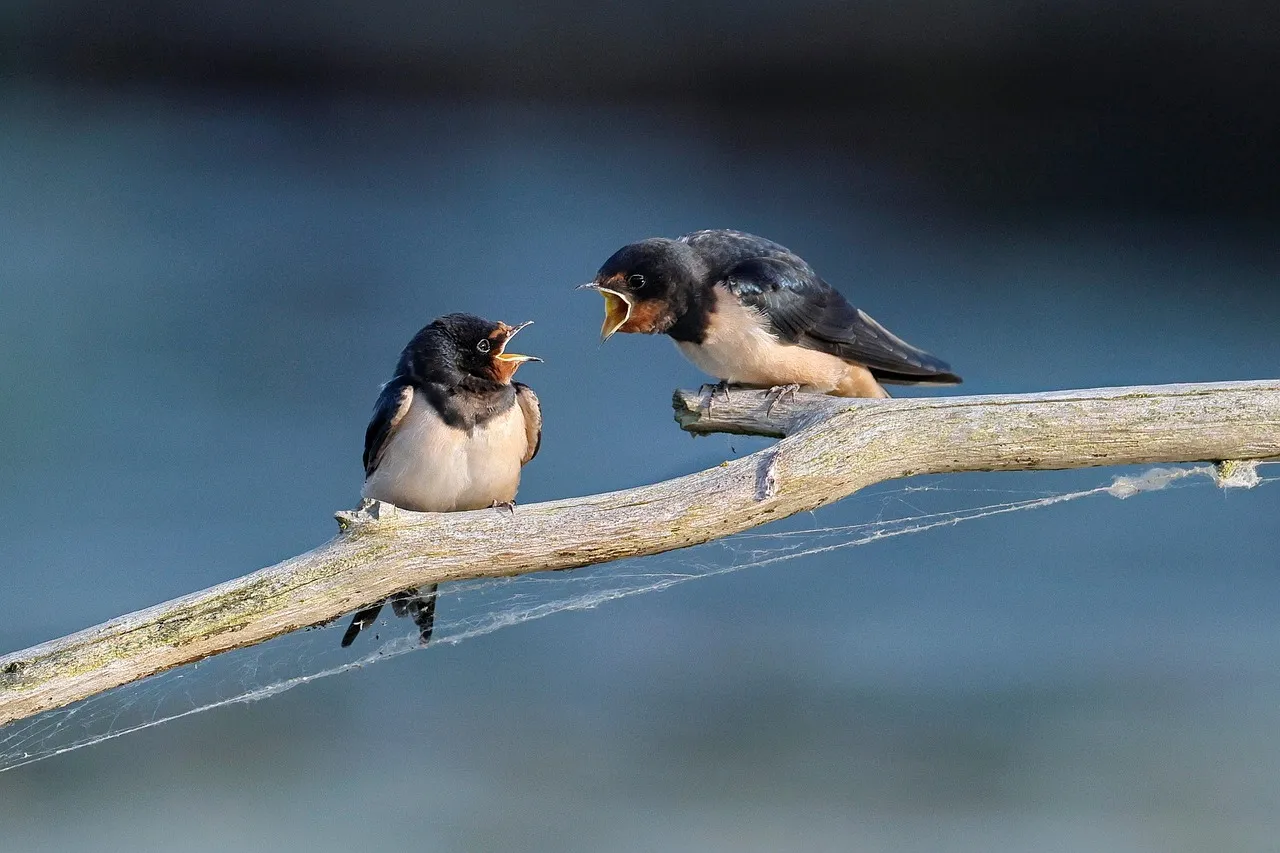
Bank Swallow
Bank Swallow (Image Credits: Pixabay)
The Bank Swallow, North America’s smallest swallow species, has seen a population decline of about 89% since 1970. ([birds.cornell.edu](https://www.birds.cornell.edu/home/bring-birds-back?utm_source=openai))
Erosion control measures and habitat destruction have led to the loss of their nesting sites along riverbanks and cliffs. The sharp decline in their numbers is alarming for conservationists.
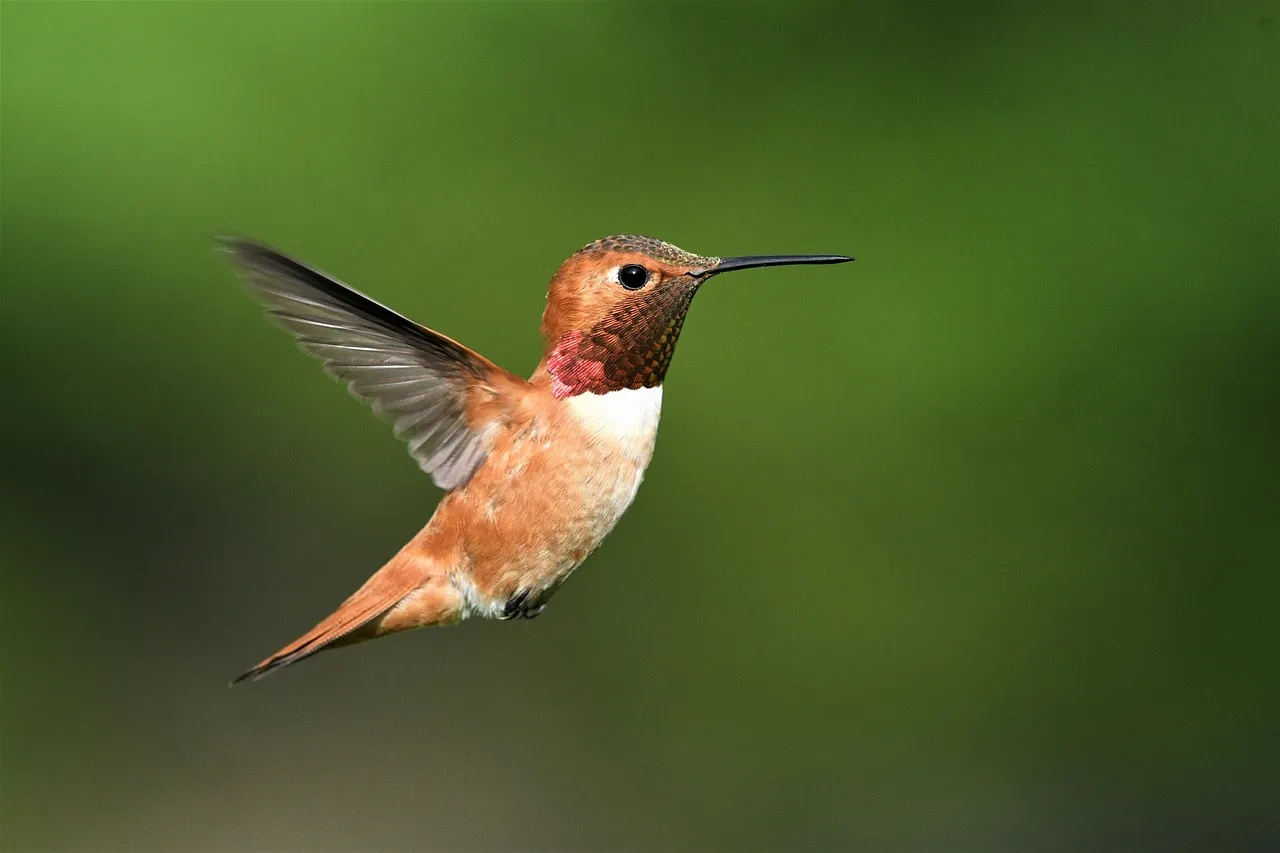
Rufous Hummingbird
Rufous Hummingbird (Image Credits: Pixabay)
The vibrant Rufous Hummingbird, known for its incredible migratory journey, has experienced a population decline of about 62% since 1970.
Habitat loss and climate change have disrupted their migratory patterns and food availability. The decline of these tiny travelers highlights the interconnectedness of ecosystems.
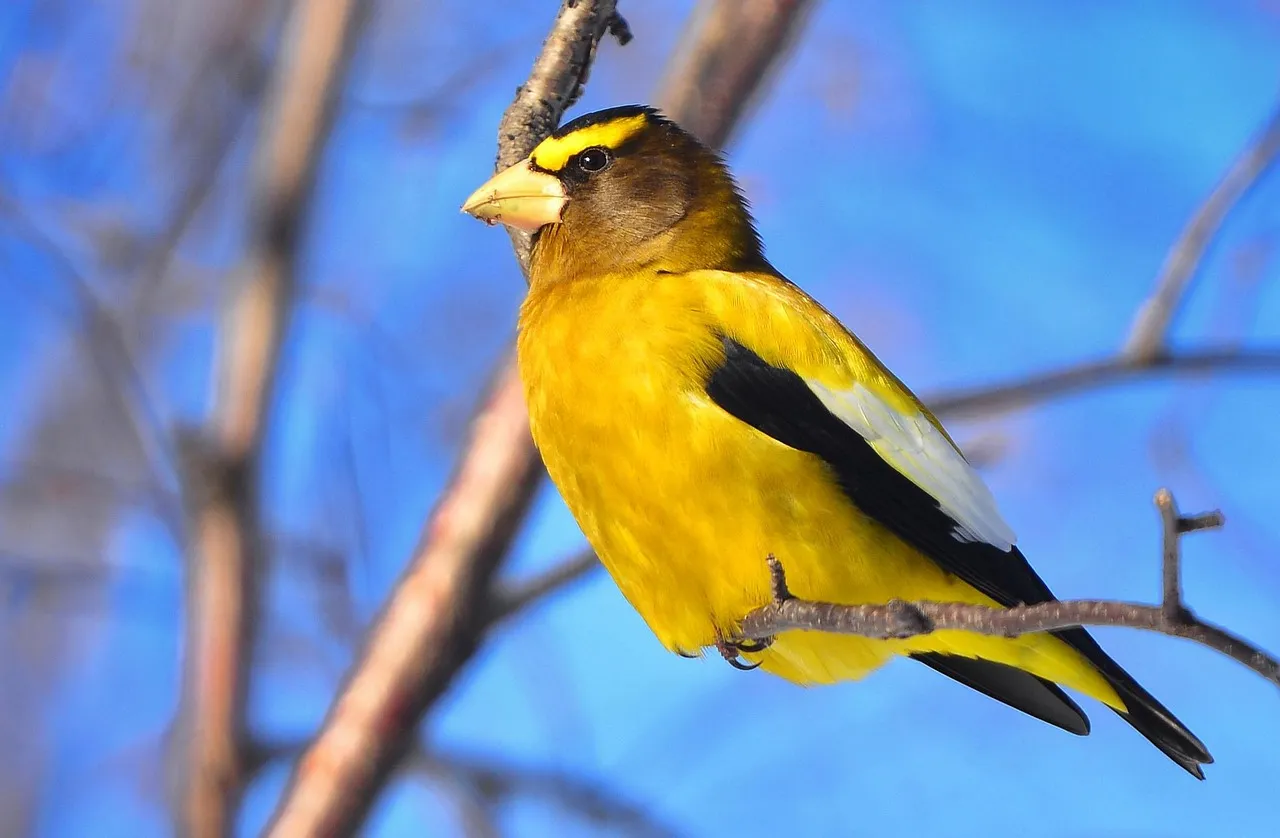
Evening Grosbeak
Evening Grosbeak (Image Credits: Pixabay)
Once common at winter feeders, the Evening Grosbeak has seen a staggering population decline of about 90% since 1970. ([birds.cornell.edu](https://www.birds.cornell.edu/home/bring-birds-back?utm_source=openai))
Changes in forest composition and food availability have contributed to their decline. The loss of these colorful birds is a significant blow to biodiversity.
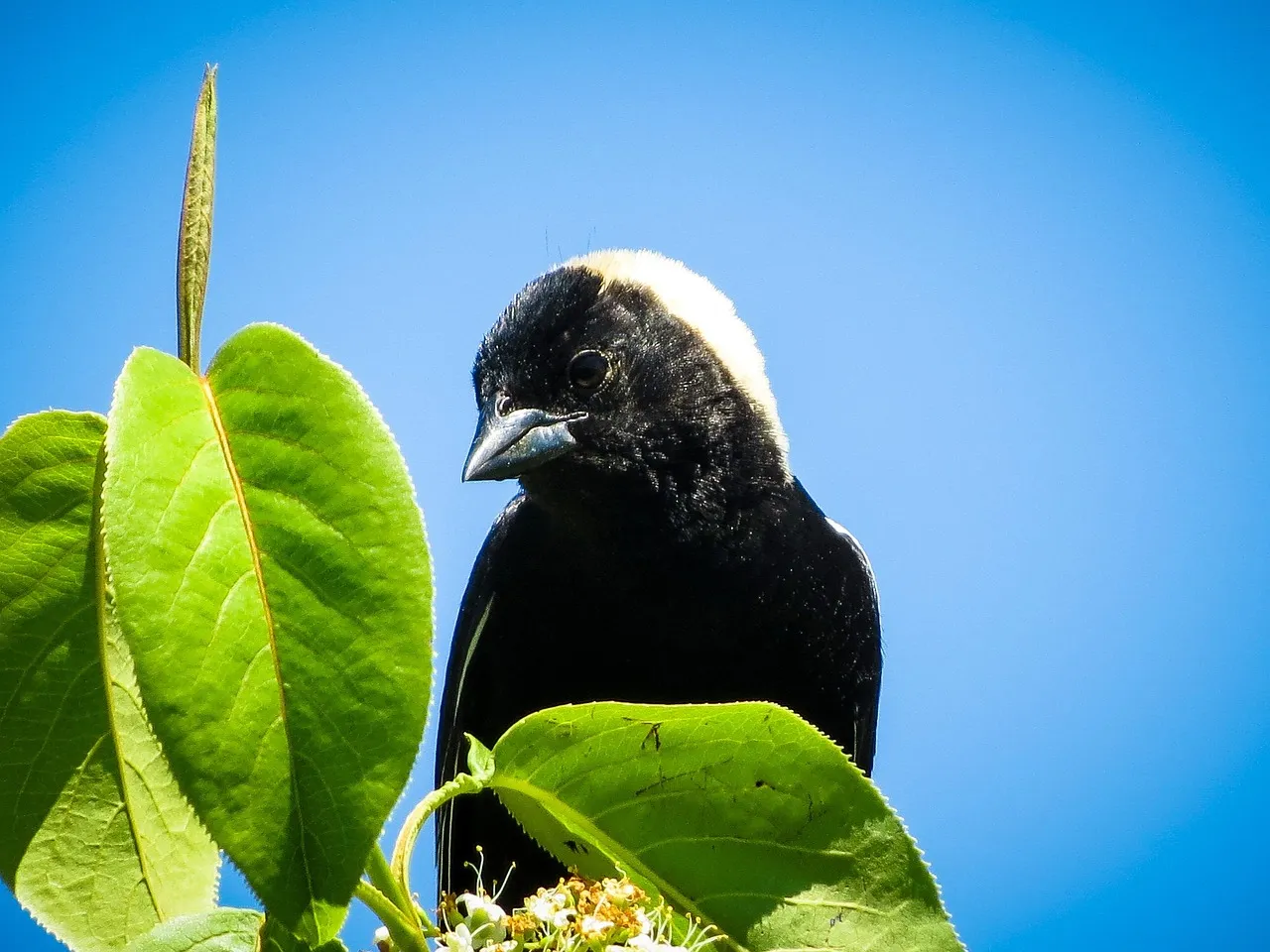
Bobolink
Bobolink (Image Credits: Pixabay)
The Bobolink, with its bubbly song and striking plumage, has experienced a population decline of about 65% since 1970. ([birds.cornell.edu](https://www.birds.cornell.edu/home/bring-birds-back?utm_source=openai))
Conversion of grasslands to croplands and early mowing practices have destroyed nesting sites. The decline of Bobolinks underscores the impact of agricultural practices on bird populations.
<h
Did you find this helpful? Share it with a friend who’d love it too!
Gargi is an MA in History and a B.Ed graduate from India, with a deep passion for animals and wildlife awareness. As an article writer and editor at Animals Around The Globe, she combines her love for storytelling with her dedication to educating readers about animals, conservation, and responsible pet care. A devoted dog lover, Gargi enjoys creating engaging and informative content that inspires compassion and awareness toward the natural world.