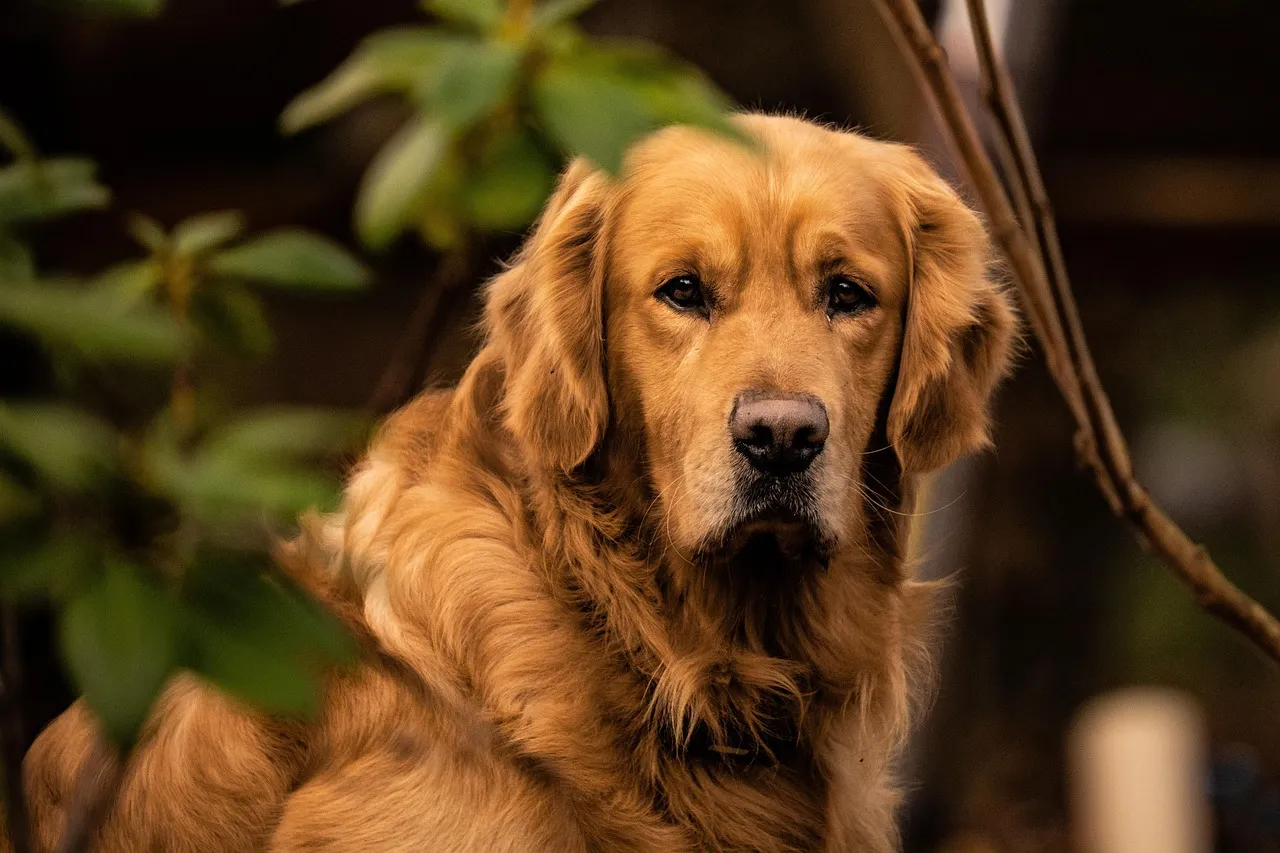
Image credits: Pixabay
Dogs have long been celebrated for their unwavering loyalty and deep connection to humans. Among their many remarkable abilities, some breeds exhibit an uncanny sensitivity to their owners’ health and emotional states, particularly as the end of life approaches. While scientific evidence is still emerging, numerous anecdotal accounts suggest that certain breeds are more attuned to these changes. Let’s explore nine such breeds and the specific behaviors they may display in the 48 hours leading up to their owner’s passing.
1. Labrador Retriever
1. Labrador Retriever (Image Credits: Unsplash)
Labrador Retrievers are renowned for their empathetic nature and keen sense of smell. In the final days of an owner’s life, a Labrador may become exceptionally attentive, rarely leaving their side. They might nuzzle or lick their owner more frequently, offering comfort through physical closeness.
Additionally, Labradors may exhibit signs of restlessness or anxiety, such as pacing or whining, sensing the impending change in their environment. Their intuitive behavior underscores the deep bond they share with their human companions.
2. German Shepherd
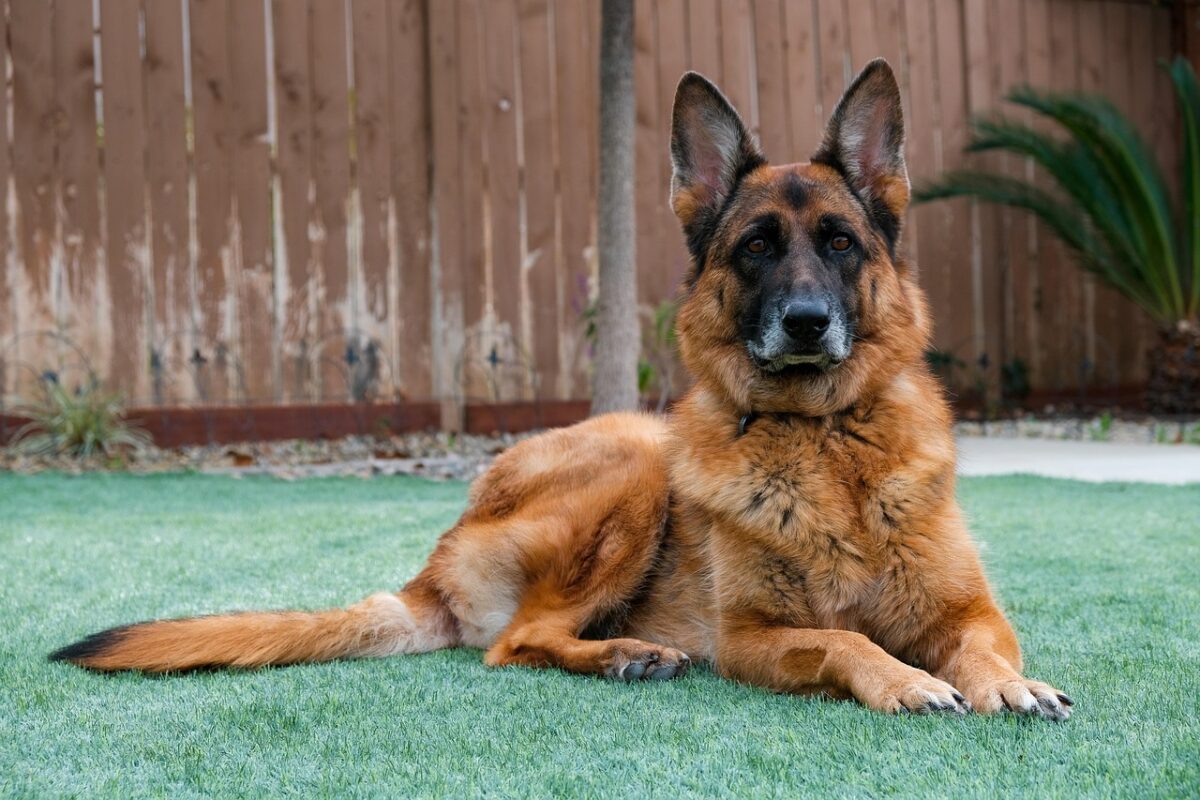
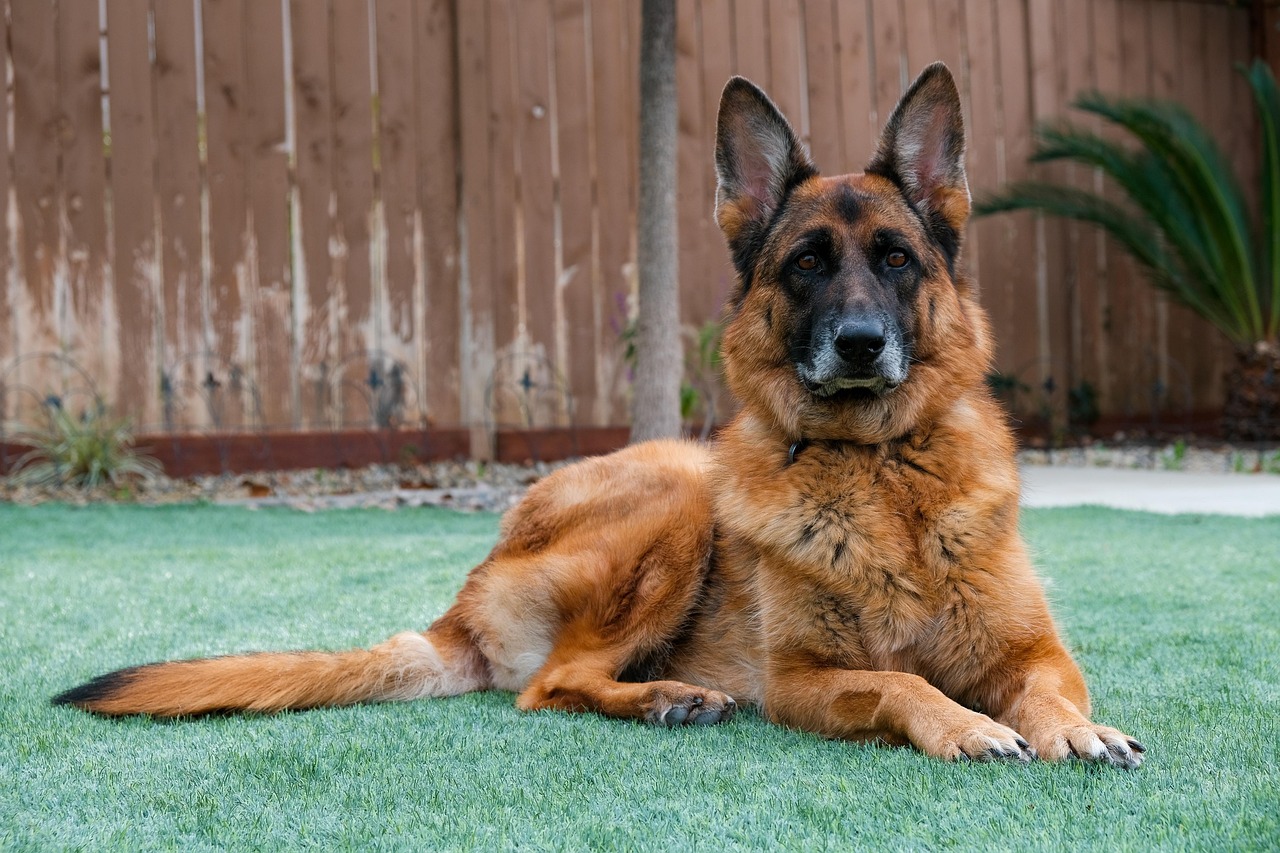
2. German Shepherd (Image Credits: Pixabay)
German Shepherds are known for their protective instincts and intelligence. As their owner’s health declines, they may display heightened vigilance, positioning themselves between their owner and others, as if guarding them.
These dogs might also become more vocal, barking or whining to alert others of the situation. Their acute awareness and responsiveness make them sensitive to subtle changes in their owner’s condition.
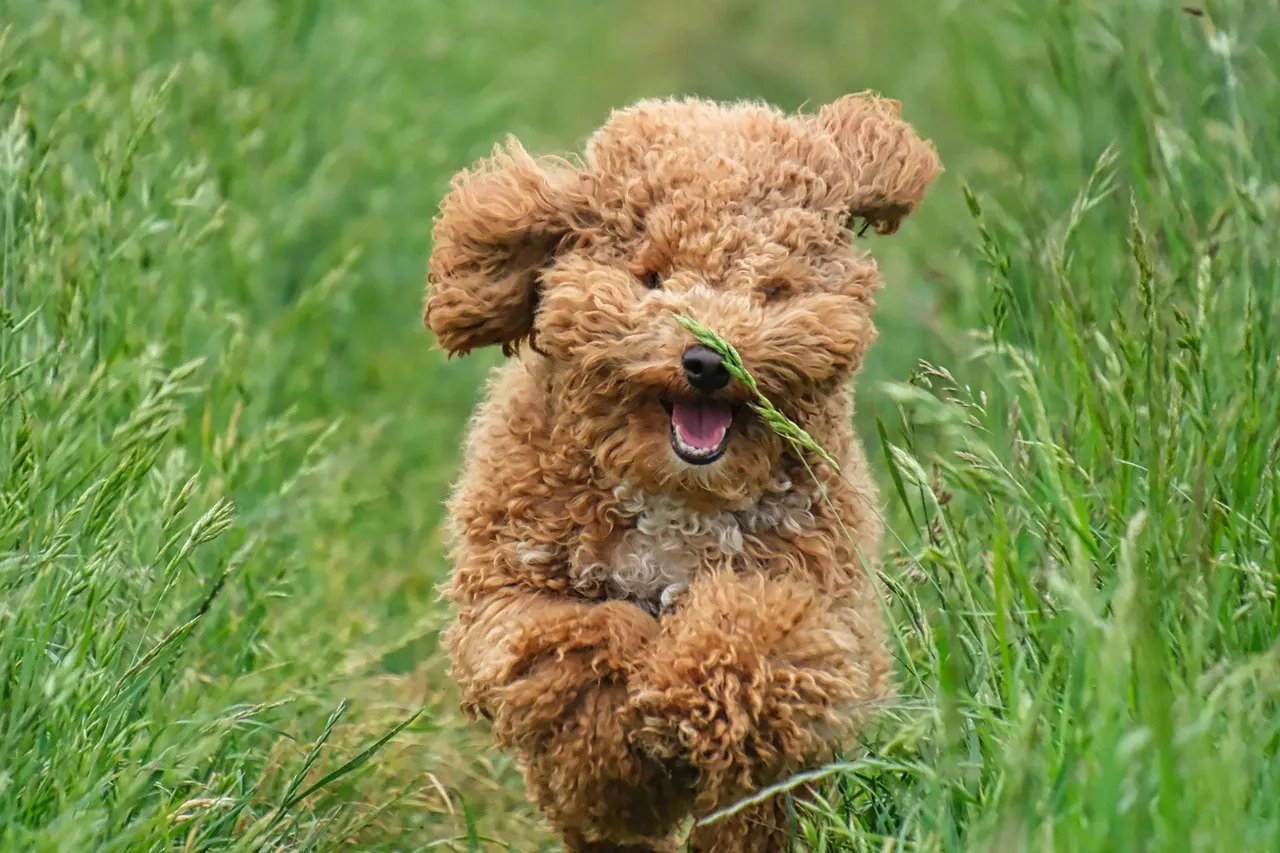
3. Poodle
3. Poodle (Image Credits: Pixabay)
Poodles, with their sharp intellect and emotional sensitivity, often pick up on their owner’s emotional and physical states. In the days leading up to an owner’s death, a Poodle may become unusually clingy, following their owner from room to room.
They might also show a decrease in appetite or interest in play, mirroring the somber mood of the household. This empathetic behavior highlights their deep connection to their human family.
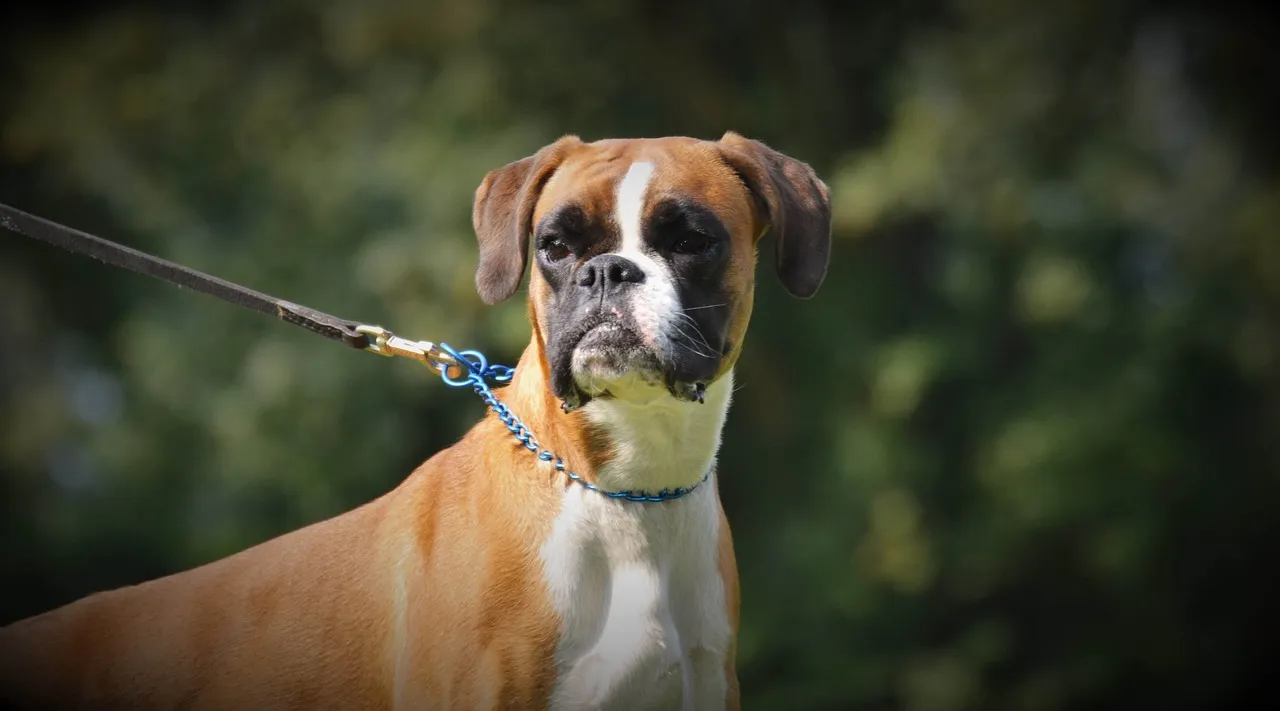
4. Boxer
4. Boxer (Image Credits: Pixabay)
Boxers are affectionate and protective companions. When sensing an owner’s impending death, a Boxer may become more subdued, staying close and offering gentle companionship.
They might also exhibit signs of depression, such as decreased energy or withdrawal from other family members, reflecting their awareness of the gravity of the situation.
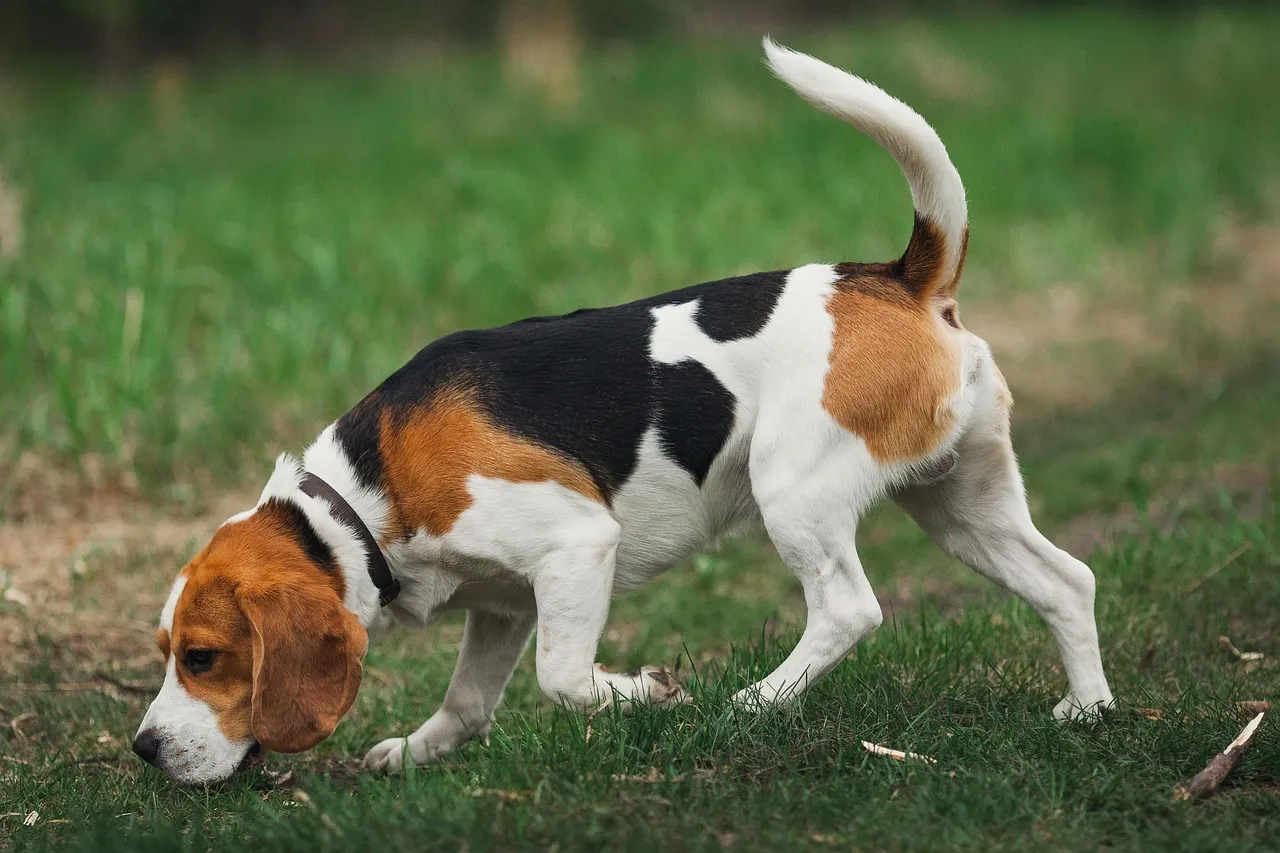
5. Beagle
5. Beagle (Image Credits: Pixabay)
Beagles possess an extraordinary sense of smell and are highly attuned to changes in their environment. As an owner nears the end of life, a Beagle may become more attentive, frequently sniffing or nuzzling their owner as if detecting subtle changes.
They might also display increased vocalization, such as whining or howling, expressing their distress and confusion about the changes occurring.
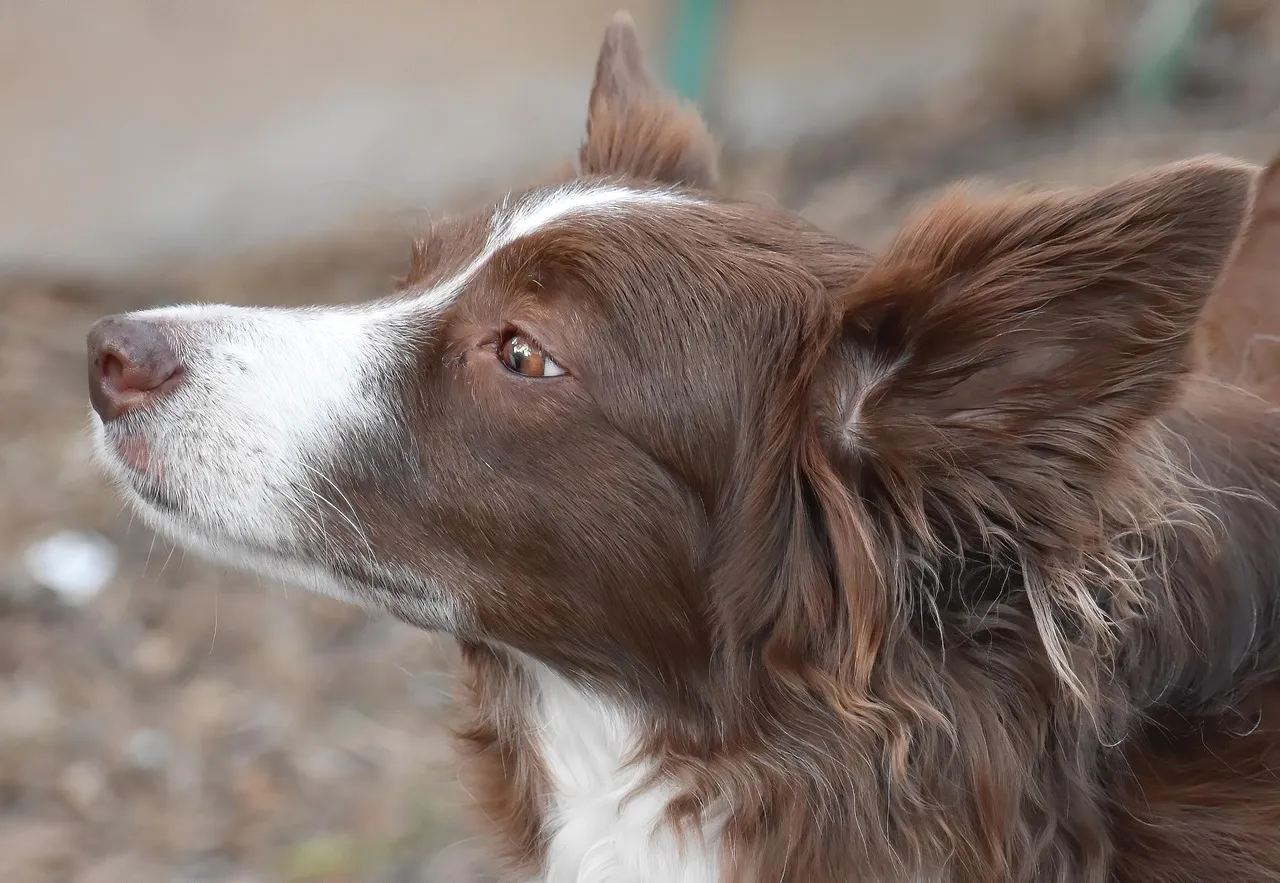
6. Collie
6. Collie (Image Credits: Pixabay)
Collies are known for their sensitivity and loyalty. In the final hours of an owner’s life, a Collie may become exceptionally gentle, offering quiet companionship and refraining from their usual playful behavior.
They might also exhibit signs of anxiety, such as pacing or restlessness, sensing the emotional turmoil within the household. Their intuitive nature allows them to provide comfort during difficult times.
7. Dachshund
7. Dachshund (Image Credits: Pixabay)
Dachshunds, despite their small size, have a big heart and are deeply connected to their owners. When sensing an impending death, a Dachshund may become more protective, staying close and alert to any changes.
They might also show changes in their own behavior, such as decreased appetite or increased sleep, reflecting their emotional response to the situation.
8. Golden Retriever
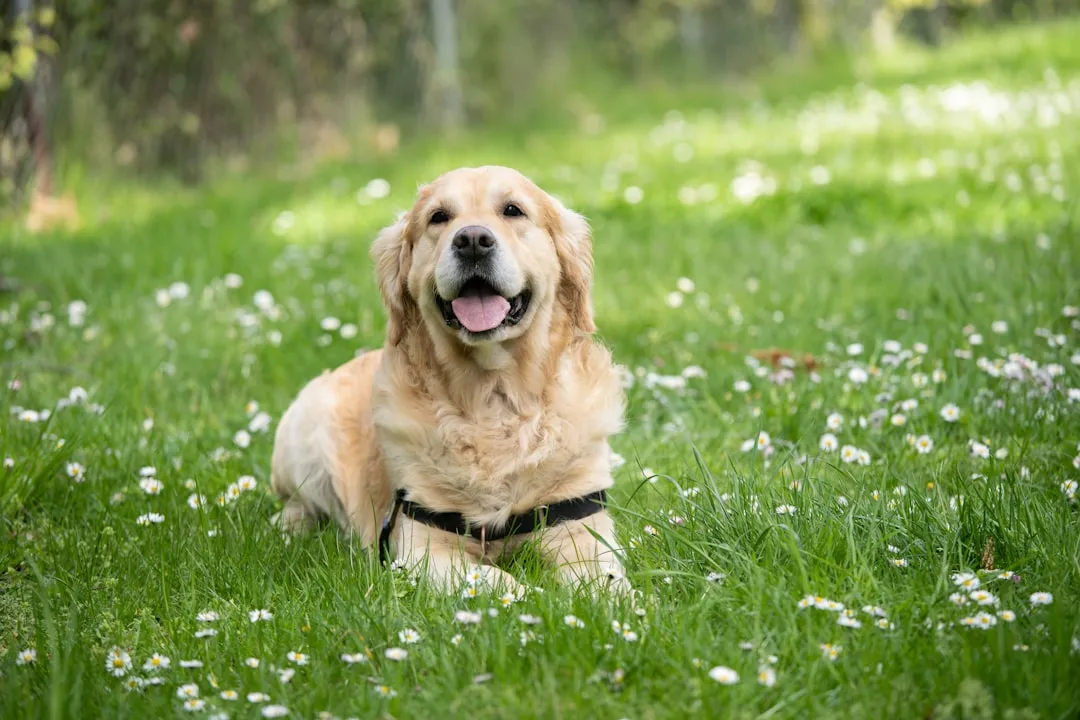
8. Golden Retriever (Image Credits: Pixabay)
Golden Retrievers are compassionate and intuitive dogs. As an owner approaches the end of life, a Golden Retriever may become more affectionate, offering gentle nudges or laying their head on their owner’s lap.
They might also display signs of sadness, such as drooping ears or a lowered tail, indicating their awareness of the somber atmosphere. Their empathetic nature provides solace during challenging times.
9. Shih Tzu
9. Shih Tzu (Image Credits: Pixabay)
Shih Tzus are known for their affectionate and attentive demeanor. In the days leading up to an owner’s death, a Shih Tzu may become more clingy, seeking constant physical contact and reassurance.
They might also exhibit signs of distress, such as whining or trembling, sensing the emotional weight of the situation. Their desire to provide comfort showcases their deep bond with their owner.
In conclusion, while scientific research continues to explore the extent of dogs’ abilities to sense human mortality, countless personal accounts highlight the profound connection between certain breeds and their owners during life’s final moments. These behaviors not only underscore the depth of the human-canine bond but also serve as a testament to the intuitive and compassionate nature of our four-legged friends.
Did you find this helpful? Share it with a friend who’d love it too!
Gargi is an MA in History and a B.Ed graduate from India, with a deep passion for animals and wildlife awareness. As an article writer and editor at Animals Around The Globe, she combines her love for storytelling with her dedication to educating readers about animals, conservation, and responsible pet care. A devoted dog lover, Gargi enjoys creating engaging and informative content that inspires compassion and awareness toward the natural world.