
Ever found yourself waking up just moments before your cat begins its eerie vigil, fixating on an empty corner of the room? This uncanny synchronization isn’t mere coincidence. Animal behaviorists suggest that such patterns may be deeply rooted in evolutionary history, reflecting a profound connection between humans and their feline companions.
The Enigma of Cats Staring at Empty Spaces
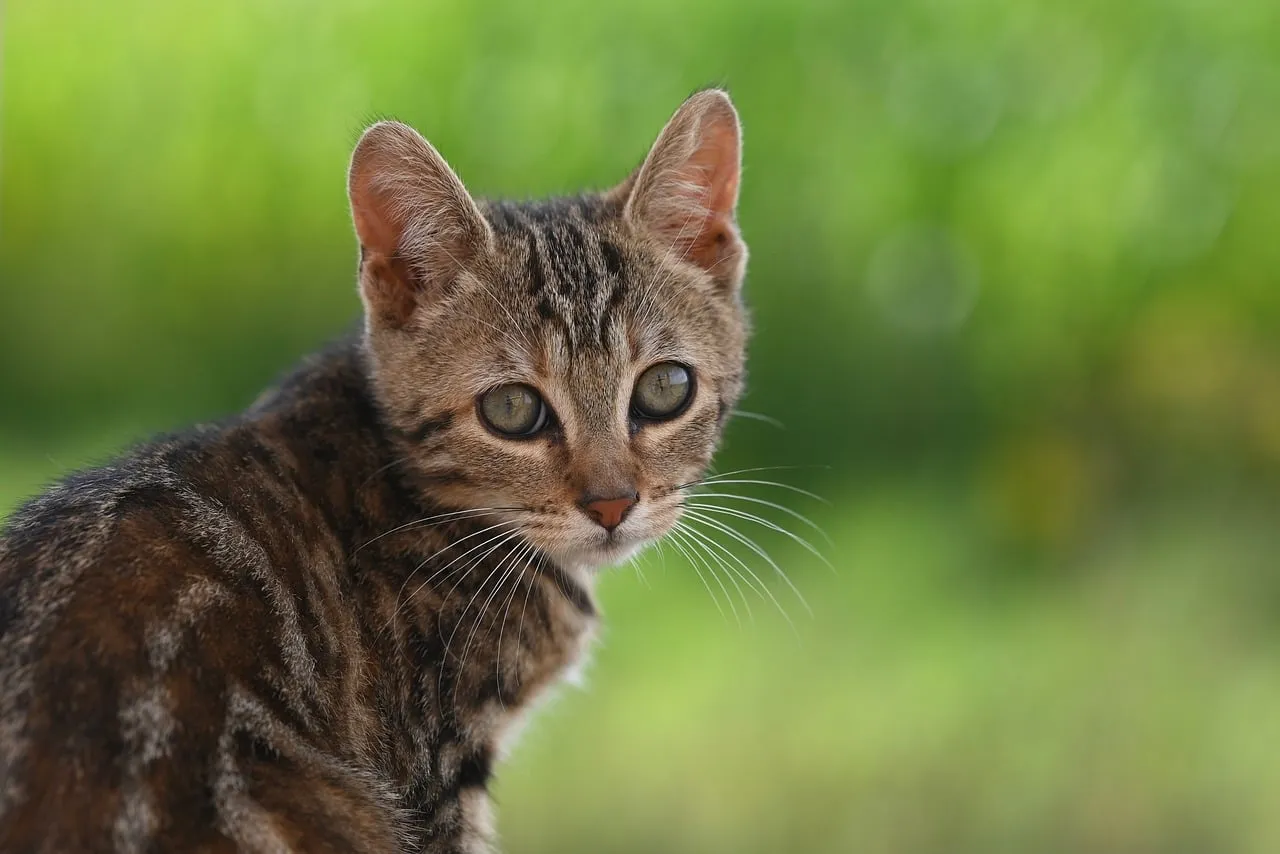
It’s a scene familiar to many cat owners: your feline friend, eyes wide, body tense, staring intently at a seemingly vacant spot. While it might appear they’re observing something supernatural, the reality is grounded in their exceptional sensory abilities. Cats possess heightened vision and hearing, allowing them to detect subtle movements or sounds imperceptible to humans. A tiny insect, a faint rustle within the walls, or even the play of light can captivate their attention.
Moreover, cats can perceive ultraviolet light, revealing patterns and details invisible to the human eye. This ability means that what seems like an empty corner to us might be visually stimulating to them. Their acute senses are evolutionary adaptations, honed for hunting and survival, enabling them to detect prey or potential threats in their environment.
Human and Cat Sleep Cycle Synchronization
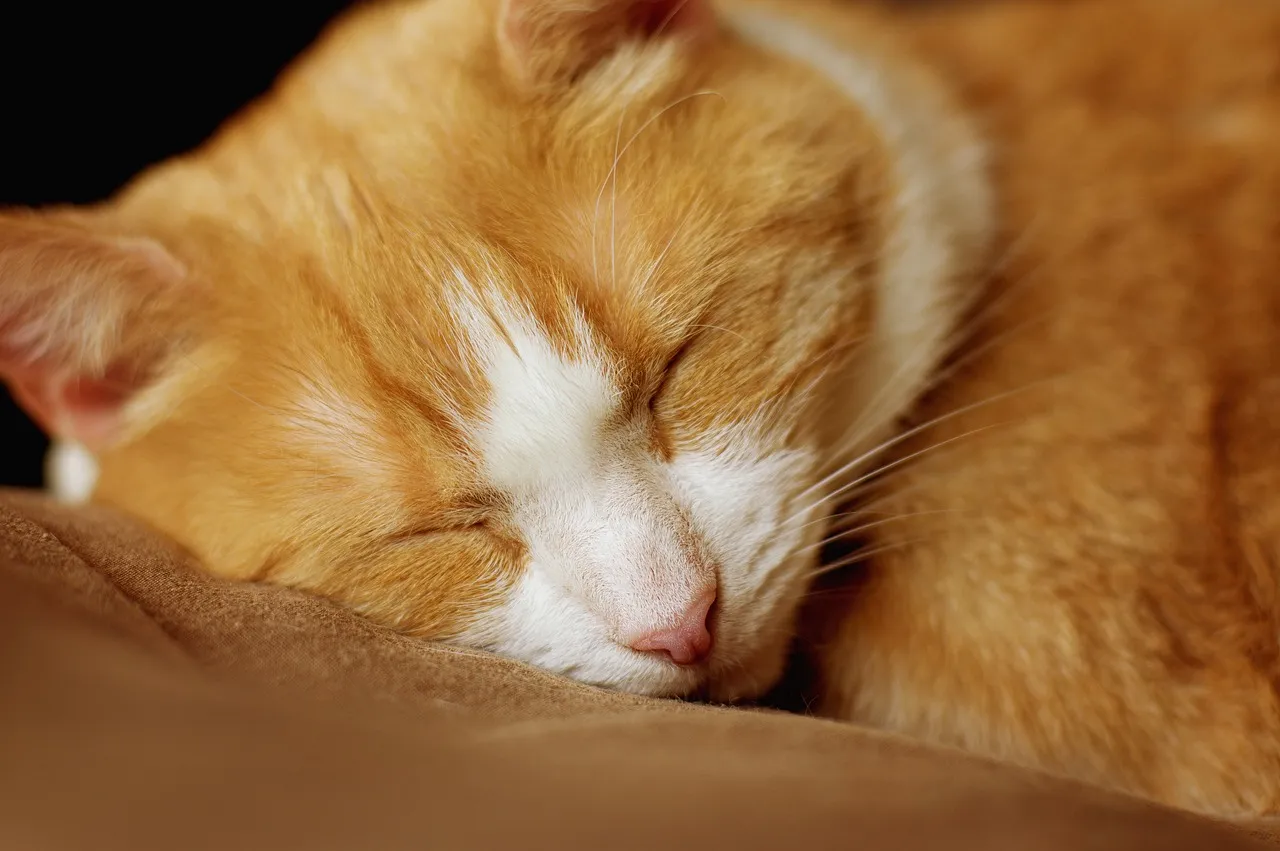
Humans and cats have distinct sleep patterns. Humans are diurnal, typically active during the day and resting at night. Cats, however, are crepuscular, most active during dawn and dusk. Despite these differences, many cat owners report instances where their sleep cycles seem to align with their pets, leading to simultaneous periods of wakefulness.
This synchronization may be more than mere happenstance. Studies on human sleep patterns have shown that our sleep-wake cycles can be influenced by external factors, including the presence and behavior of pets. The rhythmic sounds of a cat’s purring, for instance, can have a calming effect, potentially influencing human sleep patterns. Additionally, the bond between a pet and its owner can lead to subtle behavioral adjustments, resulting in synchronized routines.
Evolutionary Bonds Between Humans and Cats
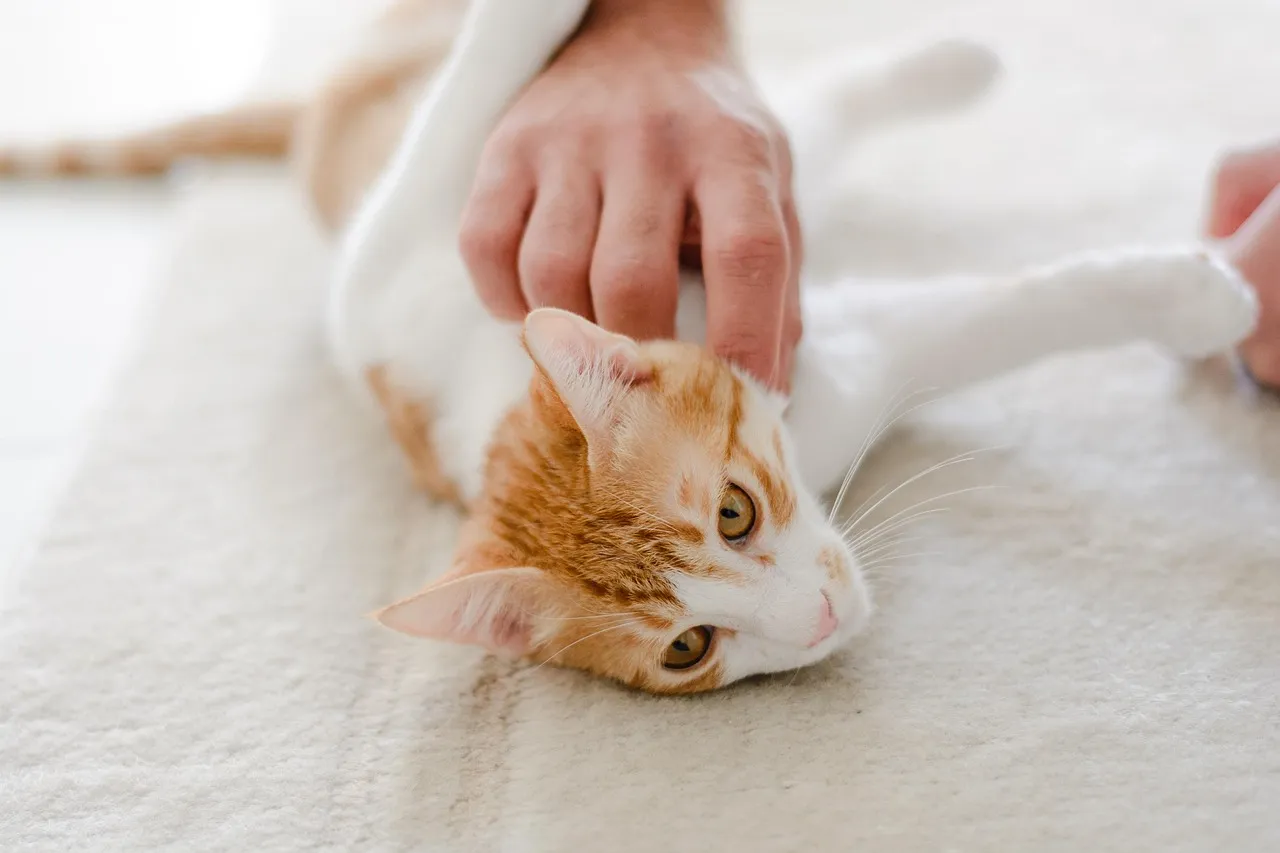
The domestication of cats dates back thousands of years, with evidence suggesting that humans and felines began cohabiting around 9,000 years ago. This long-standing relationship has led to mutual adaptations. Cats benefited from the food and shelter provided by humans, while humans gained effective pest control from their feline companions.
Over time, this cohabitation may have fostered behavioral synchronization. Just as humans adapted to the presence of cats, adjusting their routines to accommodate their pets, cats too may have adapted their behaviors to align more closely with human activity patterns. This mutual adaptation could explain instances of synchronized sleep-wake cycles observed between cats and their owners.
The Role of Environmental Cues
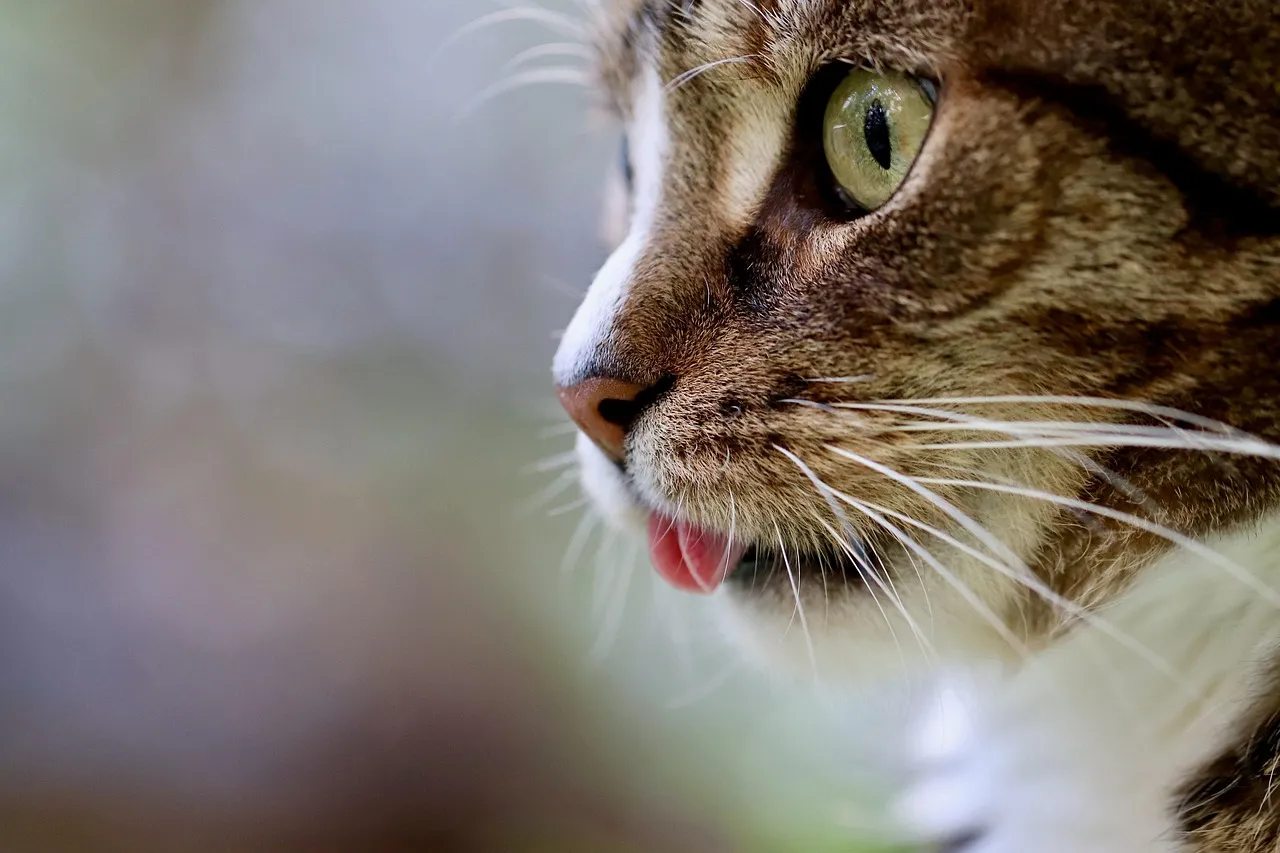
Environmental factors play a significant role in regulating sleep patterns. Light exposure, for instance, is a primary cue for circadian rhythms in both humans and cats. The presence of artificial lighting, household noises, and daily routines can influence the sleep-wake cycles of both species.
In a shared living environment, these cues can lead to synchronized behaviors. A cat accustomed to its owner’s schedule may adjust its activity patterns accordingly, leading to instances where both wake up simultaneously. This synchronization is a testament to the adaptability of both species and the influence of shared environments on behavior.
Psychological and Emotional Connections
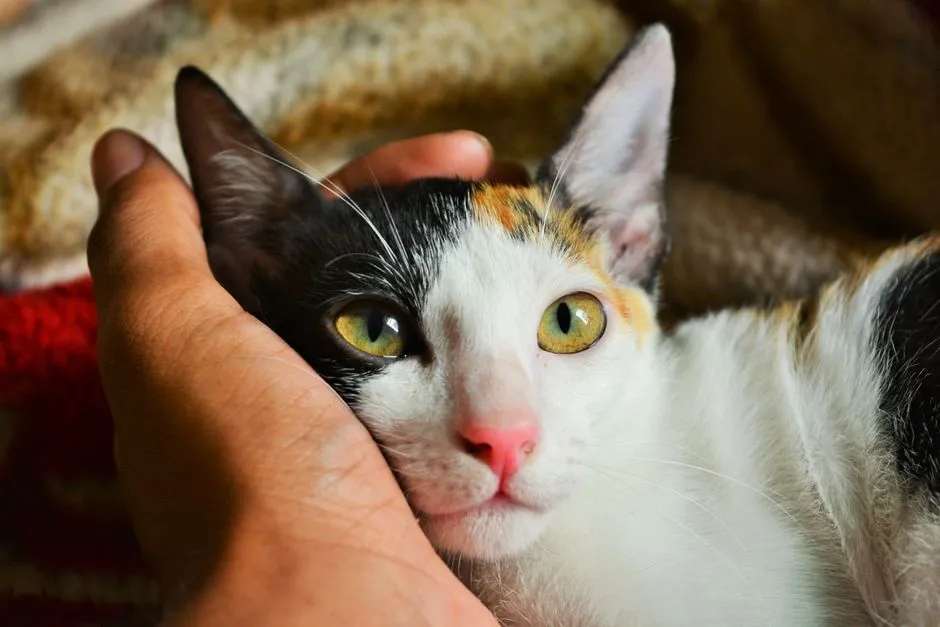
The bond between a pet and its owner extends beyond mere cohabitation. Emotional connections can lead to synchronized behaviors, as both parties become attuned to each other’s routines and needs. This attunement can manifest in various ways, including synchronized sleep patterns.
For instance, a cat that feels secure and bonded with its owner may choose to rest when its owner does, leading to overlapping sleep cycles. Conversely, an owner attuned to their cat’s behaviors may find their sleep patterns influenced by their pet’s activity, leading to instances of simultaneous wakefulness.
Health Implications of Synchronized Sleep
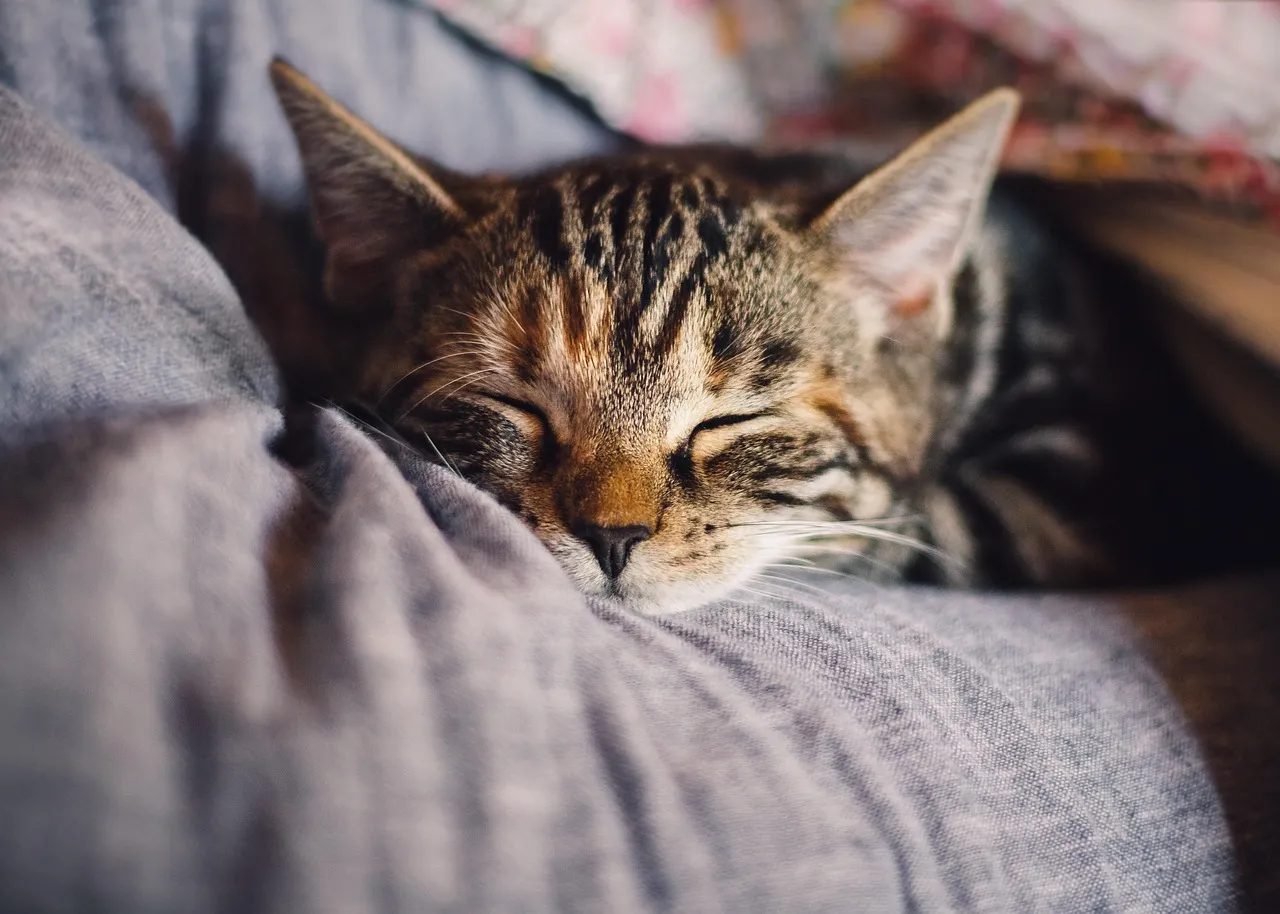
While synchronized sleep patterns can be a sign of a strong bond between a cat and its owner, they can also have health implications. Disruptions in sleep patterns, whether due to a pet’s nocturnal activities or other factors, can affect the quality of sleep for both parties.
Ensuring that both you and your cat have conducive sleep environments is essential. Providing your cat with engaging activities during the day can help reduce nighttime restlessness. Similarly, establishing a consistent bedtime routine can signal to your cat that it’s time to rest, promoting synchronized sleep patterns that are beneficial for both.
When to Seek Professional Advice

While occasional instances of synchronized wakefulness are normal, persistent disruptions in sleep patterns can be concerning. If you find that your sleep is consistently disturbed by your cat’s activities, or if your cat exhibits signs of restlessness or distress during the night, it may be time to consult a veterinarian or an animal behaviorist.
Professional guidance can help identify underlying issues, such as health problems or environmental stressors, and provide strategies to promote healthier sleep patterns for both you and your feline companion.
Conclusion
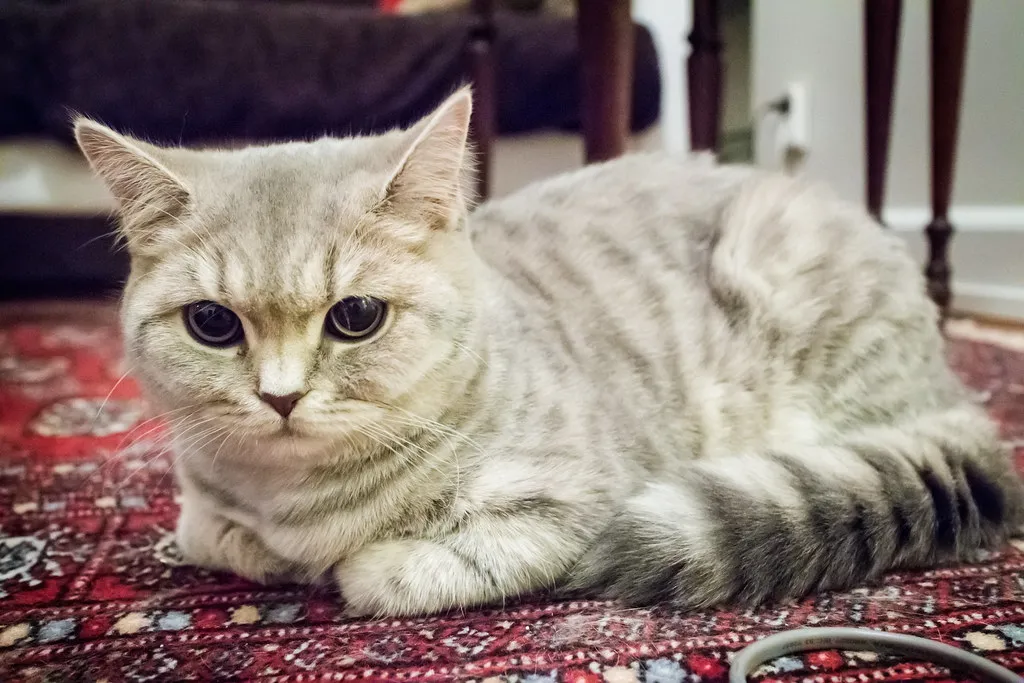
The phenomenon of waking up just before your cat begins its silent vigil in an empty corner is a fascinating interplay of evolutionary history, environmental factors, and the deep bond shared between humans and their feline companions. While it might seem mysterious, it’s a testament to the intricate connections that have developed over millennia of cohabitation. So, the next time you find yourself sharing a midnight moment with your cat, consider it a nod to the ancient dance of synchronization that continues to this day.
