
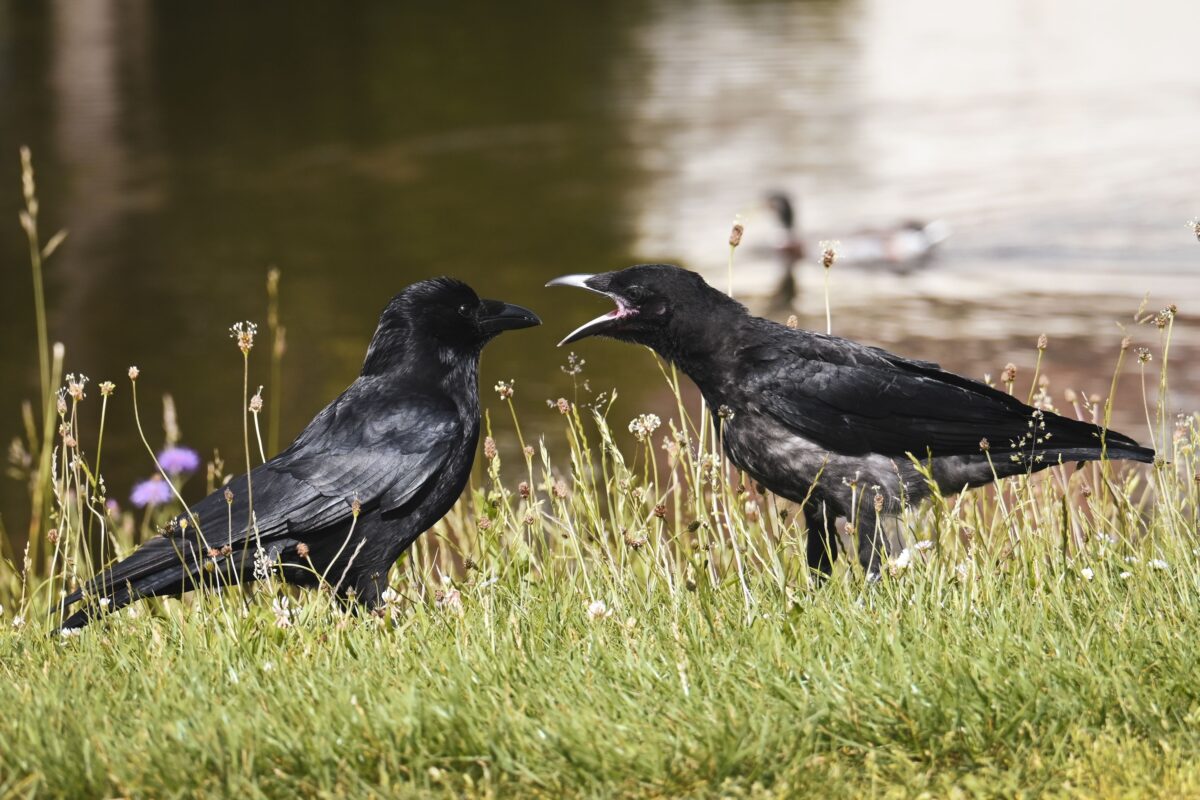
Crows are not just ordinary birds; they are among the most intelligent creatures in the animal kingdom. Their ability to recognize and remember human faces for years is both fascinating and, at times, unsettling. But what is it about these birds that enables such remarkable memory? Let’s delve into the reasons behind this phenomenon and uncover the one action they’ll always remember.
Advanced Cognitive Abilities
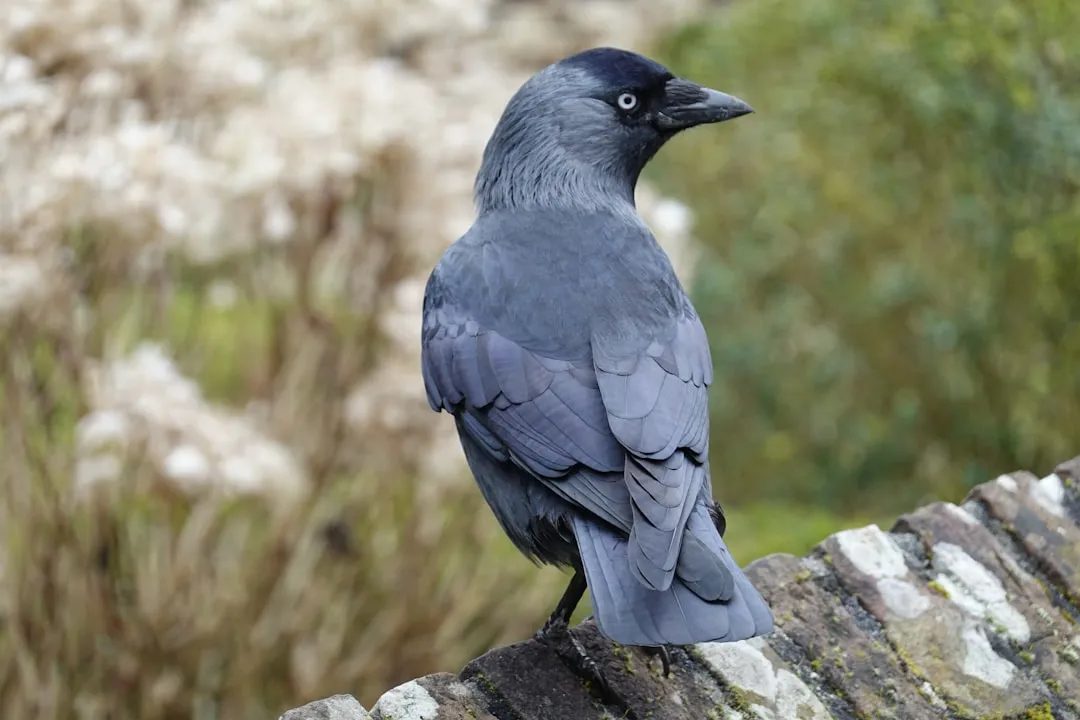
Crows possess cognitive skills that rival those of primates. Their brains, though small, are densely packed with neurons, facilitating complex thought processes. This neural architecture allows them to perform tasks like tool use, problem-solving, and, notably, facial recognition.
Their intelligence isn’t just about survival; it’s about adaptation. In urban environments, crows have learned to navigate human-made structures, understand traffic patterns, and even use cars to crack open nuts. This adaptability underscores their advanced cognitive functions.
Exceptional Memory Retention
Studies have shown that crows can remember human faces associated with negative experiences for up to five years. This long-term memory is not just a survival mechanism but a testament to their advanced neural capabilities.
Their memory isn’t limited to negative experiences. Crows can also recall positive interactions, recognizing and approaching humans who have fed or treated them kindly in the past.
Facial Recognition Skills
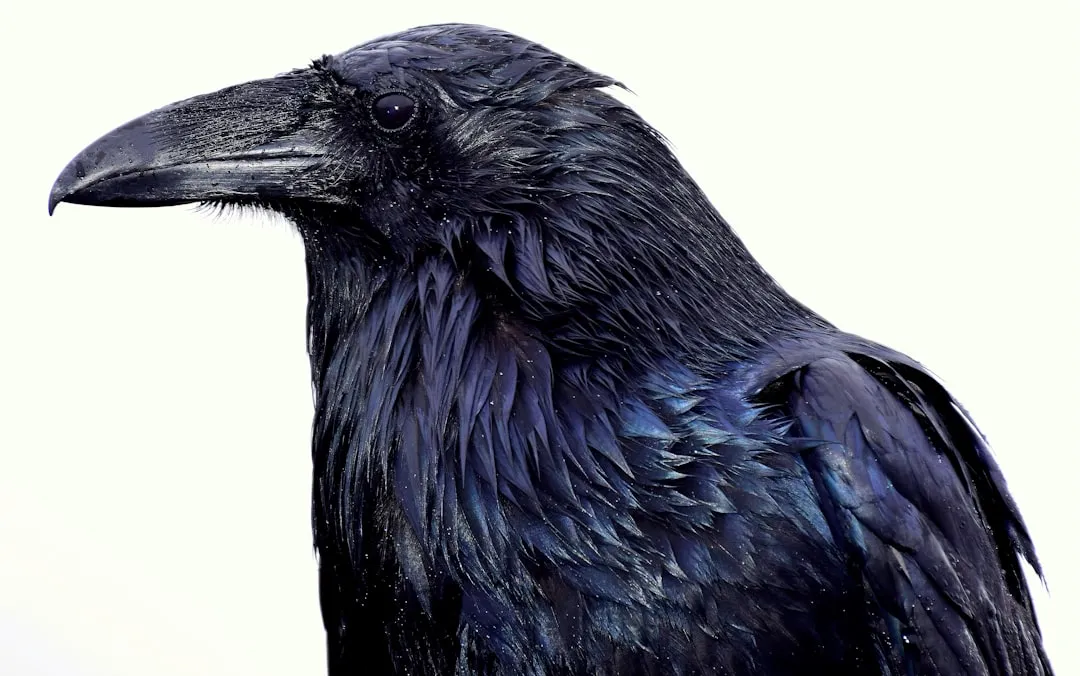
Crows can distinguish between individual human faces, a skill that is rare in the animal kingdom. This ability allows them to identify potential threats or allies based on past interactions.
This recognition isn’t superficial. Crows can discern subtle differences in facial features, enabling them to differentiate between people even if they change their clothing or hairstyle.
Social Learning and Communication
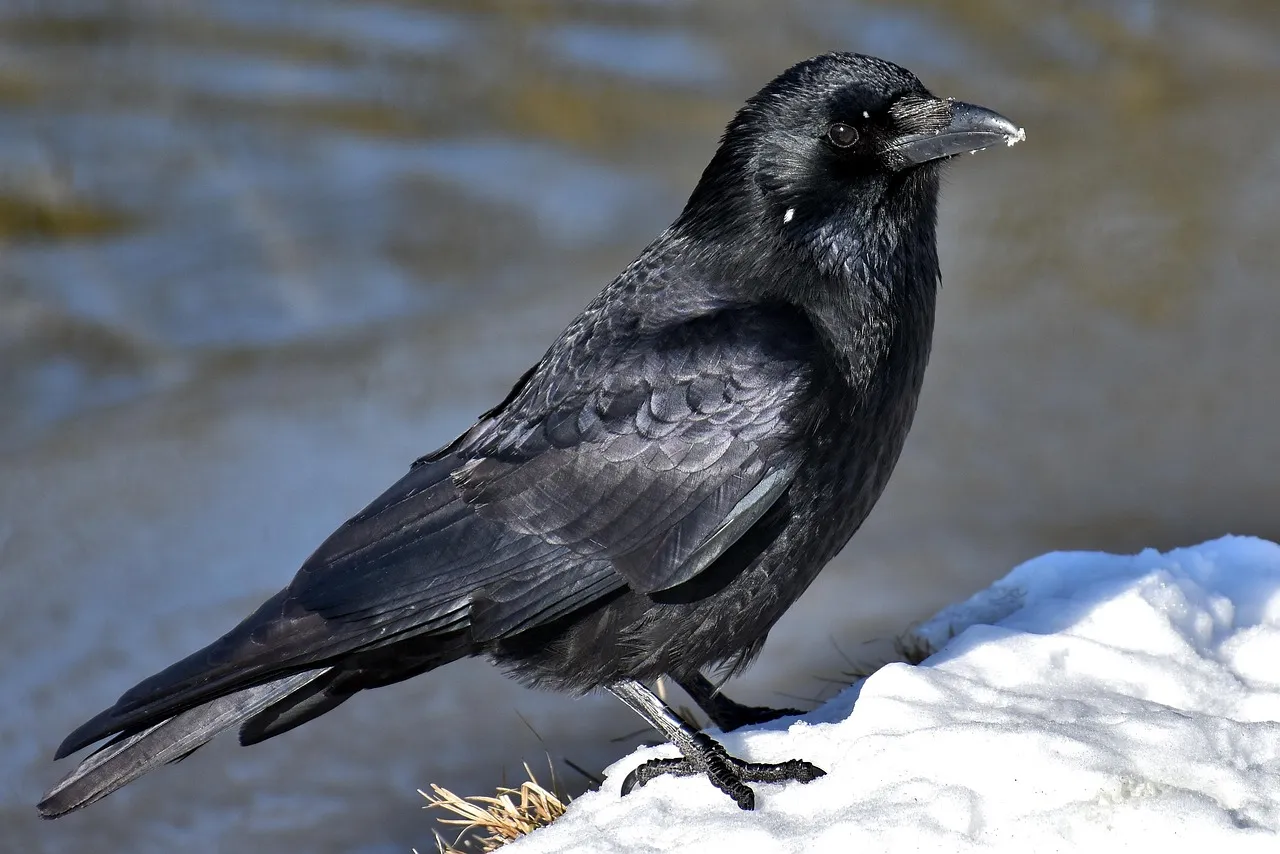
When a crow identifies a threat, it doesn’t keep the information to itself. Instead, it communicates the danger to other crows through vocalizations and behavior, ensuring the entire community is aware.
This social learning extends to their offspring. Young crows learn from their parents about which humans to avoid, passing down knowledge through generations.
Protective Nature of Their Flock
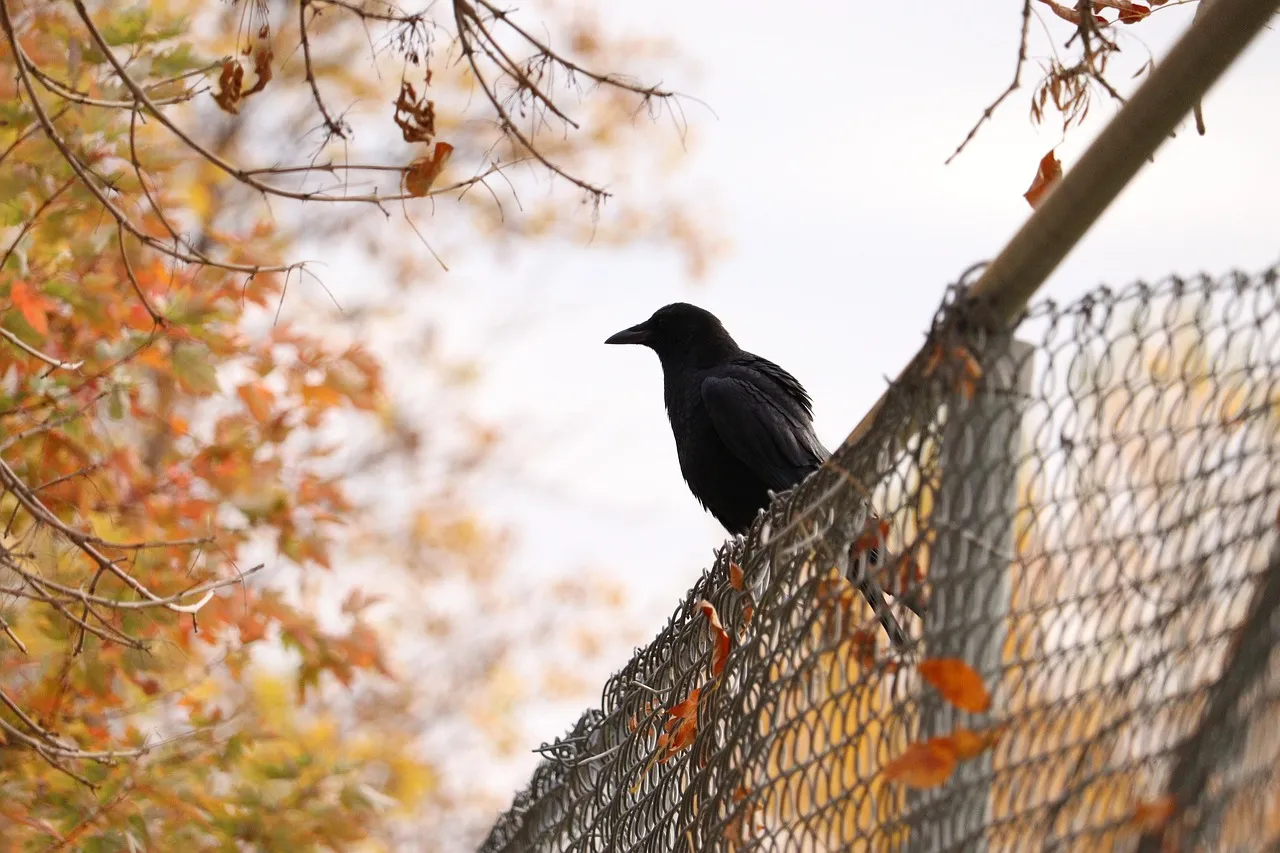
Crows are highly social birds that rely on their flock for protection and survival. Recognizing and remembering potential threats is crucial to maintaining the safety of the group.
Their communal nature means that if one crow perceives a human as a threat, others will adopt the same stance, leading to collective defensive behaviors like mobbing or scolding.
Association of Faces with Specific Events
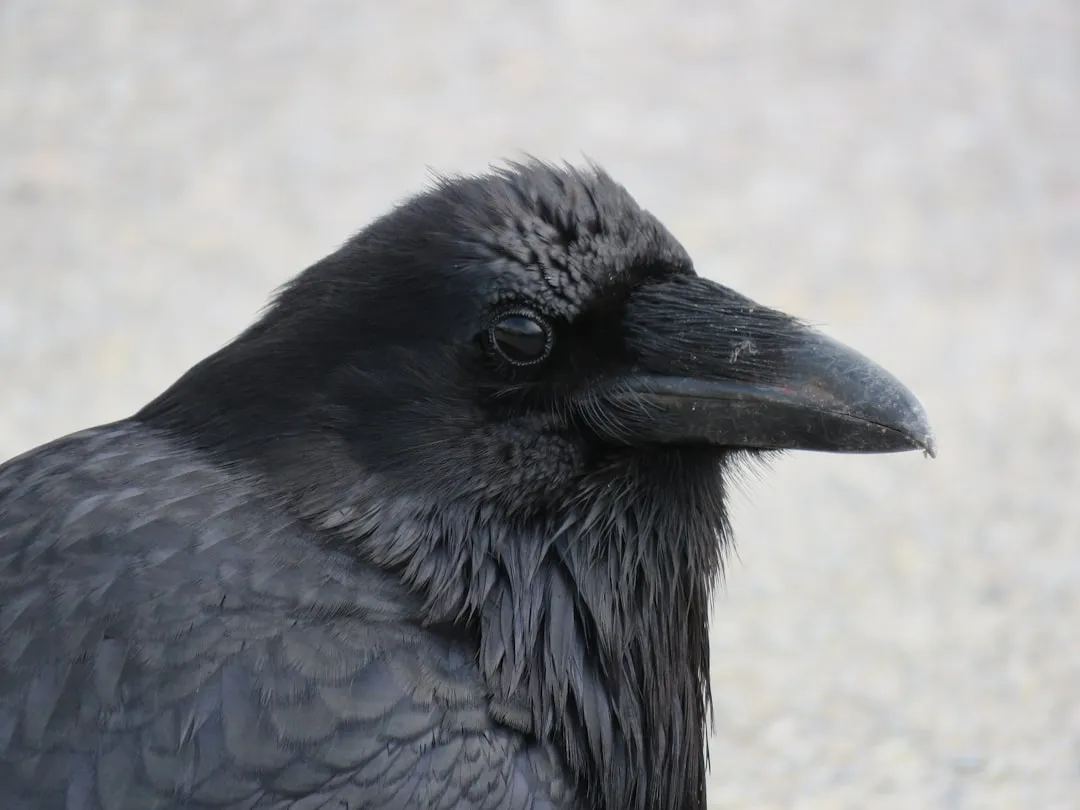
Crows don’t just remember faces; they associate them with specific events. If a person has harmed or threatened them, they link that face to the negative experience, leading to avoidance or aggressive behavior in future encounters.
This associative memory helps crows make quick decisions about how to react to humans, enhancing their chances of survival in diverse environments.
Ability to Pass Knowledge to Offspring
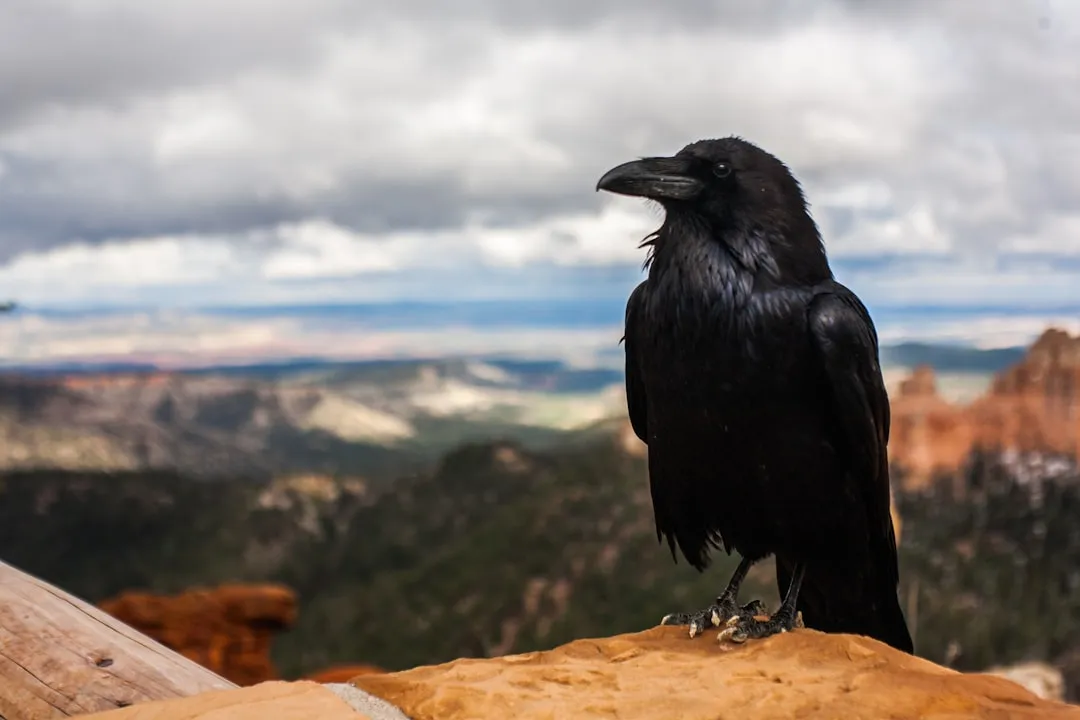
The knowledge of which humans are threats isn’t just shared among current flock members; it’s passed down to future generations. Young crows learn from observing adult behaviors and listening to their calls.
This transmission of knowledge ensures that even crows who haven’t had direct negative experiences with a particular human will still recognize and avoid them.
Use of Alarm Calls to Signal Danger
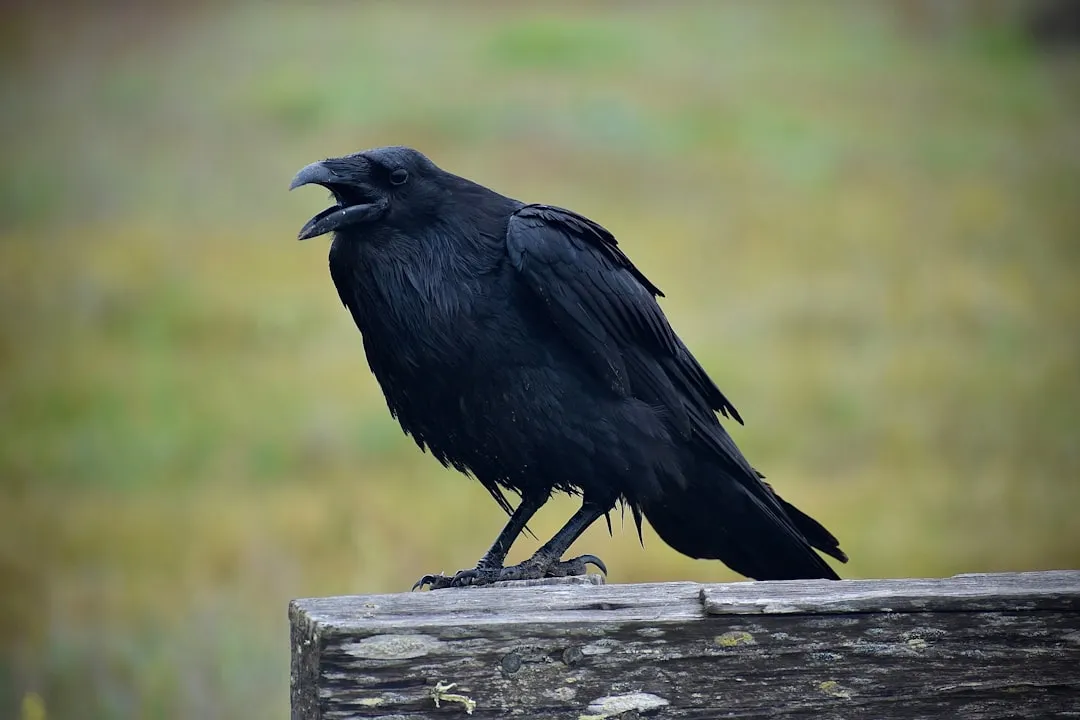
Crows have a complex system of vocalizations, including specific alarm calls that signal danger. When a crow recognizes a known threat, it will emit these calls to alert others.
These alarm calls are not generic; they can convey information about the type of threat, its location, and even its behavior, allowing other crows to respond appropriately.
Adaptation to Urban Environments
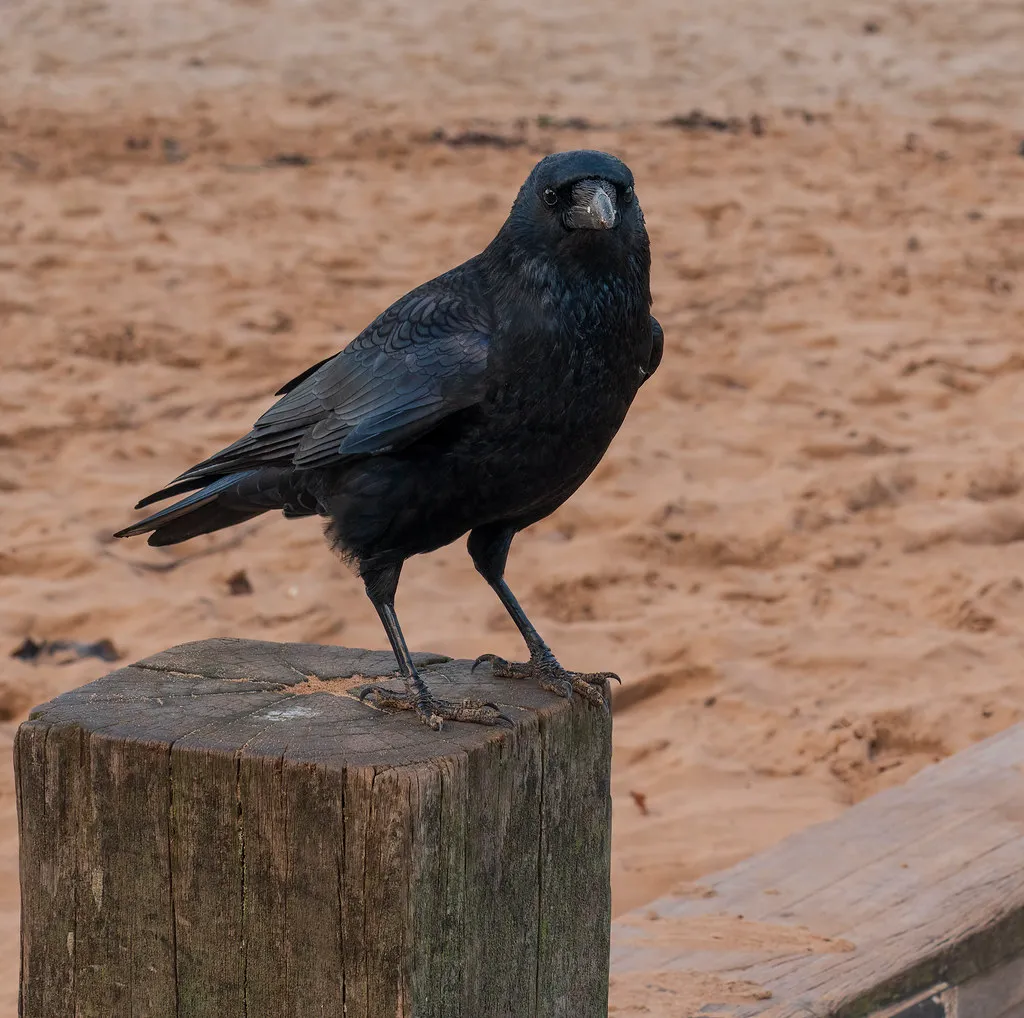
Living in close proximity to humans has necessitated that crows develop strategies to identify and remember individual people. This adaptation helps them navigate the complexities of urban life.
Their ability to recognize faces means they can differentiate between humans who pose a threat and those who don’t, allowing them to exploit resources while minimizing risks.
Emotional Responses to Human Interactions
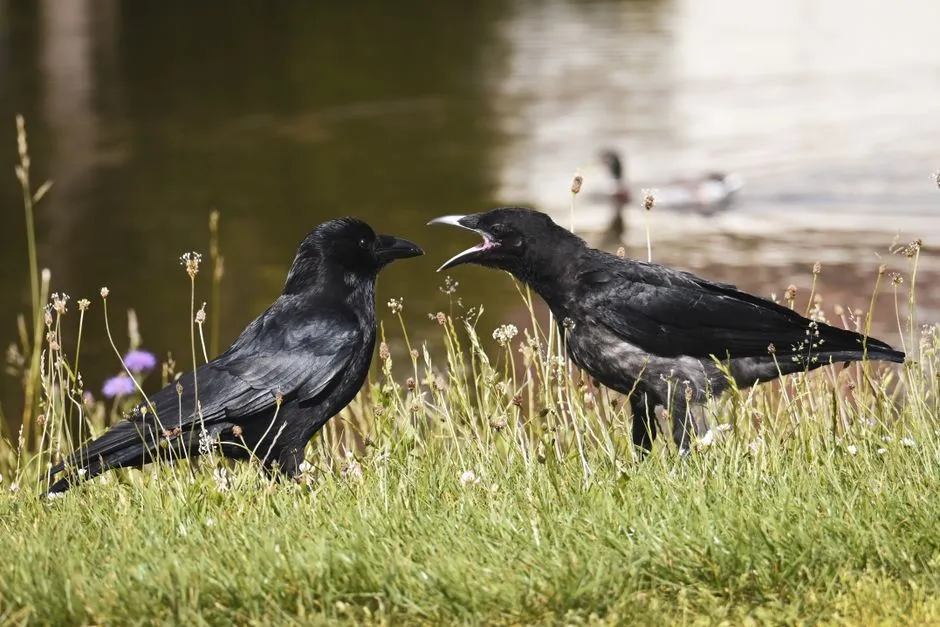
Crows exhibit emotional responses similar to humans, such as anger, fear, and even affection. These emotions play a role in how they remember and react to individual humans.
If a crow has a particularly negative or positive experience with a person, the emotional impact of that interaction will influence how they respond to that individual in the future.
Long-Term Survival Strategies
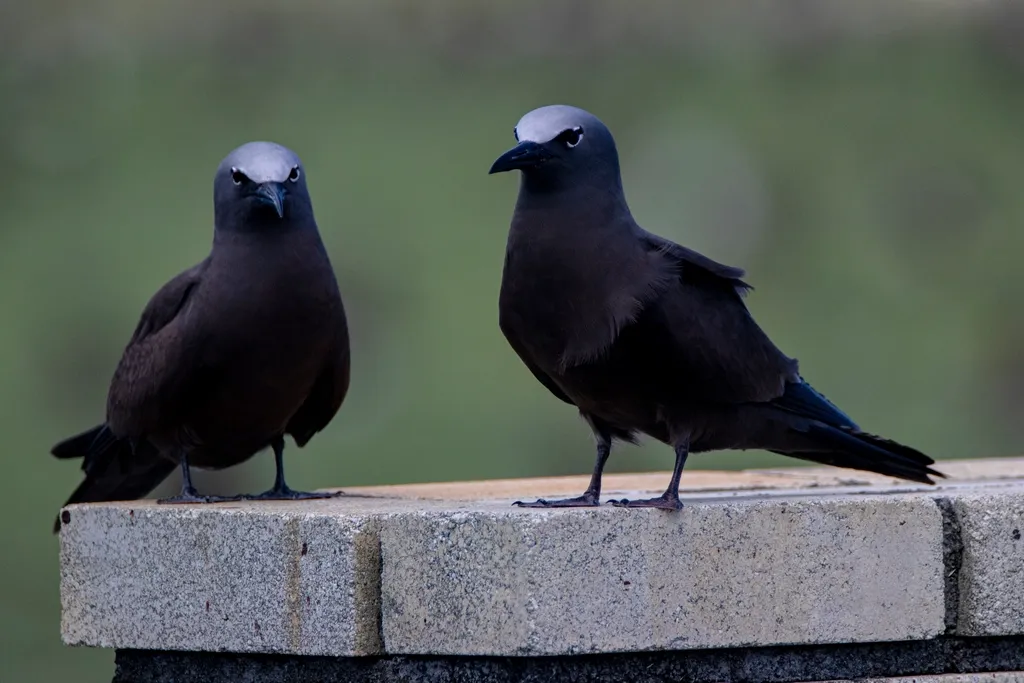
The ability to remember human faces and associate them with past experiences is a survival strategy. By recalling which humans are threats, crows can avoid dangerous situations and increase their chances of survival.
This strategy is especially important in environments where humans are the primary threat, as it allows crows to navigate these spaces more safely.
The One Thing Crows Never Forget
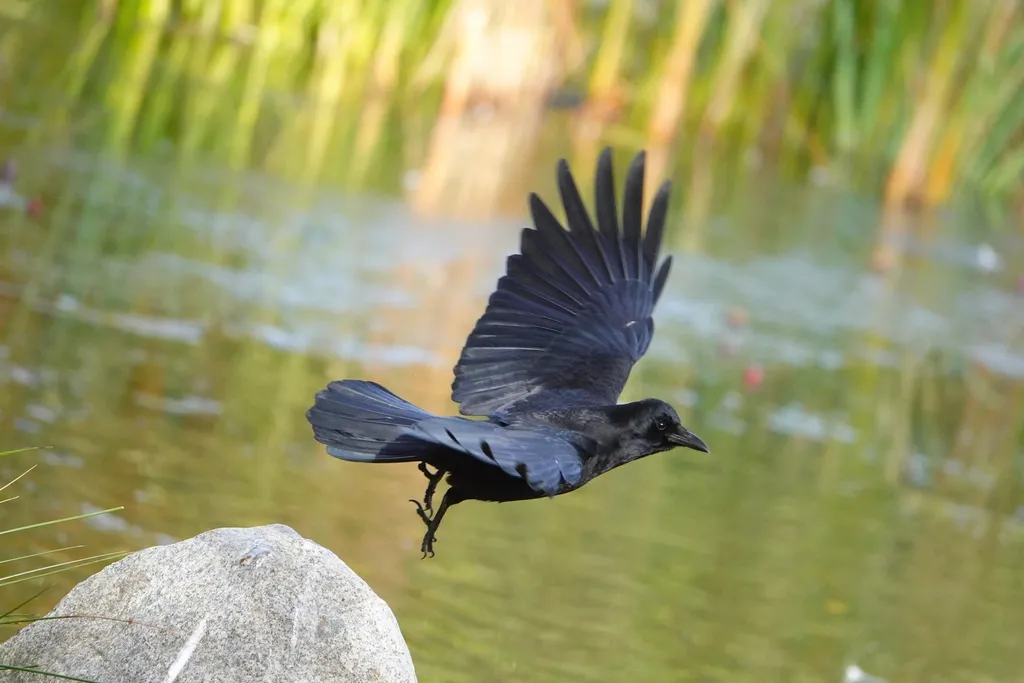
If you’ve ever harmed or threatened a crow, rest assured they won’t forget it. Crows have been known to hold grudges against specific humans, remembering negative interactions for years and even passing this information to other crows.
This means that a single negative encounter can lead to years of being scolded or dive-bombed by crows in the area. Their remarkable memory and social communication ensure that they, and their flock, remember who to avoid.
In conclusion, crows’ ability to remember human faces is a testament to their intelligence and adaptability. Their complex social structures and advanced cognitive abilities allow them to navigate the challenges of living alongside humans. So, the next time you encounter a crow, remember: they might just remember you too. Have you ever had a memorable encounter with a crow?
