
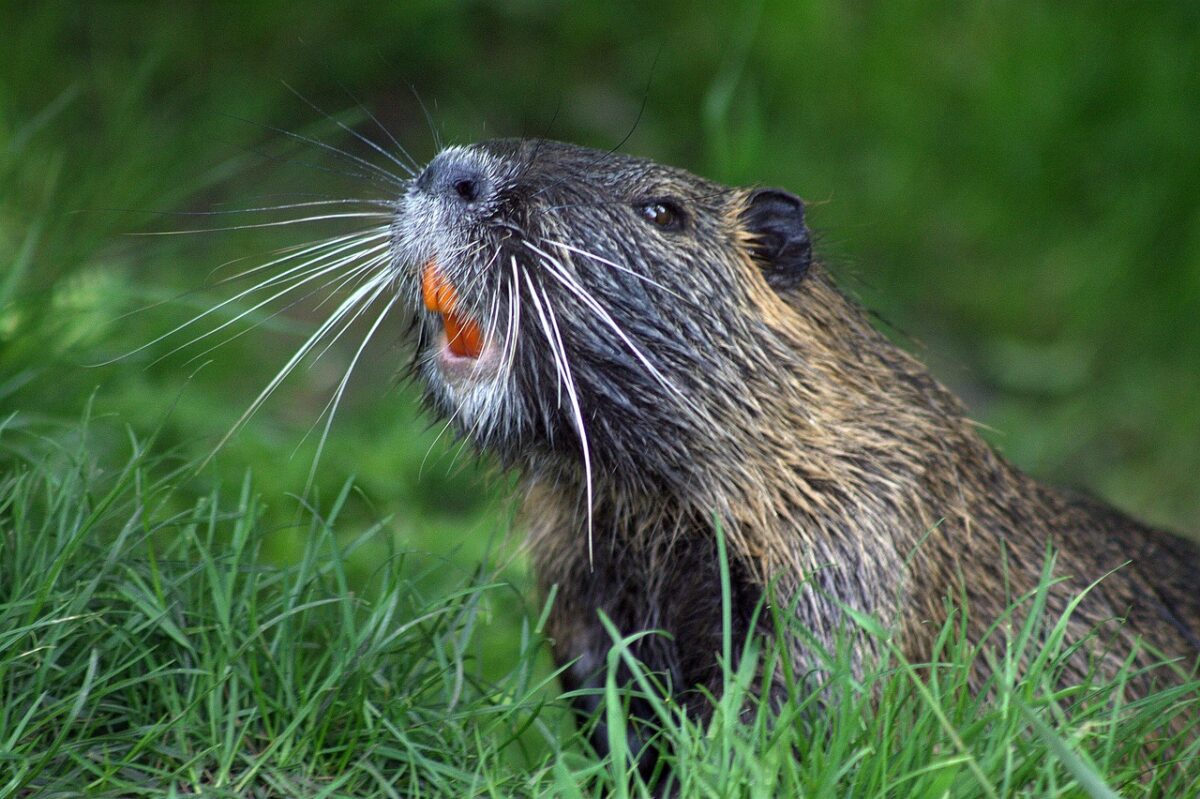
Beavers, nature’s master engineers, are renowned for their dam-building prowess. But before they embark on constructing these aquatic fortresses, they engage in a series of peculiar and fascinating behaviors. Let’s delve into the unexpected rituals beavers perform prior to building a new dam.
Meticulous Site Selection
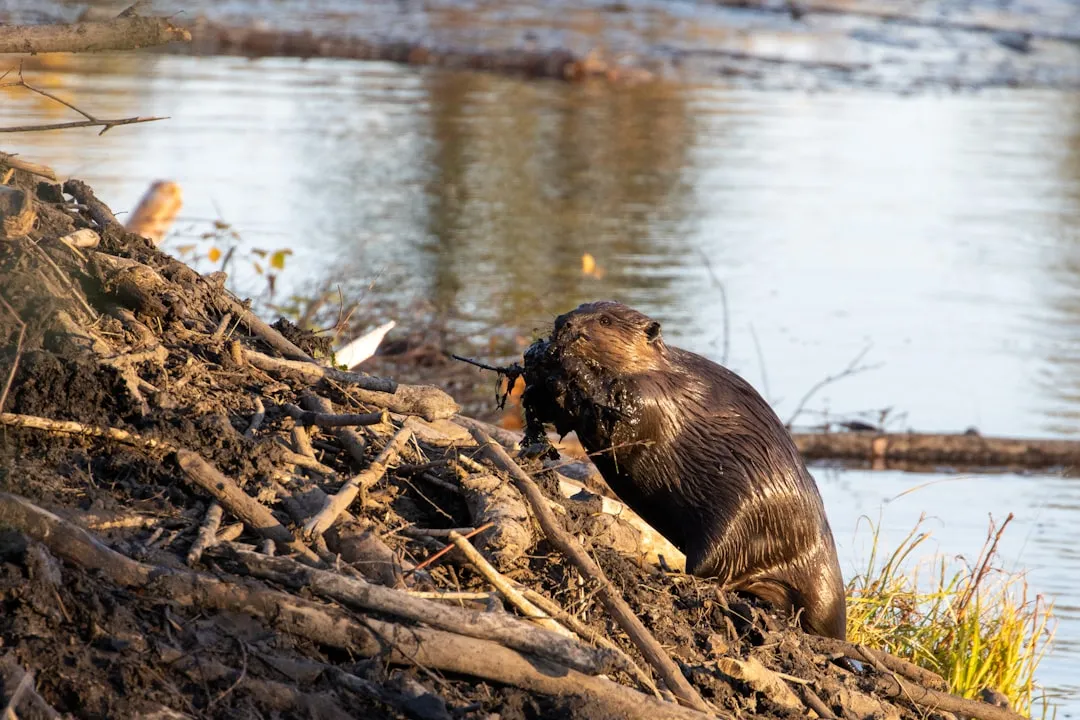
Before any construction begins, beavers exhibit an uncanny ability to scout and select the perfect location. They prefer areas with shallow, slow-moving water, often choosing spots where natural features like rocks or fallen trees can serve as anchors for their dams. This strategic selection ensures the dam’s stability and effectiveness.
In their quest for the ideal site, beavers also consider the availability of building materials and food sources. Proximity to a rich supply of trees and vegetation is crucial, as it minimizes the energy expended in transporting materials and ensures a steady food supply.
Tree Felling with Precision
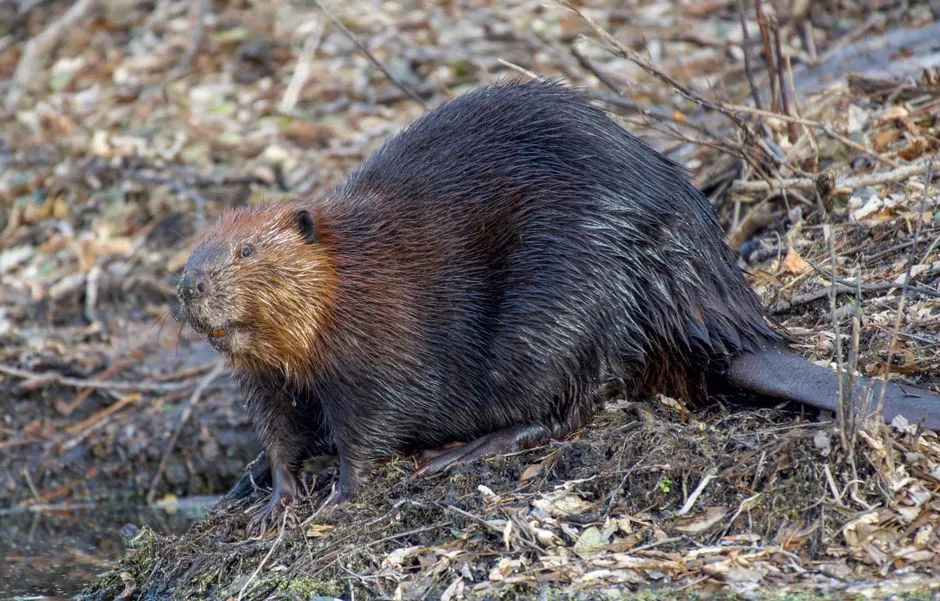
One of the most astonishing pre-dam activities is the beaver’s methodical tree felling. Using their powerful incisors, they gnaw through tree trunks, often selecting specific species like aspen or birch, which are both nutritious and suitable for construction.
What’s truly remarkable is their precision. Beavers chew in a circular pattern, creating a conical cut that directs the tree to fall in a desired direction, usually towards the water. This not only facilitates easier transportation but also reduces the risk of injury from falling timber.
Building Canals for Transport
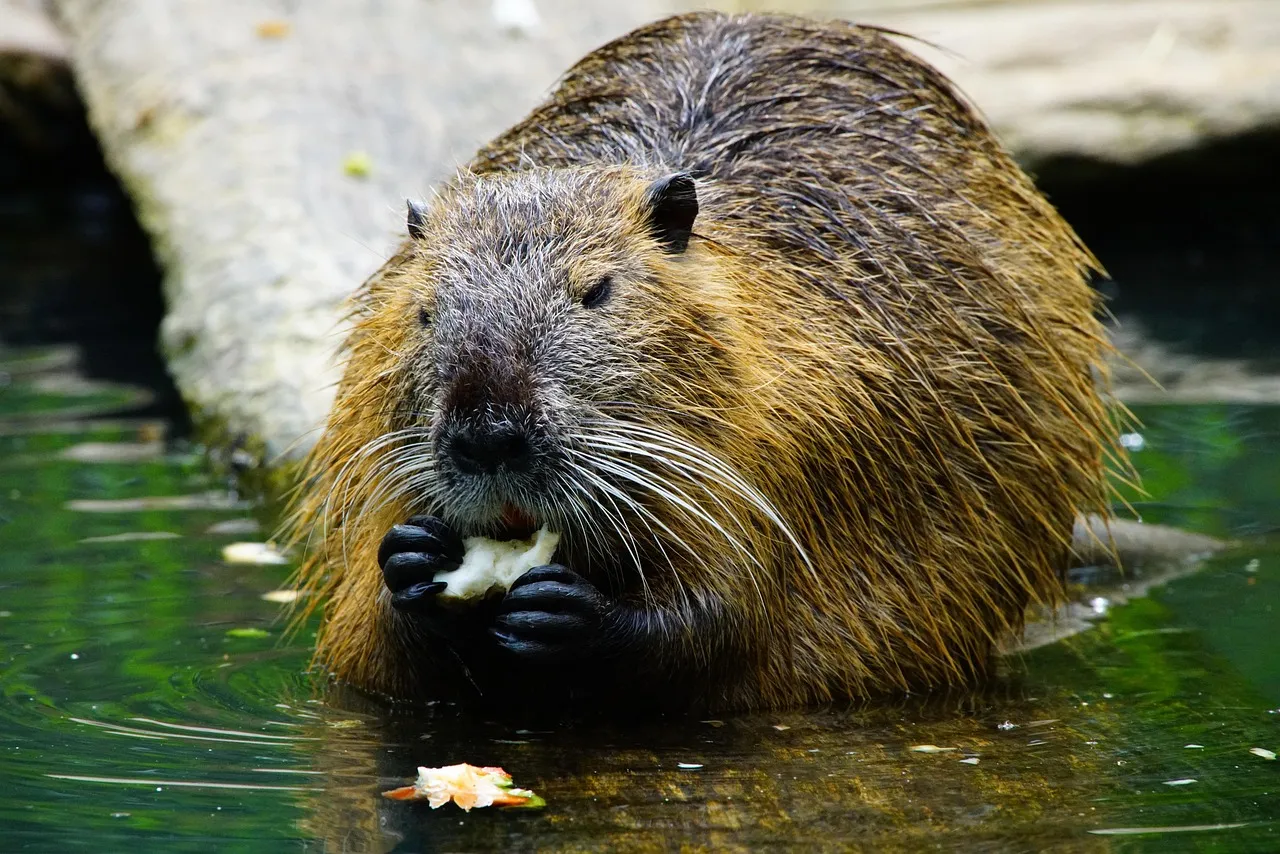
To streamline the movement of heavy logs and branches, beavers construct intricate canal systems. These waterways act as natural highways, allowing them to float materials directly to the construction site with minimal effort.
These canals can be quite extensive, sometimes stretching over a hundred feet. By modifying their environment in this way, beavers demonstrate an advanced understanding of hydrodynamics and resource management.
Creating Scent Mounds
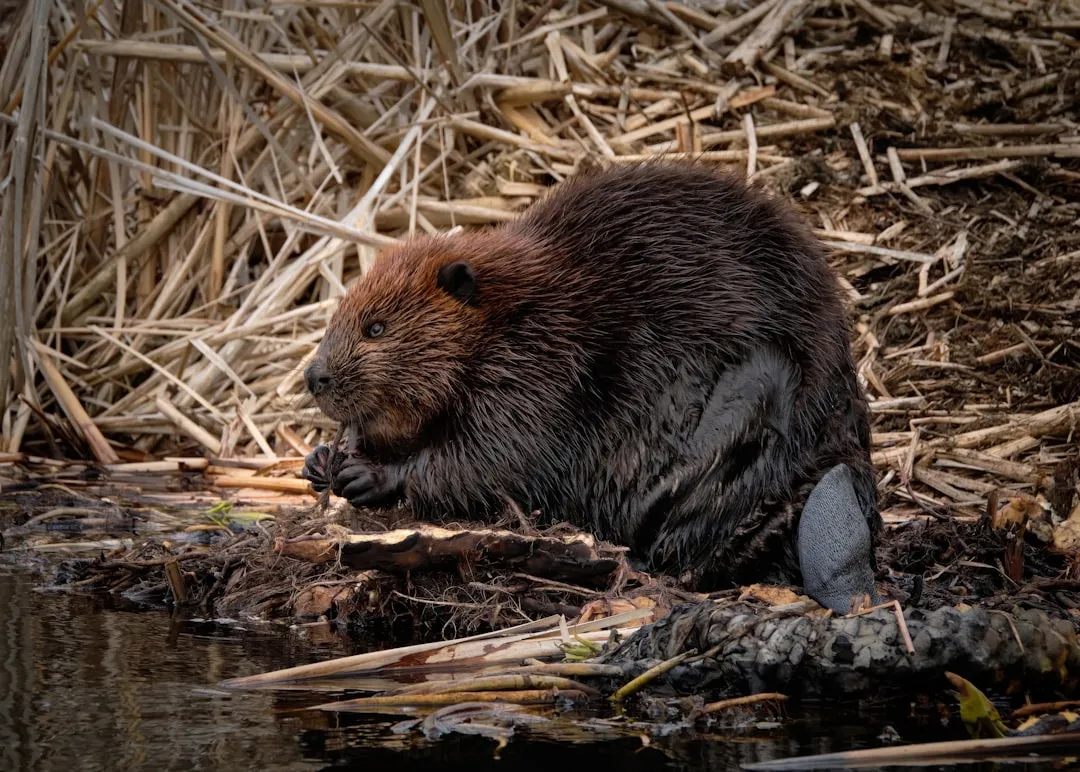
Territorial by nature, beavers build scent mounds around their chosen site. These mounds, made of mud, sticks, and vegetation, are marked with castoreum, a musky secretion from their scent glands.
This behavior serves as a warning to other beavers, signaling that the area is claimed. It’s a preemptive measure to prevent disputes and ensure that their hard work won’t be contested by rival families.
Underwater Entrance Construction

Before the main dam is built, beavers often dig underwater entrances to their future lodges. These submerged doorways provide a safe passage, protecting them from predators and harsh weather conditions.
By ensuring that these entrances remain below the waterline, beavers create a secure environment for raising their young and storing food, even when the pond freezes over in winter.
Food Caching for Winter
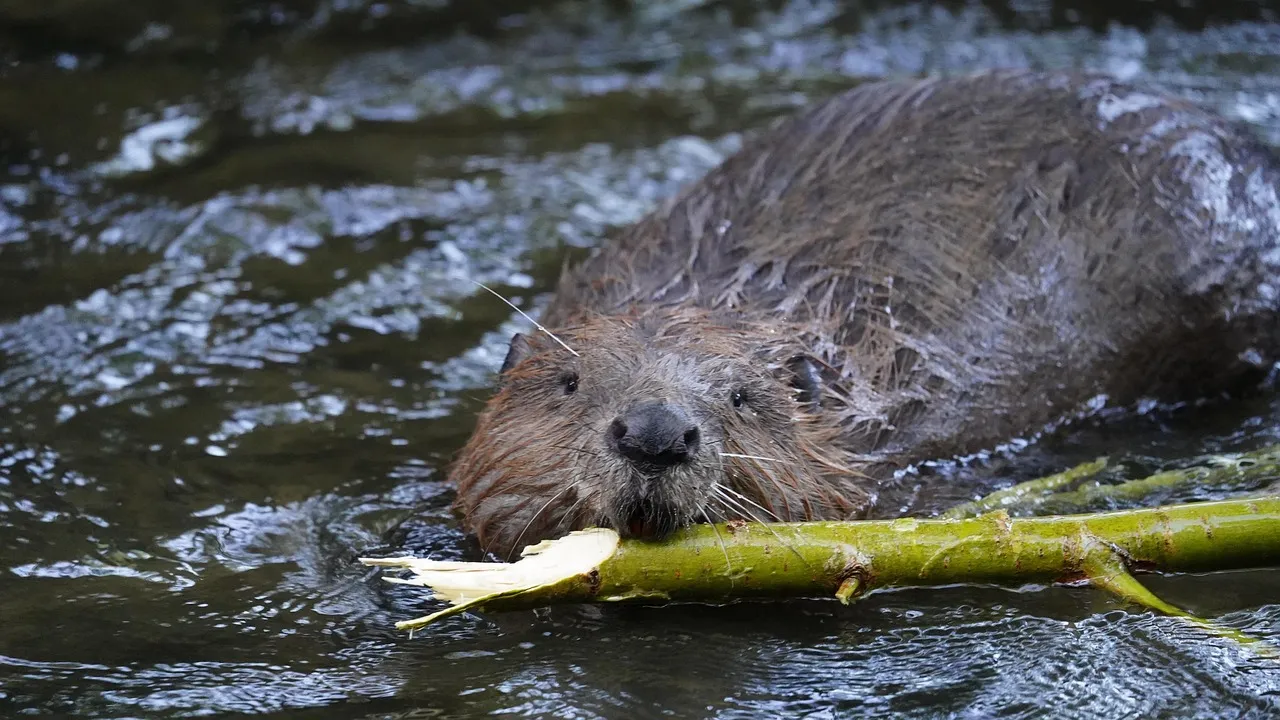
Anticipating the colder months, beavers gather and store a cache of food underwater near their future lodge. This stash typically consists of branches and twigs from their preferred tree species.
This behavior ensures a reliable food source when the pond is frozen, allowing them to access nourishment without exposing themselves to the dangers of the icy surface.
Nighttime Construction

Beavers are primarily nocturnal, choosing to carry out most of their construction activities under the cover of darkness. This behavior reduces the risk of predation and allows them to work undisturbed.
The night offers a cooler environment, which is beneficial given the physical exertion involved in dam construction. Their keen senses and adaptability make them efficient night workers.
Constant Maintenance and Repair
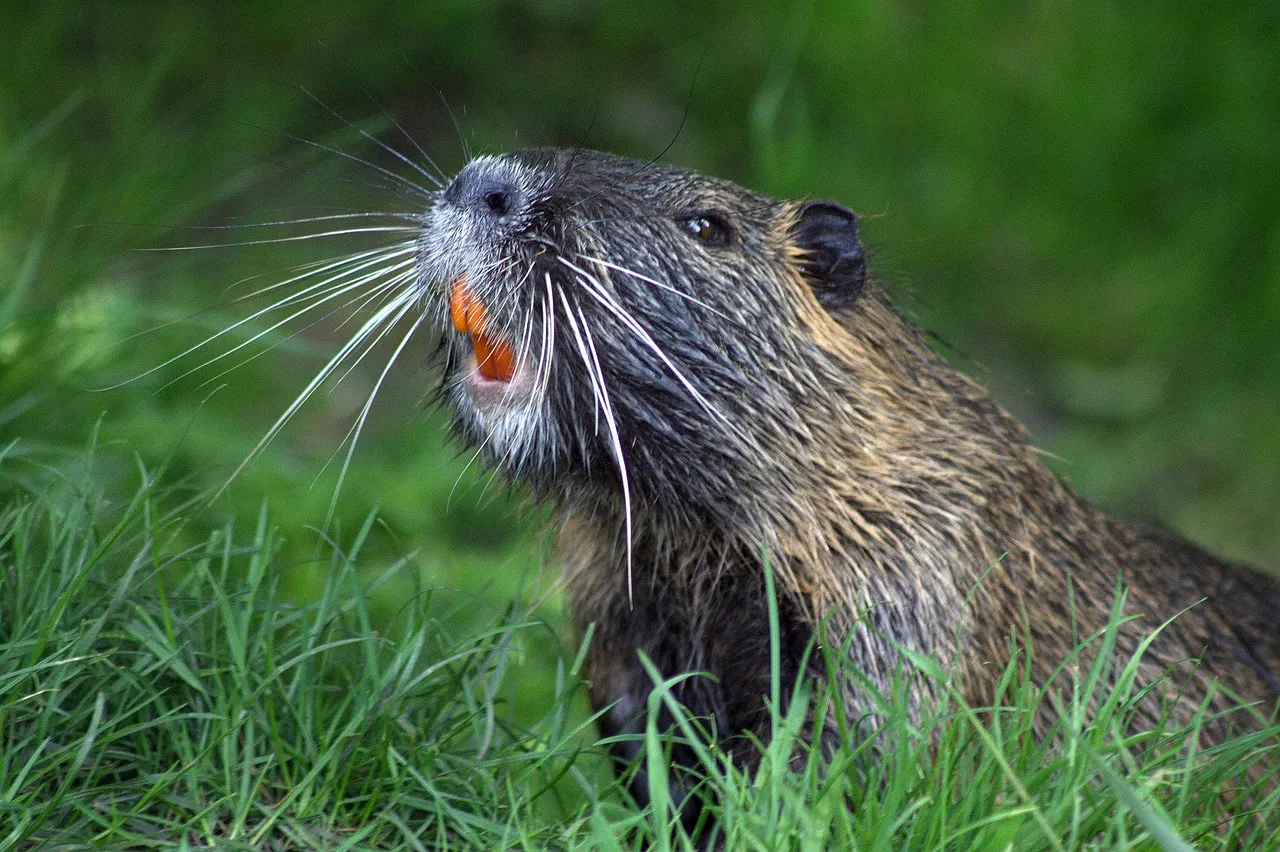
Even before the dam is fully constructed, beavers are vigilant about maintenance. They continuously inspect and repair any weak spots, ensuring the structure’s integrity.
This proactive approach prevents potential breaches and demonstrates their commitment to creating a durable and lasting habitat.
Social Bonding Through Construction

Dam building is a communal activity that strengthens social bonds within the beaver family. Each member has a role, from gathering materials to actual construction.
This collaborative effort not only ensures the dam’s success but also reinforces familial ties, teaching younger beavers essential survival skills through hands-on experience.
Adaptation to Environmental Changes
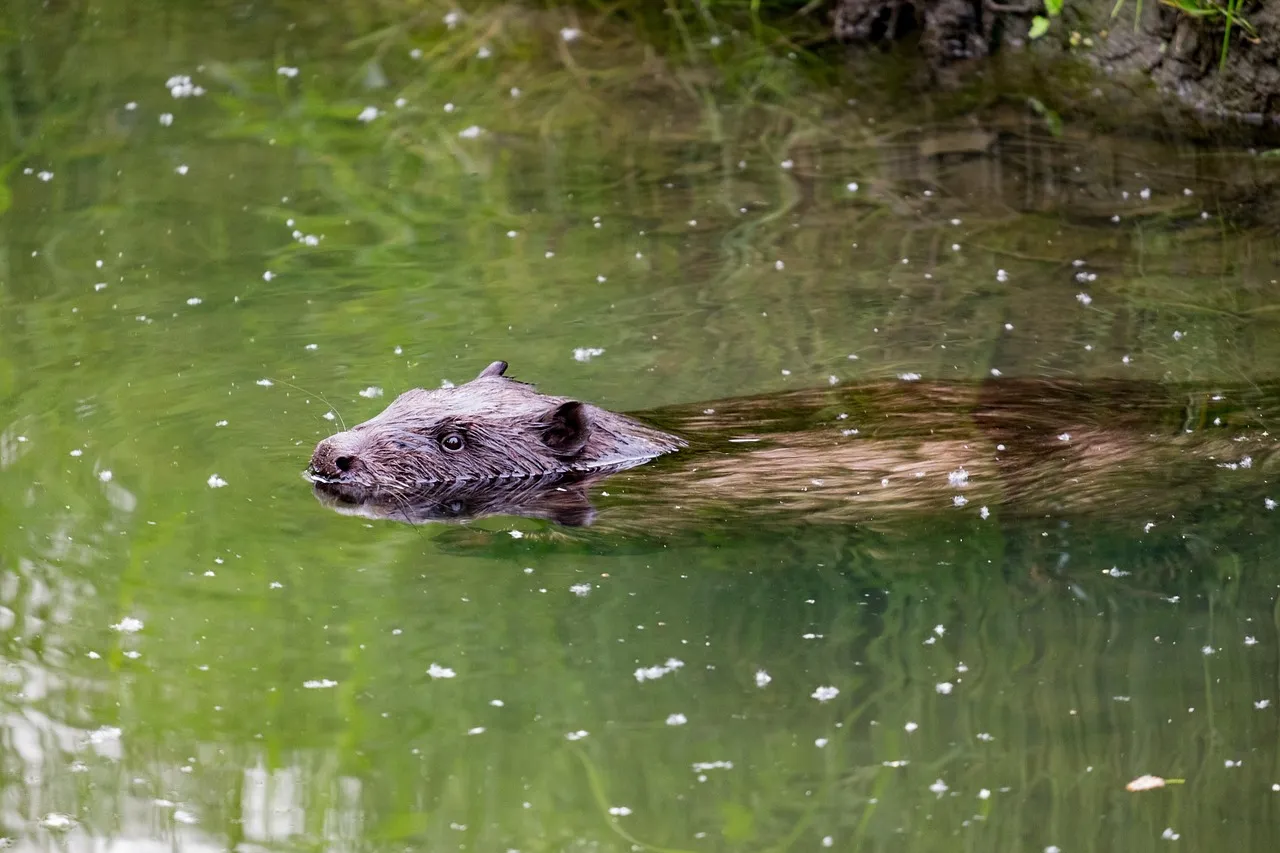
Beavers are highly adaptable and will modify their construction plans based on environmental feedback. If water levels change or if a chosen site proves unsuitable, they are quick to relocate and start anew.
This flexibility ensures their survival and showcases their remarkable ability to engineer environments that meet their needs, regardless of external challenges.
In conclusion, the pre-dam behaviors of beavers are a testament to their intelligence, adaptability, and intricate social structures. These rituals, though strange to us, are essential steps in their quest to create safe and sustainable habitats. Isn’t it fascinating how these industrious creatures transform their surroundings with such precision and purpose?

- What It Means When Your Cat Stares at the Same Empty Corner at the Same Time Every Night – and the Three Explanations Competing for It - July 19, 2026
- What It Means When a Snake Crosses Your Path From Left to Right According to Every Southern Appalachian Tradition That Recorded It - July 19, 2026
- What It Means When Deer Stop Coming to an Area They Have Visited for Years – and What Wildlife Biologists Say They Are Detecting - July 19, 2026