
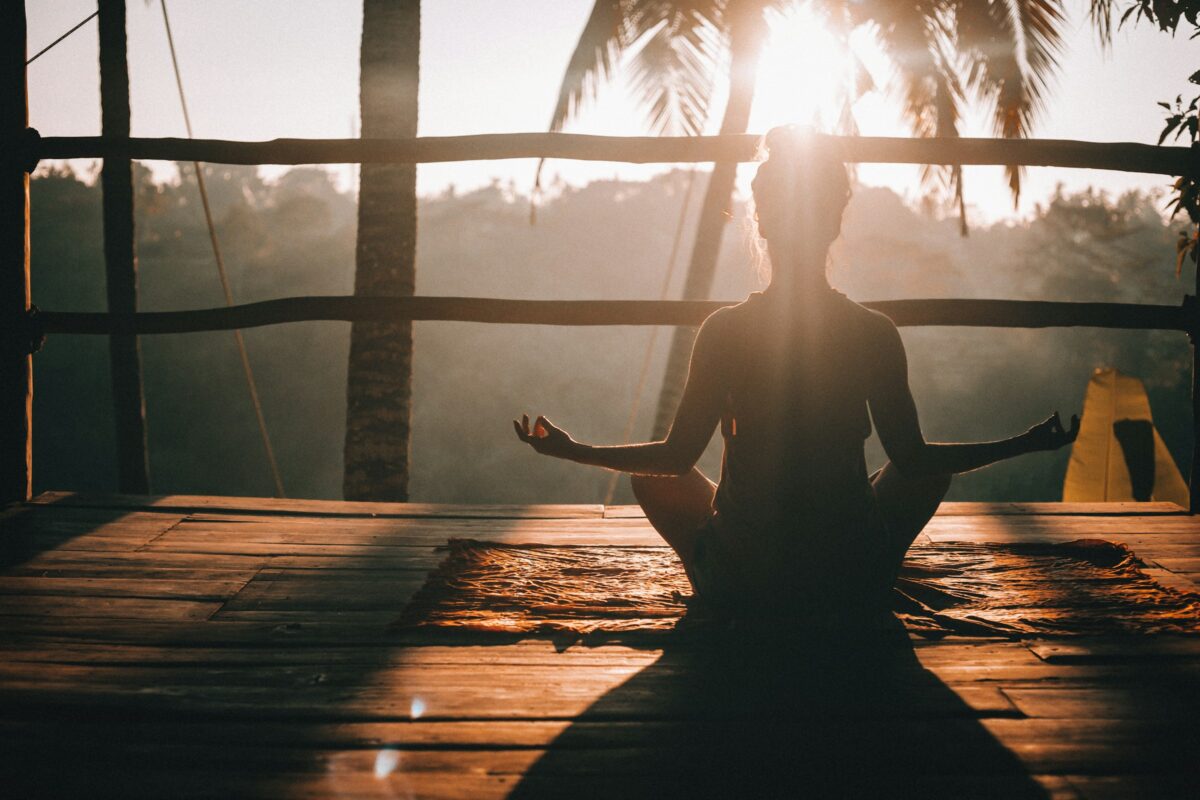
Everyone assumes a spiritual awakening requires a plane ticket to somewhere nobody’s heard of and a guru who doesn’t speak English. It doesn’t. Some of the most gut-punch, life-rearranging trips on earth are happening in places already crammed onto every travel blogger’s bucket list – you’ve just been going for the wrong reason.
The uncomfortable truth is that real transformation rarely looks like the postcard. It looks like altitude sickness, 4 a.m. wake-up calls, cremation smoke drifting across a river, and rituals that refuse to perform on schedule for your camera. These ten places made the list not because they’re peaceful – several of them are anything but – but because they strip away something you didn’t realize you were carrying. Here’s where that actually happens, starting with the one everyone thinks they already understand.
10. Sedona, Arizona – Where the Silence Turns on You
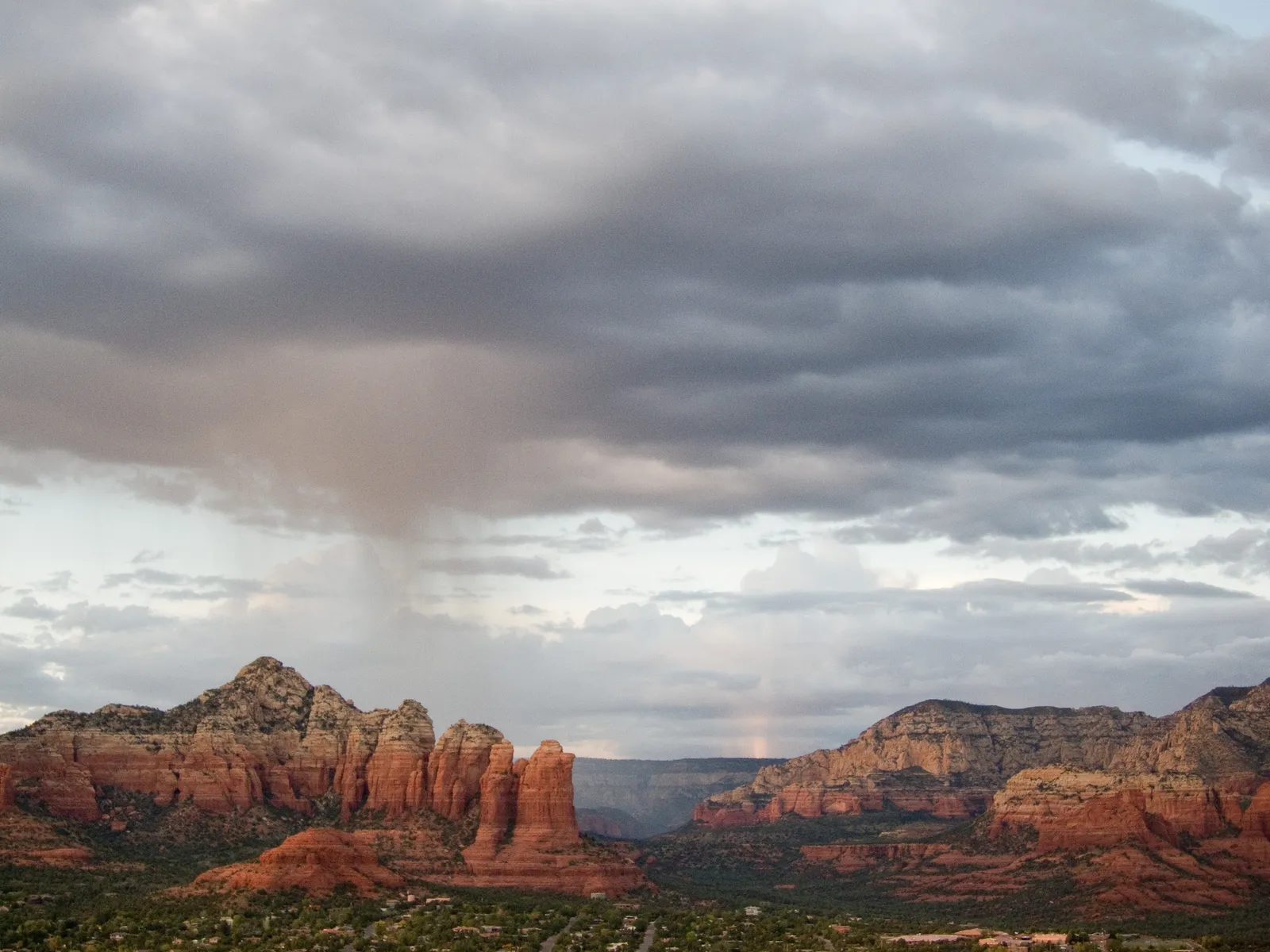
Sedona gets sold as a quick-hit enlightenment package: park the car, feel a tingle near a red rock, post about it. The real story is messier. The vortexes here don’t hand you peace – they hold up a mirror and expose whatever illusion you walked in carrying, often faster and less gently than any retreat leader ever could. The land itself predates the New Age gift shops by thousands of years, sitting on Native American sites that treated this ground as sacred long before crystals were for sale on Main Street.
Sedona pulls in over 3 million visitors a year, but locals will tell you only a fraction stay still long enough to actually feel anything shift. The Bell Rock trail is where the electromagnetic anomalies show up in real geological surveys, not just wellness marketing. Most first-timers leave a little let down – they came for fireworks and got a slow, quiet recalibration instead, which is usually the point.
9. Stonehenge, England – The Tourist Trap That Still Delivers at Dawn
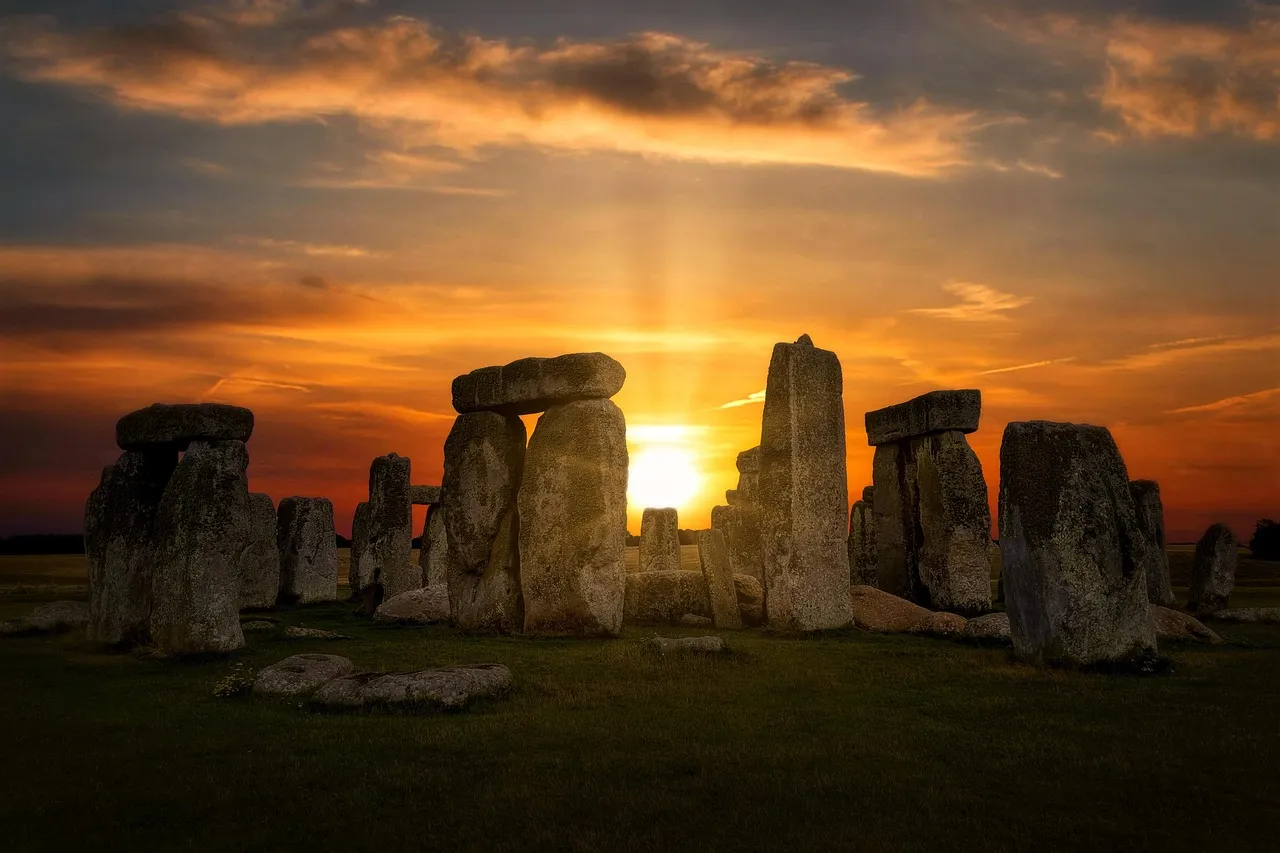
It’s easy to write Stonehenge off as a rope-line photo op you drive past on the way to somewhere better. But show up before sunrise, aligned with a solstice, and the 5,000-year-old stones stop feeling like a monument and start feeling like a message someone left on purpose. Archaeologists confirm this was a working ceremonial site for Neolithic communities long before it was a parking-lot attraction.
Magnetic field readings actually spike here during the equinoxes, a detail that catches even hardened skeptics off guard. Summer brings the crowds, but a winter visit can get you far closer to the inner circle in near silence. The barrows scattered around the site carry their own layer of ancestral weight that most day-trippers walk right past without noticing.
8. Angkor Wat, Cambodia – The Temple Everyone Photographs and Nobody Finishes Exploring
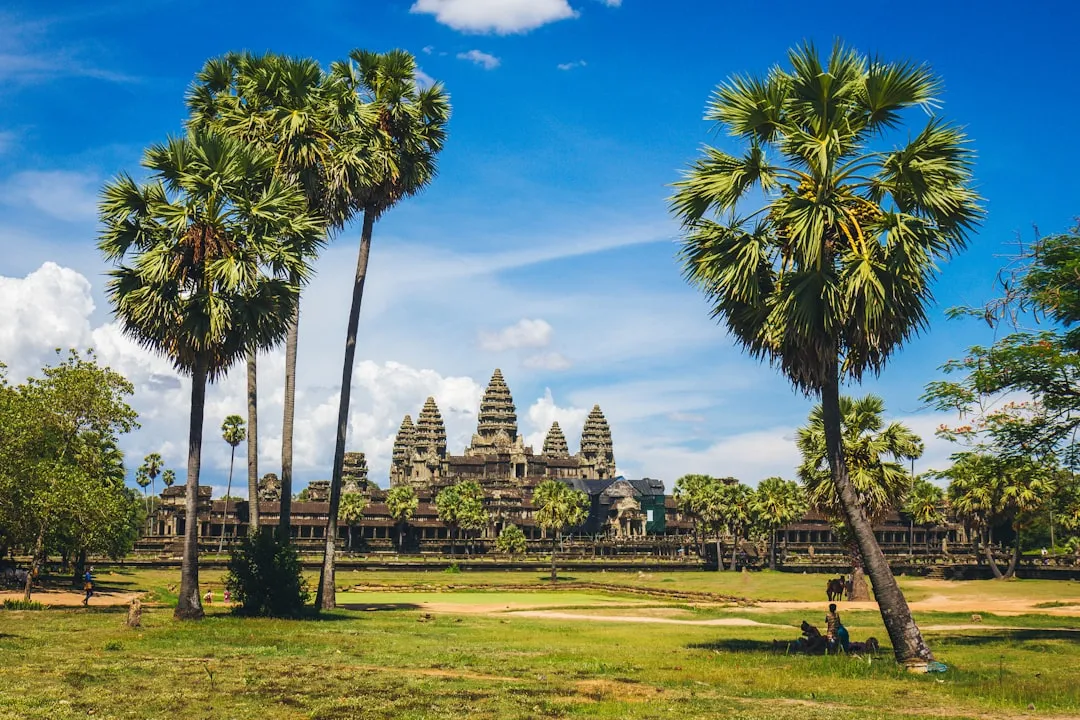
Angkor Wat lands on every bucket list, but treating it as a one-stop photo op is where people leave the real experience on the table. The complex sprawls across 400 acres and over 1,000 temples raised in the 12th century, and the crowd that mobs the main tower at sunrise never makes it to the parts that actually change how you feel.
Hidden bas-reliefs here quietly encode astronomical knowledge that lines up with modern star maps. Wander the side paths toward Ta Prohm and you’ll find tree roots swallowing stone walls whole, a slow-motion collision between nature and empire that feels alive in a way the main temple can’t match. Local guides still point out corners where monks meditate undisturbed, just far enough off the main path to be forgotten.
Fast Facts
- Built in the early 12th century under Khmer King Suryavarman II
- Originally consecrated to Vishnu before evolving into a Buddhist sanctuary
- Widely regarded as the largest religious monument in the world by land area
- Named a UNESCO World Heritage Site in 1992
7. Bali, Indonesia – The Island Ritual Instagram Never Shows You
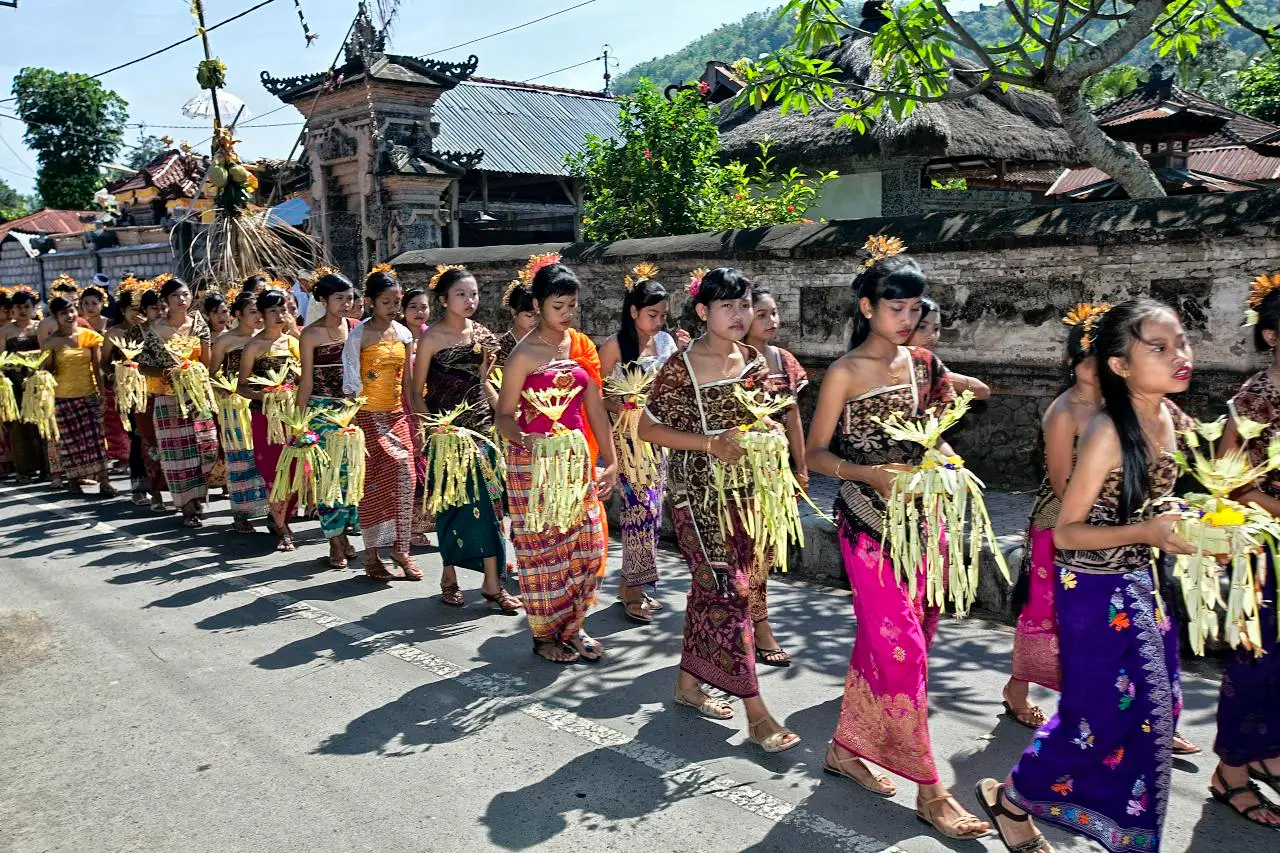
Bali’s spiritual brand got built on yoga retreats and infinity pools, but the island’s actual power shows up in daily temple rituals most visitors never even notice happening around them. Hindu-Buddhist tradition here is woven with older animist roots across thousands of shrines, most of them with no gift shop attached.
The full moon ceremonies at Uluwatu draw a fraction of the tourist crowd but deliver a communal energy that visibly changes people mid-ceremony. Over-tourism has watered down plenty of sites into commercialized “purification” packages, and locals aren’t shy about saying so. The outskirts of Ubud, away from the beach traffic, still hold onto practices that haven’t been repackaged for anyone’s itinerary.
6. Jerusalem, Israel – Where Peace Was Never the Point
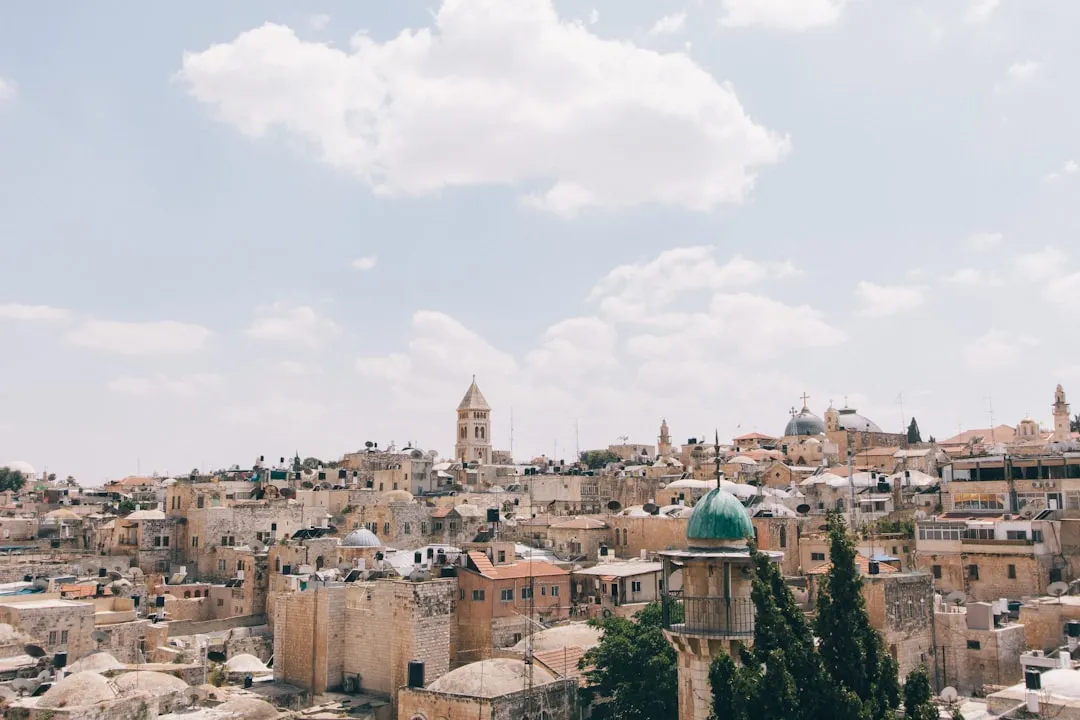
Jerusalem shows up on every holy-sites list, but it doesn’t offer easy peace – it offers tension, and that tension is exactly why it forces real reflection instead of comfortable spirituality. Three religions lay claim to the same few blocks, with the Western Wall, the Dome of the Rock, and the Church of the Holy Sepulchre all within a short walk of each other.
Archaeological digs beneath the Old City reveal layers of conflict stretching back thousands of years, a fact that humbles even lifelong pilgrims. A dawn visit to the Mount of Olives dodges both the heat and the tour buses. People who’ve done this right recommend picking one quarter of the Old City per day – trying to absorb all of it at once just becomes noise.
At a Glance
- Old City covers less than one square kilometer yet holds sites sacred to three major faiths
- Divided into four historic quarters: Jewish, Christian, Muslim, and Armenian
- Old City and its walls named a UNESCO World Heritage Site in 1981
- Mount of Olives offers the clearest sunrise view over the entire Old City skyline
5. Kyoto, Japan – The City That Meditates Through Its Seasons
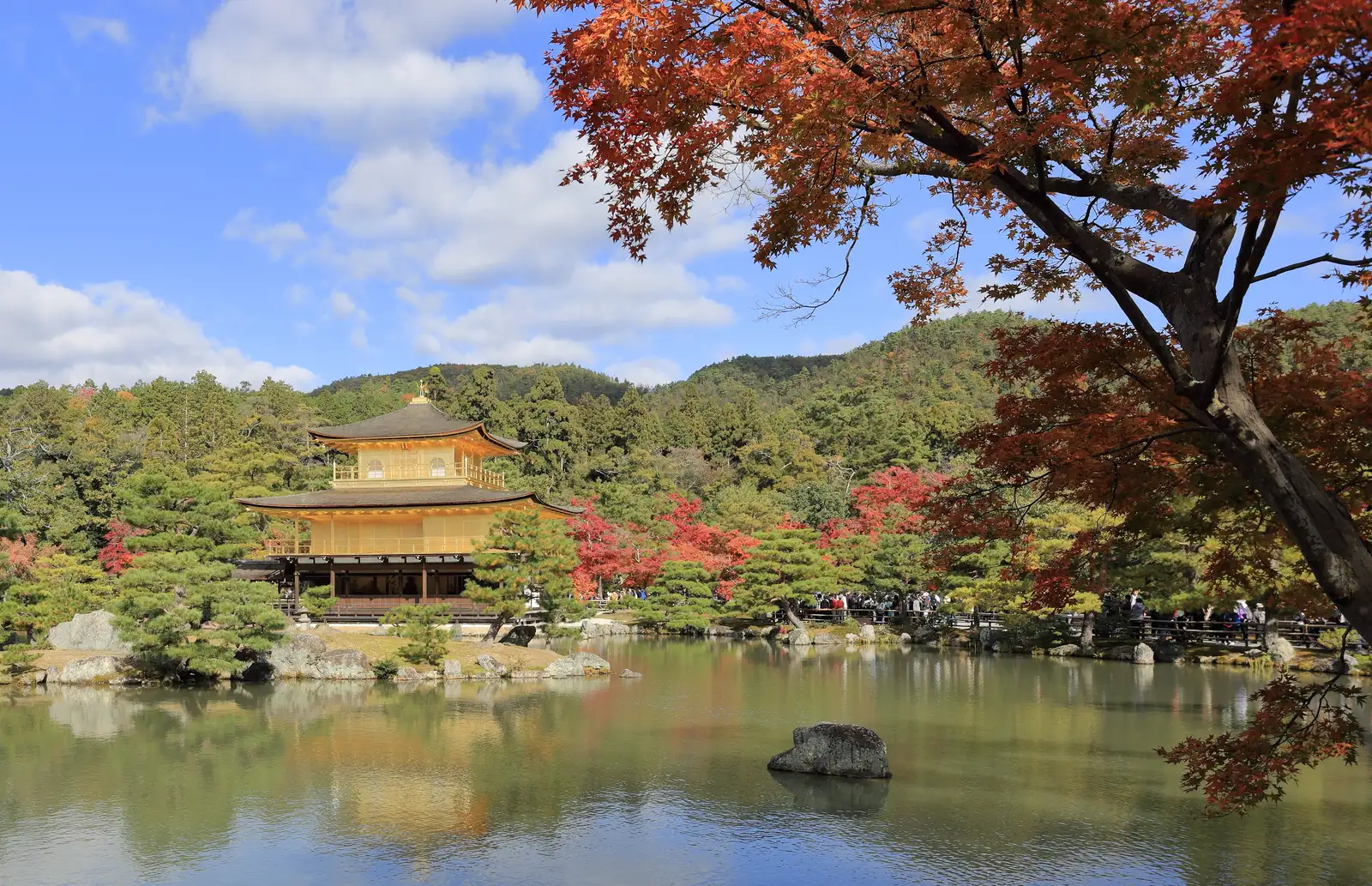
Kyoto’s temples pull in zen seekers by the planeload, but the deeper edge here isn’t in any single building – it’s in how the city’s seasons mirror the rhythm of a mind actually settling down, something no guidebook quite captures. Over 1,600 temples and shrines carry Shinto and Buddhist lineages stretching back centuries.
The autumn maple leaves at Kinkaku-ji create a kind of visual meditation that outlasts any guided session you could book. Summer crowds thin out fast once you climb toward the remote mountain temples like Enryaku-ji on Mount Hiei. Walk the Philosopher’s Path at dusk instead of noon, and the insight that eluded you all day tends to show up unannounced.
4. Machu Picchu, Peru – The Climb That Breaks You Open
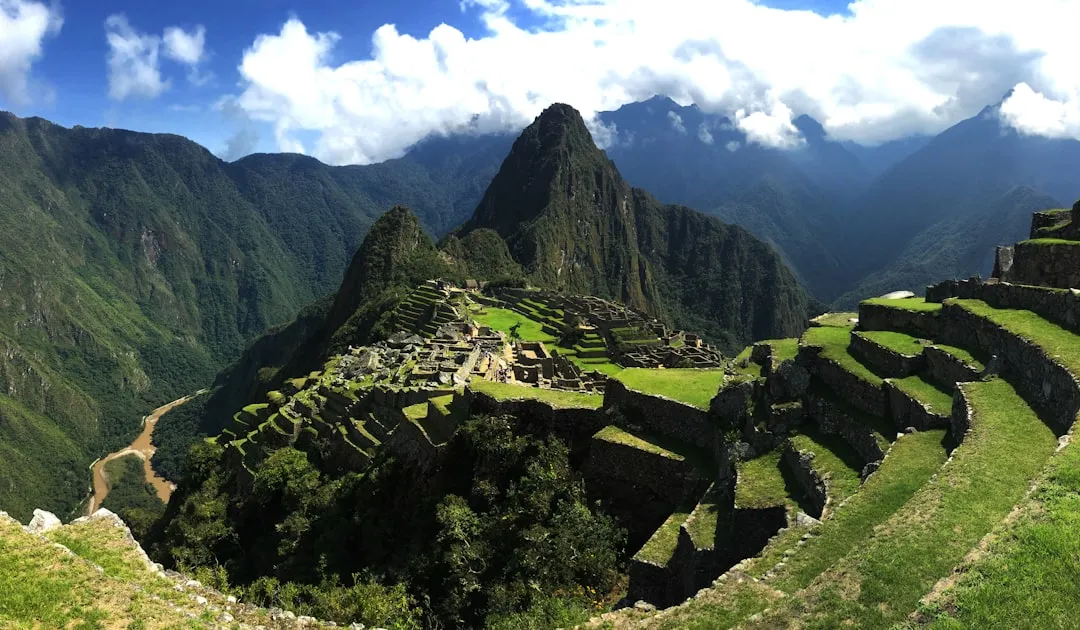
Machu Picchu pulls millions in for the ruins, but the deeper truth here doesn’t arrive until your body starts rebelling against the altitude and the climb. The citadel, built in the 15th century, was engineered to align with solstices and sacred mountain peaks – this was never meant to be a casual stop.
The shadows cast by the Intihuatana stone still match precise astronomical calculations that researchers study today. Most hikers barrel through the classic trail and miss quieter side routes like Huayna Picchu, which offer far more solitude. Local Quechua guides are blunt about it: this place asks for respect, not another photo op.
Quick Compare
- Classic Inca Trail: roughly 26 miles over 4 days, permits sell out months in advance
- Salkantay Trek: longer and higher-altitude, no advance permit required
- Huayna Picchu climb: steep, limited daily entry tickets, dramatic overlook of the ruins
- Short Inca Trail: a compressed one-day option for tight schedules
3. Varanasi, India – The City That Makes You Stare at Death
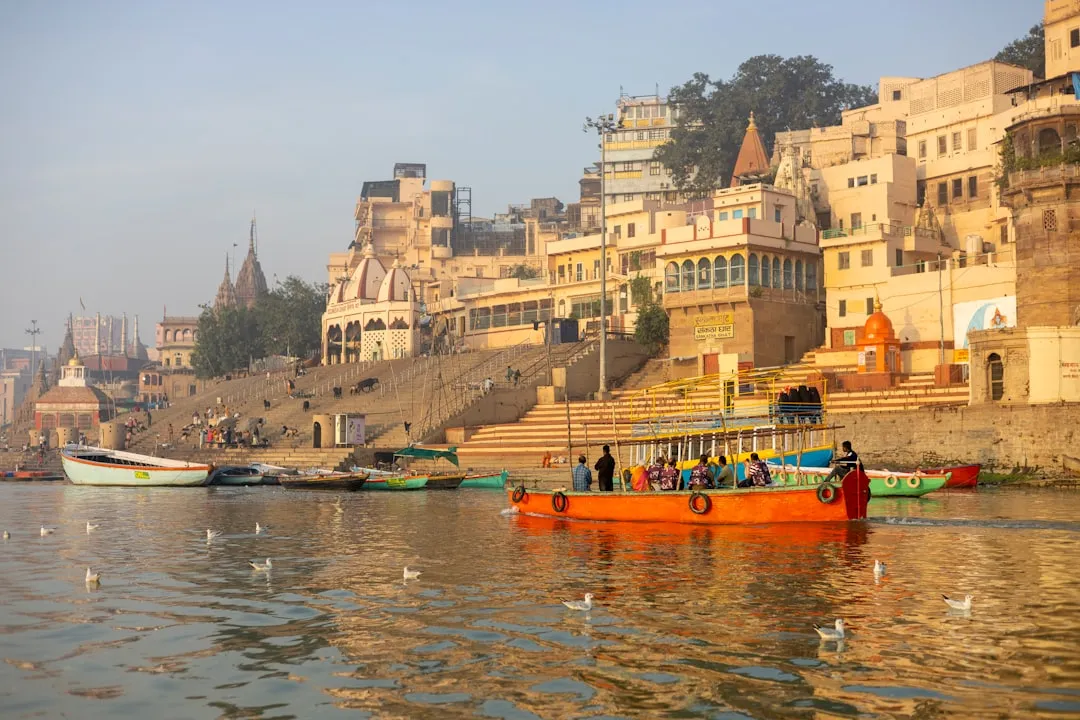
Varanasi calls itself the world’s oldest living city, and it earns the title by refusing to hide the thing most cities bury out of sight: death, happening in public, every single day. The ghats along the Ganges have hosted cremations and rituals continuously for over 3,000 years, and the cycle doesn’t pause for visitors.
Benares is older than history, older than tradition, older even than legend, and looks twice as old as all of them put together.
Mark Twain
The river’s bacterial levels defy every rule of modern sanitation, yet millions still enter it seeking purification. A dawn boat ride puts you face to face with the stark contrast between mourning families and ordinary morning routines happening feet apart. Experienced travelers warn that the sensory overload here hits hard without some mental preparation beforehand.
2. Mount Kailash, Tibet – The Mountain No One Is Allowed to Climb
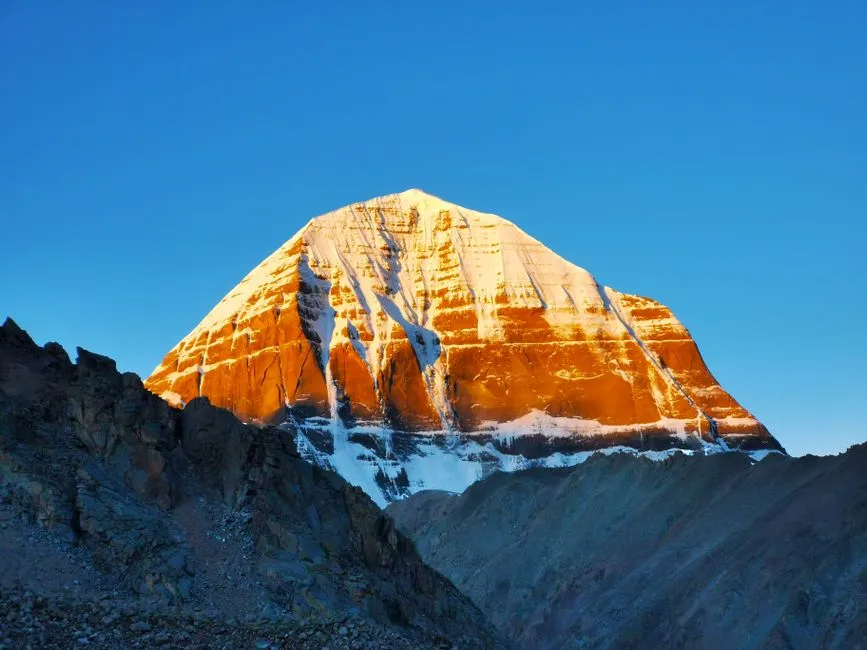
Mount Kailash sits far enough off the map that most people never consider it, but the real test isn’t reaching it – it’s surviving the 32-mile kora that wears down the body and the ego at the same time. Hindus, Buddhists, Jains, and Bon followers all claim this mountain as the axis of the world, a rare point of agreement across four faiths.
No recorded ascent of the peak exists despite multiple attempts, and that untouched mystery is part of what draws pilgrims back. High altitude and strict permits keep the crowds thin compared to Everest’s circus. Pilgrims across every tradition report the same thing on the three-day circuit: visions, energy surges, and a strange sense of being watched by the mountain itself.
Worth Knowing
- Elevation sits around 22,028 feet, taller than any peak in the Alps or Rockies
- The full kora spans about 32 miles and is usually walked over three days
- Climbing the summit is considered forbidden by local tradition, and no confirmed ascent exists
- Sacred to four distinct religions: Hinduism, Buddhism, Jainism, and Bon
1. Rishikesh, India – Where the Beatles Found What You’re Looking For
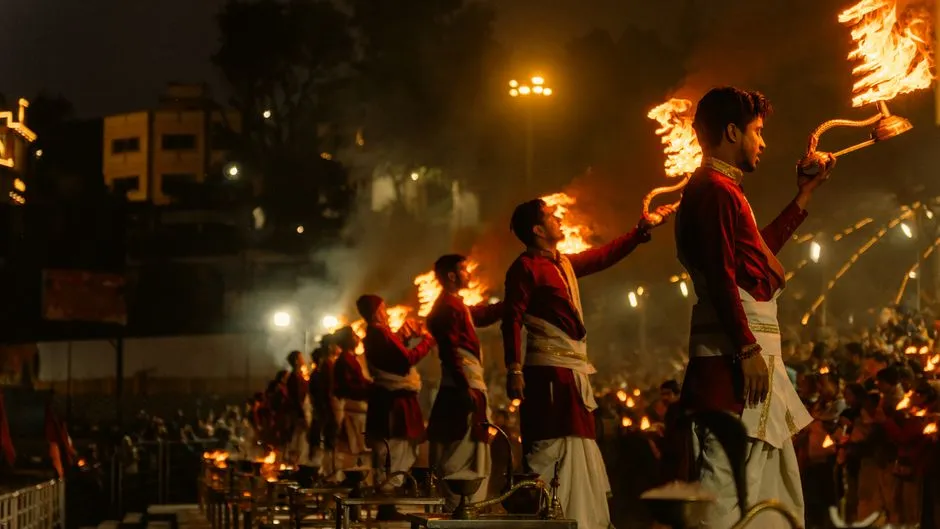
Rishikesh takes the top spot because nowhere else compresses yoga ashrams, Himalayan foothills, and rock-and-roll history into one accessible dose of transformation. The city hosts the world’s largest yoga festival and dozens of ashrams strung along the Ganges, all within walking distance of each other.
The Beatles’ 1968 visit put Rishikesh on the global map, but the sadhu traditions running through it predate John and George by centuries. Evening aarti ceremonies on the ghats generate a kind of communal energy you won’t find bottled anywhere else. Most travelers never make it past the crowded main ghats – the quieter caves upstream, where far fewer people bother to go, are where this place actually opens up.
The Real Pattern Nobody Talks About
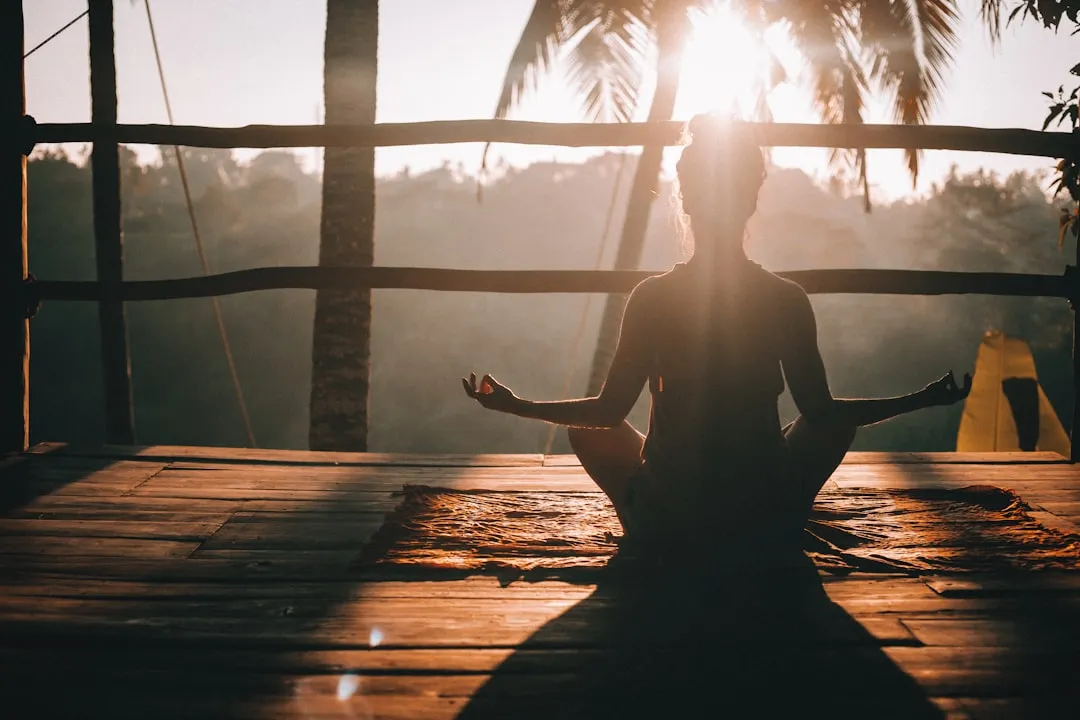
Strip away the marketing, and the pattern across all ten of these places is the same: none of them hand you peace. They hand you friction – altitude, crowds, ritual, history that won’t be flattened into a caption. Sedona’s vortexes, Varanasi’s ghats, and Kailash’s brutal isolation all correct the same lazy assumption, that enlightenment should arrive comfortably.
My honest take: the biggest mistake travelers make isn’t picking the wrong destination off this list – it’s treating any of them like a checkbox instead of a mirror. The places that actually change you are rarely the ones that felt good the whole time. They’re the ones you left a little rattled.

- These Endangered Species Are Making Remarkable Comebacks Thanks to Dedicated Efforts - July 17, 2026
- 10 Fascinating Facts About the Badlands: America’s Ancient Fossil Kingdom - July 17, 2026
- 10 Fascinating Facts About Monument Valley: The Ancient Landscape That Shaped the American West - July 17, 2026