
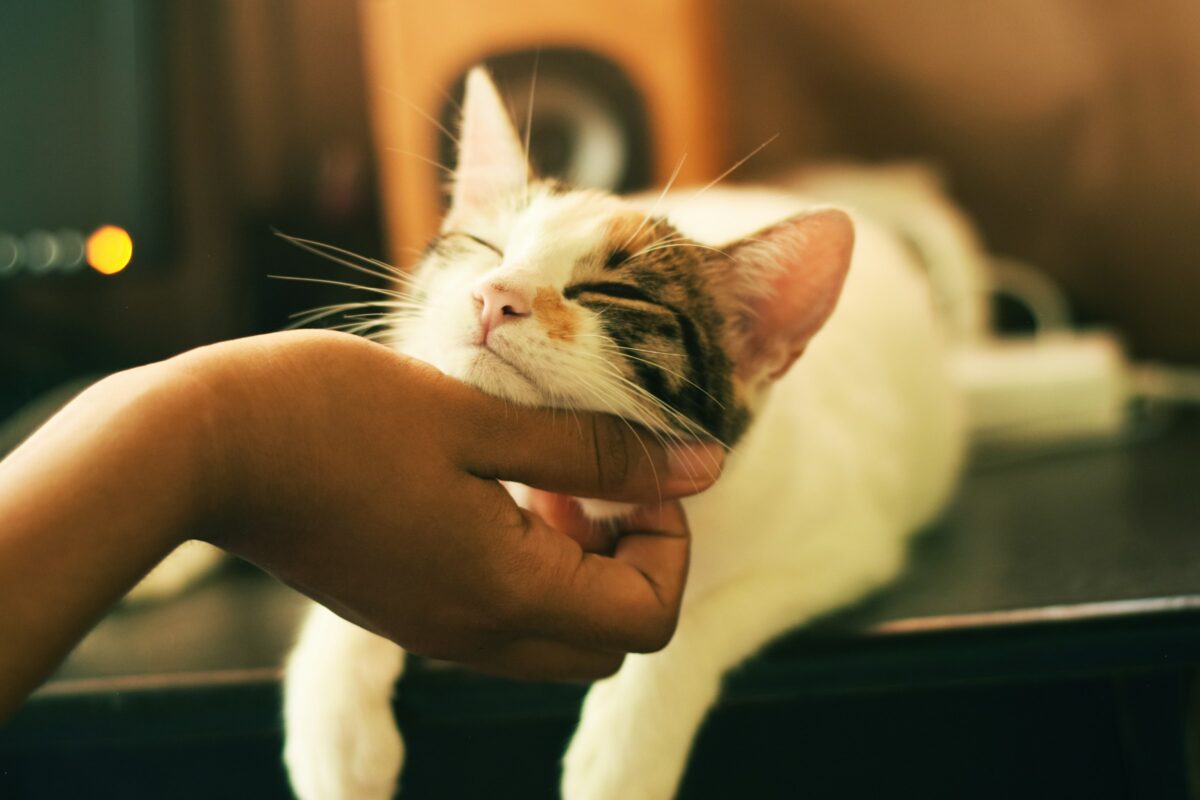
Cats have a reputation for keeping their emotional cards close to the chest, and for good reason. Unlike dogs, who tend to wear their affection on their sleeve from the moment they meet you, cats dole out trust in small, deliberate installments. Watch a cat closely enough, though, and you start noticing a pattern: certain behaviors show up only around specific people, usually the ones who feed them, sit with them, and let them set the pace of the relationship. Those small gestures are not random. They are, according to a growing body of feline behavior research, closely tied to how secure a cat feels with a particular person.
They expose their belly, even though it is their most vulnerable spot
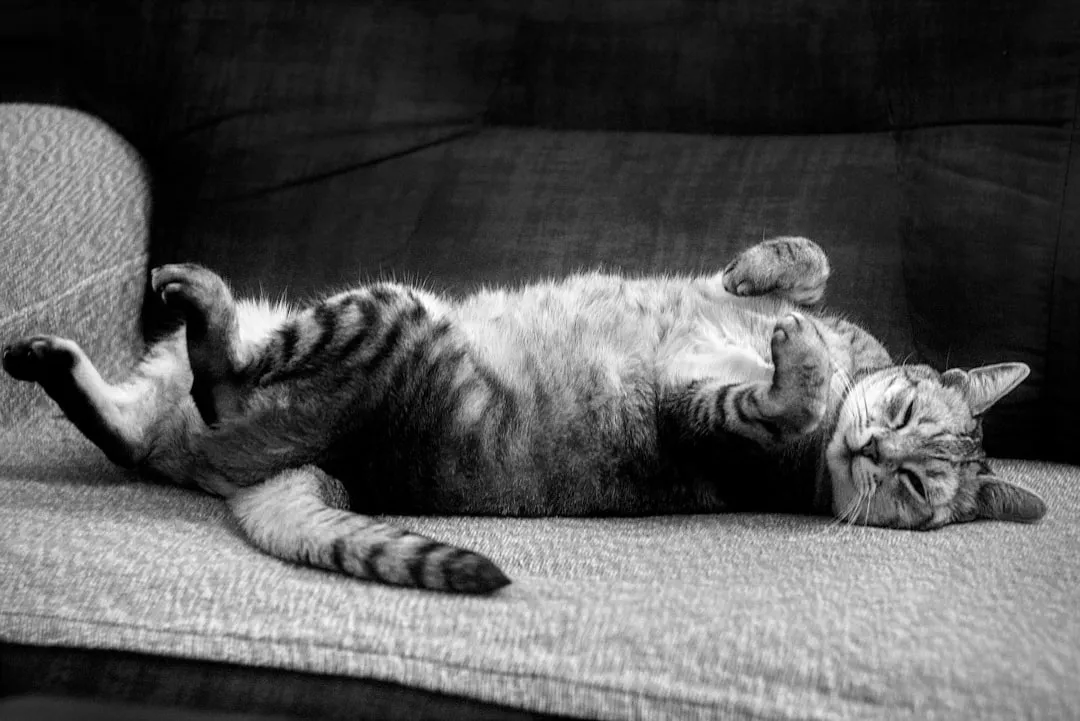
A cat’s belly is soft, unprotected, and covers vital organs, which makes it the last place a nervous animal would ever willingly show. When a cat rolls onto its back in front of you and lingers there, it is broadcasting that it does not perceive you as a threat worth guarding against. This is different from an invitation to rub the belly, which many cats still dislike, but the exposure itself is the message.
Feline behaviorists generally view this posture as a byproduct of relaxation rather than a deliberate performance for the person watching. Still, cats are selective about where and around whom they let their guard down this far. A cat that flops belly up on the kitchen floor the moment a particular person walks in is essentially telling that person they have earned a level of physical comfort not extended to strangers or even to other household members.
They give you the slow blink, the closest thing cats have to a smile
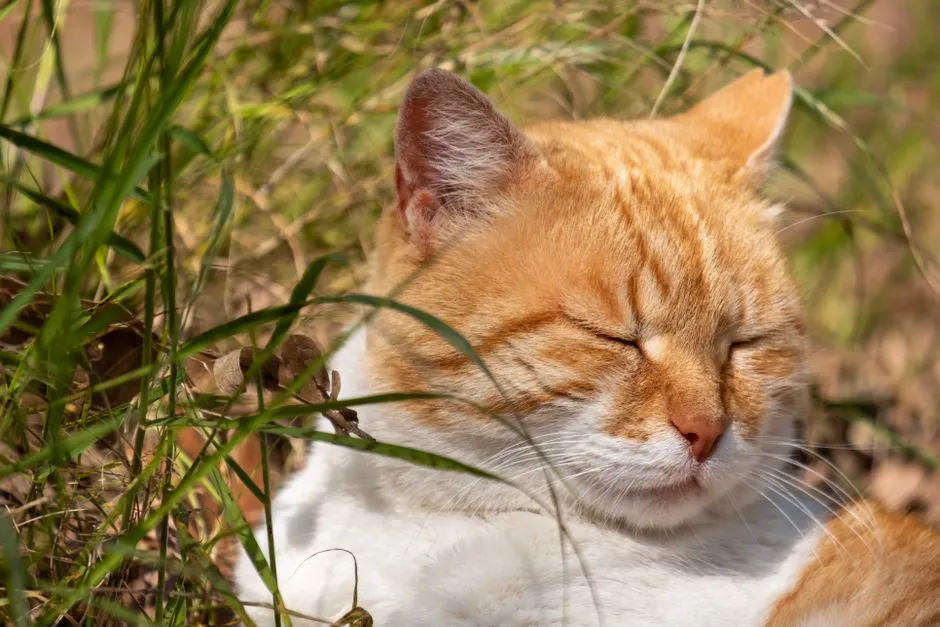
If you have ever locked eyes with a cat and watched its eyelids drift shut in a slow, deliberate motion, you have witnessed what researchers now call the feline slow blink. A landmark study out of the University of Sussex, published in Scientific Reports, provided the first systematic evidence that slow blinking are positive interactions between cats and humans. Owners who slow blinked at their own cats found the cats were noticeably more likely to blink back.
What makes this gesture worth including here is not just that cats do it, but who they do it for. The Sussex team found that this act of blinking slowly makes cats, both familiar and unfamiliar animals, approach and be receptive to humans. Even so, the frequency and warmth of the blink tends to be far higher with people the cat already trusts, turning an ordinary glance into something closer to a quiet exchange of reassurance.
They sleep deeply near you and turn their back while doing it
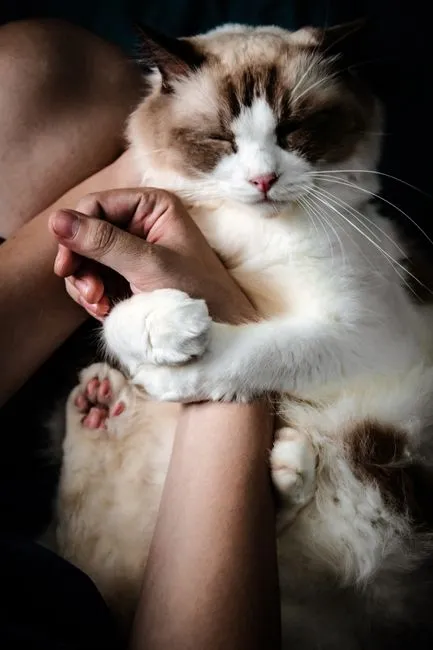
Sleep is when a cat is at its most defenseless, which is exactly why the choice of sleeping location says so much. A cat that curls up in deep, uninterrupted sleep within arm’s reach of a person is signaling that it does not expect to need to react to a threat from that direction. Cats that feel uneasy tend to nap lightly, ears swiveling, ready to bolt, so a genuinely limp, sound sleep is its own kind of compliment.
Turning their back to you while resting takes that trust a step further. In the wild, an animal’s back and neck are prime targets for predators, so presenting them to a person means the cat has effectively removed you from its list of potential dangers. Combine that with choosing to sleep on a lap, a chest, or a pillow instead of a solitary corner, and you get a fairly clear picture of who the cat considers safe company.
They knead you the way they once nursed from their mother
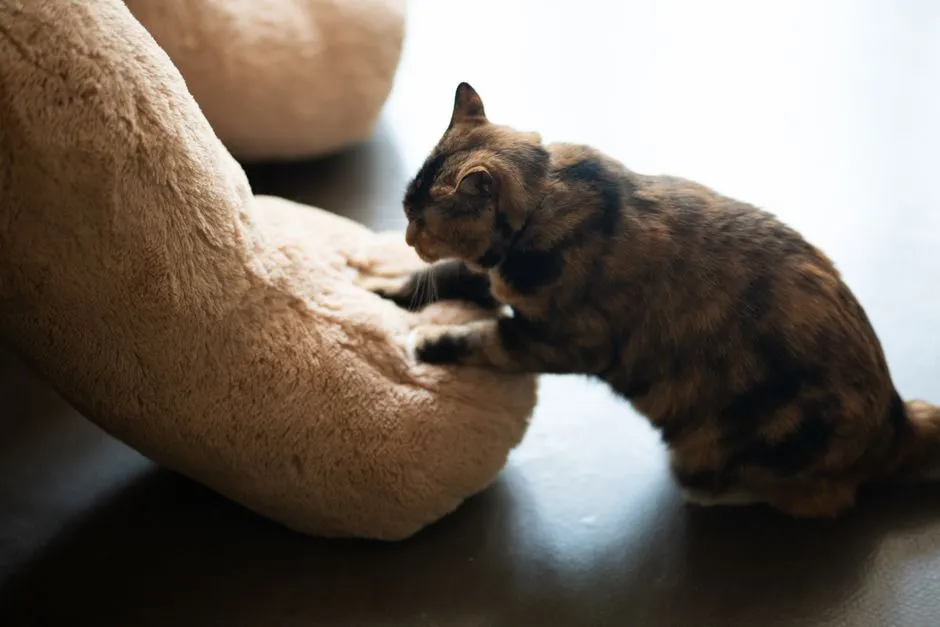
That rhythmic pressing motion cats make with their front paws, sometimes called making biscuits, traces back to kittenhood, when kittens knead their mother’s belly to stimulate milk flow. Adult cats that never entirely leave this behavior behind, and continue it against blankets, cushions, or a person’s lap, are drawing on some of the earliest comfort associations they ever formed. It is not a conscious decision so much as an old, soothing habit resurfacing.
The fact that kneading tends to concentrate around one or two specific people in a household is telling. It usually appears alongside purring and half closed eyes, suggesting the cat has slipped into a state resembling the contentment of nursing as a kitten. Claws often come out during kneading too, which, while occasionally uncomfortable for the person on the receiving end, is simply part of the unfiltered, unguarded version of the behavior.
They greet you with a raised tail and trail you from room to room
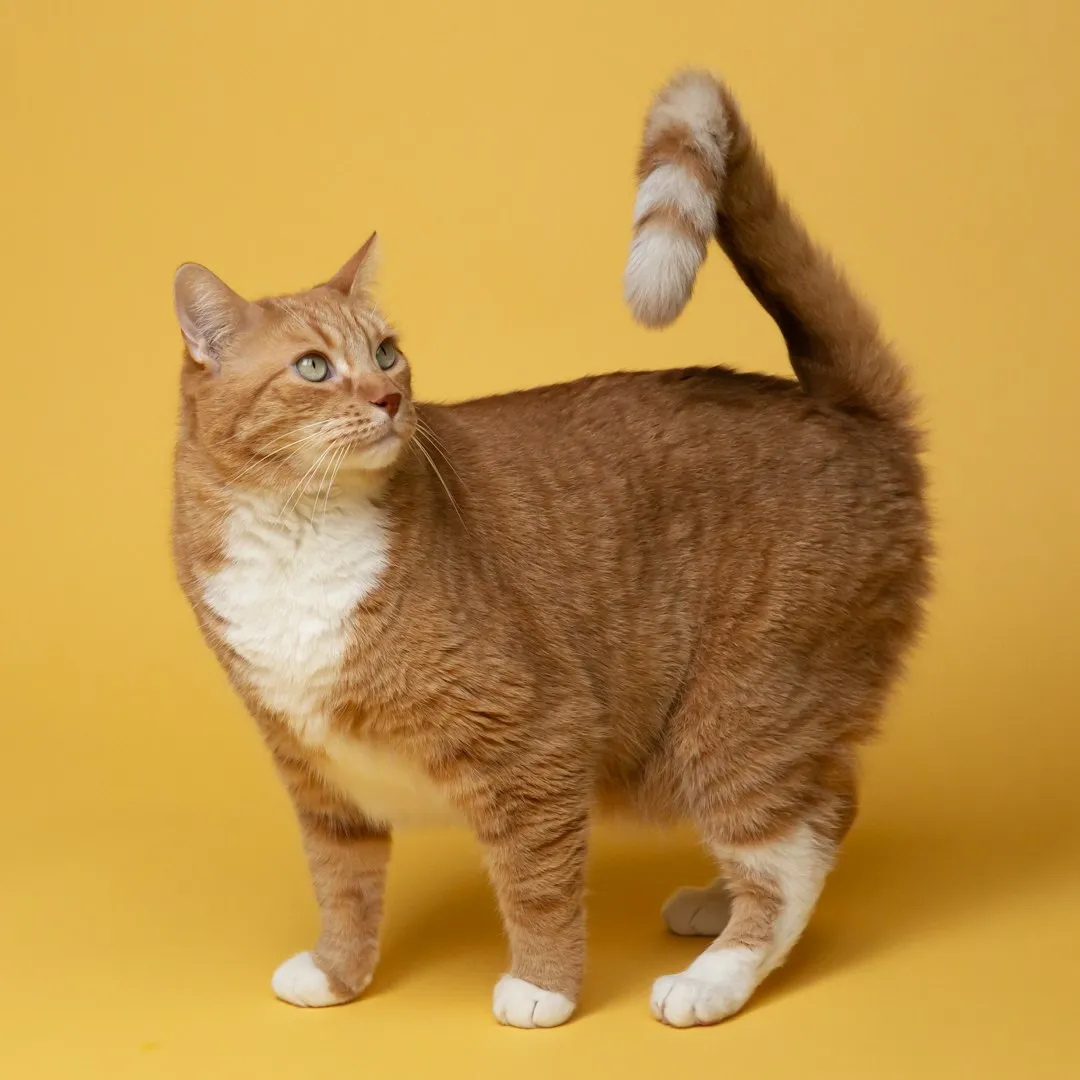
A tail held straight up, sometimes with a slight curl or quiver at the tip, is one of the clearest friendly signals in feline body language. Researchers who study cat colonies have long noted that this upright tail posture functions as an affiliative greeting, typically reserved for individuals the cat recognizes and likes, whether feline or human. Seeing it directed at you the moment you walk through the door is a small but reliable vote of confidence.
Following a person around the house, meanwhile, is less about supervision and more about association. Cats that trail a specific person from the kitchen to the living room to the bedroom are treating that person as a kind of home base, a concept reinforced by Oregon State University research showing that pet cats form attachment styles resembling those of children and dogs toward their caregivers. In that study, the majority of cats use their owner as a source of security, which is precisely the sentiment behind all that room to room shadowing.
They bring you gifts, dead, alive, or entirely imaginary
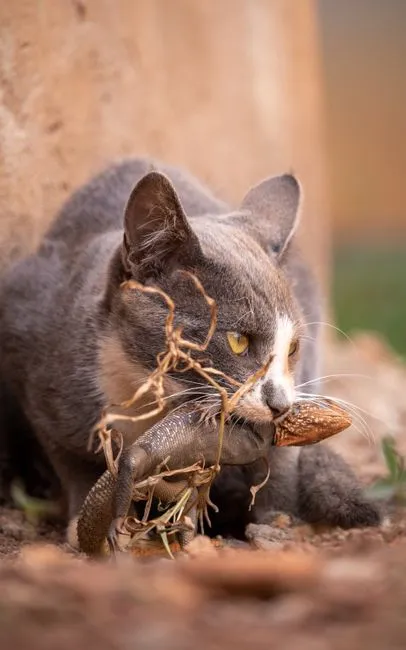
Few cat behaviors generate as much simultaneous pride and horror in owners as the arrival of a mouse, bird, or insect deposited proudly at their feet. While the exact motivation is still debated among researchers, one common interpretation ties back to maternal instinct, where mother cats bring prey to kittens to teach hunting skills. Applied to humans, the theory suggests the cat views its favorite person as something like a dependent that needs feeding lessons.
Whether or not that explanation holds in every case, the selectivity of the behavior is hard to ignore. Cats do not scatter these offerings randomly around the house or leave them for just anyone who happens to be nearby. They tend to seek out one particular person, wait for a reaction, and appear almost expectant, which suggests the gesture is targeted rather than incidental.
They head bunt, cheek rub, and groom you without being asked
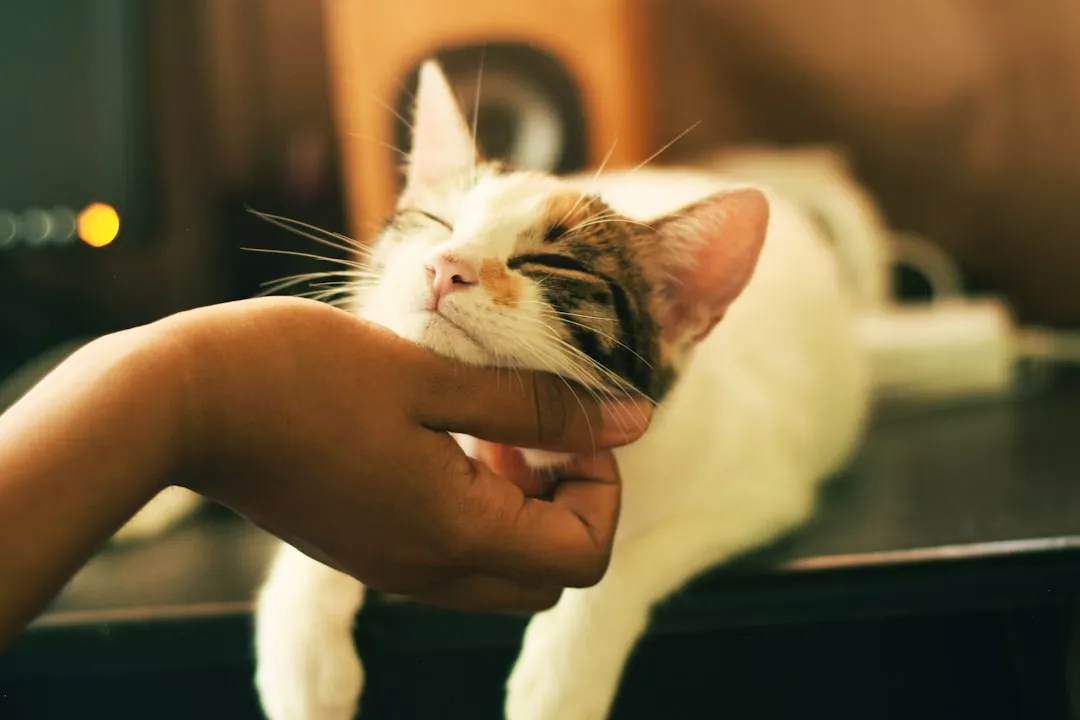
Head bunting, where a cat presses its forehead or the side of its face against a person, deposits pheromones from scent glands located near the cheeks and temples. This is a marking behavior, but it is also a bonding one, since cats reserve it almost exclusively for people and animals they consider part of their trusted circle. A cat that bunts you repeatedly is, in a very literal sense, claiming you as its own.
Grooming takes that a step further. When a cat licks a person’s hand, hair, or arm, it is extending the same behavior it would use on another cat it trusts within a social group, sometimes called allogrooming. This is not a behavior cats offer to unfamiliar people or even to every member of a household equally, which makes an unsolicited grooming session one of the more understated but meaningful signs that a cat considers you family.
Final thoughts
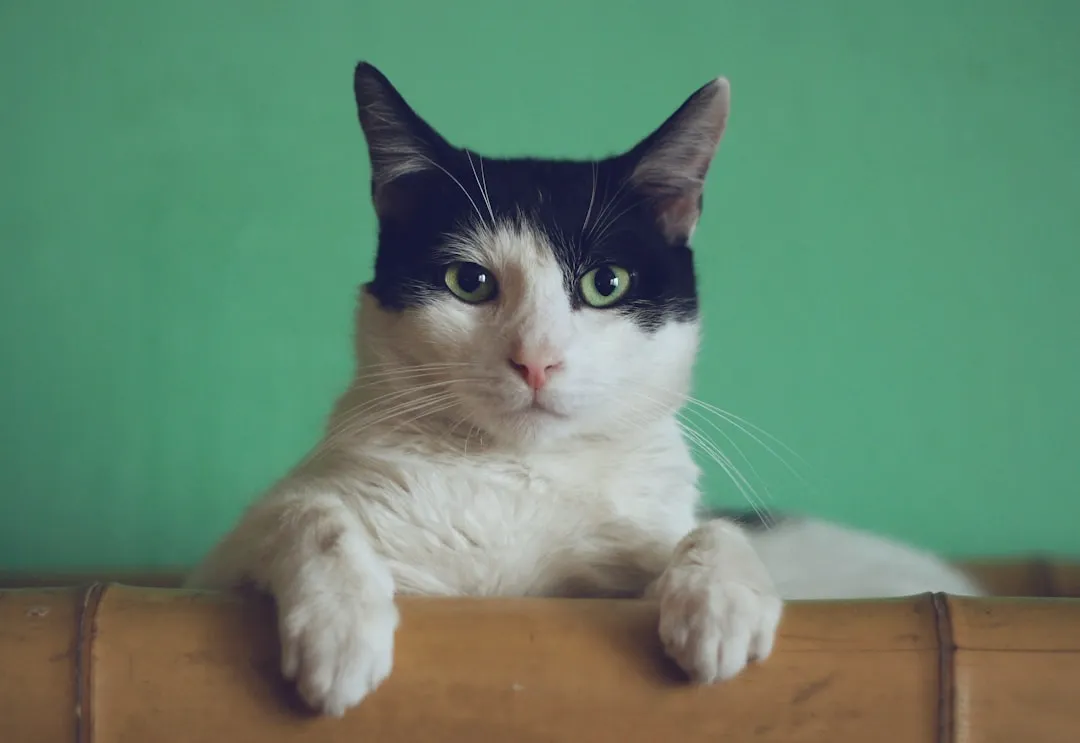
None of these behaviors are guarantees, and cats being cats, there will always be exceptions that defy every rule on this list. Still, after looking at how consistently vulnerability, scent marking, and voluntary closeness show up around specific people rather than everyone equally, it is hard not to conclude that cats are far more discerning about trust than their independent reputation suggests. If anything, a cat’s affection might be more meaningful precisely because it is not handed out freely. When a cat chooses you, belly exposed, eyes half closed, tail held high, it is not being manipulative or performative. It is simply telling you, in the only language it has, that you are one of the safe ones.

- Why Wolves Were Reintroduced to Yellowstone - July 15, 2026
- The Resurgence of America’s Wild Horses: A Symbol of Freedom and Hope - July 15, 2026
- 10 Cat Breeds That Tolerate Dogs Surprisingly Well - July 15, 2026