


When we think about long-lived animals, our minds often conjure images of ancient tortoises or possibly the majestic elephant, with its decades-long lifespan and remarkable memory. However, the title of the longest-living mammal belongs to neither of these creatures. In fact, the animal that holds this distinction remains relatively unknown to most people, despite its extraordinary longevity that surpasses most other creatures on Earth. Deep beneath the frigid waters of the Arctic and North Atlantic oceans lives a species that has been quietly breaking longevity records for centuries. Let’s dive into the fascinating world of the longest-lived mammal on our planet and explore what makes this species so remarkable.
Meet the Bowhead Whale: Longevity Champion
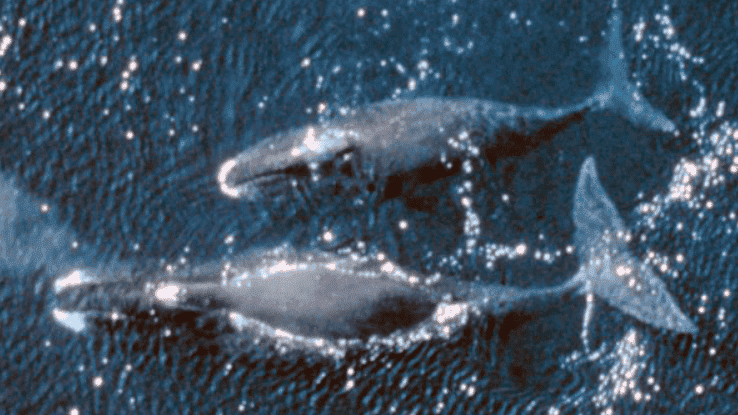
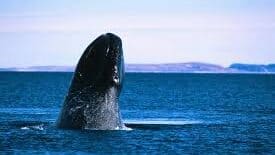
The bowhead whale (Balaena mysticetus) holds the distinction of being the longest-lived mammal on Earth. While elephants typically live 60-70 years in the wild, bowheads can live for more than 200 years. This remarkable marine mammal, named for its distinctive bow-shaped skull, has been documented to live well beyond what we once thought possible for warm-blooded animals. These massive creatures can reach lengths of up to 60 feet and weigh as much as 100 tons, making them among the largest animals in the ocean, second only to some species of blue whales.
Scientists have confirmed the extraordinary age of bowhead whales through several methods, including examining changes in eye tissue and recovering ancient harpoon heads embedded in the blubber of harvested whales. In one notable case, a bowhead whale harvested in Alaska in 2007 was found to have a harpoon point from the 1880s lodged in its neck, indicating the whale had survived a whaling attack more than 125 years earlier. More precise aging techniques using amino acid racemization of eye lenses and analysis of ear plugs have confirmed individuals living beyond 200 years.
How Scientists Discovered Their Astonishing Age
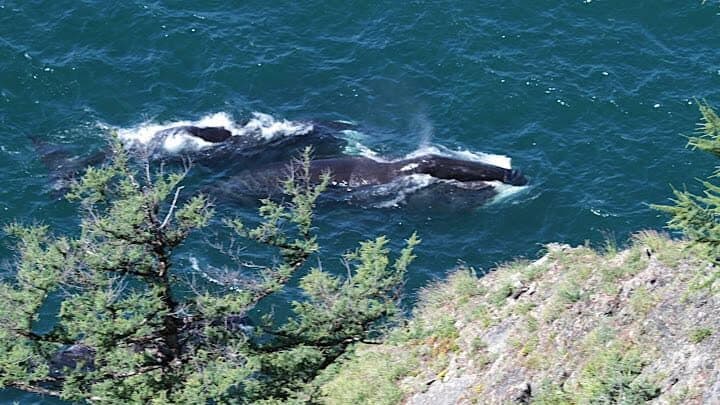
The discovery of the bowhead whale’s exceptional longevity came through a combination of traditional knowledge and modern science. For centuries, indigenous Inuit hunters had claimed these whales lived for “two human lifetimes,” but these observations were largely dismissed by the scientific community. It wasn’t until the late 1990s that scientific evidence began to support these claims. The breakthrough came when researchers found stone harpoon tips, a technology that hadn’t been used since the 1880s, embedded in the blubber of recently harvested whales.
Further evidence came through biochemical analyses. Scientists examined the aspartic acid in the eye lenses of bowhead whales, a technique called amino acid racemization. Since certain proteins in the eye lens are formed before birth and never replaced, the ratio of two forms of aspartic acid provides a reliable measure of age. Using this method, researchers estimated one male bowhead to be 211 years old. More recent studies using radiocarbon dating and analysis of changes in gene expression patterns have continued to support these extraordinary age estimates, confirming bowheads as the longest-lived mammals on Earth.
The Secrets Behind Their Longevity
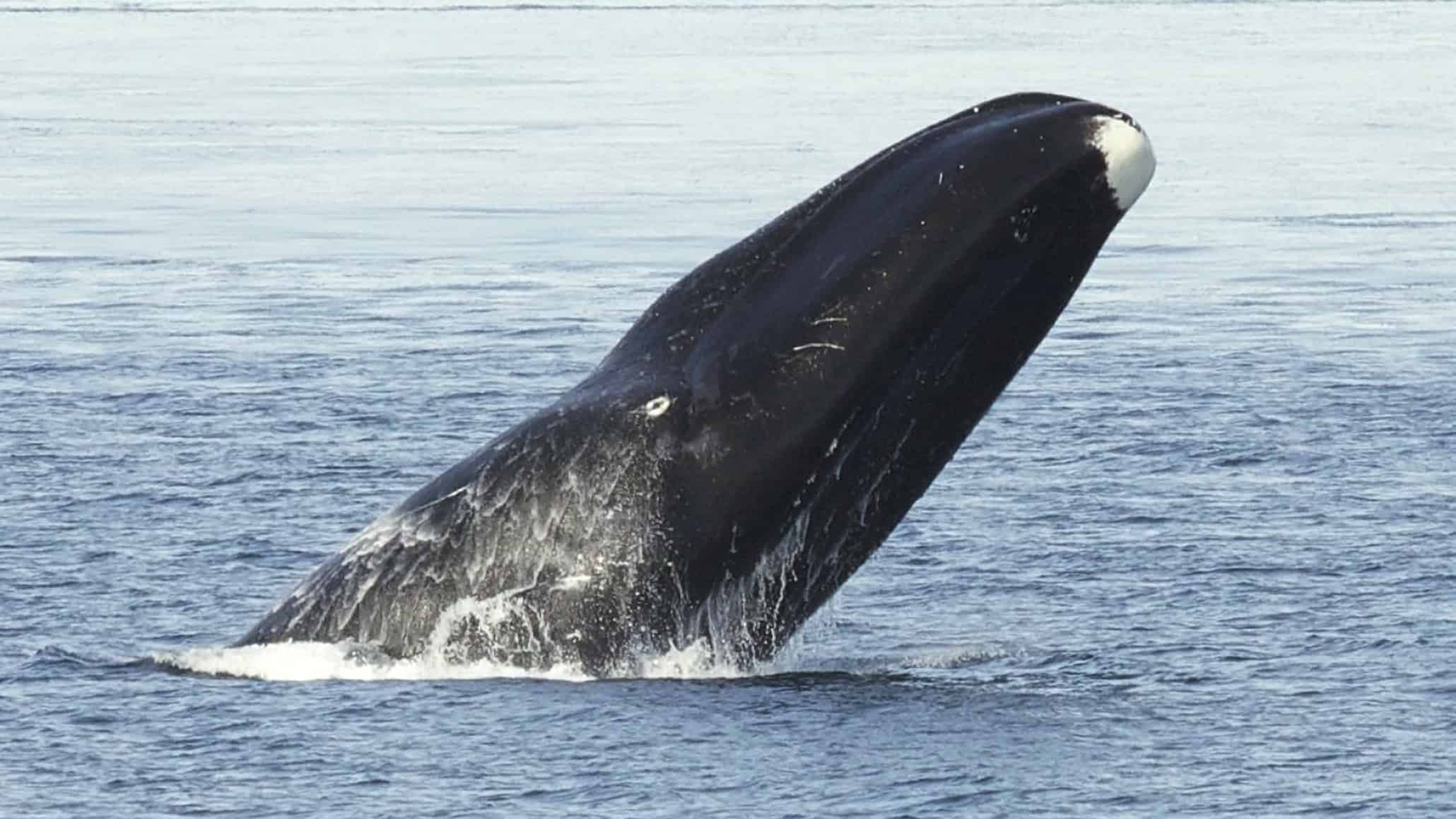
What allows bowhead whales to live so extraordinarily long compared to other mammals? Scientists believe several biological mechanisms contribute to their extended lifespan. One key factor appears to be their remarkably low body temperature. Bowheads maintain a core body temperature several degrees lower than most mammals, which may slow their metabolic rate and reduce the accumulation of cellular damage that typically occurs with aging. Their large body size also contributes to longevity by reducing the relative metabolic rate and providing greater resistance to environmental stressors.
At the molecular level, bowhead whales possess genetic adaptations that appear to enhance DNA repair mechanisms and provide superior protection against cancer. Research has identified unique mutations in genes associated with cell cycle regulation, DNA repair, and cancer resistance. Notably, bowheads have extra copies of the PCNA gene, which plays a crucial role in DNA repair, and mutations in the ERCC1 gene, which helps maintain genome stability. These genetic adaptations may explain why these massive animals, with trillions more cells than humans, rarely develop cancer despite their long lives—a phenomenon known as Peto’s paradox.
Comparing Bowheads to Other Long-Lived Mammals
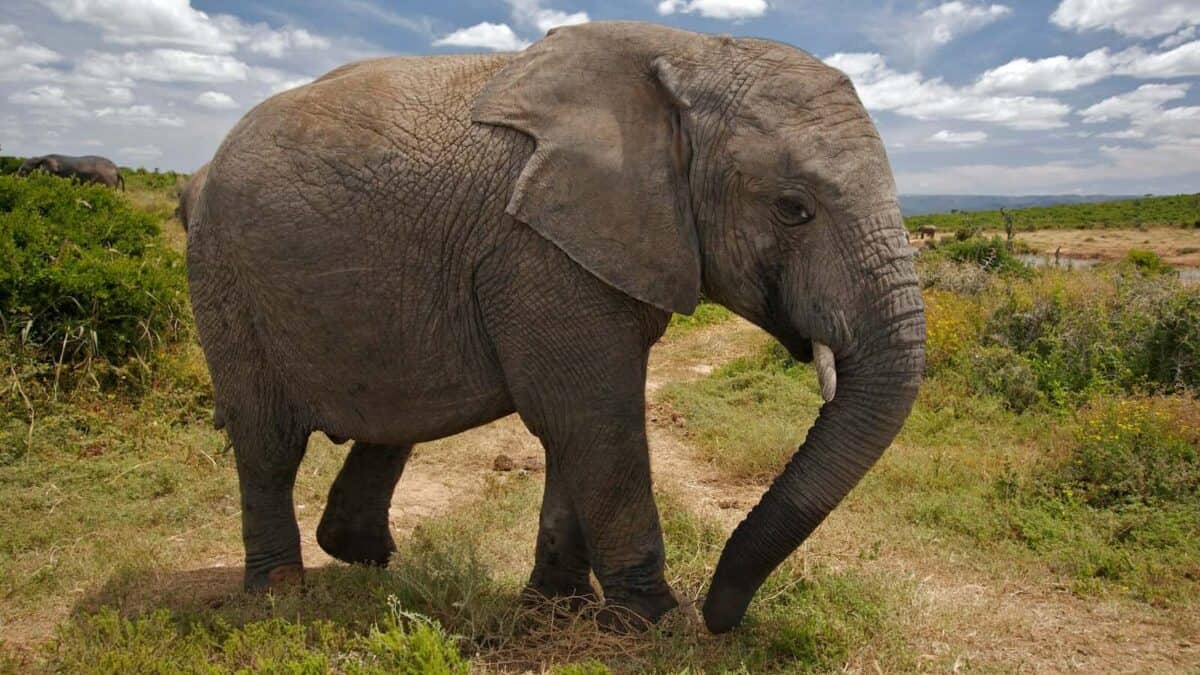
While the bowhead whale tops the longevity chart for mammals, several other species also demonstrate impressive lifespans. Elephants, often thought to be the longest-lived land mammals, typically survive 60-70 years in the wild, with the oldest recorded elephant reaching about 86 years. Some other cetaceans also demonstrate exceptional longevity, with killer whales (orcas) living up to 90 years in the wild, and fin whales reaching ages of 80-90 years. Among smaller mammals, the naked mole-rat stands out, with a lifespan of over 30 years—extraordinary for a rodent of its size.
What makes the bowhead’s longevity particularly remarkable is how it defies the typical relationship between body size and lifespan. Generally, larger mammals live longer than smaller ones due to slower metabolic rates. However, the bowhead whale outlives even other similarly sized cetaceans by a considerable margin. The Greenland shark, though not a mammal, deserves mention as it may live even longer than bowheads—with some individuals estimated to be 400+ years old, making it potentially the longest-lived vertebrate species on Earth.
Life in the Arctic: How Environment Shapes Longevity
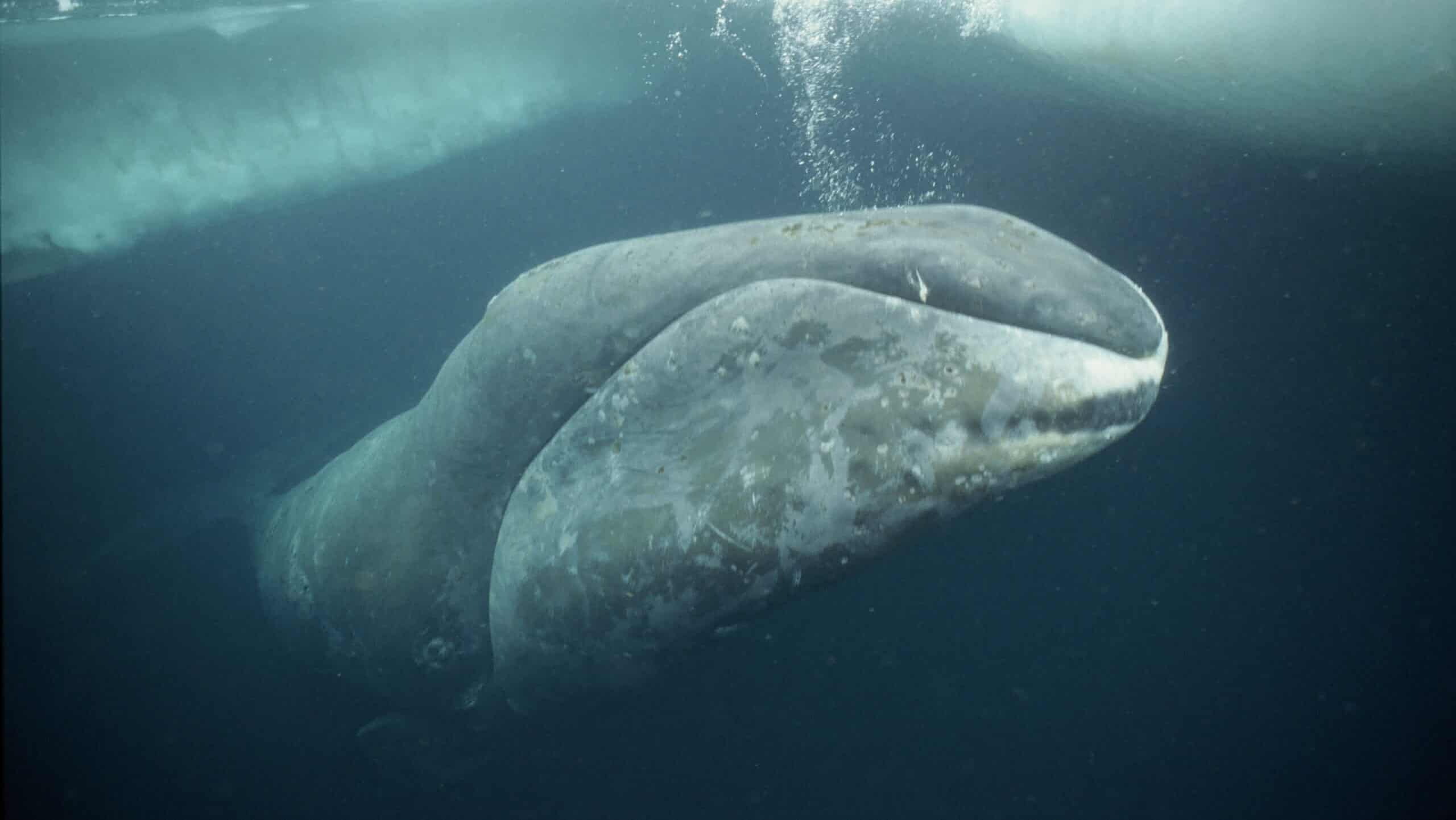
The bowhead whale’s habitat in the frigid waters of the Arctic and subarctic regions plays a significant role in its longevity. These cold waters necessitate adaptations that may contribute to extended lifespan. The harsh Arctic environment requires bowheads to maintain thick blubber layers—up to 50 centimeters (20 inches)—which not only insulates them against the cold but also serves as an energy reserve during periods of food scarcity. This adaptation to environmental stressors may have selected for genetic traits that promote longevity.
Additionally, the seasonal nature of food availability in Arctic waters has shaped the bowhead’s metabolism. During the productive summer months, these whales feed intensively on zooplankton, building up fat reserves for the less abundant winter period. This cycle of feast and relative famine may induce metabolic efficiencies similar to those observed in calorie-restricted organisms, which have been shown to exhibit extended lifespans in laboratory settings. The Arctic environment also offers relative protection from predators, with only killer whales posing a significant threat, potentially reducing mortality from predation compared to whales in other regions.
Slow Development and Reproduction: The Pace of Life Theory
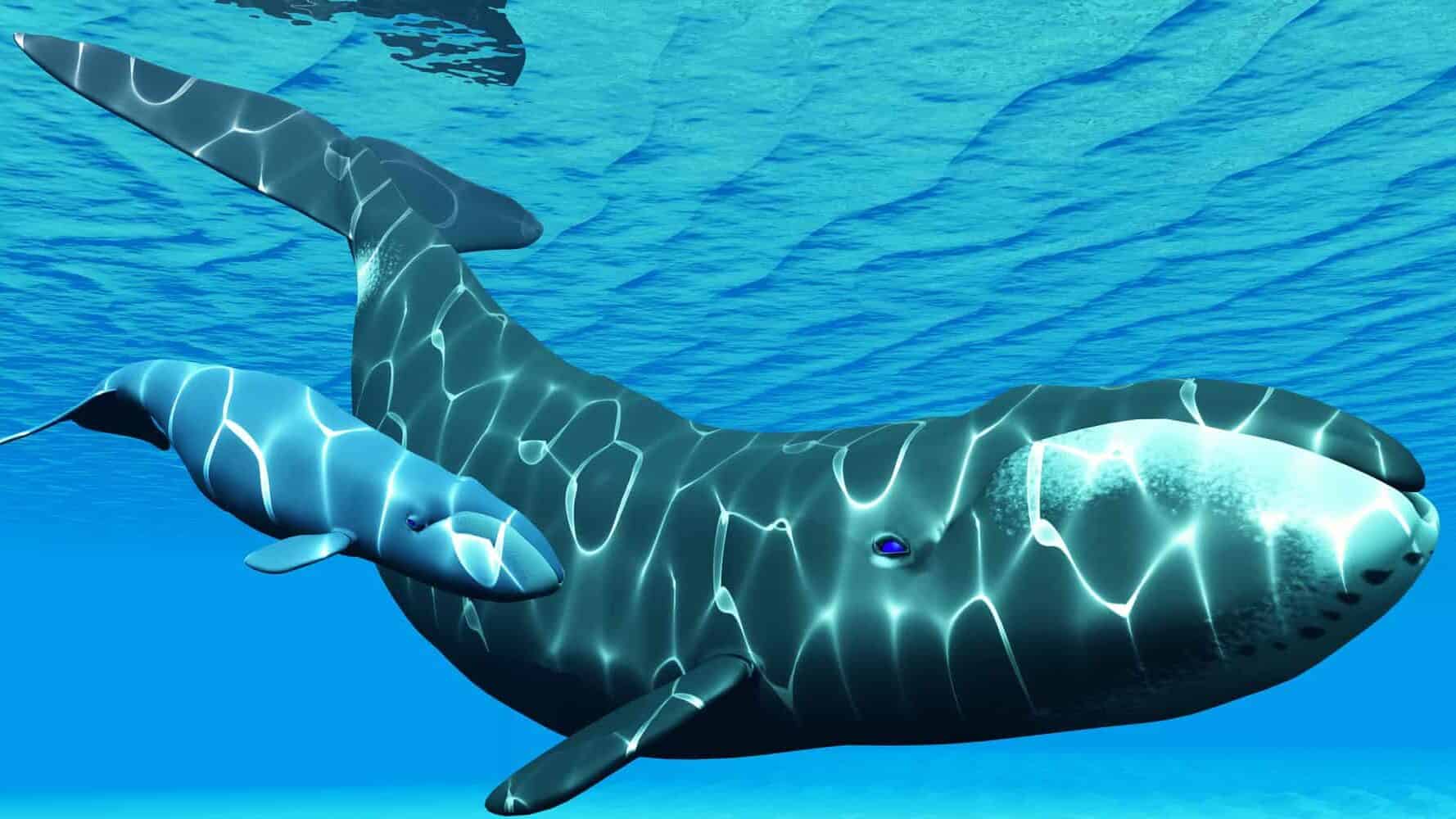
Bowhead whales exemplify what biologists call the “slow pace of life” strategy. They grow slowly, taking 20-25 years to reach sexual maturity, and females typically give birth to a single calf only once every 3-4 years. This reproductive pattern, characterized by infrequent reproduction and significant maternal investment in each offspring, is often associated with extended lifespans. The gestation period lasts about 13-14 months, and calves are born at an already substantial size of around 4 meters (13 feet) in length.
This slow reproductive strategy allows bowheads to invest heavily in body maintenance and repair mechanisms rather than frequent reproduction. According to the evolutionary theory of aging, there’s often a trade-off between reproduction and longevity—resources devoted to producing offspring cannot simultaneously be used for cellular repair and maintenance. Bowhead whales appear to have evolved an exceptionally efficient maintenance system that allows them to sustain their massive bodies over centuries while still reproducing successfully, albeit at a slower pace than many shorter-lived mammals.
What Bowhead Whales Can Teach Us About Aging
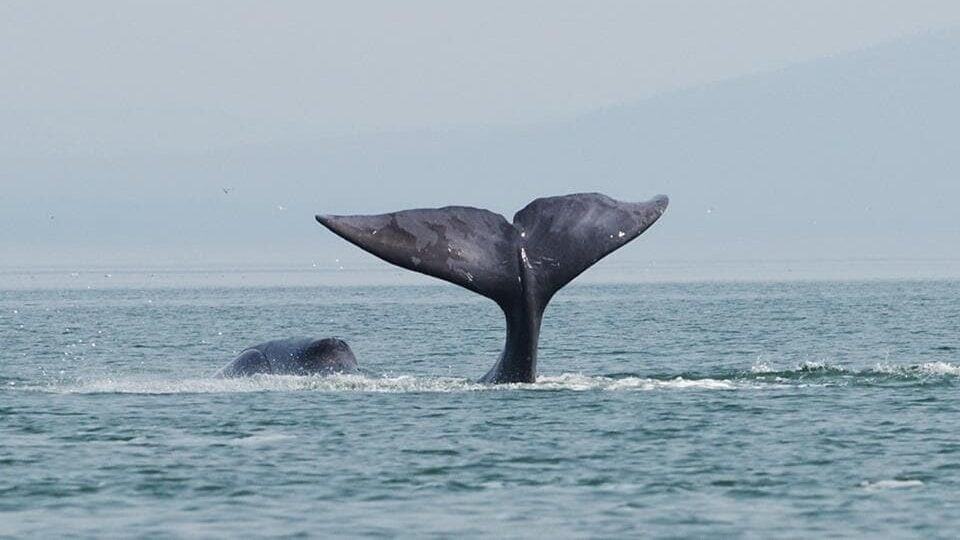
The extraordinary longevity of bowhead whales has made them a subject of intense interest for researchers studying the biology of aging and age-related diseases. Scientists have sequenced the bowhead whale genome and identified several genetic adaptations that may contribute to their cancer resistance and extended lifespan. These include duplications and mutations in genes involved in DNA repair, cell cycle regulation, and tumor suppression. Understanding how these mechanisms work in bowheads could potentially inform human medicine and efforts to extend healthy lifespan.
Of particular interest are the bowhead’s apparent resistance to cancer and age-related diseases despite their enormous body size and long life. With approximately 1,000 times more cells than humans, bowheads should theoretically have a much higher cancer risk, yet they rarely develop malignancies. Researchers are investigating whether the unique adaptations in the bowhead’s genome might one day lead to new approaches for cancer prevention or treatment in humans. Additionally, studies of the bowhead’s cardiovascular system, which maintains efficiency over centuries, could provide insights into preventing heart disease, the leading cause of human mortality worldwide.
Conservation Status and Threats
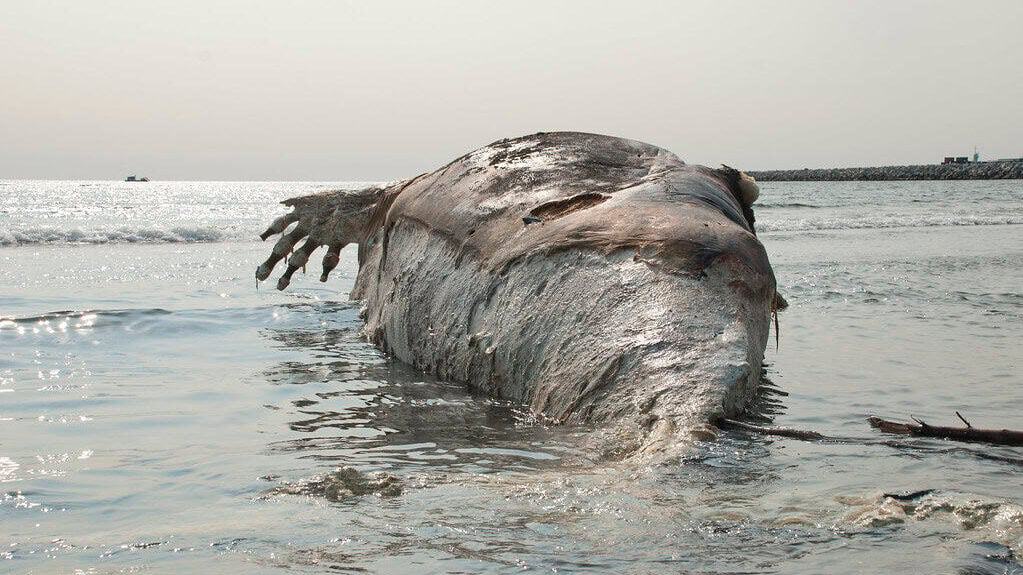
Despite their impressive longevity, bowhead whales face significant conservation challenges. Historically, commercial whaling severely depleted their populations, particularly during the intensive whaling period of the 19th and early 20th centuries. The species was hunted almost to extinction for its oil-rich blubber and baleen plates (the filtering structures in their mouths, once used for everything from corset stays to umbrella ribs). The population in the North Atlantic has never recovered from this exploitation and remains critically endangered, with perhaps only a few hundred individuals remaining.
Today, while commercial whaling has largely ceased, bowheads face new threats from climate change, which is rapidly altering their Arctic habitat. Declining sea ice affects their traditional feeding, breeding, and calving areas. Increased shipping through newly ice-free Arctic passages brings risks of ship strikes, noise pollution that can disrupt communication, and potential oil spills. Limited subsistence hunting by indigenous communities continues in Alaska, Russia, and Canada under carefully managed quotas, but this is not considered a significant threat to the species’ recovery. Conservation efforts focus on protecting their critical habitat and monitoring population trends to ensure these remarkable long-lived mammals can continue to thrive for generations to come.
Cultural Significance to Indigenous Peoples
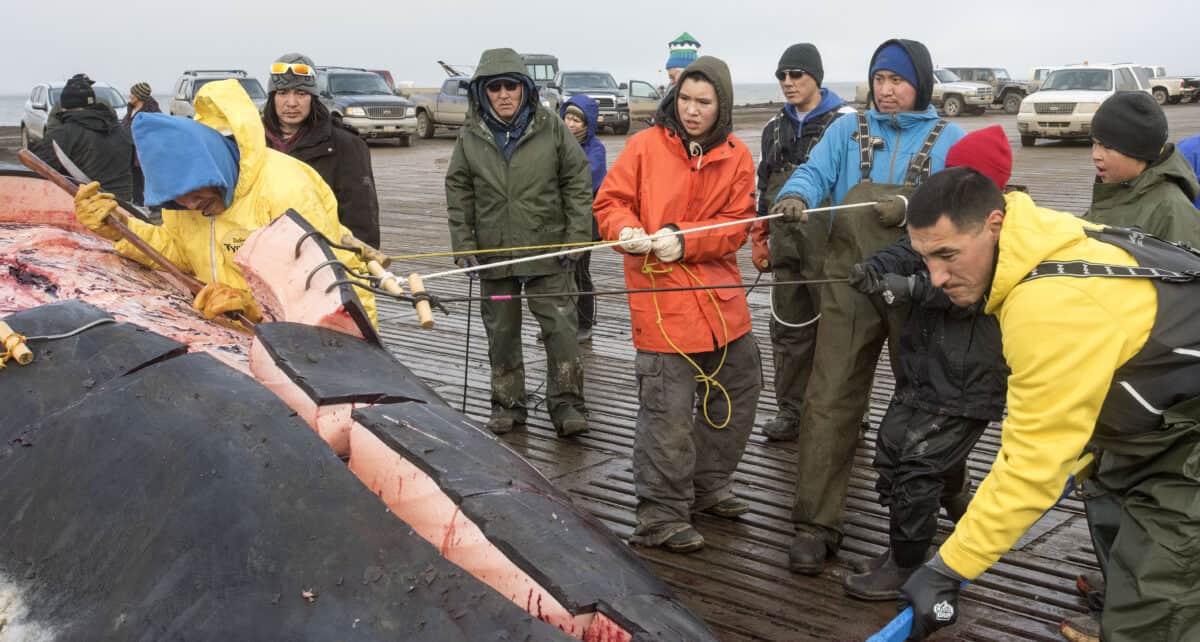
For thousands of years, bowhead whales have held profound cultural significance for indigenous Arctic peoples, particularly the Inupiat, Yupik, and Chukchi communities of Alaska and Russia, and the Inuit of Canada. These communities have developed sophisticated hunting techniques and a deep spiritual relationship with bowhead whales. The harvest of a single bowhead can provide enormous quantities of meat and muktuk (skin and blubber) that sustain entire villages with nutritious traditional food. Every part of the whale is utilized, with the meat eaten fresh or fermented, blubber rendered into oil, and bones used for construction and crafts.
Indigenous knowledge about bowhead whales accumulated over generations has proven invaluable to scientific understanding of these creatures. The traditional ecological knowledge of native hunters first suggested the extraordinary longevity of bowheads, long before scientific confirmation. Today, many indigenous communities work in partnership with scientists on research and conservation initiatives, combining traditional wisdom with modern scientific methods. This collaborative approach honors the cultural importance of the bowhead while ensuring sustainable management of whale populations for future generations. The subsistence hunt is carefully regulated through the International Whaling Commission with quotas set based on population assessments.
Other Remarkably Long-Lived Animals

While the bowhead whale holds the mammalian longevity record, several other animals demonstrate extraordinary lifespans. The Greenland shark, mentioned earlier, may live over 400 years, with one female estimated at 512 years old, making it potentially the longest-lived vertebrate. Among invertebrates, some species show even more impressive longevity. The ocean quahog (Arctica islandica), a type of clam, has been documented to live over 500 years. One specimen nicknamed “Ming” was determined to be 507 years old when it was accidentally killed during scientific collection.
On land, certain reptiles demonstrate remarkable longevity. Giant tortoises from the Galapagos Islands and Aldabra Atoll can live well over 100 years, with some individuals reaching at least 150-170 years. Among plants, bristlecone pines (Pinus longaeva) can live for millennia, with the oldest known individual, nicknamed “Methuselah,” estimated to be over 4,850 years old. These examples of exceptional longevity across different taxonomic groups provide valuable comparative models for understanding the biology of aging and the various evolutionary strategies that can lead to extended lifespans in different environments.
The Pursuit of Understanding Aging
The study of long-lived species like the bowhead whale represents a frontier in aging research. Traditional laboratory models such as mice, with their 2-3 year lifespans, provide limited insights into the mechanisms that might extend life over decades or centuries. Comparative biology—examining how different species age at vastly different rates—offers a complementary approach. Scientists are increasingly turning to naturally long-lived animals like bowhead whales, naked mole-rats, and certain bat species to understand how nature has already solved the problems of cellular maintenance and cancer resistance over evolutionary time.
Research institutions dedicated to aging research, such as the Methuselah Foundation and the Buck Institute for Research on Aging, have begun incorporating studies of these natural longevity champions into their work. The hope is that understanding the genetic and biochemical adaptations that allow bowhead whales to live for centuries might inspire new approaches to extending healthy human lifespan or preventing age-related diseases. While humans will never live as long as bowheads, the biological mechanisms that protect these whales from cancer and cardiovascular disease could potentially be adapted to improve human health in our later years.
The discovery of the bowhead whale’s exceptional lifespan has opened exciting new avenues in longevity research. As genomic technologies advance, scientists are gaining deeper insights into the genetic basis of aging and longevity. The complete sequencing of the bowhead whale genome in 2015 revealed unique mutations in genes associated with cancer resistance, DNA repair, and cell cycle regulation. Ongoing comparative genomic studies are identifying additional adaptations that may contribute to their extraordinary lifespan. These discoveries are informing broader research into the fundamental processes of aging across species.
Looking forward, the application of cutting-edge techniques like CRISPR gene editing, single-cell RNA sequencing, and advanced computational modeling promises to accelerate our understanding of longevity mechanisms. While ethical considerations prevent direct experimentation on endangered marine mammals like bowhead whales, non-invasive research using skin samples, exhaled breath, and photographic monitoring continues to yield valuable insights. The bowhead whale stands as a powerful reminder that extraordinary longevity is biologically possible for mammals—and understanding how these magnificent creatures achieve their two-century lifespans may ultimately help us address the challenges of human aging in the decades to come.

- Fastest Fish in American Waters Identified - July 15, 2026
- How Ants Build Living Bridges - July 15, 2026
- Why Foxes Scream at Night—and What It Means - July 15, 2026
Leave a comment
You must be logged in to post a comment.