
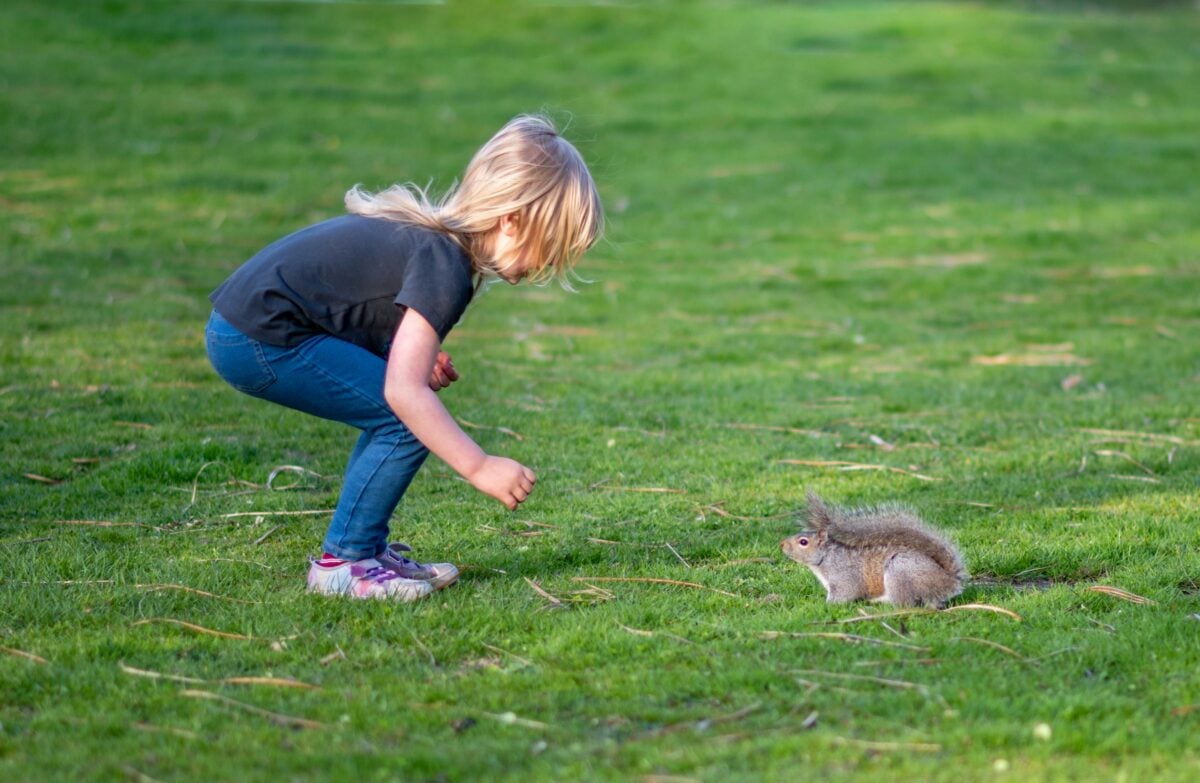
The sight of squirrels darting and spiraling around tree trunks is a common yet captivating spectacle. At first glance, it might seem like playful antics, but these chases are rich with meaning, reflecting complex social behaviors and survival strategies.
Territorial Disputes: Defending Their Domain

Squirrels are territorial creatures, and the spiraling chases around tree trunks often signify a battle over territory. When an intruder encroaches upon a resident squirrel’s domain, the resident will engage in a chase to assert dominance and expel the intruder. This behavior ensures access to vital resources like food and nesting sites.
The tree trunk becomes a strategic tool in these disputes. By maneuvering around it, the defending squirrel can block the intruder’s path, using the trunk as a barrier to maintain control over its territory.
Mating Rituals: The Dance of Courtship
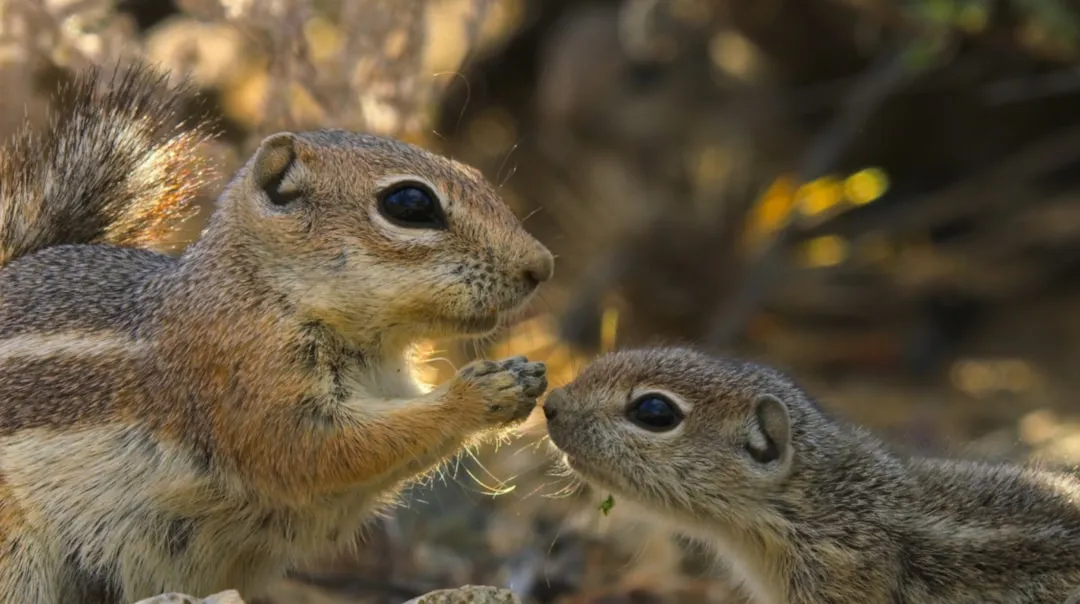
During mating seasons, typically in late winter and summer, these chases take on a different meaning. Male squirrels pursue females in a dynamic display of agility and endurance. The female leads the chase, testing the male’s persistence and fitness, which are crucial factors in her selection of a mate.
This high-speed pursuit isn’t just about attraction; it’s a fitness test. The male’s ability to keep up demonstrates his health and suitability as a partner, ensuring strong offspring.
Establishing Social Hierarchies: The Pecking Order
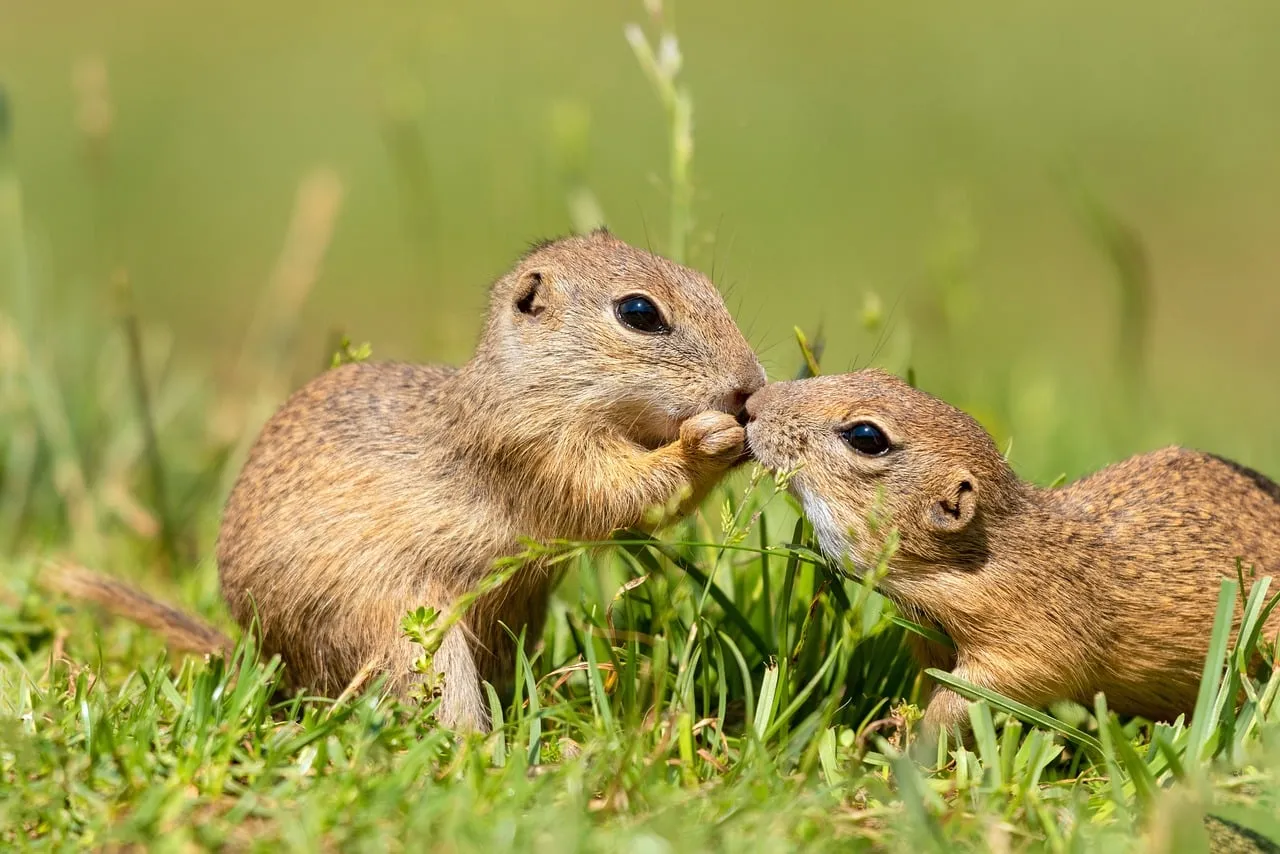
Beyond territorial and mating contexts, squirrels engage in chases to establish social hierarchies. Dominant squirrels will chase subordinates to assert their position within the group. This behavior helps maintain order and reduces conflicts over resources.
These chases are less aggressive than territorial disputes but are essential for social cohesion. They allow squirrels to understand their place within the community, ensuring smoother interactions.
Playful Antics: Juvenile Training Grounds
Young squirrels often chase each other in what appears to be play. However, these playful pursuits are critical for developing survival skills. Through chasing, juveniles enhance their agility, coordination, and social understanding.
This play also helps young squirrels learn the nuances of communication and interaction, preparing them for the complex social structures they’ll navigate as adults.
Resource Competition: The Battle for Food
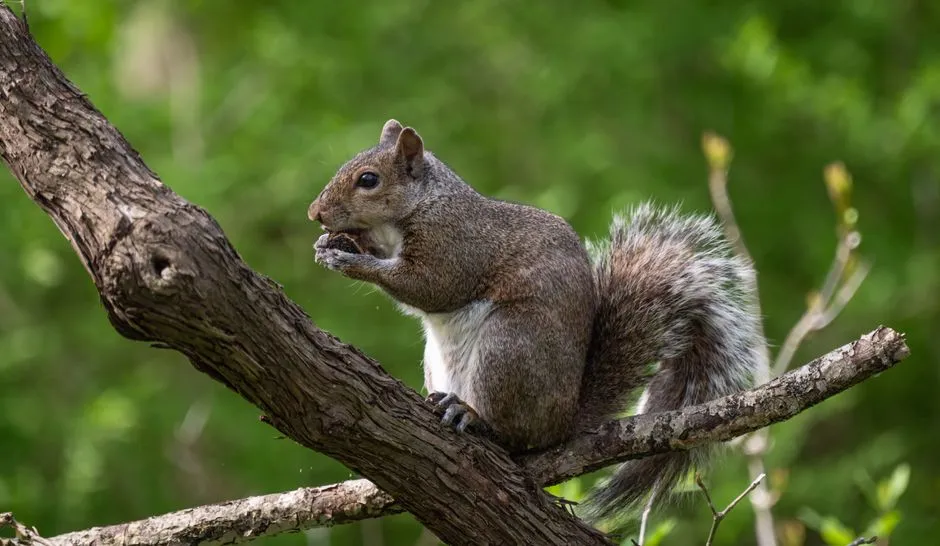
In times of scarce resources, squirrels may chase each other to secure food supplies. These chases are particularly common around abundant food sources like bird feeders or nut-bearing trees, where competition is fierce.
By chasing away competitors, a squirrel increases its chances of survival during lean periods. This behavior underscores the importance of resource control in the wild.
Communication Through Movement: Silent Signals
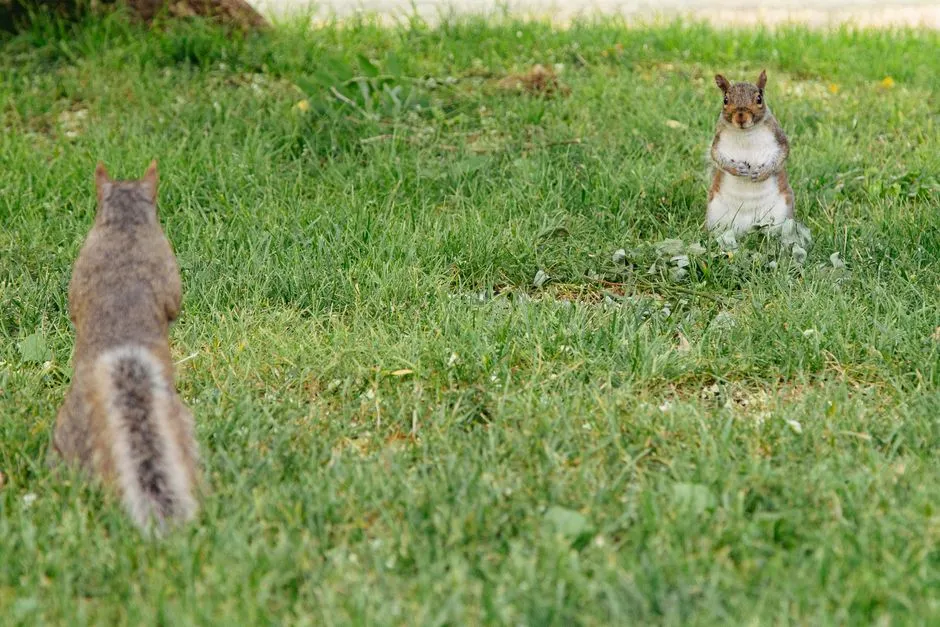
Squirrels use these chases as a form of non-verbal communication. The intensity, duration, and nature of the chase convey messages about territorial boundaries, mating readiness, or social status.
Observing these interactions provides insight into the complex language of squirrel behavior, where actions speak louder than sounds.
Environmental Influences: The Role of Habitat
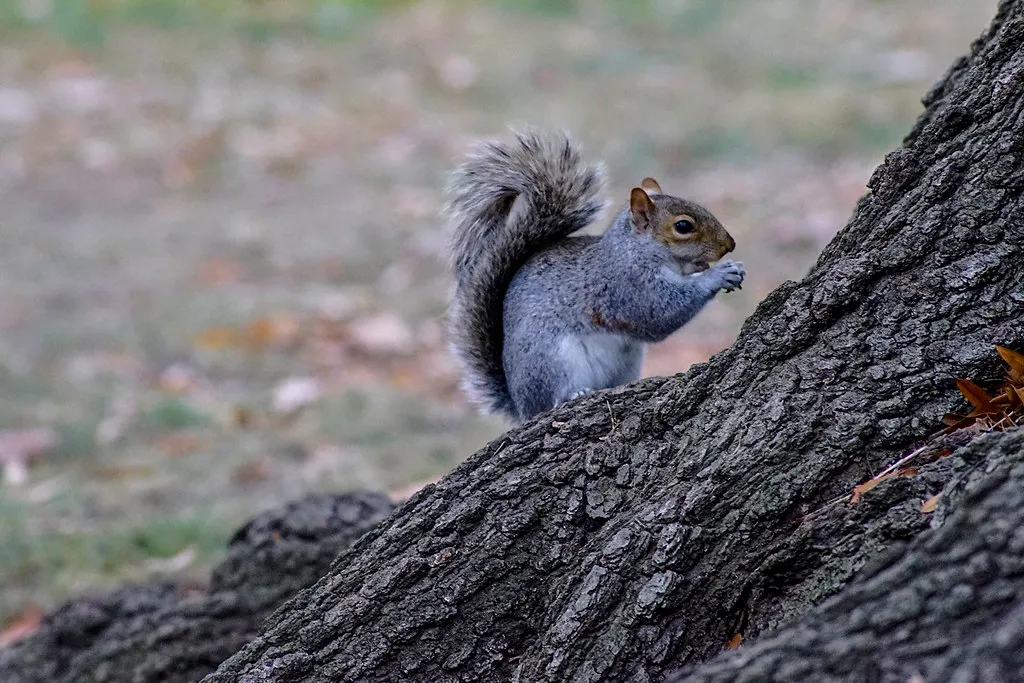
The environment plays a significant role in these behaviors. Urban squirrels, for instance, may exhibit more frequent chases due to higher population densities and competition for limited resources.
Conversely, in resource-rich environments, such behaviors might be less pronounced, highlighting the adaptability of squirrels to their surroundings.
Conclusion: Decoding the Squirrel’s Spiral
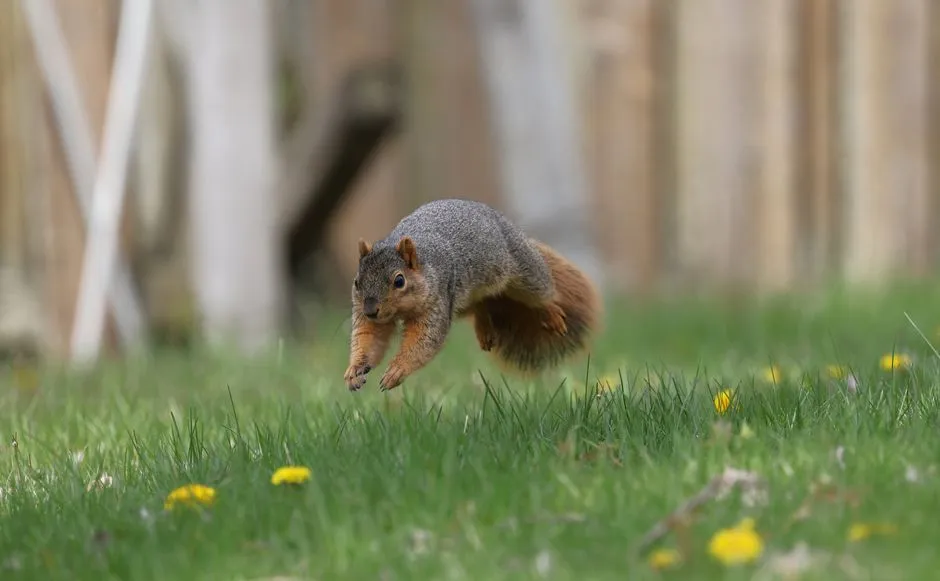
The next time you witness squirrels chasing each other around a tree trunk, remember that it’s more than mere play. These chases are intricate behaviors tied to survival, reproduction, and social structure. Understanding these actions offers a glimpse into the complex lives of these agile creatures. So, what might seem like a simple game is, in fact, a window into the dynamic world of squirrels.
