
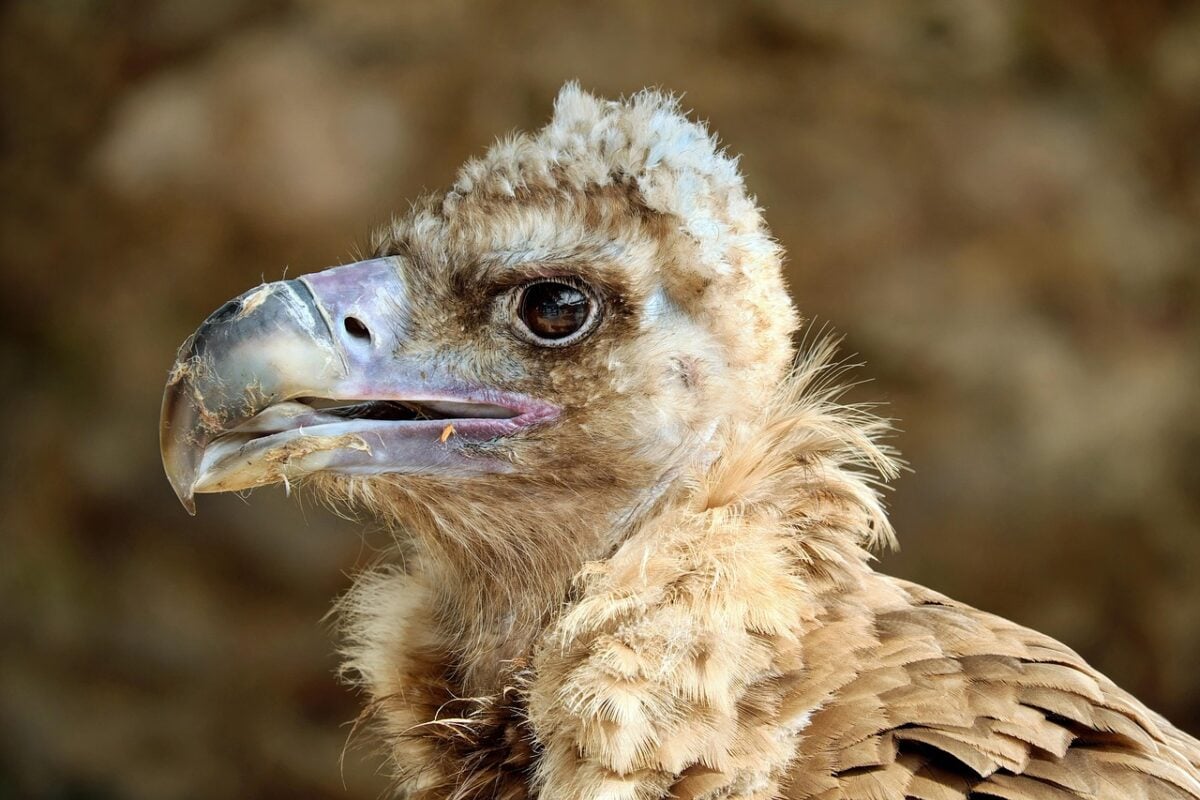
Spotting a congregation of vultures perched on rooftops can be an unsettling sight for many. Traditionally, these birds are associated with death and decay, leading to misconceptions about their presence in urban settings. However, the reality is far more nuanced and rooted in the vultures’ natural behaviors and ecological roles.
Vultures: Nature’s Cleanup Crew
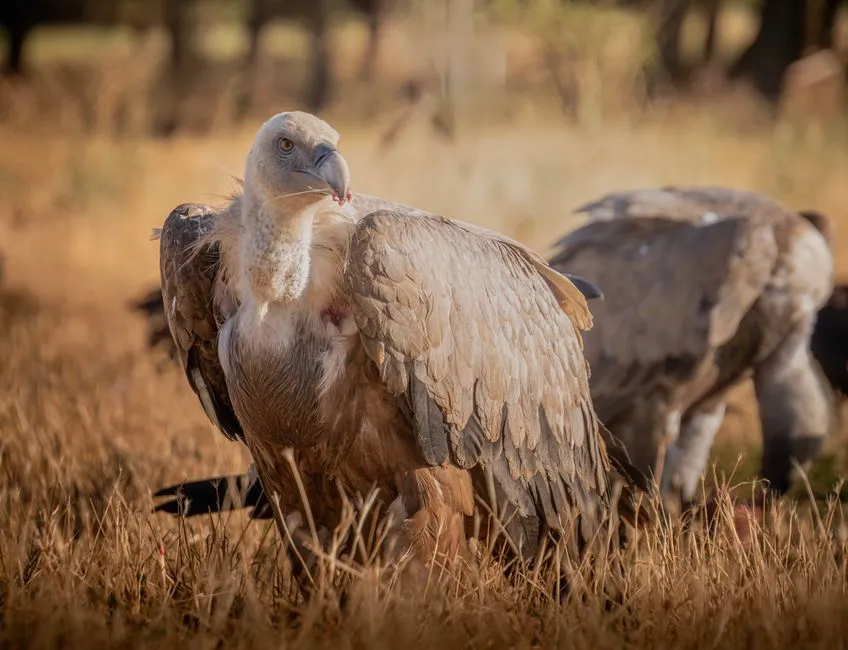
Vultures play a crucial role in ecosystems by consuming carrion, thereby preventing the spread of diseases that could arise from decaying animal matter. Their highly acidic stomachs allow them to digest decomposing flesh safely, neutralizing harmful pathogens in the process. This scavenging behavior makes them indispensable in maintaining environmental health.
Why Rooftops? The Appeal of Urban Perches

In their natural habitats, vultures prefer high vantage points like cliffs or tall trees to survey the landscape for food. In urban areas, rooftops serve as convenient substitutes, offering similar elevation and a broad field of view. These structures provide safety from ground predators and a stable platform for resting and observing their surroundings.
Thermoregulation: Basking in the Sun
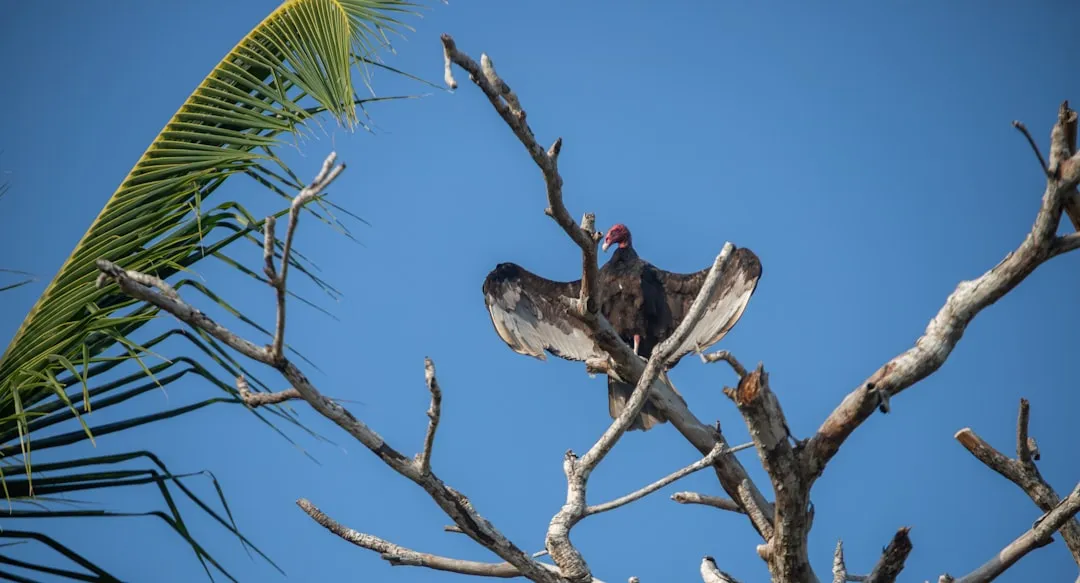
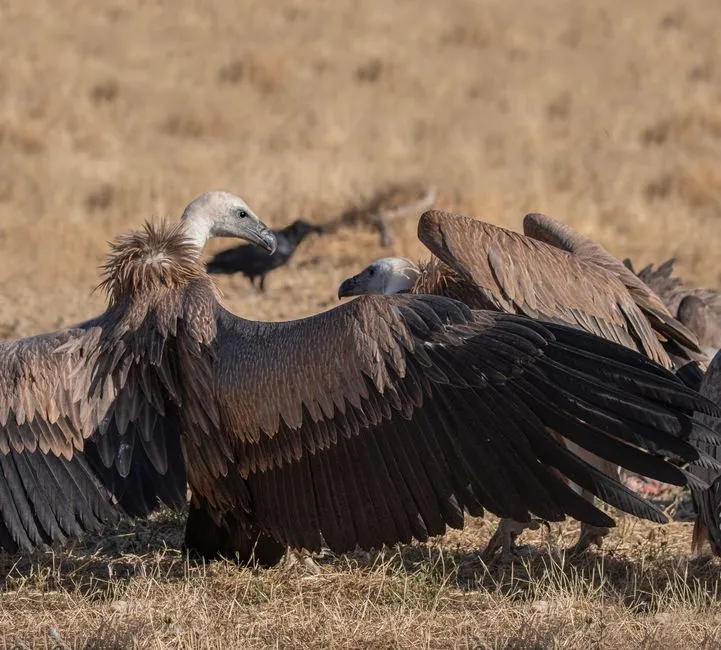
Vultures often engage in a behavior known as “sunning,” where they spread their wings to absorb sunlight. This practice helps them regulate body temperature, dry their feathers, and eliminate parasites. Rooftops, especially those with dark surfaces, absorb heat, making them ideal spots for vultures to warm up during cooler mornings.
Social Behavior and Communal Roosting
Vultures are social creatures that frequently gather in groups, known as “committees” when resting. These communal roosts provide safety in numbers and facilitate information sharing about food sources. Rooftops in urban areas can accommodate large groups, making them attractive communal resting sites.
Misconceptions About Vulture Gatherings
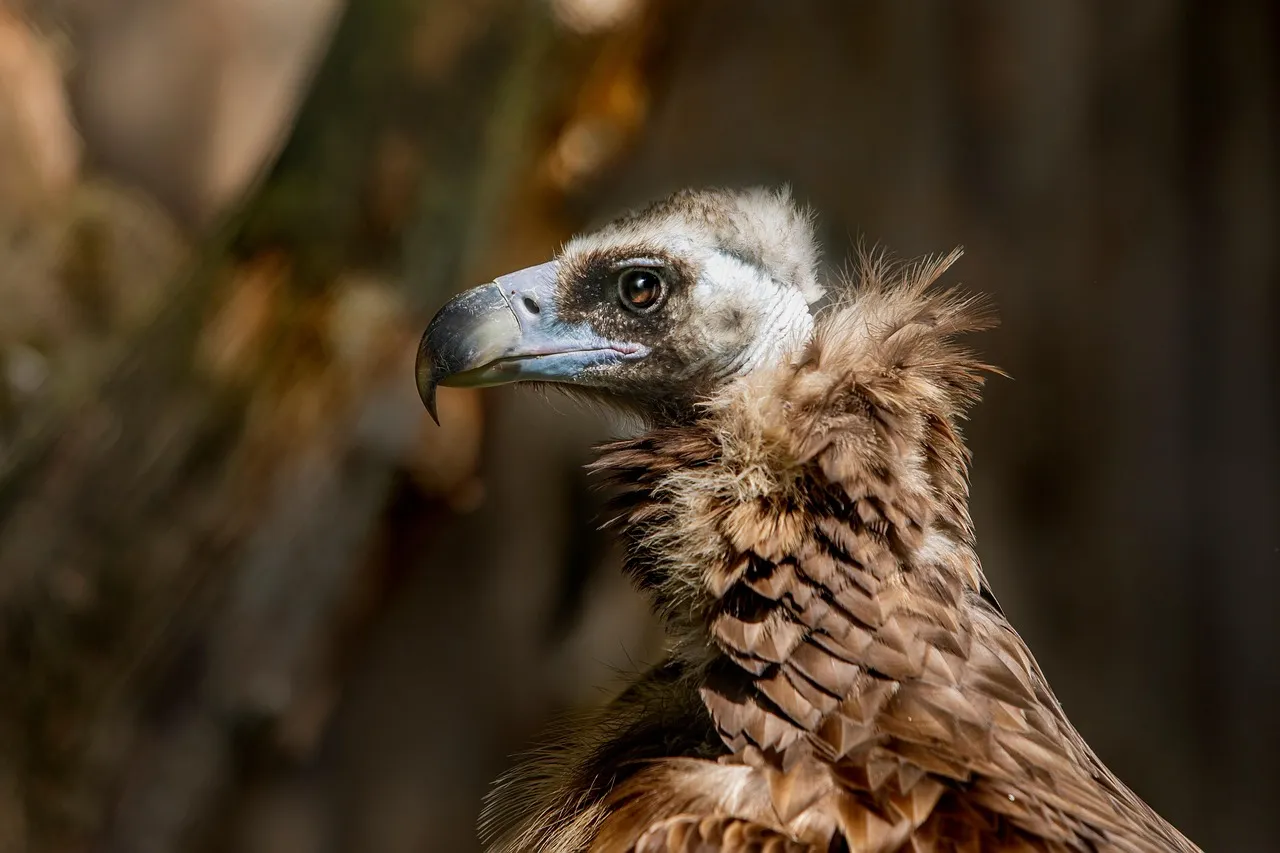
The presence of vultures on rooftops often leads to unfounded fears. Contrary to popular belief, their gathering does not signify an immediate death or decay nearby. Instead, it reflects their adaptation to urban environments and the availability of suitable perching sites. Vultures are not a threat to humans or pets; they are scavengers, not predators.
Potential Concerns and Property Impact
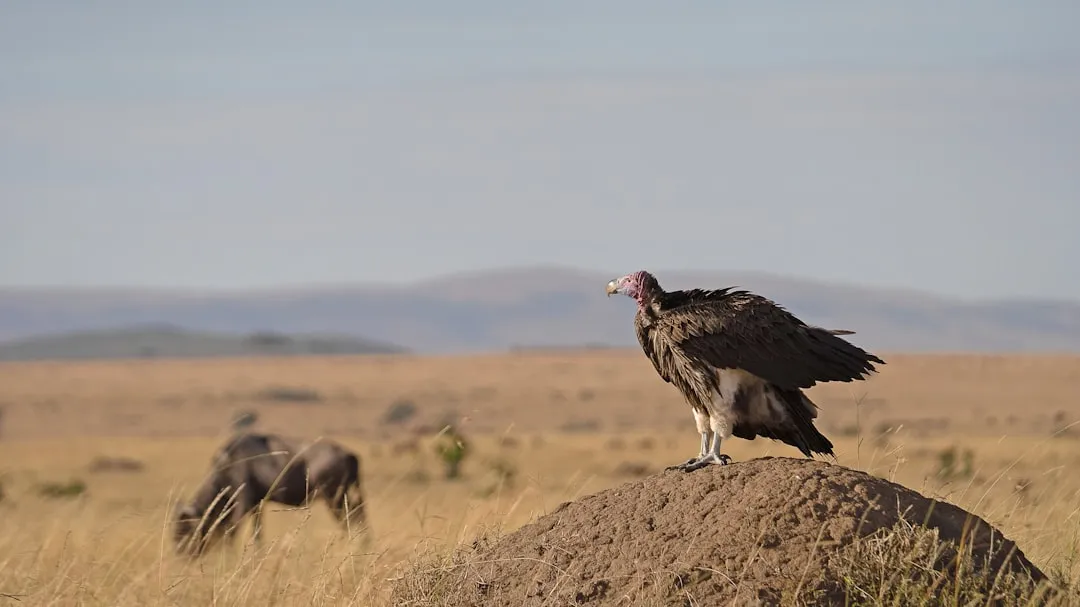
While vultures are generally harmless, their presence can lead to property concerns. Accumulated droppings are acidic and can damage roofing materials over time. Additionally, some species, like the Black Vulture, have been known to peck at rubber seals or shingles, causing minor damage. It’s essential to monitor their activity and take preventive measures if necessary.
Deterring Vultures from Your Property
If vultures become a nuisance, several humane deterrents can be employed. Removing food attractants, such as unsecured garbage or pet food left outdoors, is a primary step. Installing visual deterrents like reflective objects or effigies can discourage roosting. It’s important to note that vultures are protected under the Migratory Bird Treaty Act, so any deterrent methods should be non-lethal and comply with local wildlife regulations.
In conclusion, vultures gathering on rooftops is a natural behavior reflecting their adaptability to urban environments. Far from being ominous, their presence underscores the vital role they play in maintaining ecological balance. By understanding and respecting these birds, we can coexist harmoniously, appreciating their contributions to our shared environment.
