
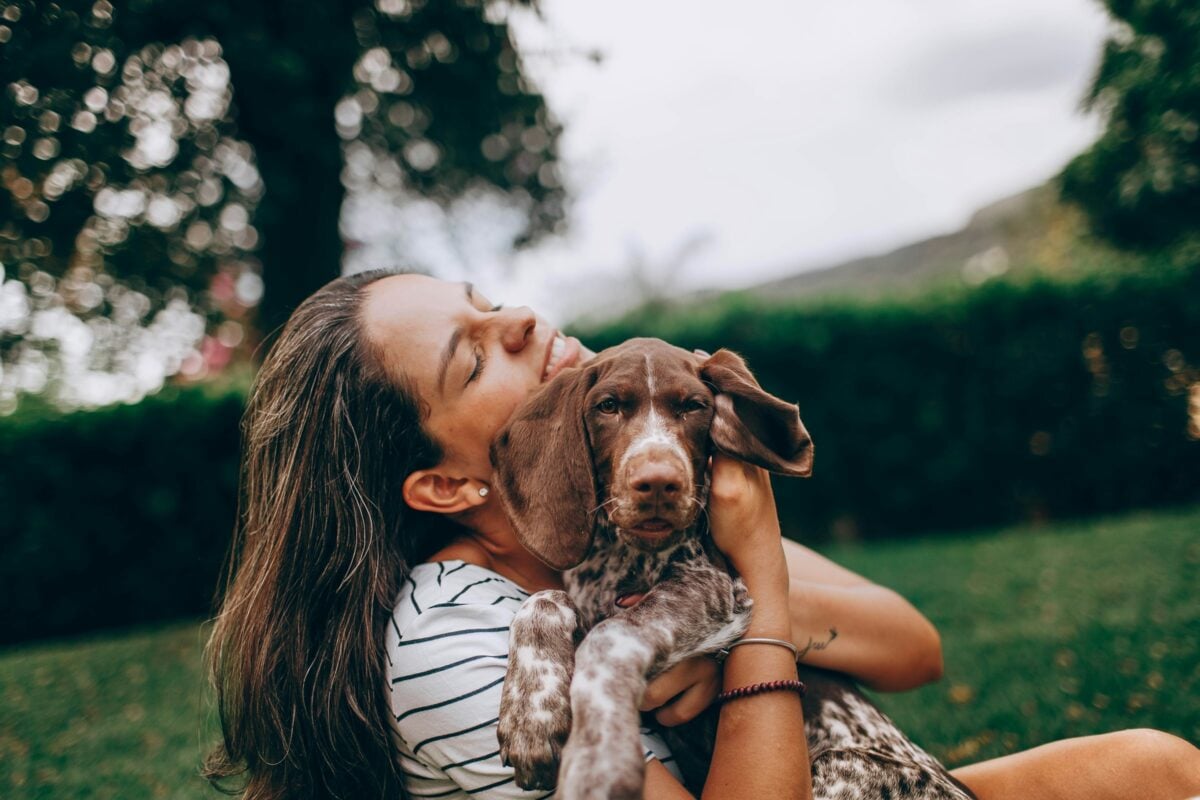
Most people assume the tail-wagging, food-bowl-circling frenzy at dinnertime is the clearest proof a dog loves you. It isn’t. That excitement is about kibble, not devotion, and plenty of dogs would perform the same dance for a total stranger holding a bag of treats.
Real trust looks nothing like that. It shows up in quieter, stranger, almost invisible moments, the ones most owners scroll right past without realizing they just witnessed something rare. Once you know what to look for, you’ll never see your dog’s “ordinary” behavior the same way again.
13. They Show You Their Most Vulnerable Spot
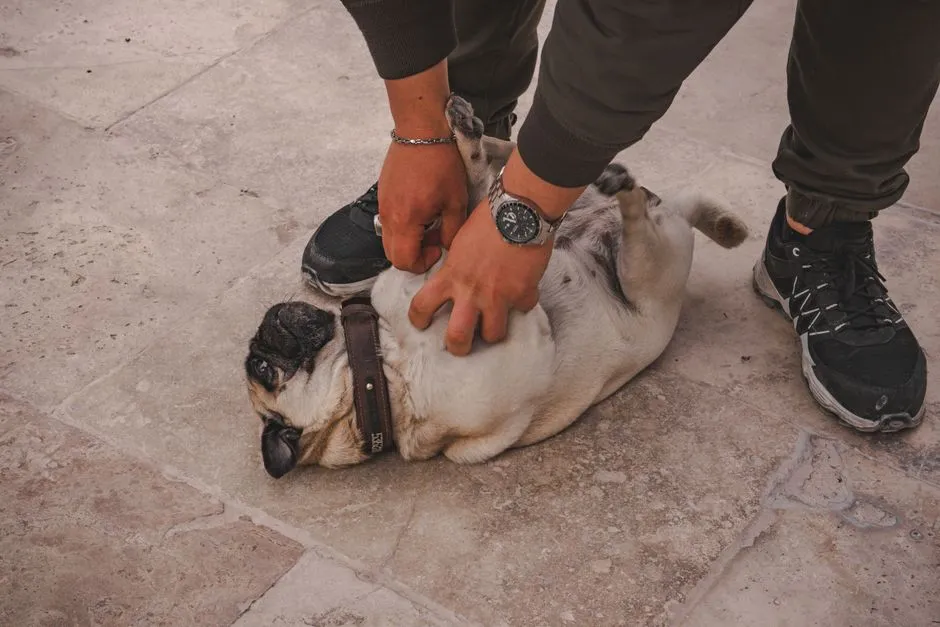
When your dog flops over and exposes their belly, that’s not just a request for a rub, it’s your dog handing you their softest, most defenseless spot on purpose. In the wild, this is the one area a dog instinctively protects at all costs, because it’s where a predator could do the most damage in a single strike.
So when your dog rolls onto their back in front of you, completely unguarded, they’re telling you something enormous without saying a word: they’ve already decided you’re not a threat. It’s less “pet me” and more “I feel safe enough to be defenseless around you,” which, if you think about it, is a pretty wild thing for an animal to offer anyone.
Fast Facts
- A dog’s belly, throat, and groin are the most exposed, least protected areas on their body
- Exposing the belly is one of the clearest submissive-trust postures in canine body language
- Dogs rarely expose their belly to unfamiliar people or animals without hesitation
- A relaxed, loose belly-flop looks nothing like a tense, tail-tucked roll-over triggered by fear
12. They Choose You As Their Safe Place to Sleep
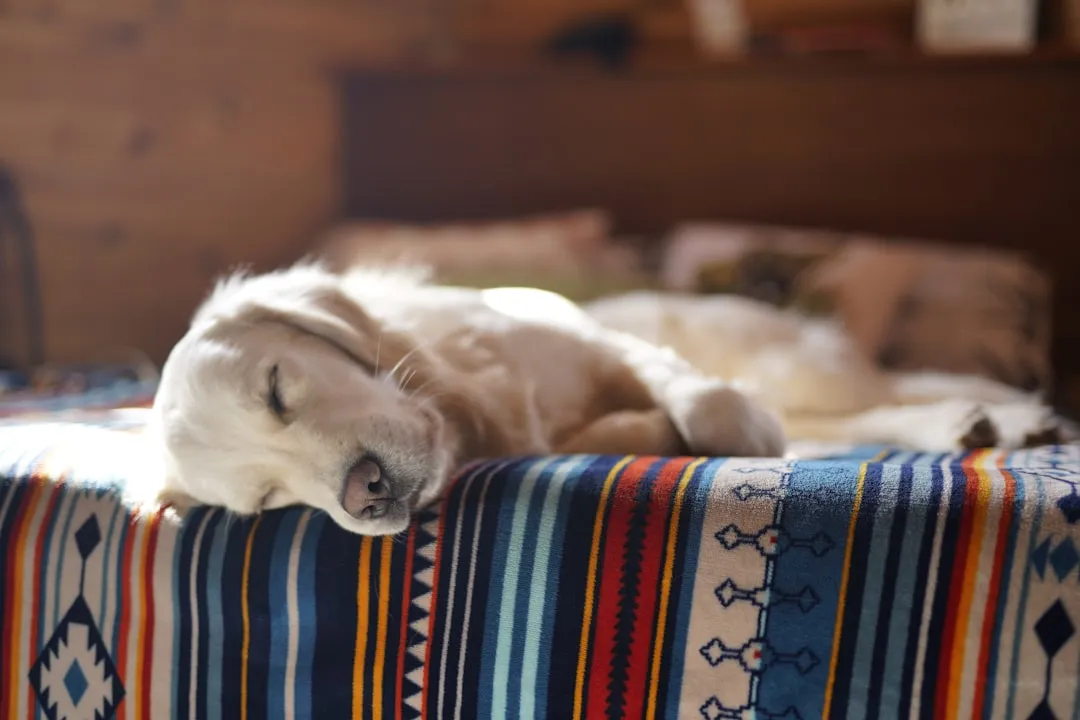
Sleep is the one time every animal is completely defenseless, no awareness, no reflexes, nothing standing between them and danger. So when your dog picks a spot pressed against your leg or curled at the foot of your bed instead of somewhere else, that’s not laziness. That’s your dog deciding you’re the safest place in the house to be unconscious.
Dogs also tend to position themselves facing doorways or open space when they sleep near a person they trust, essentially using you as their back-up guard. It’s a quiet, constant vote of confidence they cast every single night, and most owners never even clock it as anything more than a warm body on the couch.
11. They Watch Your Face Before They Decide How to Feel
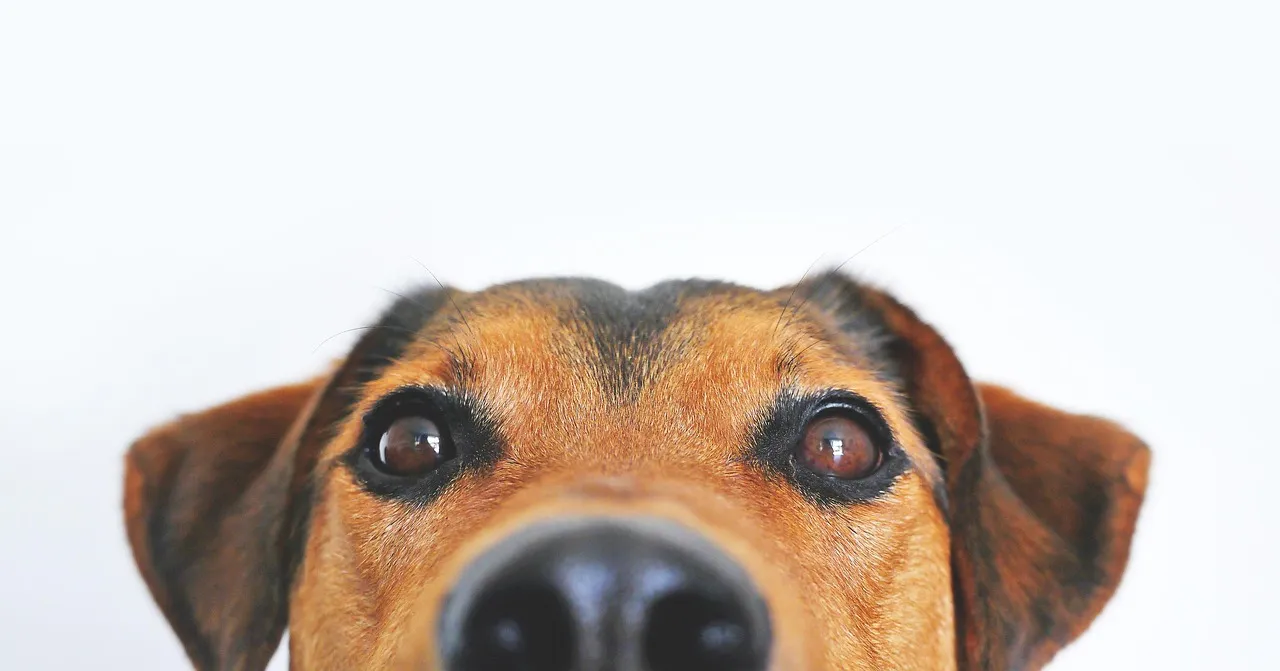
Drop a pot on the floor, meet a stranger at the door, or step into somewhere new, and watch your dog’s eyes. A dog who trusts you will glance at your face first, before reacting to anything else, almost like they’re waiting for permission to be scared or calm.
This mirrors something researchers call “social referencing,” the same instinct human toddlers use when they check a parent’s expression before deciding whether to cry or laugh. Your dog isn’t confused or clueless in that moment. They’ve simply outsourced the decision to you, because your reaction is the one they trust most.
10. They Hold Your Gaze Like It’s a Conversation
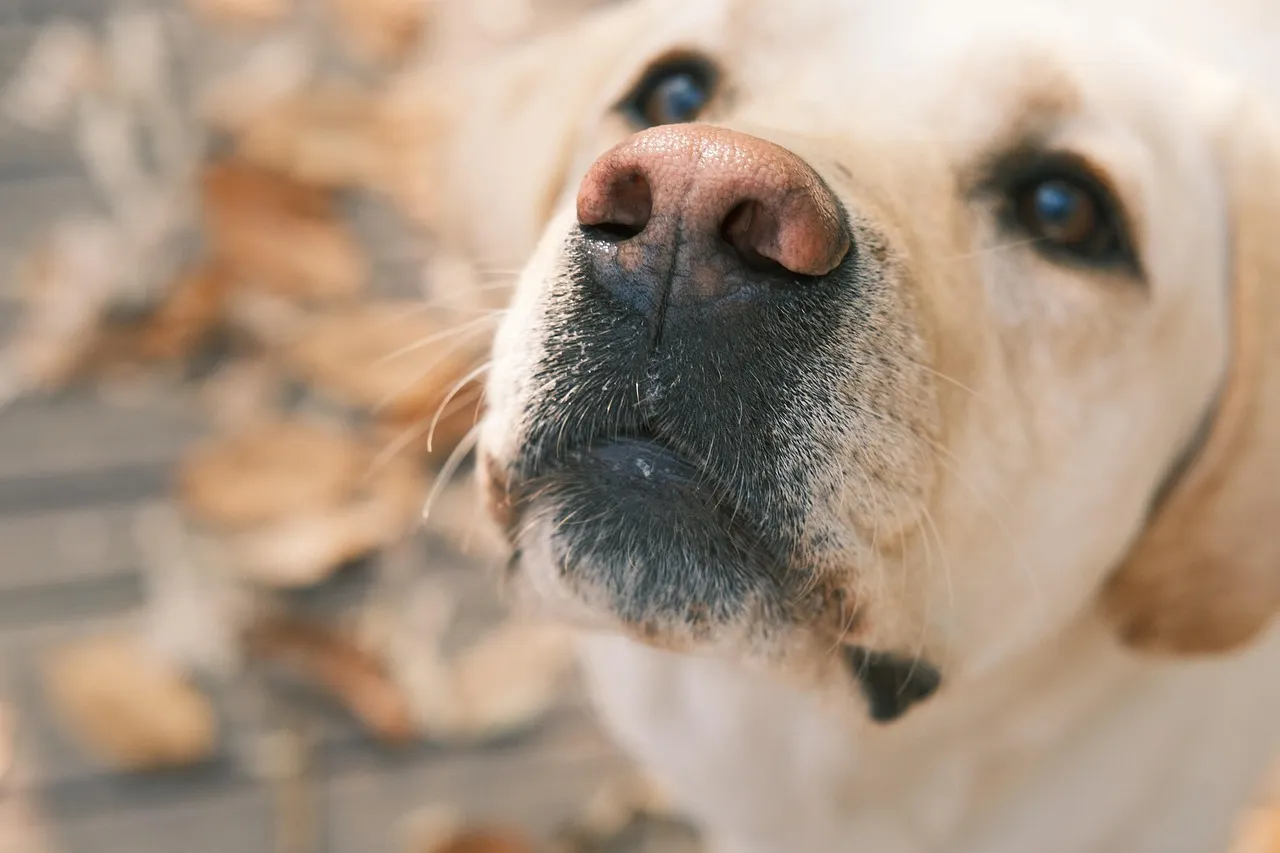
A hard, unblinking stare between dogs is a challenge. But a soft, relaxed gaze held between you and your dog is something else entirely, closer to a quiet exchange than a standoff. That kind of eye contact doesn’t happen with dogs who feel uneasy or unsure of you.
There’s real chemistry behind it, too. Mutual gazing between dogs and their owners has been shown to trigger oxytocin release in both species, the same hormone tied to bonding between parents and infants. Every time your dog locks eyes with you and softens, you’re both getting a small hit of the same chemical that makes love feel like love.
9. They Hand Over Their Most Prized Possession
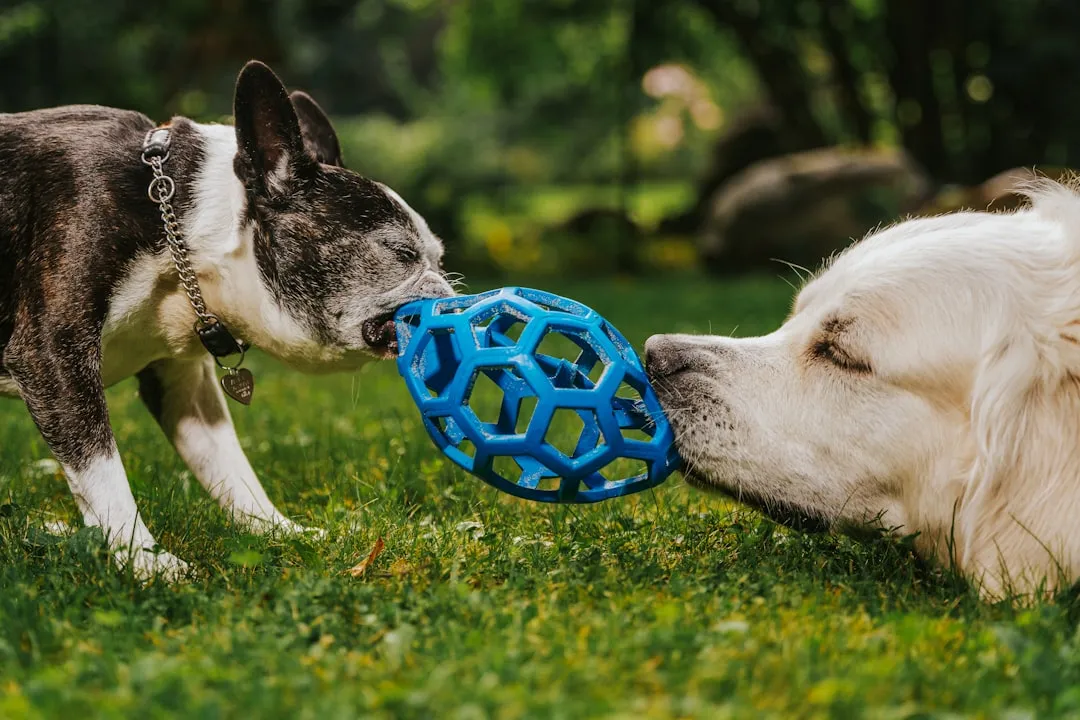
When your dog drops their favorite squeaky toy in your lap, it’s easy to read it as “let’s play.” But in dog social structure, willingly sharing a valued resource is a big deal, the kind of gesture reserved for whoever sits closest to the top of their trust list.
That toy might be the one thing your dog guards from every other creature in the house, and yet they’re offering it to you without hesitation. It’s their version of saying you’re inner circle, not outer orbit, and it’s one of the more touching things a dog can do without meaning to be touching at all.
8. They Lean Their Whole Body Into You
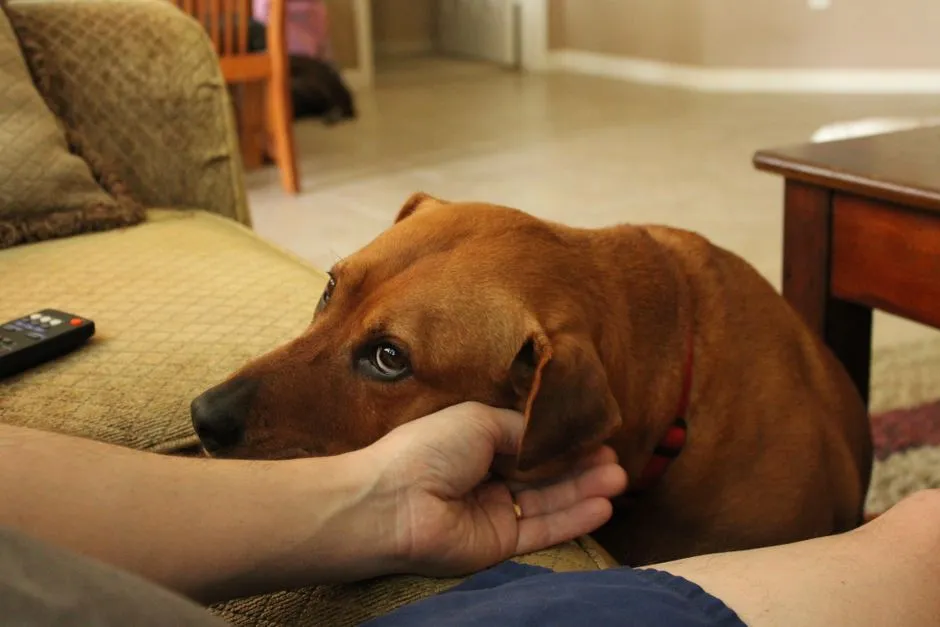
There’s a difference between a dog bumping into you and a dog deliberately pressing their full weight against your leg and staying there. The second one is a hug, dog-style, minus the arms. It’s deliberate, it’s heavy, and it’s not an accident.
Dogs lean into people they trust when they want comfort, reassurance, or just closeness, especially during moments of stress or uncertainty. If your dog uses you as a leaning post during thunderstorms or vet visits, that’s not neediness. That’s your dog choosing you as their emotional ballast.
7. They Shadow You Room to Room, On Purpose
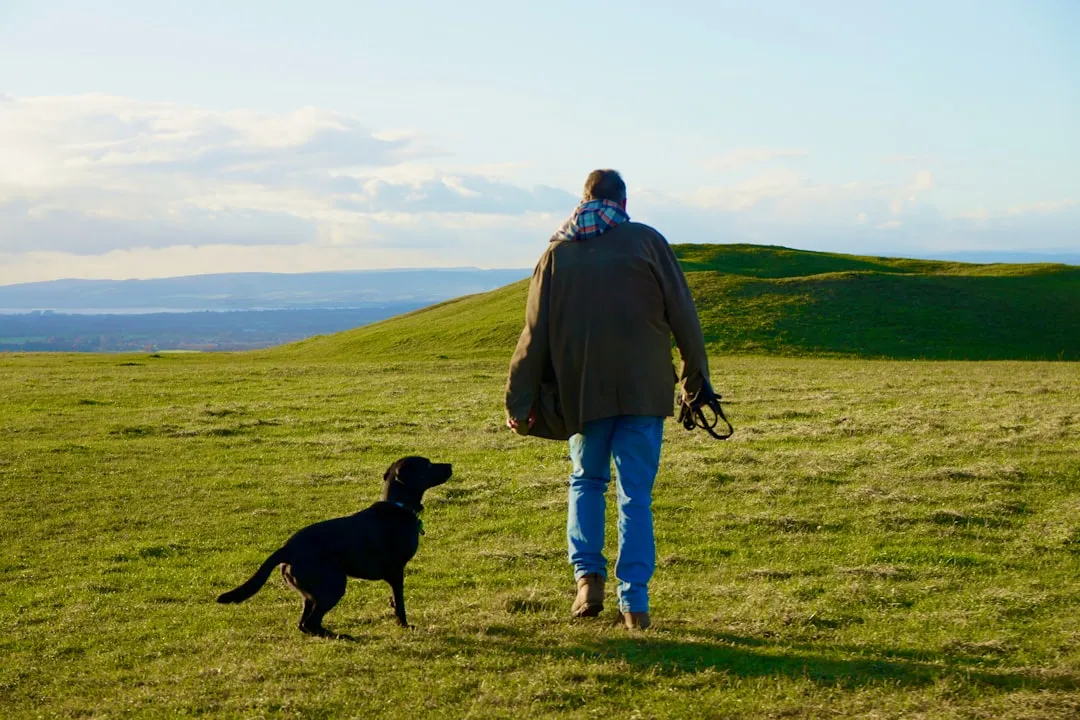
Some owners joke about their dog being their “shadow,” following them from the kitchen to the bathroom to the laundry room like it’s some kind of quirky obsession. It’s not obsession. It’s trust wearing paws, a dog choosing proximity to the one member of their world they feel safest around.
Dogs are wired to stay close to whoever they consider their most trusted pack member, the one they’d look to first if something went wrong. When your dog trails you through the house for no obvious reason, they’re not being clingy, they’re quietly confirming that you’re still their person, room after room.
Worth Knowing
- Dogs are social animals that naturally orient themselves around a trusted “anchor” figure
- Shadowing behavior often intensifies during big changes, like a move or a new baby
- A dog who follows you calmly is expressing trust, not anxiety
- Constant, panicked following paired with whining can point to separation-related stress instead
6. They Let You Touch Their Most Guarded Spots
Paws and ears are two of the most sensitive, most fiercely protected areas on a dog’s body. In the wild, an injury to either can be dangerous, so most dogs flinch, pull away, or get squirmy the second those spots are touched by anyone unfamiliar.
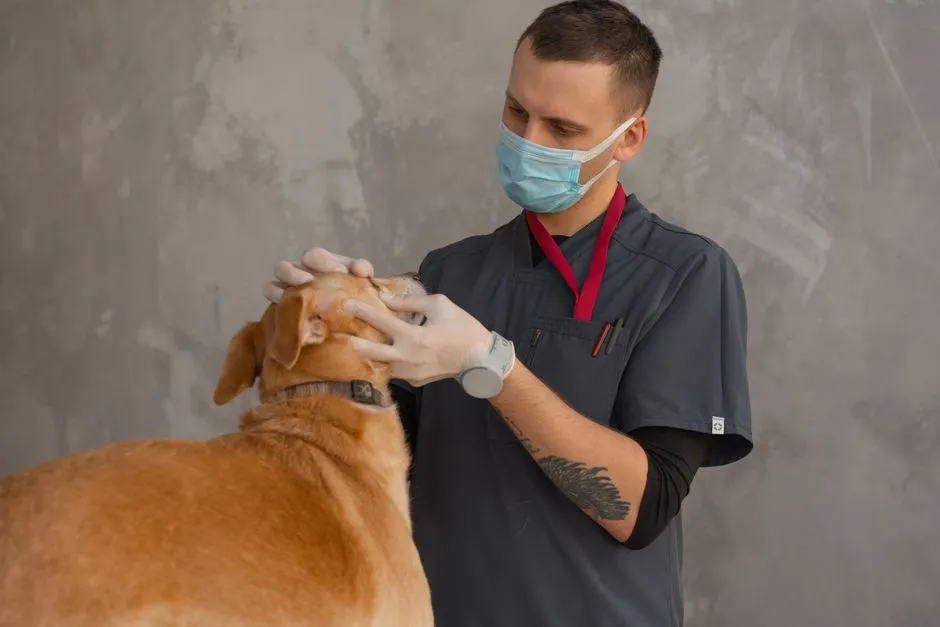
If your dog lets you handle their paws for a nail trim or gently check their ears without a fight, that’s not tolerance, that’s deep trust. They’ve decided that whatever you’re doing back there, it’s not a threat, even though every instinct tells them to protect those exact spots.
5. They Keep Glancing Back to Make Sure You’re There
Out on a walk, a dog who trusts you doesn’t just charge ahead chasing smells forever. Every so often, they’ll stop, glance back, or trot over just to check that you’re still following. It looks small, almost like a habit, but it’s actually your dog keeping tabs on the one relationship that matters most to them.
This “checking in” behavior shows up constantly in securely bonded dogs, and it’s their way of staying tethered to you even while they’re off exploring their own little world. It’s the canine version of a kid running back to touch base with a parent at the playground before running off again.
4. Their Whole Body Softens the Moment You Walk In
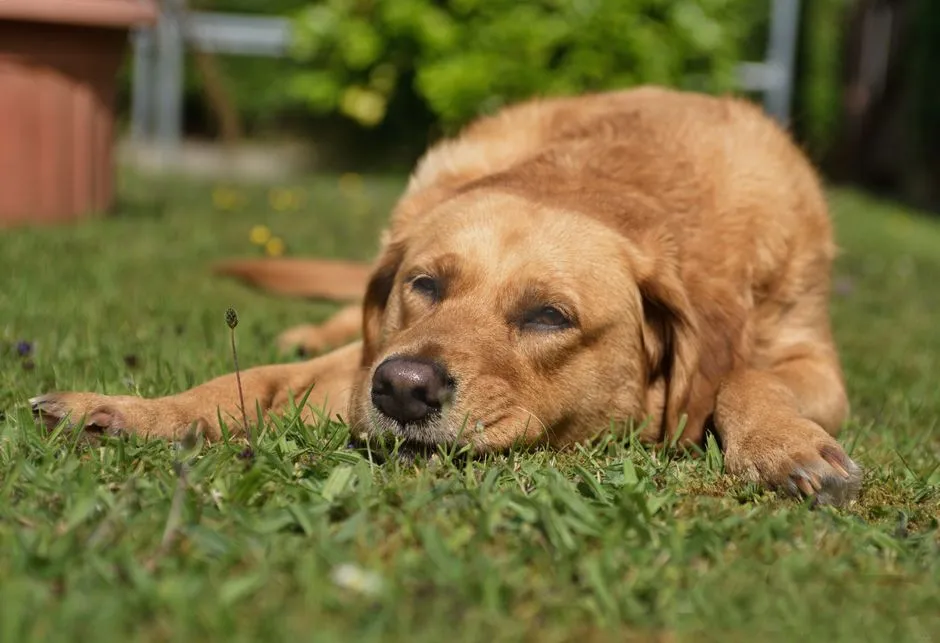
Watch closely the next time you walk through the door. A dog who trusts you doesn’t just react, their whole body changes shape. Ears drop into a relaxed position, shoulders loosen, tail sways instead of stiffens, and their whole posture goes from alert to at ease in seconds.
Tense, rigid body language in dogs is almost always a sign of stress, fear, or uncertainty. So when your presence physically melts that tension out of your dog, in real time, right in front of you, that’s not a coincidence. That’s your dog’s nervous system telling you it finally gets to relax.
3. They Reach for You Without Being Asked
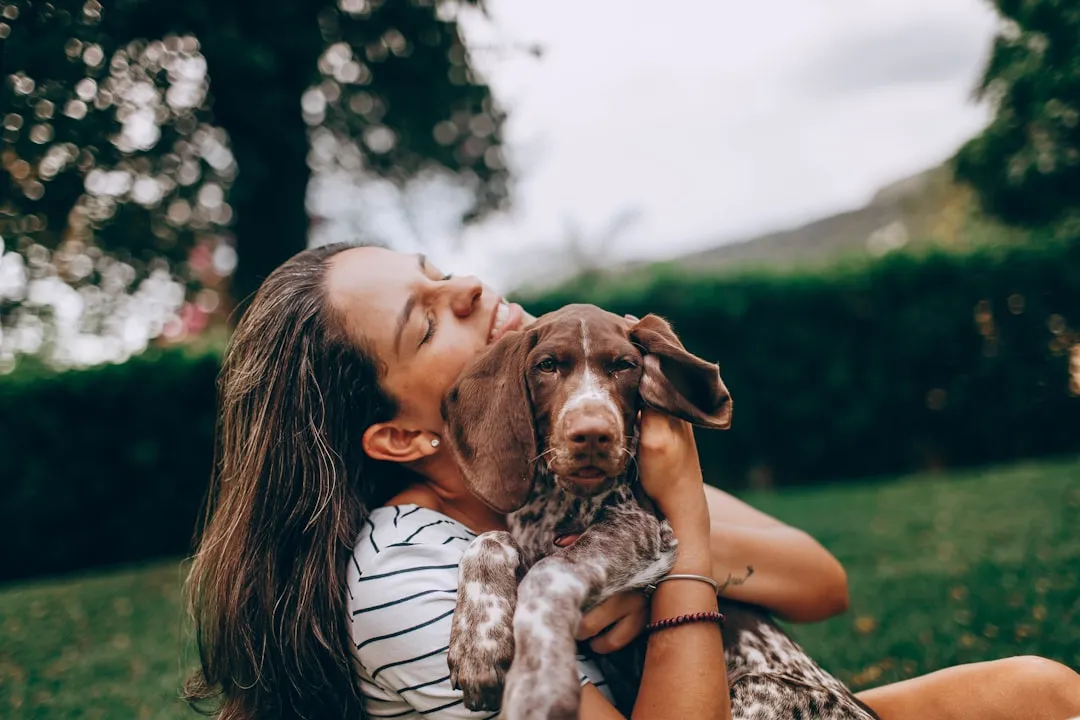
There’s a difference between a dog who tolerates being petted and a dog who initiates contact, nudging your hand with their nose, pawing gently at your arm, or resting their head on your lap uninvited. That first move is entirely their choice, and dogs don’t make that choice with just anyone.
Physical touch triggers oxytocin release in both dogs and their people, which means every unprompted nudge or head-on-lap moment is doing real chemical work on both ends of the leash. Your dog isn’t just seeking attention in those moments. They’re seeking you, specifically, as their source of comfort.
Dogs are our link to paradise. They don’t know what evil or jealousy or discontent is.
Milan Kundera
2. They Stay Calm the Second You Walk Out the Door
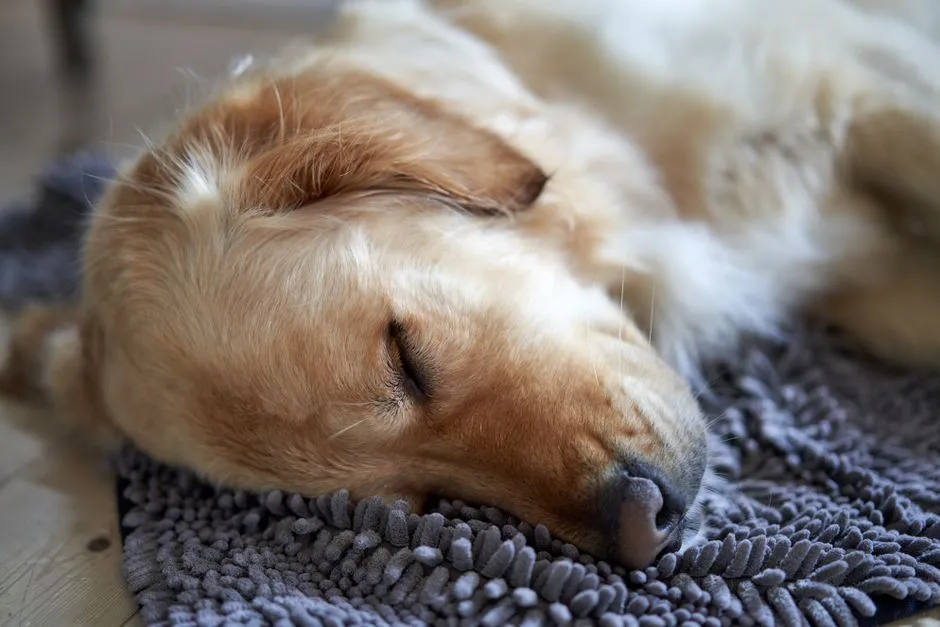
Some dogs spiral into panic the moment their owner grabs their keys, pacing, whining, destroying furniture out of sheer distress. A dog who trusts you does something almost boring by comparison: they stay calm, because somewhere deep down, they’re confident you’re coming back.
That calmness isn’t indifference, it’s security. Dogs wrestling with separation anxiety genuinely believe abandonment is a real possibility every time the door closes. A dog who settles down for a nap instead has already decided, without needing proof, that your absence is temporary and your return is guaranteed.
Quick Compare
- Anxious dog: Paces, barks, or destroys items within minutes of you leaving
- Secure dog: Settles down for a nap or chews a toy shortly after you’re gone
- Anxious dog: Greets you at the door in a frantic, overwhelmed frenzy
- Secure dog: Greets you warmly but calms back down within a minute or two
1. They Run to You First When Something Scares Them
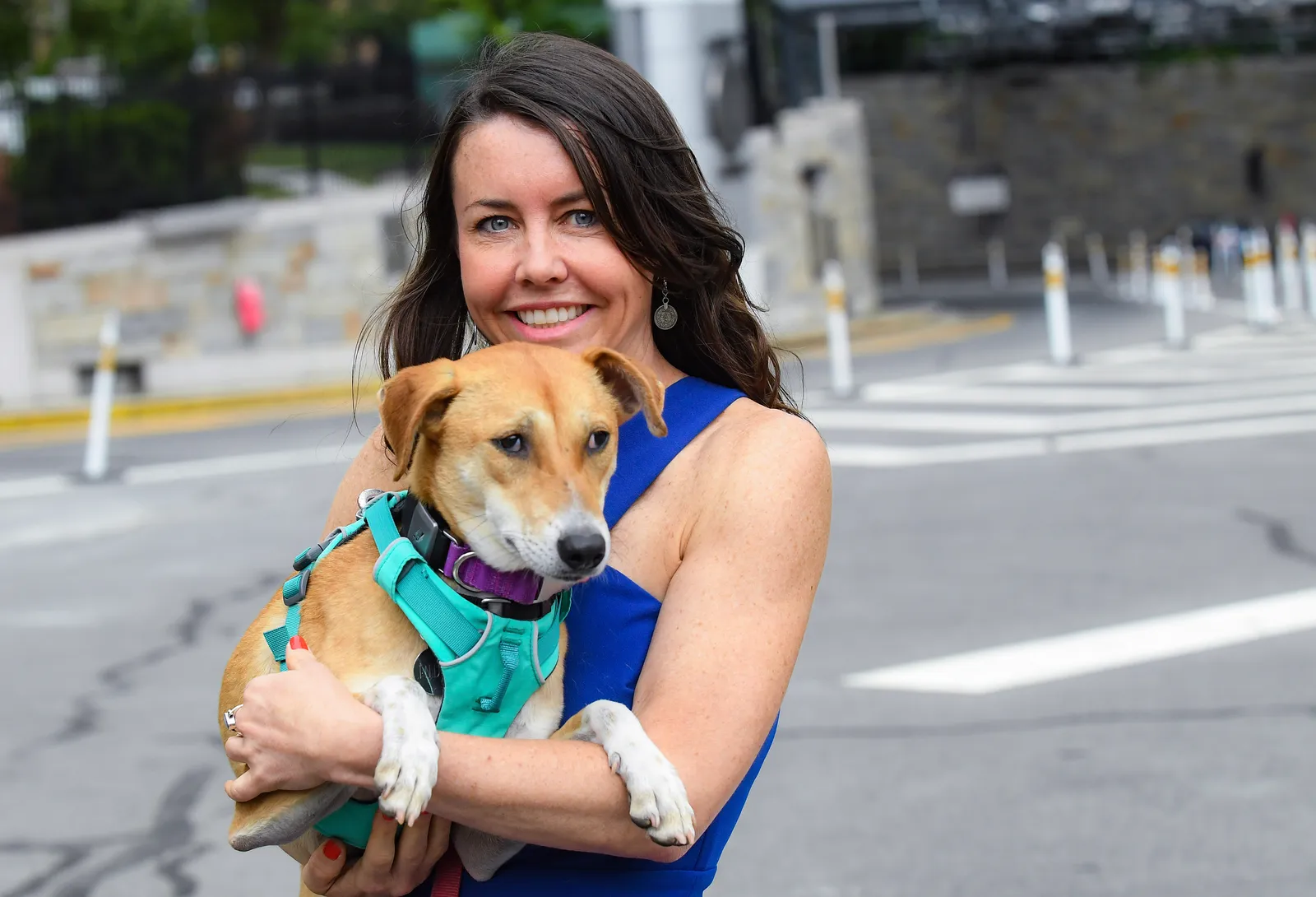
Thunder cracks, a stranger raises their voice, something crashes in the next room, and your dog doesn’t hide under the bed alone. They come straight to you. Out of every option available to them, they choose the one creature they believe can make the scary thing feel smaller.
This is the same instinct that sends a frightened toddler running for a parent instead of anywhere else, and it’s not a coincidence that the behavior looks so similar. When your dog picks you, specifically, as their emergency contact in moments of real fear, that’s not habit or convenience. That’s the single clearest sign a dog can give that you are, without question, their person.
The Bottom Line
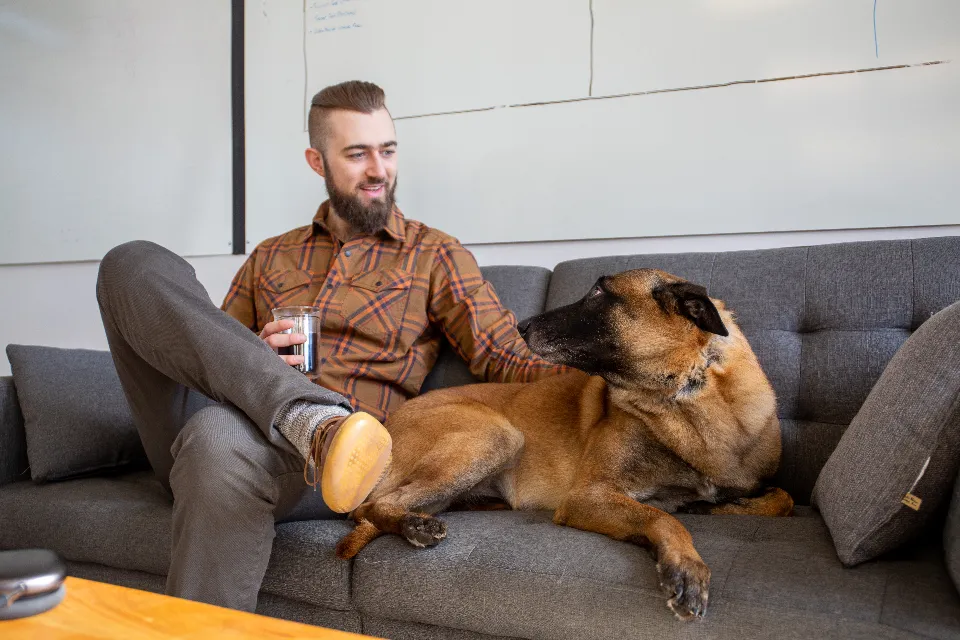
None of these thirteen signs are loud. No dog sits you down and announces their devotion, it leaks out sideways, in a leaned-on leg, a soft glance back, a belly offered up without hesitation. That’s honestly what makes it so much more convincing than any dinnertime tail wag ever could be.
If your dog is doing even half of these things, stop waiting for some grander proof of love. You’re already living inside it. The dinner bowl excitement was never the real test, this quiet, everyday vulnerability was, and your dog has clearly already passed.
