

Most people believe that dogs pass away suddenly, without any warning signs. However, veterinarians have observed that many dogs exhibit specific behaviors in the days or weeks leading up to their passing. Recognizing these signs can help families provide comfort and make informed decisions during this difficult time. Here’s what experts actually say.
14 – Loss of Appetite

A significant decrease in appetite is often one of the first signs that a dog is nearing the end of life. Dogs may refuse their favorite treats or meals, indicating a decline in their body’s functions. This loss of interest in food can be due to various factors, including organ failure or a general decrease in energy levels. It’s essential to monitor these changes and consult with a veterinarian to ensure the dog’s comfort.
But that’s nothing compared to what we found about #13…
13 – Increased Lethargy
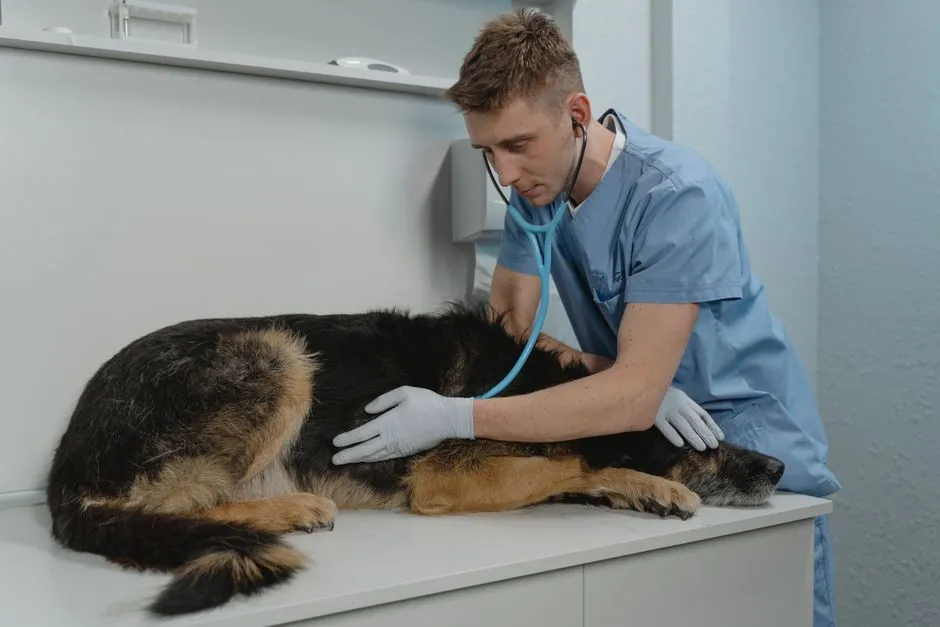
Dogs approaching the end of their lives often exhibit extreme fatigue, spending most of their time sleeping or resting. They may show little interest in activities they once enjoyed, such as walks or playtime. This lethargy is a natural response as their bodies conserve energy. Providing a comfortable and quiet environment can help ease their rest during this period.
But that’s nothing compared to what we found about #12…
12 – Seeking Solitude

Some dogs instinctively seek out quiet, secluded places when they sense their time is near. This behavior is believed to be a protective mechanism, allowing them to rest undisturbed. Owners might notice their pets hiding under furniture or retreating to less frequented areas of the home. Respecting their need for solitude while ensuring they are comfortable is crucial during this time.
But that’s nothing compared to what we found about #11…
11 – Changes in Breathing Patterns

Altered breathing is a common sign in dogs nearing the end of life. This can manifest as labored breathing, irregular patterns, or prolonged pauses between breaths. Such changes may indicate that the body’s systems are slowing down. Monitoring these patterns and consulting with a veterinarian can help manage any discomfort the dog may be experiencing.
But that’s nothing compared to what we found about #10…
10 – Loss of Interest in Favorite Activities

A noticeable decline in interest towards activities that once brought joy is a significant indicator. Dogs may no longer get excited about walks, toys, or social interactions. This behavioral change often reflects their declining physical health and energy levels. Providing gentle companionship and avoiding forcing activities can help them feel more at ease.
But that’s nothing compared to what we found about #9…
9 – Incontinence

As dogs approach the end of their lives, they may lose control over their bladder and bowel functions. This incontinence can be distressing for both the pet and the owner. It’s essential to handle these situations with compassion, ensuring the dog remains clean and comfortable. Using absorbent pads and providing easy access to outdoor areas can help manage this issue.
But that’s nothing compared to what we found about #8…
8 – Restlessness or Agitation

Some dogs may exhibit signs of restlessness or agitation as they near the end of life. This can include pacing, inability to settle, or unusual vocalizations. Such behaviors may indicate discomfort or anxiety. Providing a calm environment and consulting with a veterinarian about possible pain management options can help alleviate these symptoms.
But that’s nothing compared to what we found about #7…
7 – Unusual Vocalizations
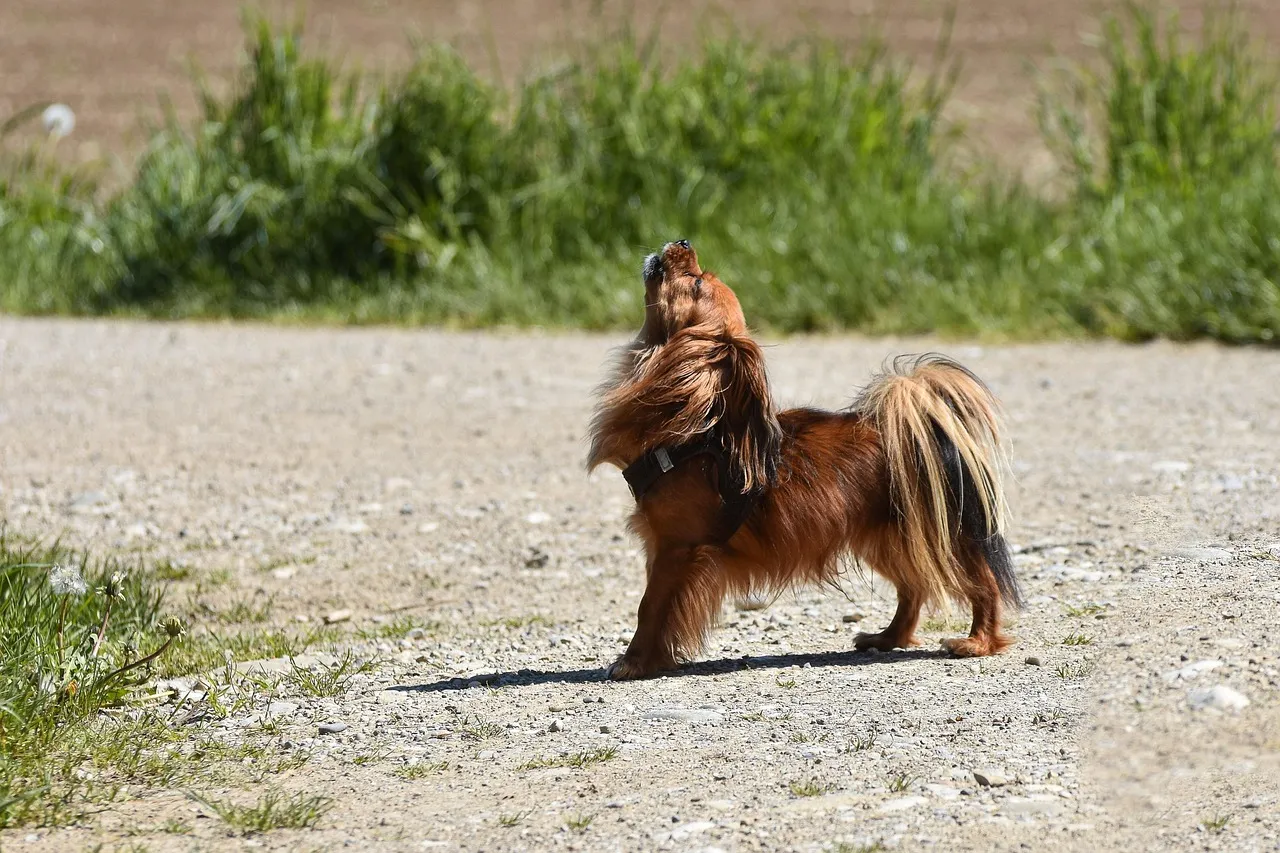
Dogs may begin to vocalize more frequently or in different tones as they approach the end of life. This can include whining, howling, or other sounds that are out of character. These vocalizations may be expressions of discomfort or confusion. Offering comfort and consulting with a veterinarian can help address any underlying issues.
But that’s nothing compared to what we found about #6…
6 – Changes in Gum Color

Observing the color of a dog’s gums can provide insight into their health status. Pale, blue, or white gums may indicate poor circulation or oxygenation, common in dogs nearing the end of life. Regularly checking gum color and seeking veterinary advice can help in managing the dog’s comfort.
But that’s nothing compared to what we found about #5…
5 – Decreased Thirst

Alongside a loss of appetite, dogs may also show a reduced interest in drinking water. This decrease in thirst can lead to dehydration, further weakening the dog. Encouraging small sips of water and consulting with a veterinarian about hydration options can be beneficial.
But that’s nothing compared to what we found about #4…
4 – Muscle Tremors or Twitching

Involuntary muscle movements, such as tremors or twitching, can occur in dogs nearing the end of life. These movements may be due to metabolic imbalances or neurological changes. Ensuring the dog is comfortable and consulting with a veterinarian can help manage these symptoms.
But that’s nothing compared to what we found about #3…
3 – Seeking Constant Comfort

While some dogs seek solitude, others may become unusually clingy, seeking constant comfort from their owners. This behavior can be a way for them to find security and reassurance. Providing gentle affection and being present can help ease their anxiety during this time.
But that’s nothing compared to what we found about #2…
2 – Cool Body Temperature
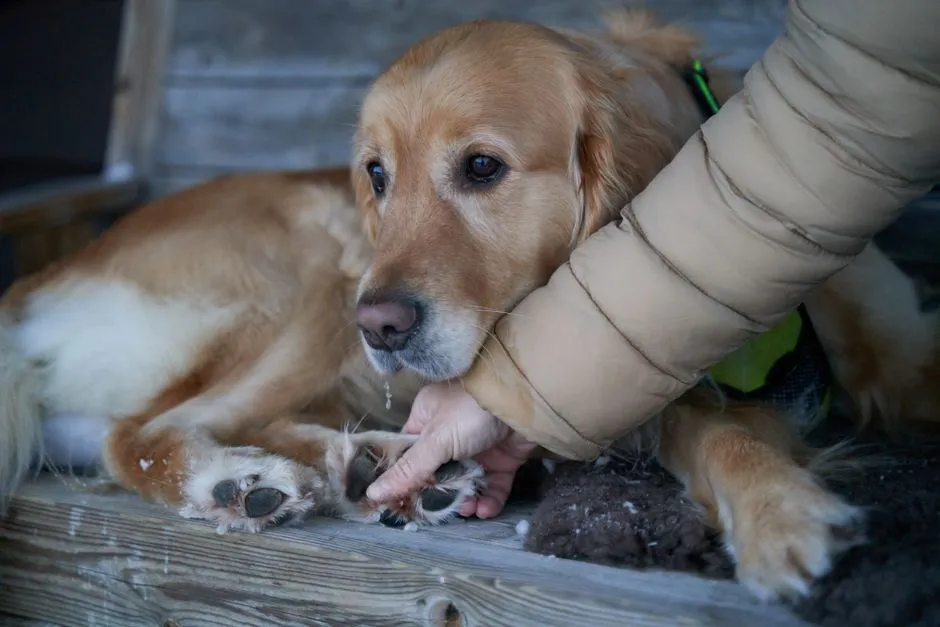
A noticeable drop in body temperature, especially in the extremities like. Advanced aged dog tend to lose body heat faster, diminished heartrate and pulse rate as well. Due to lack of physical activity the body tempreture comes down too
