
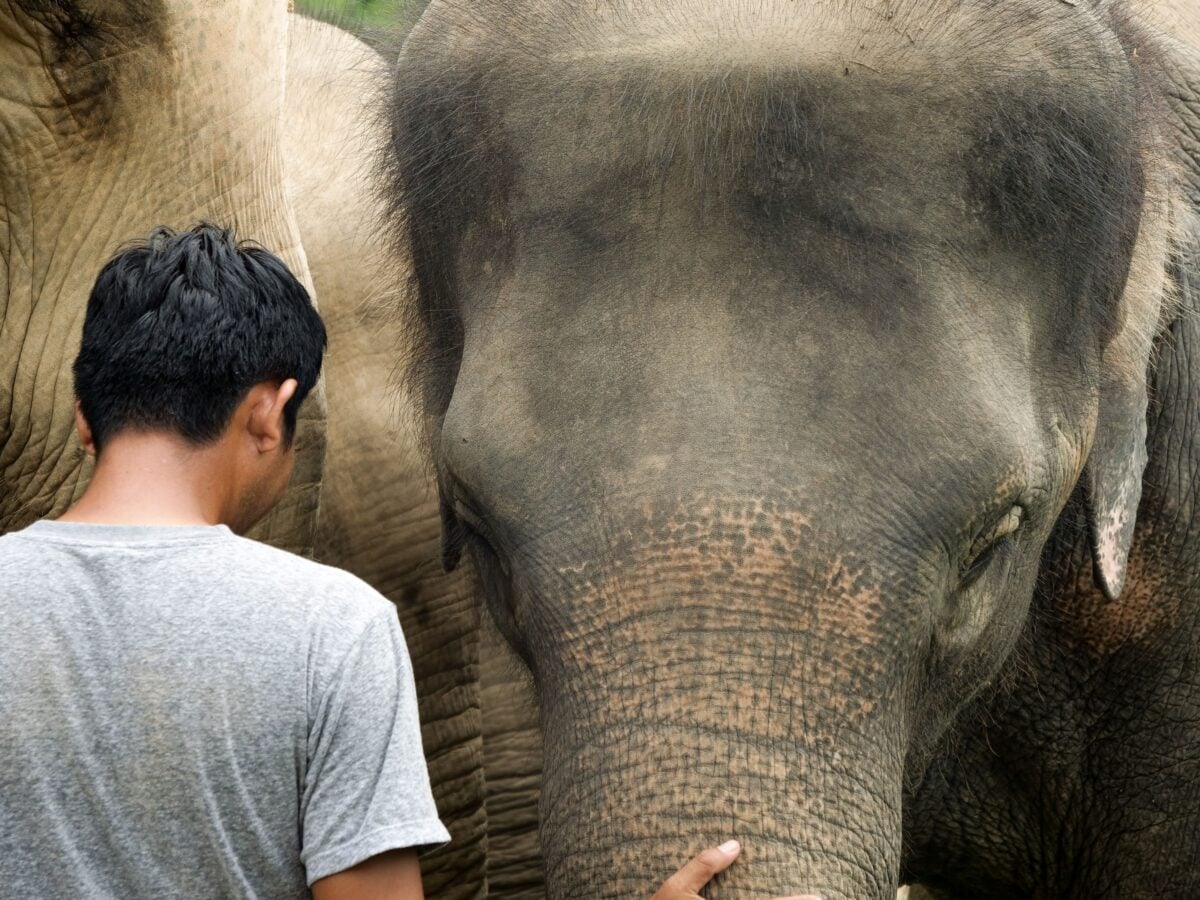
Imagine a vast African savanna, where a herd of elephants pauses their journey to gather around the sun-bleached bones of a fallen companion. They touch the remains with their trunks, stand silently, and even return to the site years later. This behavior isn’t just a fleeting curiosity; it’s a profound display of mourning, revealing an emotional depth and social memory that sets elephants apart from most mammals.
Elephants’ Intricate Social Structures
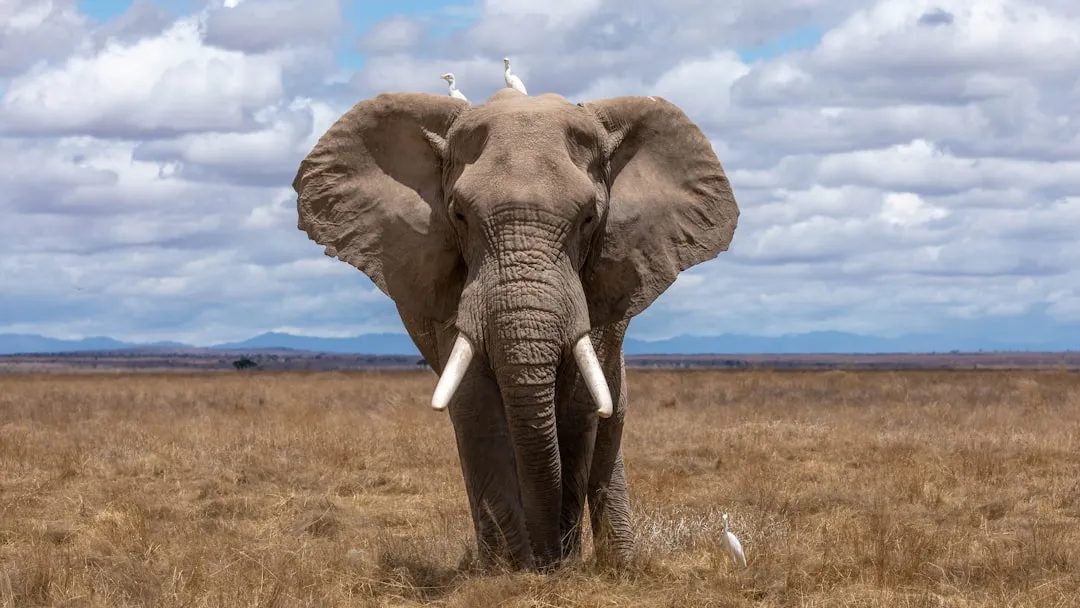
Elephants live in complex, matriarchal societies where family bonds are paramount. These tight-knit groups rely on the wisdom of elder females to navigate challenges and ensure survival. The death of a member, especially a matriarch, disrupts this delicate balance, prompting behaviors that suggest a deep sense of loss and remembrance.
When a matriarch dies, the herd doesn’t merely move on. They often linger, touching and examining the body, and may even cover it with leaves or soil. Such actions indicate a recognition of death and a collective processing of grief, underscoring the importance of each individual within the group.
Observations of Mourning Behaviors
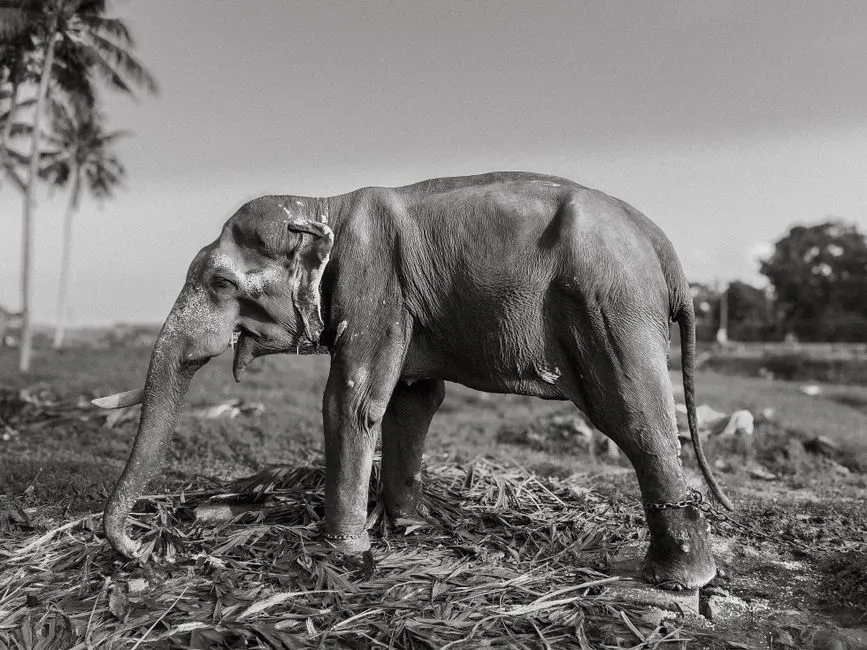
Field researchers have documented elephants displaying behaviors that mirror human mourning rituals. They approach carcasses with caution, gently touch the bones, and stand vigil for extended periods. These actions aren’t limited to immediate family members; elephants have been observed paying respects to unrelated deceased individuals as well.
In some instances, elephants have been seen attempting to lift or nudge the bodies, as if trying to revive them. This persistent attention to the dead, even returning to the site years later, suggests a lasting memory and an emotional connection that transcends mere instinct.
Comparative Thanatology: Studying Death Across Species
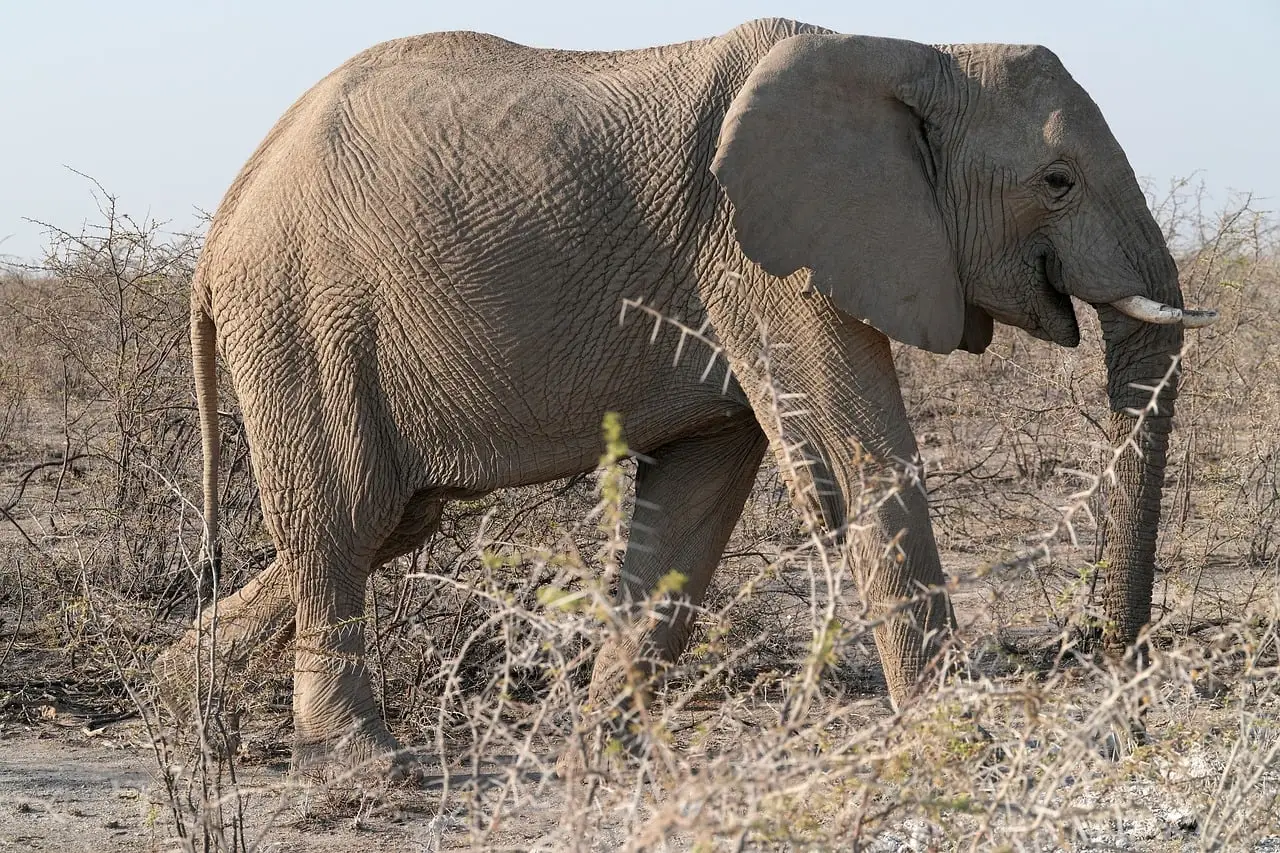
The field of comparative thanatology examines how different species respond to death. Among non-human animals, elephants stand out for their elaborate and prolonged mourning behaviors. Unlike other species that may show brief interest in a deceased companion, elephants’ responses are sustained and deeply emotional.
These behaviors include not only physical interactions with the remains but also changes in vocalizations and social dynamics within the herd. Such complex responses indicate a level of cognitive and emotional processing that is rare in the animal kingdom.
The Role of Memory in Mourning

Elephants are renowned for their exceptional memory, which plays a crucial role in their mourning practices. They can remember and recognize the bones of their deceased, often showing a preference for interacting with elephant remains over those of other species.
This ability to recall and recognize deceased individuals, even years after their death, highlights the depth of their social bonds and the importance of each member within the herd. It also suggests that their mourning behaviors are not just reactions to immediate loss but are part of a broader, long-term emotional process.
Emotional Intelligence and Empathy
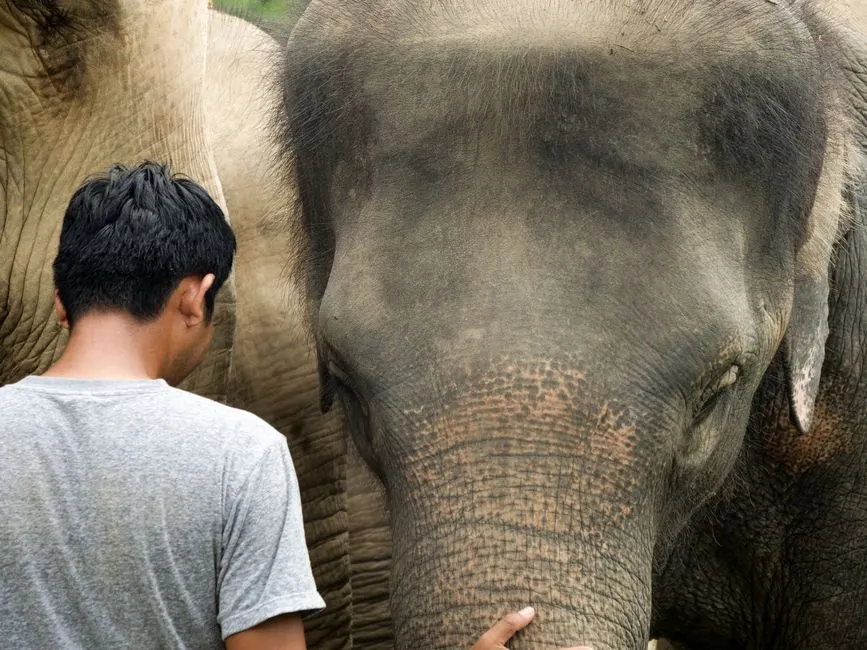
The mourning behaviors exhibited by elephants point to a high level of emotional intelligence and empathy. They not only recognize death but also appear to experience a form of grief, displaying behaviors that suggest an understanding of loss and a desire to comfort one another.
These actions challenge the traditional view of emotions as uniquely human traits, indicating that elephants possess a rich emotional life that includes the capacity for empathy, compassion, and complex social interactions.
Implications for Conservation and Ethical Considerations
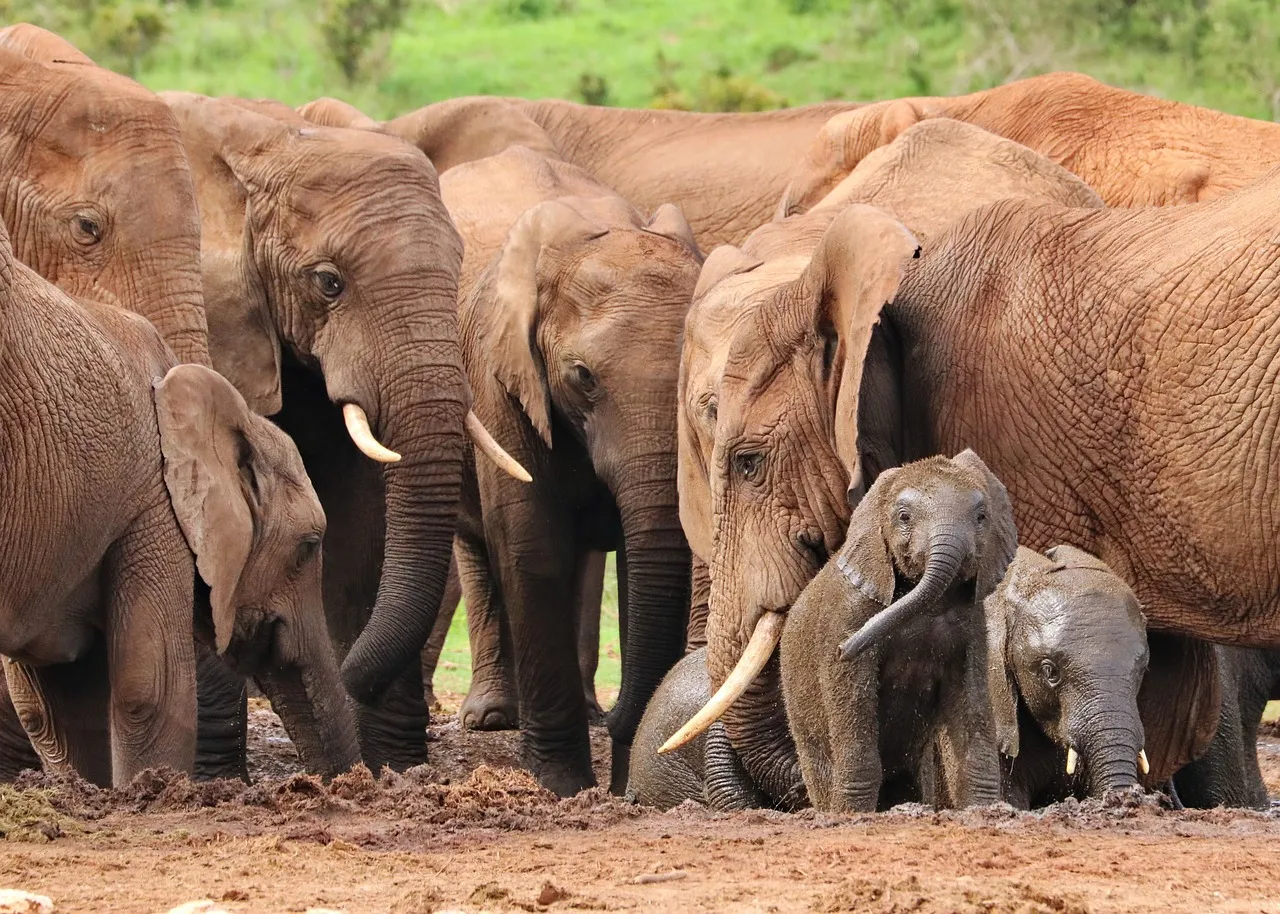
Understanding the emotional and social complexities of elephants has significant implications for conservation efforts. Recognizing their capacity for grief and the importance of social bonds underscores the need to protect not just individual elephants but also the integrity of their family structures.
Conservation strategies should consider the emotional well-being of elephants, ensuring that interventions do not disrupt their social networks. This approach acknowledges the depth of their emotional lives and the ethical responsibility to treat them with the respect and care they deserve.
Conclusion
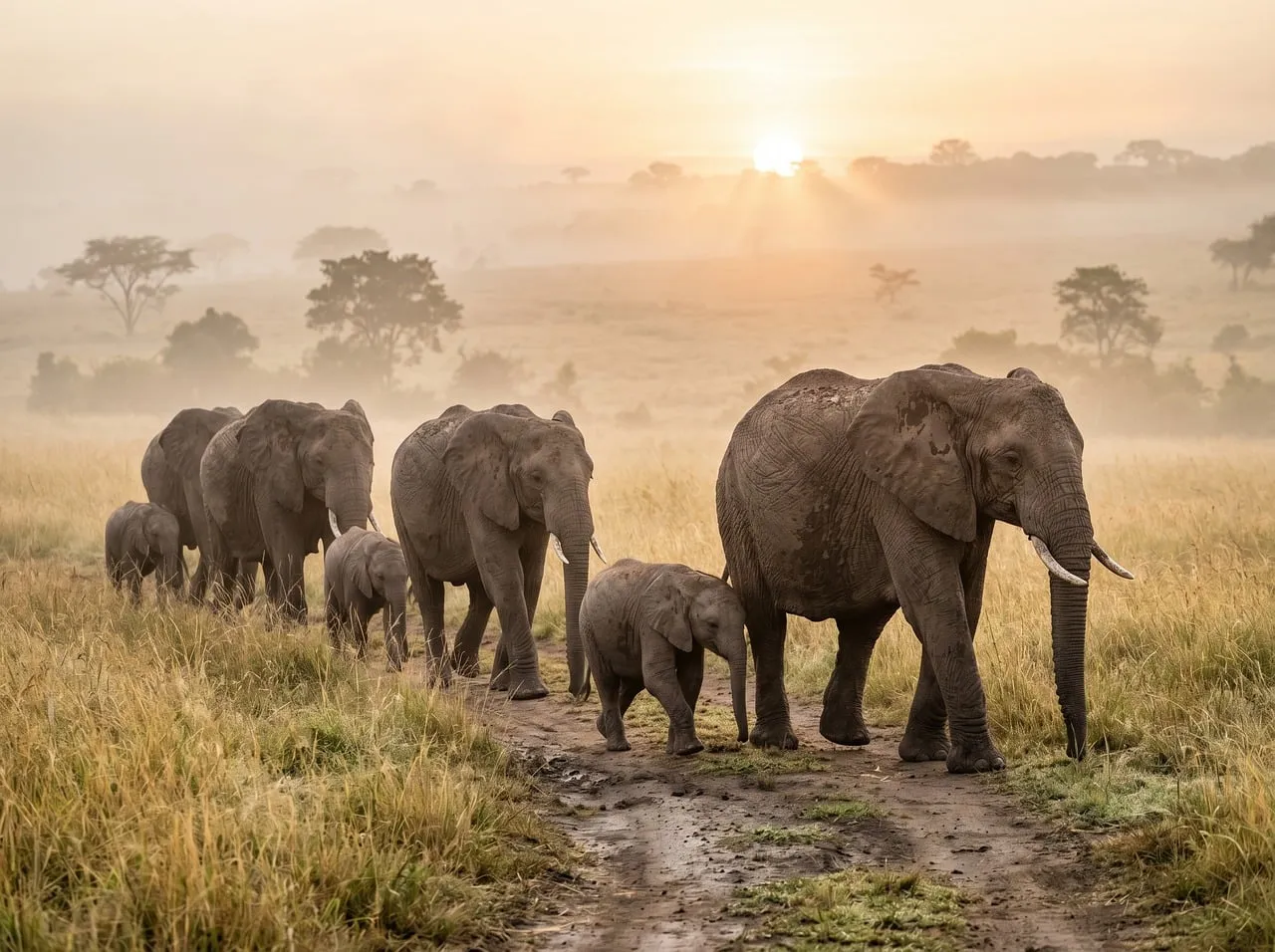
Elephants’ return to the bones of their dead is more than a mere curiosity; it’s a testament to their profound social memory and emotional depth. These behaviors challenge our understanding of animal emotions and highlight the intricate social lives of these magnificent creatures. As we continue to study and learn from elephants, we must also reflect on our own responsibilities toward them. How can we ensure that our actions honor and protect the rich emotional tapestry of elephant societies?

- Zoology Says the Reason Elephants Return to the Bones of Their Dead Is Rooted in Mourning – It Is a Sign of Deep Social Memory and an Emotional Life Highly Unusual for Mammals - July 14, 2026
- Oceanography Says There Is a Layer of Water in the Pacific That Has Not Mixed With the Surface in Over a Thousand Years — and the Life in It Is Highly Adapted to Extreme Stagnation - July 14, 2026
- The Big Cat Each Zodiac Sign Would Be – and the One Trait That Makes the Match Exact - July 14, 2026