
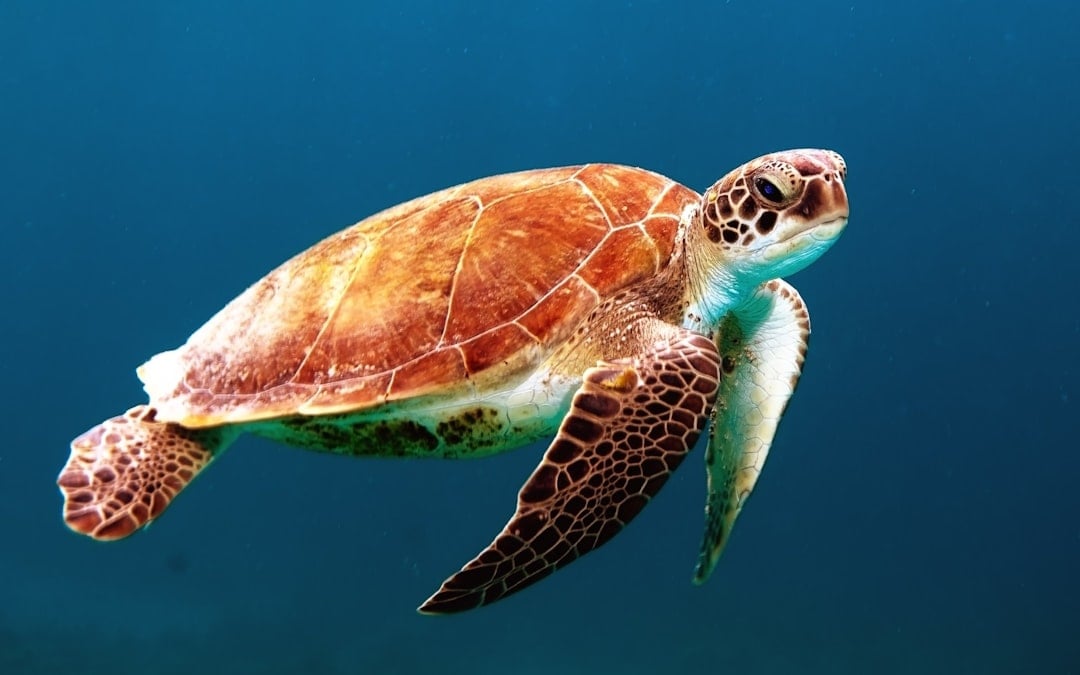
The natural world is replete with awe-inspiring journeys undertaken by creatures great and small. These migrations, spanning thousands of miles, challenge our understanding of animal navigation. Despite extensive research, the precise mechanisms guiding these epic voyages remain shrouded in mystery. Let’s delve into nine such remarkable migrations that continue to baffle scientists.
Arctic Tern: The Ultimate Globe-Trotter
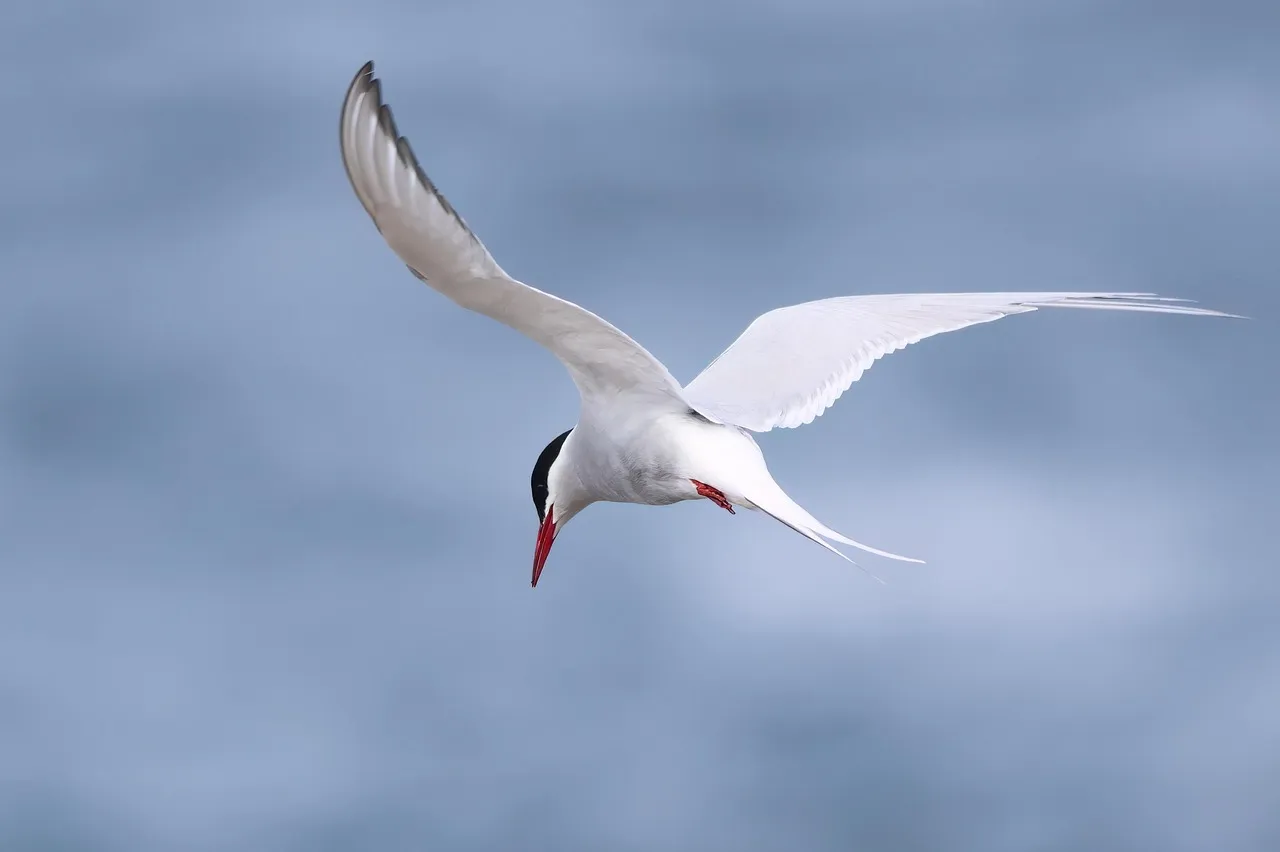
The Arctic tern embarks on an astonishing annual migration from its Arctic breeding grounds to the Antarctic and back, covering approximately 44,000 miles. This journey ensures the bird experiences two summers each year, maximizing daylight exposure.
While it’s believed that Arctic terns utilize the sun and Earth’s magnetic field for navigation, the exact processes enabling such precise, long-distance travel remain elusive. Their ability to traverse vast oceans without apparent landmarks continues to intrigue researchers.
Monarch Butterfly: A Delicate Odyssey
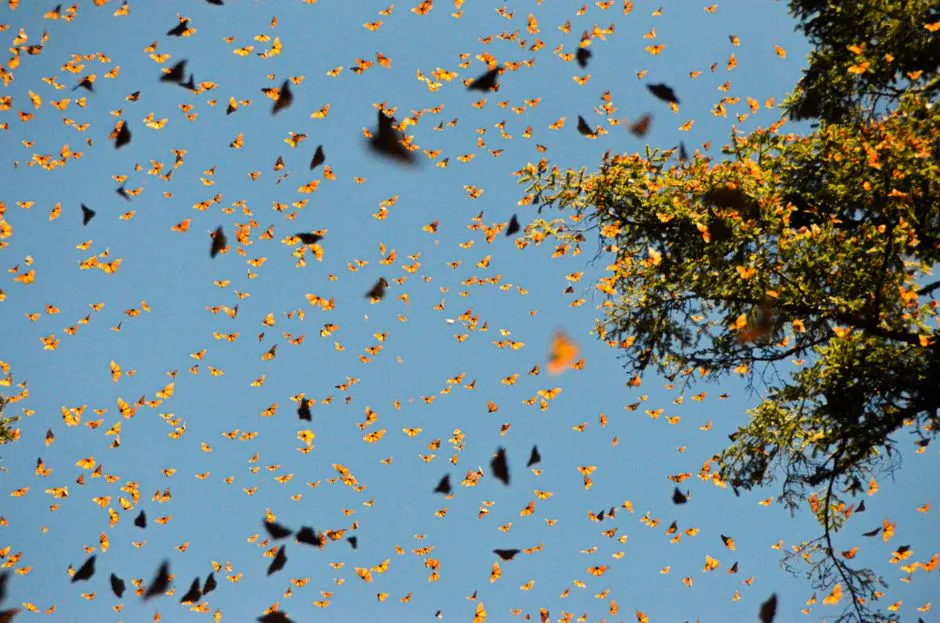
Each fall, monarch butterflies migrate up to 3,000 miles from North America to central Mexico. This journey is particularly remarkable as it spans multiple generations; the butterflies that arrive in Mexico are the great-grandchildren of those that departed the previous spring.
Scientists suggest that monarchs rely on a combination of the sun’s position and an internal circadian clock to navigate. However, how these delicate insects maintain such accuracy over vast distances, especially across generations, remains a captivating enigma.
Leatherback Sea Turtle: Oceanic Navigators
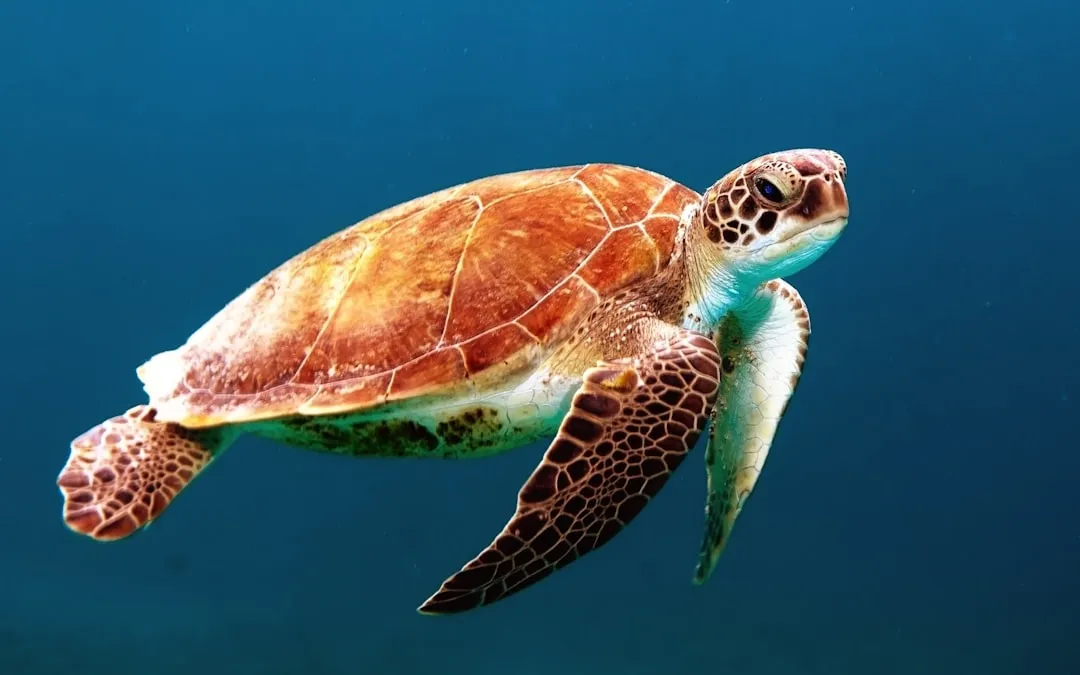
Leatherback sea turtles undertake transoceanic migrations, traveling thousands of miles between feeding grounds and nesting beaches. Some individuals have been recorded traveling over 10,000 miles in a single year.
While it’s known that sea turtles can detect Earth’s magnetic field, the exact mechanisms guiding them across featureless ocean expanses to precise nesting sites are not fully understood. Their remarkable homing ability continues to puzzle scientists.
Bar-Tailed Godwit: Non-Stop Flyers
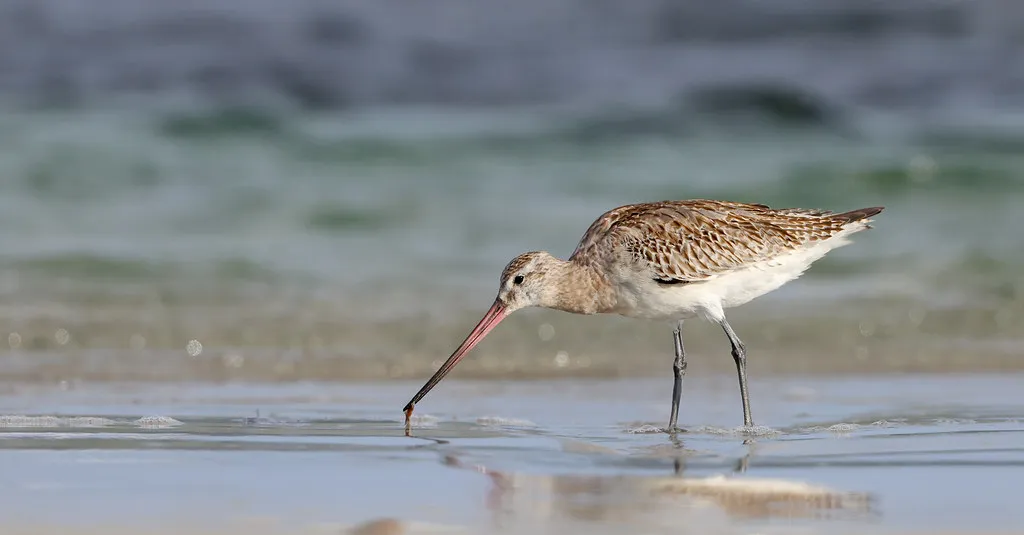
The bar-tailed godwit holds the record for the longest non-stop flight among birds, traveling approximately 7,000 miles from Alaska to New Zealand without pausing for food or rest.
Researchers believe these birds use a combination of celestial cues and Earth’s magnetic field for navigation. However, the exact physiological and navigational adaptations enabling such an extraordinary journey remain subjects of ongoing study.
Salmon: River Runners
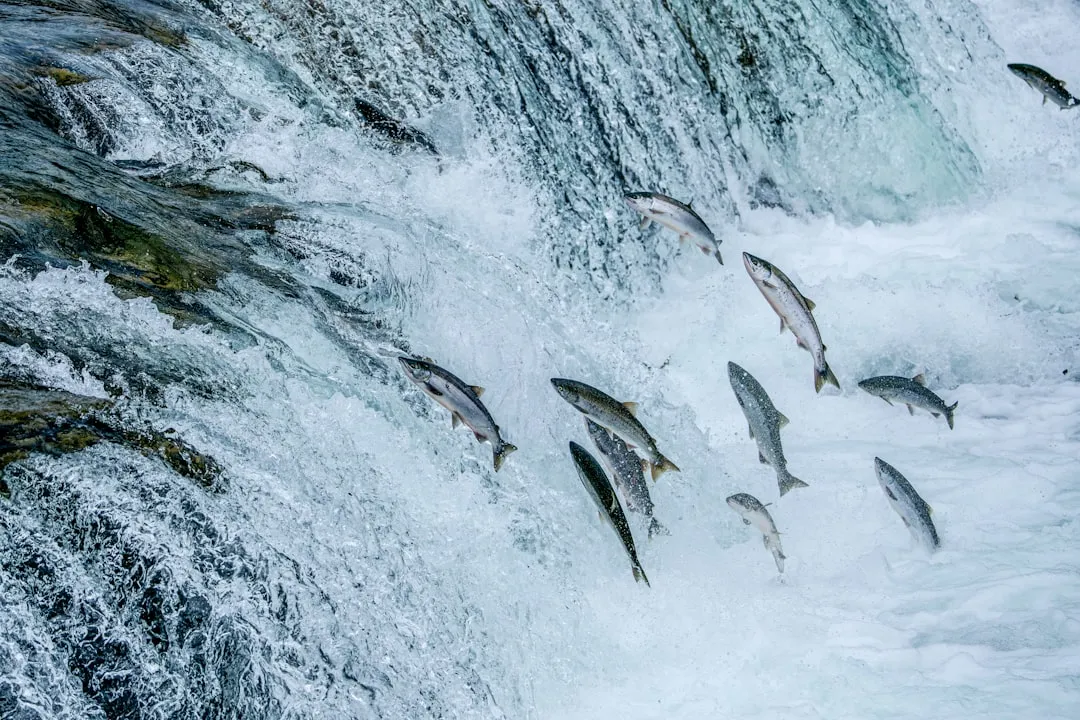
Salmon are renowned for their upstream migrations, returning from the ocean to their natal freshwater streams to spawn. Some species travel over 1,000 miles against strong currents to reach their birthplace.
It’s hypothesized that salmon imprint on the unique chemical signature of their home stream and use Earth’s magnetic field to navigate. Yet, the precise mechanisms allowing them to locate their exact spawning grounds after years at sea remain a mystery.
Wildebeest: The Great African Trek
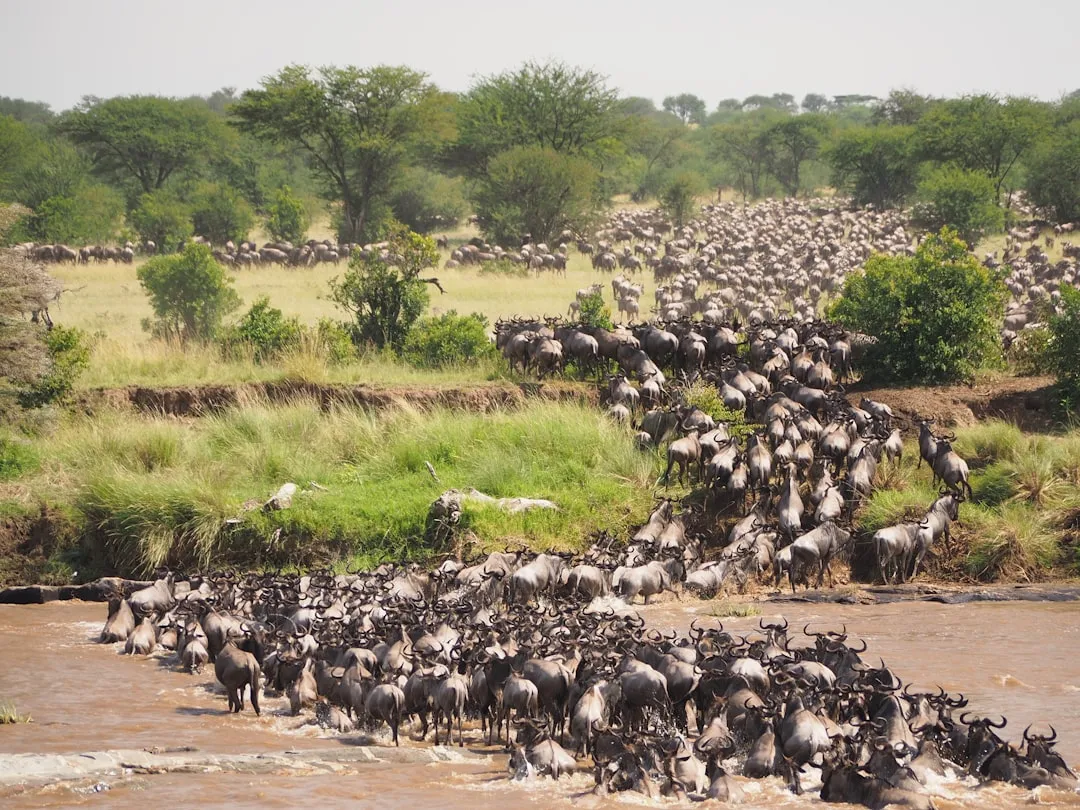
Each year, over a million wildebeest migrate in a circular route across the Serengeti and Maasai Mara ecosystems, covering about 1,200 miles. This migration is driven by seasonal rains and the search for fresh grazing.
While environmental cues like rainfall and grass growth are known triggers, the innate ability of wildebeest to anticipate these changes and coordinate such massive movements is not fully understood.
European Eel: Mysterious Voyagers
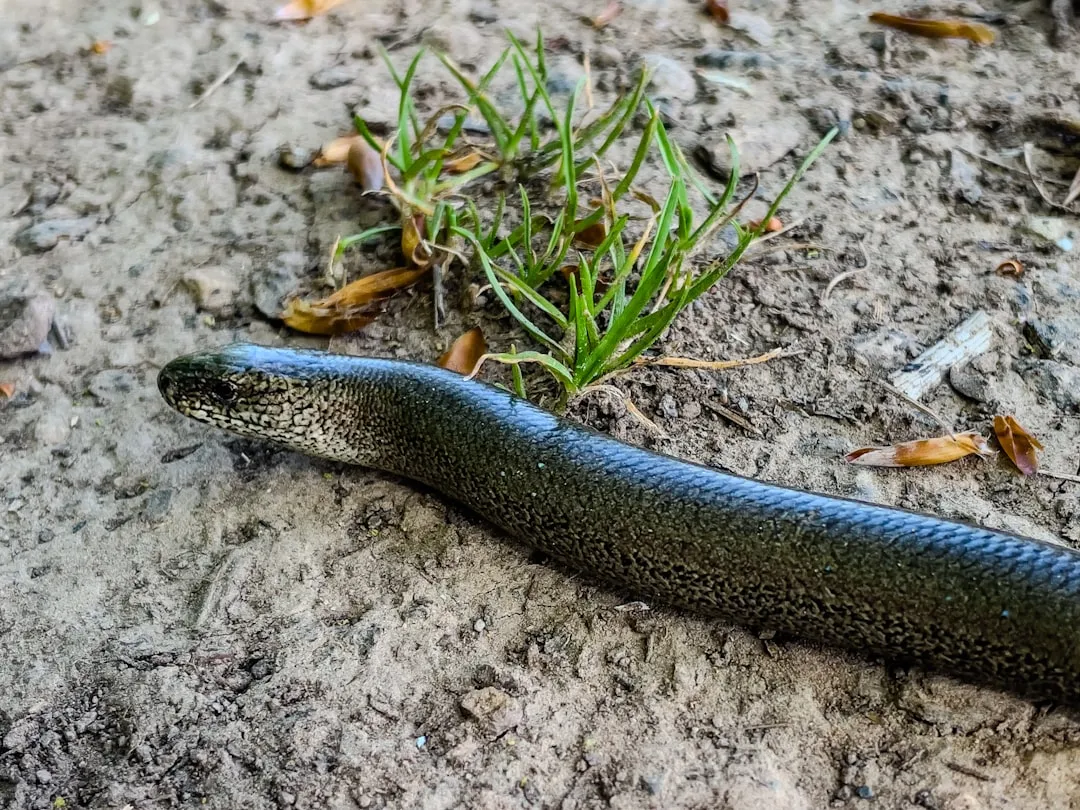
European eels spawn in the Sargasso Sea and their larvae drift to European rivers, a journey of up to 3,000 miles. After maturing, they return to the Sargasso Sea to reproduce.
The exact navigational cues guiding eels across such vast distances, especially during their return journey to a specific spawning area, remain largely unknown.
Humpback Whale: Oceanic Giants
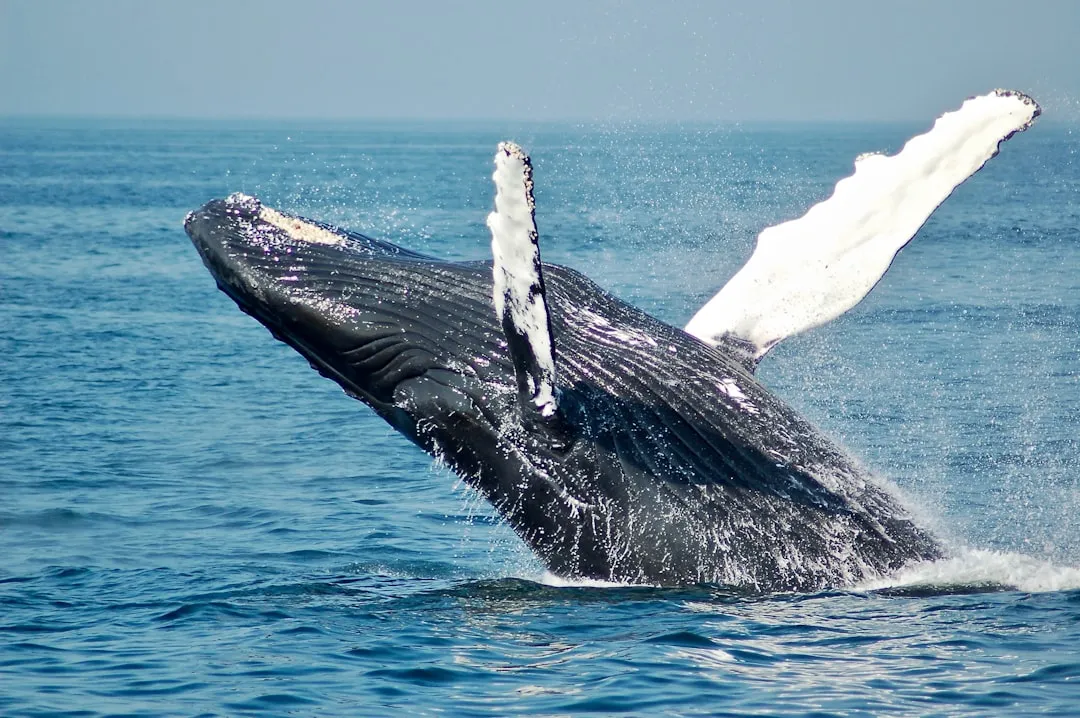
Humpback whales migrate up to 5,000 miles between feeding grounds in polar regions and breeding grounds in tropical waters. These migrations are among the longest of any mammal.
While it’s believed that humpbacks use a combination of magnetic fields, water temperature gradients, and even the position of the sun and stars, the exact mechanisms enabling such precise, long-distance navigation are still being studied.
Painted Lady Butterfly: Transcontinental Travelers

The painted lady butterfly undertakes a remarkable migration from Africa to Europe, covering up to 9,000 miles in a series of generational steps. This journey is one of the longest known insect migrations.
The navigational strategies employed by painted ladies, especially considering the generational aspect of their migration, are not fully understood. Their ability to maintain a consistent migratory path across generations remains a fascinating subject for researchers.
These extraordinary migrations highlight the incredible capabilities of the animal kingdom. Despite advancements in technology and research, the precise mechanisms guiding these journeys remain one of nature’s most captivating mysteries. As we continue to study these phenomena, we may uncover not only the secrets of animal navigation but also gain insights applicable to our own explorations. Isn’t it humbling to realize how much we have yet to learn from the natural world?
