
Throughout history, tales of fantastical creatures have captivated human imagination. Many of these beings were dismissed as mere myths, figments of overactive imaginations or allegorical symbols. Yet, as explorers ventured into uncharted territories and scientists delved deeper into the natural world, some of these legendary creatures emerged from the shadows of folklore into the light of reality. Here are eight such animals that transitioned from myth to scientific fact.
Okapi: The African Unicorn
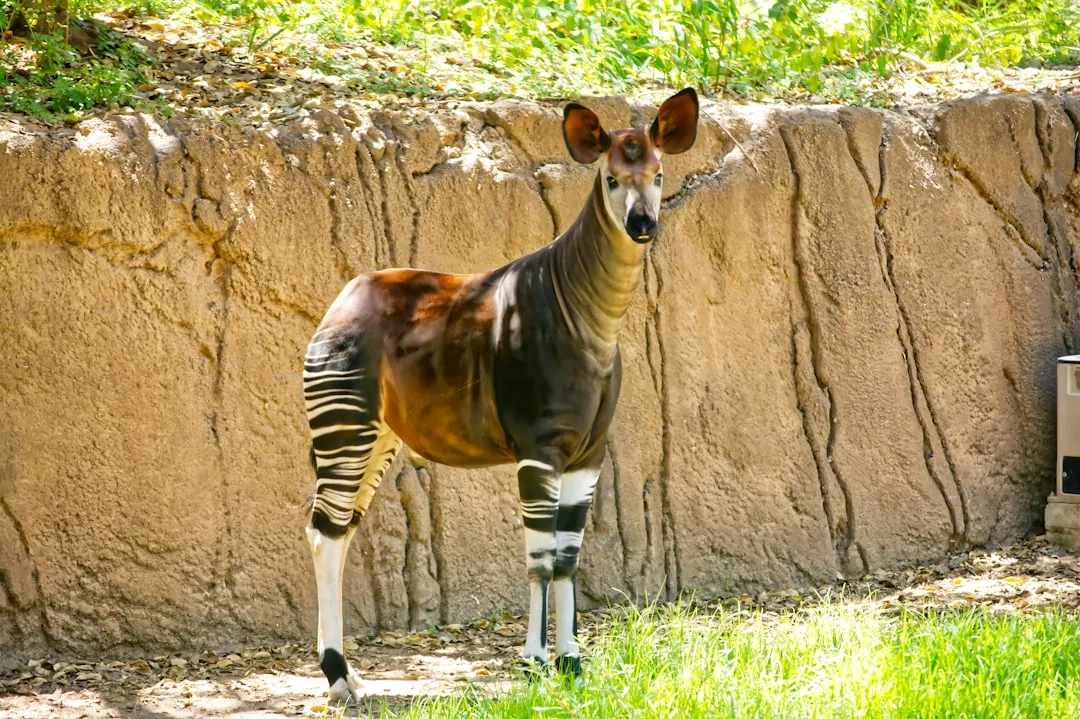
Imagine a creature with the body of a horse, the stripes of a zebra, and the neck of a giraffe. For centuries, tales of such an animal circulated among African tribes, leading many to believe it was a product of myth. Dubbed the “African unicorn,” the okapi remained elusive to Western science until the early 20th century.
In 1901, British explorer Sir Harry Johnston obtained okapi skins and skulls from the Ituri Forest in the Democratic Republic of Congo. This evidence led to the formal description of the species, revealing a shy, forest-dwelling relative of the giraffe. The okapi’s discovery was a testament to the vast mysteries still hidden within Earth’s dense jungles.
Komodo Dragon: The Living Dragon
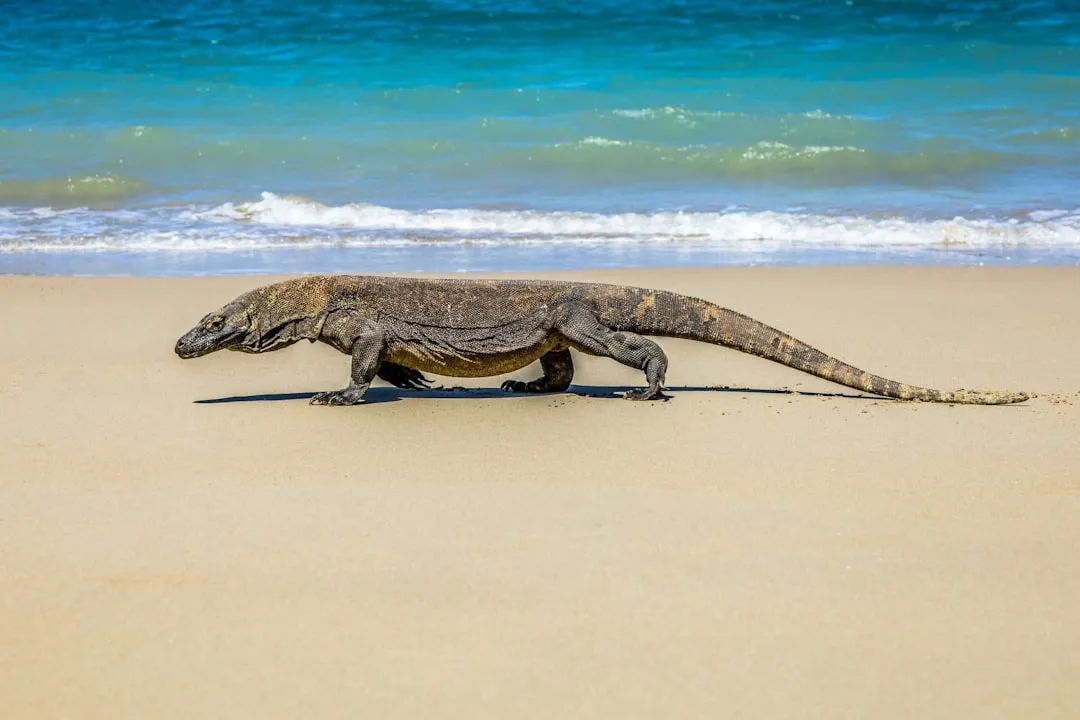
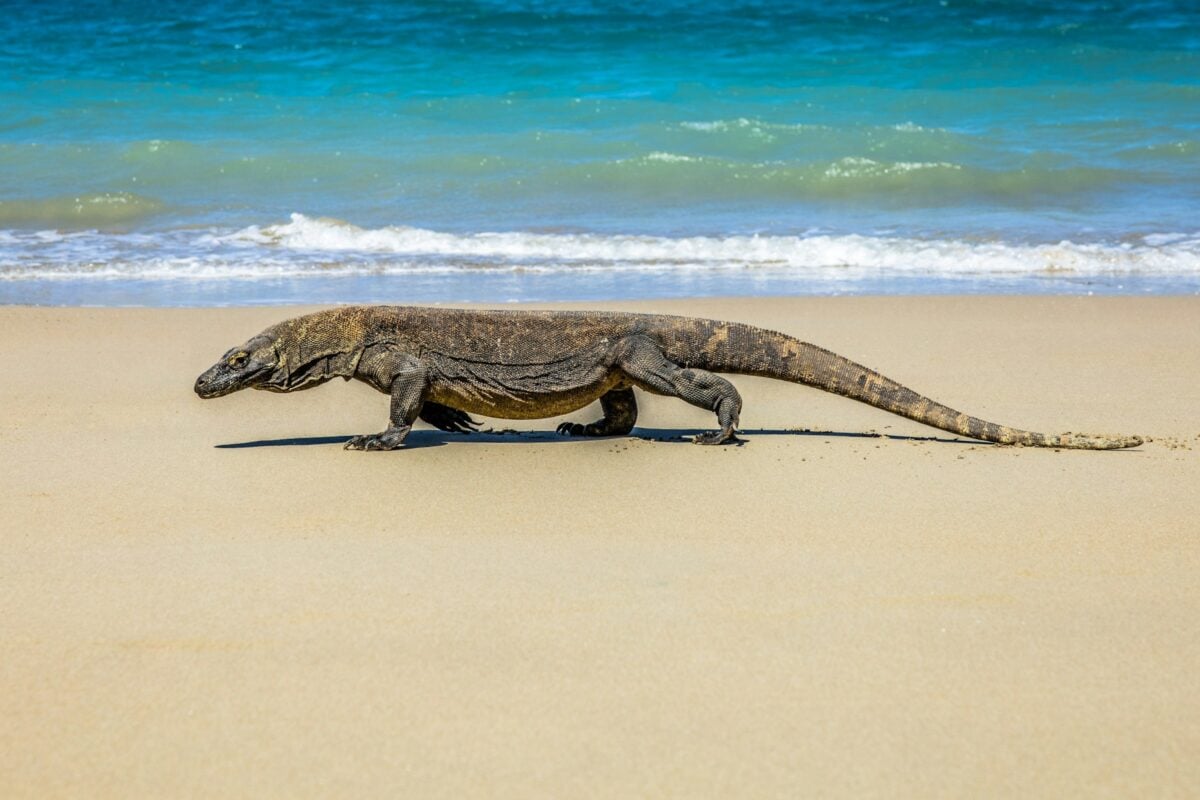
Legends of fire-breathing dragons have permeated cultures worldwide. While the Komodo dragon doesn’t breathe fire, its formidable size and predatory prowess make it a creature of legend. Indigenous to Indonesia’s Lesser Sunda Islands, this giant lizard was once thought to be a myth.
In 1910, Lieutenant van Steyn van Hensbroek of the Dutch colonial administration reported sightings of these massive lizards. Subsequent expeditions confirmed their existence, and by 1912, the Komodo dragon was officially documented. Growing up to 10 feet in length, this apex predator’s discovery blurred the lines between myth and reality.
Giant Squid: The Kraken of the Deep
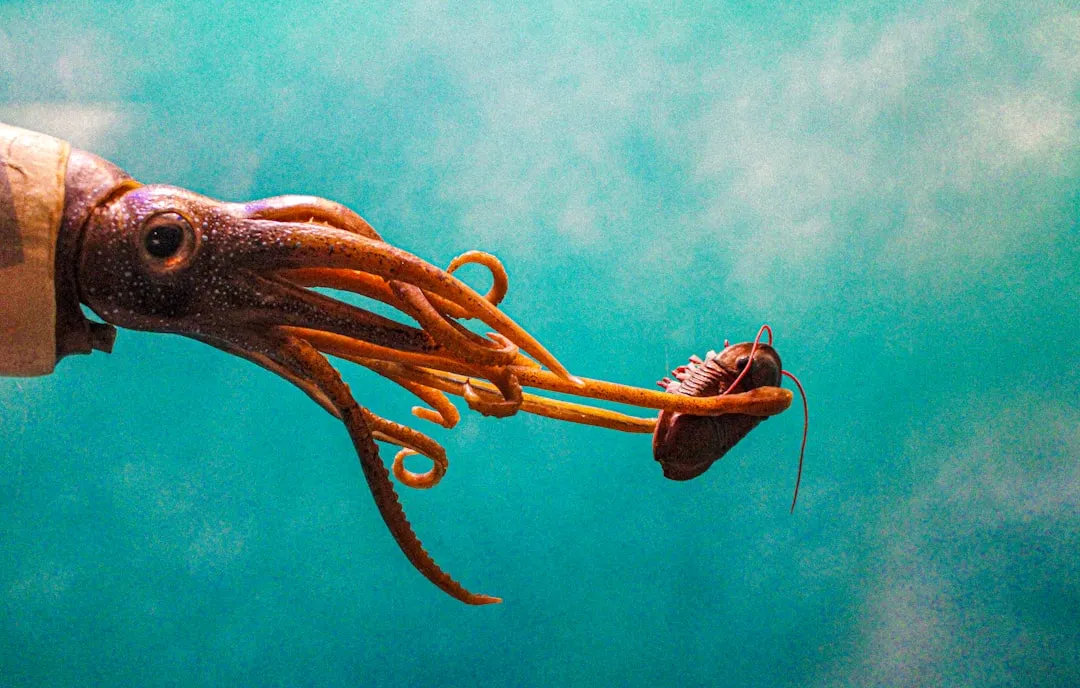
For centuries, sailors spun tales of the Kraken, a monstrous sea creature capable of dragging entire ships into the abyss. These stories were often dismissed as maritime folklore, exaggerations born from the vast, uncharted oceans.
However, in the late 19th century, carcasses of enormous squids began washing ashore, providing tangible evidence of their existence. The giant squid, Architeuthis dux, can grow up to 43 feet long. In 2004, Japanese researchers captured the first live images of this elusive deep-sea dweller, confirming that the legendary Kraken was, in fact, real.
Platypus: Nature’s Enigma
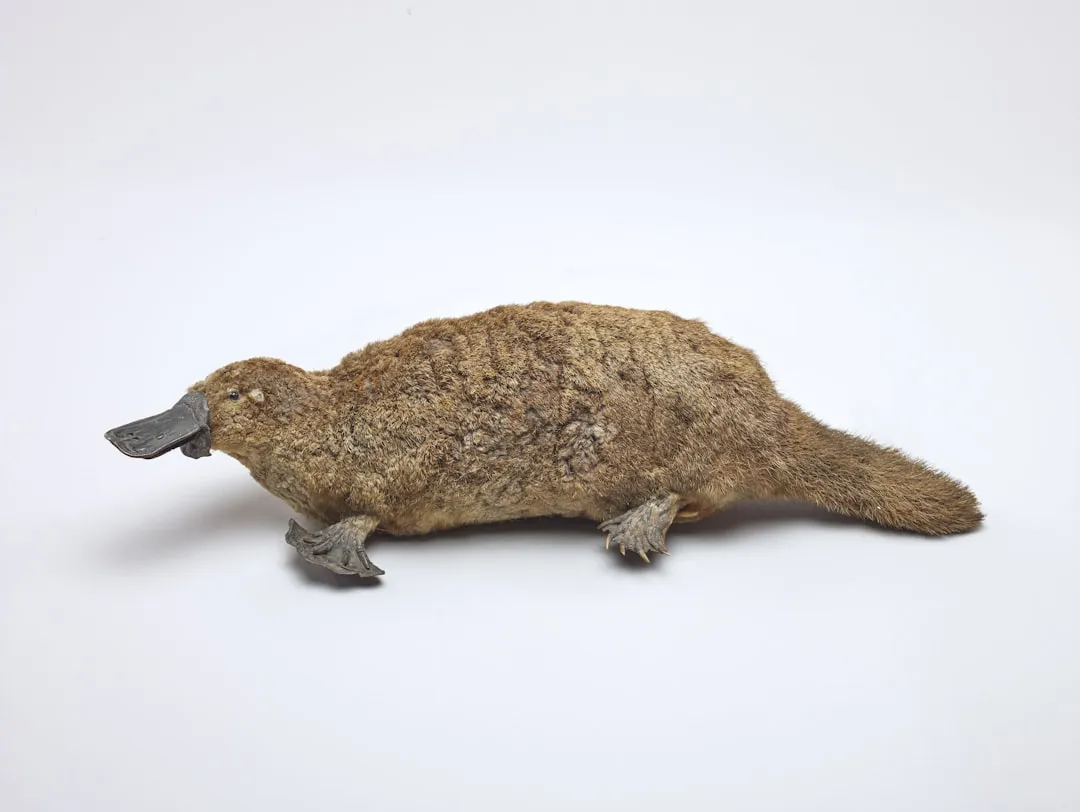
When European naturalists first encountered the platypus in Australia, they believed it to be a hoax. An egg-laying mammal with a duck’s bill, webbed feet, and a beaver-like tail seemed too bizarre to be real.
In 1798, Captain John Hunter sent a pelt and sketch of the platypus to Britain. Skepticism abounded until further specimens were studied, revealing a unique mammal that defied conventional classification. The platypus remains one of nature’s most intriguing anomalies.
Gorilla: The Gentle Giant
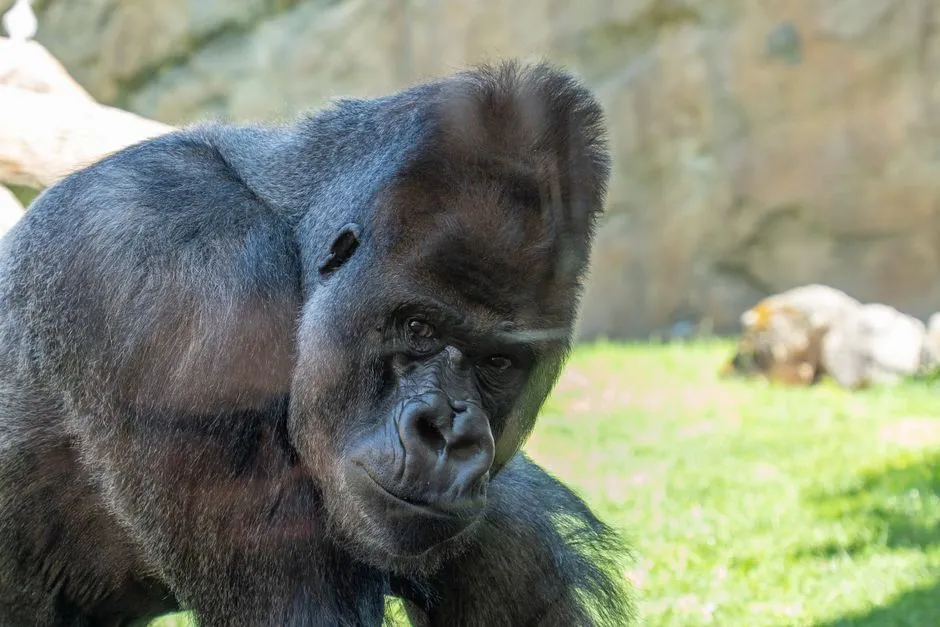
Stories of monstrous, man-like apes lurking in Africa’s jungles were often dismissed as myths. Descriptions painted them as ferocious beasts, leading many to believe they were mere figments of imagination.
In 1847, American missionary Thomas Savage obtained gorilla bones in Liberia, leading to the formal description of the species. Subsequent expeditions confirmed their existence, revealing not monsters, but intelligent and social primates closely related to humans.
Narwhal: The Unicorn of the Sea
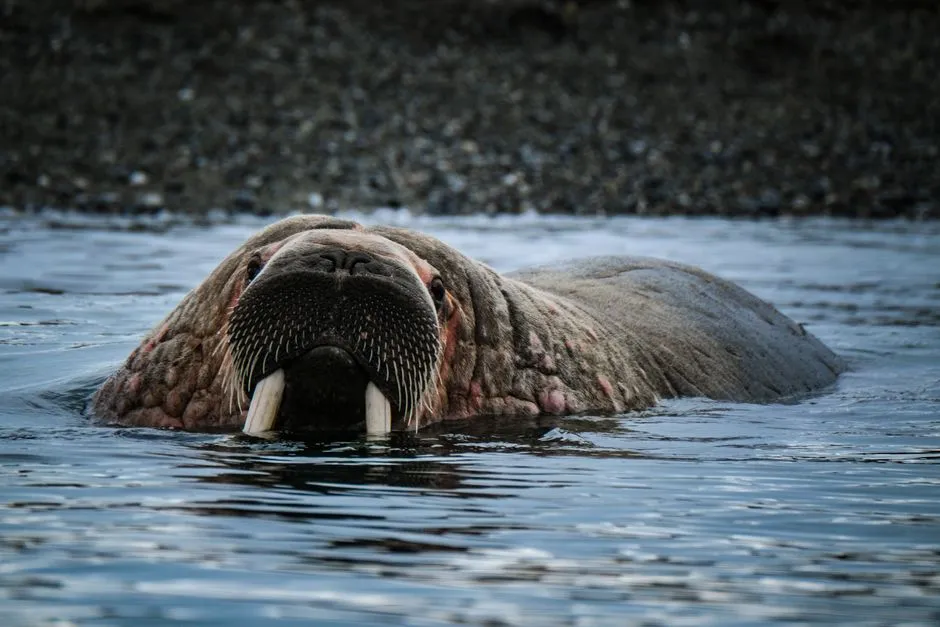
Medieval Europeans believed in the existence of unicorns, often attributing magical properties to their horns. Unknown to them, these “unicorn horns” were actually the tusks of the narwhal, a whale species inhabiting Arctic waters.
With its long, spiraled tusk, the narwhal inspired countless legends. It wasn’t until Arctic explorations that the true source of these mythical horns was identified, bridging the gap between legend and marine biology.
Kangaroo: The Bizarre Hopper
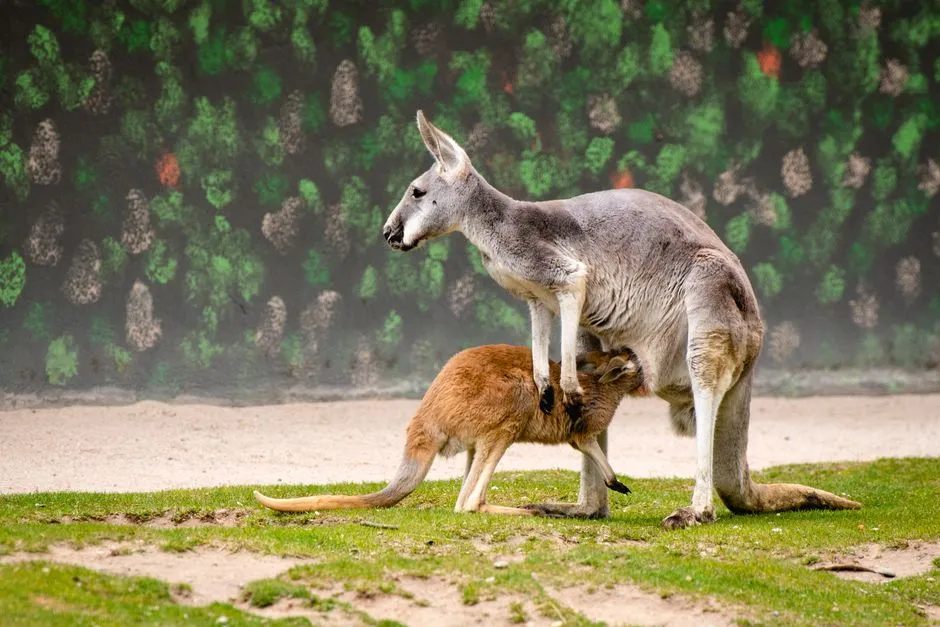
Early European explorers returning from Australia spoke of creatures that hopped on two legs, had pouches, and sported heads like deer. Such descriptions were met with skepticism and considered tall tales.
In the late 18th century, as more specimens were brought to Europe, the existence of kangaroos was confirmed. Their unique mode of locomotion and reproductive behavior fascinated scientists and challenged existing classifications of mammals.
Coelacanth: The Living Fossil
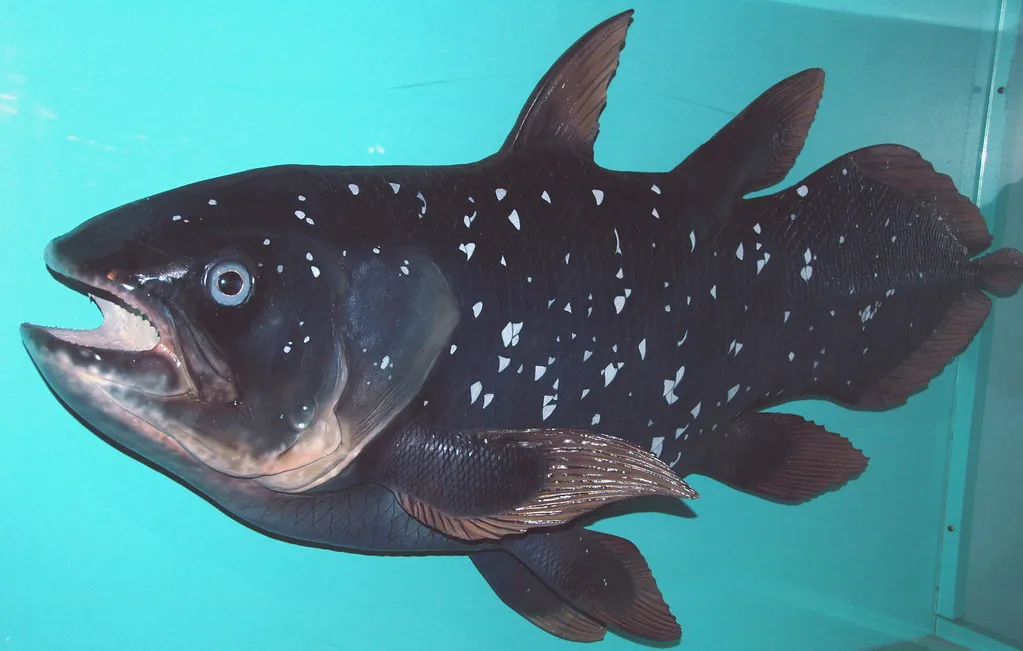
Believed to have gone extinct 66 million years ago, the coelacanth was known only through fossil records. Its lobed fins suggested a link between fish and the first land-dwelling vertebrates.
In 1938, a living coelacanth was caught off the coast of South Africa, astonishing the scientific community. Dubbed a “living fossil,” its discovery provided invaluable insights into evolutionary biology and underscored the ocean’s vast, unexplored depths.
Conclusion

These remarkable discoveries serve as a humbling reminder of the vastness of our world and the limitations of human knowledge. They challenge us to keep an open mind and to approach the unknown with curiosity and respect. Who knows what other “myths” might one day walk, swim, or fly into the annals of scientific fact?

- 8 Animals Once Listed in Ancient Sources as Mythology That Turned Out to Be Real When Specimens Were Finally Collected - July 15, 2026
- 11 Deep-Sea Animals So Structurally Different That Biologists Had to Create New Classifications for Them - July 15, 2026
- 7 Animals That Seek Out and Self-Medicate With Specific Plants – and the Question of How They Learned Which Ones Work - July 15, 2026