
Throughout history, humans have encountered fossils – remnants of creatures from Earth’s distant past – without the scientific framework to understand them. These discoveries often inspired myths and legends, as ancient peoples sought to explain the origins of these enigmatic bones and imprints. Remarkably, some of these mythical creatures bear striking resemblances to real animals known from the fossil record, suggesting that these tales may have been grounded in actual observations. Here are nine such creatures whose descriptions in historical records align closely with fossil animals, making mere coincidence unlikely.
Cyclops: The One-Eyed Giants
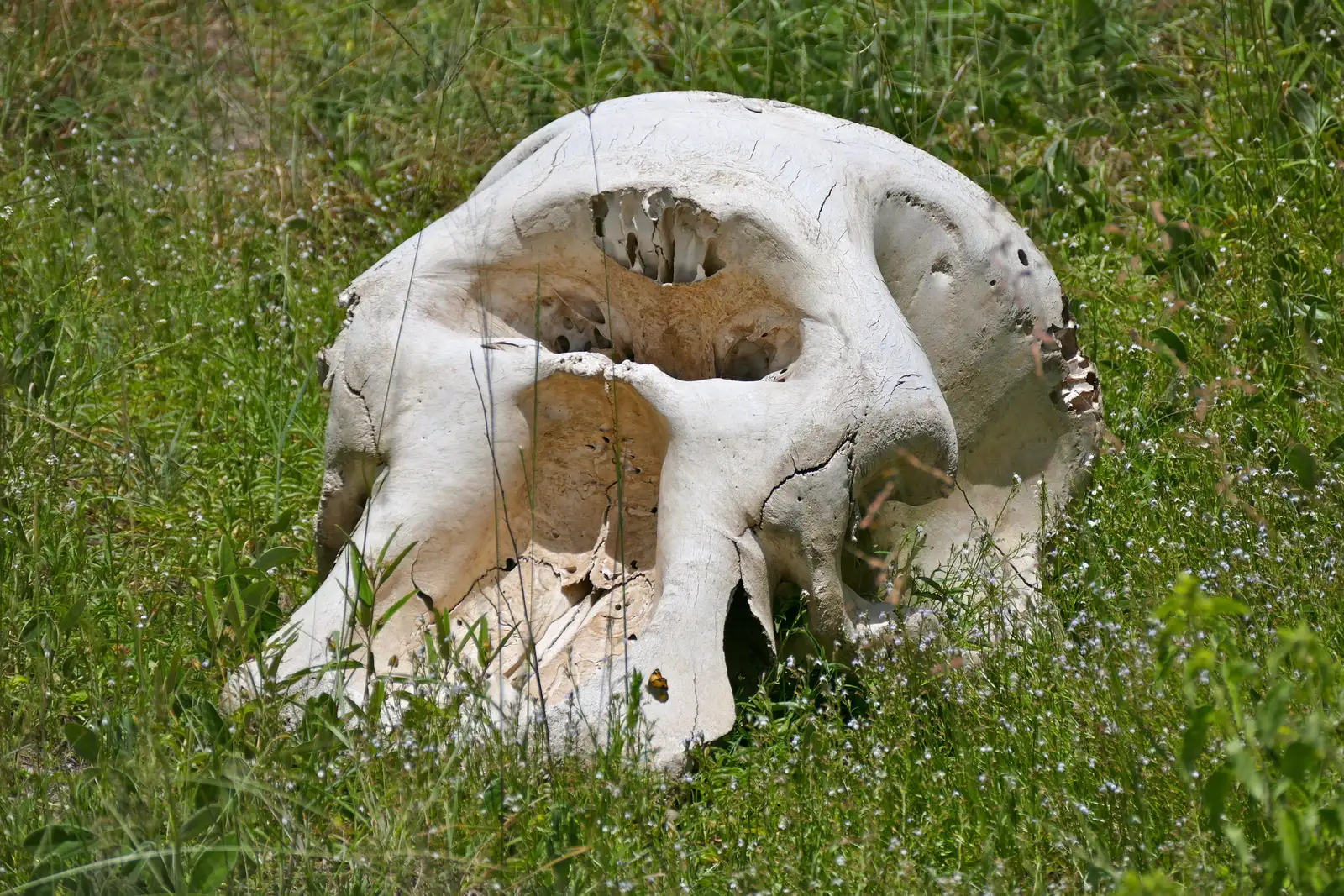
The ancient Greeks spoke of the Cyclopes, formidable one-eyed giants. This myth may have been inspired by the discovery of prehistoric elephant skulls, particularly those of Deinotherium giganteum. These skulls feature a large central nasal cavity, which could easily be mistaken for a single eye socket. Without knowledge of elephants, ancient observers might have interpreted these skulls as evidence of giant, one-eyed beings. This connection suggests that the Cyclops legend could be rooted in real fossil findings.
Griffins: Guardians of Gold
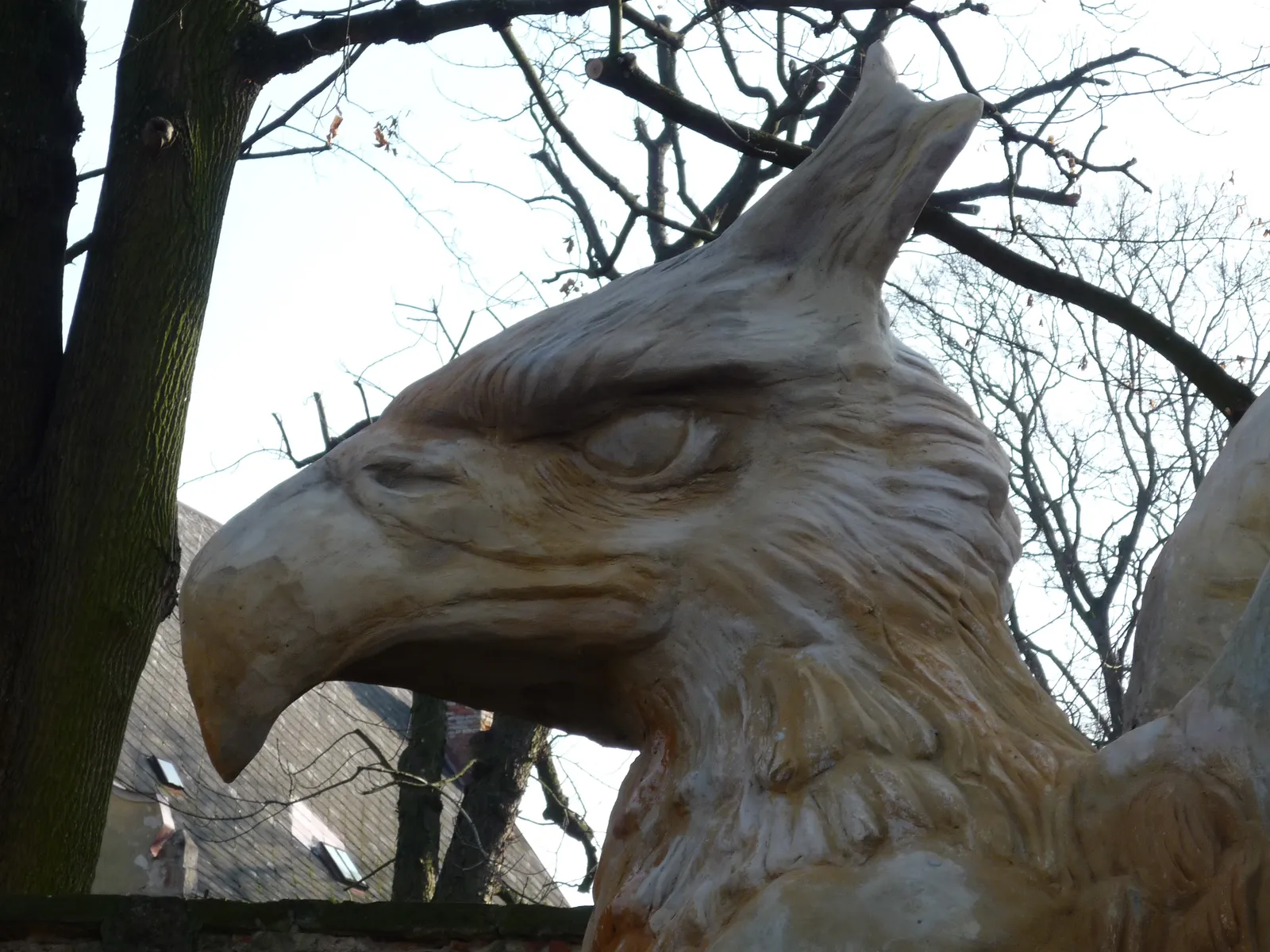
In Greek mythology, griffins were majestic creatures with the body of a lion and the head and wings of an eagle, said to guard treasures in the Gobi Desert. Paleontologist Adrienne Mayor proposes that these tales were influenced by fossils of Protoceratops dinosaurs found in the same region. These dinosaurs possessed beaked faces and quadrupedal bodies, bearing a resemblance to the griffin’s description. The discovery of such fossils by ancient nomads could have given rise to the enduring legend of the griffin.
Dragons: Serpentine Behemoths

Dragons are a common motif in various cultures, often depicted as massive, serpentine creatures. In Europe, the unearthing of large dinosaur fossils, such as those of the Megalosaurus, may have fueled dragon myths. The size and shape of these fossils could easily be imagined as the remains of dragon-like creatures. Similarly, in China, the discovery of dinosaur bones might have contributed to the rich tapestry of dragon lore, intertwining paleontological finds with cultural narratives.
Sea Serpents: Maritime Mysteries
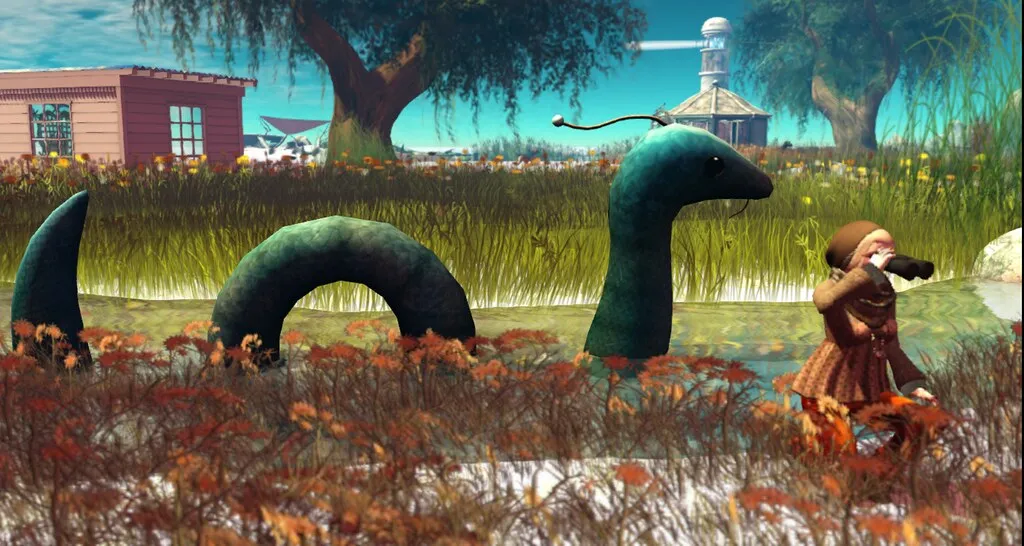
Mariners’ tales of sea serpents have been prevalent for centuries. Some of these accounts may have been inspired by the remains of prehistoric marine reptiles like plesiosaurs. The elongated necks and streamlined bodies of these creatures align with descriptions of sea serpents. Fossilized skeletons washed ashore or glimpsed in cliff faces could have been interpreted as evidence of these mythical sea monsters, blending paleontological reality with seafaring folklore.
Giants: Colossal Humans
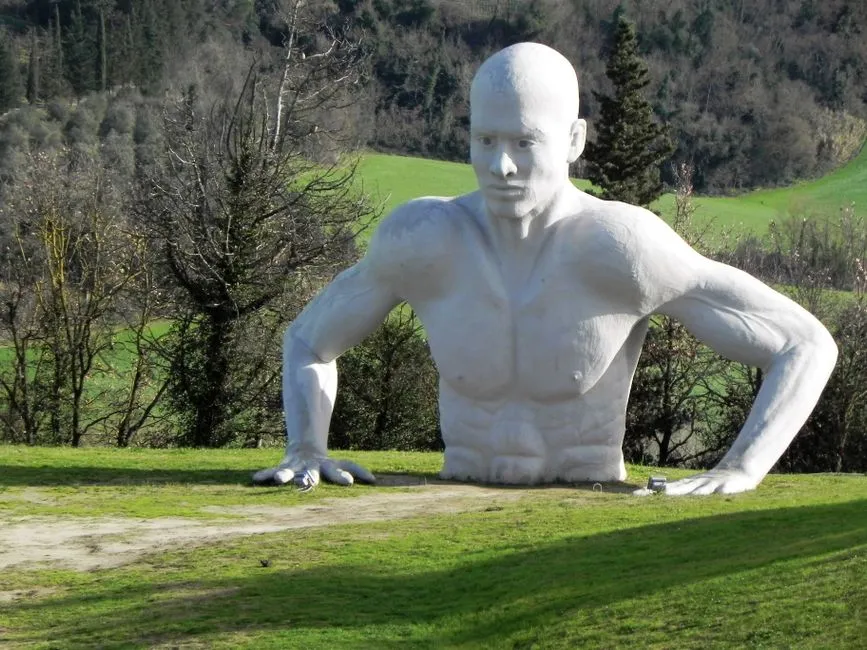
Legends of giants are widespread, with tales of enormous human-like beings. The discovery of large bones, such as those of mammoths and mastodons, may have been misinterpreted as the remains of giant humans. Without an understanding of extinct megafauna, ancient peoples might have concluded that these massive bones belonged to human giants, thus reinforcing and perpetuating the myths of colossal beings.
Unicorns: The Elusive One-Horned Beasts
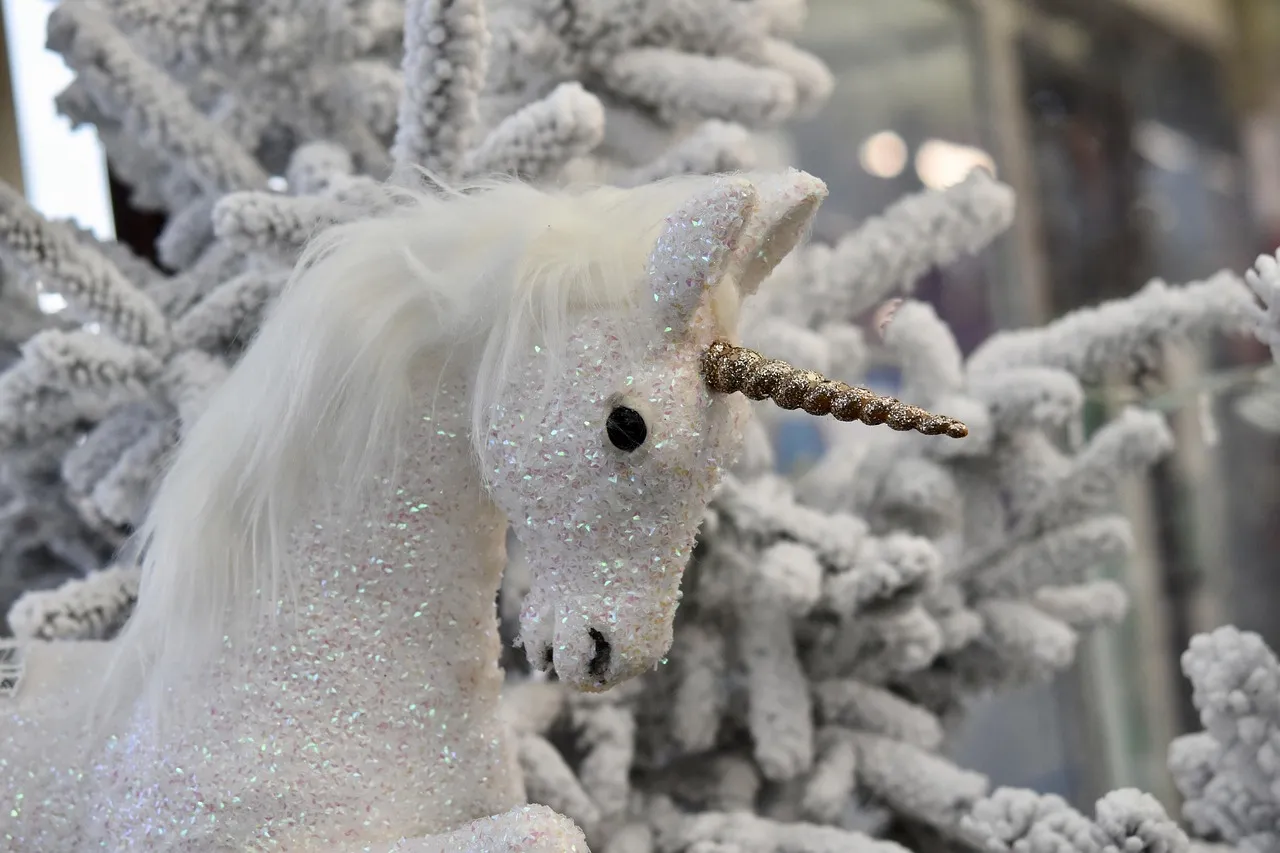
The unicorn, a horse-like creature with a single horn, has captivated imaginations for centuries. Fossils of prehistoric animals like the Elasmotherium, a giant rhinoceros with a prominent horn, may have inspired these tales. The resemblance between the Elasmotherium and the unicorn’s description suggests that fossil discoveries could have influenced the creation of the unicorn myth, blending paleontological findings with human imagination.
Ammonites: Snakestones
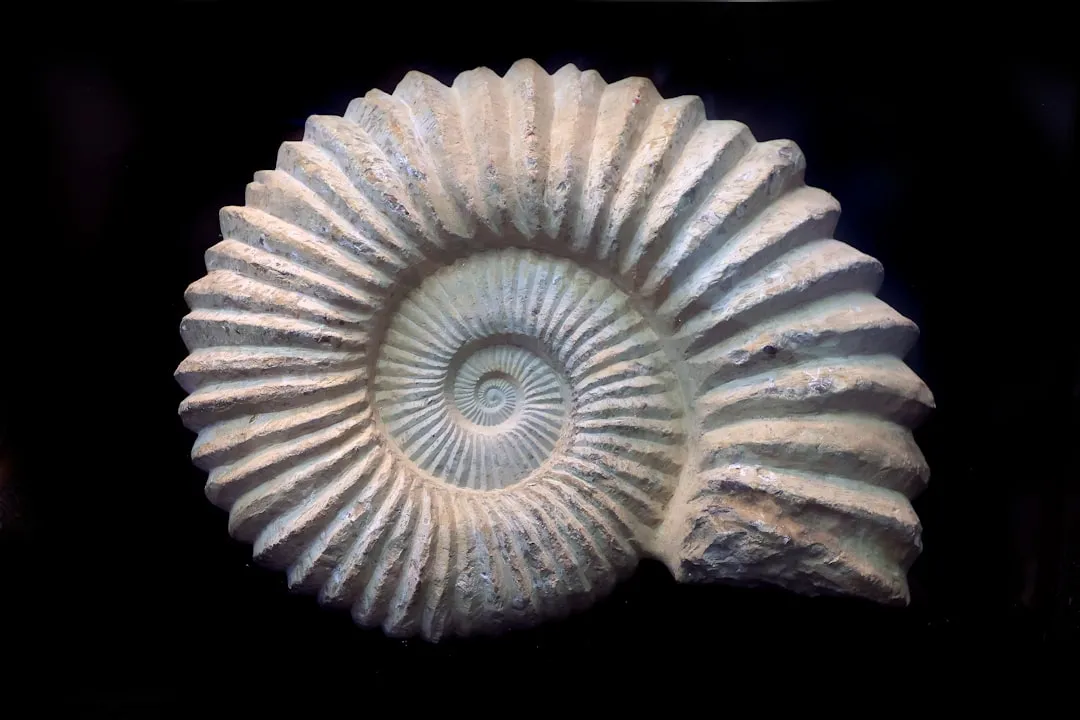
Ammonites, coiled shell fossils, have been found worldwide. In medieval Europe, these fossils were often called “snakestones” and believed to be petrified coiled snakes. Legends tell of saints turning snakes to stone, and the ammonite fossils were seen as physical evidence of these miracles. This interpretation showcases how natural fossils were woven into cultural and religious narratives, providing tangible links to mythical stories.
Trilobites: Cursed Butterflies
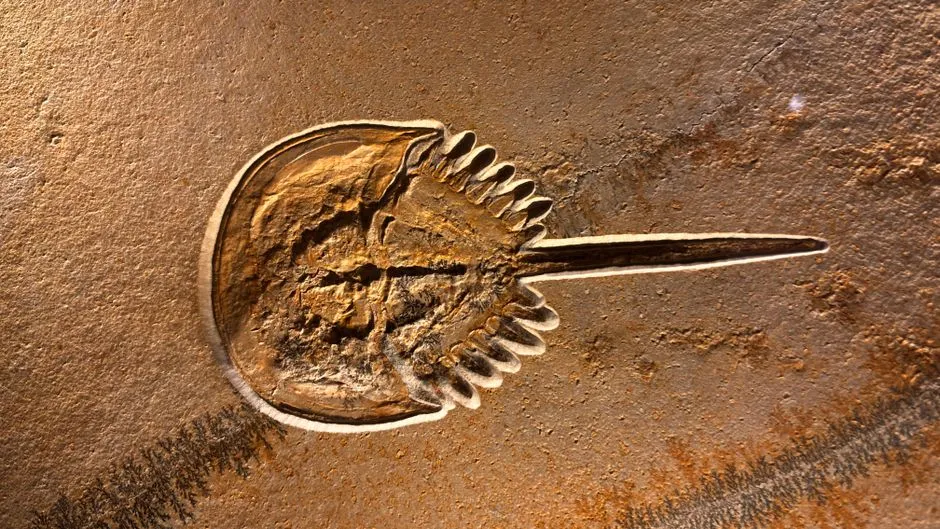
Trilobites, ancient marine arthropods, have been found in various regions. In Wales, folklore tells of these fossils being “petrified butterflies” cursed by the magician Merlin. Similarly, Native American tribes in Utah adorned trilobite fossils as amulets to ward off evil spirits. These interpretations highlight how fossils were integrated into local myths and used as protective talismans, reflecting the deep connection between natural discoveries and cultural beliefs.
Blemmyes: Headless Men

The Blemmyes were mythical headless men with faces on their chests, described in ancient and medieval texts. Some scholars suggest that these tales could have been inspired by misinterpreted fossilized remains or artistic depictions of certain animals. The blending of human and animal features in these myths may reflect attempts to explain unusual fossil finds or to personify the unknown, illustrating the human tendency to create narratives around enigmatic discoveries.
These examples illustrate how ancient peoples, encountering fossils without the benefit of modern science, crafted myths to explain their origins. The striking similarities between these mythical creatures and real fossil animals suggest that these legends were not mere flights of fancy but grounded in tangible, albeit misunderstood, observations. This interplay between myth and science underscores the human desire to make sense of the natural world, turning mysterious discoveries into stories that endure through the ages.
