

When the sun dips below the horizon and darkness envelops the world, owls emerge as the silent sentinels of the night. Their extraordinary senses allow them to detect nuances in the environment that remain imperceptible to humans. Let’s delve into the remarkable abilities that enable owls to perceive what we cannot.
1. Subtle Movements in Complete Darkness
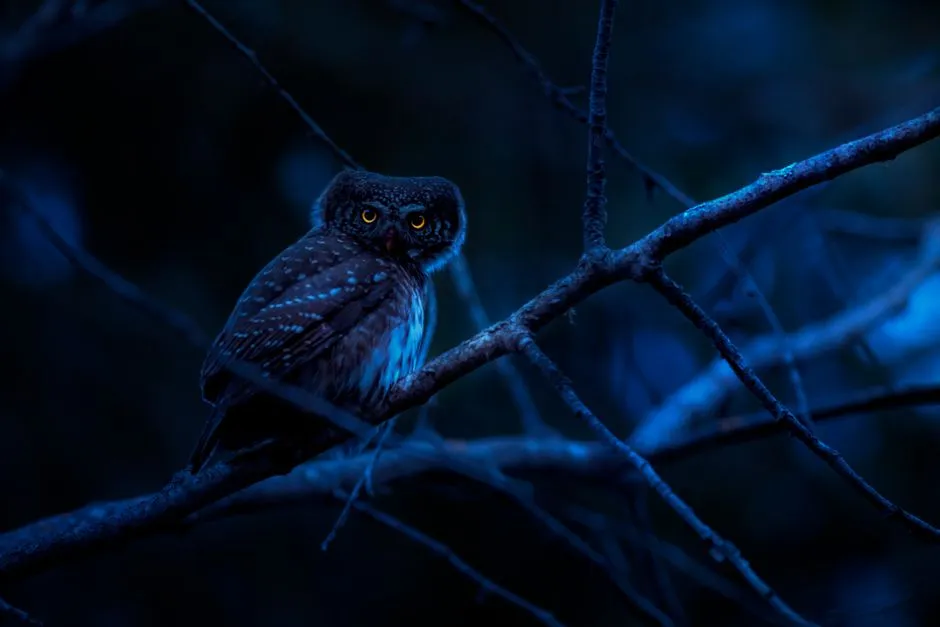
Owls possess an exceptional ability to detect the faintest movements in pitch-black conditions. Their eyes are equipped with a high density of rod cells, specialized for low-light vision, allowing them to spot prey scurrying beneath dense foliage or snow cover. This acute sensitivity ensures that no movement goes unnoticed, even in the absence of light.
Complementing their vision, owls’ asymmetrical ear placement enables precise localization of sounds. This adaptation allows them to pinpoint the exact location of rustling leaves or the slightest footfalls of potential prey, providing a three-dimensional auditory map of their surroundings.
2. Minute Changes in Sound Frequency
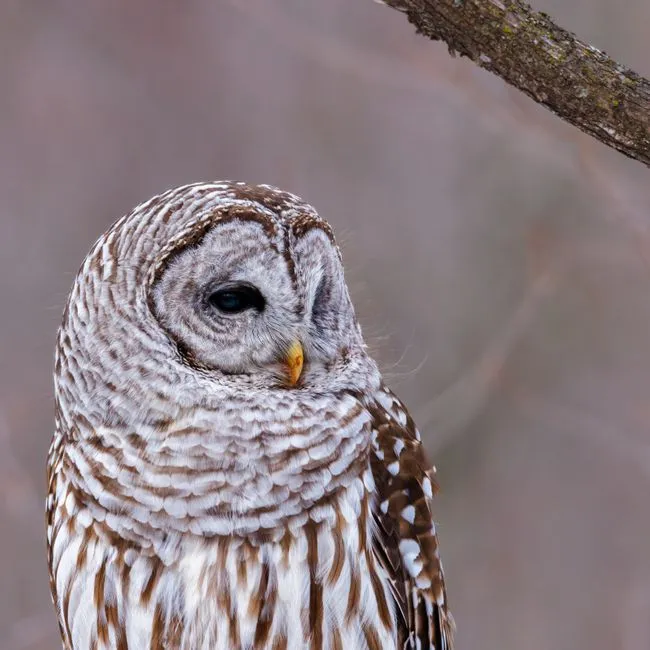
An owl’s hearing is so refined that it can detect minute changes in sound frequency, which are often imperceptible to humans. This sensitivity allows them to discern the specific sounds made by different prey species, even distinguishing between the rustling of a mouse and the scurrying of a vole.
Their facial discs, composed of specialized feathers, function like satellite dishes, funneling sound waves directly to their ears. This design amplifies even the faintest noises, ensuring that owls can detect and interpret subtle auditory cues from great distances.
3. Variations in Air Pressure
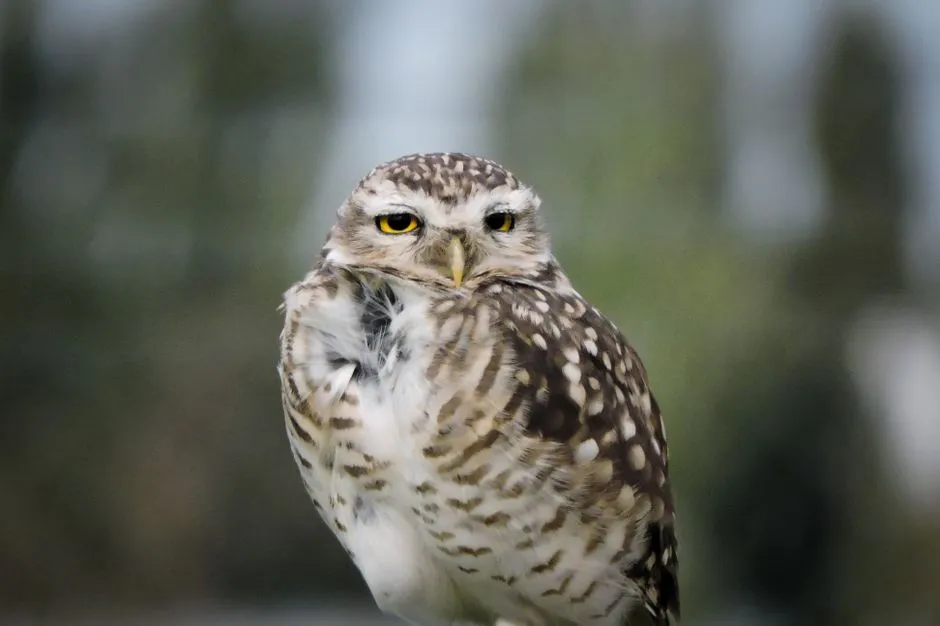
Owls are attuned to slight variations in air pressure, which can signal impending weather changes. This sensitivity enables them to anticipate storms or shifts in wind patterns, allowing them to adjust their hunting strategies accordingly.
By detecting these atmospheric changes, owls can choose optimal times to hunt, ensuring they expend energy efficiently and avoid adverse weather conditions that could hinder their flight or obscure their prey.
4. Infrared Radiation from Warm-Blooded Prey

While humans rely on visible light, owls can detect infrared radiation emitted by warm-blooded animals. This ability allows them to locate prey based on body heat, even when the prey is concealed by vegetation or snow.
This thermal sensitivity provides owls with a significant advantage, enabling them to hunt successfully in complete darkness or when visual cues are minimal.
5. Ultrasonic Sounds
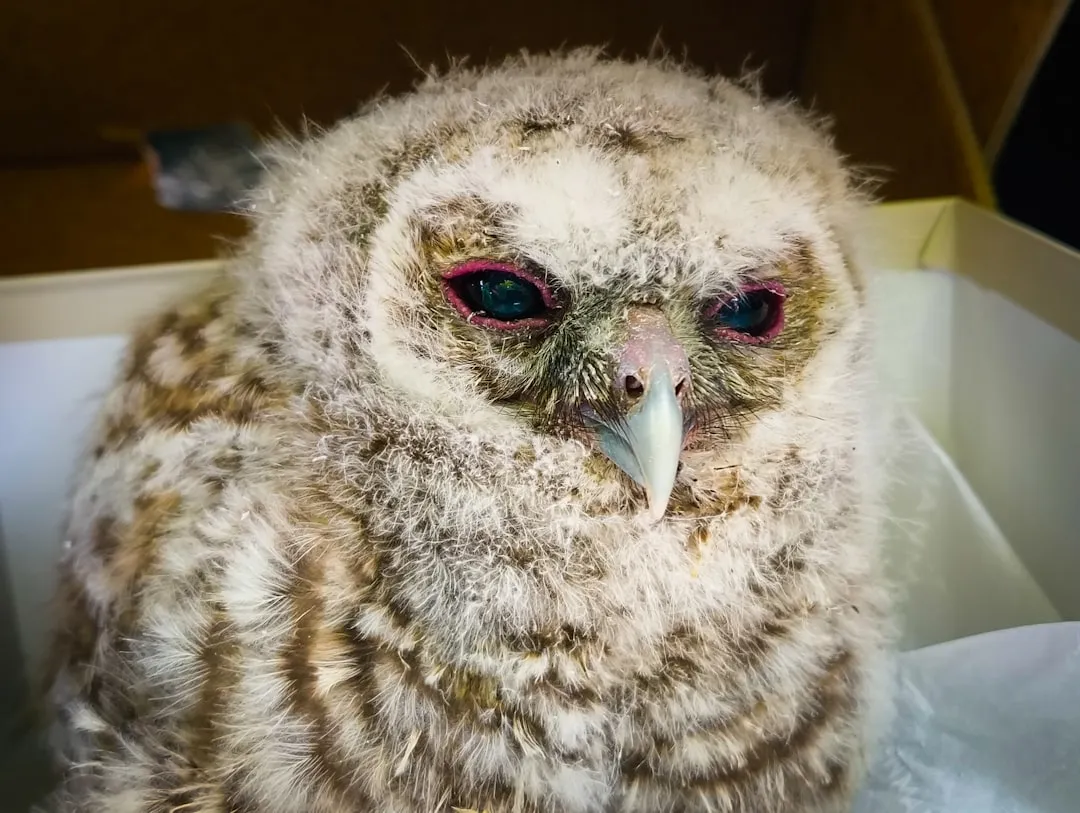
Owls can hear ultrasonic sounds, which are frequencies above the range of human hearing. This capability allows them to detect the high-pitched vocalizations of rodents and other small mammals, even when these sounds are inaudible to us.
By tuning into these ultrasonic frequencies, owls can locate and track prey with remarkable precision, enhancing their hunting efficiency.
6. Polarized Light Patterns
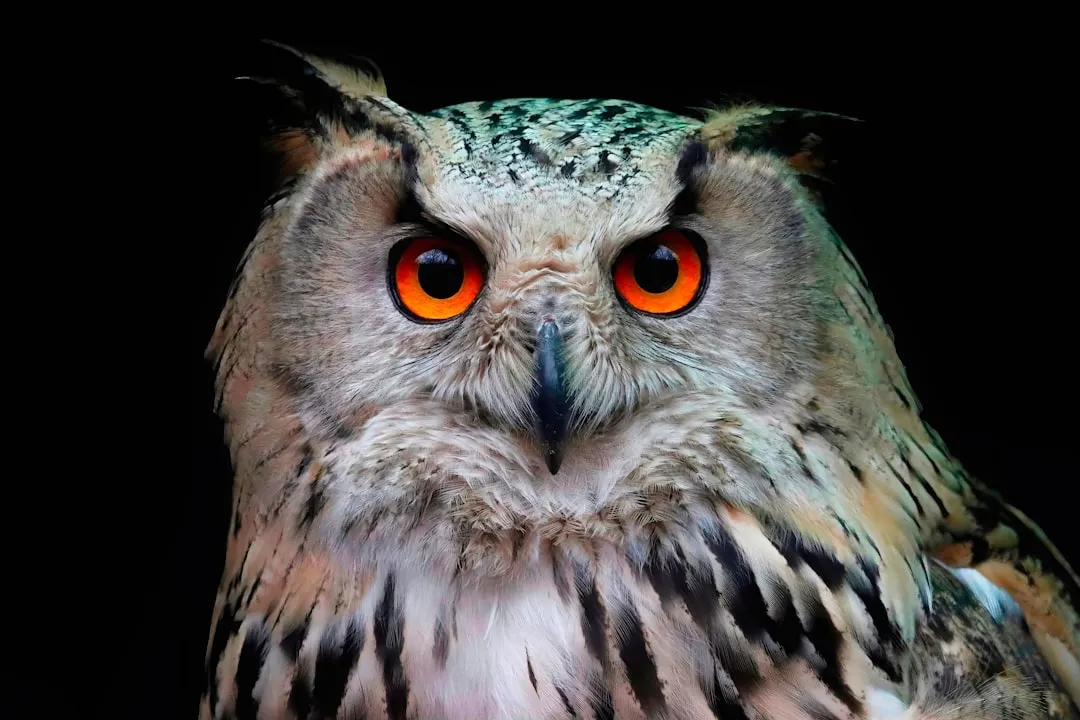
Owls can perceive polarized light patterns, which are invisible to the human eye. This ability aids them in navigation, especially during twilight hours when the sun’s position is less discernible.
By detecting these light patterns, owls can orient themselves accurately, ensuring they can return to their nests or hunting grounds without error.
7. Magnetic Fields for Navigation

Some owl species are believed to sense the Earth’s magnetic fields, providing them with an internal compass for navigation. This geomagnetic sensitivity allows them to undertake long-distance migrations or locate specific territories with unerring accuracy.
This innate GPS system ensures that owls can traverse vast landscapes and return to precise locations, a feat that remains beyond human capability without technological assistance.
8. Chemical Signals in the Environment
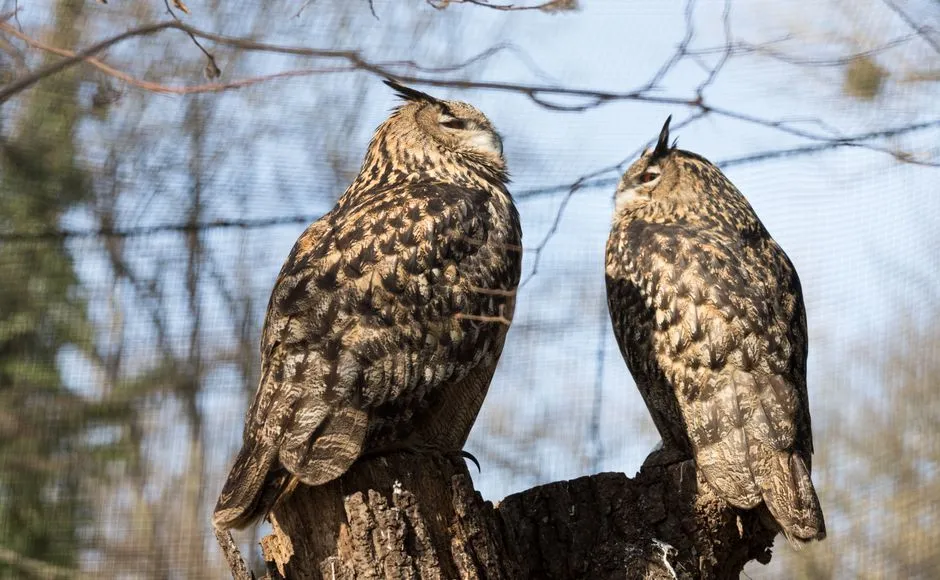
Owls can detect chemical signals, such as pheromones released by potential mates or territorial markers left by other animals. This olfactory sensitivity plays a crucial role in their reproductive behaviors and territorial disputes.
By interpreting these chemical cues, owls can make informed decisions about mating opportunities and territory establishment, ensuring their survival and reproductive success.
9. Subsonic Vibrations

Owls are sensitive to subsonic vibrations, which are low-frequency sounds below the range of human hearing. These vibrations can indicate the movement of large animals or environmental disturbances, allowing owls to remain aware of potential threats or opportunities in their vicinity.
This heightened sensitivity ensures that owls can respond promptly to changes in their environment, maintaining their position as apex nocturnal predators.
10. Ultraviolet Light Detection
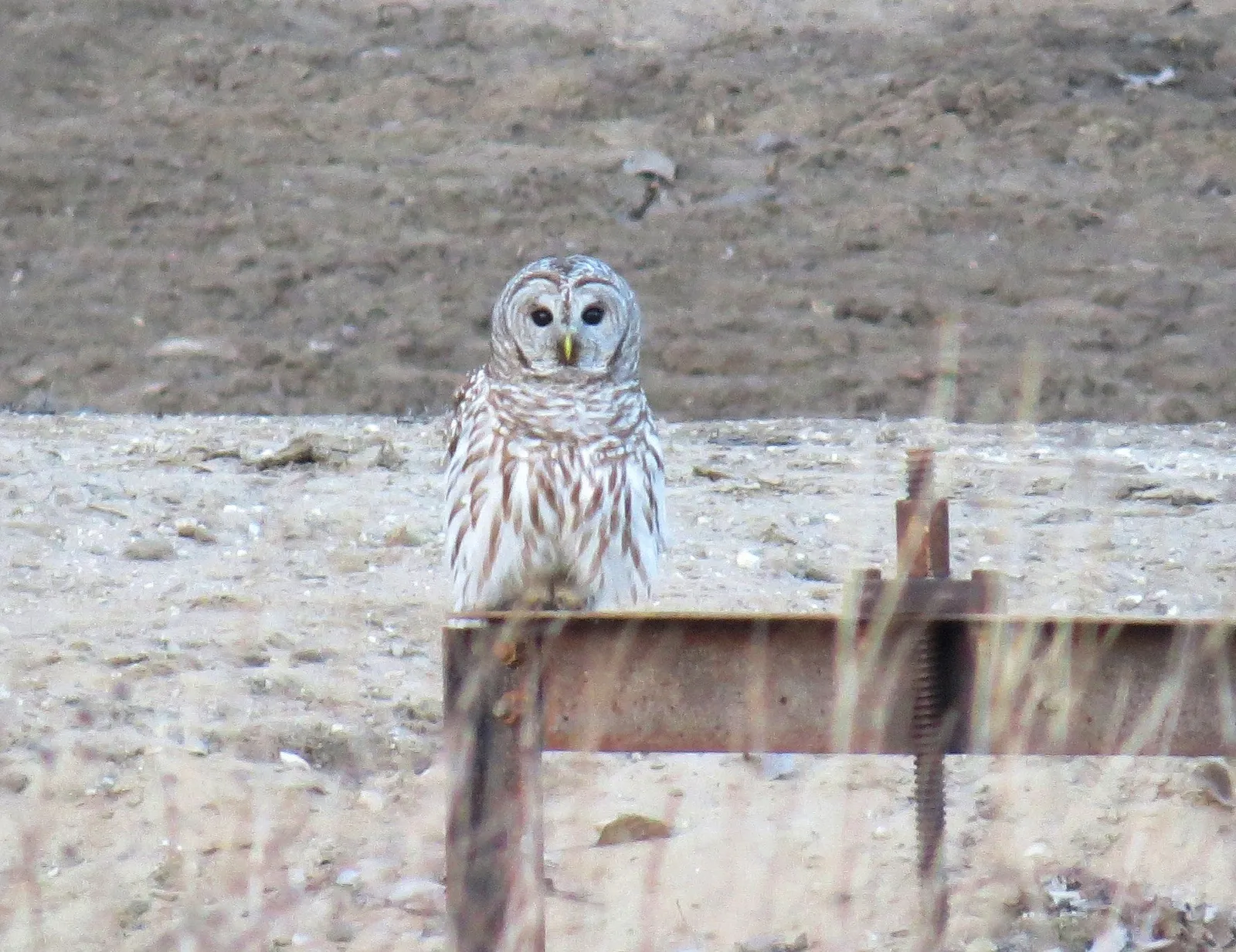
Owls can see ultraviolet (UV) light, a spectrum invisible to humans. This ability allows them to detect urine trails left by rodents, which reflect UV light, effectively illuminating the paths of their prey.
By following these glowing trails, owls can locate and capture prey more efficiently, even in complex terrains where visual tracking would be challenging.
11. Minute Temperature Fluctuations
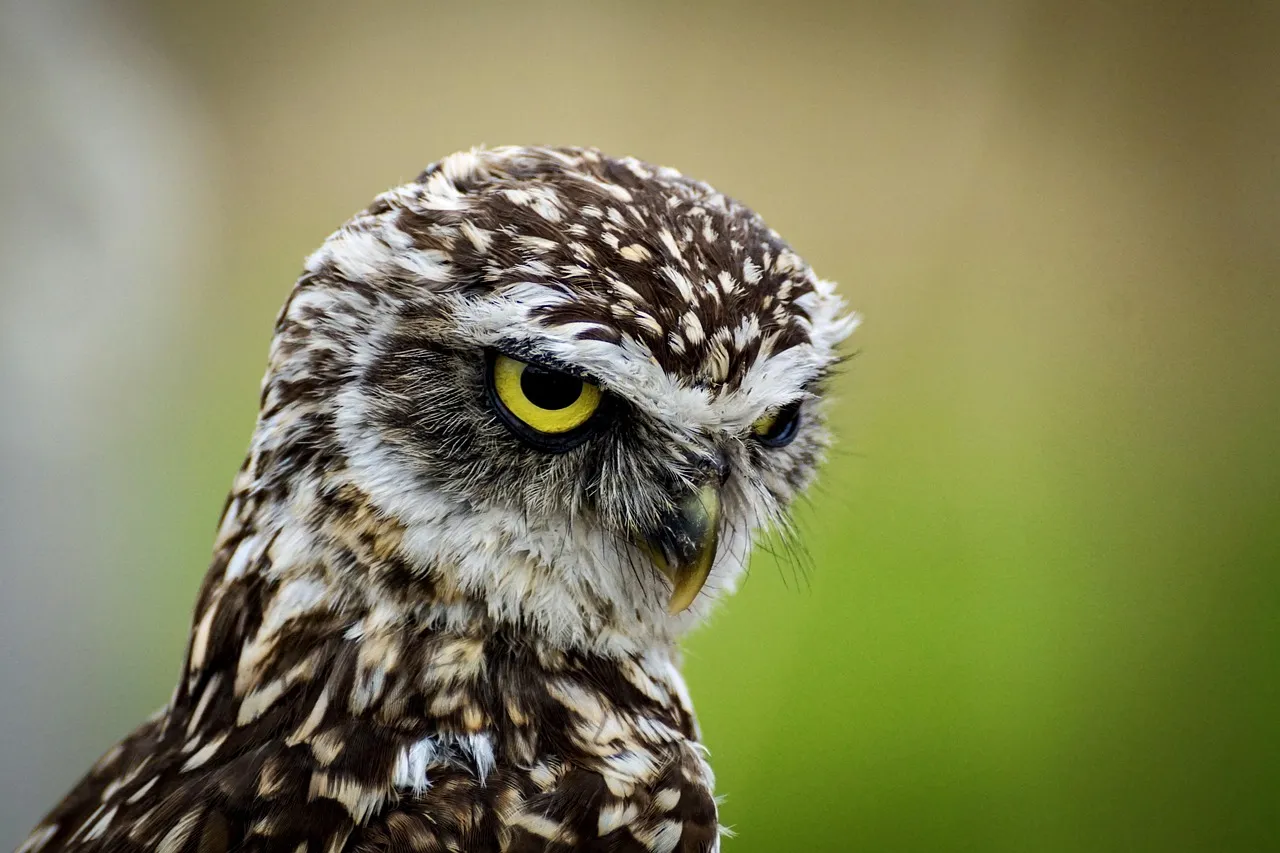
Owls can perceive slight temperature fluctuations in their environment, which can indicate the presence of warm-blooded prey nearby. This thermal sensitivity allows them to detect and home in on prey based on body heat differences.
This adaptation ensures that owls can hunt effectively, even when visual and auditory cues are limited or obscured.
12. Electromagnetic Field Changes
Some research suggests that owls may be sensitive to changes in electromagnetic fields, which can occur before seismic events or during geomagnetic storms. This sensitivity could provide them with an early warning system for natural disasters, allowing them to seek shelter or adjust their behavior accordingly.
While this area of study is still emerging, it highlights the potential for owls to detect environmental changes long before humans are aware of them.
In conclusion, owls possess a suite of extraordinary sensory adaptations that allow them to perceive a world beyond human capabilities. From detecting infrared radiation to sensing magnetic fields, these nocturnal hunters are attuned to a myriad of environmental cues that remain hidden from us. Their abilities not only underscore the marvels of evolution but also remind us of the vast and intricate tapestry of life that exists beyond our limited senses. Isn’t it humbling to realize how much more there is to perceive in the world around us?
