
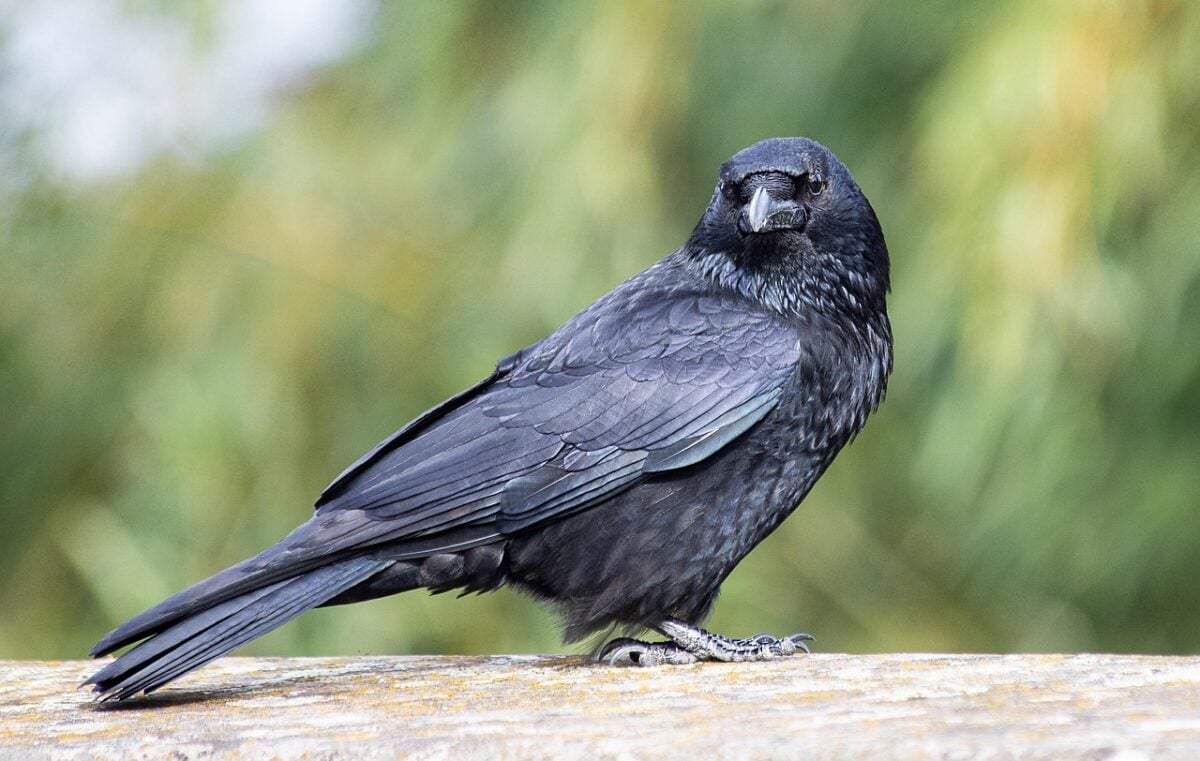
Crows, those enigmatic black-feathered denizens of our skies, have long fascinated humans with their intelligence and complex behaviors. Recent studies have unveiled a particularly intriguing aspect of their cognitive abilities: crows remember dangerous places long after the threat has disappeared. This remarkable memory not only highlights their survival instincts but also offers a glimpse into the sophisticated workings of their minds.
The Experiment That Unveiled Crow Memory
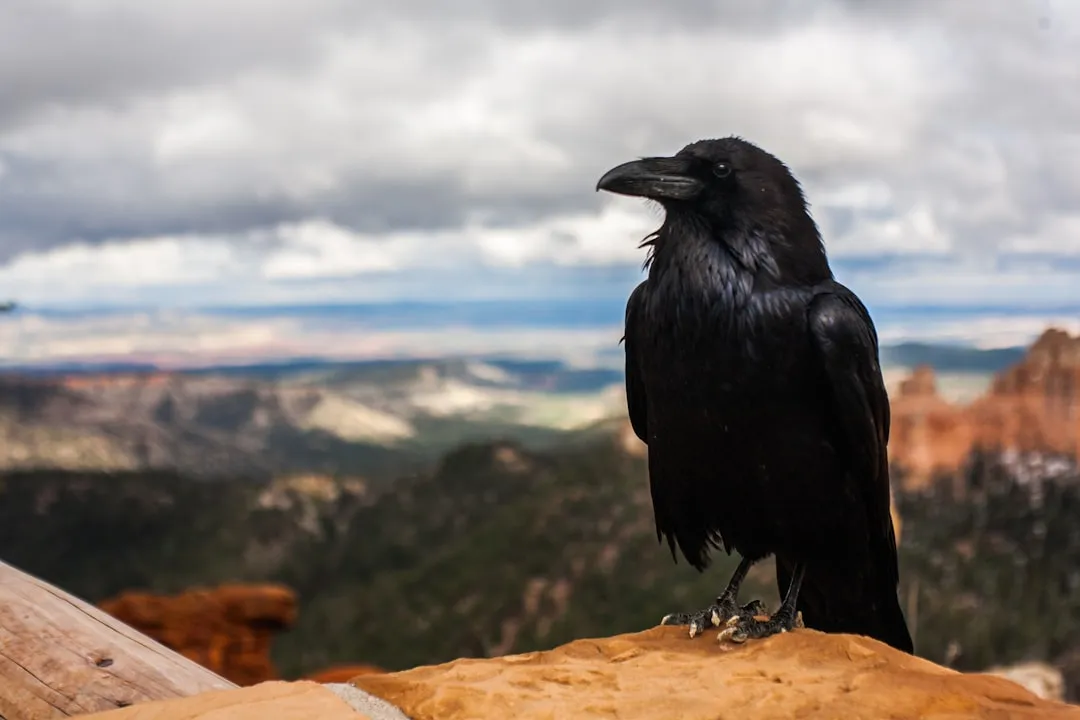
In a groundbreaking study conducted by researchers at the University of Washington, scientists sought to understand how crows perceive and remember human threats. They donned unique masks while capturing and banding crows, creating a negative association with that specific facial appearance. Subsequent observations revealed that crows would scold and mob individuals wearing the “dangerous” mask, even years after the initial encounter. This behavior persisted despite the absence of any immediate threat, indicating a long-term memory of the associated danger.
The crows’ reactions were not limited to the original captors. Even when different individuals wore the same mask, the birds responded with alarm calls and aggressive behaviors. This demonstrated that crows can generalize their memory of a threat to specific visual cues, such as facial features, rather than associating danger with a particular individual.
Social Transmission of Threat Information
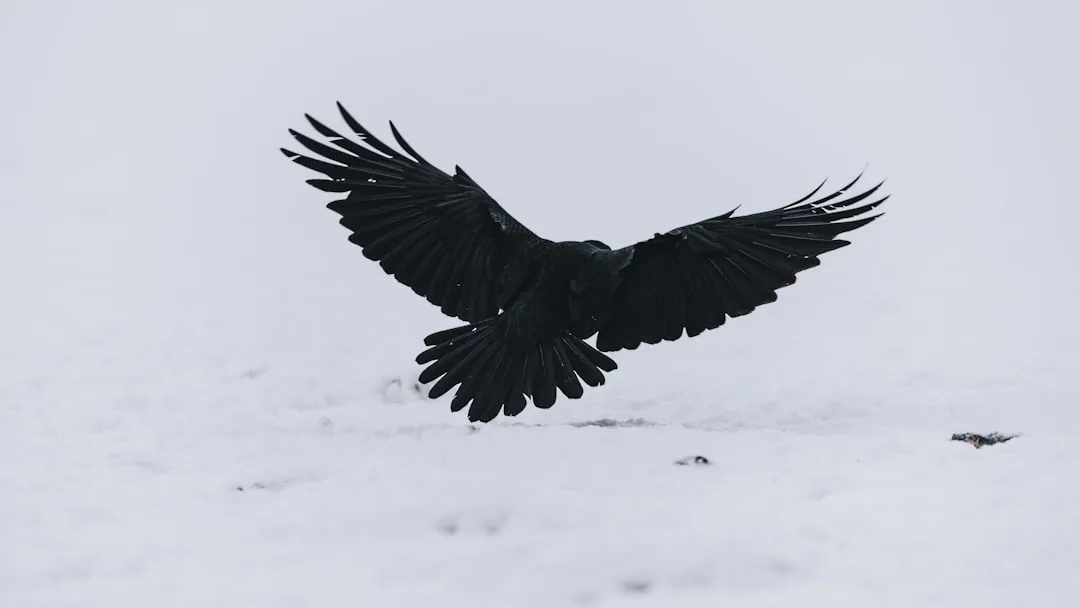
Crows are not solitary learners; they share information about threats within their communities. Observations showed that crows who had never encountered the “dangerous” mask firsthand would still react aggressively upon seeing it. This suggests that crows communicate and pass on knowledge about potential dangers to their peers and offspring, ensuring the safety of the group.
This social learning mechanism means that a single negative experience can influence the behavior of an entire flock. Young crows learn from the reactions of older, more experienced birds, creating a culture of awareness and caution that can persist across generations.
Neurological Basis of Memory Retention
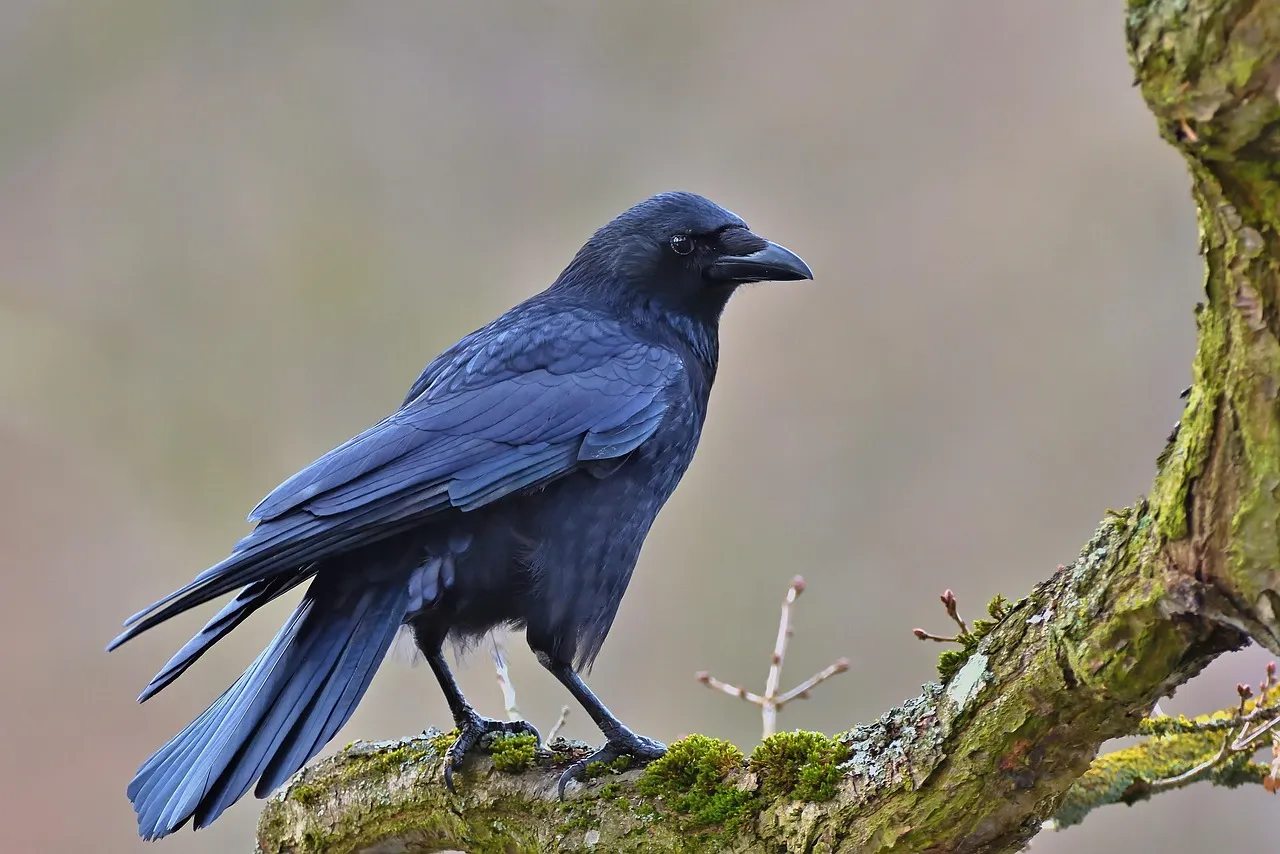
The crows’ ability to remember and react to threats is rooted in their complex brain structures. Studies have shown that when crows perceive a threatening face, specific regions of their brains associated with perception, attention, and fear are activated. This neural response is similar to how humans process and store memories of negative experiences, highlighting a convergent evolution of cognitive functions.
The activation of these brain regions suggests that crows not only recognize threats but also experience a form of emotional response, reinforcing the memory and ensuring a swift reaction to similar dangers in the future.
Implications for Human-Crow Interactions
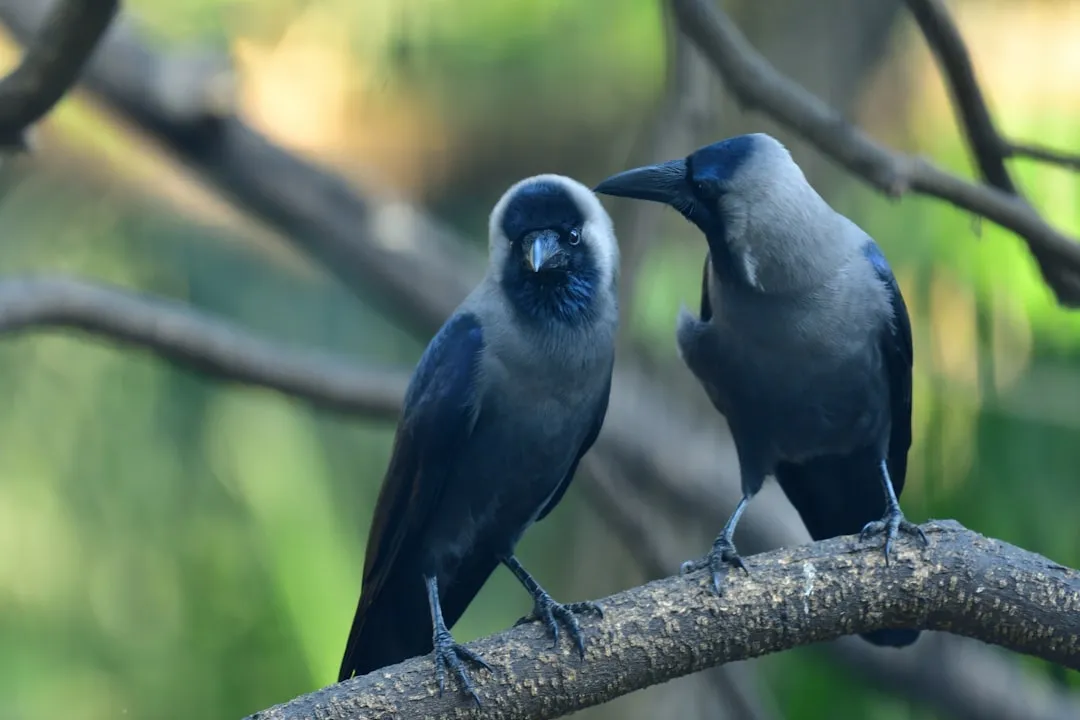
Understanding that crows remember and react to perceived threats has significant implications for how humans interact with them. Negative encounters, even if unintentional, can lead to long-term aversion and aggressive behaviors from crows. Conversely, positive interactions can foster trust and even lead to crows bringing gifts to humans they associate with kindness.
This knowledge encourages a more mindful approach to coexisting with crows. By respecting their space and avoiding actions that could be perceived as threats, humans can cultivate a harmonious relationship with these intelligent birds.
Comparative Cognition: Crows and Other Animals
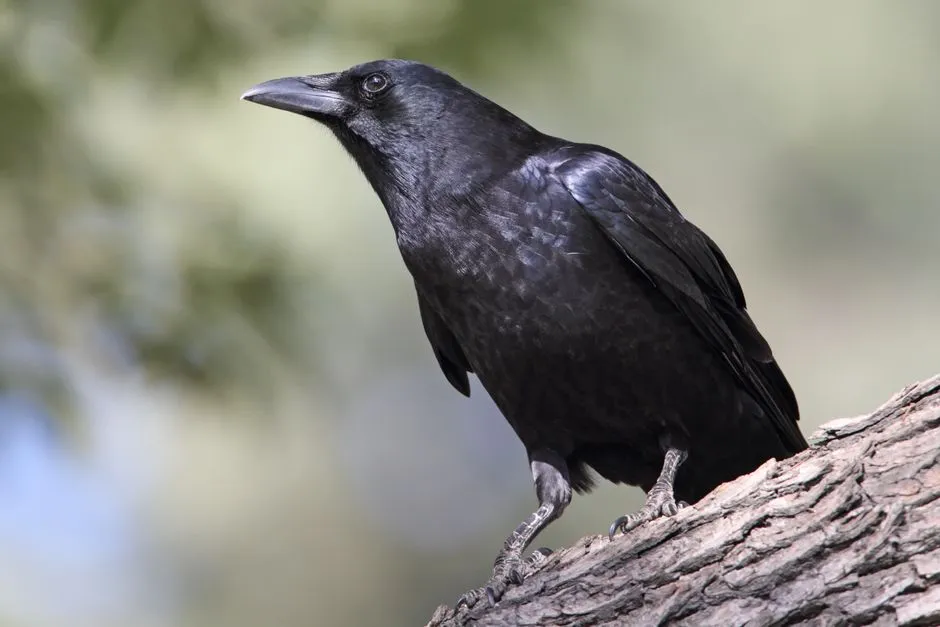
The cognitive abilities of crows are often compared to those of primates due to their problem-solving skills and memory retention. However, their capacity to remember specific threats and communicate this information socially sets them apart from many other species. This places crows among the elite group of animals with advanced cognitive functions, challenging our understanding of avian intelligence.
Such comparisons underscore the importance of studying crows to gain insights into the evolution of intelligence and social behaviors across different species.
Conservation and Ethical Considerations
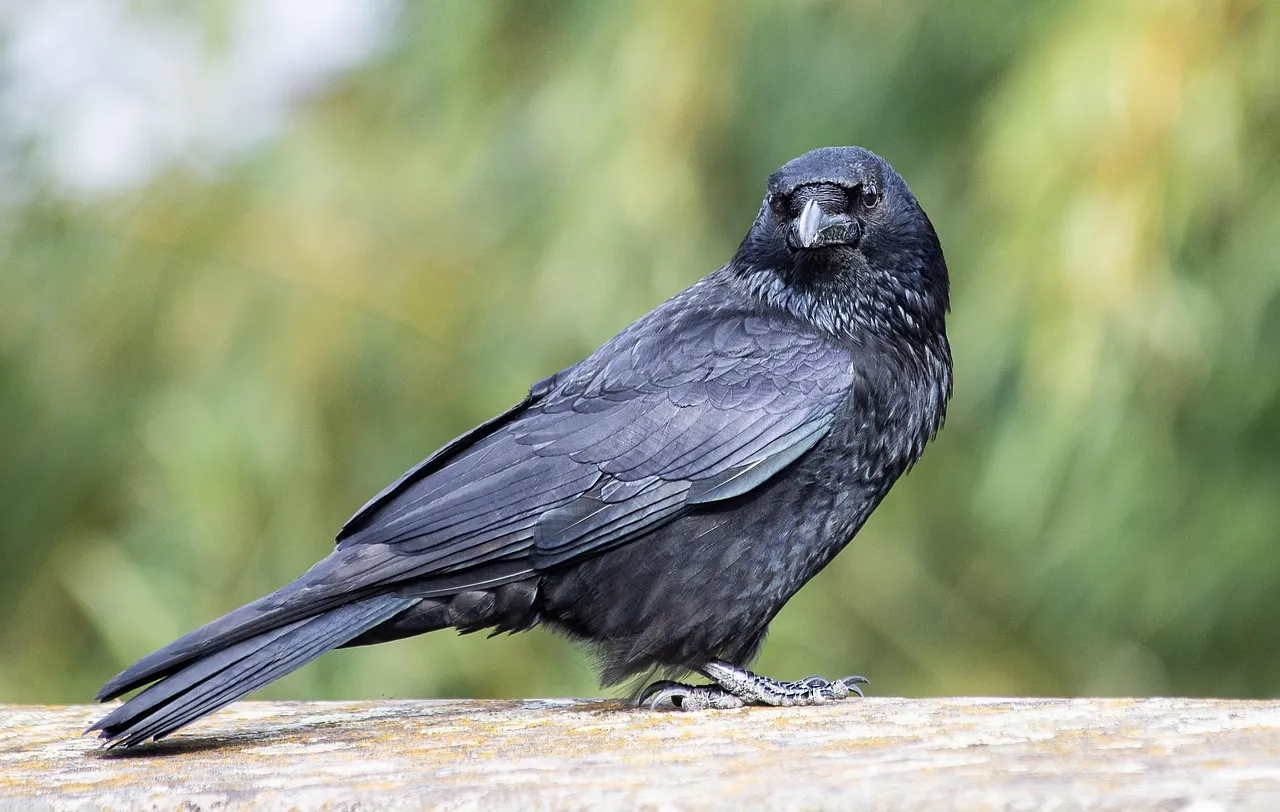
Recognizing the advanced cognitive abilities of crows also brings ethical considerations to the forefront. As sentient beings capable of memory and social learning, crows deserve a level of respect and protection. Conservation efforts should take into account their intelligence and complex social structures to ensure their well-being in both urban and natural environments.
This perspective advocates for policies that protect crows from unnecessary harm and promote coexistence, reflecting a broader understanding of their role in ecosystems and their intrinsic value as intelligent creatures.
Conclusion
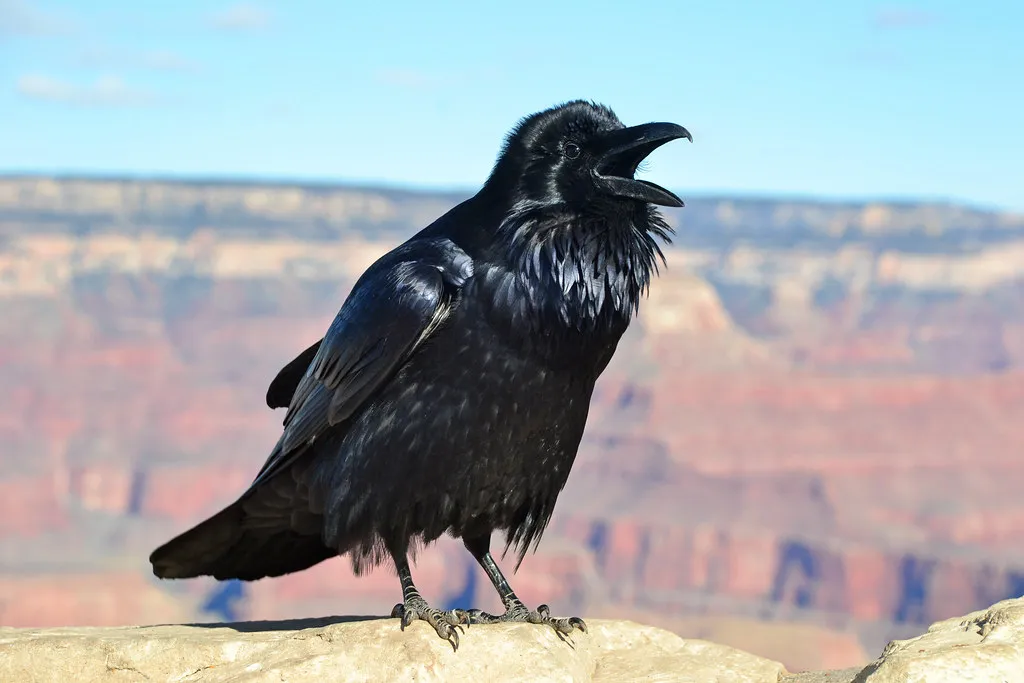
The revelation that crows remember dangerous places long after the threat has disappeared is a testament to their remarkable intelligence and adaptability. Their ability to recognize, remember, and communicate threats underscores the complexity of their cognitive and social behaviors. As we continue to uncover the depths of avian intelligence, perhaps it’s time to reconsider our perceptions of these black-feathered sentinels. Could it be that the line between human and animal cognition is thinner than we once thought?

- Crows remember dangerous places long after the threat has disappeared. - July 16, 2026
- 7 US States With the Most Arctic Foxes - July 16, 2026
- Psychology Says When a Dog Won't Leave the Spot Where Its Owner Died It Isn't Confused or Simply Waiting – It Is Running a Scent Memory and an Absence Detection System That the Brain Has No Protocol to Resolve - July 16, 2026