
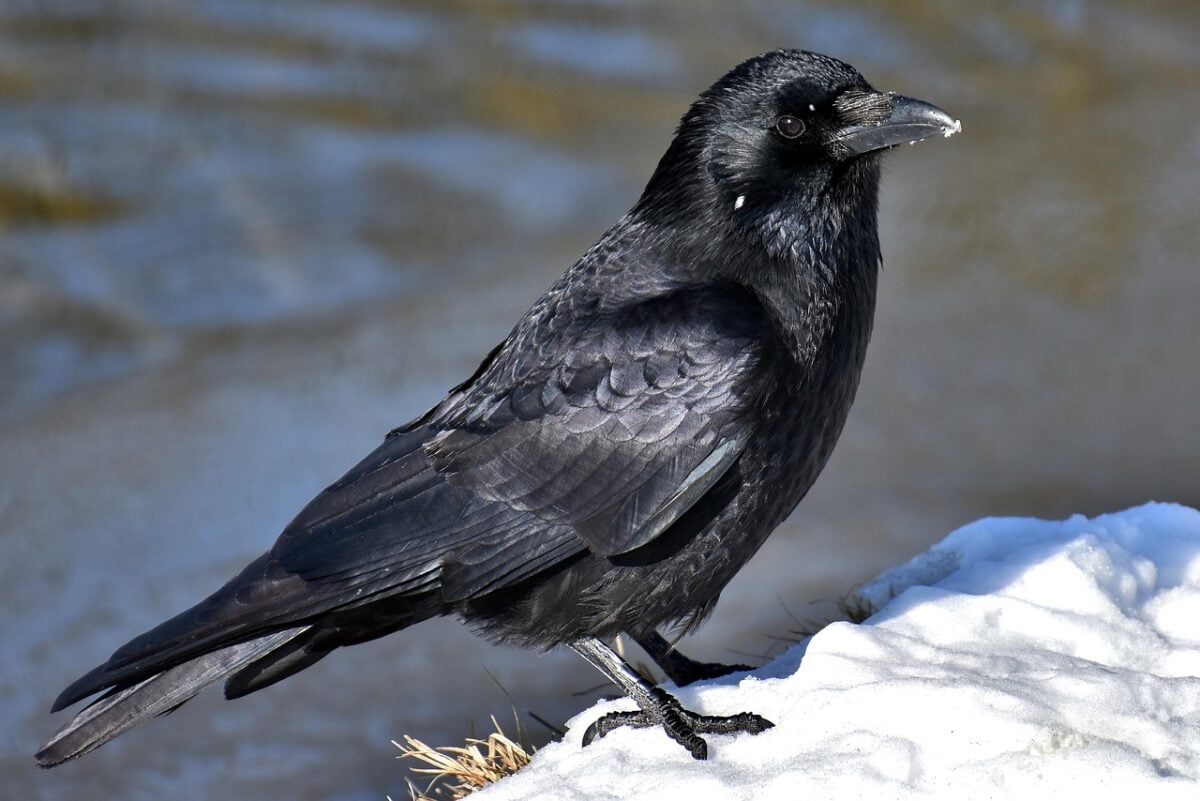
Ravens, those enigmatic black-feathered birds often associated with mystery and folklore, possess a cognitive prowess that continues to astonish scientists. Recent research has unveiled that these birds can remember individual human faces for years after a single encounter. This remarkable ability not only highlights their advanced memory but also sheds light on the intricate social dynamics of the avian world.
Unveiling the Memory Mastery of Ravens
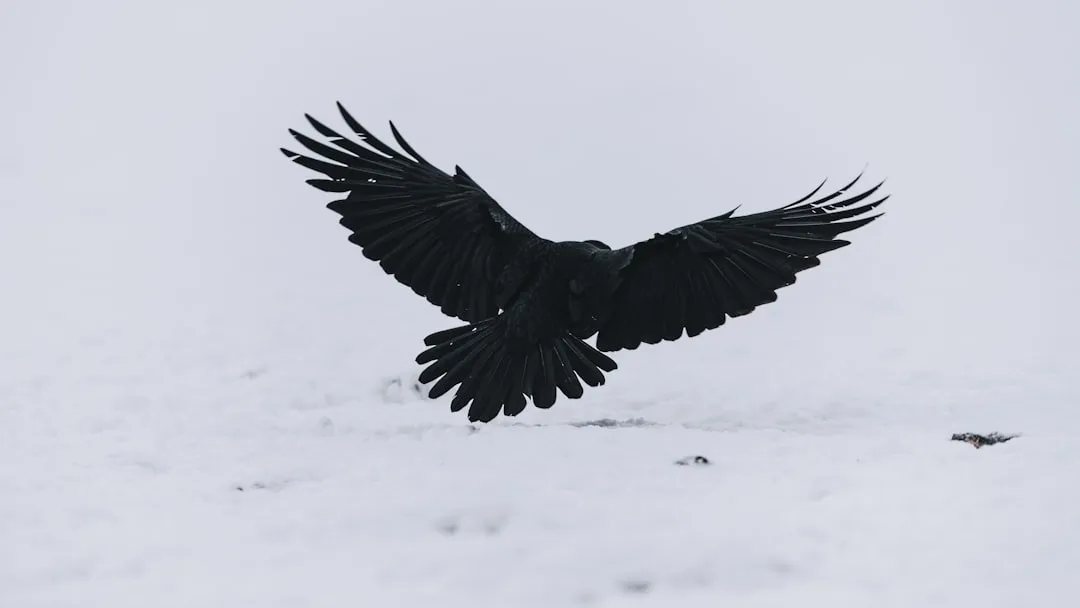
Imagine crossing paths with a raven just once, only to have it recall your face years later. Studies have demonstrated that ravens can remember specific human faces associated with positive or negative experiences. This long-term memory enables them to adjust their behavior accordingly, showcasing a level of intelligence that rivals some mammals.
In one study, researchers observed that ravens responded differently to calls from former “friends” and “foes,” even after three years of separation. This suggests that their memory isn’t just about recognition but also about the nature of past interactions. Such findings challenge our understanding of avian cognition and memory retention.
The Science Behind Facial Recognition in Ravens
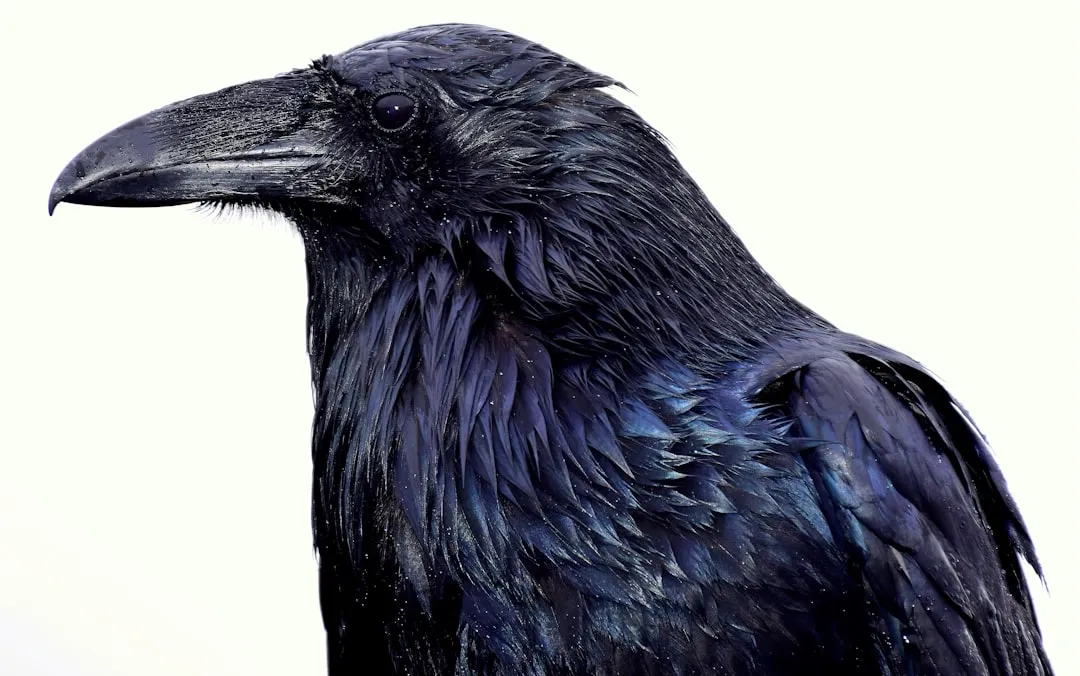
Delving into the neurological aspects, researchers have found that when ravens perceive human faces, specific brain regions associated with perception, attention, and fear are activated. This neural response indicates a sophisticated processing system that allows them to distinguish and remember individual humans. It’s a testament to the complexity of their cognitive functions and their ability to integrate visual stimuli with emotional responses.
Moreover, this facial recognition isn’t just a passive trait. Ravens actively use this ability to navigate their social environment, deciding whom to trust or avoid based on past experiences. This adaptability underscores their survival strategies in diverse habitats.
Ravens’ Social Learning and Information Sharing
Beyond individual memory, ravens exhibit a fascinating behavior: they share information about humans within their social groups. If one raven identifies a person as a threat, it communicates this to others, leading to a collective response. This social learning ensures that even ravens who haven’t directly encountered a particular human can recognize and react appropriately.
Such communal knowledge sharing is rare in the animal kingdom and highlights the complex social structures of ravens. It also emphasizes the importance of individual experiences in shaping group behavior and decision-making processes.
Implications for Human-Raven Interactions
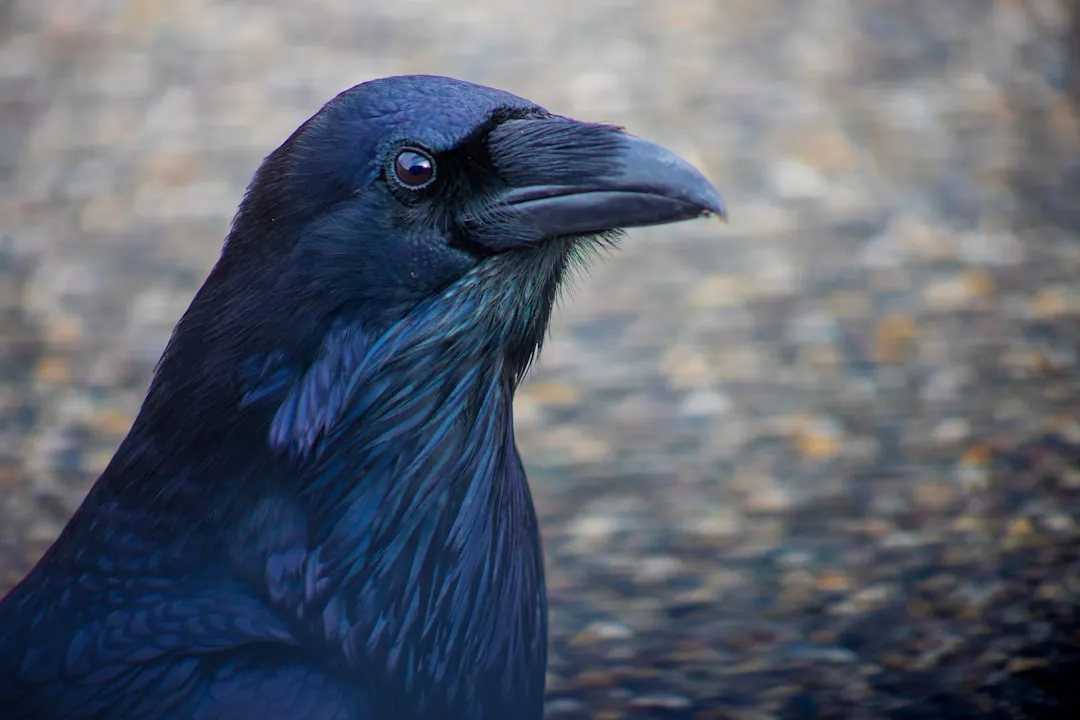
For those who interact with ravens, understanding their memory capabilities is crucial. A single negative encounter can lead to long-term avoidance or even aggressive behavior from these birds. Conversely, positive interactions can foster trust and curiosity. This knowledge encourages humans to approach ravens with respect and awareness, fostering harmonious coexistence.
Furthermore, recognizing the depth of raven intelligence can inspire conservation efforts. By appreciating their cognitive abilities, we can advocate for environments that support their natural behaviors and habitats.
Comparing Raven Intelligence to Other Species
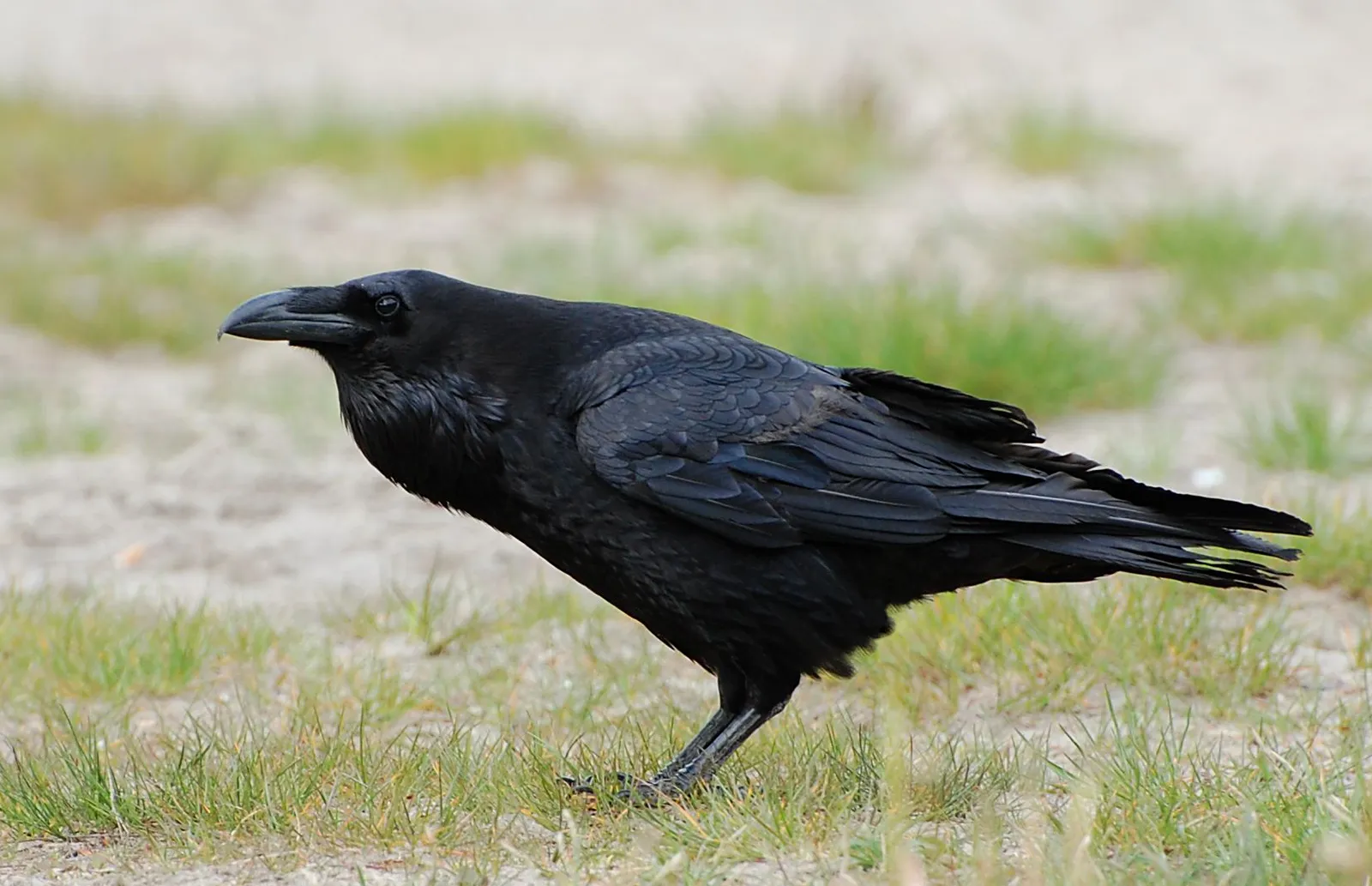
When juxtaposed with other animals, ravens’ memory and recognition skills are particularly impressive. While many species can remember individuals of their kind, the ability to recall human faces after a single encounter sets ravens apart. This places them alongside certain primates and elephants known for their advanced cognitive functions.
Such comparisons not only highlight the intelligence of ravens but also prompt a reevaluation of avian cognition as a whole. It challenges the traditional mammal-centric view of intelligence and opens avenues for further research into bird brains.
The Evolutionary Advantage of Facial Recognition
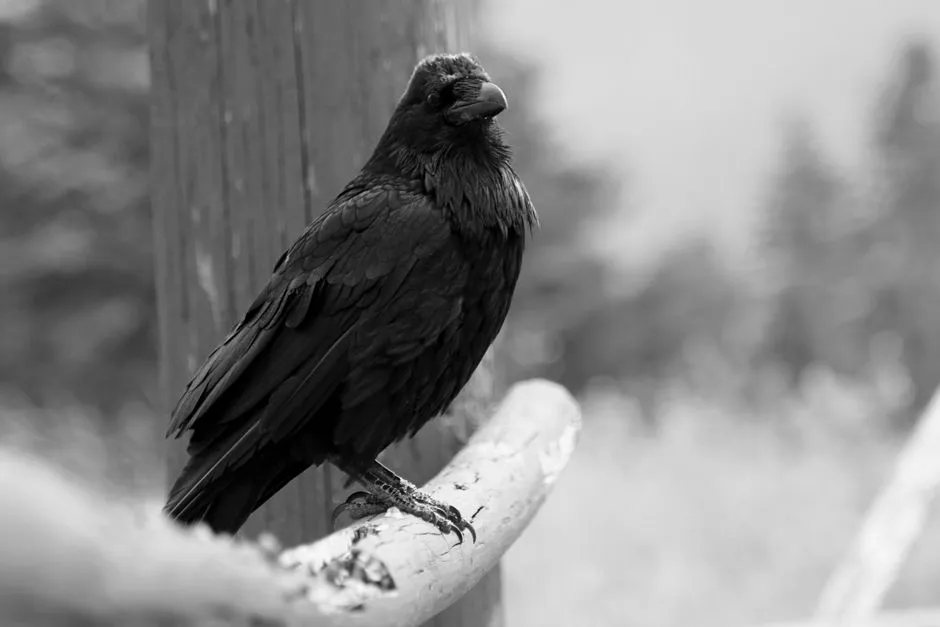
From an evolutionary perspective, the ability to recognize and remember human faces offers ravens a significant survival advantage. By recalling which humans pose threats and which are benign, they can make informed decisions about where to forage, nest, and interact. This adaptability has likely contributed to their success in various environments, from dense forests to urban landscapes.
Moreover, this trait underscores the dynamic relationship between humans and wildlife. As human activities increasingly encroach upon natural habitats, animals like ravens adapt by developing skills that enhance their survival in changing landscapes.
Future Research Directions in Avian Cognition
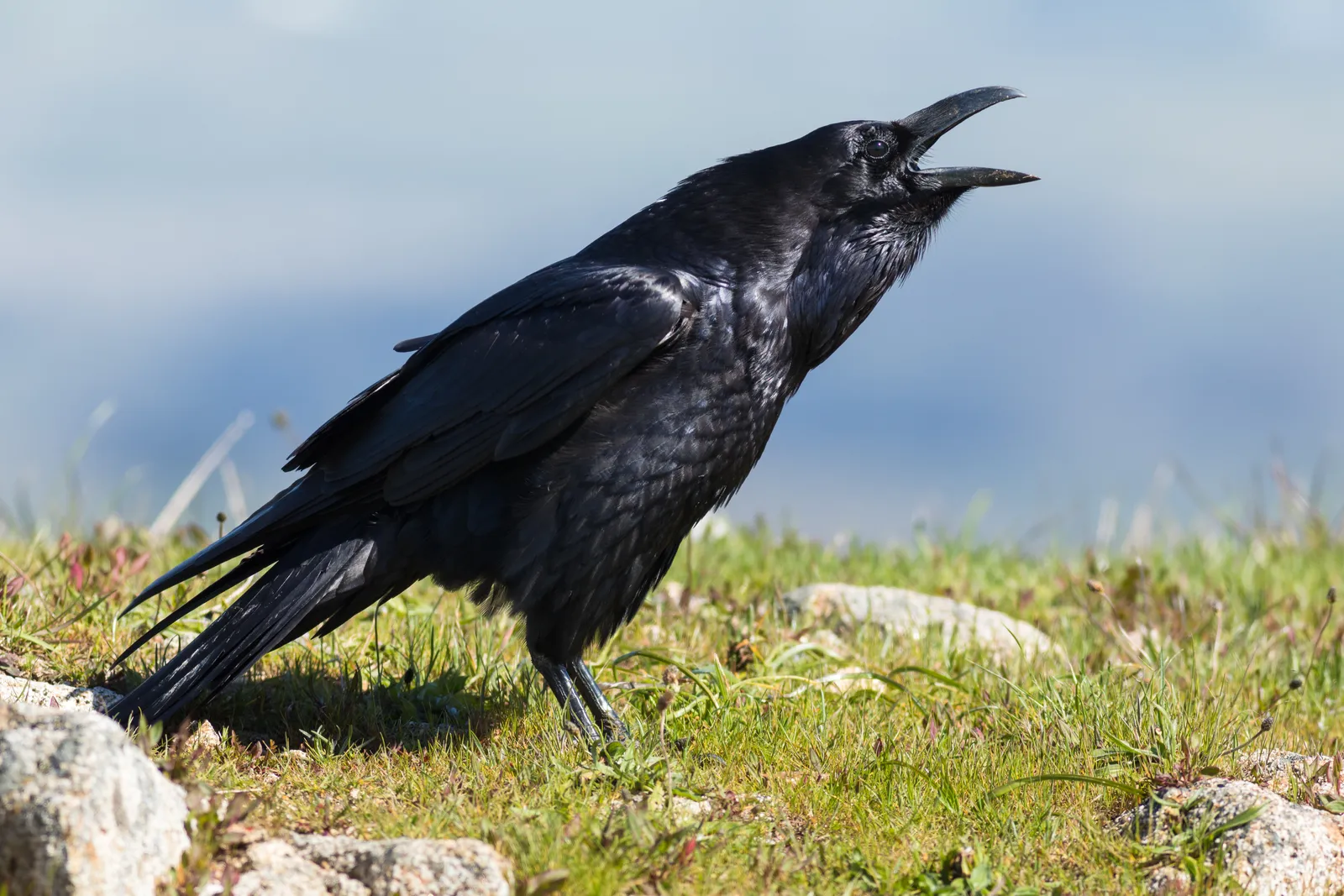
The revelations about ravens’ memory capabilities open the door to numerous research possibilities. Future studies could explore the exact neural mechanisms behind this memory, the potential for similar abilities in other bird species, and the impact of environmental factors on cognitive development. Understanding these aspects can provide deeper insights into the evolution of intelligence across species.
Additionally, such research can inform conservation strategies, ensuring that human activities consider the cognitive needs and behaviors of wildlife, leading to more effective and empathetic conservation efforts.
Conclusion
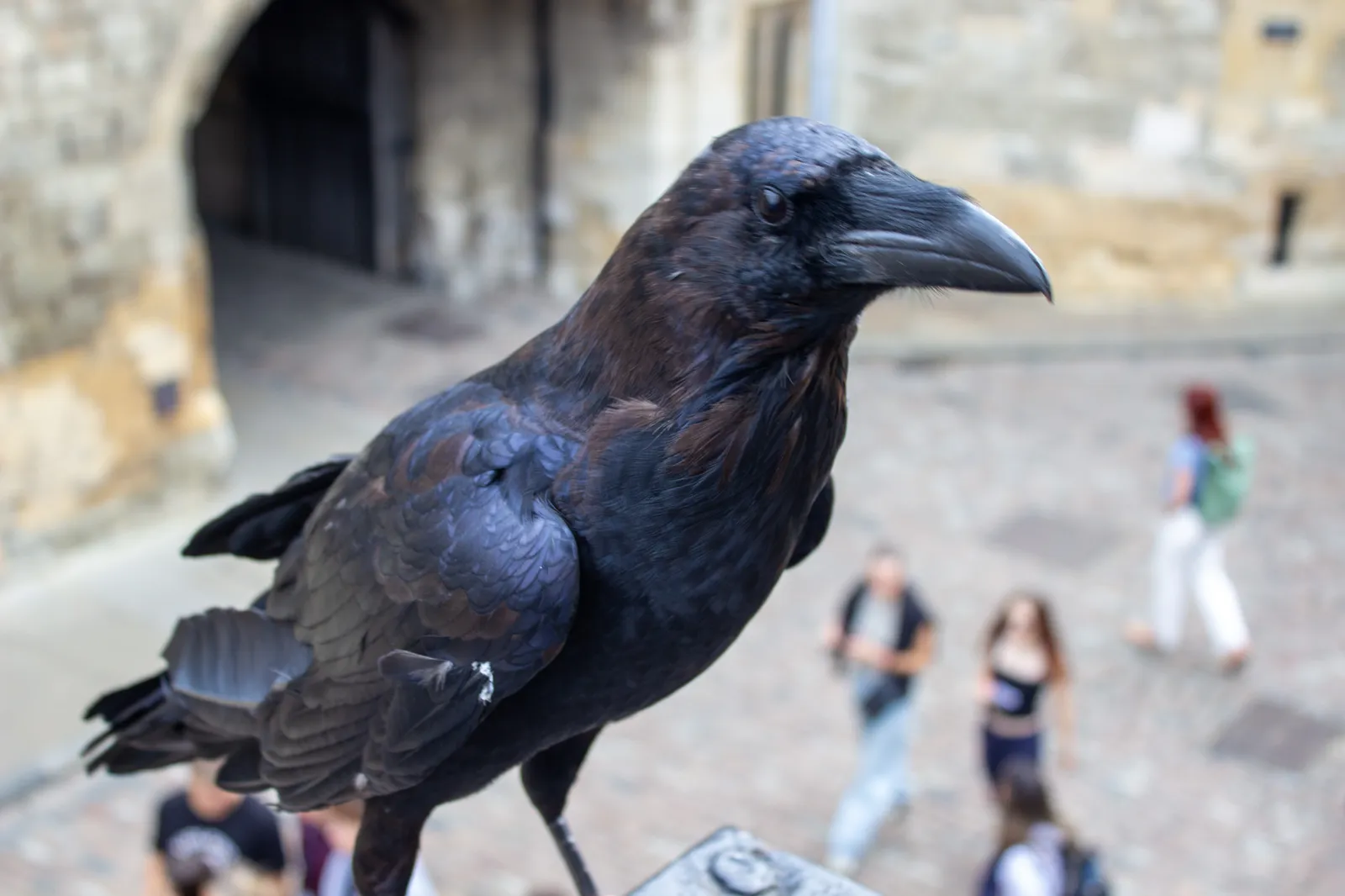
The discovery that ravens can remember individual human faces for years after a single encounter is a profound testament to their intelligence and adaptability. It challenges our perceptions of avian cognition and underscores the intricate relationships between humans and wildlife. As we continue to uncover the depths of animal intelligence, one can’t help but wonder: what other secrets do these feathered geniuses hold?

- 7 US States With the Most Pikas - July 17, 2026
- 6 US States With the Most Javelinas - July 17, 2026
- 8 US States With the Most Armadillos - July 17, 2026