
A landmark study that put elephant empathy to the test
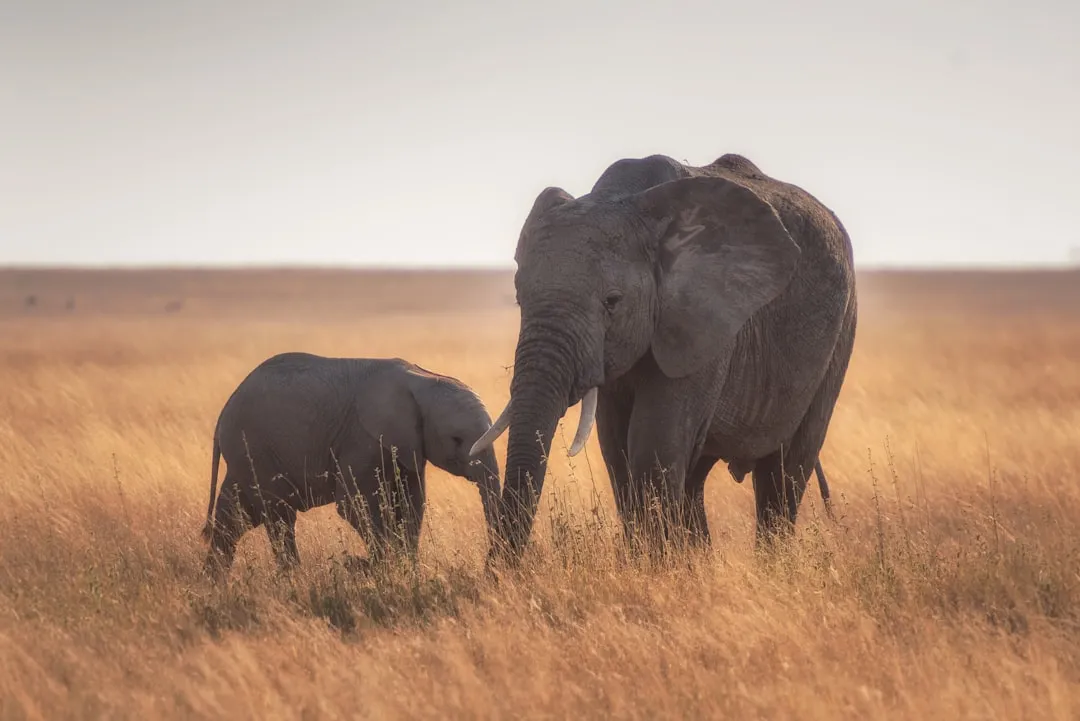
The clearest scientific evidence for elephant consolation comes from a study published in the journal PeerJ in February 2014, led by behavioral ecologist Joshua Plotnik and primatologist Frans de Waal. The study followed the behaviors of 26 elephants between the ages of 3 and 60 years old, living in a sanctuary in northern Thailand. Adult males were left out of the sample, since in the wild, they are not part of the herd.
Rather than waiting around for chance encounters, the researchers introduced controlled triggers to prompt a reaction, sending dogs walking past, placing snakes in the vicinity, and bringing in unfriendly elephants. This approach mattered because, as one behavioral ecologist not involved in the work pointed out, responses to distress in Asian elephants are inherently difficult to assess since researchers have to wait for opportunities to arise spontaneously, and it would not be ethical to intentionally create stressful situations purely as a test. By comparing stressful periods against calm ones over nearly a year of observation, Plotnik and de Waal built a dataset sturdy enough to move the conversation from anecdote to data.
What distress looks like in an elephant herd
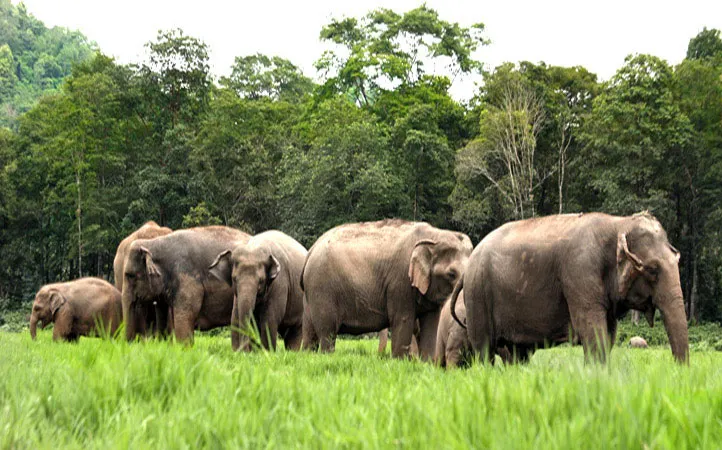
Before consolation can be studied, distress itself has to be recognizable, and elephants are surprisingly expressive once you know the signs. When an elephant gets spooked, its ears go out, its tail stands erect or curls out, and it may emit a low-frequency rumble, trumpet or roar. Bystanders picked up on these signals almost instantly, often before a human observer would have noticed anything was wrong.
The reactions of onlookers frequently mirrored the victim’s own agitation. These bystanders typically reacted the same way, adopting the agitated behavior of the victim, raising their tails, flaring their ears, and sometimes urinating and defecating while chirping. In some of the more dramatic cases, herd members did not just react individually. They also formed a protective circle around the victim, a coordinated response that looks a lot less like coincidence and a lot more like intent.
The trunk as a tool for reassurance
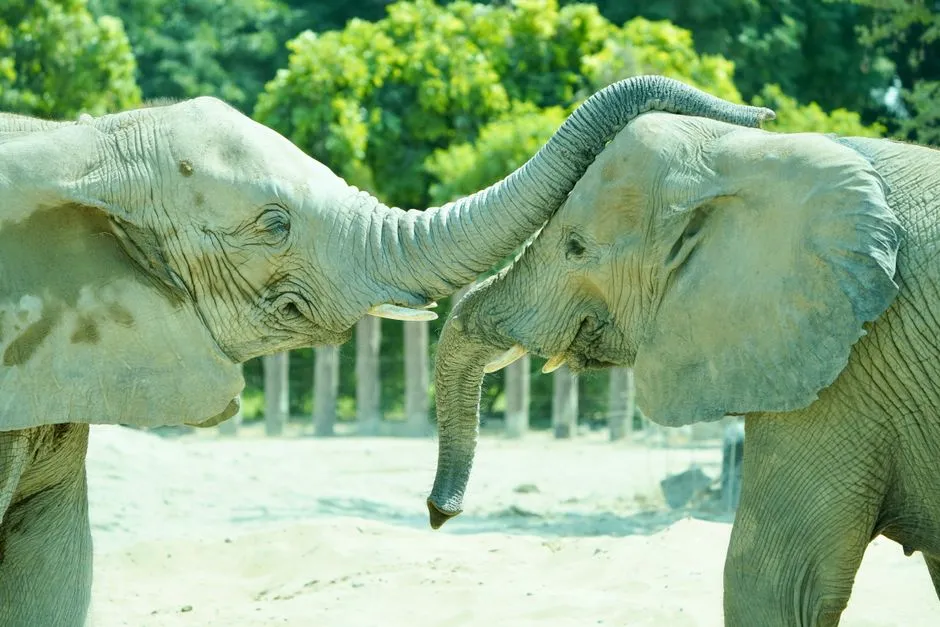
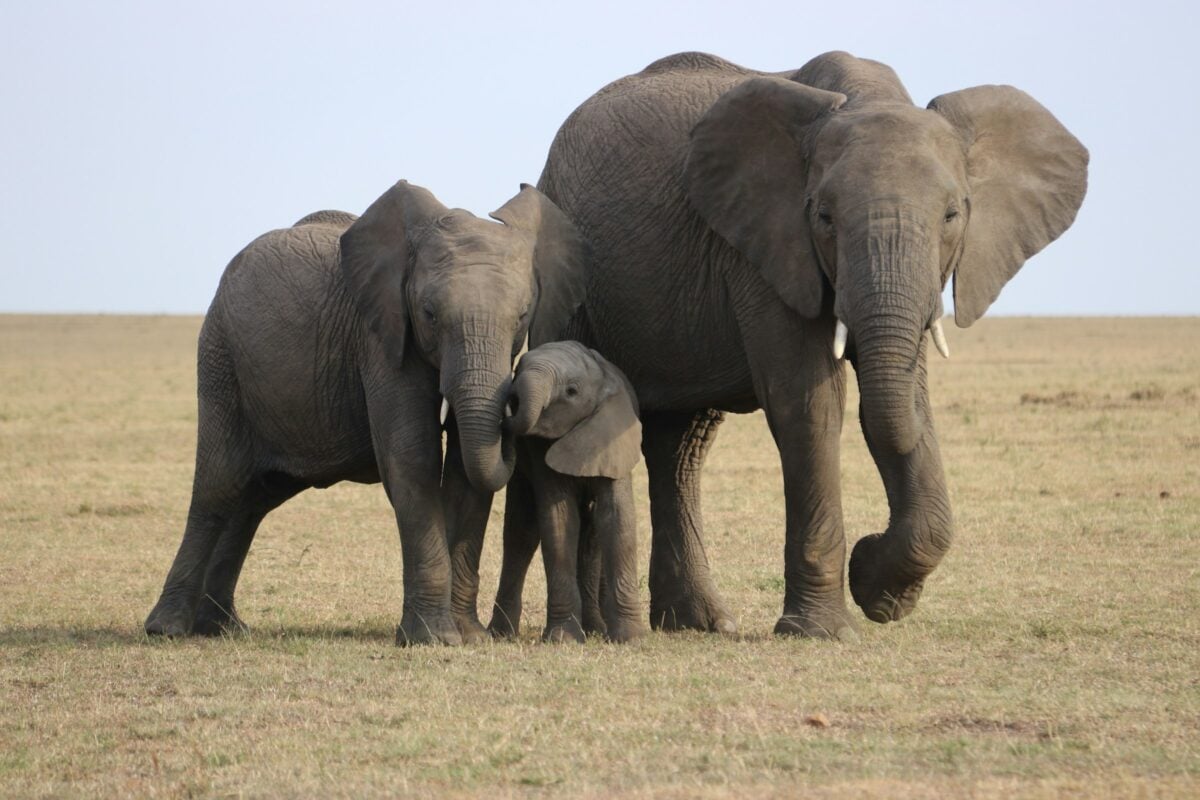
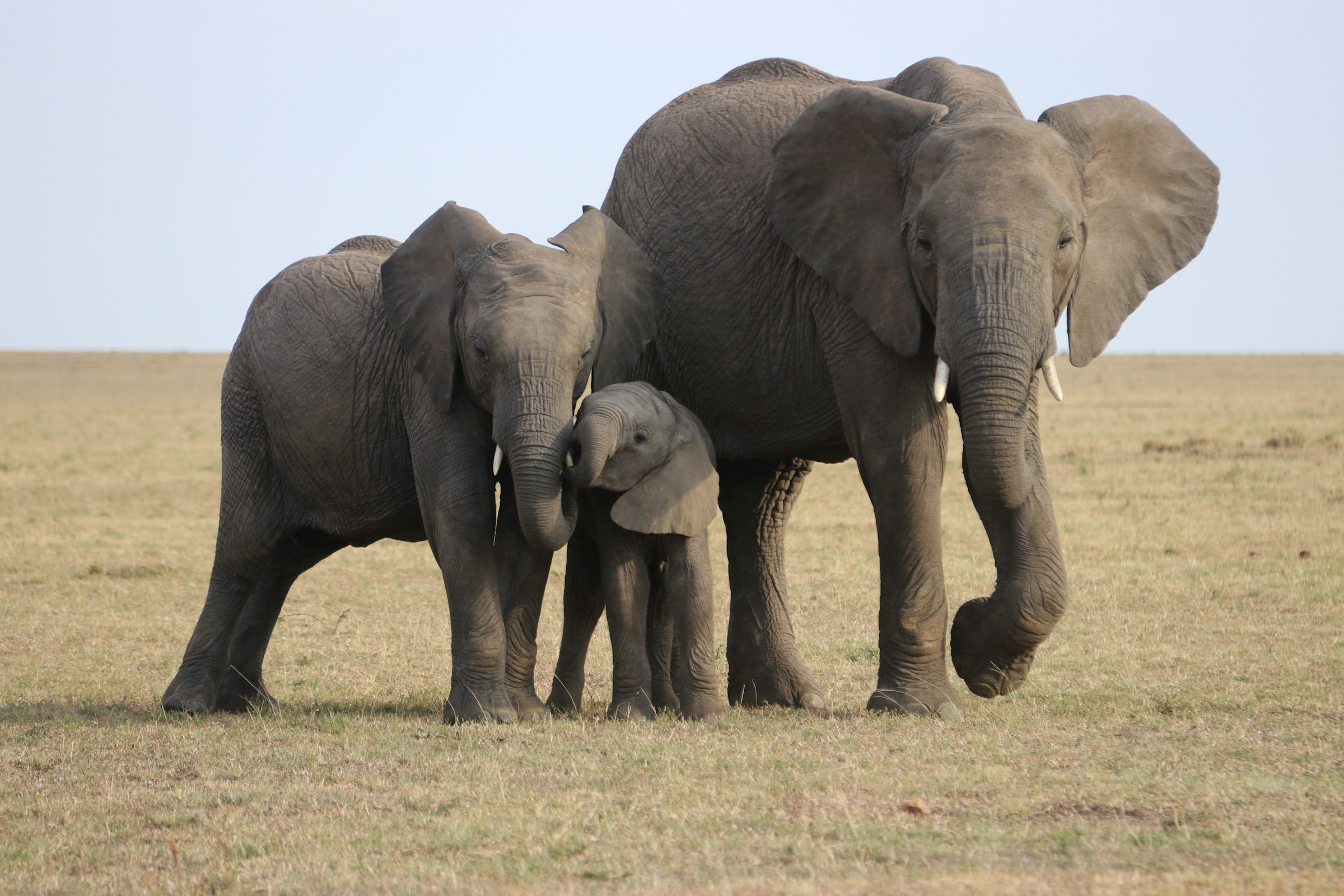
Elephants do not hug the way chimpanzees or humans do, but they have developed their own physical vocabulary for comfort, and the trunk sits at the center of it. Researchers observed that elephants reach out and touch their trunk to the other elephant’s genitals, put their trunks in the other elephant’s mouth, or make a high-pitched noise. It sounds unusual to human ears, but within elephant society these gestures function much like a hand on the shoulder or an arm around a friend.
What stood out to the researchers was not just that this touching happened, but how reliably it happened. The consistency with which elephants responded to a friend in distress was quite remarkable, and rarely did an elephant give a distress call without a response from a friend or group member nearby. That kind of consistency is hard to explain away as random social contact. It points toward something more purposeful, a behavior aimed specifically at easing another animal’s state rather than simply reacting to noise or movement nearby.
Emotional contagion: catching a friend’s fear
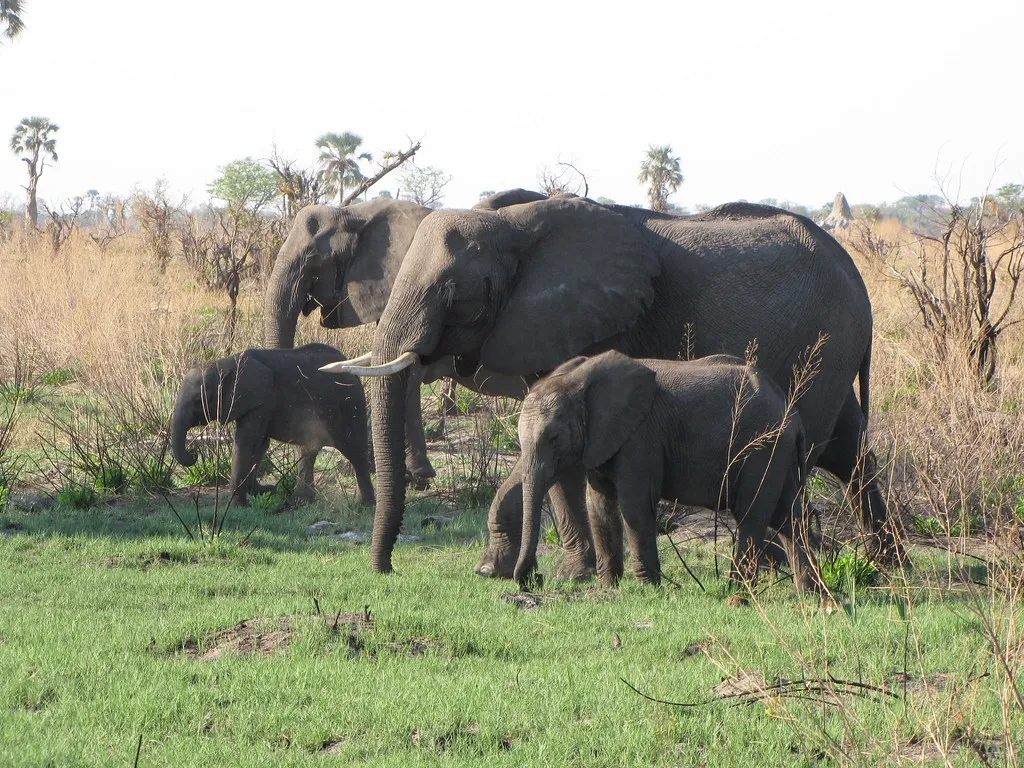
One of the more striking findings had less to do with direct touch and more to do with mood spreading through the group. There was also evidence of emotional contagion, when herd mates matched the behavior and emotional state of the upset individual, meaning that seeing a friend in distress was distressing to the observers themselves. In other words, the fear did not stay contained to the elephant who triggered it.
This matters scientifically because emotional contagion is often treated as a building block for empathy, not a separate phenomenon. Once bystanders had absorbed some of that unease, they frequently turned to comforting each other as well. Those animals also consoled one another, which suggests the response was not narrowly targeted at the original victim but rippled outward through the group’s social fabric. It is a small detail, but it reshapes how you think about herd dynamics during a crisis.
Vocal signals of comfort, chirps and rumbles
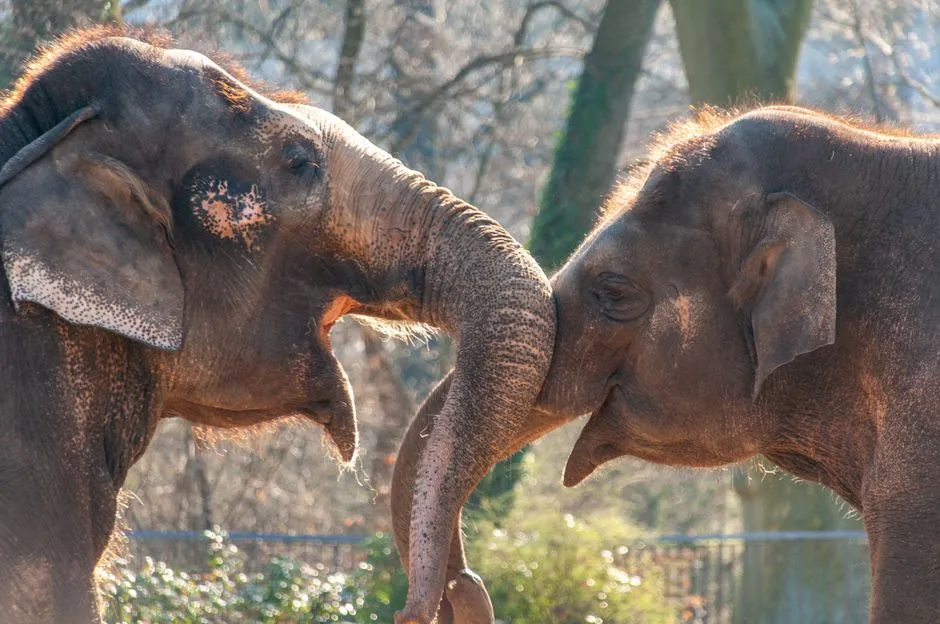
Touch was not the only channel elephants used to settle a distressed companion. Soft vocalizations, particularly chirping sounds and low rumbles, appeared alongside physical contact as part of the same reassurance package. Elephants console distressed herd members by touching them with their trunks and emitting soft rumbles, a combination that seems to work on both a physical and acoustic level at once.
These calls are not random noise either. Elephant vocal communication is remarkably layered, drawing on a wide acoustic range that most human observers simply cannot fully appreciate without recording equipment. Complex vocalizations include over 70 distinct call types, some of which appear tied to specific social situations rather than general alarm. That kind of vocal nuance adds weight to the idea that these are not generic startle responses but something closer to targeted communication meant to calm a specific individual down.
How elephant consolation compares to apes, dogs and corvids
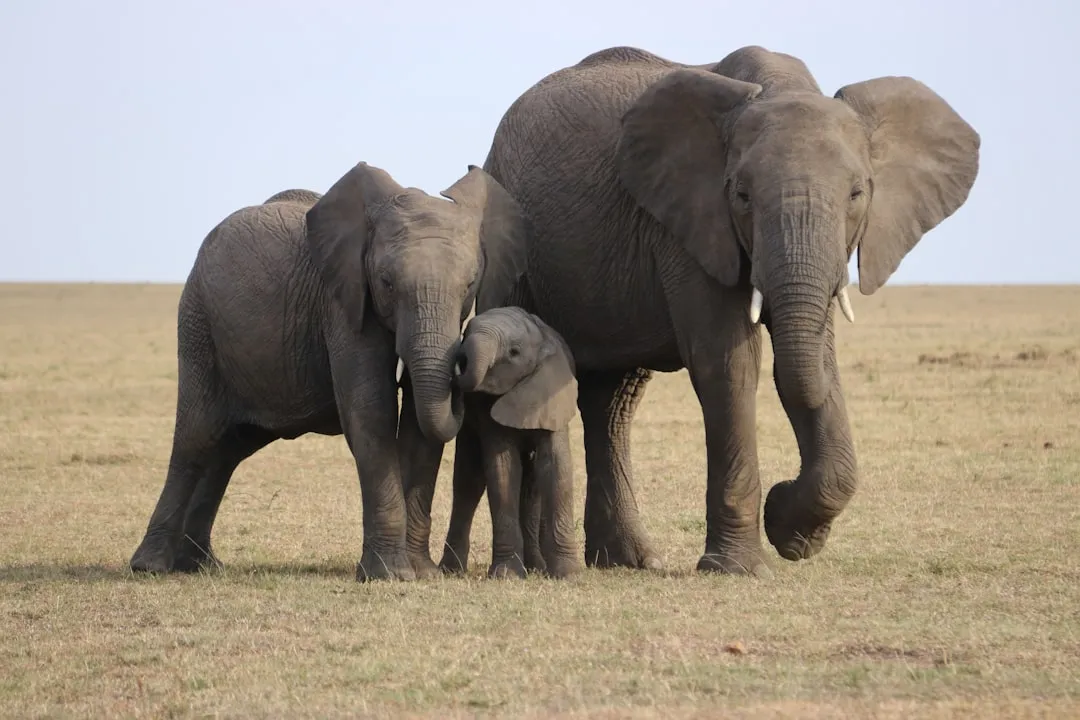
Context helps explain why this finding generated so much attention among animal behaviorists. Contact directed by uninvolved bystanders toward others in distress, often termed consolation, is uncommon in the animal kingdom, thus far only demonstrated in the great apes, canines, and corvids. Elephants effectively joined a short and exclusive list, and the fact that they arrived at similar behavior through an entirely different evolutionary path is part of what makes the discovery interesting.
Frans de Waal, who had spent decades studying reconciliation and consolation in primates, framed the elephant findings as part of a broader pattern rather than an isolated curiosity. Consolation behavior is rare in the animal kingdom, with empirical evidence previously provided only for the great apes, canines and certain corvids, and with their strong social bonds, it was not surprising that elephants showed concern for others. The overlap between such distantly related species, primates, canines, birds and now a large-brained herbivore, hints that empathy-like behavior may have evolved more than once, in more than one branch of the animal family tree, wherever tight social bonds made it useful.
What scientists still don’t know, open questions and limits
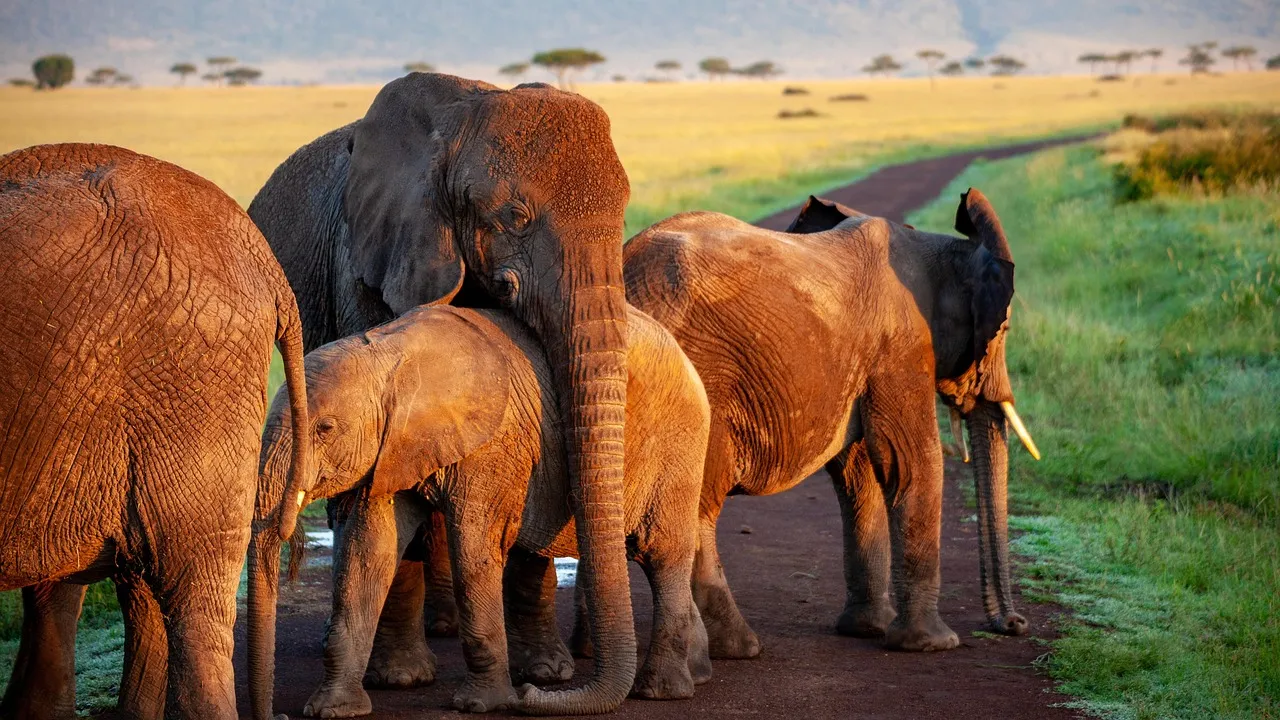
None of this settles the debate about whether elephants truly feel empathy in a way comparable to humans. Researchers involved in the field are careful to flag the uncertainty. One behavioral ecologist noted that what is unclear is whether this reassurance primarily benefits the distressed animal or the responders themselves. That is not a small caveat. It touches on whether the behavior is about genuine concern for another or simply a way for the consoling animal to reduce its own discomfort.
There is also the matter of setting. The original study took place among captive elephants at a sanctuary, and researchers have been candid that confirming these patterns in wild populations remains an important next step. Elephants are also known for targeted helping, or directed assistance that takes the specific needs of others into account, such as helping to lift or brace injured or dying family members, a behavior viewed as a sign of empathic perspective taking. Those wild observations, gathered over years by field researchers, give the captive study extra credibility, but scientists still describe the overall picture as an early exploration rather than a closed case.
Final thoughts

- What It Means When a White Deer Crosses Your Path According to Six Separate Mythological Traditions - July 17, 2026
- Animal Behavior Says Elephants Comfort Distressed Herd Members Using Behaviors Similar to Consolation - July 17, 2026
- Animal Cognition Says Ravens Can Remember Individual Human Faces for Years After a Single Encounter - July 17, 2026