
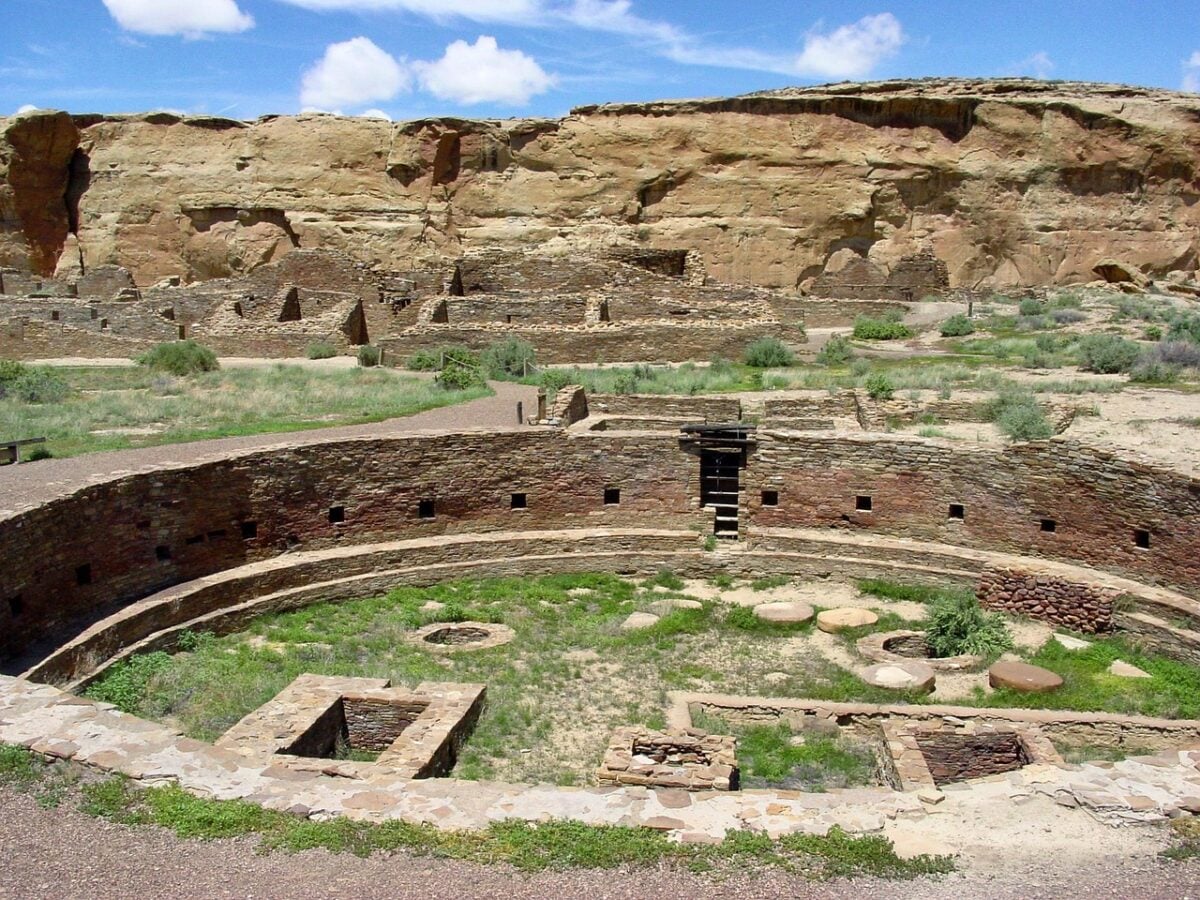
Nestled in the heart of New Mexico’s high desert, Chaco Canyon stands as a testament to the ingenuity and resilience of the Ancestral Puebloans. Between 850 and 1250 CE, this remote canyon transformed into a bustling hub of culture, trade, and astronomy. Despite its arid environment, the inhabitants constructed monumental structures and developed a complex society that continues to captivate historians and archaeologists alike. Here are ten fascinating facts about Chaco Canyon that shed light on one of America’s greatest ancient mysteries.
Architectural Marvels of the Great Houses
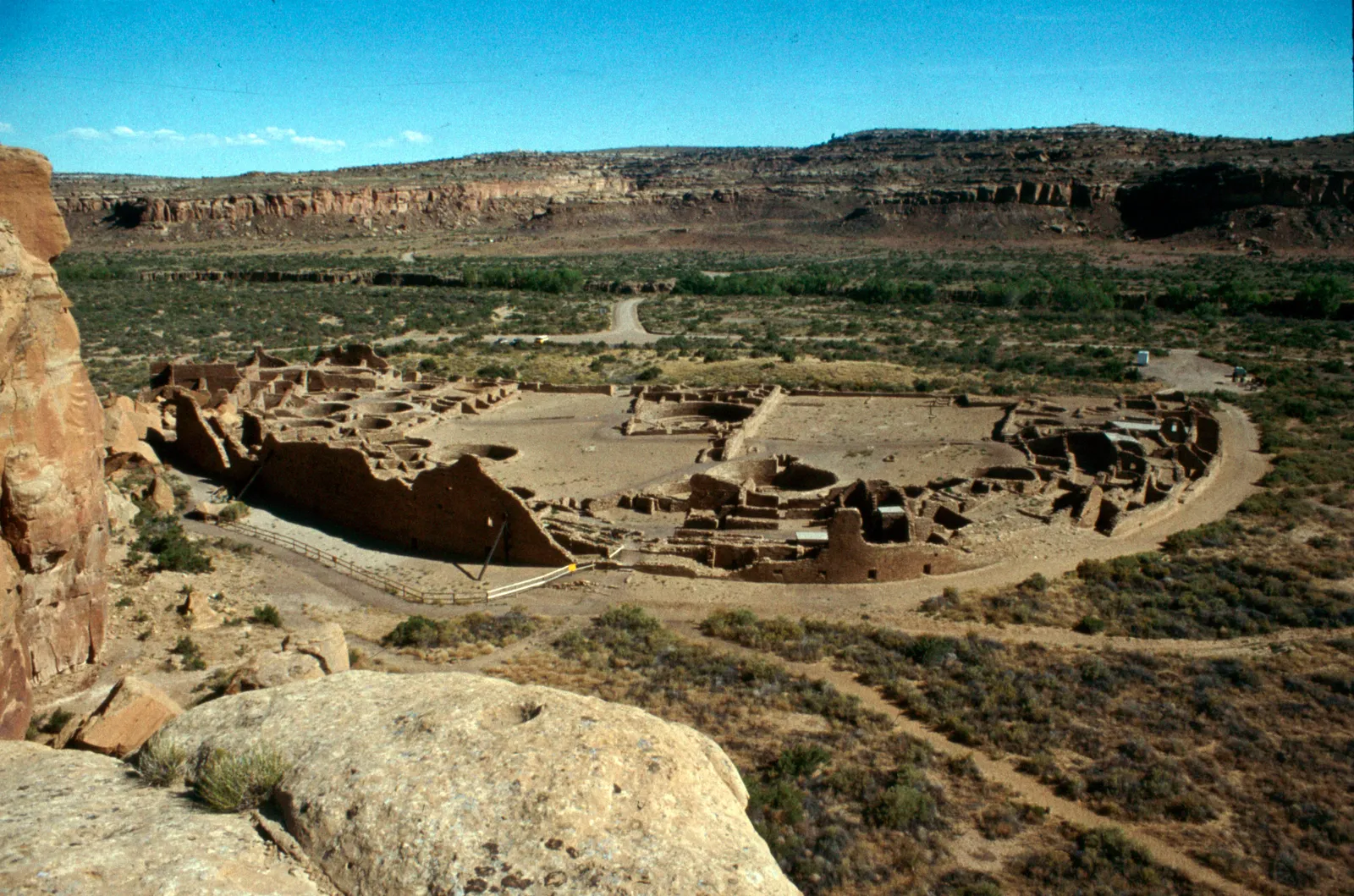
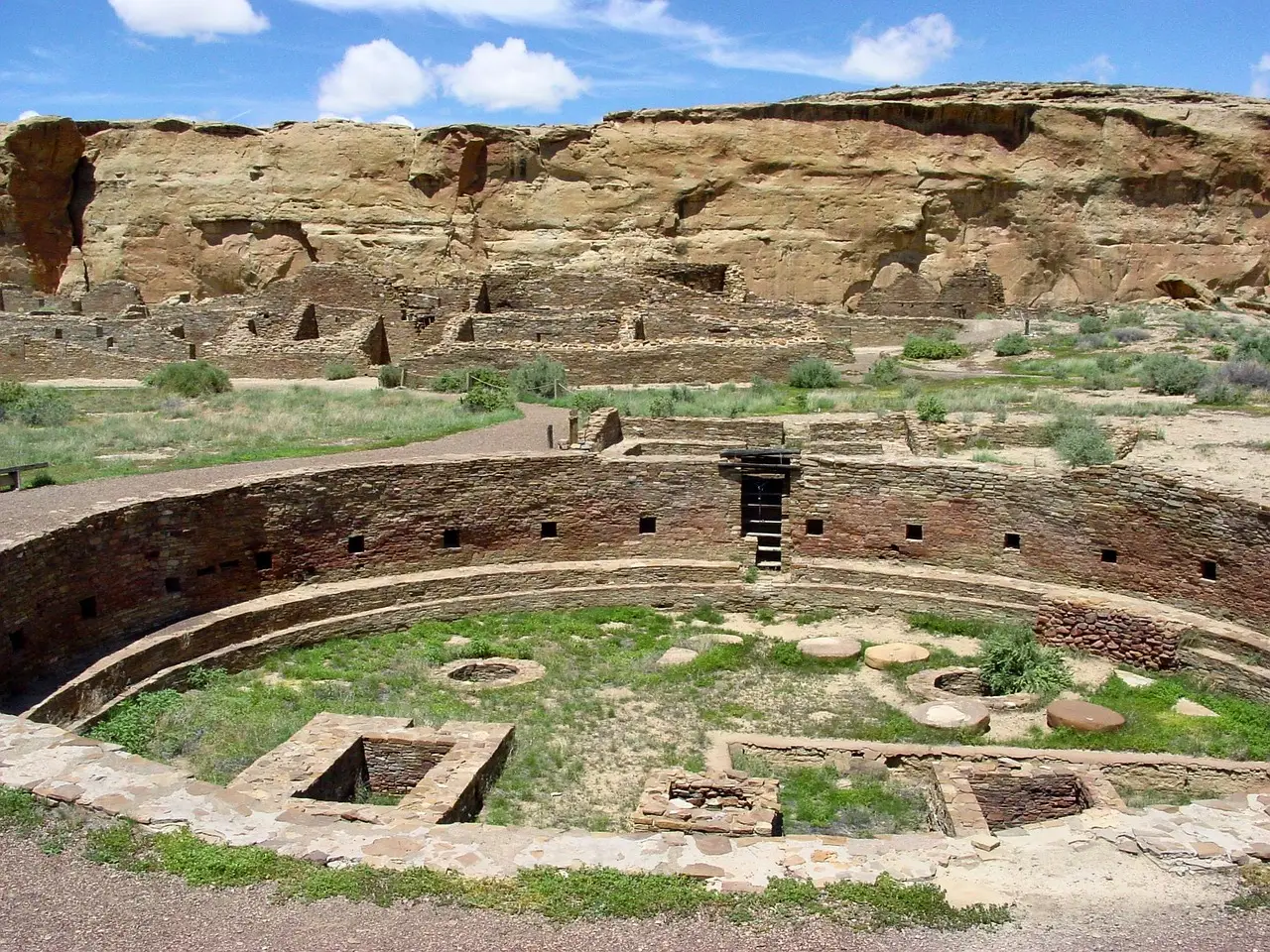
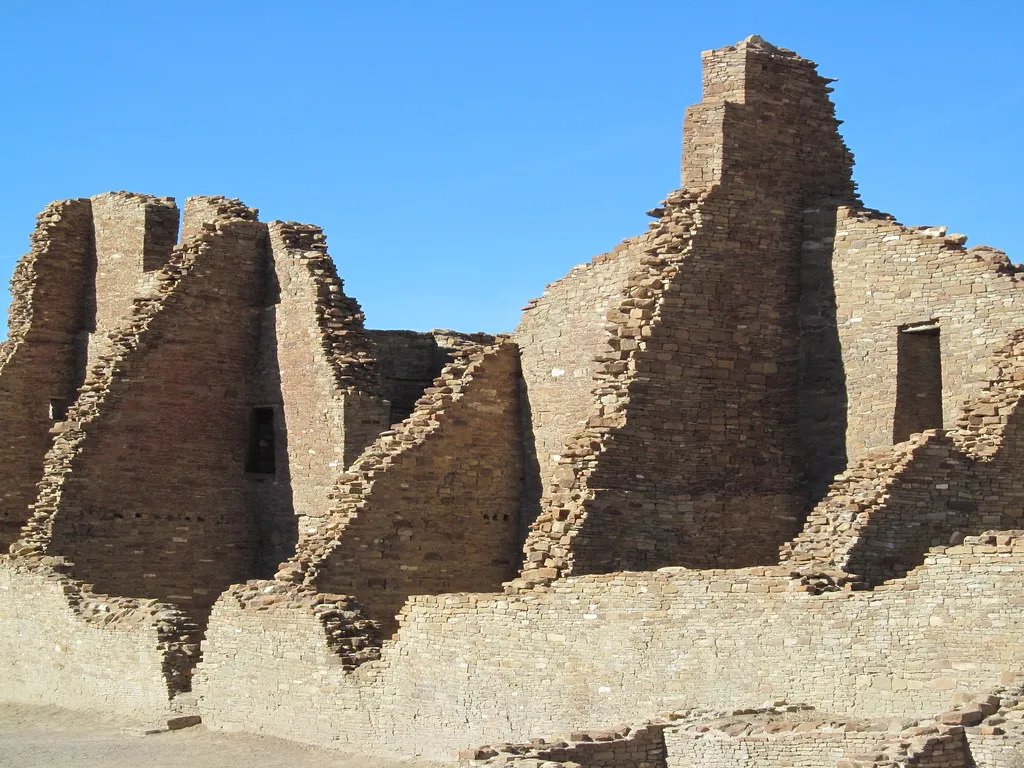
The Ancestral Puebloans of Chaco Canyon engineered massive multi-story buildings known as “great houses.” Pueblo Bonito, the most renowned among them, boasted over 600 rooms and stood four to five stories tall, covering more than three acres. These structures were meticulously planned, with walls aligned to cardinal directions and celestial events, reflecting a sophisticated understanding of architecture and astronomy.
Constructed using sandstone blocks and timber hauled from distant forests, the great houses required immense labor and coordination. The precision in their masonry, featuring core-and-veneer techniques, allowed these buildings to withstand the test of time, offering a glimpse into the advanced engineering skills of the Chacoans.
Extensive Trade Networks
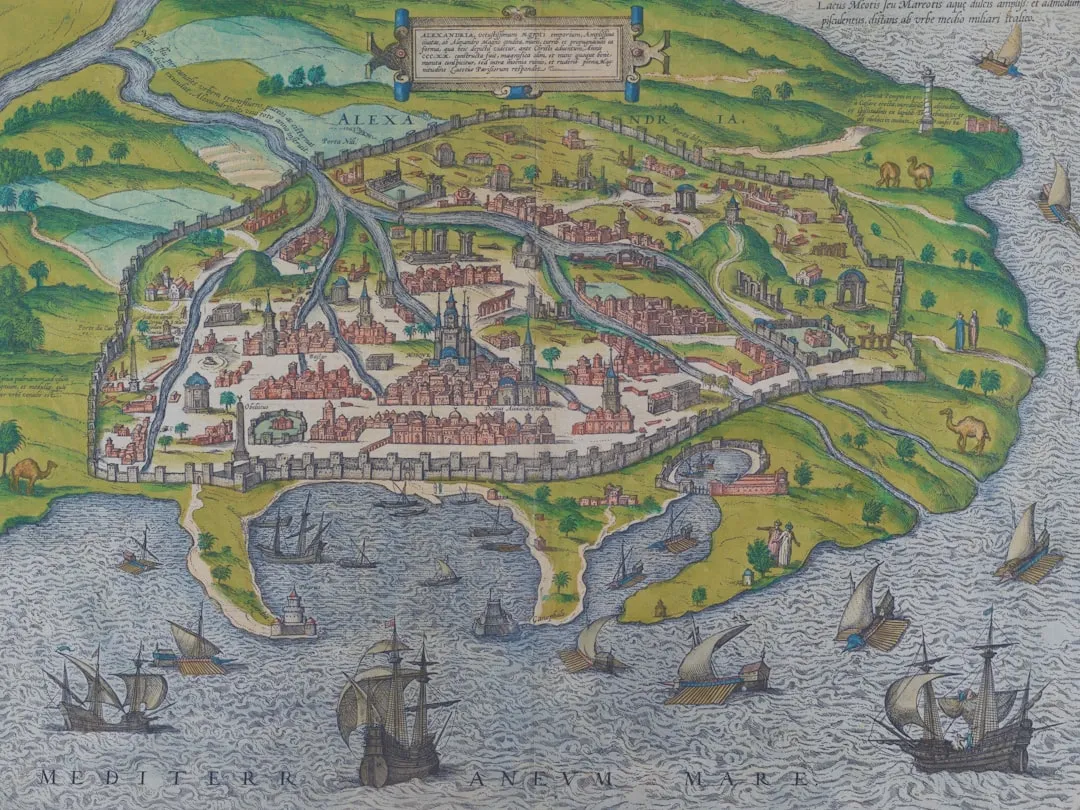
Chaco Canyon was not an isolated community; it was the center of a vast trade network that extended across the Southwest and into Mesoamerica. Artifacts such as seashells from the Pacific coast, copper bells, and macaw feathers from Mexico have been discovered in the canyon, indicating long-distance trade relationships.
These exotic goods suggest that Chacoans had access to materials and cultural influences far beyond their immediate environment. The presence of cacao residue in pottery shards implies that they may have even consumed chocolate, a luxury item in Mesoamerican cultures.
Advanced Astronomical Observations
The inhabitants of Chaco Canyon were keen observers of the sky, integrating astronomical knowledge into their architecture and daily life. The “Sun Dagger” petroglyph on Fajada Butte is a prime example, where shafts of sunlight pass through stone slabs to mark solstices and equinoxes.
Many buildings in the canyon are aligned with solar and lunar cycles, suggesting that celestial events played a significant role in Chacoan society. This alignment indicates a deep understanding of astronomy, likely used to plan agricultural and ceremonial activities.
Complex Road Systems
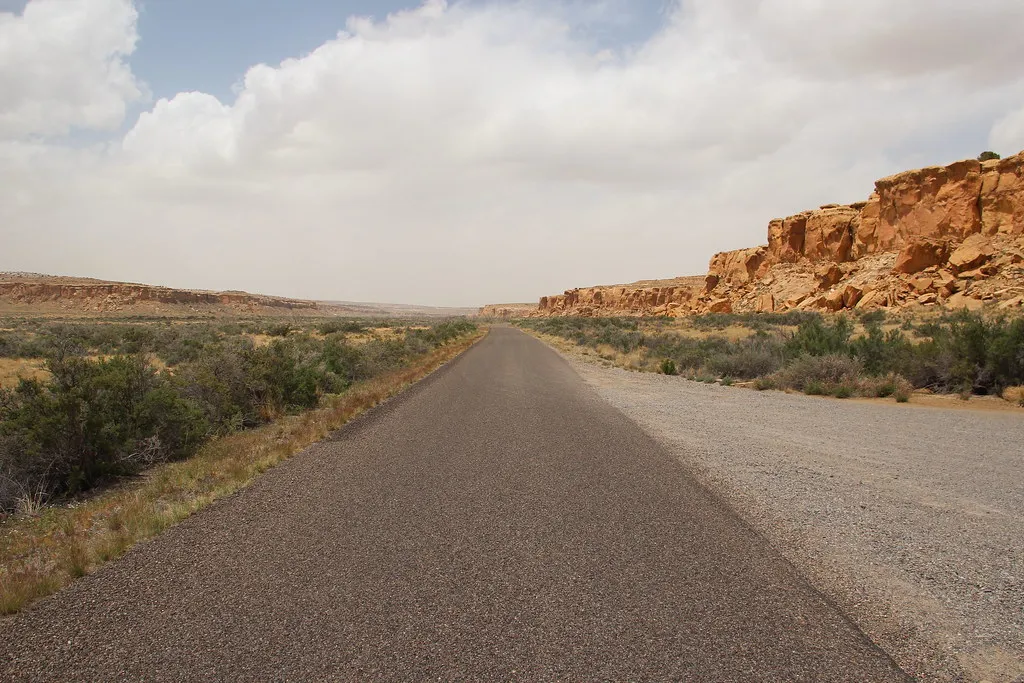
Chacoans constructed an extensive network of roads radiating from the canyon, connecting over 150 great houses and outlying communities. These roads, some as wide as 30 feet, were remarkably straight, cutting through difficult terrain with stairways and ramps.
The purpose of these roads remains a topic of debate. While they may have facilitated trade and communication, some researchers suggest they held ceremonial significance, symbolizing spiritual pathways rather than practical routes.
Innovative Water Management
Despite the arid climate, Chacoans developed sophisticated water control systems to support agriculture. They constructed dams, canals, and basins to capture and distribute rainwater, enabling them to cultivate crops like corn, beans, and squash.
These irrigation techniques demonstrate a high level of environmental adaptation and resource management, allowing the community to thrive in a challenging landscape. The ability to harness scarce water resources was crucial for sustaining the large population and complex society of Chaco Canyon.
Artistic Expressions in Rock Art
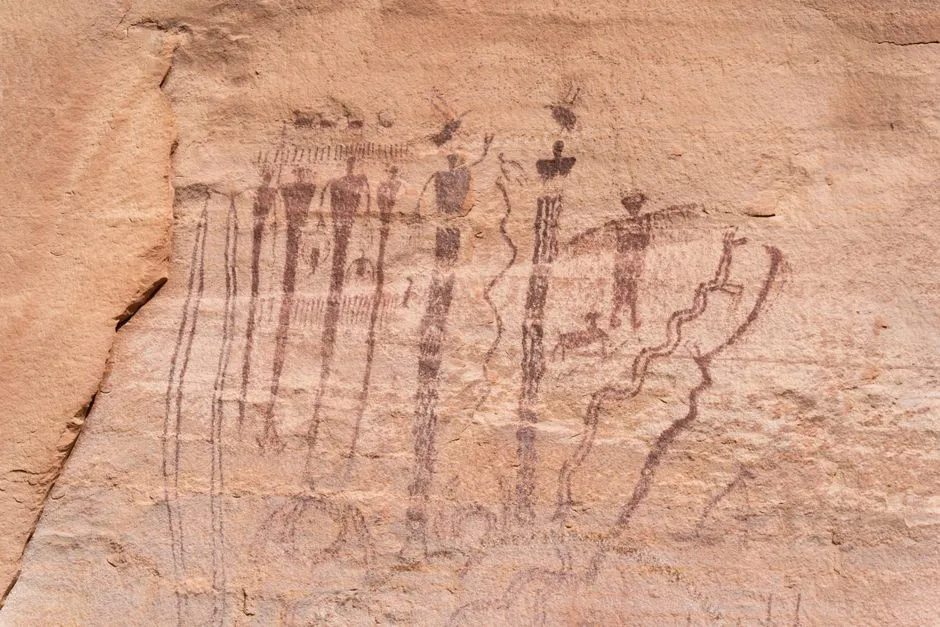
Chaco Canyon is adorned with numerous petroglyphs and pictographs, offering insights into the spiritual and cultural life of its inhabitants. These rock carvings and paintings depict animals, human figures, and abstract symbols, some of which are believed to represent astronomical events.
One notable example is the “Supernova Pictograph,” thought to depict the supernova of 1054 CE, an event also recorded by Chinese astronomers. This suggests that Chacoans were not only skilled observers of the sky but also recorded significant celestial occurrences in their art.
Decline and Abandonment
By the mid-12th century, Chaco Canyon experienced a decline, leading to its eventual abandonment by 1300 CE. Factors such as prolonged droughts, resource depletion, and social upheaval likely contributed to this downturn.
The reasons behind the decline remain a subject of research and debate. Some theories suggest that environmental challenges strained the community’s ability to sustain its population, while others point to internal social factors or external pressures from neighboring groups.
Modern Preservation Efforts
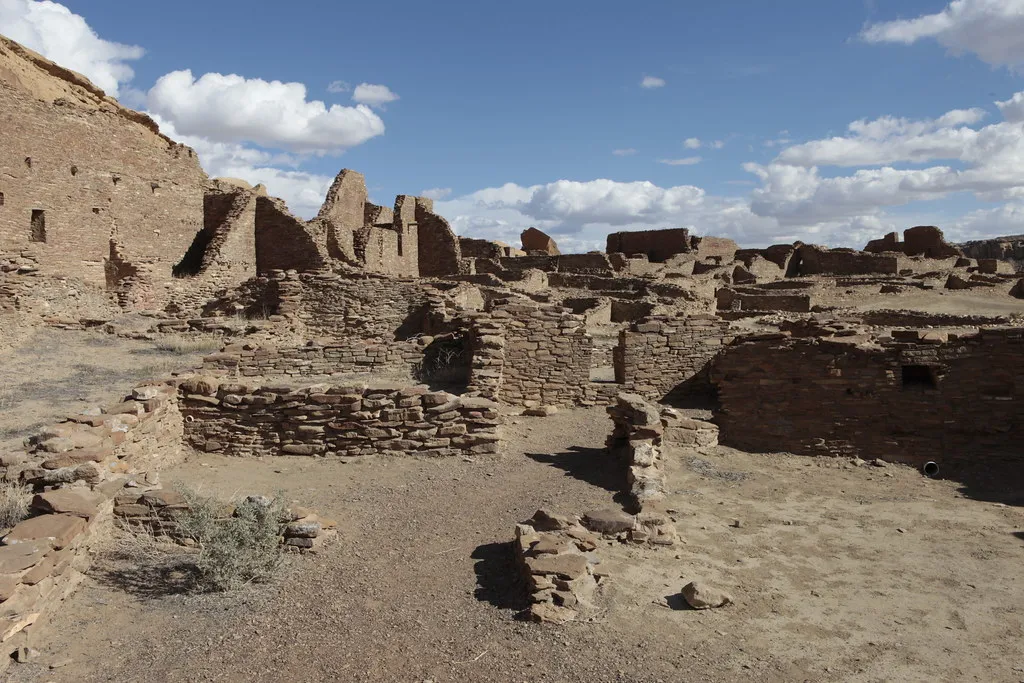
Recognizing its historical significance, Chaco Canyon was designated a National Monument in 1907 and later became a National Historical Park. In 1987, it was honored as a UNESCO World Heritage Site, highlighting its global importance.
Preservation efforts focus on protecting the fragile structures and artifacts from natural erosion and human impact. Archaeological research continues, aiming to uncover more about the Chacoan culture and its enduring legacy.
Spiritual Significance to Descendant Communities
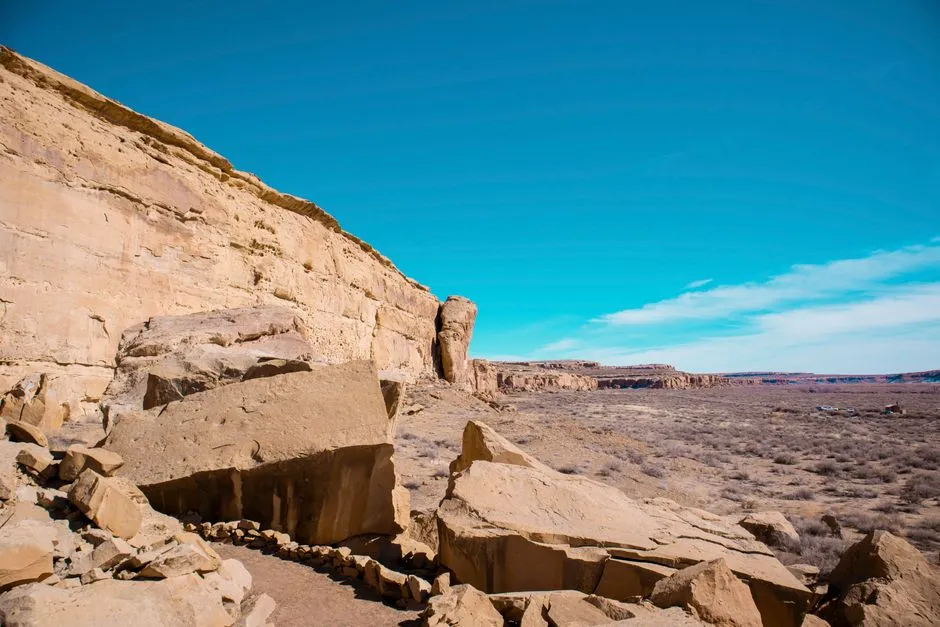
For modern Pueblo peoples, including the Hopi, Zuni, and Navajo, Chaco Canyon holds profound spiritual significance. It is considered a sacred ancestral homeland, and many traditions and oral histories are connected to the site.
These communities continue to visit Chaco Canyon for ceremonies and to honor their heritage. Their perspectives and knowledge are invaluable in understanding the cultural and spiritual dimensions of the ancient Chacoan society.
Ongoing Mysteries and Research
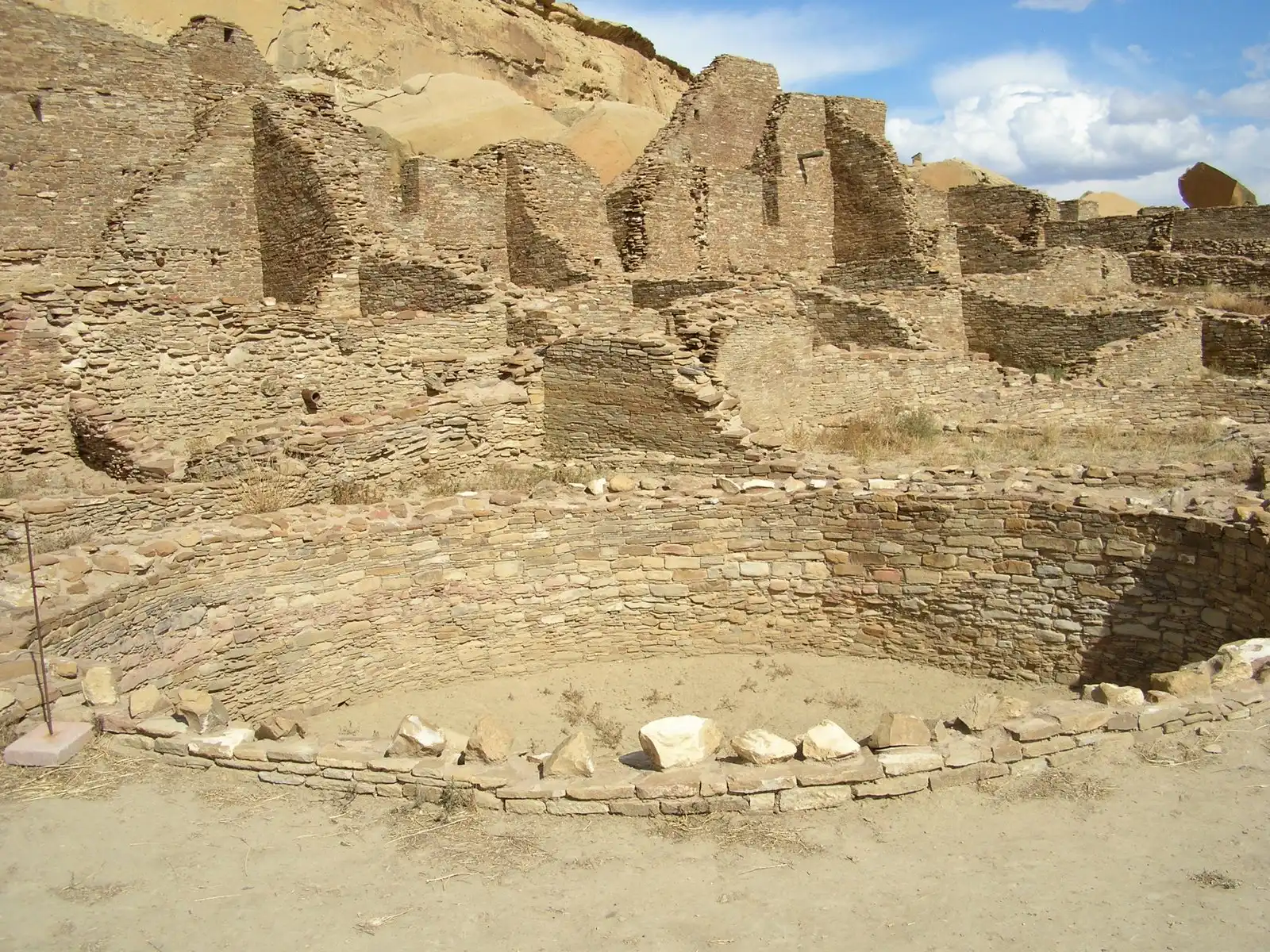
Despite extensive study, many aspects of Chaco Canyon remain enigmatic. Questions about the social structure, the exact purposes of the great houses, and the reasons for the site’s decline continue to intrigue researchers.
Advancements in technology, such as remote sensing and DNA analysis, offer new avenues for exploration. Each discovery adds pieces to
