
Stepping into a forest, most of us are captivated by the towering trees and the chorus of birdsong. Yet, within the first minute, a seasoned wildlife tracker discerns a world teeming with subtle signs and stories that often elude the casual observer. These experts read the forest like an open book, interpreting clues that reveal the presence and behavior of its inhabitants. Let’s delve into nine such signs that, once recognized, can transform your woodland wanderings into rich narratives of the wild.
1. Disturbed Vegetation and Broken Twigs

A bent blade of grass or a snapped twig might seem inconsequential, but to a tracker, they are fresh ink on nature’s page. Animals, especially larger mammals, often leave a trail of disturbed vegetation as they move. Fresh breaks, with exposed lighter wood and moisture, indicate recent passage. Over time, these signs darken and dry, helping trackers estimate when an animal was last in the area. By observing the height and pattern of these disturbances, one can even infer the species and size of the creature that passed through.
2. Tracks and Footprints
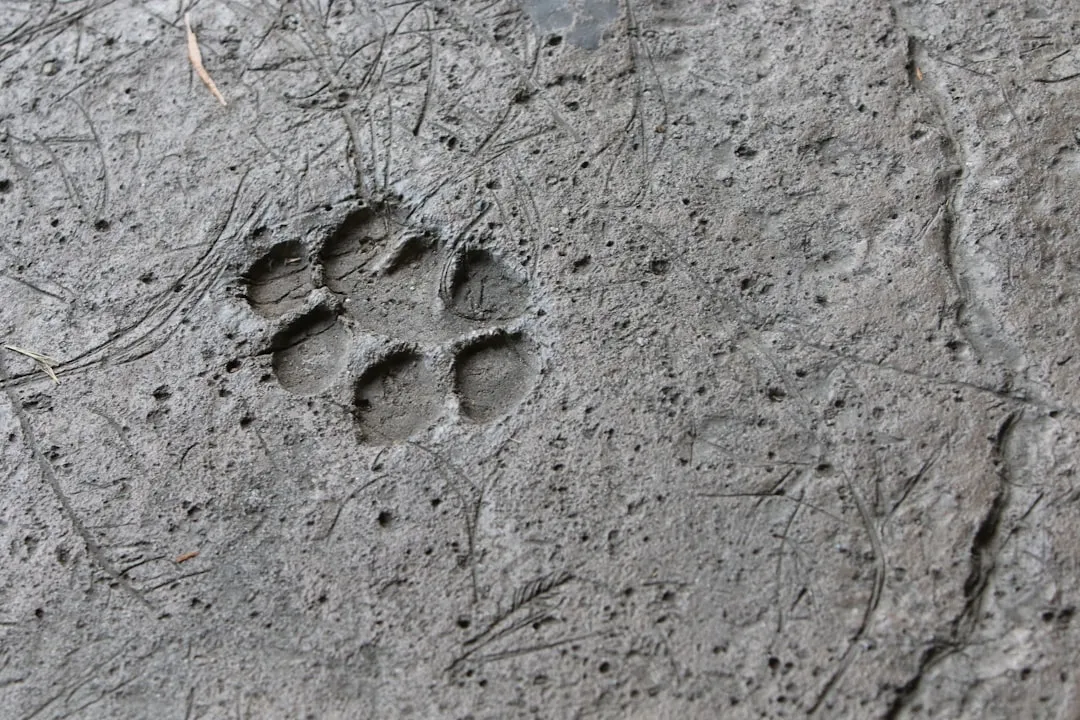
Soft earth, mud, or snow serves as a canvas for animal footprints. Each track tells a story: the species, direction, gait, and even the animal’s state of mind. For instance, a set of deep, evenly spaced prints might suggest a calm, steady pace, while erratic, shallow tracks could indicate a startled or hurried animal. Recognizing these patterns allows trackers to piece together the movements and behaviors of forest dwellers.
3. Scat and Droppings

Animal droppings, or scat, are more than just waste; they’re a goldmine of information. The size, shape, and content of scat can identify the species and even provide insights into their recent diet. Freshness indicates how recently the animal was in the area. For example, moist, dark scat suggests recent activity, while dry, crumbly droppings are older. By studying scat, trackers can understand feeding habits and territorial ranges.
4. Scratches and Bark Markings
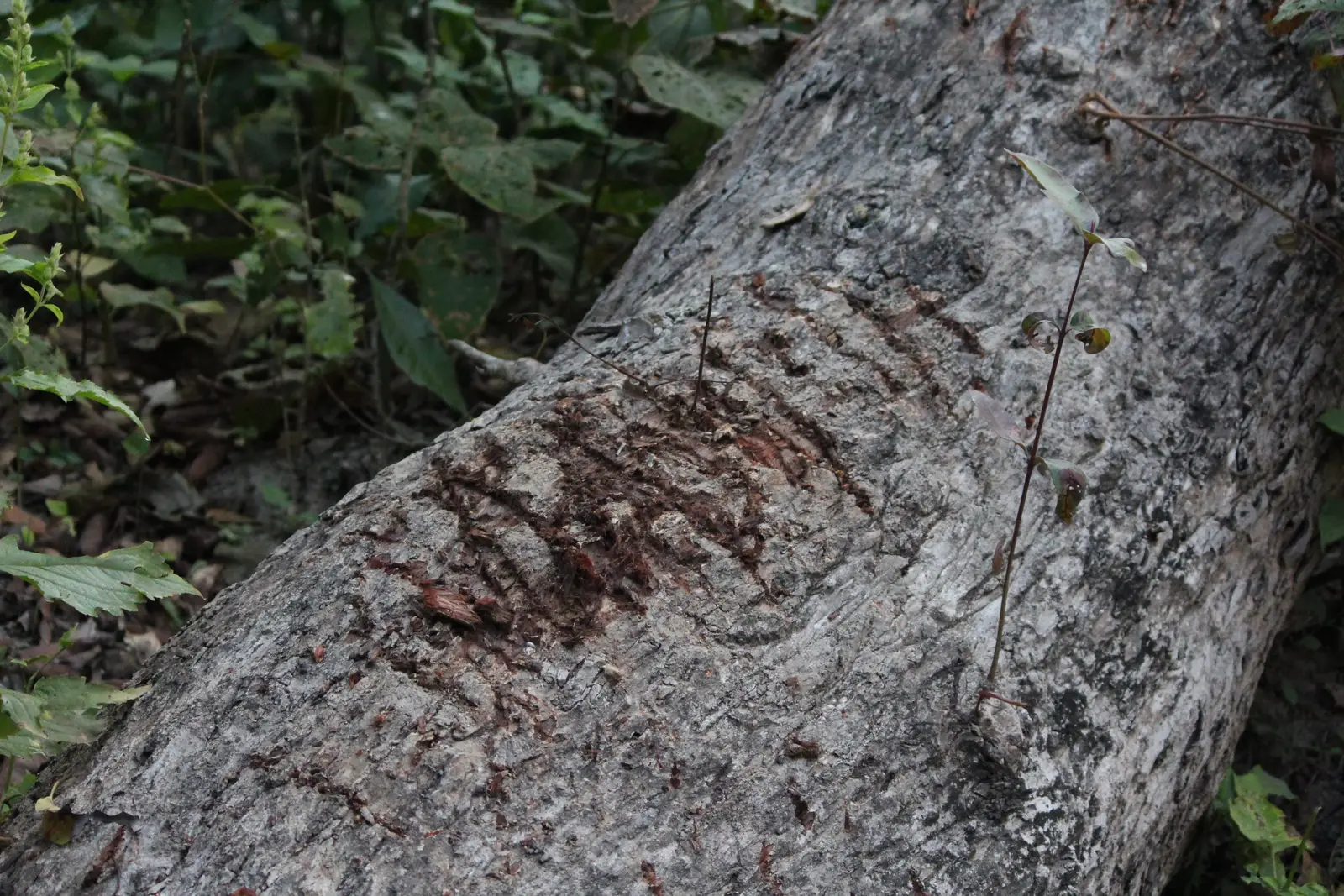
Trees often bear the marks of animal interactions. Claw marks, gnawed bark, or antler rubs are telltale signs. Bears, for instance, may scratch trees to mark territory or sharpen claws, leaving vertical gashes. Deer rub their antlers against young trees, stripping bark and leaving horizontal marks. The height, depth, and pattern of these markings can help identify the species responsible and their behavior.
5. Nests and Burrows
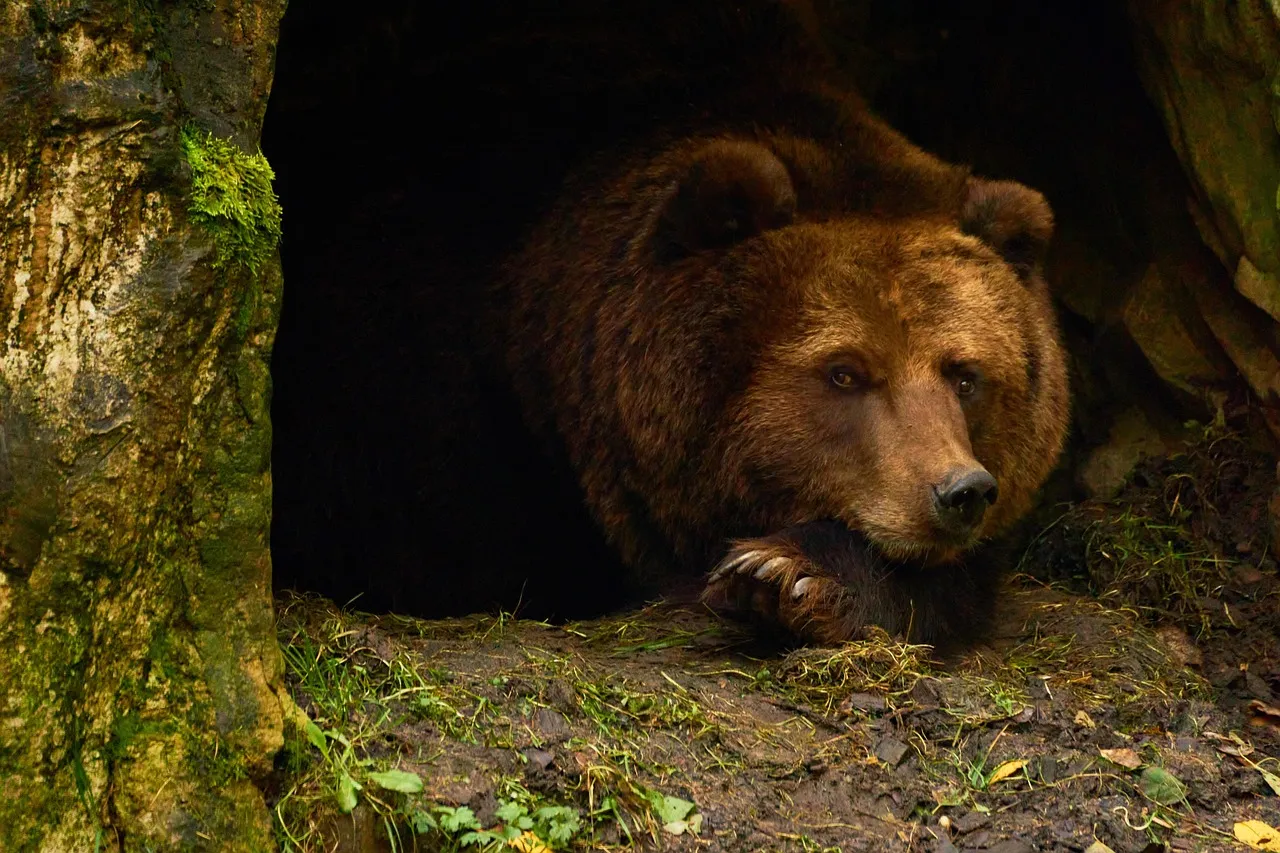
While some animal homes are obvious, others are more discreet. A flattened area of grass might indicate a deer bedding spot, while a small hole at the base of a tree could be a fox den entrance. Observing these structures provides insights into the species present and their nesting or resting habits. The size, location, and construction materials offer further clues about the inhabitants.
6. Feeding Signs
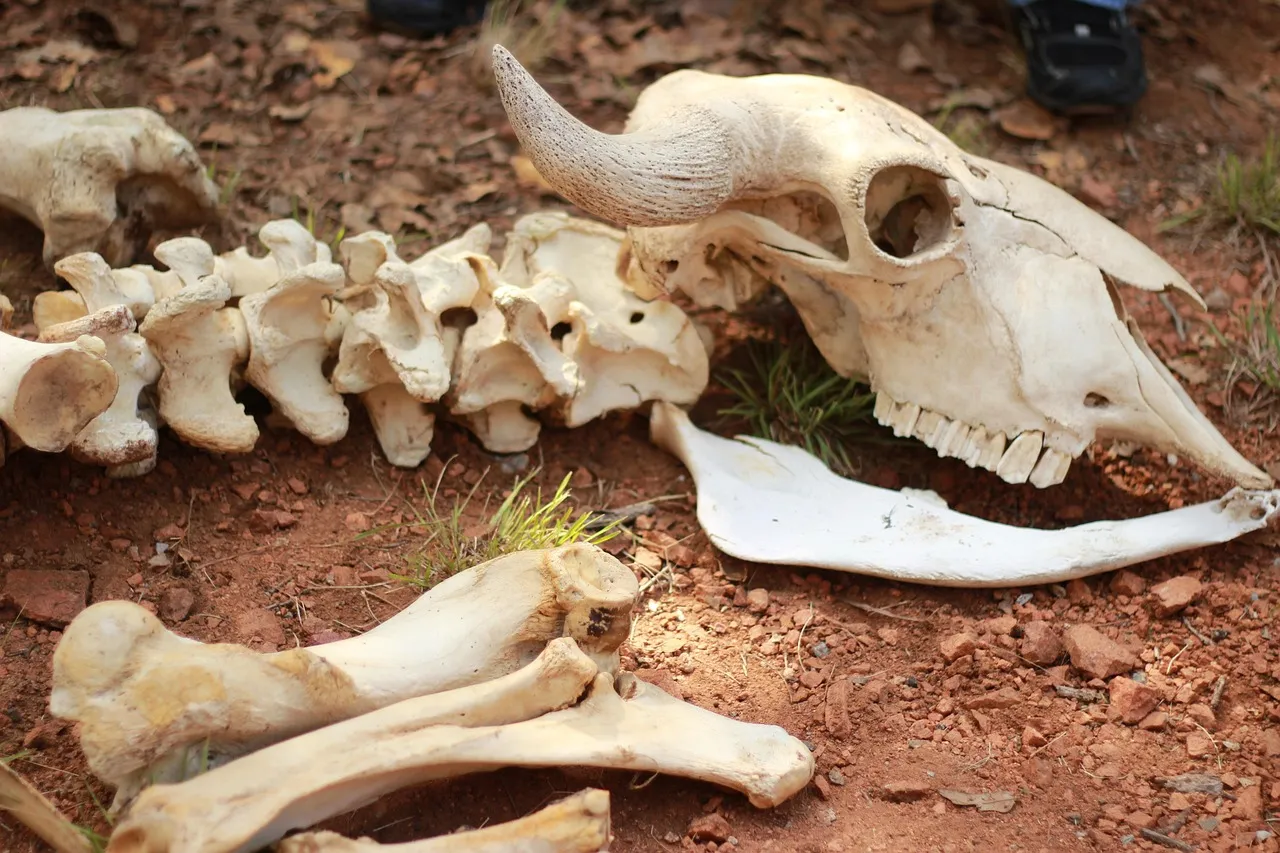
Leftover meals are clear indicators of animal activity. Gnawed bones, partially eaten plants, or scattered feathers suggest recent feeding. The type of remains can hint at the predator-prey relationships in the area. For instance, a pile of cracked nutshells might indicate the presence of squirrels, while a feather pile could suggest a bird of prey’s recent meal.
7. Sounds and Calls

The forest is alive with sounds, many of which are animal communications. Alarm calls from birds or sudden silences can indicate the presence of predators. By tuning into these auditory cues, trackers can gauge the dynamics of the forest and the interactions between species. Recognizing specific calls can also help identify species that might remain unseen.
8. Odors and Scents
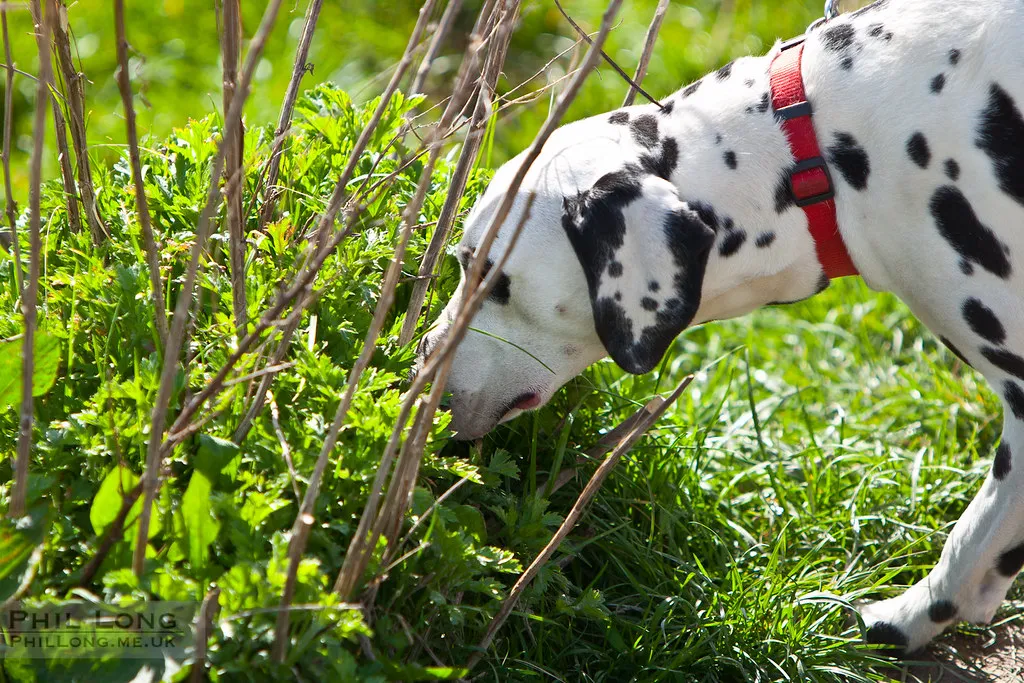
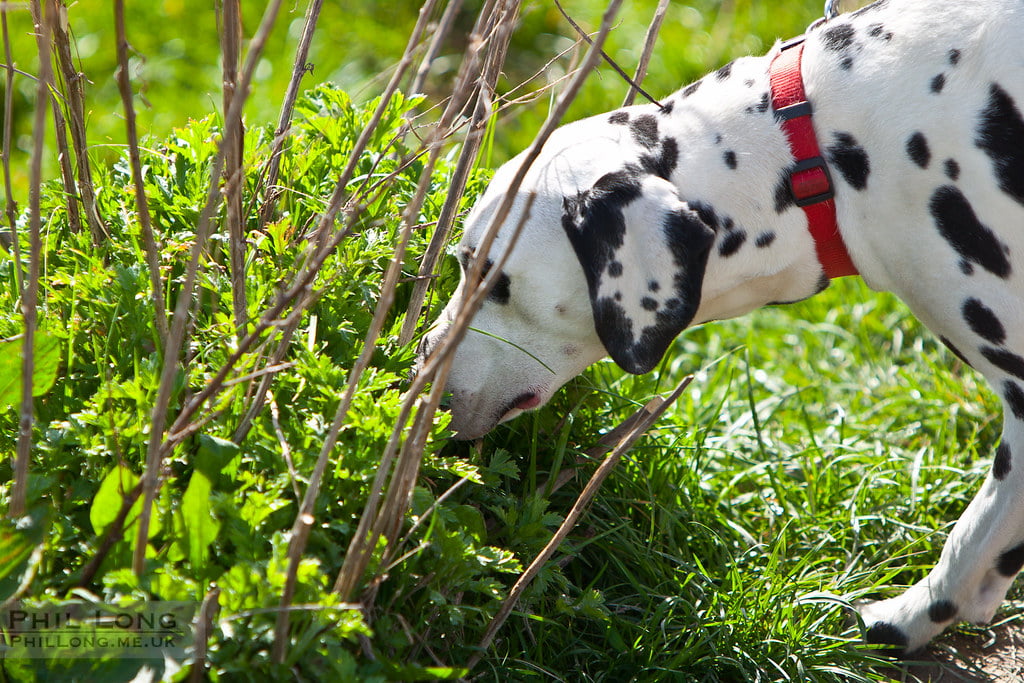
Many animals use scent to mark territory or communicate. A musky odor might indicate a nearby fox den, while a sweet, pungent smell could suggest a recent bear marking. Trackers use their sense of smell to detect these subtle cues, adding another layer to their understanding of the forest’s inhabitants.
9. Feather and Fur Remnants

Scattered feathers or tufts of fur can indicate a recent predator-prey interaction. The condition and type of these remnants can help identify both the predator and the prey. For example, a cluster of feathers with bite marks might suggest a fox’s meal, while cleanly plucked feathers could indicate a bird of prey’s dining spot.
In conclusion, the forest is a living tapestry woven with countless stories, waiting to be read by those who know where to look. By honing our observational skills and learning to interpret these subtle signs, we can deepen our connection to nature and appreciate the intricate web of life that surrounds us. So, the next time you step into the woods, take a moment to look closer – what stories will you uncover?

- 9 Things Wildlife Trackers Notice in the First 60 Seconds in Any Forest That Most People Walk Past Their Entire Lives - July 18, 2026
- 5 Dog Breeds That Vets Say Are Consistently Misread as Aggressive – and the Behavioral Signals That Actually Explain What They Are Doing - July 18, 2026
- 7 Facts About Octopus Intelligence That Marine Biologists Say Should Change the Way We Think About What Counts as a Mind - July 18, 2026