
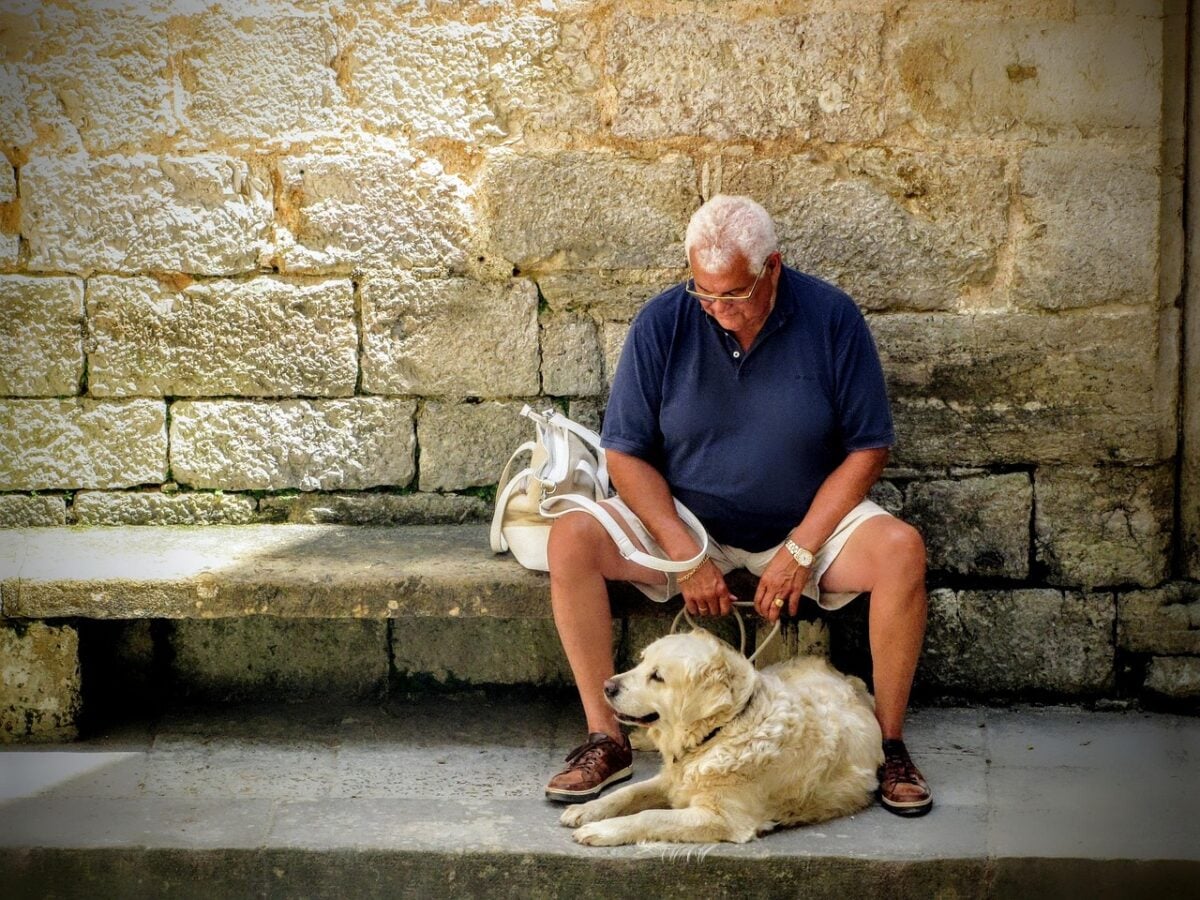
Most people think a dog shows love only in the obvious ways – tail wags, wild greetings at the door, a tongue aimed straight at your face. But watch a senior dog long enough, and you’ll notice all that bounce quietly disappears, replaced by something almost secret. That’s not your dog loving you less. It’s your dog loving you in a language most owners never learn to read.
Behaviorists and longtime senior-dog owners say the real proof of a chosen bond hides in tiny, easy-to-miss moments – a slow blink, a shifted sleeping spot, a nudge that seems to come from nowhere. Fourteen of these habits are quiet enough to walk right past without noticing. One of them, waiting near the end of this list, is the clearest sign of all that your old dog picked you, and never stopped.
#15 – Choosing Your Room, Even If You’re Not There
When a senior dog keeps ending up in your room, it’s not random wandering. Older dogs have less energy, weaker joints, and fading senses, so they don’t waste effort on places that don’t matter. If they still choose your room as their home base, it’s because your scent and your space feel like the safest place in the house.
You might find them curled on your side of the bed, tucked under your chair, or pressed against a hoodie you dropped on the floor instead of the plush couch three feet away. That’s your dog quietly bookmarking you, resting wherever your presence lingers strongest so they can stay surrounded by you even when you’re gone. A dog that didn’t care wouldn’t bother – they’d go wherever was easiest. This one goes out of its way for you.
Worth Knowing
- Senior dogs often lose sharpness in hearing and vision, making scent one of their strongest remaining senses.
- A dog’s nose is estimated to be tens of thousands of times more sensitive than a human’s.
- Familiar scents can help lower stress in dogs, much like a favorite blanket comforts a child.
- Older dogs tend to gravitate toward the strongest, most consistent scent in the house – usually their person.
#14 – Slow Blinks and Soft Eye Contact
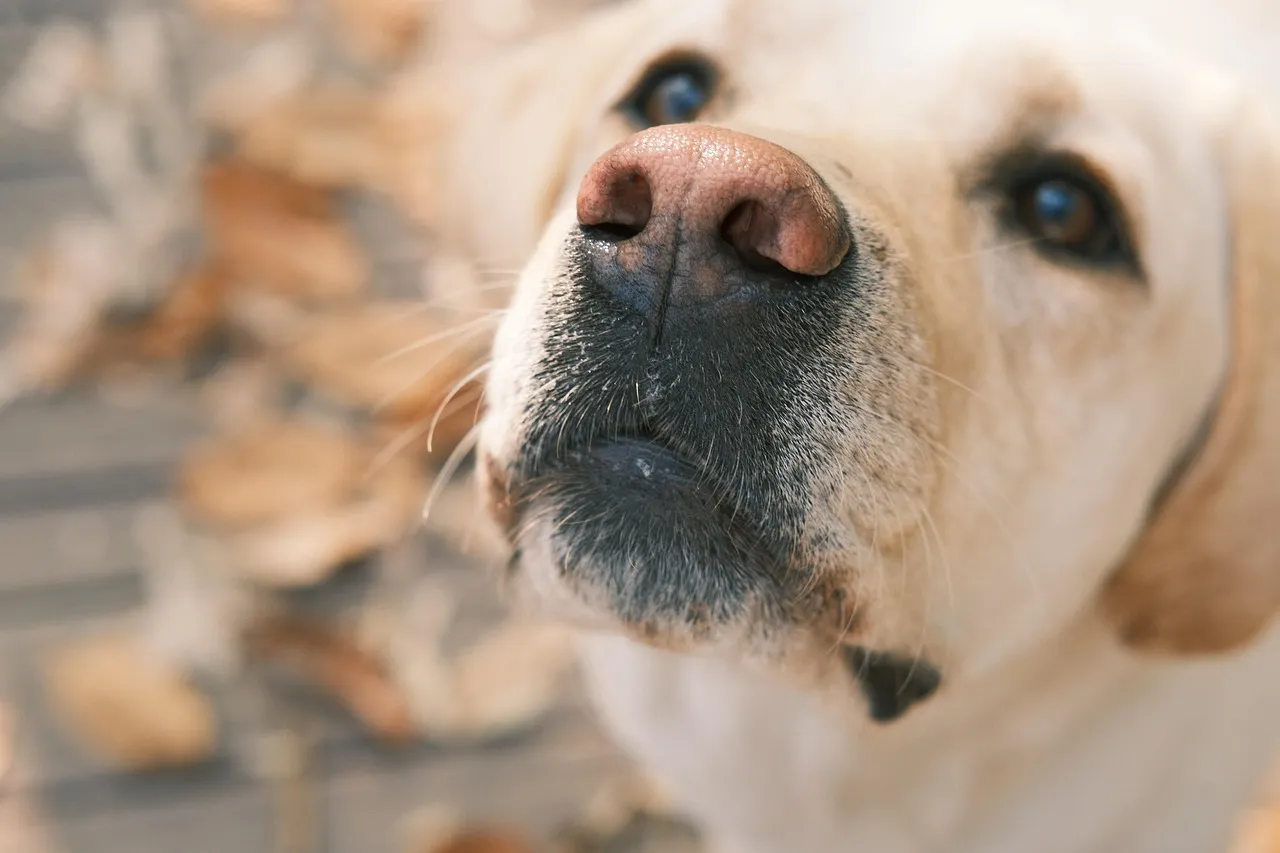
Everyone talks about puppy dog eyes, but a senior dog’s gaze tells a deeper story. When an older dog looks at you with relaxed eyes, then slowly blinks or gently looks away, that’s not boredom – that’s trust settling into the room. A tense or fearful dog does the opposite: it looks away sharply, squints, or avoids you altogether.
Calm, mutual eye contact between dogs and humans has actually been linked to a rise in oxytocin, the same bonding hormone tied to parent-child attachment. In seniors, this often shows up as a quiet gaze from their bed, followed by a soft, content sigh. They’re not asking for anything in that moment. They’re simply enjoying that you exist nearby, which is its own kind of love letter.
#13 – Subtle Body Leaning Instead of Jumping
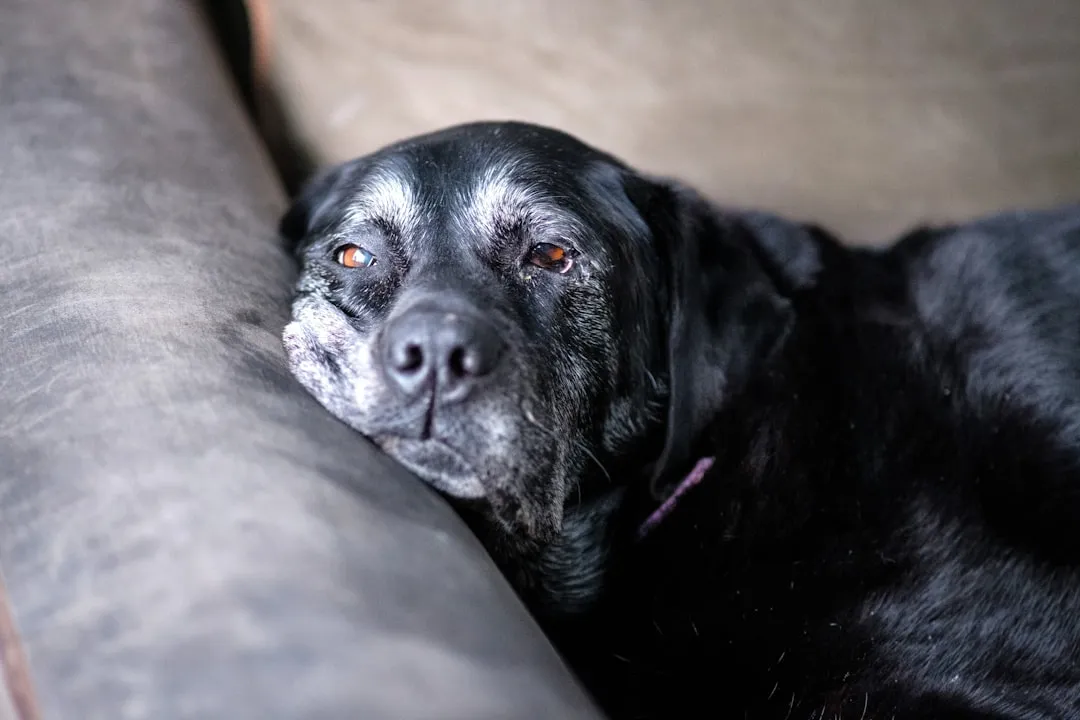
Young dogs tackle you with their whole body. Senior dogs lean. If your older dog quietly presses a shoulder against your leg, sits so their hip touches your foot, or rests their back against you, pay attention – dogs don’t put their weight on someone they don’t trust. It makes them physically vulnerable, and for a wobbly senior, that’s an even bigger vote of confidence.
It rarely looks dramatic. They walk over, pause, and settle against you with a small sigh, which is exactly why so many owners miss it. Behaviorists consistently flag leaning as one of the clearest quiet signals of affection a dog can give. If they pick your leg over the wall or the empty cushion beside them, that’s not convenience. That’s devotion with no performance attached.
#12 – Following You Slowly, Room to Room
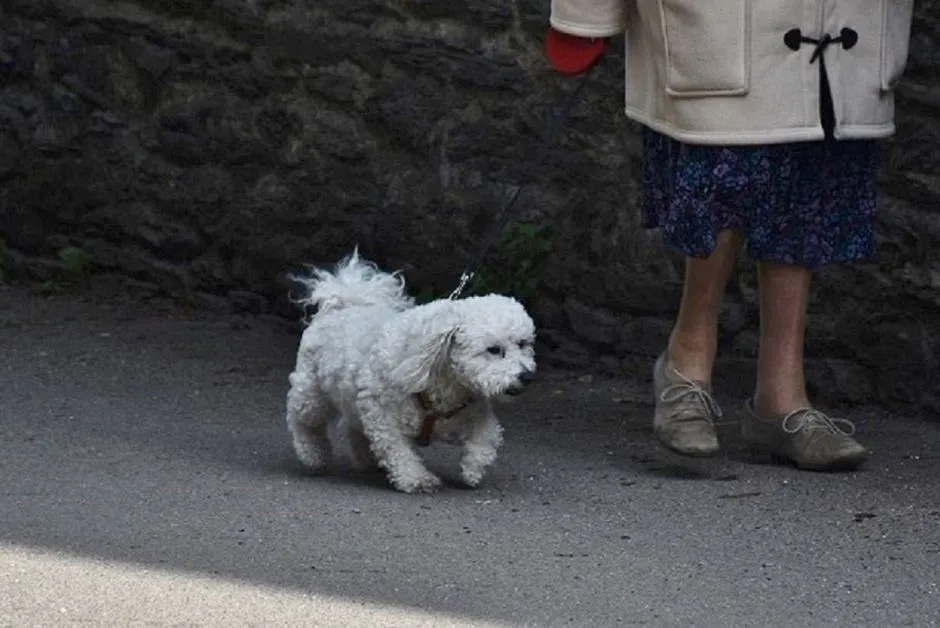
In a young dog, shadowing you everywhere can feel clingy. In an old dog, it’s something closer to devotion with a price tag attached. A senior dog that hauls itself up on stiff joints just to follow you from the living room to the kitchen isn’t being nosy – it’s spending a limited energy budget on staying near the one person who matters most.
Watch how they actually do it. They trail a few steps behind, lie down the moment you pause, or post up in a doorway where they can see you without moving again. That doorway stakeout is classic chosen-human behavior. Plenty of older dogs would rather stay comfortable and skip the walk entirely. If yours keeps choosing the ache over the distance, that’s affection in its most exhausted, most honest form.
Quick Compare
- Young dog: Follows out of curiosity or boredom, easily distracted along the way.
- Senior dog: Follows despite stiff joints, choosing your side over comfort.
- Young dog: Explores every room with equal interest.
- Senior dog: Beelines toward wherever you are, then settles.
#11 – Relaxing Their Guard the Moment You Walk In
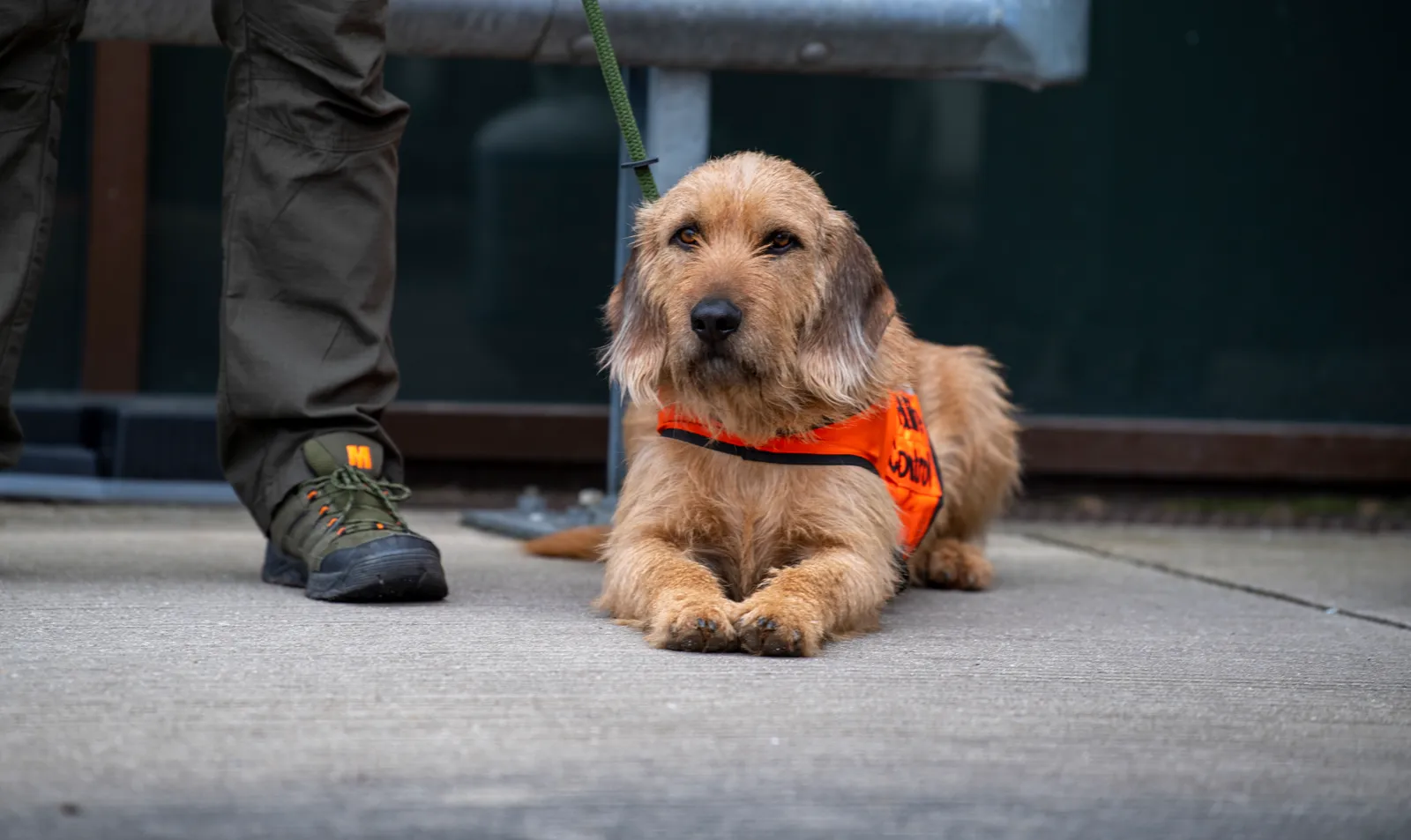
Not every dog is a natural watchdog, but almost all of them carry some internal alarm system. Senior dogs, in particular, can grow jumpier as their hearing and eyesight fade. So it means something when they actually get calmer, not more anxious, the second you’re nearby. If your presence is the off switch for their nerves, you’re their safety anchor.
Notice the small stuff: a storm rolls in, and your old dog lies against your chair instead of pacing the house. Someone knocks, but the moment they see you head for the door, they lie back down without a fuss. That’s not a dog checking out – an indifferent dog stays anxious no matter who’s in the room. Yours is making a quiet judgment call: my person has this, I can stand down. That kind of trust doesn’t happen by accident.
#10 – Gentle Nose Boops and Silent Check-Ins
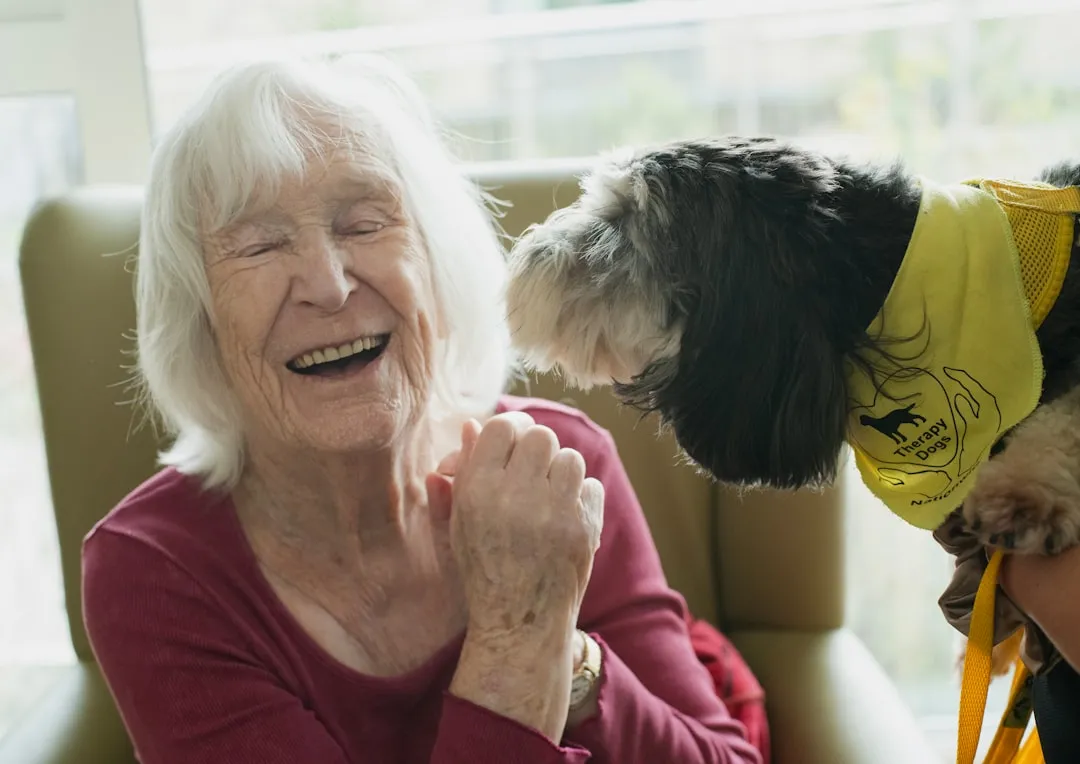
Once the zoomies are long gone, plenty of senior dogs switch to a softer love language: the nose. A light nudge to your hand, a tiny boop against your knee as they pass, or a quiet poke while you’re distracted on your phone isn’t random behavior. It’s your dog’s version of texting “you good?” without saying a word.
Unlike a puppy’s nudge, this usually isn’t a demand to play. Your dog is maintaining the bond the way you’d tap a friend’s shoulder just to say you’re still there. Some will nudge you once, then walk straight back to their bed, satisfied they’ve confirmed everything’s fine. People read this as needy, but it’s actually the opposite – a dog with a shrinking social battery still choosing to spend a little of it on checking in with you.
#9 – Saving Their Best Energy for Your Routines
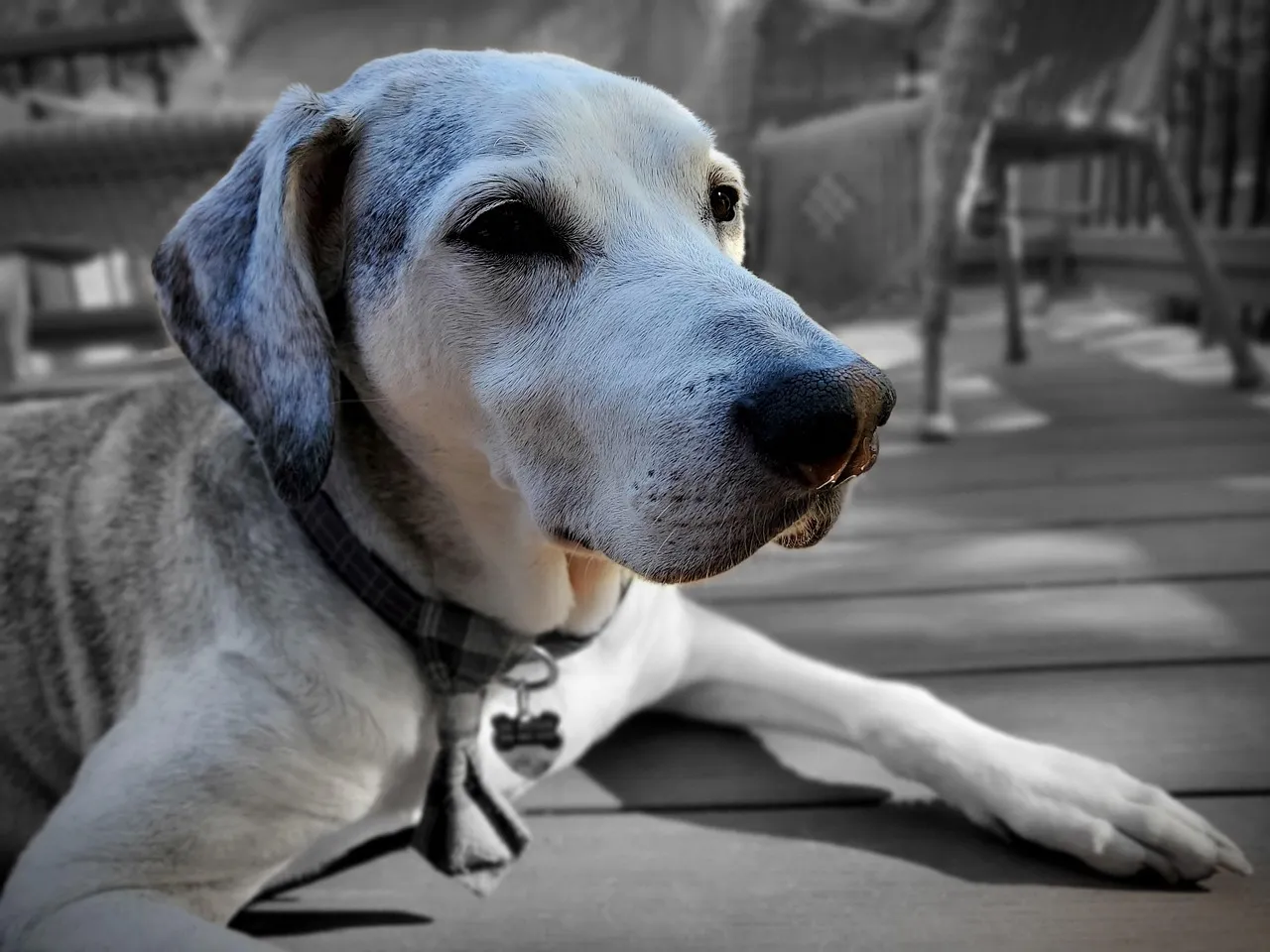
Here’s the slightly uncomfortable truth: many senior dogs quietly ration their energy, and they’re picky about where it goes. If your dog seems sleepy or stiff most of the day but suddenly perks up for your specific routines – the morning walk, your return from work, the bedtime shuffle to your room – that’s not a coincidence. They’re budgeting their limited stamina, and you’re getting the biggest cut.
Maybe they don’t rush to greet everyone else in the house, but they drag themselves up the second they hear your car in the driveway. Maybe they ignore the afternoon chaos entirely but shuffle into the kitchen the moment your particular coffee routine starts. Owners often feel guilty, assuming the dog is just too tired. In reality, the dog is being selective, and you’re sitting at the very top of a very short list.
#8 – Choosing to Sleep Where They Can Hear You Breathe
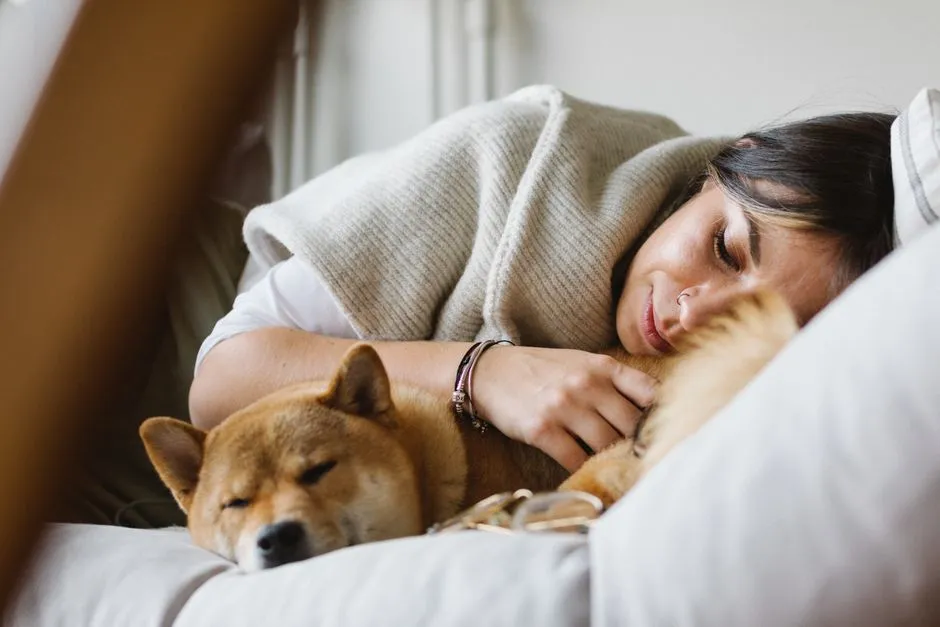
Sleep is when any animal is at its most defenseless, and that’s especially true for a senior dog with slower reflexes. So where your dog chooses to sleep is never an accident. When an older dog settles where it can hear or sense you – by your bed, outside your door, angled toward your room from the hallway – that’s trust operating on instinct, not habit.
Some dogs will even relocate their favorite spot as your habits change. Move to a different bedroom, or start sleeping on the couch because you’re sick, and they’ll quietly follow within a day or two. That’s not routine. That’s a dog calibrating its rest to your location instead of the furniture. Your senior dog is choosing to be vulnerable specifically near you, which is about as clear a statement as a dog can make.
Fast Facts
- Dogs typically sleep 12 to 14 hours a day, and seniors often sleep even more.
- Sleep is the most physically vulnerable state for any animal, regardless of size or breed.
- A dog’s choice of sleeping spot is shaped heavily by scent, sound, and perceived safety.
- Many senior dogs will relocate their favorite sleeping spot within a day or two of a household change.
#7 – Accepting Care They Don’t Exactly Enjoy
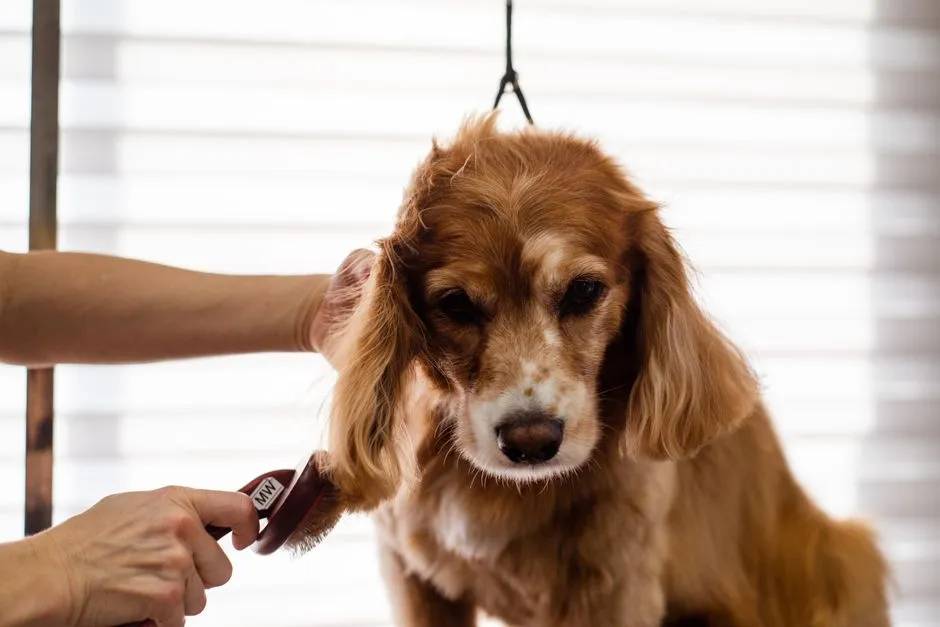
This is where a lot of owners quietly underestimate their dogs. Older dogs often need things they don’t love – pills, eye drops, ear cleanings, brushing over spots that ache. If your dog tolerates these from you more calmly than from anyone else, or at all, that’s not just good manners. It’s a calculated trust: they accept the discomfort because it’s you doing it.
Watch the difference in real time. Someone else approaches with a pill, and your dog turns away, tight-lipped and stiff. You do it, and while they’re not thrilled, they cooperate, then lean in for a touch afterward. They’ve learned that when you handle something unpleasant, you’re careful and predictable. Plenty of senior dogs who “hate” grooming will still let their chosen person trim a nail or clean a paw, because the relationship outweighs the annoyance every single time.
#6 – Listening to Your Voice Over Everyone Else’s
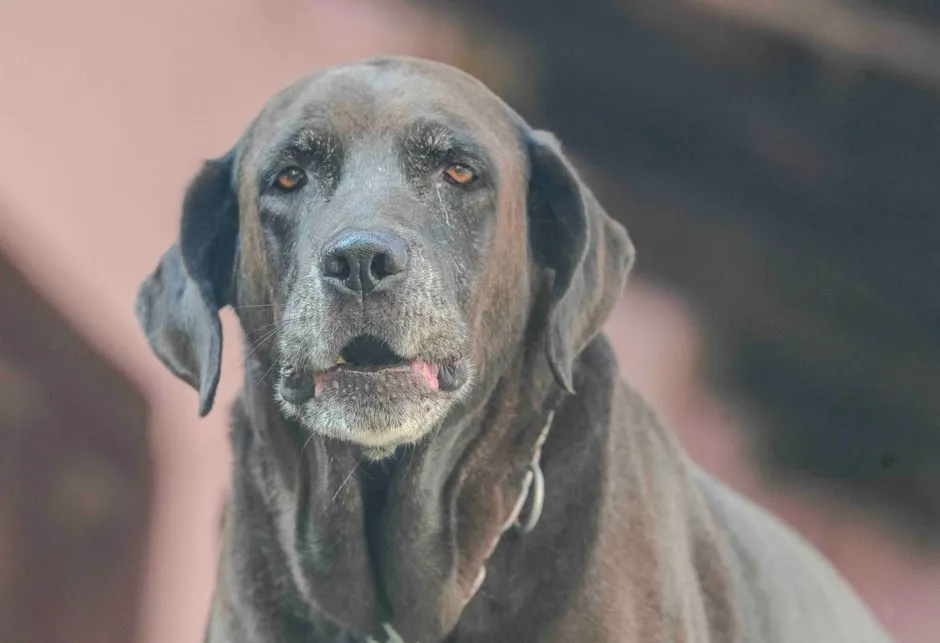
Here’s where some people get a little defensive: your dog probably likes everyone in the house, but they definitely play favorites. The giveaway is whose voice actually changes their behavior. If your senior dog is restless or whining, and your calm “it’s okay, buddy” settles them faster than anyone else’s attempt, that’s not timing. That’s years of pairing your specific voice with safety.
Even the small responses count – ears twitching at your tone from another room, a head lifting when you say their name quietly while louder sounds from others get ignored completely, a body relaxing when you’re just humming nearby. Senior dogs build a lifetime of these associations, and your voice becomes an emotional anchor point. If yours tunes into you like a radio signal locked on one station, you’re not background noise. You’re home.
#5 – Offering You Their Back or Belly to Rest
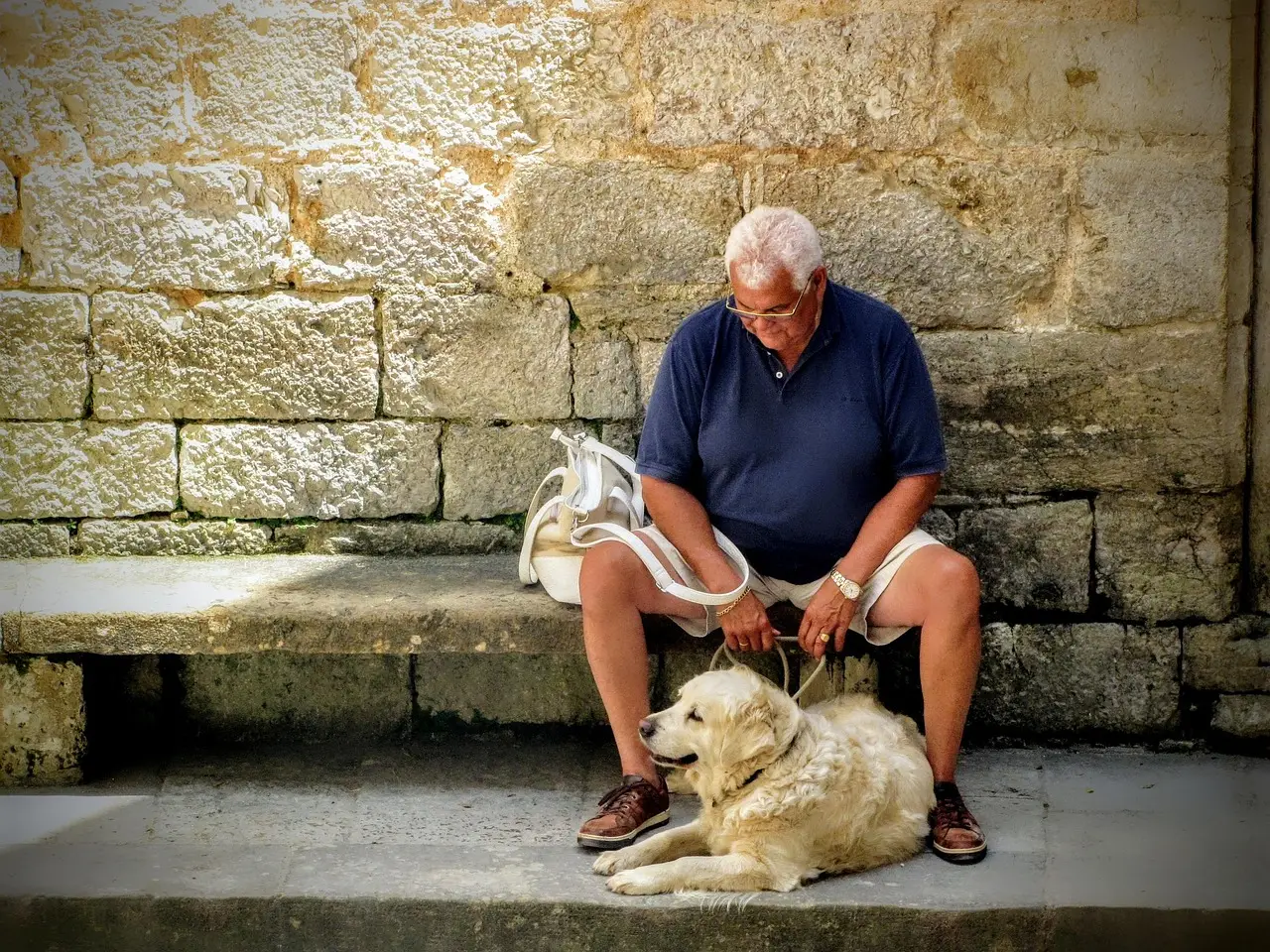
As dogs age, certain positions get harder and riskier – rolling fully onto their back or flopping their weight against someone takes more trust than it used to. So when a senior dog deliberately presses their back into you, or carefully offers a short belly rub, it carries more weight than it did in their younger years. They’re exposing their most vulnerable spot on purpose.
This usually happens in quiet moments, not excitement. They might turn their back and settle, which in dog language can mean “I trust you to watch my blind spots.” Or they do a half-roll instead of a full puppy sprawl, just enough to show they’re comfortable. Owners often misread the back-turn as dismissive, but behaviorally it’s often the opposite – a dog relaxed enough not to need you in their direct line of sight anymore.
#4 – Matching Their Pace to Yours
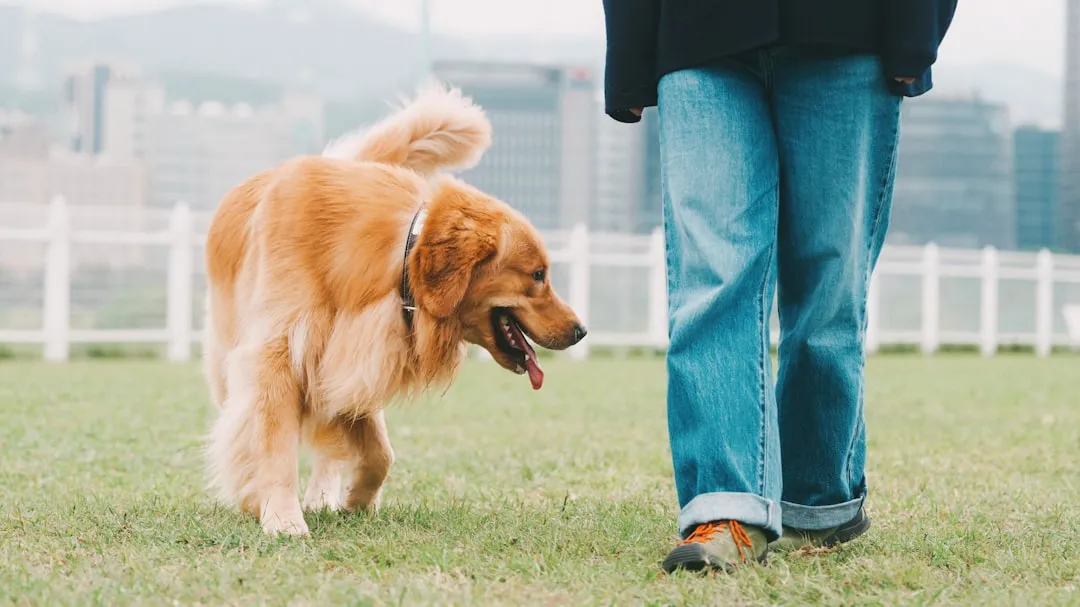
This one is easy to miss, and a lot of people never notice it at all: pace-matching. When your senior dog adjusts how fast they move just to stay beside you – on walks, on stairs, shuffling room to room – that’s a quiet, deliberate choice. They’re prioritizing staying with you over moving at whatever speed their body actually wants.
In old age, that compromise costs more than it used to. Maybe they slow down when you’re tired, checking back with a glance to make sure you’re still together. Maybe they push a little faster than feels comfortable because they don’t want to fall behind. Dogs don’t bother syncing their stride to people they don’t care about – they either drag them along or leave them behind. A dog that quietly echoes your tempo is saying, without a sound, that you move as a team now.
#3 – Checking on You During Their Own Discomfort
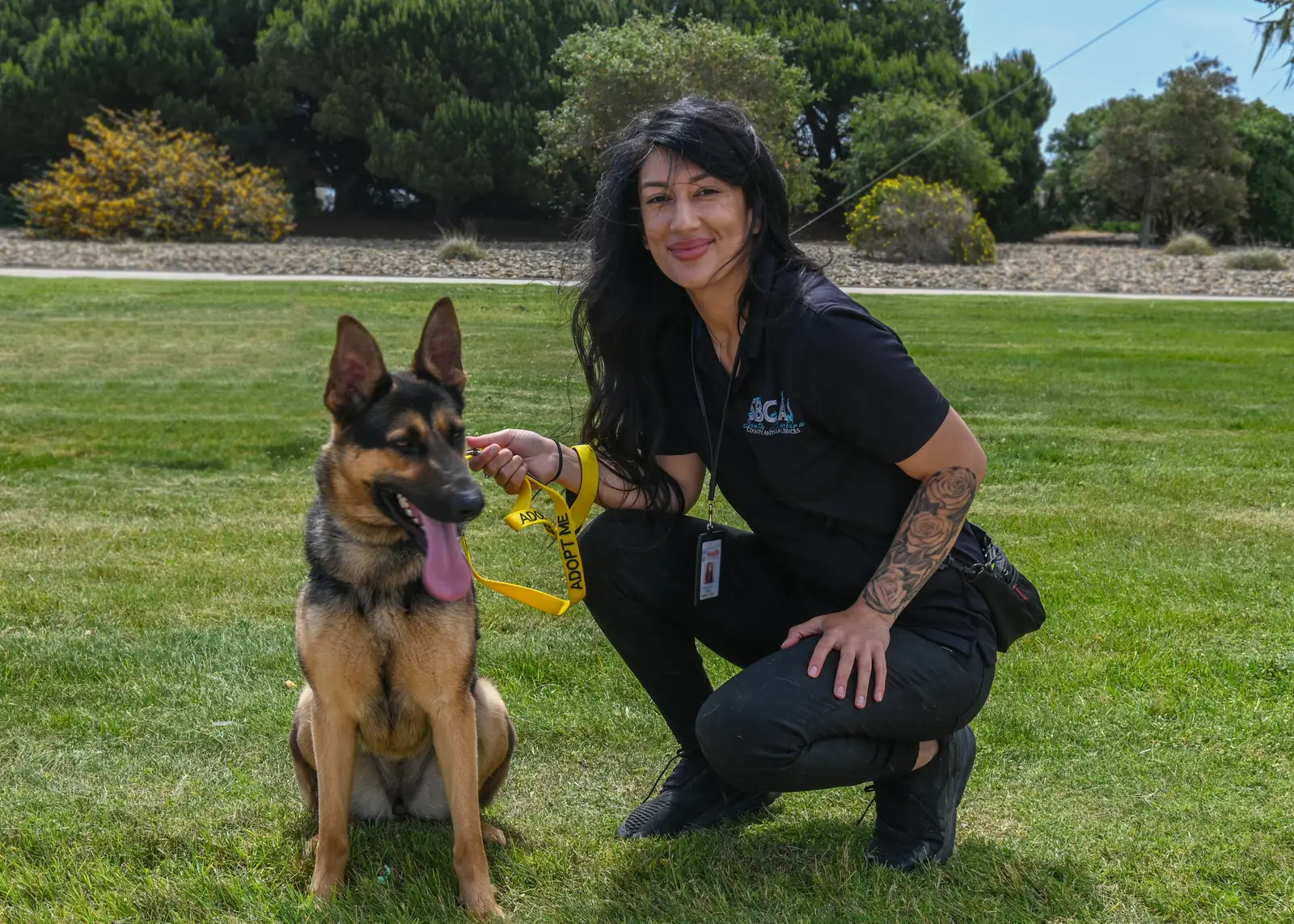
This is one of the most selfless habits on this entire list, and honestly, one of the hardest to watch. When a senior dog feels unwell, plenty simply retreat and shut down. So if your dog, even while in pain or confused, still gets up to look for you or keeps its eyes locked on you while struggling, that’s attachment running deeper than instinct alone.
You might notice them coming to your side at night when they’re anxious, or gently pawing at you while disoriented. Some will just lie close, watching your face instead of focusing on their own discomfort. They’re not ignoring the pain – they’re choosing to bring it to you instead of hiding with it. That reflex, “if I’m not okay, I need my person,” takes years of you showing up for them to build. In their old age, it becomes one of the clearest signs you’re their emotional center.
#2 – Quietly Guarding You While You’re Vulnerable
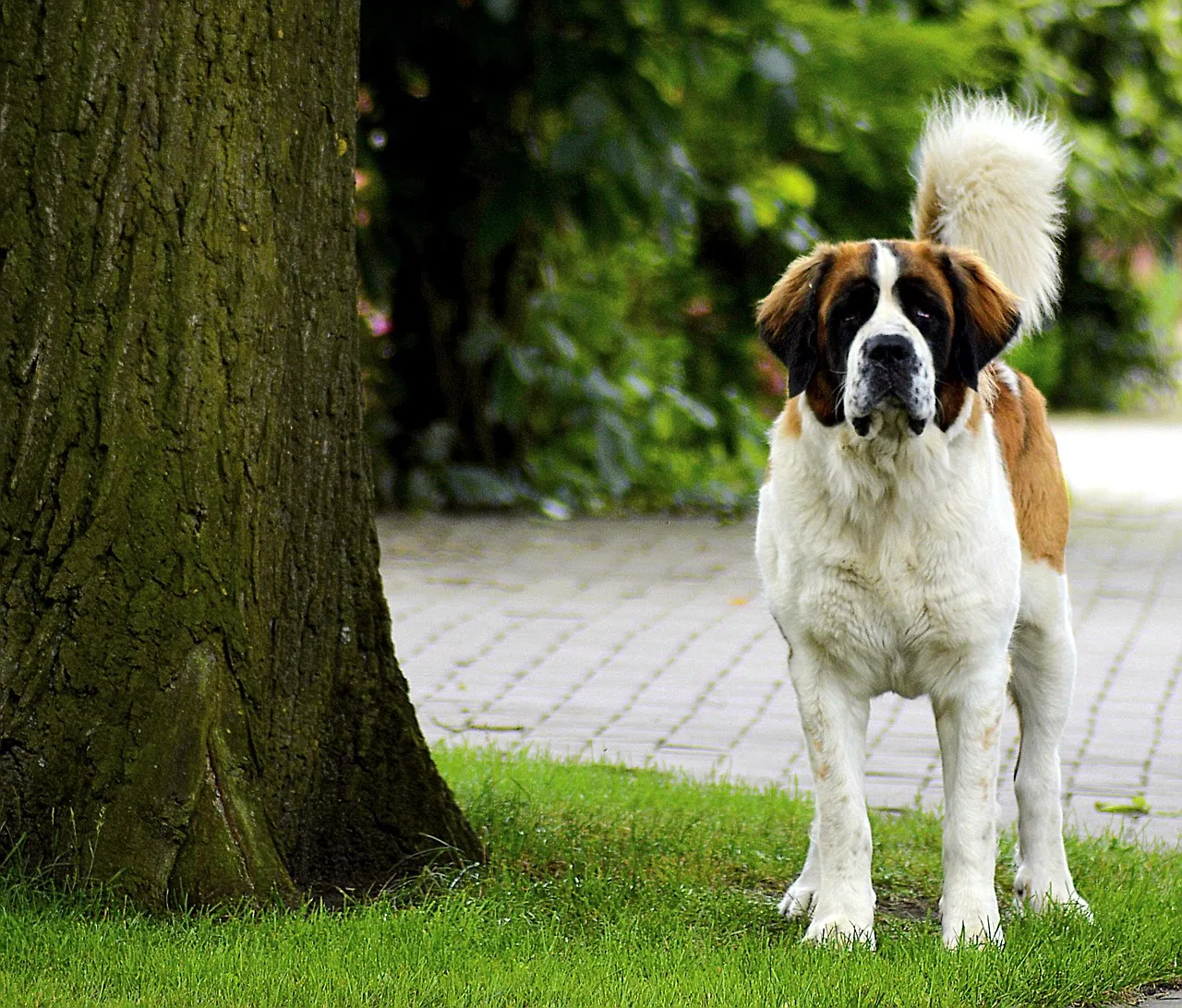
Most people brag about their dog barking at strangers, but the real loyalty usually shows up in silence. Pay attention to what your senior dog does when you’re the vulnerable one – sick, crying, asleep on the couch, or just worn thin. If they plant themselves nearby facing the room, or position themselves so they can see both you and the door, that’s not a nap. That’s a post.
Some dogs will gently sniff your face when you’re upset, then settle with their body touching yours while keeping their head up and alert. Others don’t fuss at all – they just stay. It’s not dramatic protector-dog behavior from the movies; it’s quiet, almost invisible, a choice to remain present while you’re off your game. Plenty of dogs wander off when things feel off. The ones who stay and hold a silent vigil are the ones who truly chose you.
#1 – Choosing Calm Connection Over Constant Entertainment
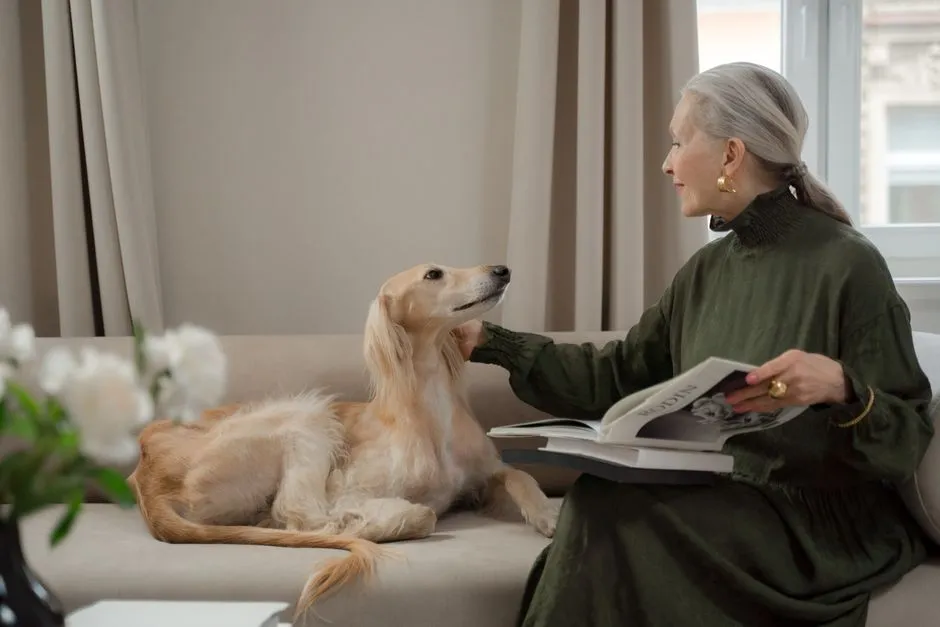
The biggest, most overlooked sign that a senior dog truly adores you is this: they no longer need you to entertain them. They just want to exist near you. With a young dog obsessed with play, it’s genuinely hard to know whether they love you or just love what you do for them. An older dog who gives up stimulation entirely just to lie at your feet is answering that question for good.
You’ll see it in your most boring moments – scrolling your phone, reading, working late at the kitchen table. They settle nearby, not asking for much, maybe offering just a soft sigh or a slow glance. Behaviorists call it secure attachment, but it’s really just the dog version of a long marriage: companionable silence that needs nothing added to it. In a world obsessed with big, loud displays of affection, this is the quiet masterpiece a senior dog spends its whole life building.
At a Glance
- Puppies show love through play, energy, and constant engagement.
- Senior dogs show love through presence, calm, and quiet companionship.
- Secure attachment in dogs mirrors the comfort of an old, easy friendship – nothing needs to be proven.
- The absence of demands isn’t disinterest – it’s often the deepest form of trust a dog can offer.
The Bottom Line
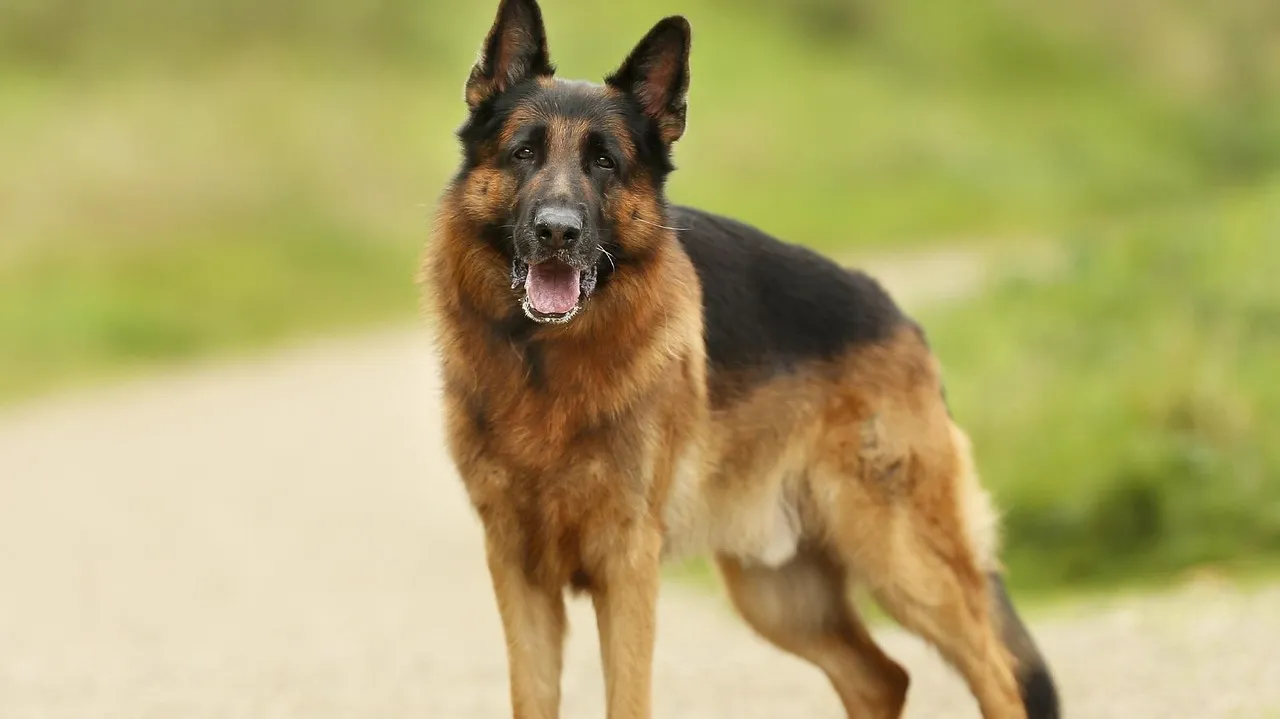
Most people keep chasing puppy-style proof of love – zoomies, big greetings, nonstop play – and completely miss the quiet loyalty sitting right at their feet. Senior dogs aren’t less affectionate. They’re more selective, and far more subtle, about who gets to see it.
From following you room to room on aching joints, to sleeping where they can hear you breathe, to tolerating care they genuinely dislike simply because it’s you doing it, their love doesn’t shrink with age. It just changes shape, trading loud excitement for something steadier and harder to fake.
If your older dog spends its limited energy staying close, relaxes more deeply around you than anyone else in the room, and shows up for you even in your worst moments, you haven’t lost their love. You’ve earned the most honest version of it they have left to give – and honestly, that’s worth more than any tail wag ever was.
