
Everyone assumes an old dog is just a sleepy blob who’s forgotten everything from puppyhood. Feed them, walk them, let them nap in the sun – end of story, right?
Except behaviorists keep finding the opposite. Senior dogs quietly “replay” specific puppyhood moments through the way they seek comfort, flinch at certain sounds, or refuse to give up one ratty toy. What looks like a random quirk is often a snapshot from puppyhood that never actually faded – and once you know what to look for, you’ll never see your old dog’s habits the same way again.
#1 – The Night They Finally Stopped Shaking
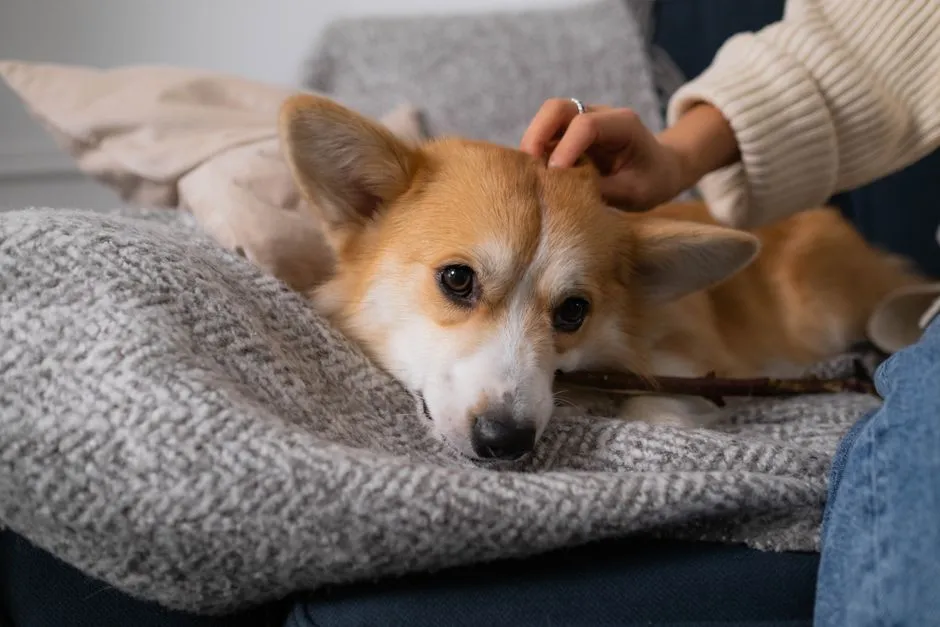
A puppy’s brain is wired to latch onto safety like a life raft. That first night they slept without trembling in a crate, or the first time they curled against your chest and finally went still – their nervous system logged that as a turning point, not just a nice evening.
That’s why old dogs still gravitate to the same kind of “safe place” they picked back then: under the table, tucked into your bed, wedged in a quiet corner away from noise. If you adopted a rescue, this memory runs even deeper – the moment they realized no one was going to hurt them anymore became a permanent mental bookmark. It’s why a senior dog will still trail you from room to room like your shadow. You’re not just their owner. You’re the physical proof that the world stopped being scary.
#2 – The One Human Who Was There First
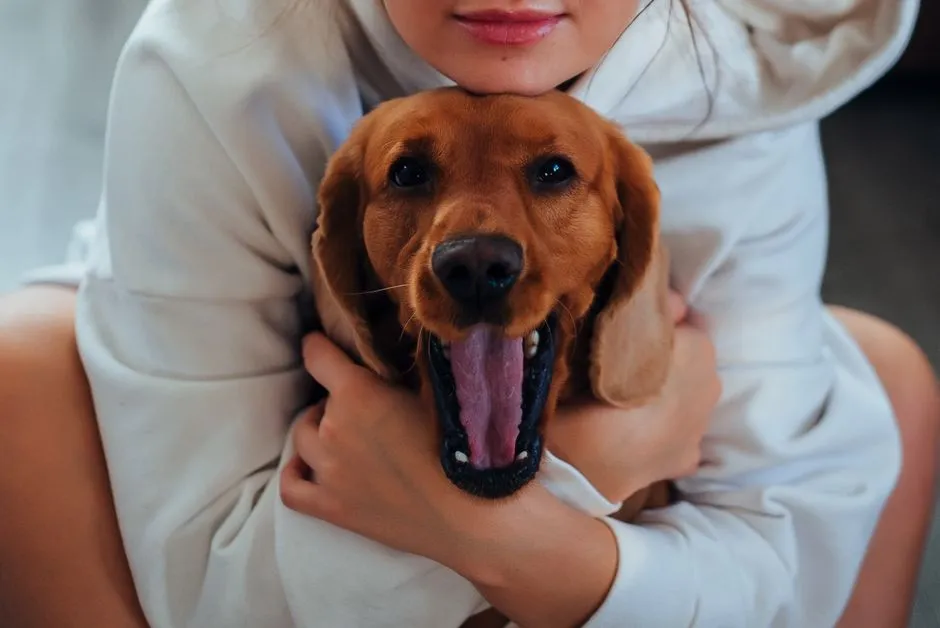
People love to say dogs love everyone equally. Old dogs disagree. Most of them have one person who is quietly, permanently “the original” – the kid who hand-fed them kibble off the floor, or the adult who did every single 2 a.m. potty run without complaining.
Puppies form deep attachment patterns in just a few weeks, and those emotional grooves don’t fade with age – they harden. That’s why a gray-muzzled dog can suddenly light up like a puppy for someone they haven’t seen in years. They remember voices, specific ways of being touched, even the rhythm of someone’s walk. Around that first “forever human,” senior dogs lean harder, stare longer, and visibly relax in a way they don’t for anyone else – training be damned.
#3 – The Smell of Their First Home
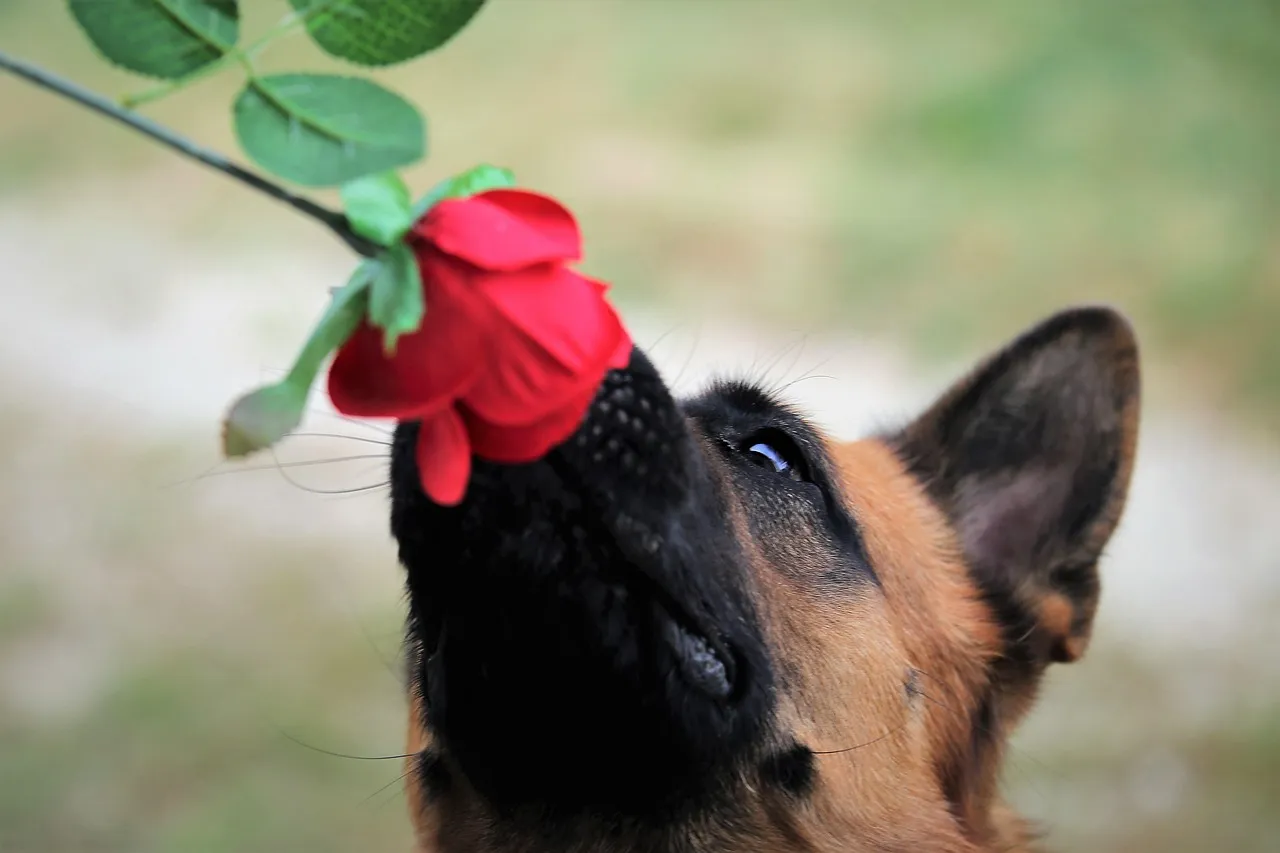
Humans underestimate smell constantly, but to a dog, scent is memory in its purest form. Your old dog may have long forgotten the layout of that first apartment or backyard, but they can likely recognize its core scent profile decades later – the detergent, the cooking smells, the other pets who lived there.
That whole mix becomes their working definition of “home.” It’s why senior dogs who revisit an old house or neighborhood go into that strange, laser-focused sniffing mode along the porch, the fence line, the exact patch of grass where their puppy bed used to sit. They’re not confused. They’re pulling up an old file. Even after several moves, keeping one consistent object – the same blanket, the same worn-out bed – can act like a time machine for a dog who can’t tell you what they’re remembering, only show you.
Fast Facts
- Dogs can have up to 300 million scent receptors, compared to roughly 5 to 6 million in humans.
- The portion of a dog’s brain devoted to analyzing smell is estimated to be about 40 times larger, proportionally, than a human’s.
- A dog’s olfactory signals route straight into the brain’s memory and emotion centers, which helps explain why one whiff can trigger a years-old feeling instantly.
#4 – The First Toy That Became “Theirs”
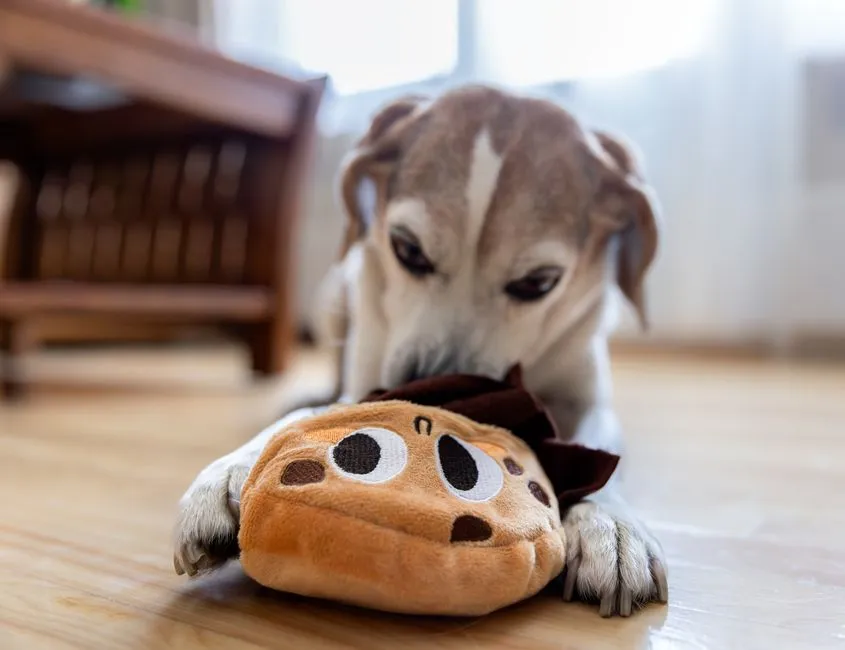
Ask any vet tech and they’ll tell you: most older dogs have exactly one toy they will defend to the death, and that obsession usually started in puppyhood. A squeaky duck, a battered tennis ball, that one weird rope nobody else liked – that first “mine” moment becomes a powerful emotional anchor, not just a plaything.
The specificity of it is almost eerie. A dog who imprinted on a crinkly plush toy as a puppy may ignore rubber balls entirely for the rest of their life, but lose their mind over anything that rustles the same way. During thunderstorms or a house full of strange guests, plenty of senior dogs will quietly carry that same ruined, half-stuffing toy from room to room like a security blanket. It looks cute. It’s actually a direct wire back to puppyhood.
#5 – The First Noise That Genuinely Terrified Them
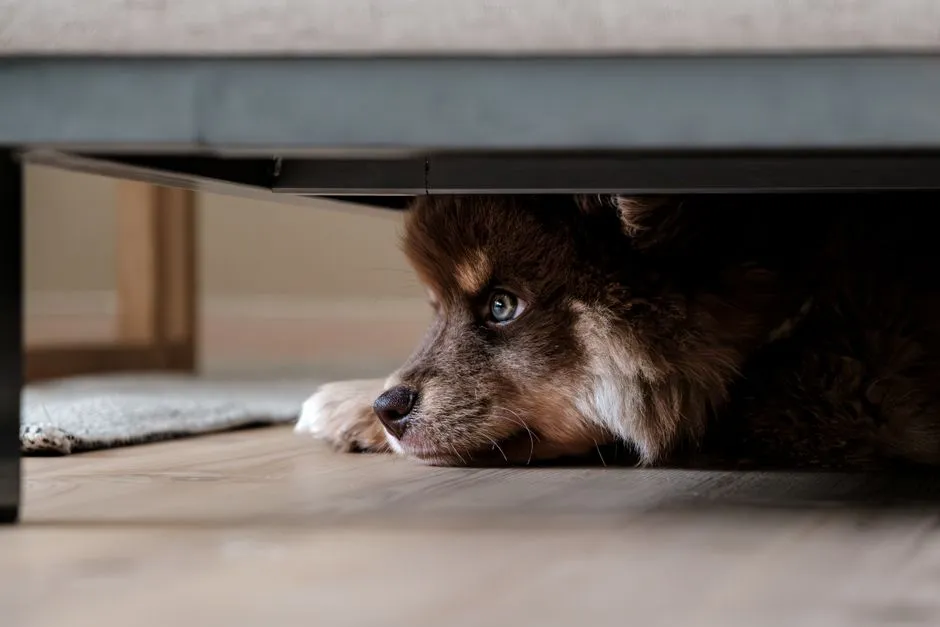
Most people assume noise phobias are just a personality trait some dogs are born with. They’re usually not. Noise fear almost always traces back to one specific bad moment – a thunderstorm, a fireworks show, a dropped pan – that got burned into a puppy’s brain as a real, credible threat.
If nobody soothed them properly in that moment, the fear doesn’t stay small. It grows legs and follows them straight into old age. A senior dog who still panics during storms is very likely replaying one specific early episode – alone in a crate when thunder cracked, or caught outside when fireworks went off directly overhead. Compare that to puppies whose owners calmly paired loud sounds with treats early on; those dogs tend to grow into seniors who barely flinch. The first experience, not the hundredth, is the one that sticks.
#6 – The Day the World Got Enormous
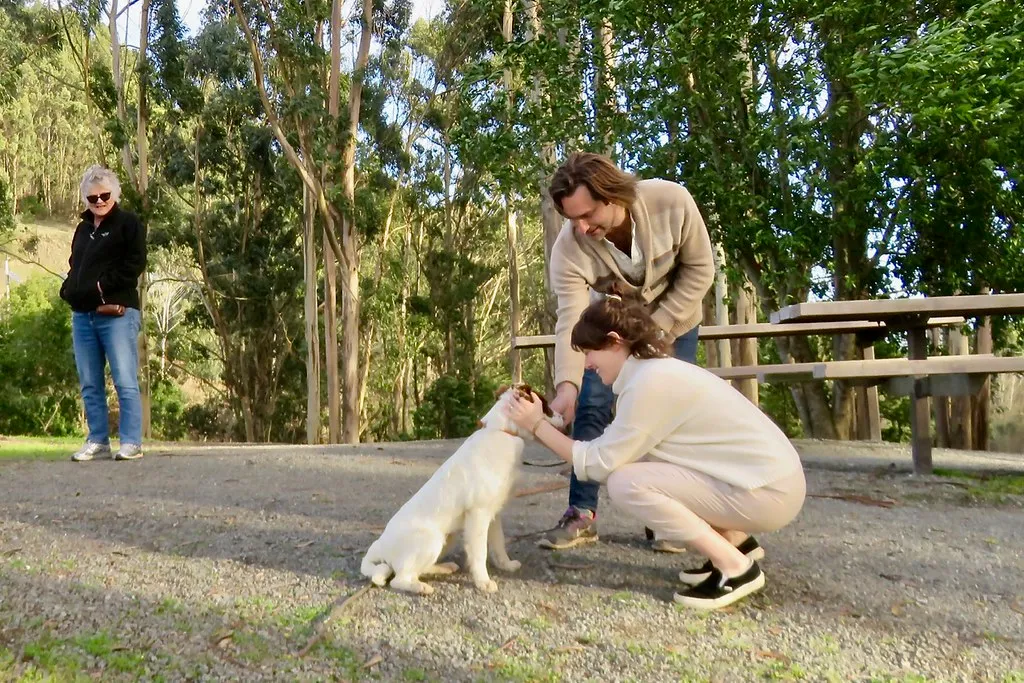
Every dog has one first “real” outing that goes beyond the backyard – the first trip to a park, a beach, a chaotic farmer’s market full of strollers and strange dogs. Puppies absorb an almost overwhelming amount of data during these early adventures: surfaces, smells, strangers, bikes, kids, other animals, all at once.
Years later, the echoes are still visible if you know where to look. A senior dog who got spooked by a skateboard on that very first walk might still side-eye anything with wheels. One who met a gentle Labrador that same day may soften instantly at the sight of any big yellow dog. It’s also why plenty of older dogs seem more relaxed sticking to familiar, boring neighborhoods – those first big adventures were simply too much, and they never quite grew out of needing the routine version instead.
#7 – The First Dog Who Taught Them to Trust (or Not)
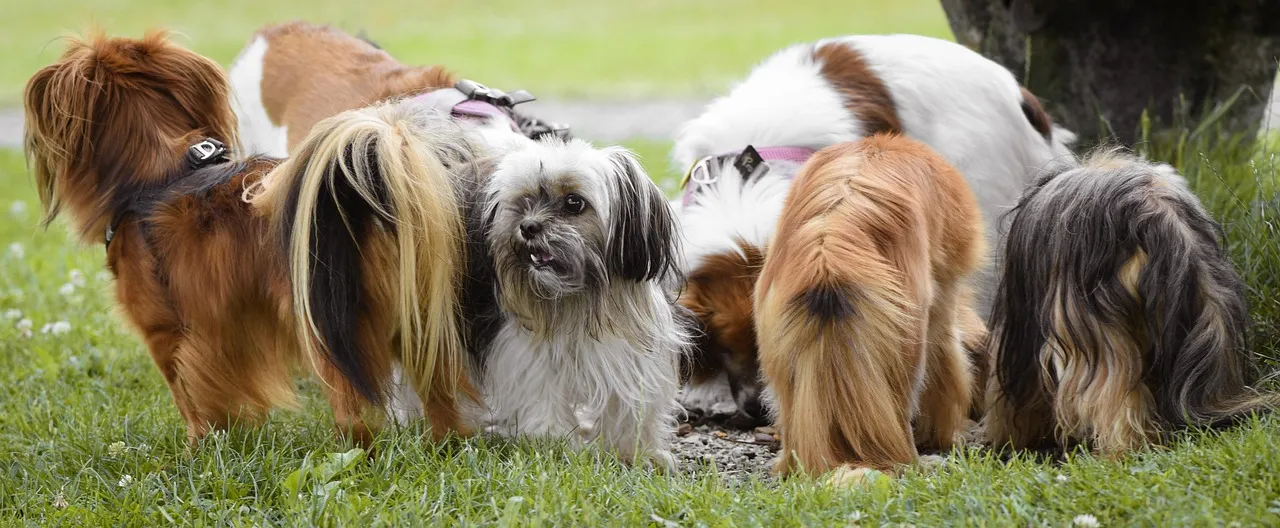
People love romanticizing early puppy socialization, but it genuinely cuts both ways. That first big encounter with another dog can set the emotional tone for years, sometimes for life. A calm, patient older dog who tolerated puppy nonsense builds a confident adult. A rude, overwhelming pile-on at a dog park at 12 weeks old builds something very different.
Owners of reactive senior dogs often insist, “He’s always just been like this” – but dig a little and there’s almost always an early incident hiding underneath: a chaotic greeting, a fight over a toy, a terrifying chase that never got resolved. On the flip side, plenty of senior dogs still melt for one specific type of dog, usually because that breed or size was their first gentle friend. Social media loves the “every dog belongs at the dog park” myth. Plenty of old dogs clearly remember the exact day they learned otherwise.
Quick Compare
- Calm, positive first encounters: tend to raise confident, easygoing adult dogs who read other dogs well.
- Chaotic or scary first encounters: often plant the seeds of reactivity or fear that surface again in old age.
- Gradual, supervised introductions: build a foundation of trust that tends to carry a dog quietly into their senior years.
#8 – The First Bite That Tasted Like Love
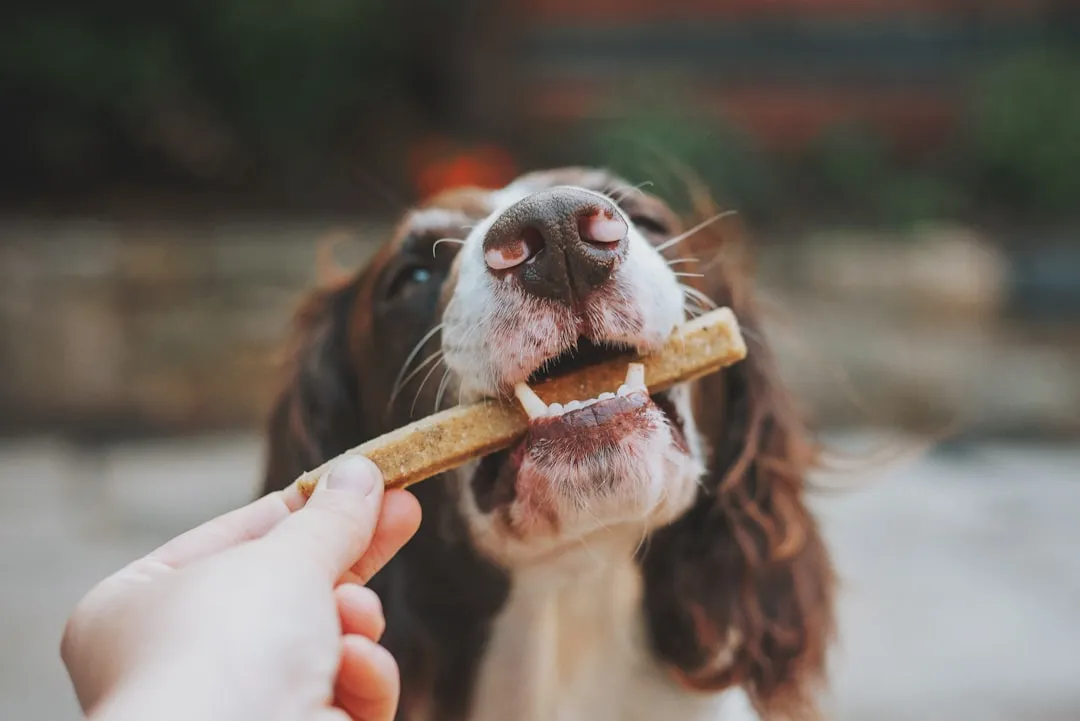
Food memories hit dogs just as hard as they hit us emotionally. That first “real” treat – chicken snuck off your plate, a training reward, a lick of ice cream – creates one simple, powerful equation in a puppy’s brain: people equal good things happening in my mouth.
Plenty of senior dogs still park themselves in the exact spot where they first got table scraps, years after the sharing stopped. Watch closely and you’ll also notice them perk up at the sound of specific packaging or a particular cabinet door – not randomly, but because their brain filed that exact sound under “jackpot” a long time ago. It’s part of why vets often say a tiny, safe human-food treat can deepen your bond so effectively: it’s tapping directly into the oldest emotional wiring a dog has.
#9 – The First Time You Actually Came Back
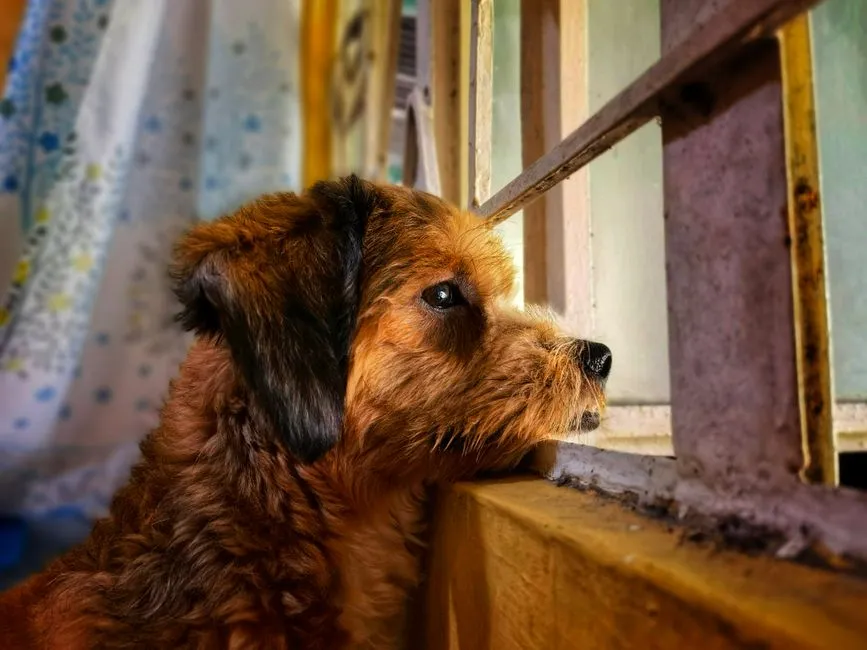
Separation anxiety gets dismissed as “clingy behavior,” but it’s rarely that simple. It usually traces back to one specific moment: the first time a puppy realized you could disappear at all. That first real stretch alone – ten minutes or two hours – can shape their trust in you for the rest of their life.
If they panicked back then and nobody helped them cope, that memory doesn’t vanish with age. It sits quietly in the background and flares up during big changes, which is why senior dogs who whine the second you grab your keys or shoes usually aren’t being dramatic – they’re remembering the emotional gut-punch of that very first disappearance. Dogs whose owners built up short absences gradually, and always came back, tend to carry a quieter confidence into old age instead. Most old dogs don’t “grow out” of separation fear on their own. They just learn to cope on top of a memory that never actually left.
Worth Knowing
- Common signs of separation anxiety include pacing, whining, or restlessness that starts the moment you grab your keys.
- Dogs gradually eased into short absences as puppies tend to handle alone time more calmly as seniors.
- Keeping departures and returns low-key, rather than dramatic, can help ease anxious anticipation over time.
#10 – The First Bed That Actually Felt Like Theirs

You probably don’t remember the cheap cushion or folded towel you tossed in the corner years ago. Your dog very likely does. That first place they were allowed to fully relax becomes a template their body keeps chasing for the rest of their life.
Dogs who started out on a crate pad often keep gravitating toward enclosed, den-like spots decades later. Ones whose first bed sat at the foot of your own will often insist on sleeping there until their joints simply can’t manage the climb anymore. Some senior dogs will even circle, sniff, and paw at a brand-new, expensive orthopedic bed because it doesn’t “feel” like the original. Upgrading beds for their joints is smart – just try keeping one old blanket from that first setup in the mix. It quietly does more comforting than any fancy product can.
#11 – The First Time They Got in Real Trouble
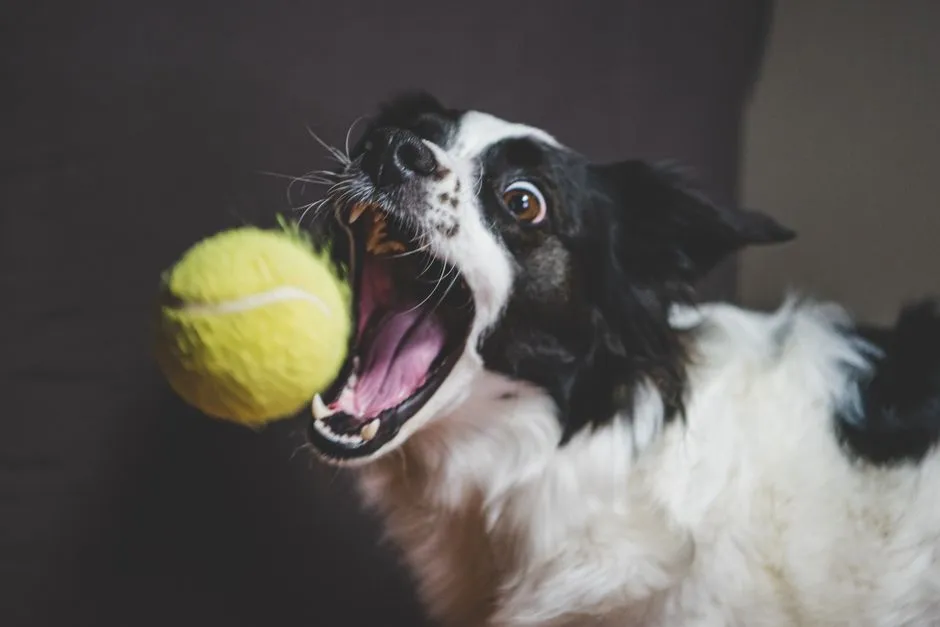
People underestimate how deeply a single scolding can land on a young dog. That moment you yelled over a chewed shoe or an accident on the rug – your puppy almost certainly didn’t understand the details, but they understood your anger perfectly.
For sensitive dogs, that’s the exact day “I need to be careful around humans” got written into permanent memory. A senior dog who still flinches at fast hand movements or raised voices may be echoing that one old spike of fear, even if you only lost your temper once or twice decades ago. Puppies learn in overdrive, which means emotional moments – good or bad – hit far harder than they would on an adult dog. Owners who redirected calmly instead of exploding tend to end up with senior dogs who can handle correction without shutting down completely.
#12 – The First Ritual That Made Them Part of the Family
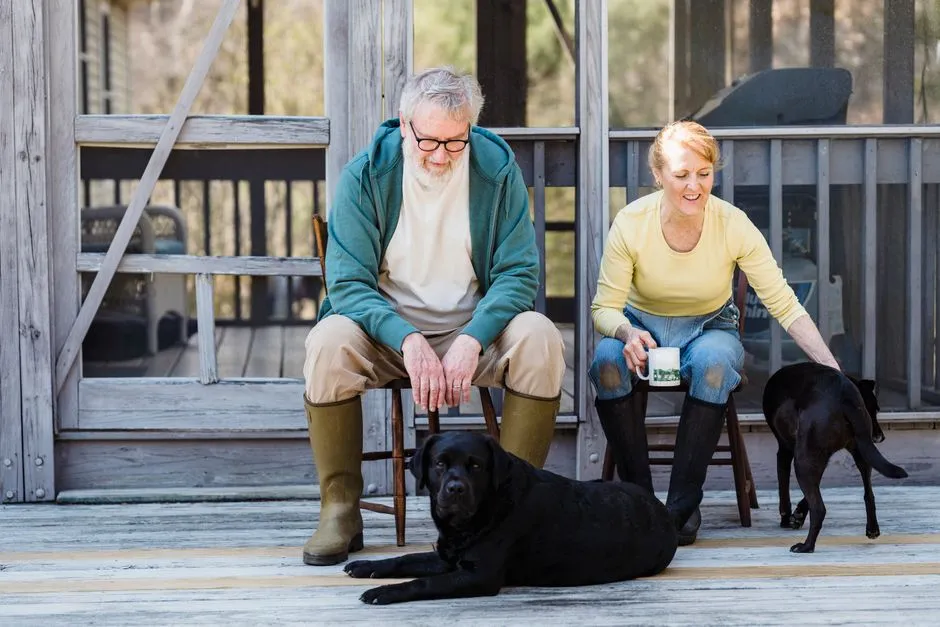
Dogs are pattern-obsessed creatures. The first time your puppy got pulled onto the couch for movie night, included in the Sunday morning coffee routine, or allowed to watch holiday gifts get unwrapped – you weren’t just entertaining them, you were enrolling them into the pack’s schedule.
Senior dogs cling to these rituals like proof they still belong. It shows up when an old dog forces themselves up off a comfortable bed for one specific daily event – the after-dinner walk, the bedtime treat, the sound of kids coming home from school. Those aren’t just habits. They’re anchored to the exact puppyhood moment they first understood, “this is what we do together.” Change the ritual and plenty of old dogs get visibly unsettled, pacing or whining at the old, familiar time.
#13 – The First Car Ride That Set the Tone
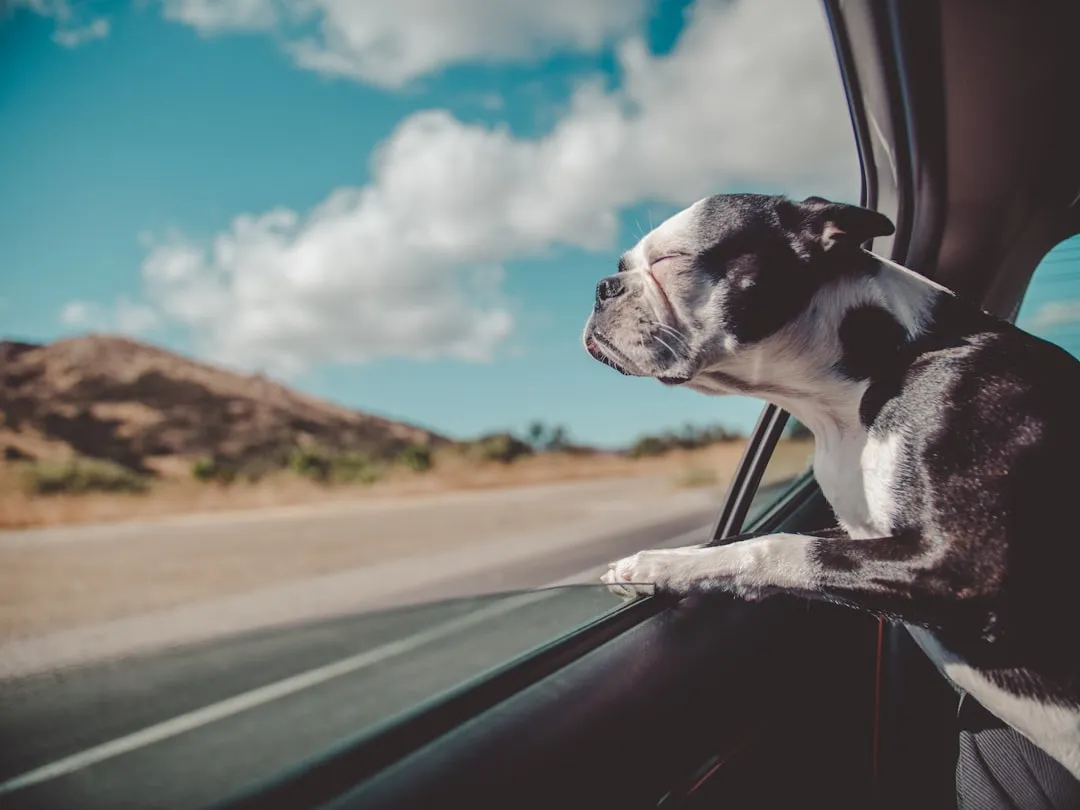
Car rides are either magic or misery for a dog, and that split usually gets decided early. For some puppies, the first big ride ended at a park, a beach, or grandma’s yard – and those dogs often grow into seniors who still vibrate with excitement the second a car door opens.
Others had a very different first chapter: a trip to the vet, a shelter drop-off, or a long, nauseating ride with no good ending. Old dogs who shake, pant, or plant their feet at the car door usually aren’t being stubborn – they’re remembering. Even after dozens of pleasant drives since then, that original association can cling like static. It’s why trainers now recommend pairing a puppy’s very first car rides with short, happy destinations instead of only the vet. You can rewrite the story over time, but that first chapter never fully gets erased.
At a Glance
- Trainers often suggest a puppy’s earliest car rides end somewhere fun, not only at the vet’s office.
- Short, low-stress trips help build a positive association with the car before longer drives happen.
- Puppy motion sickness can look a lot like fear, so patient, gradual exposure helps sort out which one you’re really dealing with.
#14 – The Exact Moment They Decided You Were Theirs
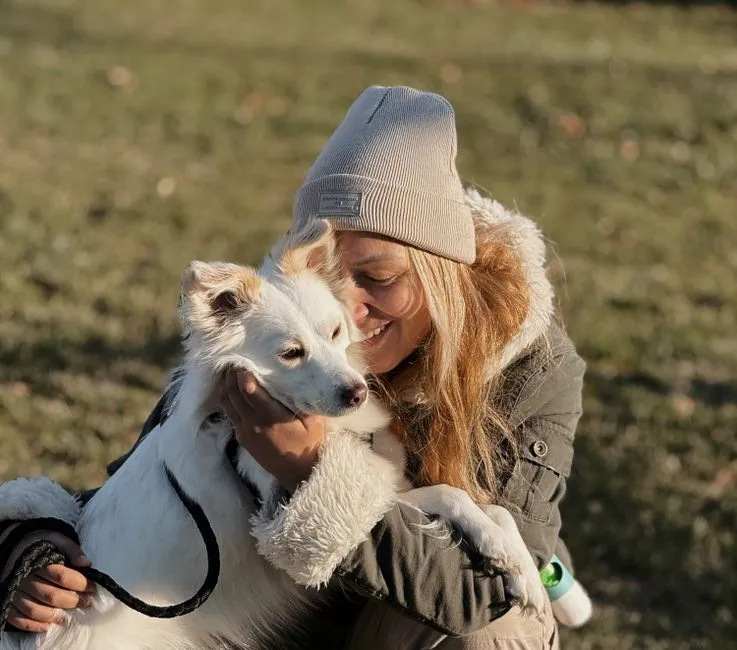
Ask long-time dog owners and you’ll hear eerily similar stories: a look, a sigh, one quiet evening when the puppy finally stopped buzzing around and just… attached. There’s almost always a specific moment when a dog shifts from “I live here” to “these are my people.”
Maybe it was the day you came home from a trip and they lost their entire mind with relief. Maybe it was the night you stayed up with them after surgery, hand on their side, until the sun came up. Senior dogs carry that exact imprint into every gray-muzzled day that follows – it’s why they still drag themselves to the door when you come home, arthritis and all, and why they lock onto your face with that uncomfortably human focus when you’re upset. Behaviorists can argue forever about how dogs conceptualize love. Any honest dog owner already knows there was a first moment of true claim, and their old dog never once forgot it.
The Bottom Line
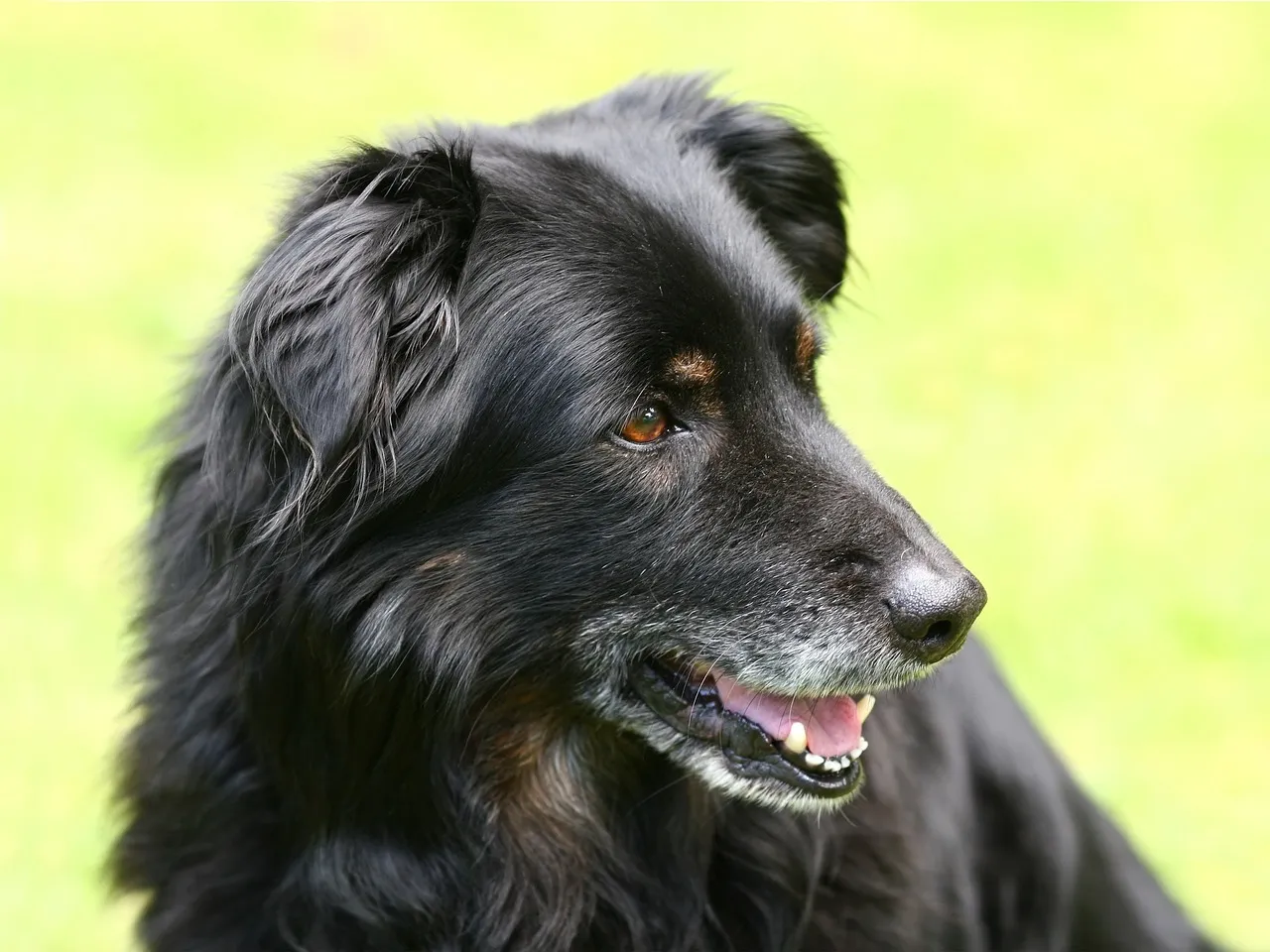
Your old dog isn’t drifting through life on fuzzy half-memories. They’re quietly carrying a highlight reel from puppyhood – the first time they felt safe, the first friend, the first fear, the first ritual that made them part of the pack.
Those early wins and mistakes don’t fade. They echo in the habits, the anxieties, and the way your dog looks at you from across the room decades later. If you ask me, that’s exactly why senior dogs seem almost painfully devoted – they remember precisely how far they’ve come, even when we’ve long forgotten the small moments that got them there.
We owe puppies more patience because of it, and we owe old dogs more gentleness for the same reason. They’re not being dramatic. They’re living, every single day, with a lifetime of moments we barely noticed as they happened.
Which puppy memory do you think your old dog is still holding onto? Tell us in the comments.
