
Most people assume a horse just moves on when its favorite person disappears – no hard feelings, no lingering ache, just hay and turnout as usual. Walk into the right barn at the right hour, though, and you’ll see something that doesn’t fit that story at all: a gelding standing frozen at an empty gate, ears locked on a driveway where no car is ever coming again.
Horses don’t grieve exactly like we do, but behaviorists keep landing on the same uncomfortable truth – these animals form deep, specific attachments, and losing the right human can quietly rewire how they eat, move, and look at you. Not every dull stare or spooky moment means mourning. But when several of these signs stack up in the same horse, longtime horse people stop calling it coincidence. Here are 14 of the quiet, easy-to-miss ways a horse may still be looking for the rider it loved most.
#1 – They Wait at “Your” Spot Long After You’re Gone
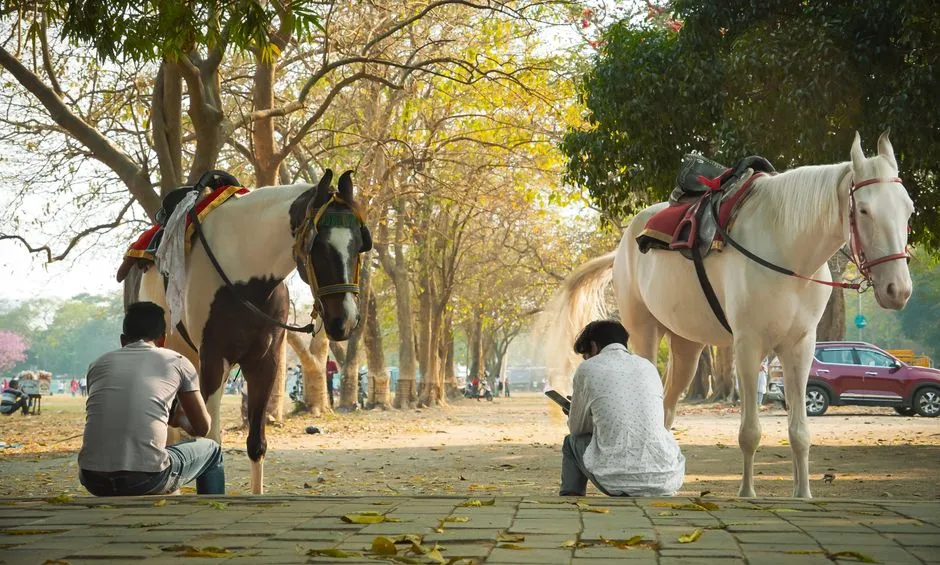
Some horses don’t search wildly when a beloved rider disappears – they wait. Owners describe horses parking themselves at the barn door, arena gate, or driveway at the exact time their person used to arrive, day after day. It can look like simple habit, but the intensity is different: ears pricked to every car, body pointed toward the road, almost refusing to leave that post.
The horse is burning energy to stand where its person should be. Others walk the fence line near the house, checking over and over, sometimes ignoring turnout buddies or hay just to keep a clear view of the road. Trainers sometimes dismiss this as routine, but long-time horsemen know the difference between a horse bored at the gate and one scanning for someone who isn’t coming back.
#2 – They Go Quiet and “Shut Down” Around New People
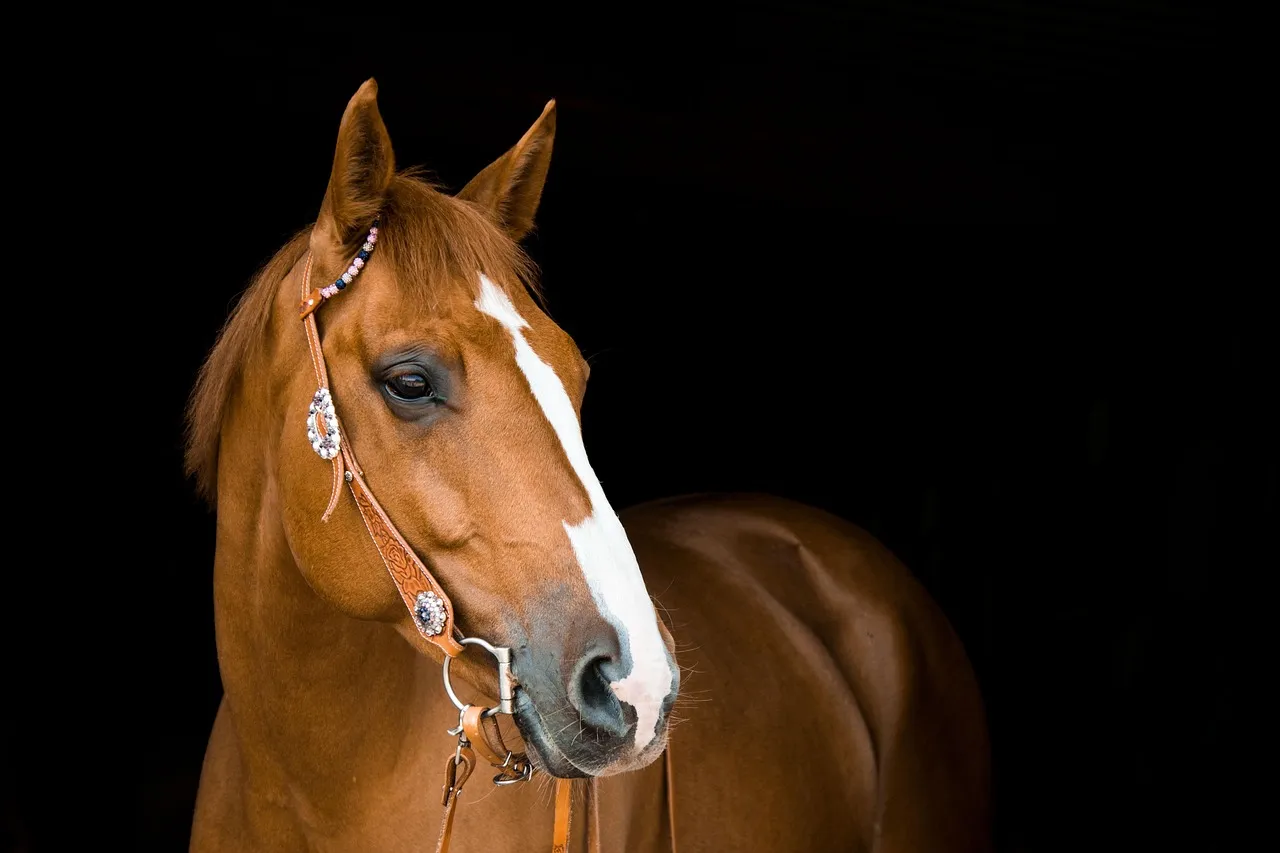
Most people expect a grieving horse to act wild or dramatic. The more chilling sign is the opposite: the horse that goes quiet. Some animals, after losing their primary rider, seem to flip into energy-saver mode around humans – less expression, fewer nickers, a flat look in the eye.
It can feel like the lights are on, but nobody’s home. New handlers often misread this as a “perfectly calm” horse, but long-time caretakers notice what’s missing – no eager step toward the halter, no little rumble when the grain cart rattles, no playful nudge. In some cases, the horse only perks up for the one barn worker who smells, moves, or sounds most like the person it lost. That selective spark is exactly what convinces old-school horsemen this is real grief, not just training.
Fast Facts
- Horses are herd animals that typically bond most strongly with one or two individuals rather than treating every companion equally.
- Equine memory for specific people, places, and routines can last for years, not just weeks or months.
- Established equine behavior research shows horses read human facial expressions and body language closely, which is part of why they notice when a familiar presence is missing.
- A dulled expression or reduced vocalizing is often an emotional or stress signal, not just a personality trait.
#3 – They Keep Checking the Places You Shared, Even Empty
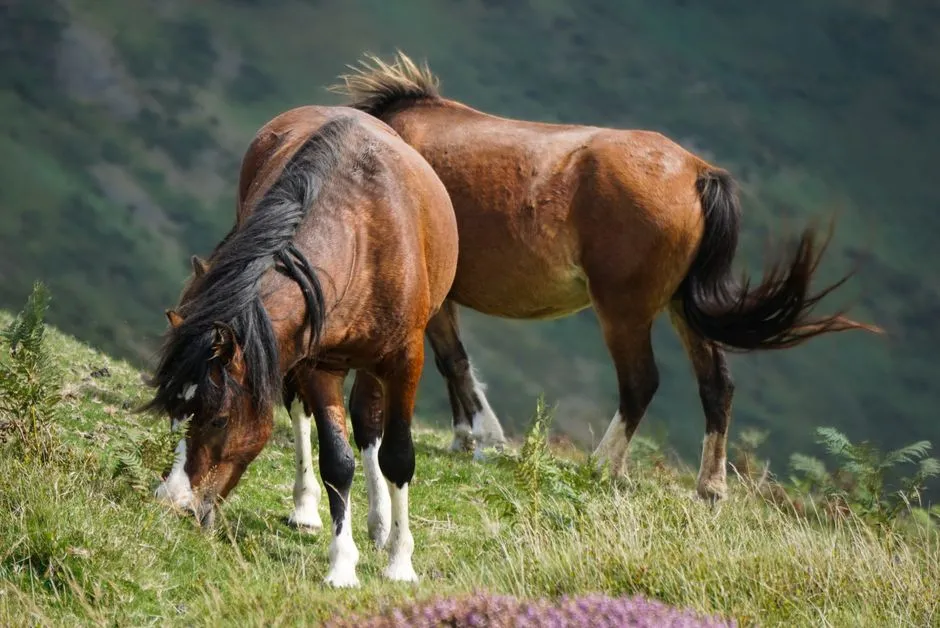
Horses have strong spatial memory. When a bonded rider disappears, some quietly start checking the specific spots they associate with that person – the mounting block where you always swung up, the wash rack you used after rides, the corner of the arena where you’d stop to chat. They’ll walk over, look, pause, and then come back again later.
Barn staff sometimes catch this pattern only on security cameras, watching the horse slip away from herd mates to walk the same loop and pause in “your” places with a puzzled, searching posture. This isn’t random wandering; it’s a repeated route. Skeptics call it habit, but many riders know the difference between a horse hustling to a feed spot and one slowly inspecting a silent, empty area where a familiar voice used to be.
#4 – Their Eating and Drinking Habits Quietly Change
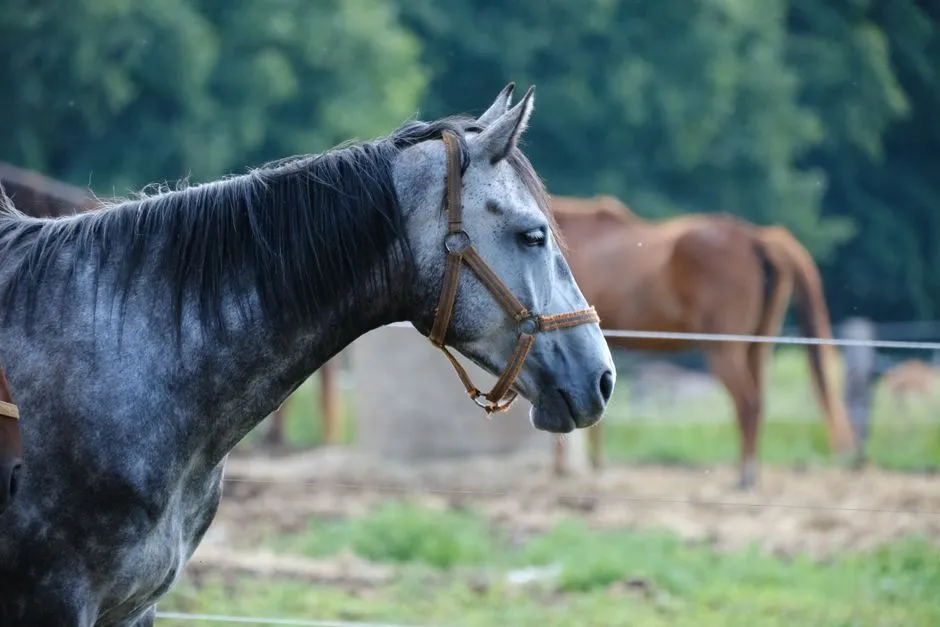
A grieving horse rarely throws a dramatic fit around food – it just shifts. Maybe it leaves part of its grain for the first time ever. Maybe it stands with its head over the hay but chews slowly, distracted, or starts dunking hay obsessively while ignoring the rest of the pile.
Any sudden, persistent change around feed after a loss is a red flag worth watching closely. Drinking patterns can wobble too – lingering at the trough without taking in much, or more nighttime drinking and less during the day. None of this proves grief alone, since illness, pain, and stress can cause the same thing, which is exactly why good horse people call the vet first. But when health checks out clean and the timing lines up perfectly with the rider’s absence, many owners quietly admit it “looks a lot like mourning.”
#5 – They Call Out at Odd Times, Then Suddenly Go Silent
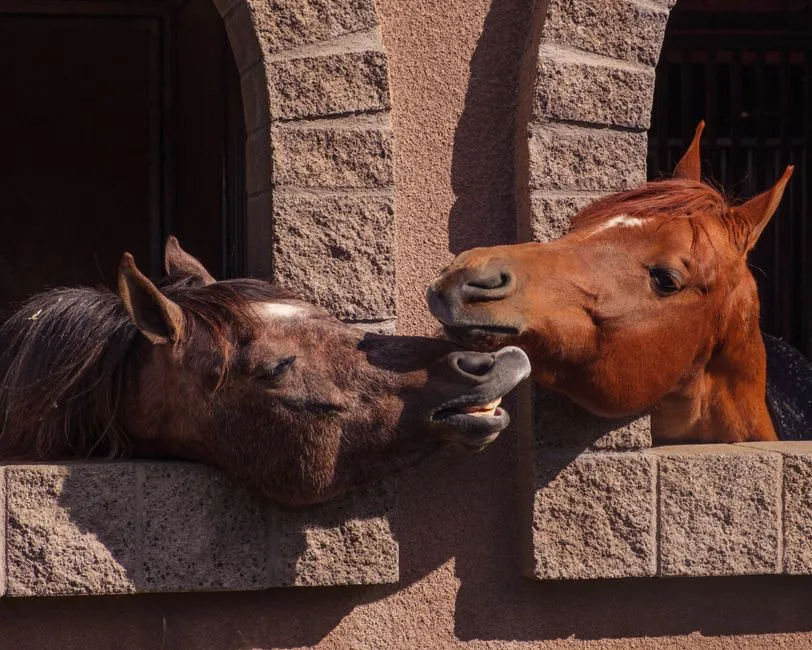
Vocal horses sometimes react to a missing rider by calling more. For a few days or weeks, you might hear whinnies at the usual arrival time, anxious nickers toward approaching cars, or calling out when someone walks past the spot where that rider used to appear.
It can be heartbreakingly specific – almost like the horse is asking, “Where are you?” Then comes the gut-punch: the sound stops. Owners report an eerie silence after that initial burst, as if the horse has concluded no one is answering. It doesn’t mean the horse is over it; often it just goes quieter in other ways too, more withdrawn and harder to read. Experienced barn managers see this pattern often enough that they’ll quietly say, “He’s still looking for her.”
#6 – They Resist “Replacing” Routines With a New Rider
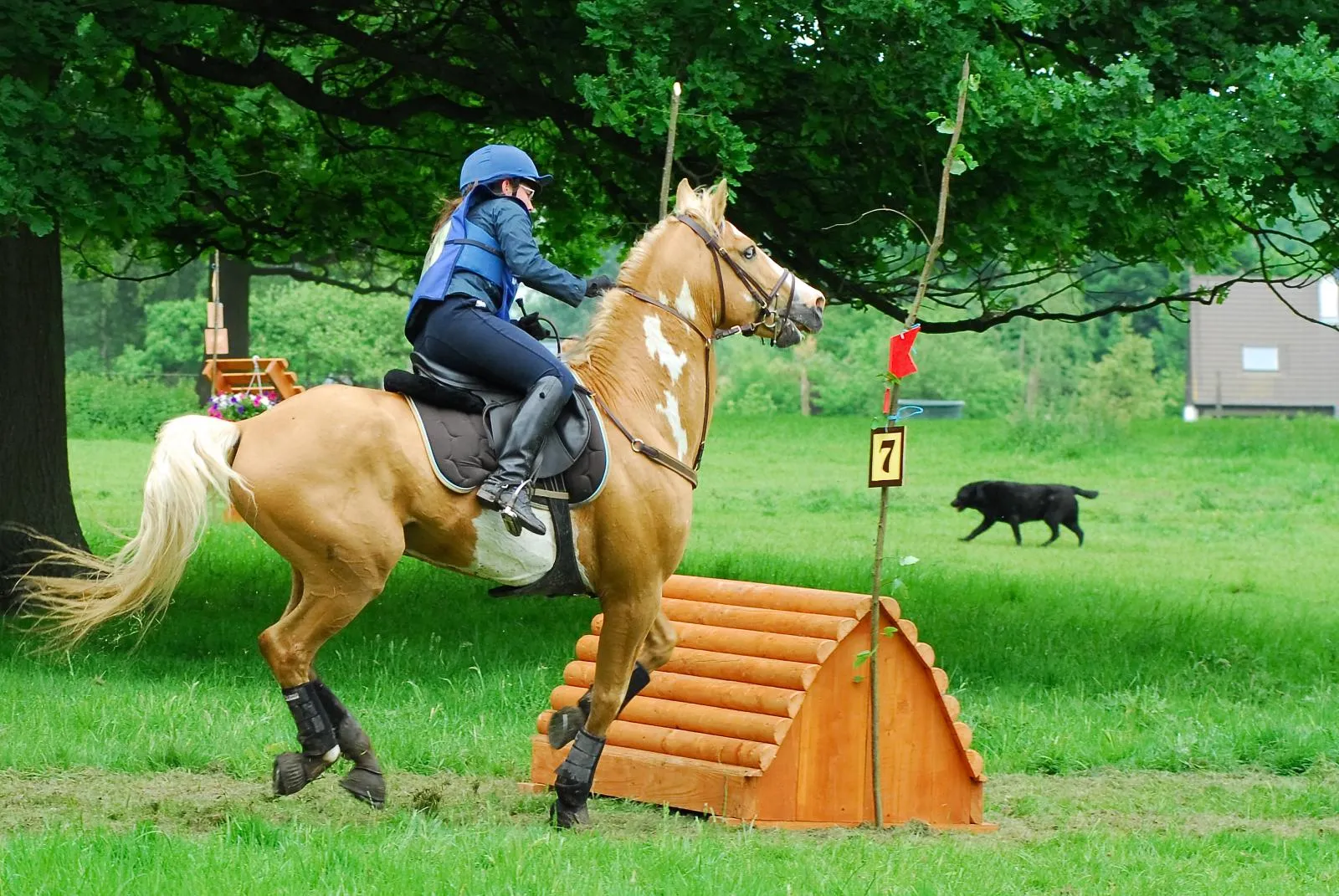
A surprisingly common pattern: a horse that was rock-solid for one rider suddenly refuses basic tasks with a new one. Not green, spooky horses – seasoned partners that balk at the mounting block, pin their ears under saddle, or plant their feet entering the arena.
The horse isn’t just rusty; it’s protesting a change it didn’t choose. Some tolerate grooming or hand-walking from a new person but stiffen the moment they’re asked to perform the exact routine they once shared with their favorite rider. Others are perfectly fine with one substitute human and downright sour with another. Most trainers chalk this up to training holes, and sometimes they’re right – but owners who know their horses best can tell when a refusal carries a different kind of weight.
#7 – They Fixate on the Rider’s Scented Belongings
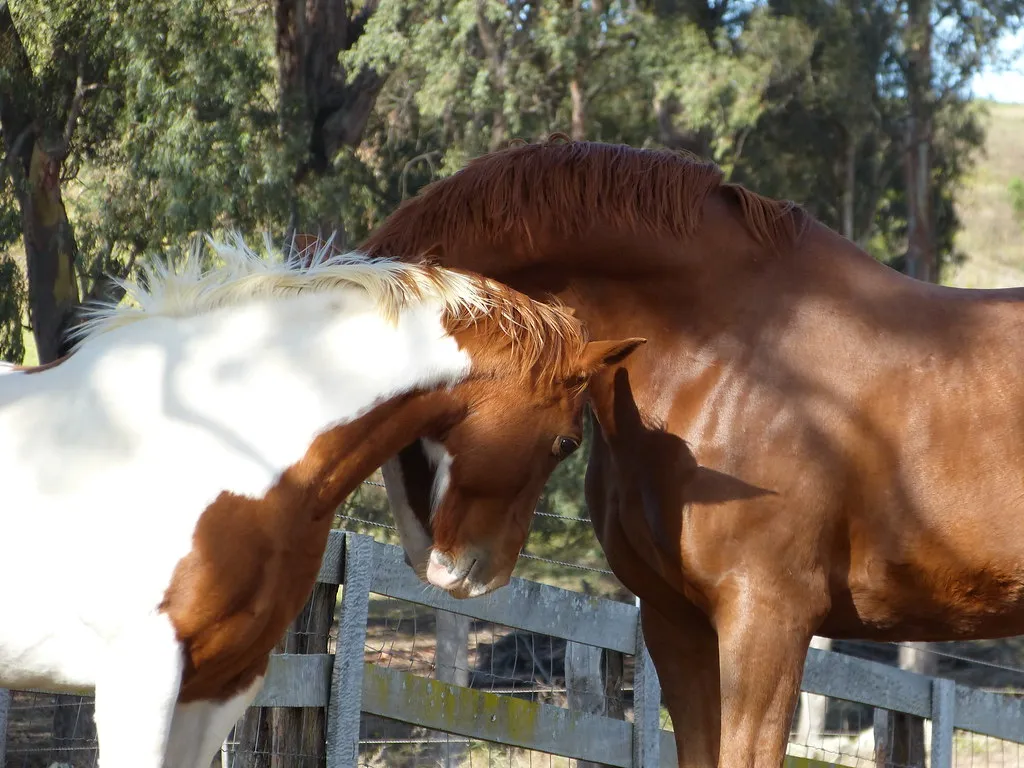
Horses live through smell, and scent is often the loudest grief trigger of all. After a rider dies or disappears, some horses react strongly to that person’s helmet, jacket, gloves, or saddle pad – lowering their nose, inhaling deeply, and holding it there with their eyes closed.
A few will stand rooted, head buried in a coat sleeve, as if they’re not ready to give it up. Others show the opposite – clear avoidance, shying from a coat left on a stall door or refusing to step onto a trailer that still smells like the old routine. Barns that keep a late rider’s tack often report one horse in particular drifting back to that bridle hook, sniffing quietly, again and again.
Worth Knowing
- A horse’s sense of smell is far sharper than a human’s, letting it recognize specific people by scent alone.
- Scent memories tied to a particular person or event can persist long after the sight or sound of that person is gone.
- Familiar, comforting scents can have a measurable calming effect on stressed animals, which is part of why old tack or clothing matters so much.
- Sudden avoidance of a once-neutral scent can signal the same emotional disruption as fixation on it.
#8 – Their Whole Herd Dynamic Shifts Overnight
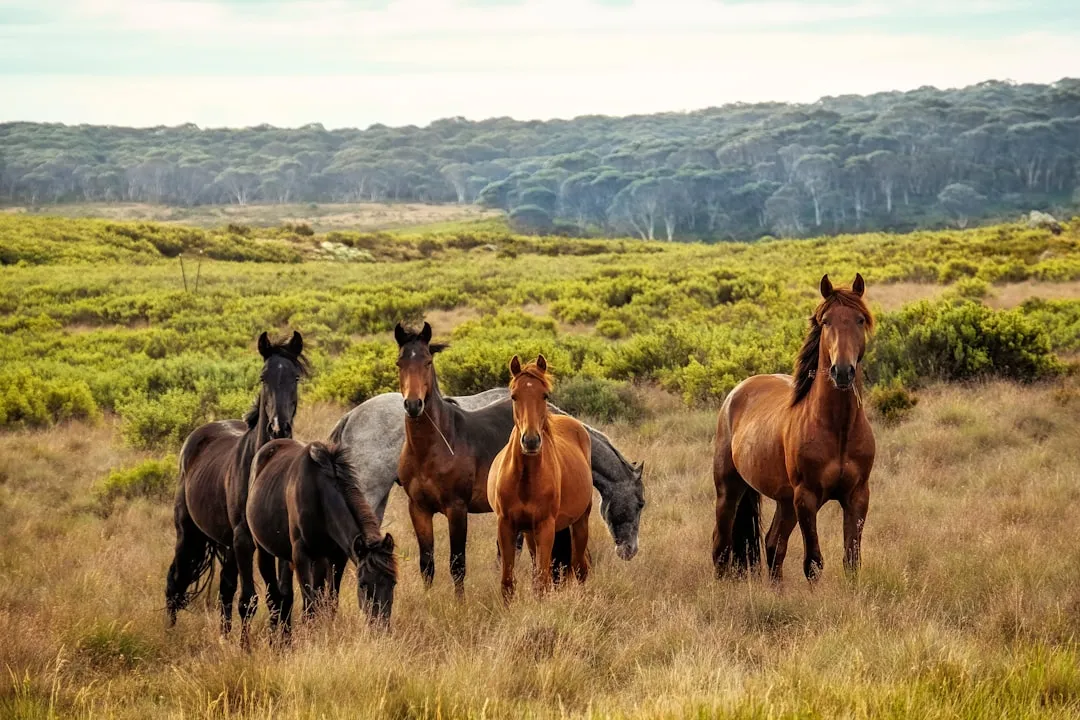
Grief doesn’t always show up in how a horse treats humans – it often shows up in the herd. A once-confident horse might suddenly stick like glue to one paddock buddy, shadowing them everywhere, or the barn boss might mysteriously slip down the pecking order.
A once-independent horse turning clingy – or a social one going off by itself – can be a subtle grief flag. Sometimes the herd responds too, with stablemates following the grieving horse more closely or sharing hay piles without the usual squabbling. Most people blame these shifts on weather or turnout changes, but in barns that pay close attention, the timing often lines up squarely with the rider’s disappearance. “The whole field feels different since she lost her person,” they’ll say.
#9 – They Whip Around at Your Voice, Half-Hoping It’s Them
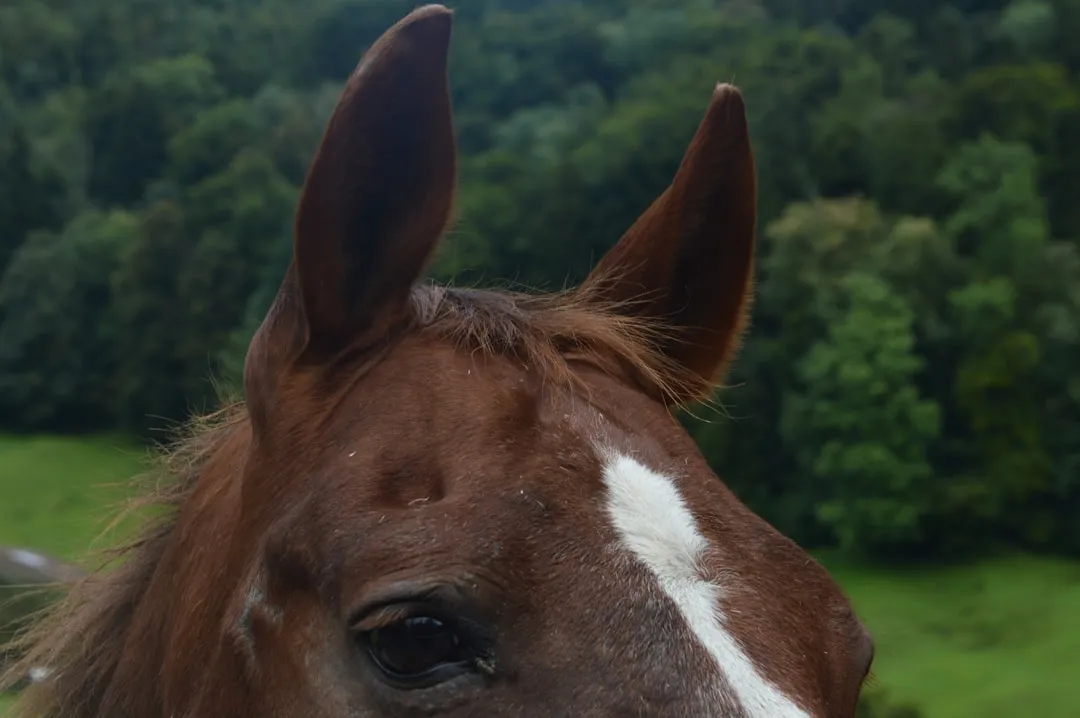
One of the spookiest reports from owners: calling a horse’s name in the same tone the missing rider used, and watching the horse whip its head around with an almost shocked expression.
For a moment, the ears, eyes, and body all say the same thing – “I thought that was them.” Some riders notice this when they unconsciously copy the old rider’s cluck, kiss, or “walk on” cue. The horse reacts faster and more intensely, then seems confused when it registers the wrong human attached to that familiar sound. Critics call this simple conditioning, and they’re not wrong – but conditioning doesn’t fully explain the way some horses search a stranger’s face after hearing that one specific tone.
#10 – They Refuse the Trailer or Trail Tied to That Rider
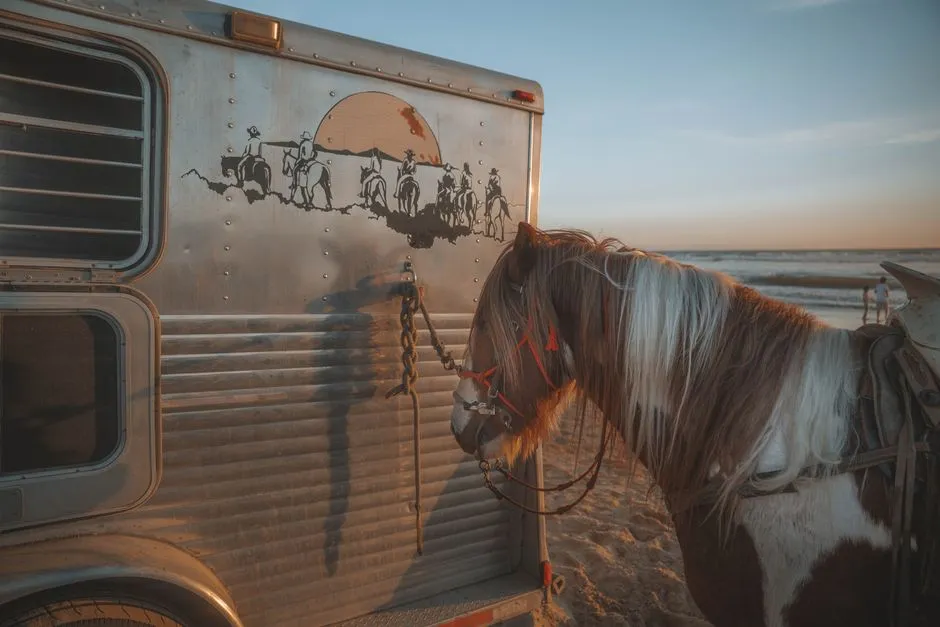
Grief in horses often attaches to context. If the rider’s death or disappearance involved trailering, shows, or a particular trail, the horse may start resisting anything that resembles that scenario – planting its feet, trembling, or rushing backward at a trailer it once loaded into without a second thought.
Nothing in the training changed – only the emotional meaning of the trailer did. Some horses balk at leaving the property in the direction that rider used to hack toward, or freeze at the exact spot on the trail where the pair often paused. Physical pain and bad loading experiences must always be ruled out first, but when reluctance starts right after the beloved human vanishes, many pragmatic trainers quietly admit, “He thinks that’s the last place he saw her.”
Quick Compare
- Ordinary training issue: inconsistent day to day, improves with correction or practice, no single fixed trigger location.
- Grief-linked refusal: tied to one specific place or routine, appears suddenly right after the loss, and isn’t explained by pain, fear, or a bad prior experience.
- Shared step either way: rule out physical causes first, since soundness and health issues can mimic both patterns.
#11 – Their Eyes Look Different to the People Who Know Them
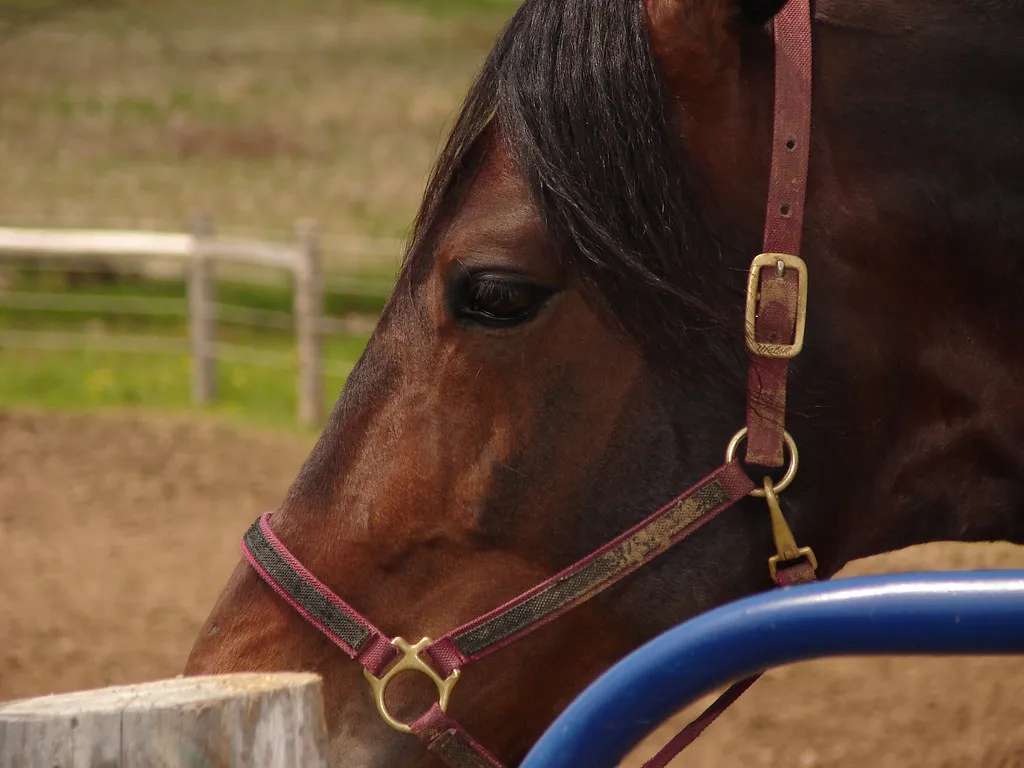
Non-horse people roll their eyes at this, but seasoned riders swear by it: you can often see grief in a horse’s eyes. Not some mystical glow – just a dulling. The horse that used to light up when you grabbed the halter now looks straight through you.
To the untrained eye, it’s nothing. To the person who loved that horse, it’s everything.
Sometimes the opposite happens at a brief, unexpected reunion. If a rider moves away and returns months later, a horse that’s seemed “fine” for everyone else suddenly brightens – ears pricked, eyes wide, body practically vibrating. Then, when the visit ends, caretakers notice the light dim again. Science hasn’t given us a neat chart for “grieving eyes,” but when multiple people at the same barn independently say the same thing changed, it’s hard to dismiss.
#12 – New, Seemingly Random Stable Vices Show Up
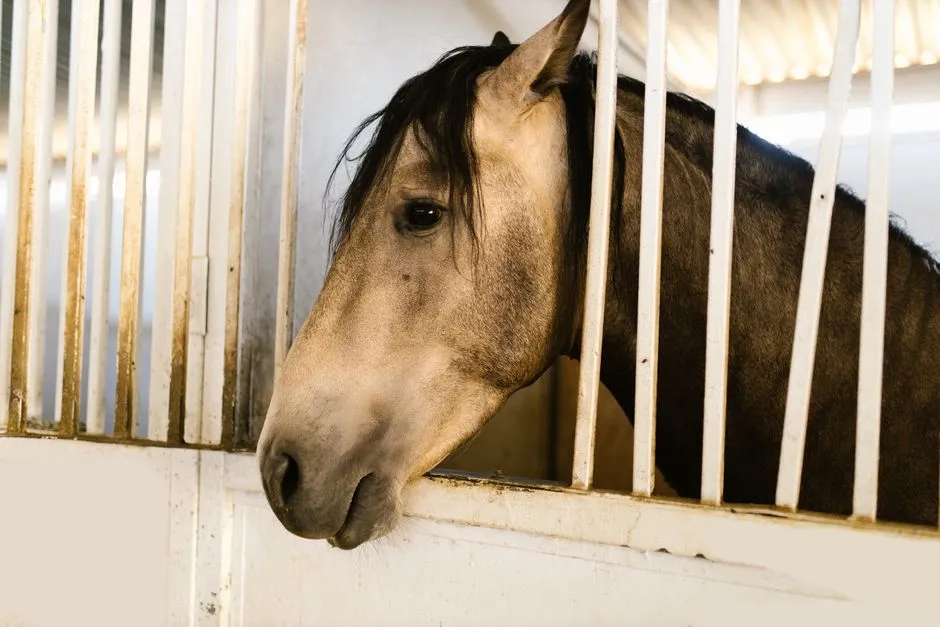
Chewing wood, weaving, cribbing, pacing, stall-walking – these are classic stress behaviors. What most people miss is how neatly they line up with emotional disruption. After losing a primary rider, some horses suddenly start a habit they never had before.
It might be subtle at first: a tiny head sway, a little fence-chewing, a restless circle in the stall. Left unaddressed, those small tics can harden into full-blown vices. Boredom, pain, and poor turnout absolutely drive stereotypies too, so critics are right to push back – but take a horse with decent turnout, stable health, and a settled routine, remove the one human who handled it daily, and watch what pops up. For many barns, the timing is too precise to ignore, which is why good managers respond by adjusting environment and stimulation, not just physical care.
#13 – They Cling to One “Replacement Human” and Reject Everyone Else
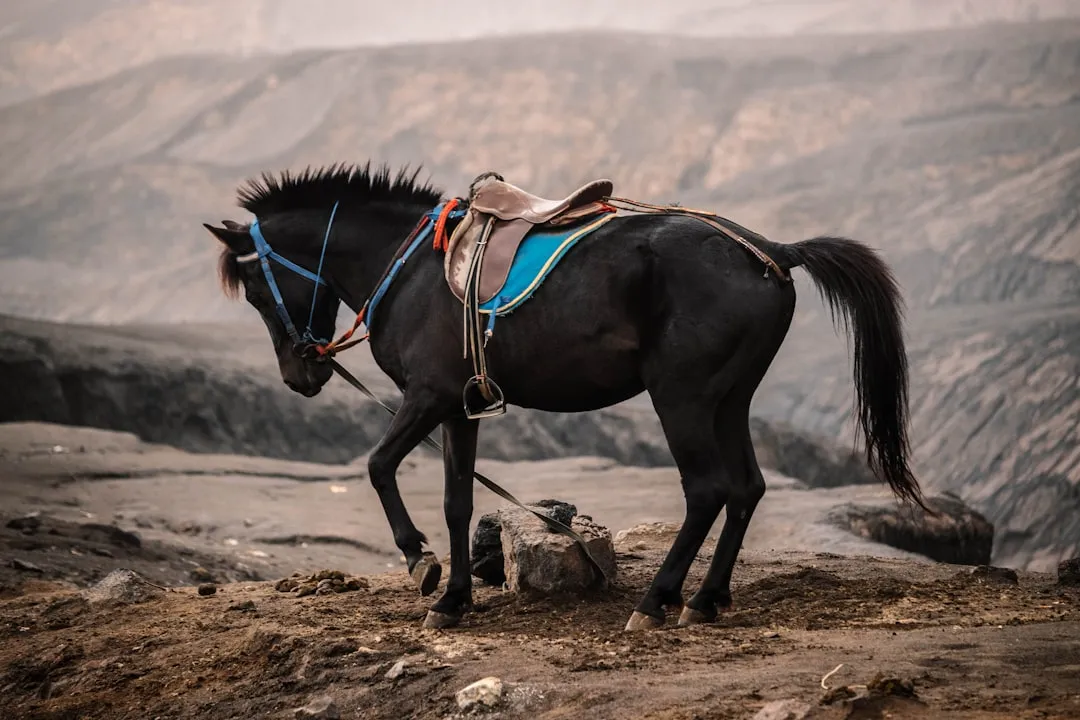
One of the clearest signs a horse is processing a loss is when it unexpectedly chooses a new person – not just tolerates, chooses. The horse that pinned its ears at every new rider suddenly melts for one particular groom, family member, or part-boarder, stepping toward them in the field and resting its head on their shoulder.
Meanwhile, it stays distant or cranky with everyone else. This selective bonding makes some people uncomfortable, because it suggests horses aren’t nearly as “replaceable” as barns tend to treat them. Skeptics call it randomness or differences in handling skill, but the emotional sequence is hard to brush off – grief first, then cautious testing of a new anchor, then attachment. The truth most people don’t want to hear: you can’t force a grieving horse to pick you. You can only show up consistently and let the animal decide if you’re safe enough to trust again.
At a Glance
- Appetite or drinking changes right after a loss deserve a vet check first, grief-watching second.
- Vocal bursts followed by sudden silence often mean the horse has stopped expecting an answer.
- Shifts in herd rank or clinginess frequently line up in timing with a rider’s disappearance.
- Selective bonding with one new person, while rejecting others, is one of the strongest tells that a horse is actively processing a loss.
#14 – They Finally Relax When Allowed a Goodbye on Their Own Terms
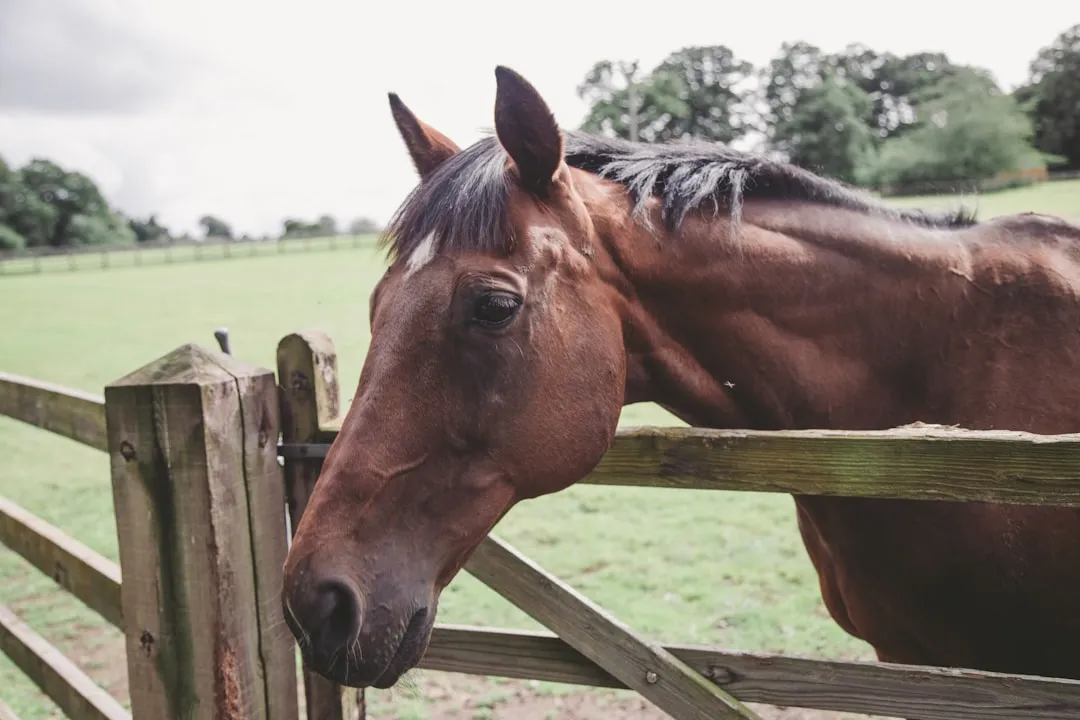
The most controversial sign is also the most moving: changes seen after a horse is allowed some form of closure. In barns where it’s possible, some owners let the horse see or smell the deceased rider’s clothing, stand by an empty wheelchair, or visit a grave or memorial spot. Others simply walk the horse through old routines while calmly explaining, out loud, what has changed.
What happens next is often subtle but powerful – the horse’s routine slowly starts to normalize. Behaviorists argue we’re reading too much into this, and sometimes we are. But over and over, barn staff report that the intense searching, calling, and gate-watching soften after a clear, quiet moment of acknowledgment. Not because the horse understands death the way humans do, but because something in the broken pattern finally got recognized instead of just vanishing.
The Bottom Line
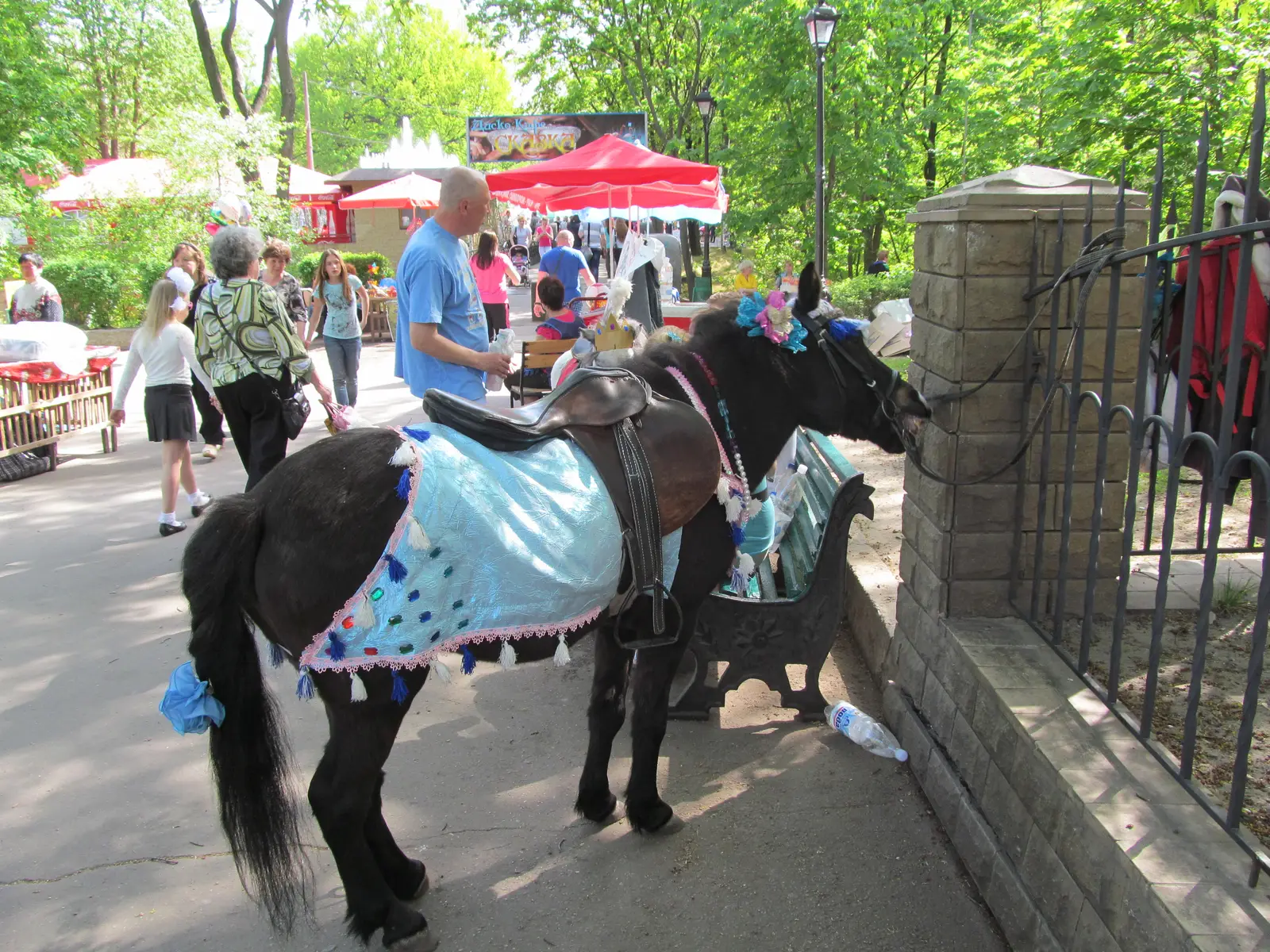
No, horses don’t write eulogies or light candles – but they absolutely notice when the one human who shaped their world vanishes. When appetite changes line up with gate-watching, new stable vices, or a shifted herd dynamic, that’s not a horse being dramatic. It’s a prey animal scrambling to make sense of a broken routine and a missing anchor.
The uncomfortable truth is that many barns are quicker to replace a rider than to acknowledge a horse’s emotional fallout. The most grounded view sits in the middle: don’t romanticize every pinned ear as grief, but don’t gaslight the obvious patterns either. Slow observation, honest veterinary checks, and patient new bonds give a grieving horse its best real shot at feeling safe again.
Which of these signs have you actually seen in real life – and are we still underestimating how deeply a horse can love the person who shows up for it, day after day?
