
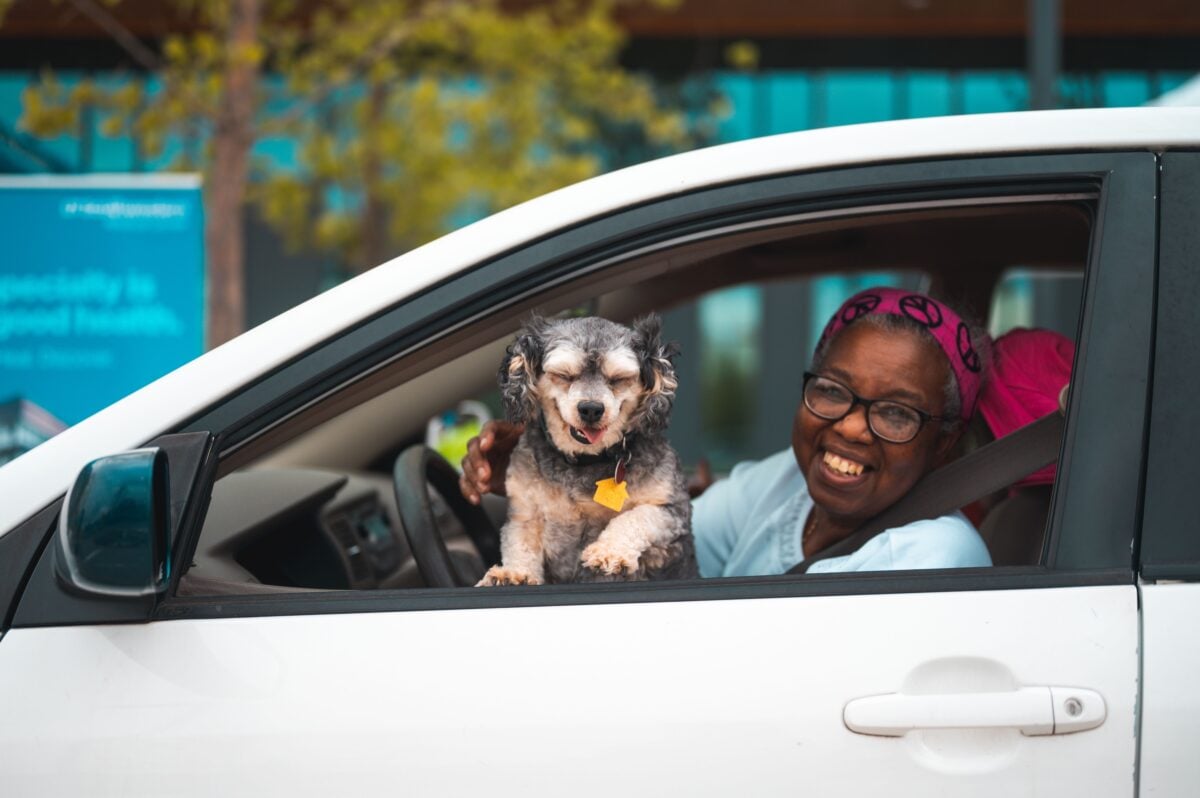
Most people assume an aging dog just wants peace, quiet, and to be left alone on their bed. Slower pace, less noise, minimal fuss – mystery solved, right?
Actually, it’s almost the opposite. As dogs get older, their brains lean harder on small, predictable rituals – especially the ones built around you specifically. Skip these moments and you’ll often catch a flicker of confusion, even something close to quiet grief, in your dog’s eyes. Keep them, and you’re doing more for their emotional stability than any supplement or expensive vet visit ever could. Here are the 13 tiny rituals your senior dog is secretly counting on every day – starting with the one that happens before you even open your eyes.
#1 – The Slow Morning Greeting They’ve Waited All Night For
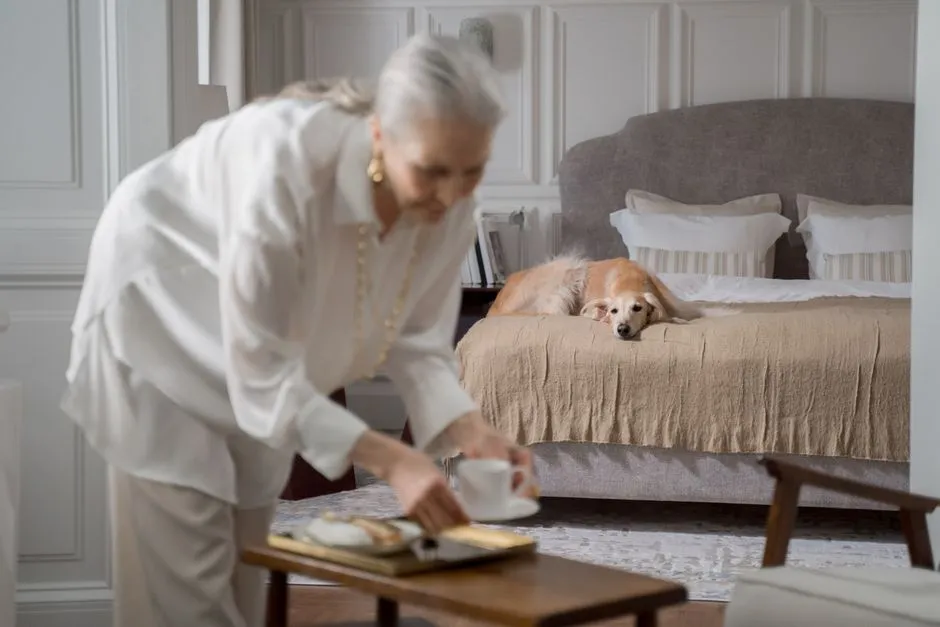
Your senior dog’s day starts the second they hear you stir. As dogs age, their sleep gets lighter and more fragmented, so they track your every movement far more closely than you’d guess. That slow shuffle to the bathroom? They heard it. The sigh as you sit up? Logged.
Many older dogs don’t leap off the bed anymore, but that soft tail thump, the chin resting on the mattress, or the careful hop off the couch is them saying, “You’re awake – and I survived another night without you.” A gentle ear rub and a quiet “good morning, buddy” become anchors in a body that doesn’t always cooperate. Skip that greeting and rush straight to your phone, and you’ll often see them hover, unsure what just happened.
#2 – The Unrushed Bathroom Walk Where They Read the “Neighborhood News”
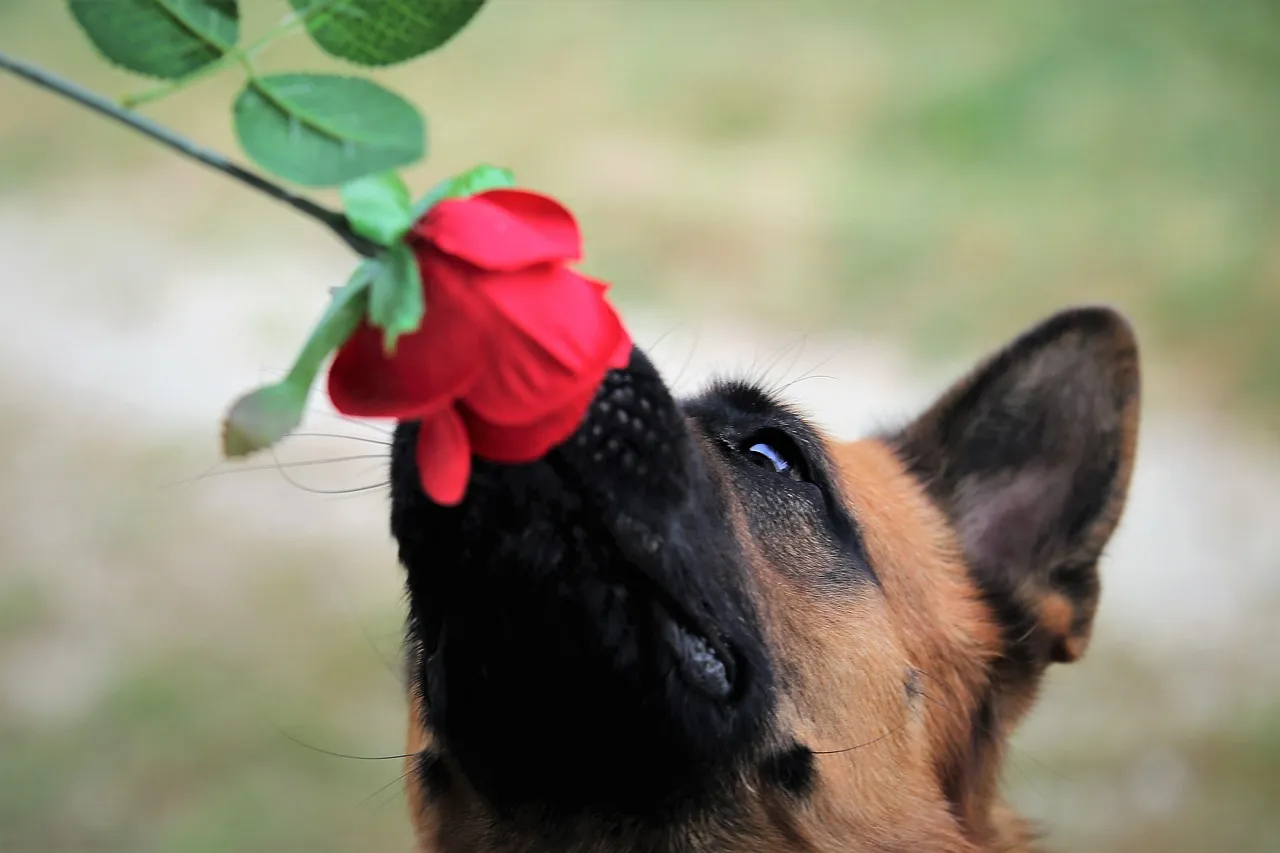
To you it’s just a quick potty break. To your aging dog, it’s the daily newspaper. Older dogs sniff more and move less, and that’s not laziness – it’s strategy. Sniffing is mental stimulation that tires them out more gently than running ever could.
Every lamppost, bush, and patch of grass holds information: who walked by, which dogs are in heat, which raccoon passed through at 2 a.m. If your dog’s joints aren’t what they used to be, that doesn’t make this ritual optional – it just means the route gets shorter and your patience needs to get longer. They’re not being stubborn when they stop for the fifth time; they’re doing crosswords with their nose.
Fast Facts
- Dogs have up to 300 million scent receptors, compared to roughly 6 million in humans.
- Sniffing can lower a dog’s heart rate, making it naturally calming rather than exciting.
- A slow, scent-heavy walk can tire a senior dog out more thoroughly than a brisk one.
- Shorter, sniff-focused routes let arthritic dogs get real enrichment without extra strain on their joints.
#3 – The Predictable Feeding Ritual (It’s Never Just About the Food)
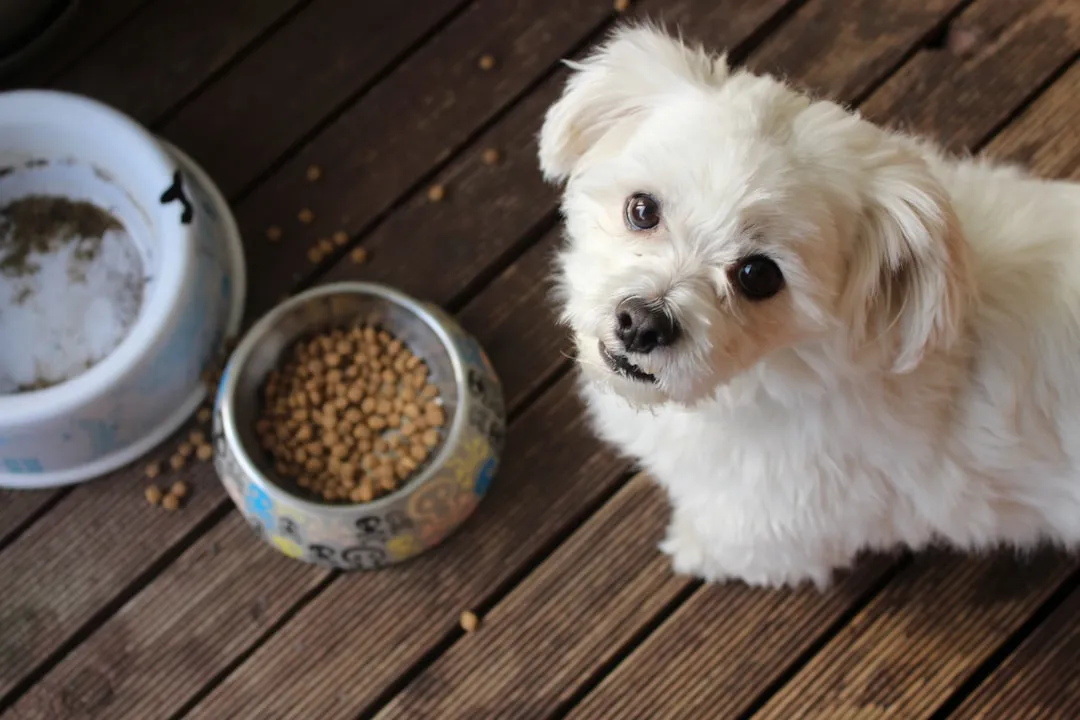
Everyone assumes mealtime is about the bowl. For an older dog, it’s really about the script. Most senior dogs thrive on routine because their internal clock sharpens as their body slows. Feed them thirty minutes late and many will start pacing, vocalizing, or staring holes through you – not drama, anxiety.
The scoop in the bag, the can opening, the kibble hitting stainless steel – these sounds are proof that the world is still normal. Saying their name before the bowl touches the floor, waiting for eye contact, adding warm water or a topper in the exact same order every time – this becomes a comfort show they rewatch twice a day. For a dog whose eyesight or hearing is fading, the smell and timing of food are sometimes the last perfectly clear signals left in their world.
#4 – The Midday Check-In That Says “You Didn’t Forget Me”
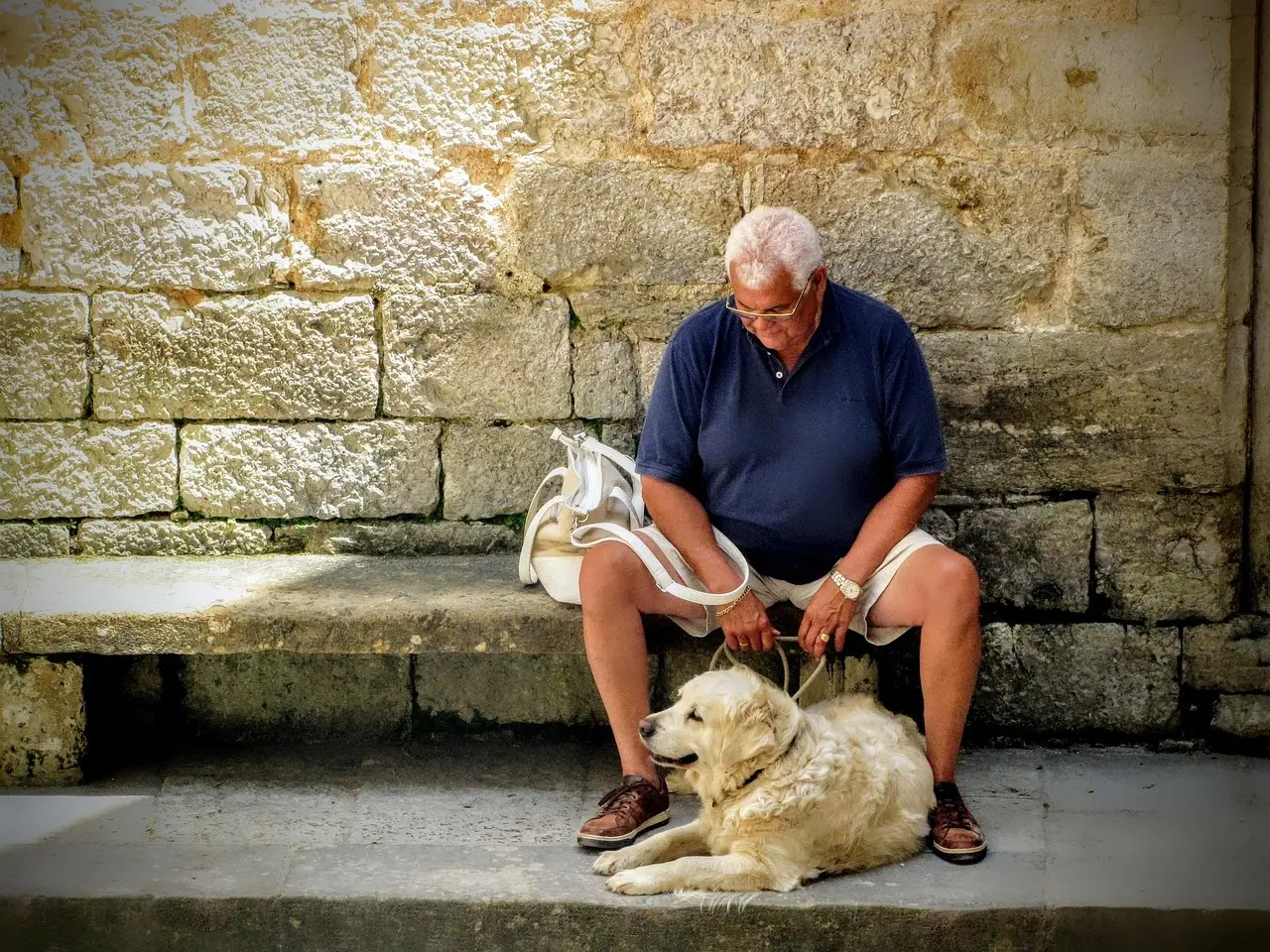
People massively underestimate this one, and older dogs never do. If you work from home or pop in at lunch, your senior dog tracks that pattern obsessively. They may not sprint to the door like a puppy anymore, but you’ll notice tiny rituals – a slow tail wag, a stretch, a head lift from their bed the exact moment your key turns.
For a dog with arthritis or weakness, the decision to even stand up is a big deal. What matters isn’t anything dramatic – it’s a quick kiss on the head, a “hey, old man, still with me?” as you walk by. Owners who breeze past to check email or grab lunch often don’t realize how deflated that leaves their dog. One minute kneeling beside their bed, scratching that familiar spot, can be the emotional highlight of their entire afternoon.
#5 – The Gentle Grooming Session That Doubles as a Health Check
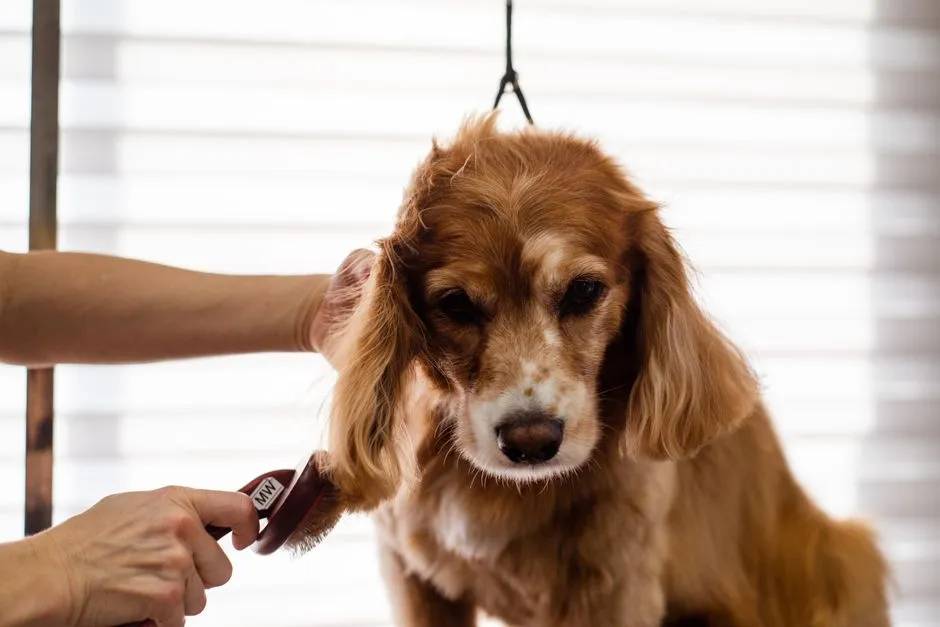
Aging dogs usually hate being rushed or manhandled, and most grooming salons are exactly that. At home, a soft daily brushing or wipe-down often becomes their idea of heaven. For many seniors, slow, deliberate touch is more rewarding than high-energy play ever was.
A soft brush along their sides, a warm damp cloth around their eyes, a gentle massage on stiff hips – this says, “I see every part of you, even the parts that hurt.” It’s also quietly practical: while brushing, you’ll catch new lumps, changes in muscle or weight, or a tender spot they subtly flinch from. A lot of owners first notice serious health issues during these quiet check-ins, which is exactly why skipping this ritual costs you more than bonding time.
Worth Knowing
- Run your hands over the whole body each session, feeling for new lumps, bumps, or swelling.
- Check ears, teeth, and nails regularly, since dental and ear issues become more common with age.
- Watch for flinching or stiffening, which can be an early sign of joint or muscle pain.
- Small at-home checks often catch problems weeks before the next scheduled vet visit.
#6 – The Car Ride That Doesn’t End at the Vet
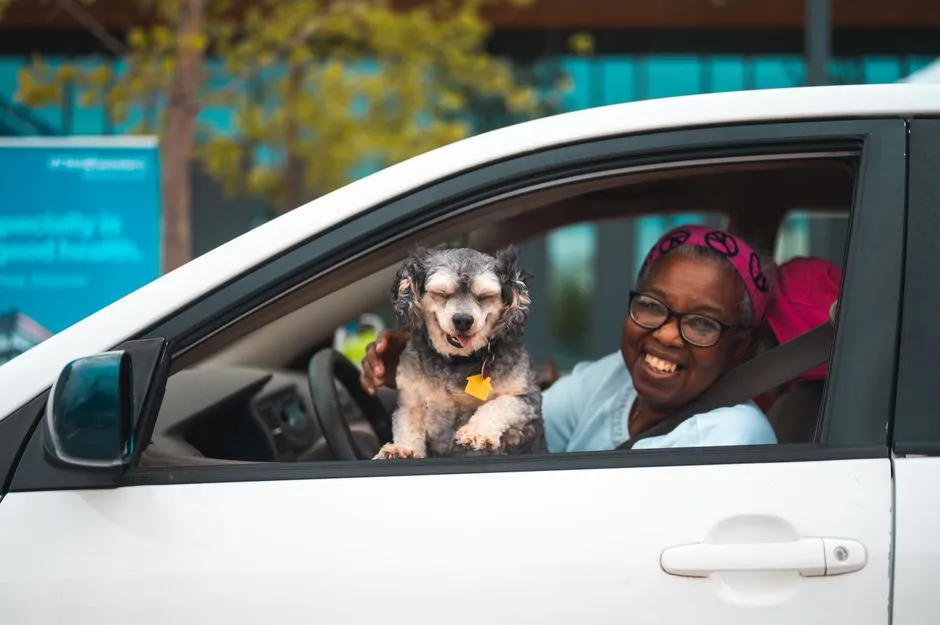
Many senior dogs develop a very specific suspicion: car equals bad news. Once dogs hit a certain age, most owners only load them up for vet visits or grooming appointments. Older dogs are sharp pattern-matchers – they can tell when a car ride means needles, poking, or slippery floors.
So when you break that pattern with a low-stress drive – windows cracked, no destination that smells like antiseptic – you’re rewiring the association in the best possible way. A ten-minute drive to a quiet park, a loop around town with their favorite playlist, even a plain fry from the drive-through if their stomach allows it. This isn’t spoiling them. It’s giving them one more place in the world where your company means fun instead of fear.
#7 – The Short, Custom-Built Play Session (Yes, They Still Want It)
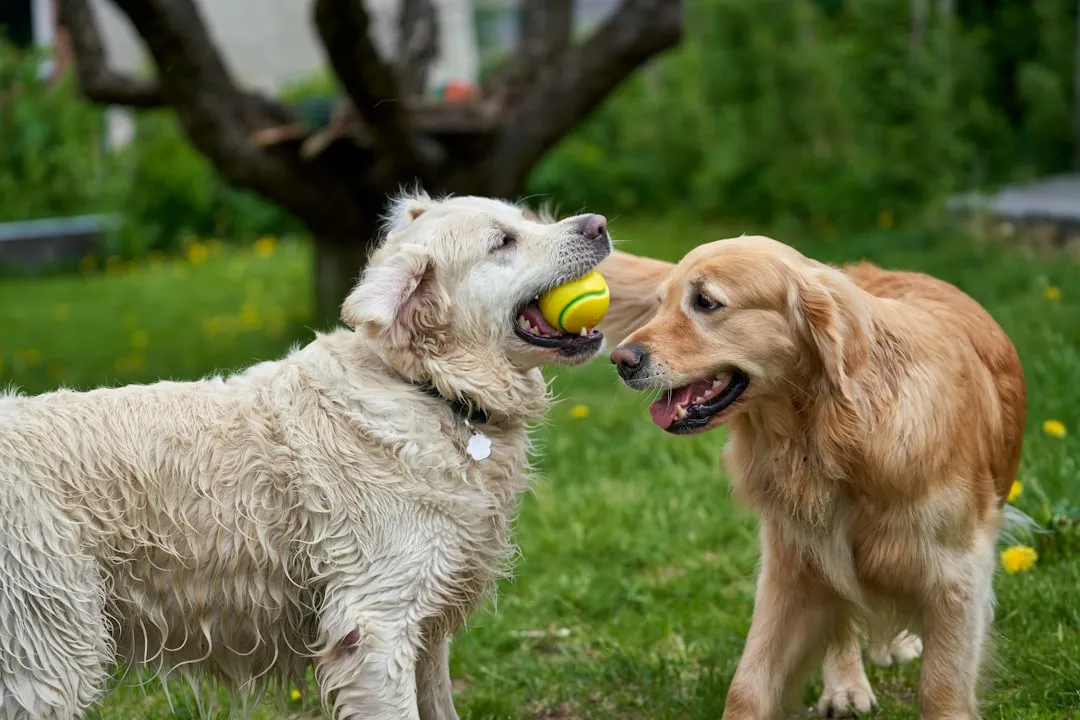
People often make one big mistake: they retire play entirely the moment their dog slows down. Your senior may not chase a ball for forty minutes anymore, but almost every older dog still carries a tiny window of “puppy brain” each day – you just have to adjust the game to fit their body.
Roll the ball instead of throwing it. Use soft toys they can grab without cracking worn teeth. Try a slow game of “find it” with a few treats scattered around the room. The secret is letting them feel capable, not frustrated – if they end the session panting hard or limping, you overdid it. If they end it with bright eyes and a relaxed body, they’ll spend the next hour basking in that tiny victory.
Quick Compare
- Puppy Play: Long fetch sessions, high jumps, fast chases
- Senior Play: Rolled balls, soft toys, slow “find it” games
- Puppy Play: Ends whenever they get bored
- Senior Play: Ends the moment panting or limping shows up
#8 – The Quiet “Shadow Time” While You Do Absolutely Nothing Special
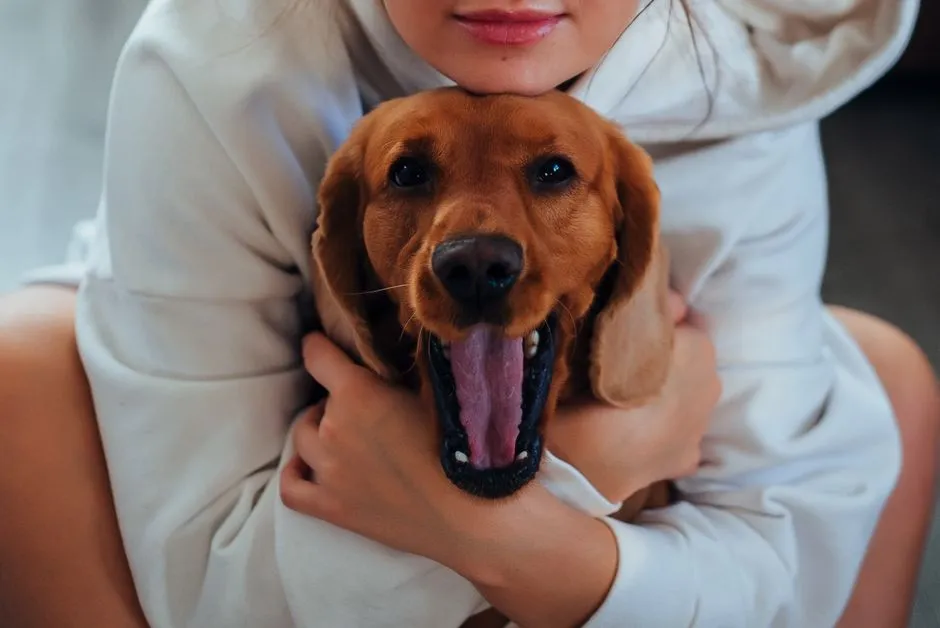
This is the ritual people undervalue the most, and aging dogs often value the highest. You scrolling your phone on the couch, folding laundry, watching a show – your senior dog reads all of that as prime together time. For older dogs, proximity matters far more than activity.
They may choose a bed that lets them see both you and the door. They may grunt and reposition until their back presses against your foot – not random, but deliberate safety-seeking in a body that knows it can’t move quickly anymore. Shifting your leg to give them more room, resting a hand absently on their side, talking out loud about your day even though they don’t understand the words – to a senior dog, this is the emotional equivalent of a weighted blanket. Ignore them during these windows and you miss the easiest bonding opportunity you’ll ever get.
#9 – The Special Treat That Comes From You and Only You
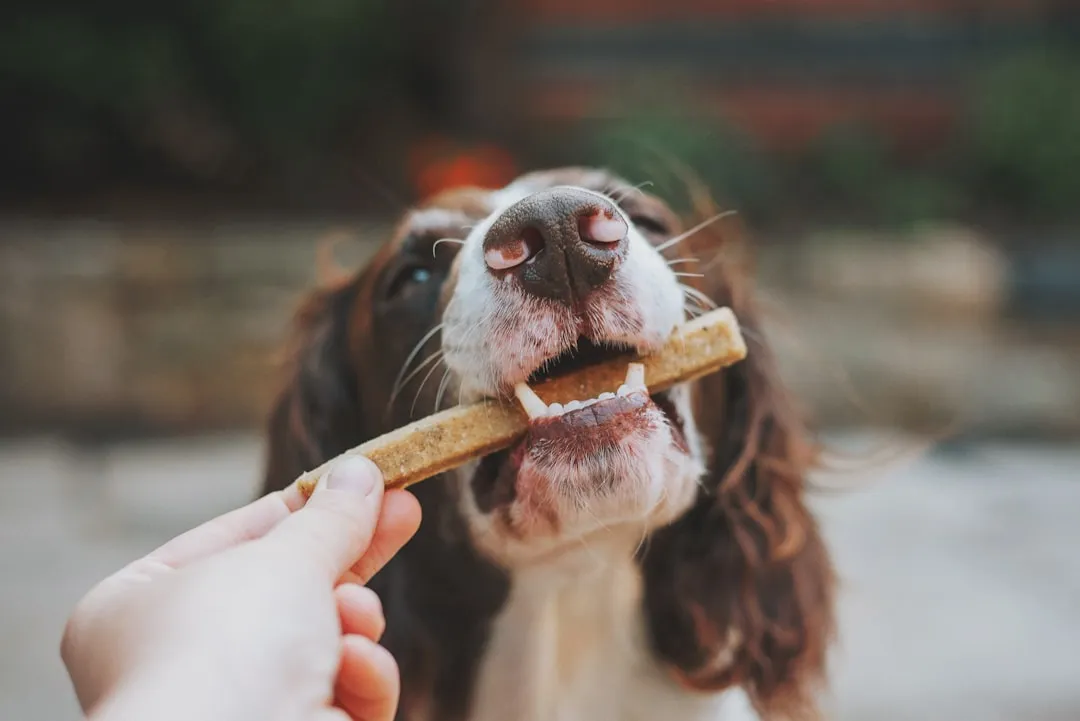
You don’t need a twenty-dollar bag of “longevity biscuits” to make this powerful. What matters to your aging dog is that there’s something a little extra they know comes from you, specifically. A piece of cooked chicken, a spoonful of plain yogurt, a frozen lick mat – the real magic is in the predictability and the personal handoff.
The sound of the treat jar, the specific drawer, the phrase you always say – these become a mini holiday folded into every single day. Same time frame, same spot, same brief ceremony every time. Dogs don’t understand treat moderation, but they absolutely understand sequences. Overdo the quantity and you risk weight and joint issues; nail the ritual and you get joy without the fallout.
#10 – The Short Training Refresher That Makes Them Feel Smart Again
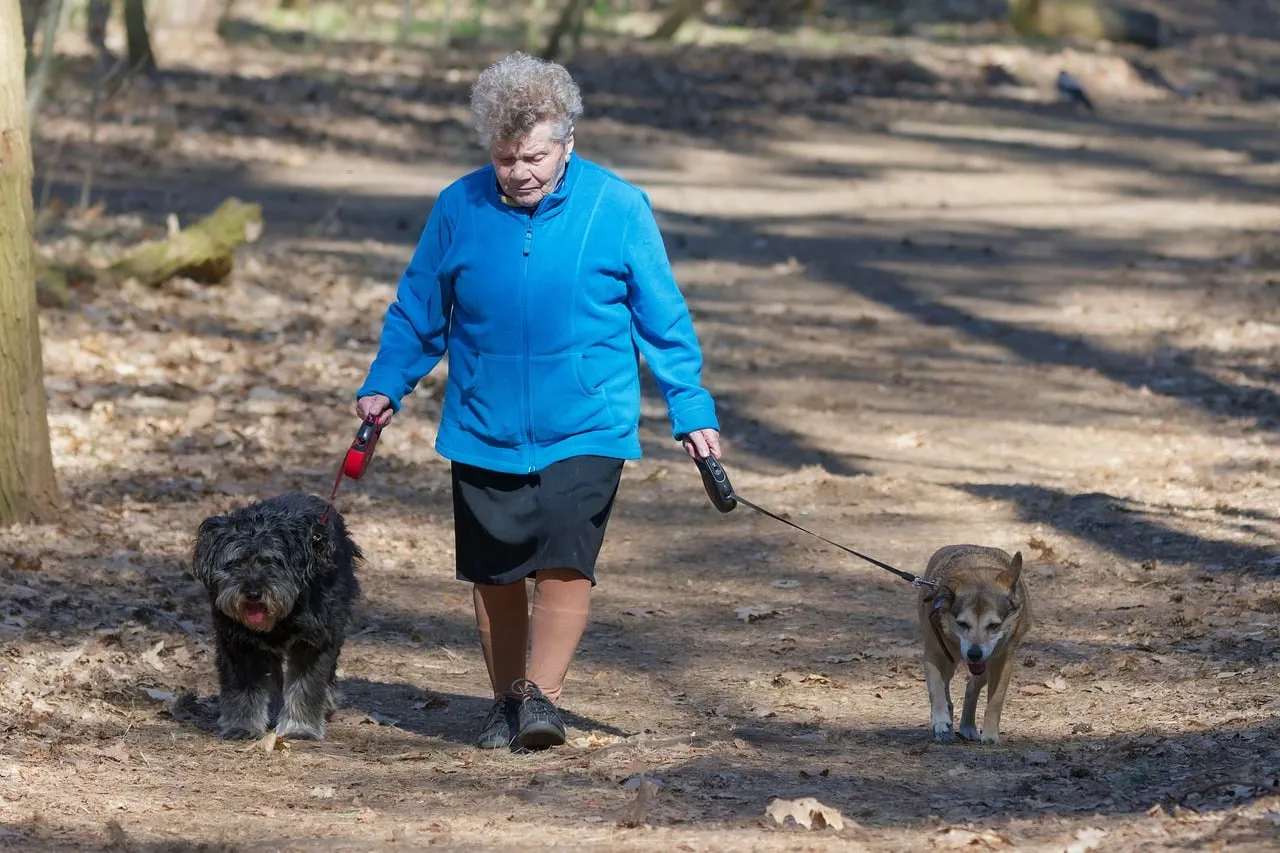
This one makes a lot of people uncomfortable, but it matters: your aging dog can still learn. Slower, sure. Worth it? Absolutely. Cognitive games may matter more in old age than physical ones ever did.
A five-minute “skills check” running through sit, down, paw, or a new easy cue like “touch” reminds your dog they still have agency and that you still see them as capable, not just fragile. Reward earlier and more often, use soft treats, let them cheat a little on positions their body can’t fully manage anymore. Many owners quietly stop training because they assume it’s too late – in reality, nothing tanks a senior dog’s confidence faster than suddenly being treated like furniture.
At a Glance
- Mental exercises like new cues or nose work can help keep an aging dog’s brain sharper.
- Short, five-minute sessions engage the mind without physically tiring an older dog out.
- Positive reinforcement builds confidence even when the execution isn’t perfect anymore.
- Consistent, low-pressure training keeps senior dogs feeling capable instead of sidelined.
#11 – The One-on-One “Talk” They Pretend Not to Understand
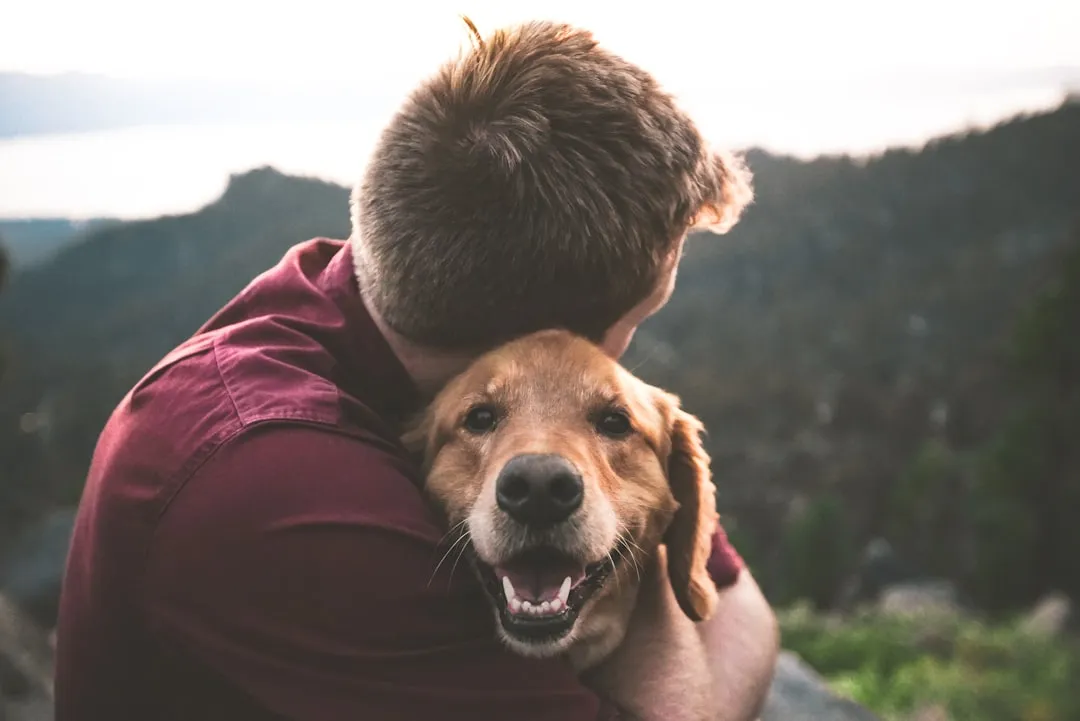
You’ve probably already done this without thinking, and your older dog eats it up every time. Sitting on the floor or the bed, just talking directly to them about your day, your worries, that annoying email – dogs are experts at reading tone, rhythm, and micro-expressions.
Your senior might tilt their head, blink slowly, or lean harder against you as you talk. That isn’t random; that’s attunement. Same time, same spot, same familiar phrases – “You’re my best old man,” “We had a big day, huh?” – and suddenly they don’t need to understand the words to understand the message: when my human makes this sound in this spot, we’re okay. Long-time owners swear these talks grow more intense and meaningful as their dogs age.
#12 – The Bedtime Wind-Down That Tells Them the House Is Safe
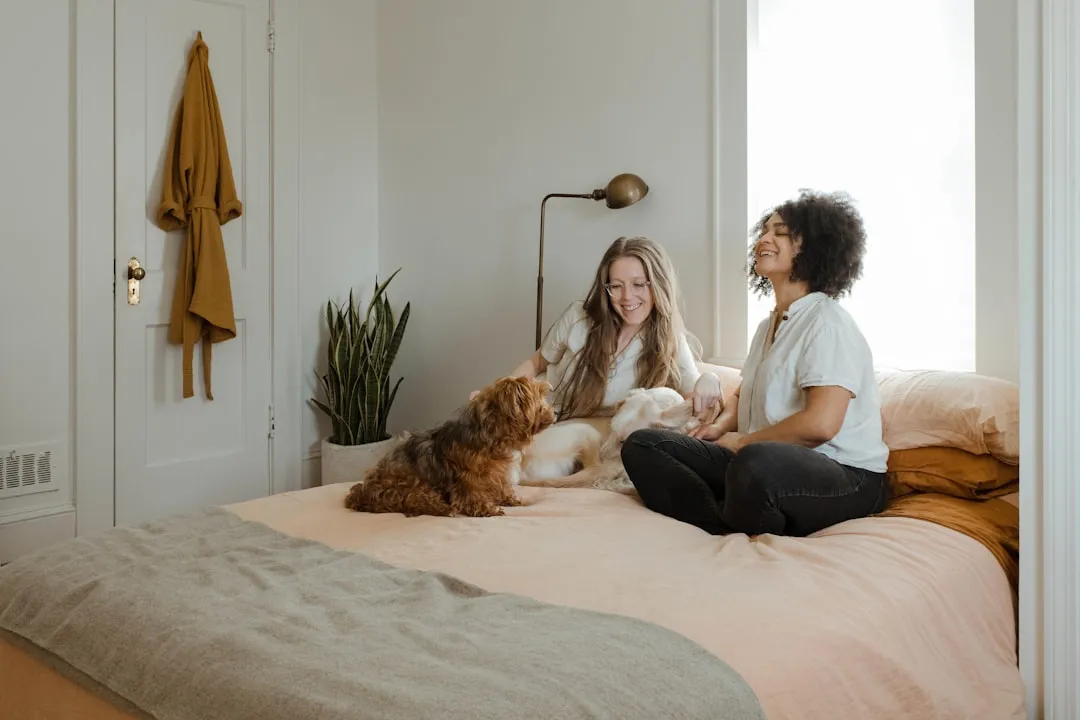
Old dogs often get more anxious at night, not less. Vision changes, hearing loss, and mild cognitive decline can turn evening shadows and household noises into something confusing and unpredictable. That’s why a clear, repeated bedtime sequence is one of the most underrated rituals for seniors.
Lights off in the same order, doors checked, blinds closed, water bowls topped off, one last backyard trip – your dog watches and catalogs every step of it. Helping them onto their favorite spot, adjusting a heating pad if your vet approves, a last firm stroke down their back with a consistent “goodnight” – you’re not just tucking them in. You’re telling a body that can’t respond to danger quickly anymore, “You can turn your brain off now. I’ve got the night shift.”
Dogs do speak, but only to those who know how to listen.
Orhan Pamuk
#13 – The “We’re Still Us” Ritual That Has Nothing to Do With Age
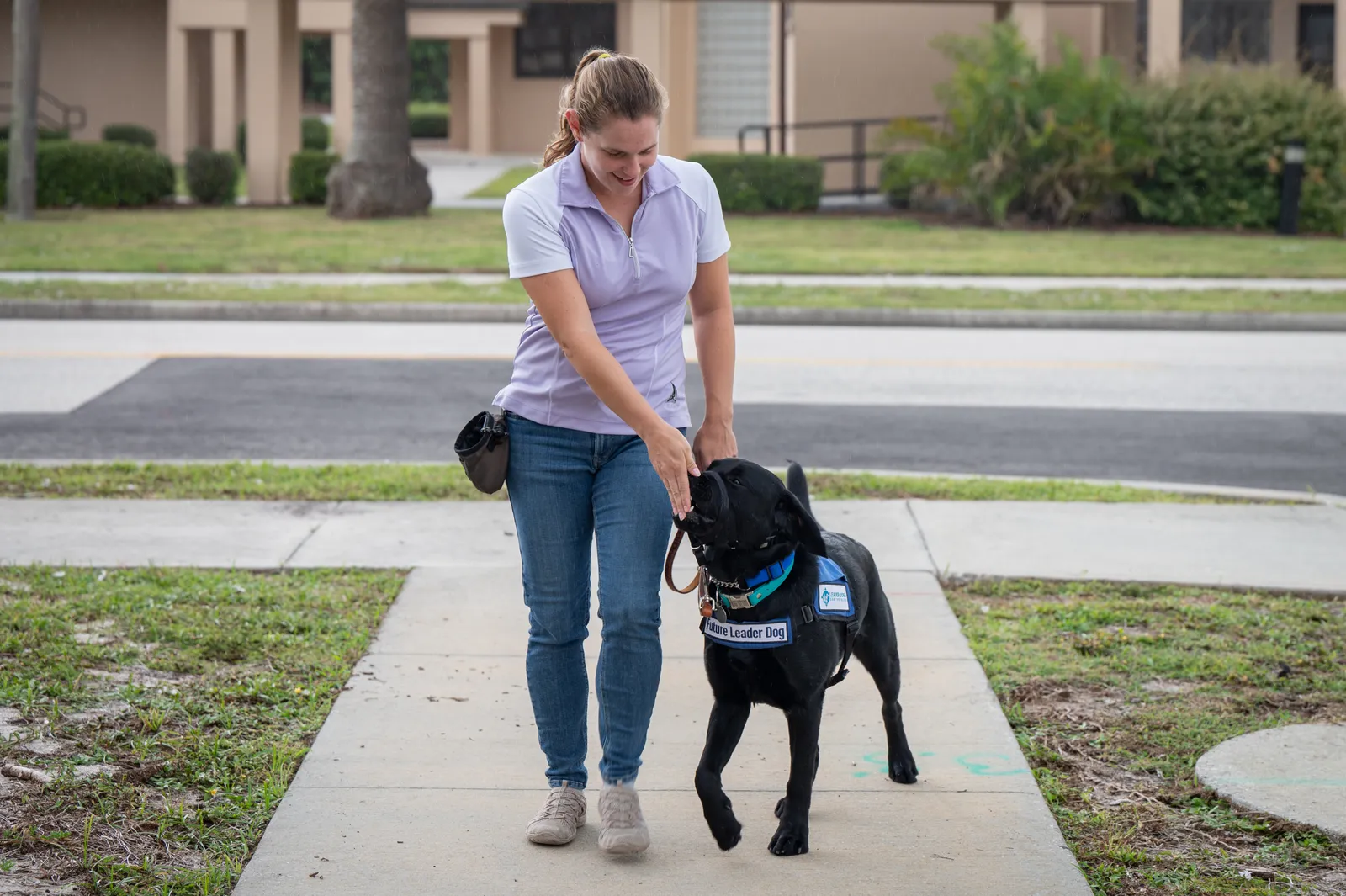
This is the one almost everyone gets wrong, and it’s the most important on this list. As dogs age, people quietly strip away pieces of their identity. The running buddy stops going on walks entirely. The camping dog never leaves the neighborhood. The café dog is suddenly “too old” to go anywhere at all.
Your senior dog may not miss the intensity, but they absolutely miss the identity. A walk to the corner instead of the whole trail. Sitting in the parked car with the windows down instead of a long road trip. A ten-minute visit to the coffee shop patio where they used to charm strangers. The content changes, but the label stays – you still say “ready for our coffee run?” even if it’s just to the backyard with your mug. This is how you fight the quiet grief of aging, for both of you. It says, “You’re not just my old dog now. You’re still my dog.”
The Bottom Line
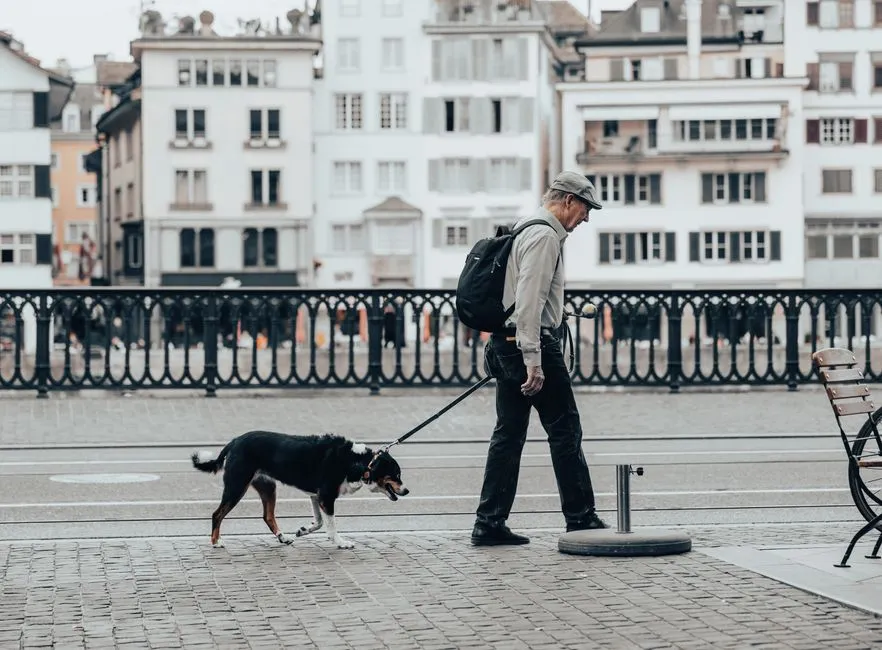
Aging dogs don’t only lose things – they re-prioritize. The long hikes, the wild fetch sessions, the chaotic dog park days fade, and what’s left are these small, fiercely important rituals they share with you. A senior dog’s world shrinks, but their attachment to daily routines with their person gets sharper, not softer.
Ignore that, and you end up with a dog who feels left behind in their own life, even while sleeping three feet from you. Honor it, and you turn their final years into a masterclass in quiet, consistent love. You don’t need more time or money to pull this off. You just need to protect the little scripts they already know by heart – because to them, those scripts are the whole relationship.
Which ritual does your older dog cling to hardest – and which one have you let quietly slip?
