
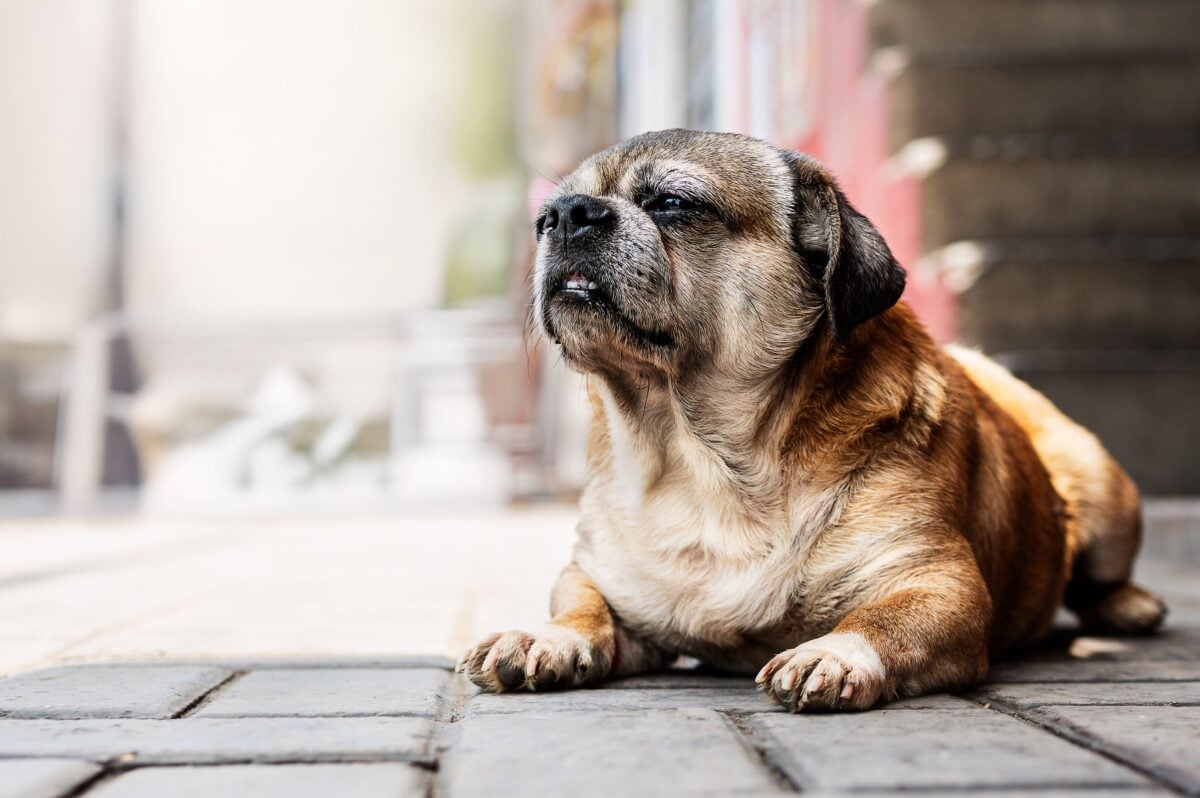
Everyone tells you the same thing when your dog gets old: “He’s just slowing down.” It sounds harmless. It sounds like nature doing its thing. But veterinarians will tell you something far less comforting – many of the earliest signs of arthritis, kidney failure, cognitive decline, and even cancer look exactly like ordinary aging. That’s the trap. That’s why so many senior dogs don’t get help until the disease is already advanced.
The good news is you don’t need a vet degree to catch this early – you just need to stop mentally filing every little change under “he’s just old now.” Below are the 14 signs experienced dog owners and vets quietly watch for, and what each one might actually be telling you.
#1 – Subtle Limping Or Stiffness After Rest
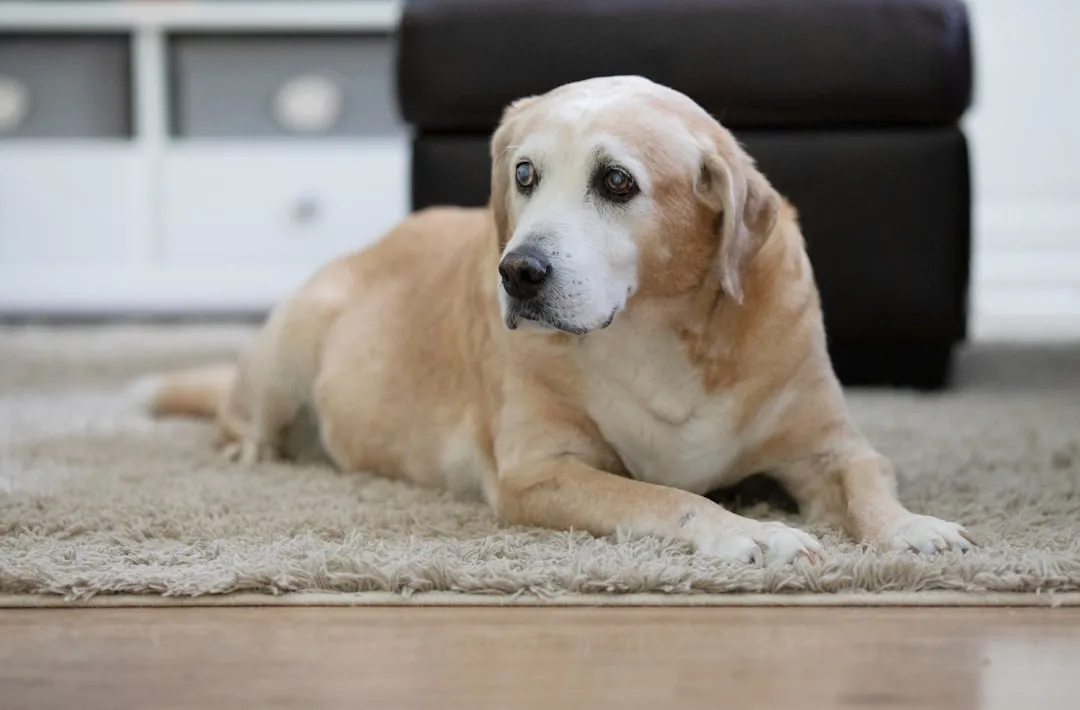
If your senior dog “walks it off” every time he gets up, that’s not just old age being old age. The classic pattern looks like this: he’s totally fine on the actual walk, but the second he stands up from a nap, he’s stiff, slow, or gingerly testing a leg for a few steps before loosening up.
Most people laugh this off as “grandpa joints.” In reality, that start-up stiffness is one of the earliest and clearest signs of arthritis. Left alone, the pain quietly ramps up, muscle mass melts away, and your dog adapts by simply doing less – long before he ever whines about it.
- Hesitation getting on the couch or into the car
- Taking the stairs one… slow… step… at… a… time
Modern pain medication, joint injections, and simple home changes like rugs, ramps, and a few pounds of weight loss can add real, comfortable years to his life. It just requires catching it before he’s already given up on the stairs entirely.
#2 – Drinking More Water Than Usual
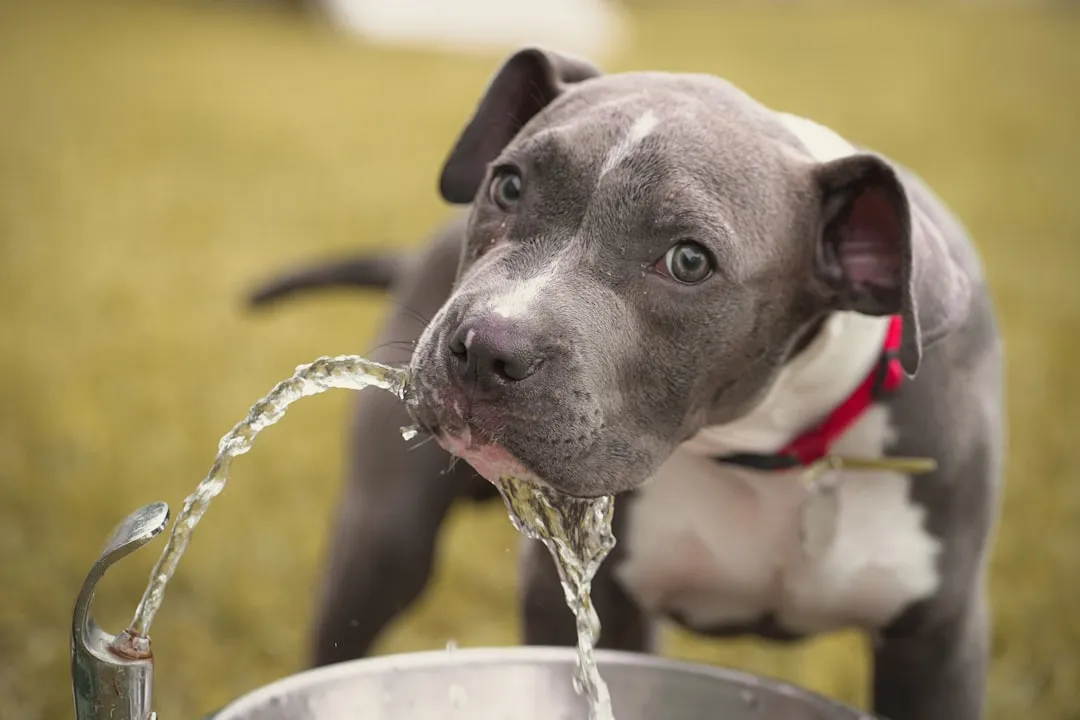
If you’re suddenly refilling the water bowl way more than you used to, resist the urge to blame the weather. In senior dogs, a jump in thirst and more frequent peeing is one of the biggest red flags there is.
Kidney disease, diabetes, Cushing’s disease, and infections almost always show up first as “he’s drinking a lot lately.” You might also notice accidents in the house or a sudden 2 a.m. request to go outside. Too many owners scold the dog for this, when the dog’s body is actually screaming for help.
Fast Facts
- Kidney disease and diabetes are among the most common hormonal and organ issues found in senior dogs during routine screening
- Excess thirst combined with weight loss is a classic diabetes pairing vets look for
- A urinary tract infection can also cause increased thirst even without obvious pain symptoms
- Bloodwork and a urine sample are usually enough to narrow down the cause quickly
- How often you’re refilling the bowl in a day
- Nighttime potty trips and unexplained “leaks”
A simple blood and urine panel can catch these diseases early, often before any permanent damage is done. It’s one of the cheapest, fastest ways to turn a scary guess into a manageable plan.
#3 – Sudden Changes In Appetite Or Weight
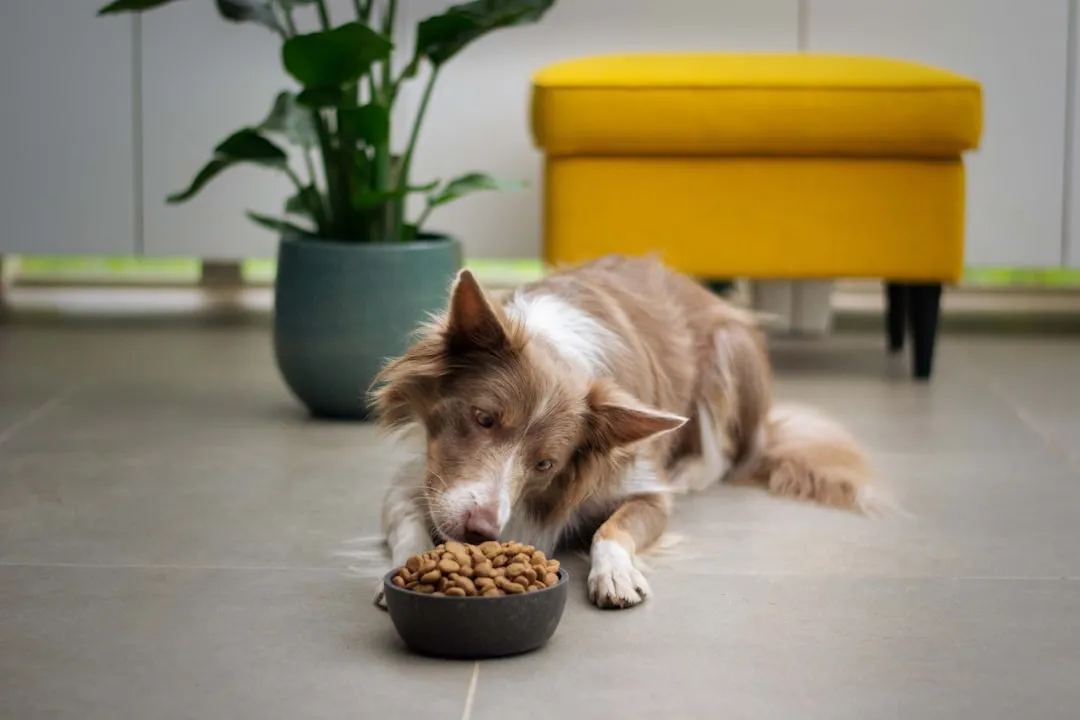
“Dogs eat less when they’re old” might be one of the most expensive myths in pet ownership. A senior dog who suddenly gets picky, skips meals, or eats slower isn’t being dramatic – it can mean dental pain, nausea from organ disease, chronic pain, or even certain cancers.
The opposite is just as concerning. A dog who’s suddenly ravenous all the time can be signaling diabetes, Cushing’s disease, or trouble absorbing nutrients. And if the ribcage looks sharper or the waistline is disappearing under your fingers, you’re already behind the curve.
- Does the collar feel looser or tighter than it used to?
- Looking from above, is there still a defined waist?
Most vets recommend a senior weight check every six months, minimum. Quiet, gradual weight loss is one of the things they take most seriously – because it rarely happens for no reason.
#4 – Panting, Pacing, Or Restlessness At Night
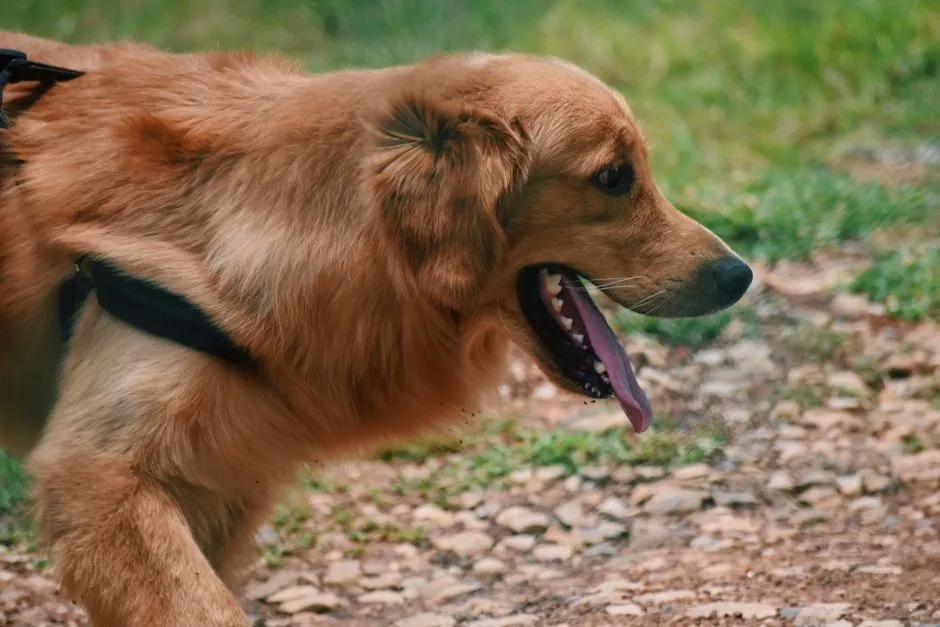
If your older dog suddenly can’t settle down at night, your first thought shouldn’t be “he’s being annoying.” A dog who once slept through thunderstorms may start panting, pacing the hallway, or standing by your bed asking to go out – repeatedly.
This can point to pain, anxiety, heart disease, respiratory problems, or early cognitive dysfunction – doggy dementia. Many owners chalk it up to “he’s just needy now,” when in reality something is making it physically impossible for him to relax.
- Is the room actually warm, or is he panting in a cool space?
- Does he seem lost, stuck in corners, or staring at walls?
Vets can often ease this dramatically with pain management, anxiety medication, heart medication, or sleep support – but only if you tell them it’s happening instead of quietly losing sleep yourself.
#5 – New “Accidents” In The House
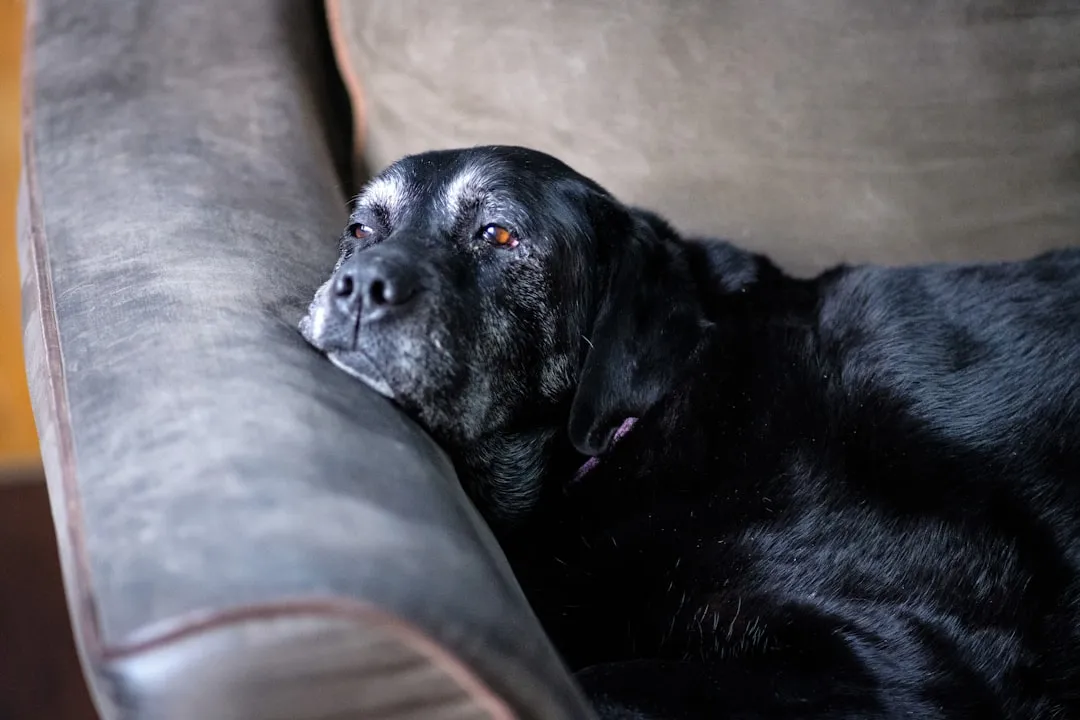
A house-trained senior dog doesn’t just forget the rules for no reason. When a dog who’s been rock-solid for years suddenly starts peeing or pooping indoors, that’s your flashing red warning light – not a discipline problem.
Common culprits include urinary tract infections, kidney disease, diabetes, incontinence, spinal issues, or dementia. Too many people punish or shame the dog in this moment, when pain, urgency, or genuine confusion is driving the behavior.
- Is the urine darker, bloody, or unusually strong-smelling?
- Are the accidents near the door, or scattered randomly?
Some age-related incontinence can be managed with medication or dog diapers just fine. But sudden accidents always deserve a vet visit first – punishment just makes a sick or confused dog more stressed, not more “trained.”
#6 – Coughing, Slowing On Walks, Or Quick Fatigue
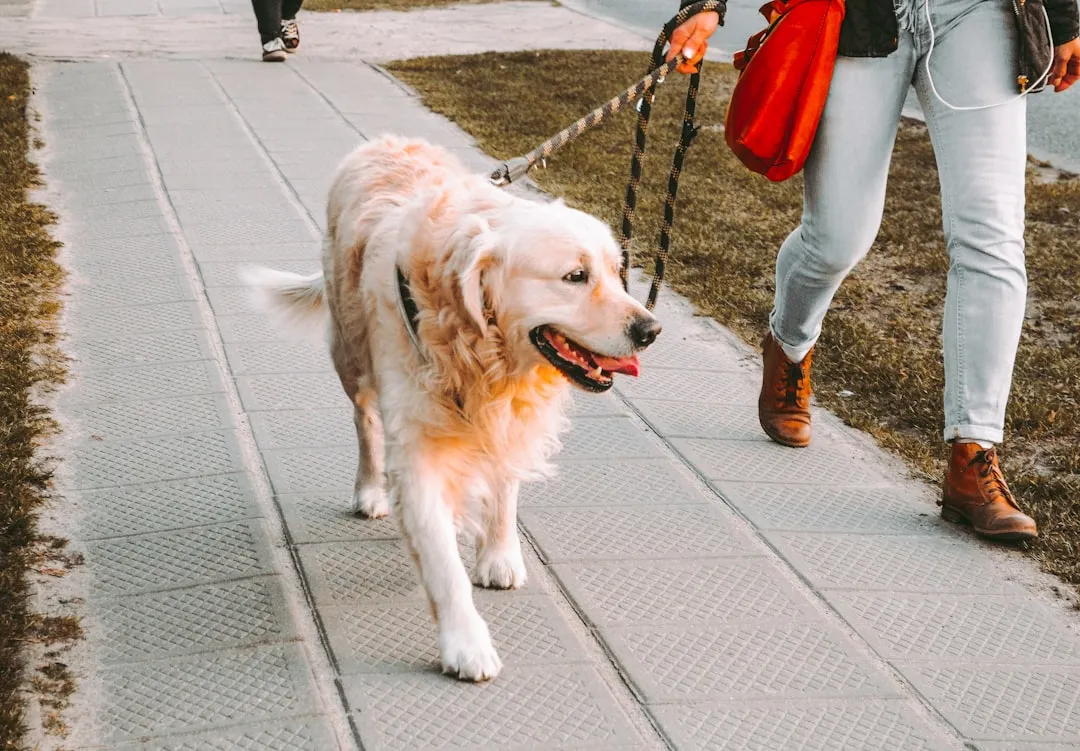
If your dog used to drag you down the street and now gives up halfway, something has changed. Yes, older dogs naturally tire faster. But sudden or progressive exercise intolerance, coughing after excitement, or frequent rest stops can point to heart disease, lung disease, anemia, or hidden cancers.
Here’s the unsettling part: many dogs with serious heart problems show zero symptoms while resting on the couch. The truth only comes out when you ask them to move.
At A Glance
- Small breeds are especially prone to age-related heart valve disease
- A cough that worsens at night or after lying down is a common early heart-related signal
- Fainting or brief collapse episodes should always trigger an immediate vet call
- A chest X-ray plus a stethoscope exam can flag many problems long before a crisis
- A cough that’s worse at night or after lying down
- Fainting, collapsing, or “almost fainting” episodes
A chest X-ray and a basic heart workup can genuinely extend and improve his life if caught early. Writing this off as “just lazy now” is exactly how people miss treatable disease until it isn’t treatable anymore.
#7 – Sudden Behavior Changes Or “Grumpiness”

“Old and cranky” isn’t a personality trait – it’s usually pain talking. A dog who starts growling when touched, snapping at kids, hiding, or avoiding being picked up isn’t “turning mean.” Chronic pain from arthritis, dental disease, or spinal problems, along with neurological issues and cognitive decline, can turn a friendly dog reactive almost overnight.
Imagine being poked on a sore tooth or an arthritic hip all day long. Your fuse would get short too.
- Not wanting to be groomed or handled in certain spots
- Skipping social time or affection he used to love
Pets who are suffering can’t tell us in words – so a change in behavior is often the only language they have.
Dr. Marty Becker
Correcting or punishing these behaviors without hunting down the medical cause is unfair – and it’s exactly how some senior dogs end up surrendered to shelters for “aggression” that was really untreated pain.
#8 – Changes In Vision Or Hearing You’ve Been Ignoring
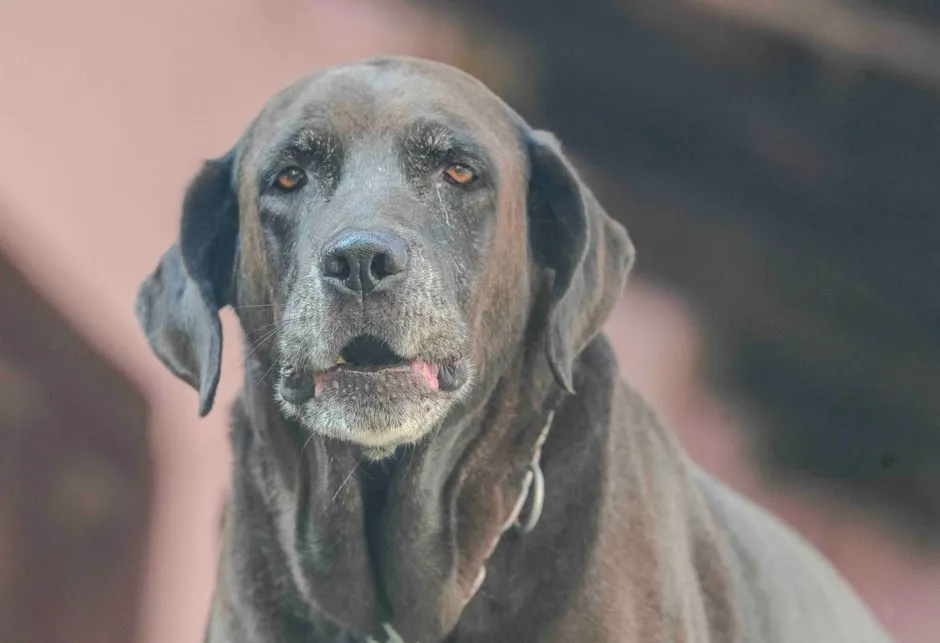
Your dog might not be “disobedient.” He may simply not hear you anymore. Senior dogs commonly develop hearing loss and cloudy eyes, and most owners assume the dog is being “selectively deaf” long before they consider the real cause.
In reality, age-related hearing loss and early cataracts or retinal problems sneak up slowly, over months. Dogs compensate remarkably well – leaning on smell, routine, and reading your body language – so you may not notice until they startle easily or get visibly “lost” in a familiar room.
Worth Knowing
- Dogs are experts at masking sensory decline by relying on smell and memorized routines
- A cloudy, bluish tint to the lens can be a normal aging change and different from cataracts
- Hand signals and vibration cues can be taught quickly, even to dogs who are already mostly deaf
- Nightlights and consistent furniture placement help vision-impaired dogs move confidently
- Not waking to sounds that used to trigger them instantly, like keys or the doorbell
- Startling hard if you touch them while they’re sleeping
Hearing and sight loss aren’t always fixable, but early detection lets you adapt fast: hand signals, vibration cues, nightlights, baby gates by the stairs. Pretending nothing’s changed only makes their world more confusing, not less.
#9 – Bad Breath, Drooling, Or Pawing At The Mouth
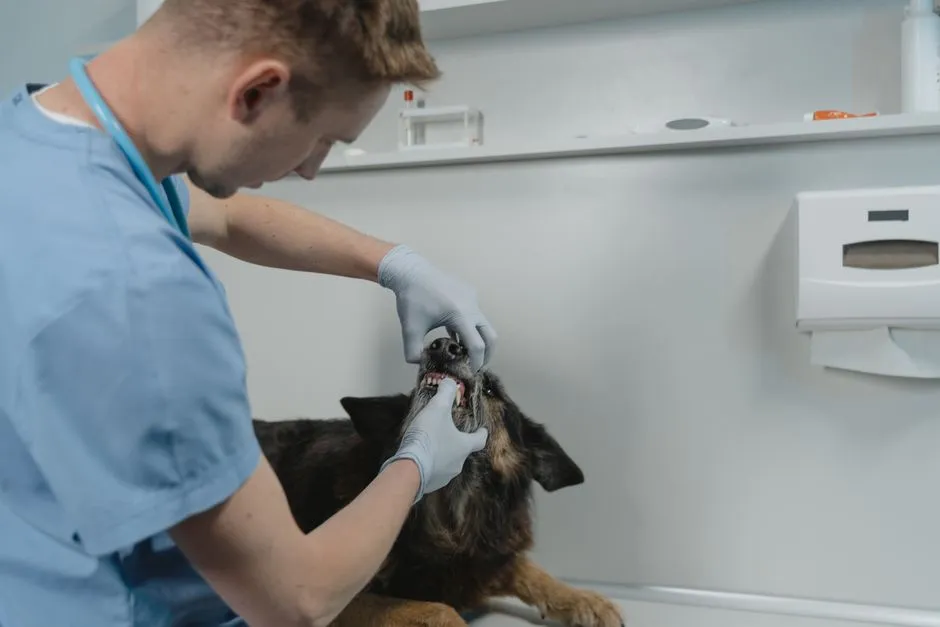
“Dog breath” is not supposed to smell like a trash fire. Dental disease is one of the most under-treated problems in senior dogs, largely because it’s invisible unless you actually look inside the mouth.
Rotting teeth, infected gums, and abscesses can cause chronic pain, jaw bone loss, and even put strain on the heart and kidneys over time. Over 80% of dogs over the age of three have active dental disease, and few dogs show obvious signs, so it is up to the dog’s family and veterinarian to uncover this hidden and often painful condition. Your dog won’t simply stop eating because it hurts – most will keep eating right up until they truly can’t anymore.
- Dropping food, chewing on one side, or refusing hard treats
- Bloody saliva, pawing at the face, or swelling under the eye
Yes, dental cleanings under anesthesia in a senior dog can feel terrifying to schedule. But veterinarians will tell you plainly: it’s often far safer to fix an infected mouth than to leave it untreated.
#10 – New Lumps, Bumps, Or Skin Changes
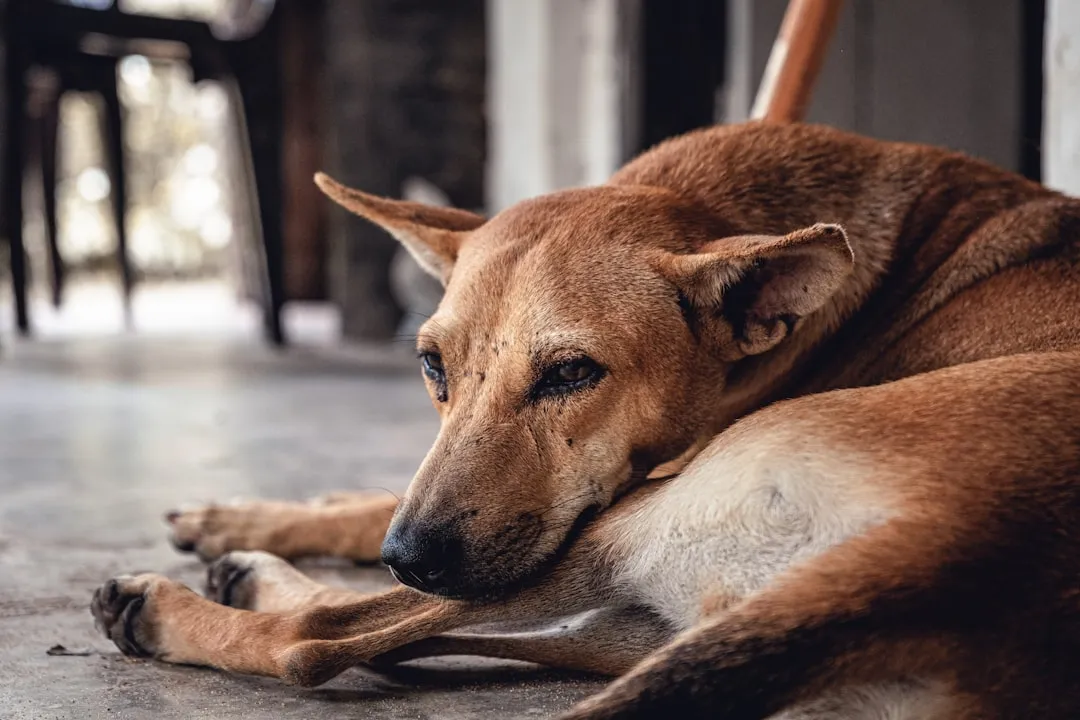
“Just a fatty lump” is one of the most overused phrases in dog ownership, and it’s dangerous precisely because it’s sometimes true. Many harmless lipomas exist, sure. But some fast-growing or firm lumps are cancers that can often be removed completely – if you act early.
The problem is time. The longer you wait, the bigger the mass gets, and the more complicated and expensive the surgery becomes. Not every warning sign looks like an obvious tumor either – unexplained skin changes, sores that won’t heal, or new dark pigmented spots deserve the same attention.
- Run your hands over the entire body monthly, including armpits and groin
- Note the size, texture, and whether it moves freely or feels stuck
Facebook groups love to reassure each other that “it’s probably nothing.” Your vet is the only one who can actually prove that, with a needle and a microscope instead of a guess.
#11 – Getting “Stuck,” Confused, Or Staring At Walls

Doggy dementia is real, and it does not just mean “acting old.” Cognitive dysfunction in dogs can look eerily similar to human Alzheimer’s, right down to the confusion in familiar spaces.
Dogs with cognitive decline may pace aimlessly, stand frozen in corners, get physically “stuck” behind furniture, stare at walls, or suddenly seem not to recognize people they’ve known for years. Nighttime confusion is especially common – wandering, whining, or waking you up for no obvious reason at all.
Quick Compare: Normal Aging vs. Warning Sign
- Normal aging: sleeping more overall – Warning sign: wide-awake pacing or whining at 2 a.m.
- Normal aging: slightly slower to respond – Warning sign: seeming to not recognize familiar people or rooms
- Normal aging: occasional deep sleep past mealtime – Warning sign: standing frozen or “stuck” in a corner
- Normal aging: a bit less playful – Warning sign: sudden, total loss of interest in everything
- Going to the wrong side of the door – the hinge side, not the handle
- Seeming genuinely lost in their own house or yard
Here’s what most people don’t realize: there are medications, supplements, and environmental changes that can meaningfully slow this decline, especially if you start early. Writing it off as “just age” quietly robs your dog of help that actually exists.
#12 – Struggling With Jumps, Stairs, Or Slippery Floors
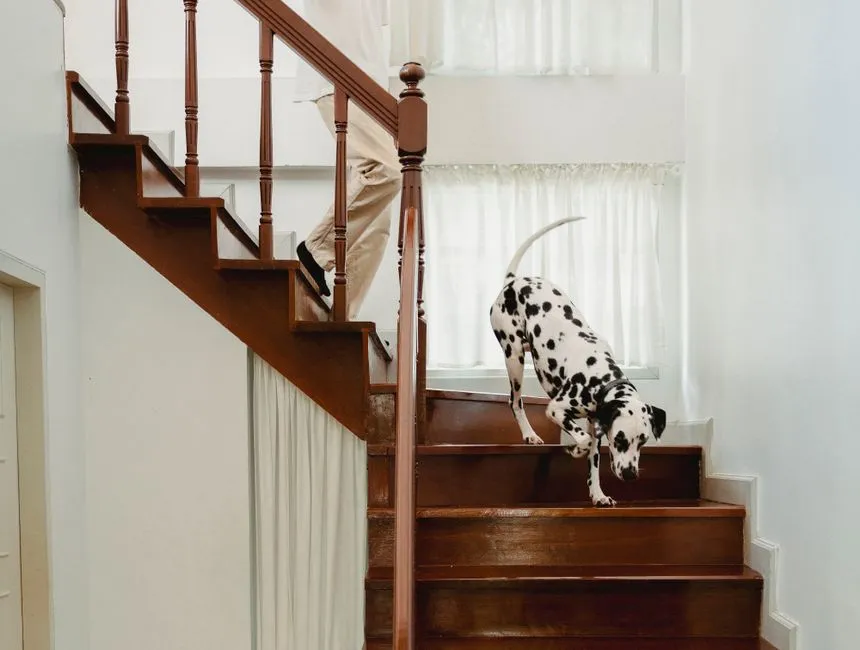
“Lazy” often really means “this hurts more than you think.” When a senior dog suddenly stops jumping on the bed, refuses to get in the car, or hesitates at the top of the stairs, he isn’t being stubborn.
Arthritis, spinal disease, torn ligaments, and even subtle neurologic problems often show up first as reluctance – not a dramatic limp you’d catch right away. Slippery floors make it worse; many dogs quietly give up exploring entire rooms of the house rather than risk that sliding feeling again.
- Back legs sliding out on tile or hardwood
- Sitting or lying unevenly, with legs splayed out to one side
Ramps, rugs, supportive harnesses, and targeted pain control can hand your dog his territory back. It’s genuinely surprising how many “lazy” senior dogs turn back into puppies once movement stops hurting.
#13 – Grooming Changes And A Neglected-Looking Coat
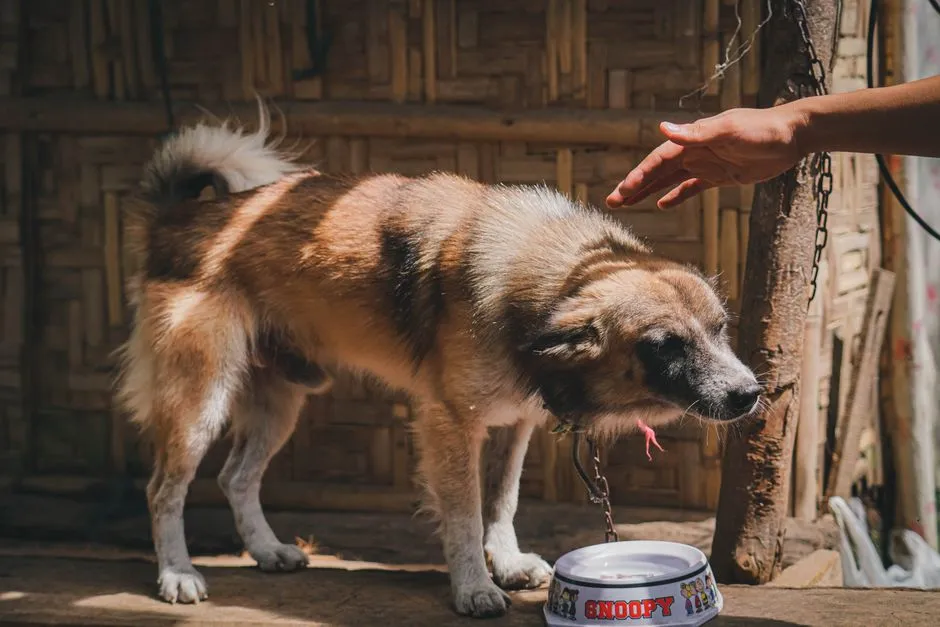
A scruffy senior dog isn’t just “less cute” – he may be signaling real trouble underneath. When dogs are in pain, stiff, or feeling generally unwell, they quietly stop doing the small self-care things: licking, stretching, chewing at itchy spots.
You might notice more mats, more dandruff, or a coat that’s gone dull and greasy. Hormonal disease, allergies, parasites, and nutritional gaps can all change how the skin and fur look and feel, often before anything else seems wrong.
- Bald patches, a thinning tail, or the classic “rat tail” look
- A strong doggy odor that comes right back after a bath
Some breeds naturally get shaggier with age, no question. But a dramatic, sudden change in coat quality or self-grooming habits is not just aesthetics – it’s often your earliest window into a problem that’s still very fixable.
#14 – You Just Feel Like “Something’s Off”
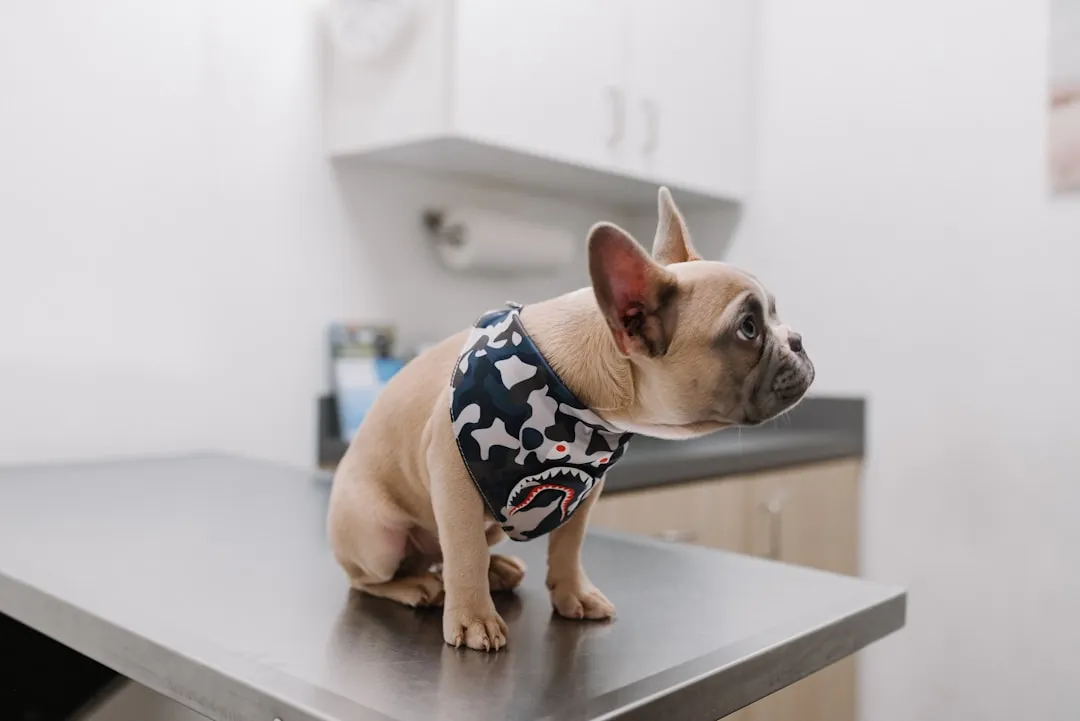
Here’s the sign almost no one talks about – but nearly every experienced dog owner swears by it. Sometimes there isn’t one dramatic symptom at all. Your senior dog is eating, walking, and sleeping more or less fine.
But you, the person who knows their quirks better than anyone on earth, feel that strange gut pull: “This isn’t quite my dog lately.” Maybe he’s quieter. Maybe his eyes look different. Maybe he’s just… not himself, in a way you can’t fully explain out loud.
This is the exact moment many people gaslight themselves into silence: “I’m overreacting. He’s just old.” In reality, this gut feeling is often when vets catch early kidney disease, subtle heart changes, low-grade infections, or uncomfortable but treatable pain – the stuff bloodwork finds before any obvious symptom shows up.
Your intuition, paired with a physical exam and bloodwork, is one of the most powerful tools your dog has left, precisely because he can’t speak up for himself. When in doubt with a senior dog, you are almost never wrong for getting him checked.
The Bottom Line
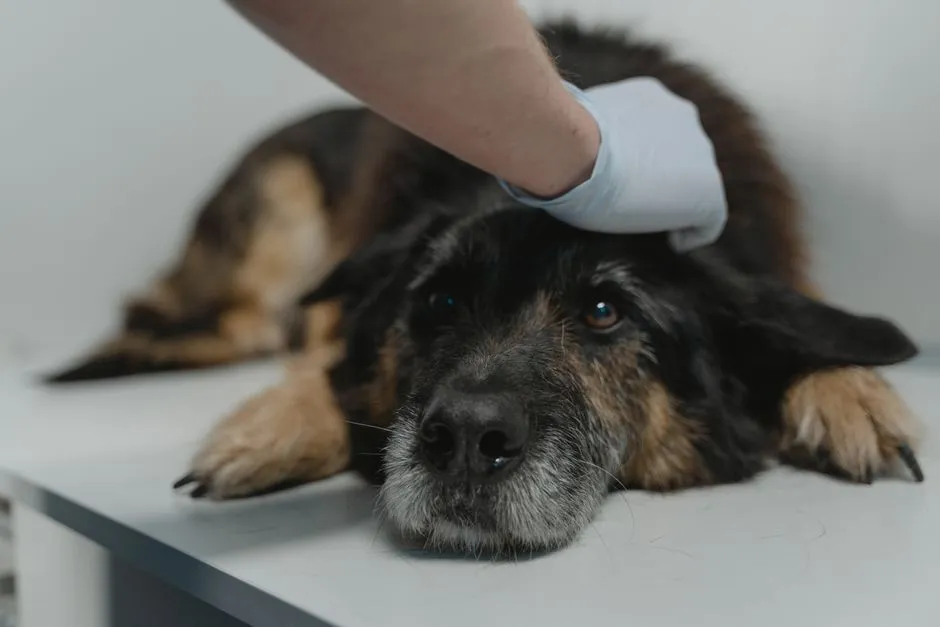
Here’s the hardest truth in this entire list: age itself isn’t the problem – unnoticed, untreated disease is. Most people wait for something dramatic before calling the vet: a seizure, a collapse, a scream of pain. By the time that happens, your options have already shrunk.
The “small” stuff – the stiffness, the extra thirst, the grumpiness, the accidents, the restless nights – is exactly where you still have real power to change the outcome. I’ll say the unpopular part out loud: most senior dogs suffer in silence far longer than they need to, simply because their owners kept calling real symptoms “just old age.”
You don’t need to panic over every limp or every weird night. But you also don’t get to shrug and blame “old age” for everything, because that’s not compassion – it’s avoidance. Your dog gave you his whole life without asking for anything back. Catching these signs early, even the uncomfortable ones, is how you actually repay that.
Which of these have you already seen in your own dog – and honestly, do you think most owners downplay senior dog problems way more than they should?
