

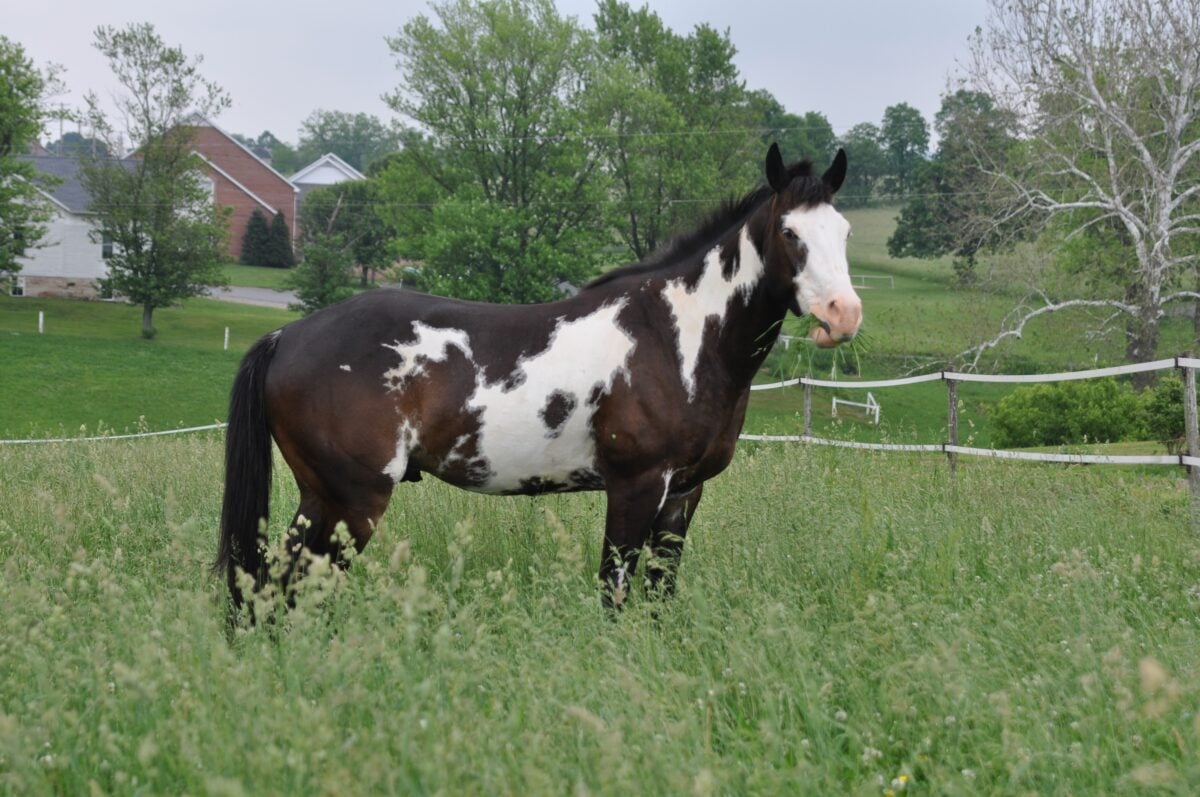
Most people believe “a rescue horse is a rescue horse” – you show up with a soft heart, sign the paperwork, and ride off into a feel-good story. Vets know better. They’ve watched a $500 adoption turn into a $15,000 nightmare, and they’ve watched a “boring” grade gelding quietly outlast every fancy breed in the barn.
The difference almost never comes down to luck. It comes down to breed-specific baggage that adoption ads never mention – hidden injuries, training scars, and genetic landmines that don’t surface until months after the ink dries. Here’s what equine vets actually wish every rescue buyer understood before they fall in love in the parking lot.
#19 – Off-Track Thoroughbreds (OTTBs): Not Just “Skinny Trail Horses”
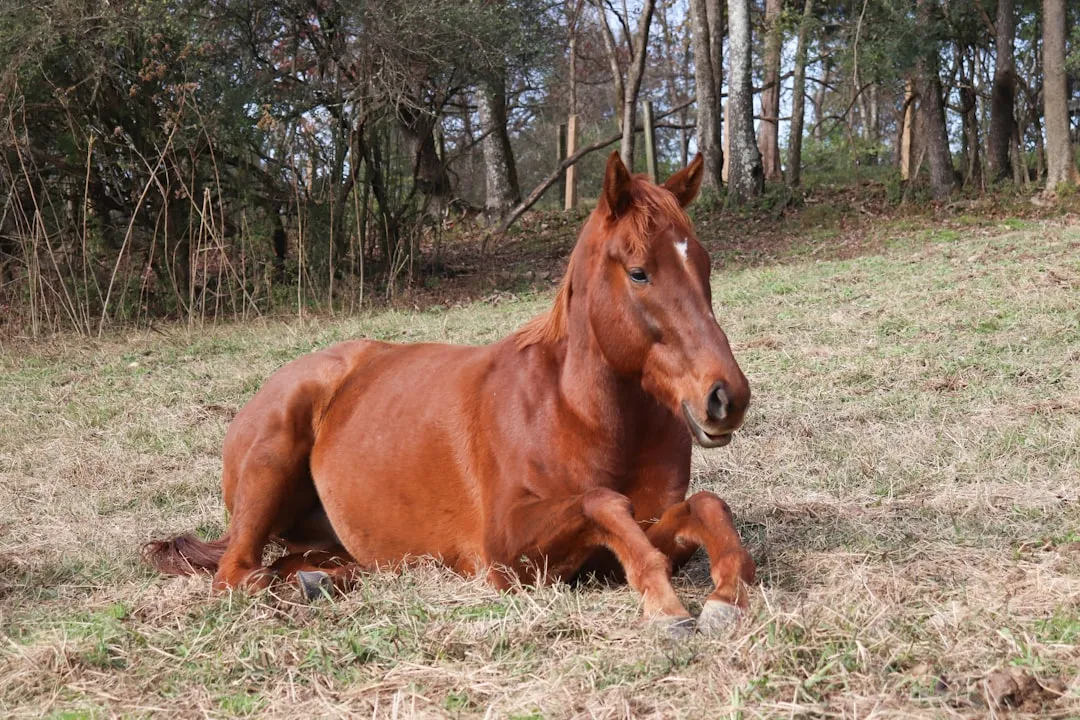
Everyone loves the idea of “saving a racehorse,” but vets see a different side of OTTBs. These horses are elite equine athletes who’ve been pushed hard, fast, and young. Many arrive with underlying injuries – tendon strains, joint wear, gastric ulcers – that aren’t obvious in a quick trot-up. They may look sound when excited or tense, then fall apart weeks later once the adrenaline and race-fit muscle fade. Their high-octane metabolism also means they can be hard keepers, needing more feed and more ulcer management than casual owners expect.
Fast Facts
- Most Thoroughbreds leave the track between ages 2 and 5 – well before their skeletons finish maturing around age 6.
- Gastric ulcers are extremely common in horses coming straight out of race training.
- Few OTTBs get a true “let-down” period before being rehomed, so tension and soreness often travel with them.
- Retraining an OTTB into a relaxed riding partner typically takes several months, not weeks.
Behaviorally, OTTBs are often sweet but wired for go. They’re used to strict routines, hot walkers, and galloping in company – not quiet trail rides with a nervous beginner. Retraining them to understand “walk calmly on a loose rein” can take months of consistent, confident work. If you’re hoping for a bombproof family horse, most vets will point you toward a different breed first. Arabians are next, and the myth around them is almost the opposite problem.
#18 – Arabians: Smart, Sensitive… and Over-Rescued
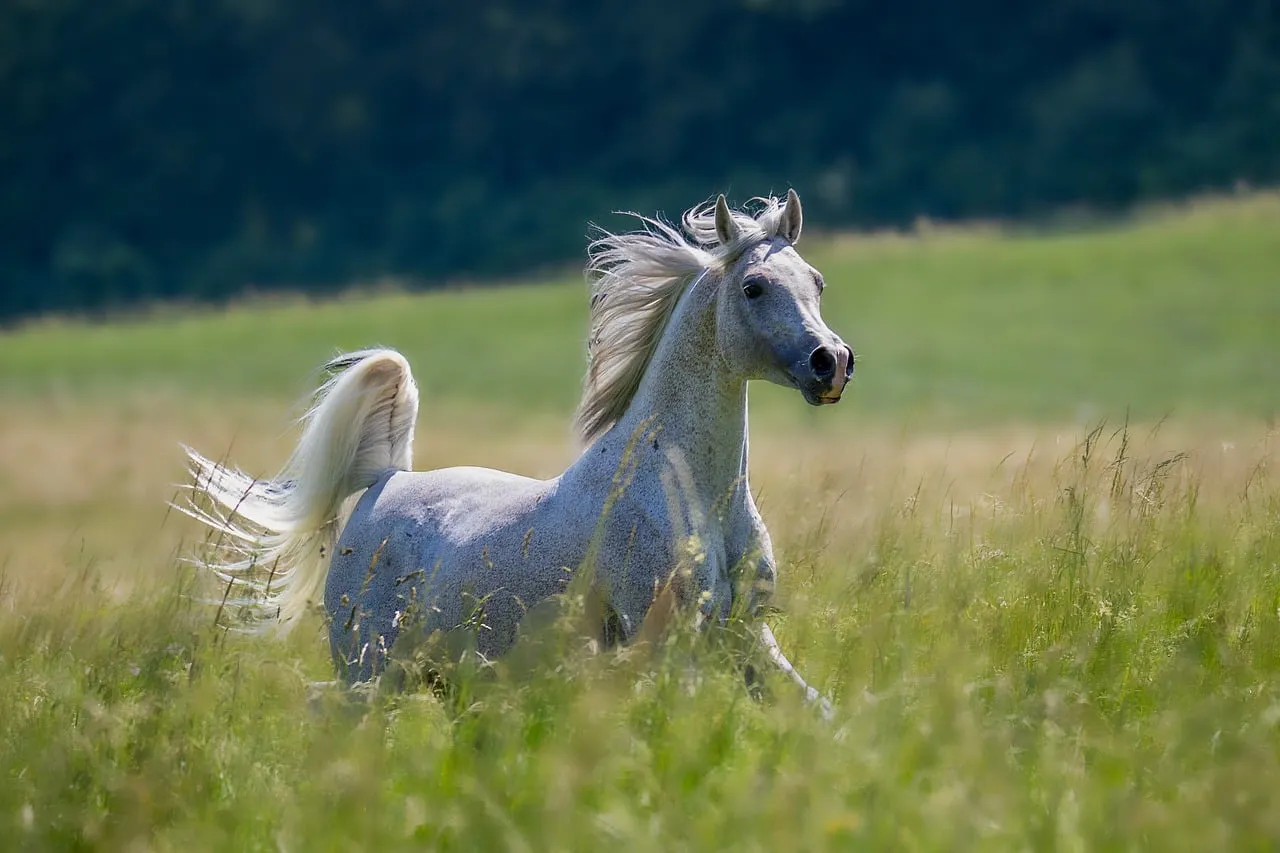
Arabians have a reputation: delicate heads, big eyes, “spirited” personalities. What most rescue buyers don’t realize is Arabians are often too intelligent and sensitive for underconfident riders, which is exactly why so many land in rescues labeled “crazy” or “dangerous.” In reality, they’re usually overwhelmed, under-trained, or over-stimulated. A harsh hand, inconsistent cues, or chaotic environment can turn an anxious Arabian into a spinning, bolting nightmare for a novice.
Vets also point out that Arabians tend to show pain through behavior changes rather than obvious lameness. A horse that “won’t stand still” may be dealing with saddle fit issues, ulcers, or arthritis. Their smaller frames can be an advantage for longevity, but they still need proper conditioning and thoughtful work. With patient, experienced handling they can be phenomenal partners – but for first-time rescue buyers, many vets quietly advise looking for something more forgiving. Speaking of myths, the next breed’s reputation is doing real damage.
#17 – Quarter Horses: The “Safe Bet” That Isn’t Always Safe
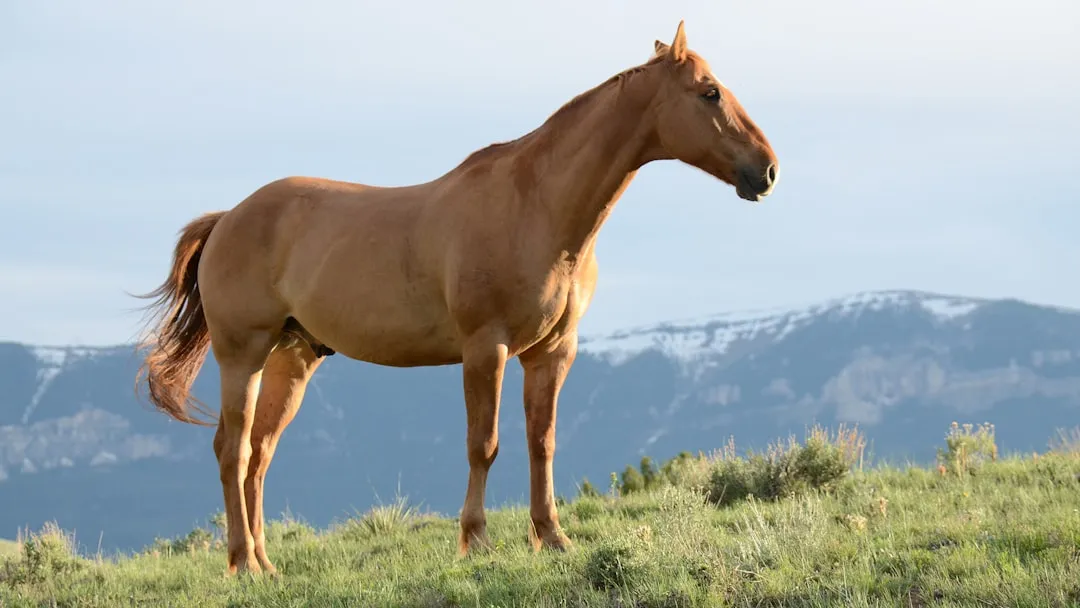
Most people hear “Quarter Horse” and immediately think “solid beginner horse.” Rescues know this label moves horses fast. Vets, however, see the fine print: this is one of the most overbred, overused, and overworked breeds in North America. That means a huge range of quality. Some are saintly ranch geldings, others are ex-show horses with navicular changes, kissing spine, or hock arthritis from years of overuse in tight circles or hard stops.
Worth Knowing
- HYPP traces back to a single influential stallion line and can cause sudden muscle tremors or collapse.
- PSSM (Polysaccharide Storage Myopathy) triggers tying-up and chronic muscle pain in stock-type breeds.
- HERDA causes fragile skin that tears or splits with no cure available.
- None of these conditions reliably show up during a routine trot-up – only genetic testing tells the real story.
There’s also a real genetic health side that buyers ignore. Popular lines can carry diseases like HYPP, PSSM, or HERDA, and many rescues have zero paperwork or test history. A “quiet, chunky QH” that seems like a deal may struggle with chronic tying-up, muscle pain, or sudden neurologic episodes later. Vets often tell buyers: don’t rely on the brand name. Ask about old workloads, get radiographs if you can, and be extra picky with stock that came from intense show or speed programs. If you thought the “safe bet” had fine print, wait until you hear about the wild ones.
#16 – Mustangs: Romantic Story, Rugged Reality
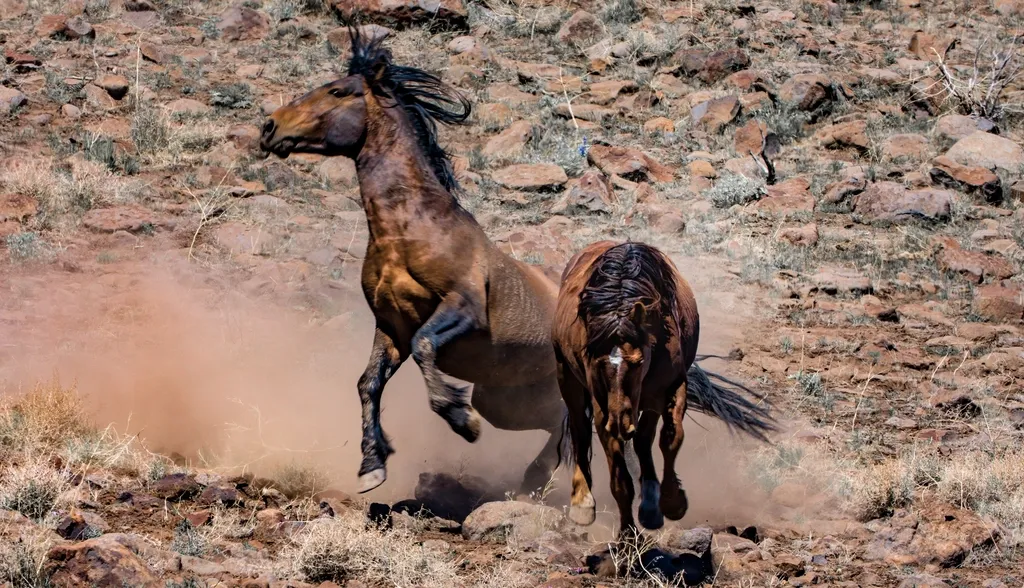
Few things photograph better on Facebook than a “saved wild Mustang.” The myth is they’re tough, low-maintenance, and grateful. The reality vets see is more complicated. Many mustangs are extremely hardy – strong hooves, efficient metabolisms – but they’re also deeply feral in their instincts. A couple of gentling sessions at a prison program does not turn a wild horse into a kid-safe trail mount. Fear responses can be explosive, and fixing that takes skill and time, not just affection.
Their hardiness can backfire in modern care, too. Easy-keeping mustangs are prone to obesity, insulin resistance, and laminitis once turned out on rich pasture and given grain “because he was a rescue.” Feet that survived the desert don’t always stay sound on muddy, wet fields. Vets often love mustangs but warn: they’re great for experienced, patient horsemen who enjoy training projects. For soft-hearted beginners, they’re often a mismatch. From wild instincts to gentle giants – the next size jump comes with its own sticker shock.
#15 – Drafts & Draft Crosses: Gentle Giants, Expensive Patients
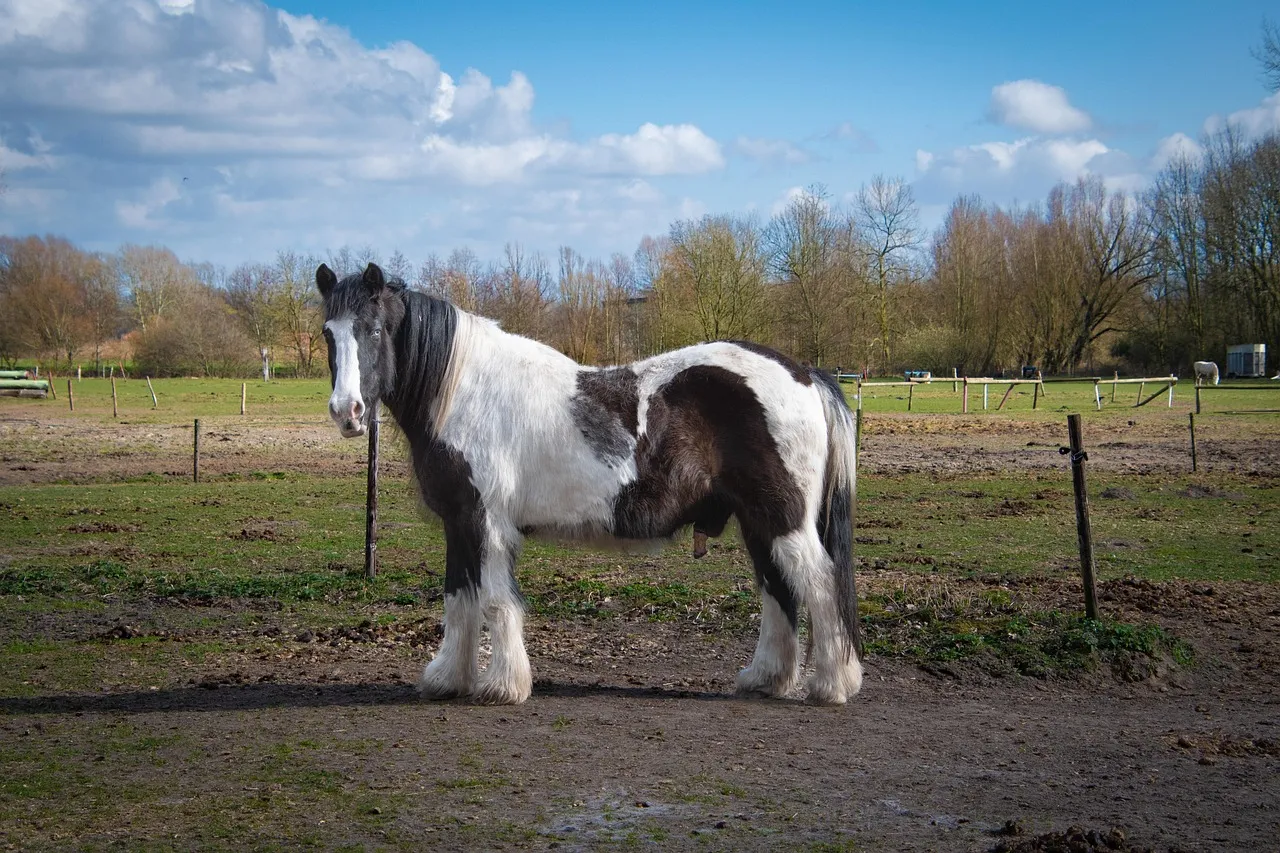
Many rescue buyers dream of a big, cuddly draft they can hug and plod around on. Drafts can be incredibly kind, but vets see the cost column first. Everything about a draft is bigger: joints, hooves, feed bills… and medical invoices. Farrier work costs more, sedation doses for basic procedures climb, and even trailering to a clinic can get complicated due to size and weight. A “cheap” $800 draft rescue can rack up thousands in special shoeing and joint support alone.
Health-wise, drafts are predisposed to certain nightmares: chronic progressive lymphedema, scratches and skin infections under feathers, and joint strain from carrying extra mass. Many have been used hard in pulling, carriage, or farm work before they ever hit a rescue. That sweet plow horse may already be arthritic and sore under the surface. Vets often caution that drafts are rarely budget options; they’re lifestyle commitments in size XXL. Now flip the price tag upside down – expensive breeding, bargain price, and big red flags.
#14 – Warmbloods: Hidden High-Performance Baggage
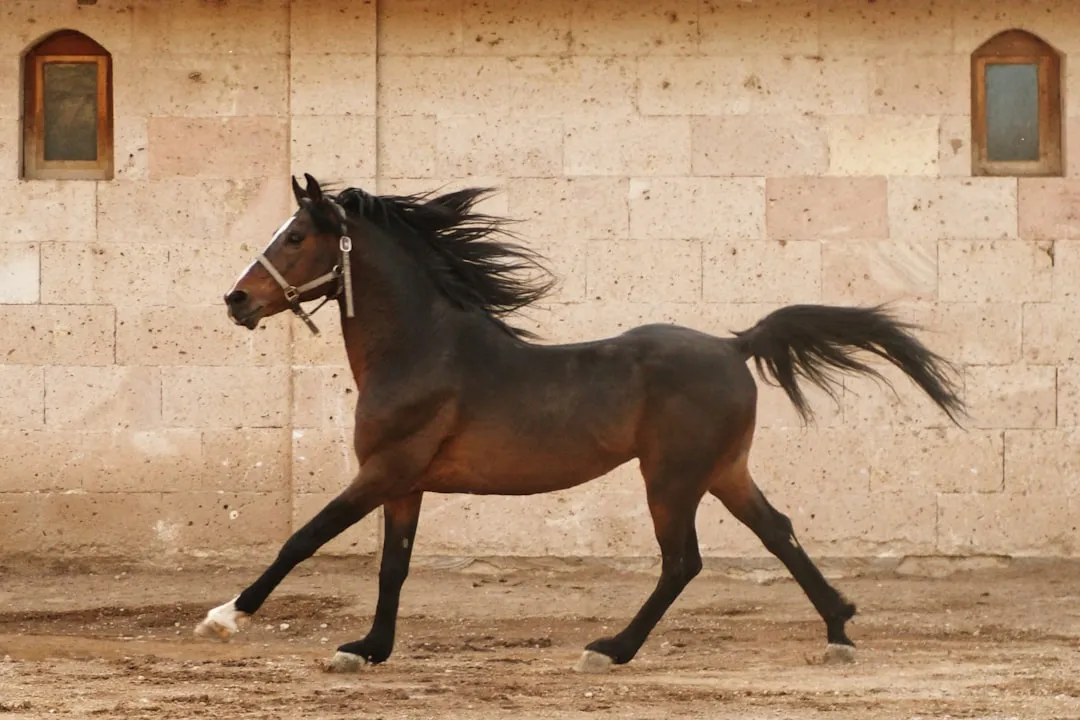
Rescued warmbloods sound like a dream – fancy, athletic, often from big-name sport barns. On paper, they’re an incredible deal. Vets, however, know there’s usually a reason a high-dollar prospect ends up in a low-dollar pipeline. Many retired or rejected warmbloods carry complex orthopedic issues: suspensory lesions, hock changes, kissing spine, or chronic back pain from years of collected work and big fences. They can pass a casual pre-purchase exam and still be ticking time bombs under real training.
Behavior can also be misleading. A sedate, “shut-down” warmblood in a rescue environment might simply be depressed or in chronic discomfort – not “kid safe.” Once you address pain and increase fitness, they can become dramatically more forward and reactive. Their size and movement also demand better riding than many amateurs have. Vets often say: don’t adopt a warmblood because it looks like a $50,000 horse. Adopt it only if your skills and budget match a complex sport-horse rehab. After all that high-dollar baggage, here’s a breed vets actually root for.
#13 – Standardbreds: The Overlooked Good Guys (With a Few Catches)
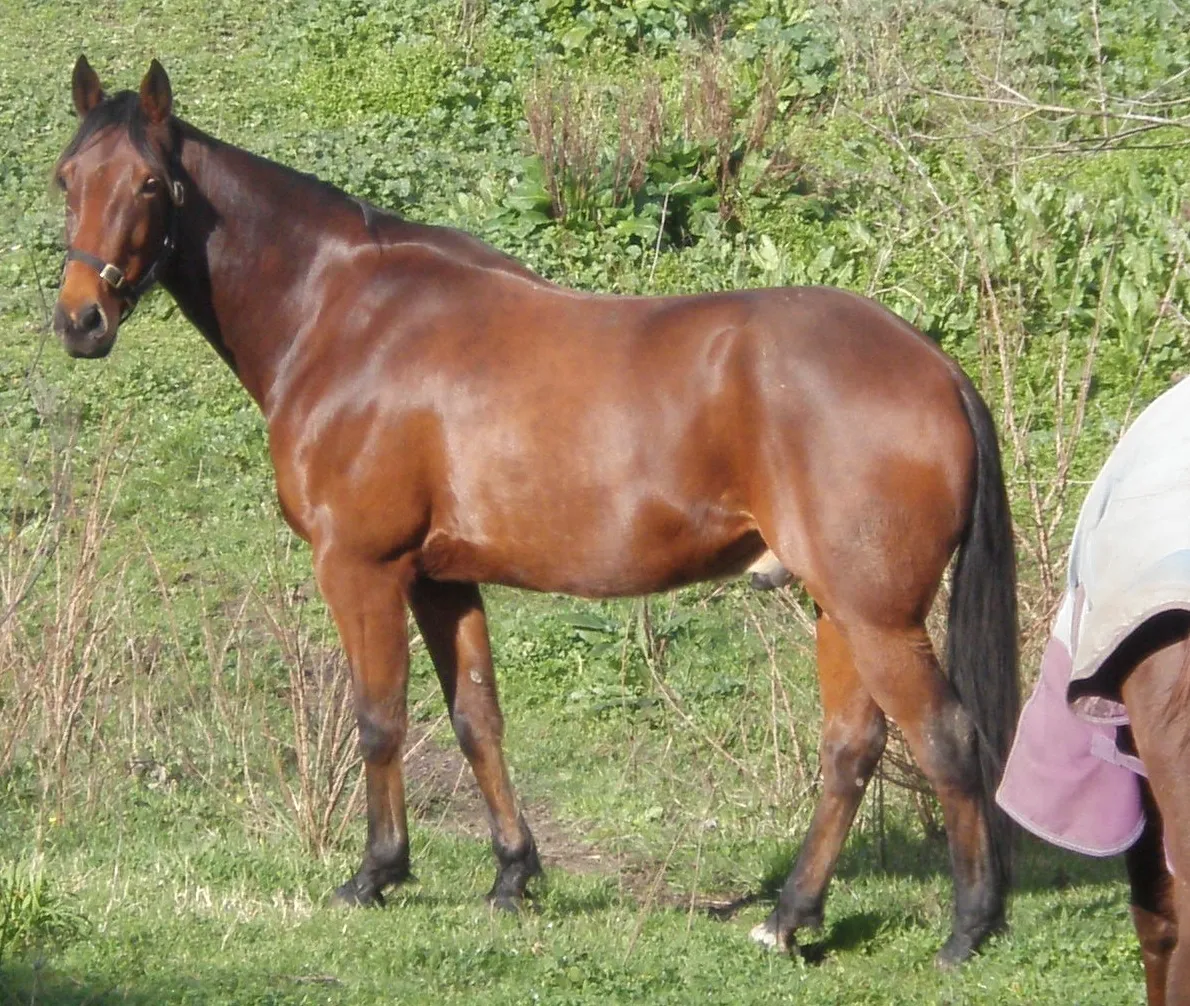
Standardbreds are the quiet workhorses of the racing world, and they’re one of the most underappreciated rescue options. Many vets actually like them for thoughtful adopters. They’re often sane, used to handling, and have excellent work ethics – but their bodies and brains are wired for harness racing, not traditional riding. Many pace instead of trot, have unbalanced canters, or carry unusual muscle development that needs time to reshape under a saddle.
The upside: Standardbreds are usually handled daily from a young age, so they’re used to vet, farrier, and routine care. The downside: like all race breeds, some come with joint wear, old tendon injuries, and gastric issues. Transitioning them to a slower lifestyle can be very positive, but you’ll likely need:
- A trainer who understands gaited or trotting conversions.
- Patience to re-frame “go forward” into relaxed flatwork.
For calm, budget-minded riders willing to retrain, vets often see Standardbreds as hidden gems. Sticking with underappreciated horses, let’s talk about the smooth-gaited breeds with a rough past.
#12 – Paso Finos & Gaited Breeds: Smooth Ride, Rough History
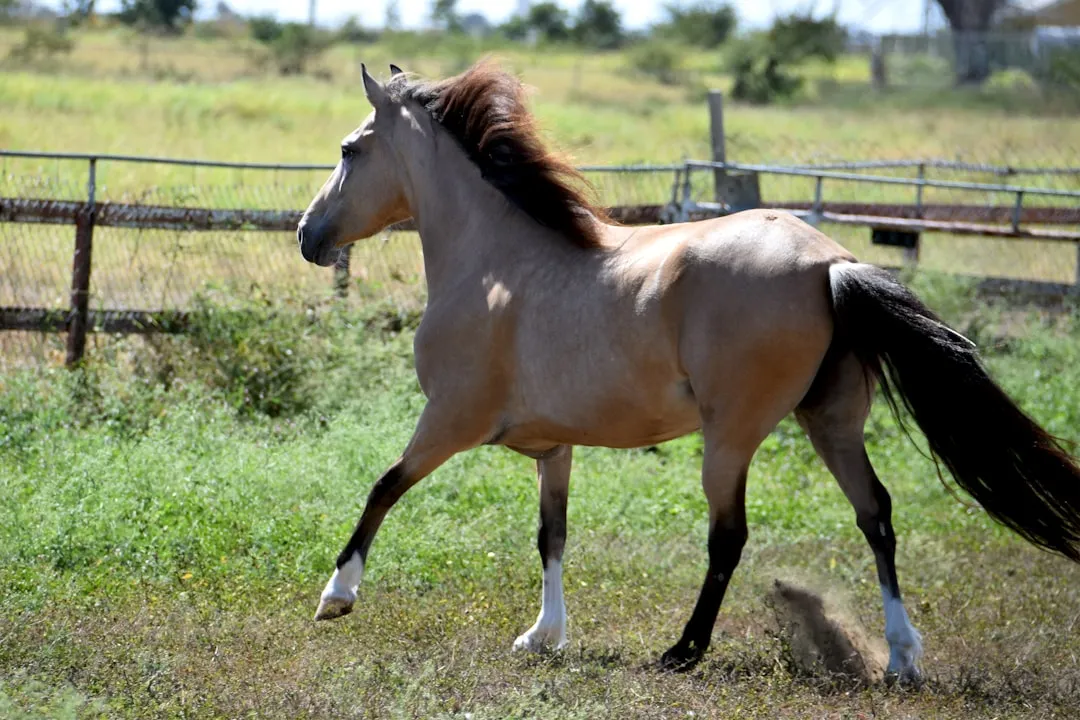
Gaited rescues (Pasos, Tennessee Walkers, Saddlebreds, etc.) attract adopters who want a smooth ride and older joints that don’t get jarred. Vets agree that, when ethically bred and trained, these horses can be fantastic partners. The dark side is that many gaited horses in rescues come from show or trail string backgrounds where harsh devices, stacking, or “big lick” type practices were used. That can leave physical and psychological scars – from sore backs and scarred mouths to deep anxiety under tack.
Their gait itself can mask lameness. A horse that looks “just a little off” in a trot-bred animal may be harder to evaluate in a four-beat or lateral gait, and subtle issues get missed. Add in that many adopters and even some trainers don’t really understand correct gait mechanics, and you get a lot of confused, uncomfortable horses. Vets urge buyers to:
- Use an evaluator who knows that specific gait.
- Assume you may need to undo years of “stylish” but painful training.
Gait issues are one thing. Coat color hiding real problems is another.
#11 – Paints & Pintos: Pretty Color Can Hide Serious Problems
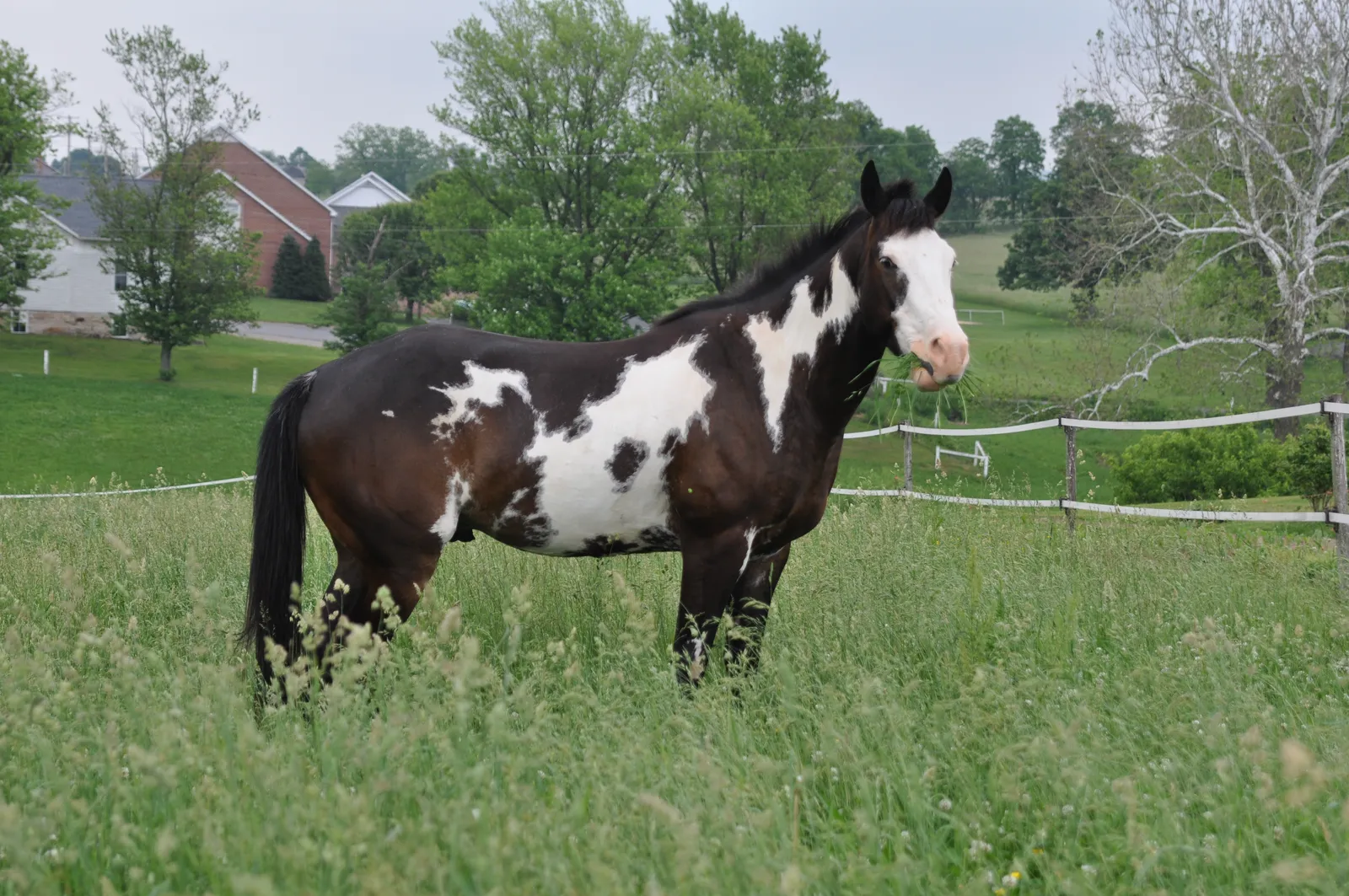
Loud color moves horses fast. A flashy Paint or pinto pattern on a rescue page gets clicks, shares, and emotional adopters. Vets, however, are blunt: color does not equal quality, and in some lines it comes bundled with significant genetic risks. Certain Paint and pinto families carry lethal white overo (LWO) genetics, immune issues, and the same muscular disorders seen in Quarter Horses. In rescues, paperwork is often missing, so you’re guessing.
Beyond genetics, a lot of colored horses end up in rescues because they were bred for looks, not minds or bodies. That means you may get:
- Upright pasterns or poor feet that lead to early arthritis.
- Hot, inconsistent temperaments that were never really schooled.
Vets aren’t anti-Paint; many are fabulous. But they wish adopters would walk in thinking, “Is this a structurally sound, mentally suitable horse?” instead of “That pattern is gorgeous.” Color isn’t the only cosmetic trait masking a medical issue – eyes are next.
#10 – Appaloosas: The Eye and Skin Issues People Ignore
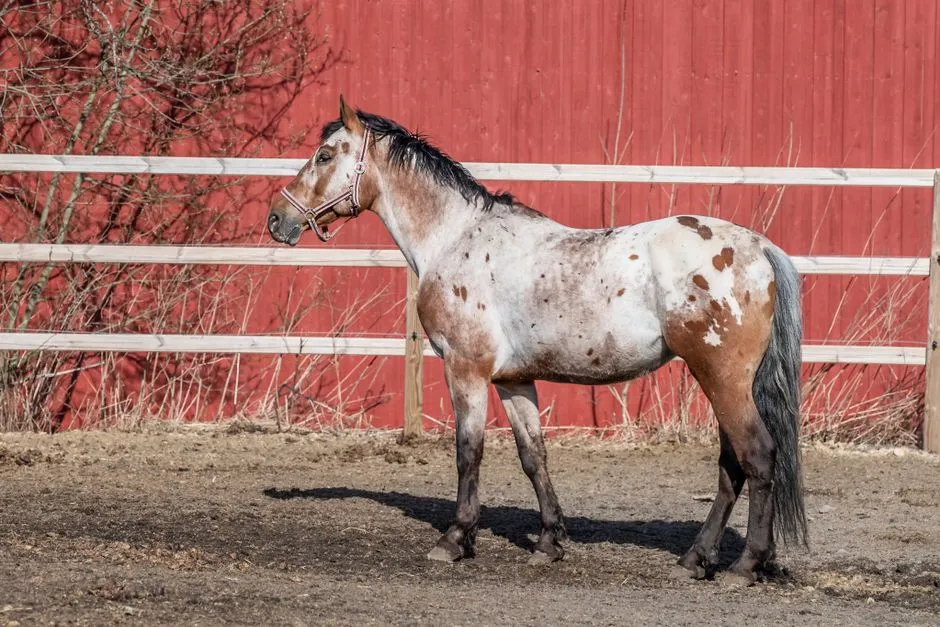
Appaloosas look tough and outdoorsy, and many truly are. They can be hardy, versatile horses. What rescues and vets know, though, is that Appaloosas have a higher risk of eye problems, including recurrent uveitis, and night blindness associated with certain coat patterns. That “weeping eye” or light sensitivity in a rescue ad may not be “just allergies.” Chronic uveitis is painful, expensive to manage, and can eventually lead to blindness.
Their mottled skin and sparse manes/tails also mean they can sunburn more easily and are more exposed to insect irritation. For some, this just means fly masks and sunscreen; for others it means constant summer management. Behaviorally, Appaloosas get unfairly labeled as stubborn or “standoffish,” but vets will tell you many of those “attitude” cases are simply horses reacting to chronic eye pain or poor saddle fit. If you adopt an Appy, budget for regular ophthalmic checks. Small and “safe” has its own surprises too, and vets see it constantly.
#9 – Ponies & Minis: Small Size, Big Vet Surprises
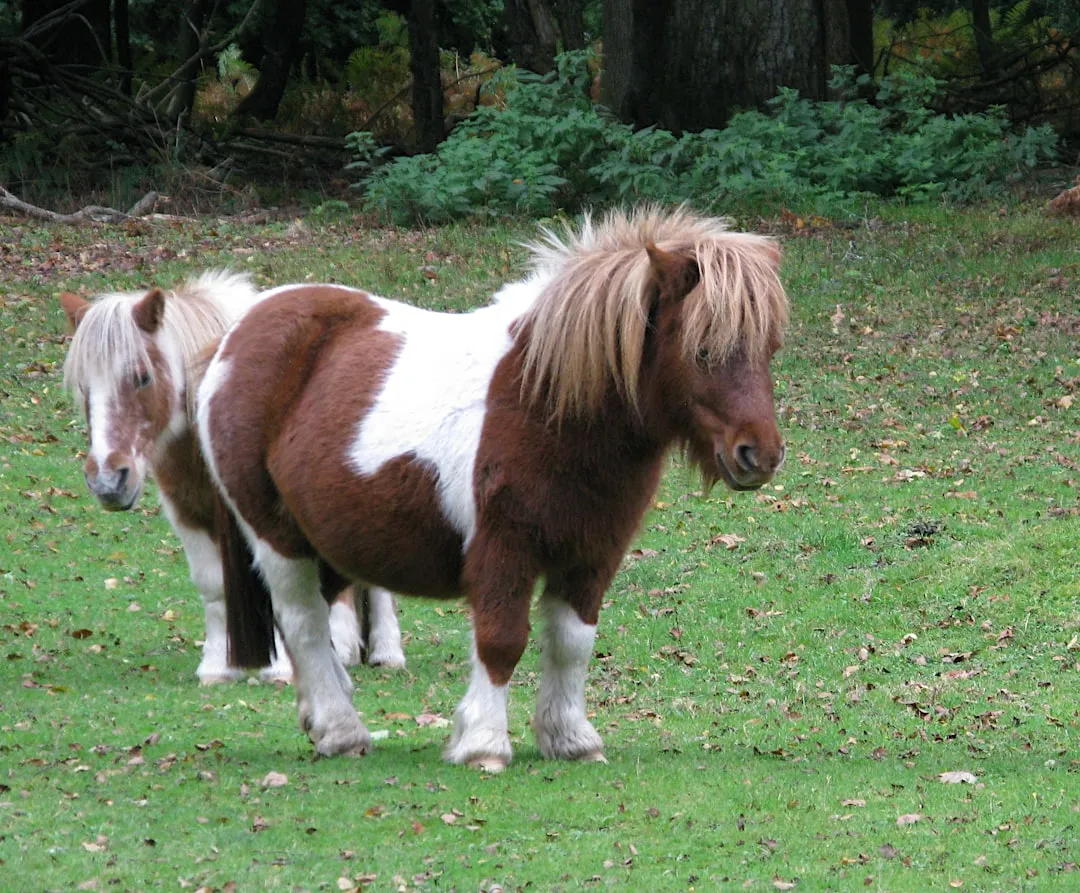
Many families think a pony or miniature horse is the safest, cheapest option for kids. Vets practically groan when they see this assumption. Ponies and minis are some of the most laminitis-prone, metabolic-sensitive animals in the barn. A few weeks on lush pasture or a “cute” scoop of grain they don’t need can land them in crippling hoof pain that may be lifelong. Rescue histories often include obesity and founder – not obvious in photos.
At a Glance
- Ponies and minis are disproportionately prone to laminitis and insulin dysregulation compared with full-size horses.
- Metabolic trouble can develop from pasture grass alone – no grain required.
- Small stature often means owners quietly skip routine dental and hoof care.
- Tolerated “cute” pushiness in minis can still injure kids and handlers.
They also get away with murder behavior-wise. Because they’re small, people tolerate biting, kicking, or bulldozing that would never fly with a full-size horse. That creates dangerous, pushy animals around kids. Minis in particular get neglected because they’re seen as “yard ornaments” – vets routinely find horrible dental issues and untrimmed feet hidden under long hair. If you adopt small, you still need big-horse discipline and management. Now for the breed combo everyone assumes is foolproof – it isn’t.
#8 – Draft Crosses: The “Best of Both Worlds”… or the Worst?
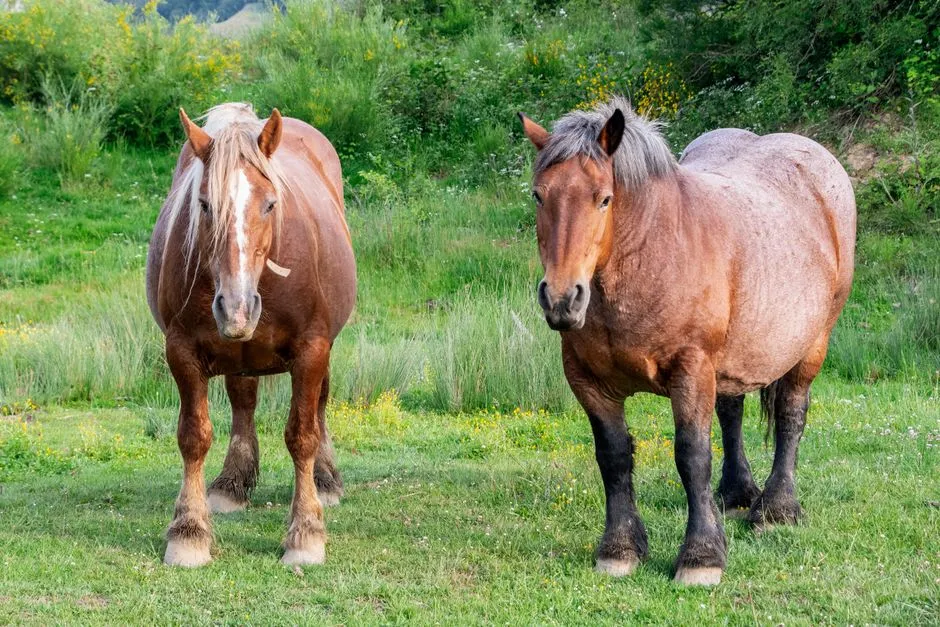
On paper, draft crosses sound ideal: draft calmness plus light-horse agility. Facebook is full of posts calling them “the perfect all-around family horse.” Vets are more cautious. Crosses are genetic dice throws, not guaranteed blends. You might get the heavy body of a draft on the small feet of a lighter breed, which is a structural recipe for long-term lameness. Or you get the energy of a Thoroughbred in a huge frame that’s hard to manage on the ground.
A lot of draft crosses in rescues are failed sport-horse or foxhunting projects that developed soundness issues once the work got real. They can absolutely make awesome partners, but they’re not plug-and-play. You’ll want:
- A serious pre-purchase exam focusing on feet, hocks, and back.
- A realistic plan (and budget) for joint support and bodywork.
Vets wish adopters would stop assuming “draft cross” automatically means gentle, low-maintenance unicorn. It can also mean high-maintenance, over-sized rehab case. Quietly, without the social media buzz, the next breed fills up rescues too.
#7 – Morgans: Tough, Long-Lived… and Sometimes Too Much Horse
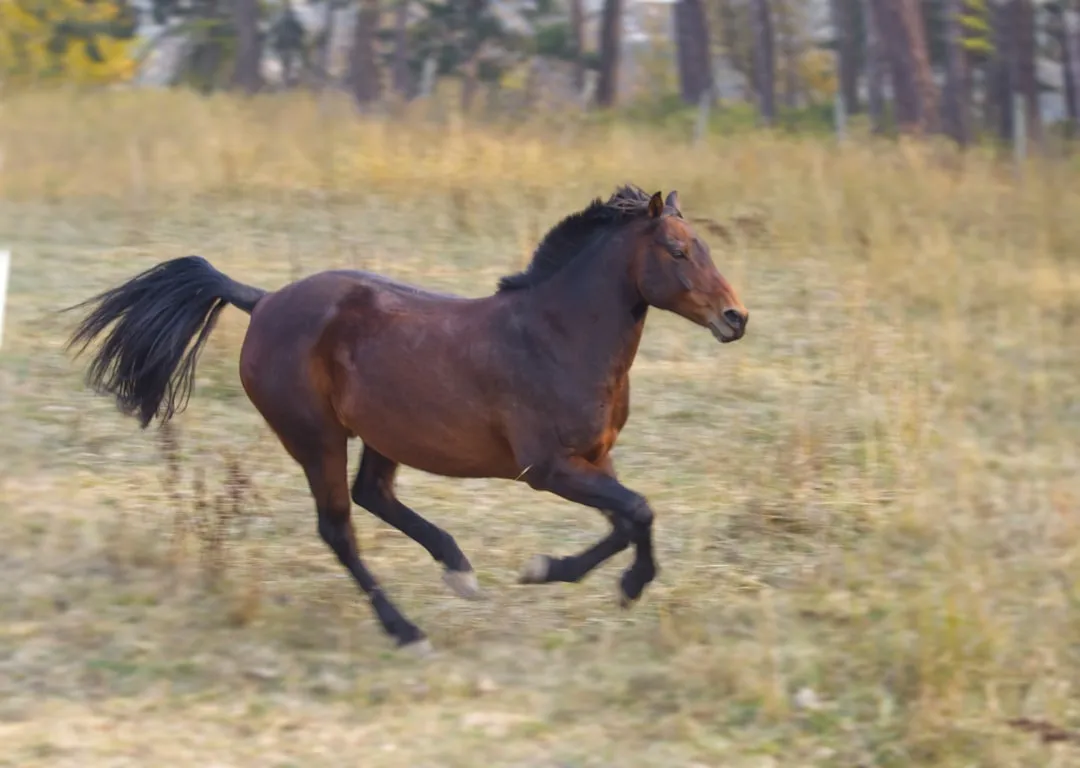
Morgans rarely get splashy social media attention, but they quietly show up in rescues more than people realize. Many vets respect them: they’re often sound, hardy, and long-lived – but they also pack a surprising amount of energy and opinion into a compact body. An “adorable little Morgan” that looks like a kids’ pony can be far too forward or strong-willed for a timid rider.
Their toughness can also lead to missed issues. Morgans will often work through low-grade pain without dramatic lameness, so arthritis, tendon strain, or saddle-fit problems go unrecognized for years. By the time they show obvious discomfort, you’re often dealing with a pile of chronic compensations. On the plus side, with fair, consistent handling and good tack, they can be incredibly reliable horses for adults who enjoy a bit of go. Speaking of underestimated energy, the show ring breeds take it to another level.
#6 – Saddlebreds & High-Action Show Breeds: Trained for Drama
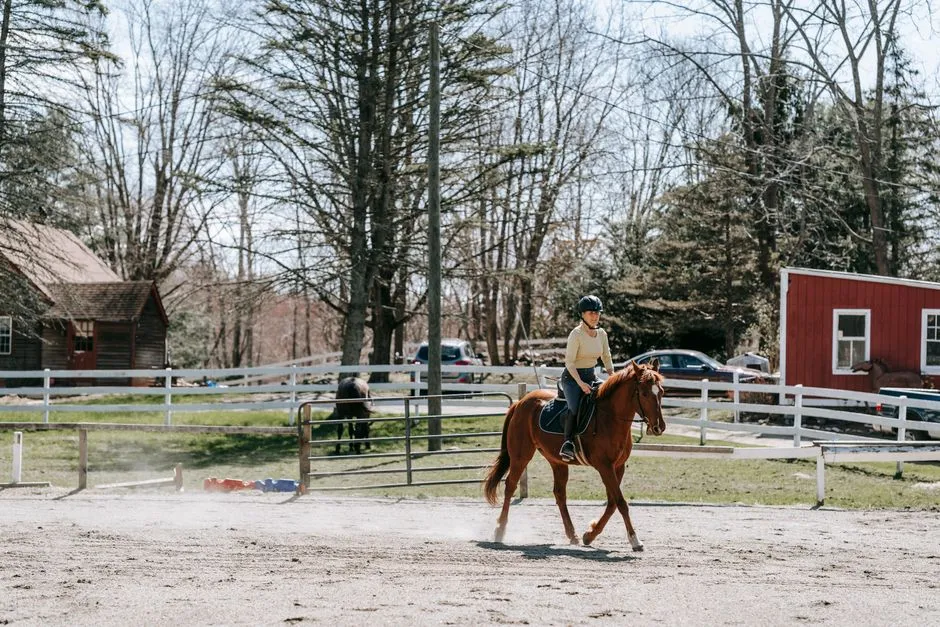
High-headed, high-stepping rescues look glamorous on video. Saddlebreds, some Morgans, and similar show breeds come with a lot of motion and expression that thrills new adopters. What vets know is that the training behind that look can be intense. Many have spent years in tight barns, with stacked shoes, tie-downs, and exaggerated bits to produce big action. That leaves back soreness, hoof issues, and mouths that are defensive or downright panicked about contact.
Mentally, they’re wired to be “on.” Even the kind ones can feel like they’re constantly buzzing, waiting for the show ring. Transitioning them to relaxed trail horses isn’t impossible, but it’s a bigger retraining ask than most rescues admit. You’ll need:
- A trainer who understands de-programming show habits.
- A vet and farrier patient enough to slowly normalize feet and tack.
Vets don’t hate these breeds; they hate seeing them adopted by low-confidence riders looking for a couch-on-hooves. Then there’s the biggest wildcard of all: horses with no breed label at all.
#5 – Grade Horses: The Big Question Mark Nobody Talks About
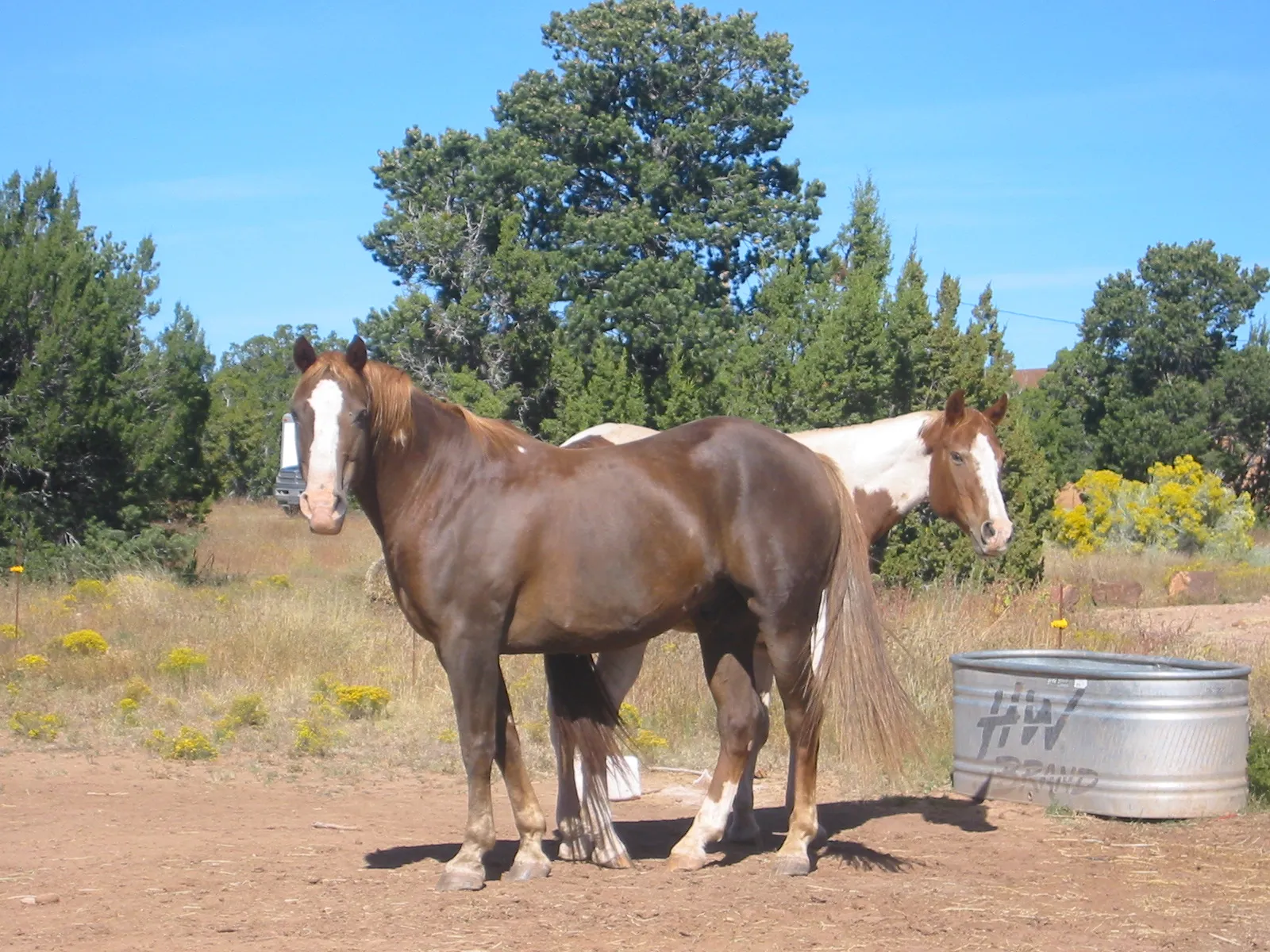
“Grade” just means “unknown or mixed breeding,” and that description covers a huge portion of rescue horses. Social media often sells “grade gelding” as a blank slate with no baggage. Vets roll their eyes. In reality, grade horses are black boxes: you don’t know which conformation weaknesses, metabolic tendencies, or temperament quirks you’re inheriting. Sometimes you win the lottery – balanced, sane, easy keeper. Other times you get a structurally compromised horse with no breeding history to guide your management.
The upside is that grade horses are usually cheaper and more available, which matters when you’re trying to save lives. The downside is you must judge the individual in front of you more ruthlessly:
- How are the feet? The angles? The back length?
- Does the horse cope well with stress in the rescue environment?
Vets don’t automatically distrust grade horses; they just wish adopters would stop treating “grade” as a personality trait instead of a big question mark that needs careful, case-by-case evaluation. From question marks to Instagram fantasies – this one is all about the price of pretty.
#4 – Friesians & “Fantasy” Breeds: Instagram vs. Invoice
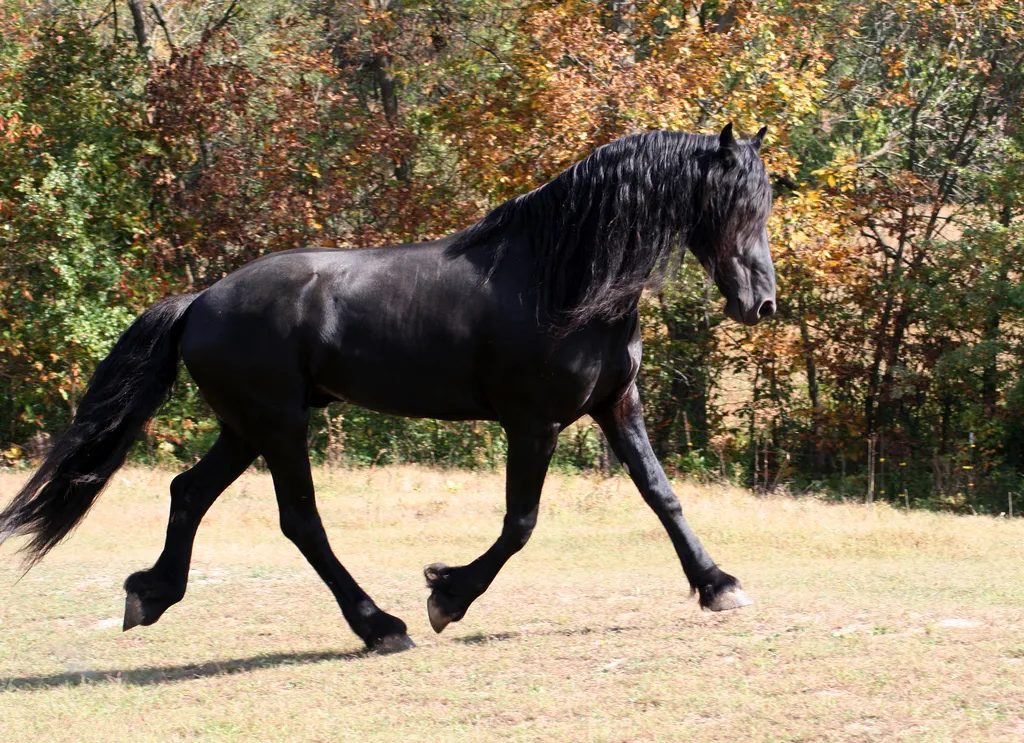
Friesians, Gypsy cobs, baroque crosses – these are the poster children of fantasy horse culture. Long manes, feathered legs, dramatic poses. They’re also increasingly showing up in rescues when the fantasy collides with real-world cost. Friesians, for example, are predisposed to certain issues: leg edema, megaesophagus, neck and back problems, and a higher-than-average rate of colic and orthopedic trouble. Add heavy feathering that hides skin infections and you have a constant management project.
Why It Stands Out
- Friesians carry a documented higher risk of megaesophagus, a condition affecting normal swallowing.
- Certain bloodlines are linked to dwarfism-related genetic issues.
- Heavy feathering can hide chronic skin infections like mud fever until they’re advanced.
- An easy-keeper metabolism raises the risk of obesity and laminitis without careful diet control.
Gypsy types and other “hair breeds” often suffer from chronic scratches and mites under those feathers. They also tend to be easy keepers, so obesity and laminitis are looming threats if owners feed with their hearts instead of their brains. Vets see far too many adopters seduced by a single glamorous photo and massively underestimating the ongoing time and money required. A fantasy breed can absolutely be a joy – for owners ready to manage high-maintenance hair and known genetic vulnerabilities. Fantasy breeds aren’t the only ones hiding hot-blooded surprises.
#3 – Iberian Breeds (PRE, Lusitano, Andalusian Types): Hot Blood in a Pretty Package
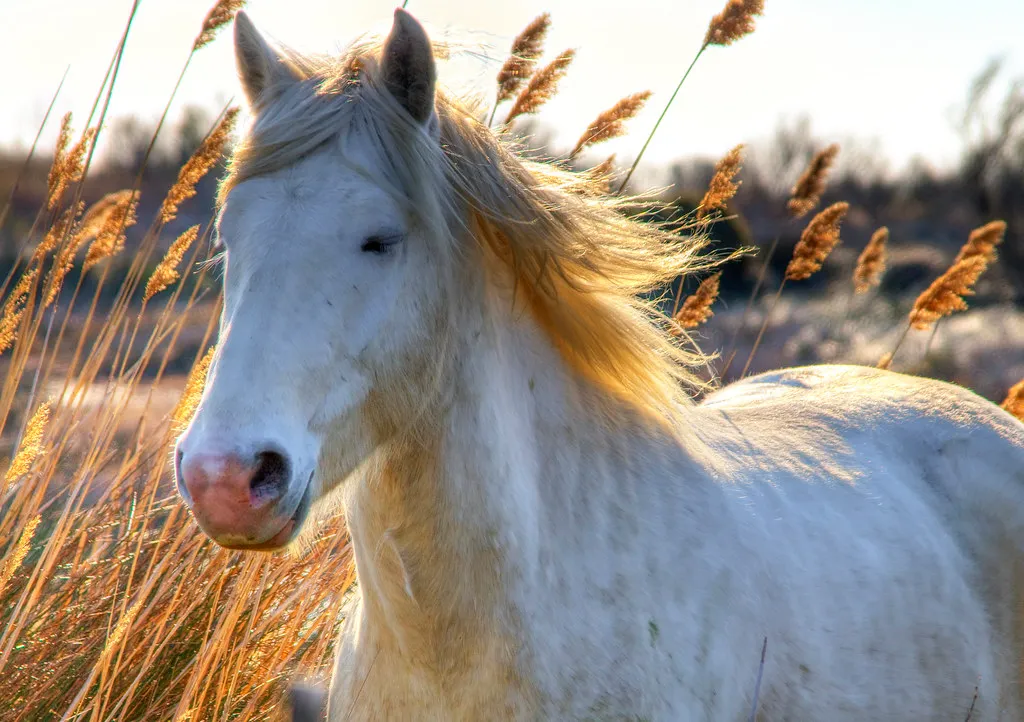
Iberian horses look noble and collected even just standing in a paddock. Their compact builds and charisma draw in rescue adopters quickly. The problem? Many Iberians are hotter and more sensitive than their baroque outlines suggest. They’re clever, quick to react, and often extremely tight-coupled through the back, which can be fantastic for upper-level work but unforgiving of poor riding or bad tack.
Vets also see a fair number coming from hard careers: bullfighting, high-level dressage, or “dancing horse” performances with questionable training methods. These horses may have:
- Suspensory and hock damage from collected work.
- Back pain from years in severe bits and tight saddles.
They can be unbelievably rewarding in the right hands, but they are often too much horse for people who fell in love with a flowing mane and a piaffe video. Vets wish adopters would honestly rate their riding and training experience before taking on a sensitive ex-performance Iberian from a rescue. Breed stops mattering entirely once you hit a certain age.
#2 – Senior Horses of Any Breed: Age Changes the Rules Completely
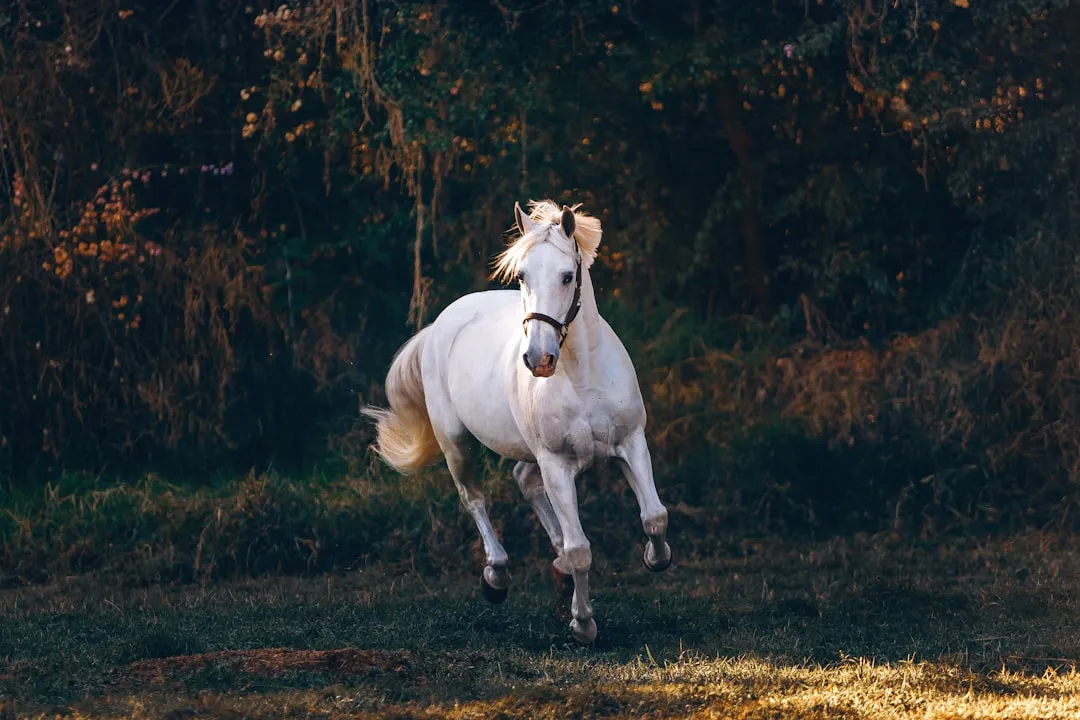
By the time a horse lands in rescue at 18, 20, or older, breed takes a back seat to biology. Vets universally stress that senior horses – whether Arabian, Quarter Horse, or grade – come with non-negotiable maintenance needs. You’re looking at:
- Dental care at least yearly, often twice.
- Specialized diets for worn teeth and digestion.
- Higher risk of Cushing’s/PPID, arthritis, and weight swings.
The “free” or $500 senior saint often requires more monthly care than a younger, more expensive horse. Many rescues under-explain this, hoping to get old campaigners into homes. Vets love seeing seniors get second (or third) chances, but they want adopters to understand: this is closer to hospice care than a long-term riding partnership in many cases. Light work and companionship? Wonderful. Heavy use or budget-owner expectations? Often unfair. And here’s the one myth that ties every single breed on this list together.
#1 – The “Beginner Horse” Myth: Temperament Beats Breed, Every Time
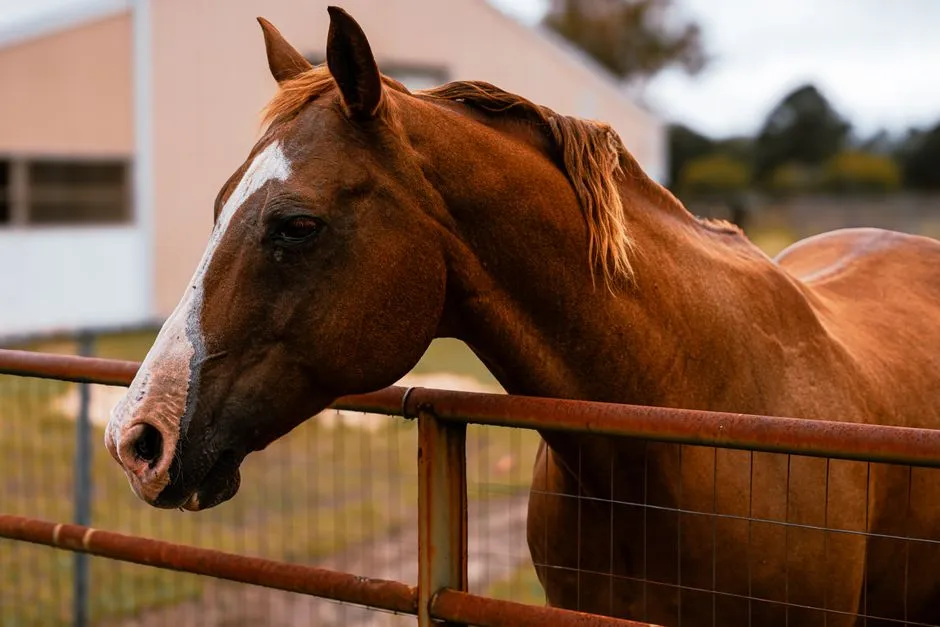
Here’s the truth most people don’t want to hear: there is no such thing as a universally safe “beginner breed.” Vets have stitched, x-rayed, and euthanized nightmares from every registry you can name – and they’ve also treated absolute saints from the same groups. What they wish rescue buyers understood most is that individual temperament, history, and soundness matter more than the label on a Facebook ad.
A calm, middle-aged grade gelding with a soft eye and clean legs is often a far better choice than a papered “family type” from a fashionable breed with subtle lameness and a fried brain. The beginner-safe unicorn is usually:
- Older than people want to admit.
- Slightly boring on video.
- Already proven in the exact lifestyle you need.
Breed shapes tendencies, but it does not override training, handling, and health. Vets beg adopters: fall in love with the right horse for your skills and budget, not the story or the stereotype.
The Bottom Line
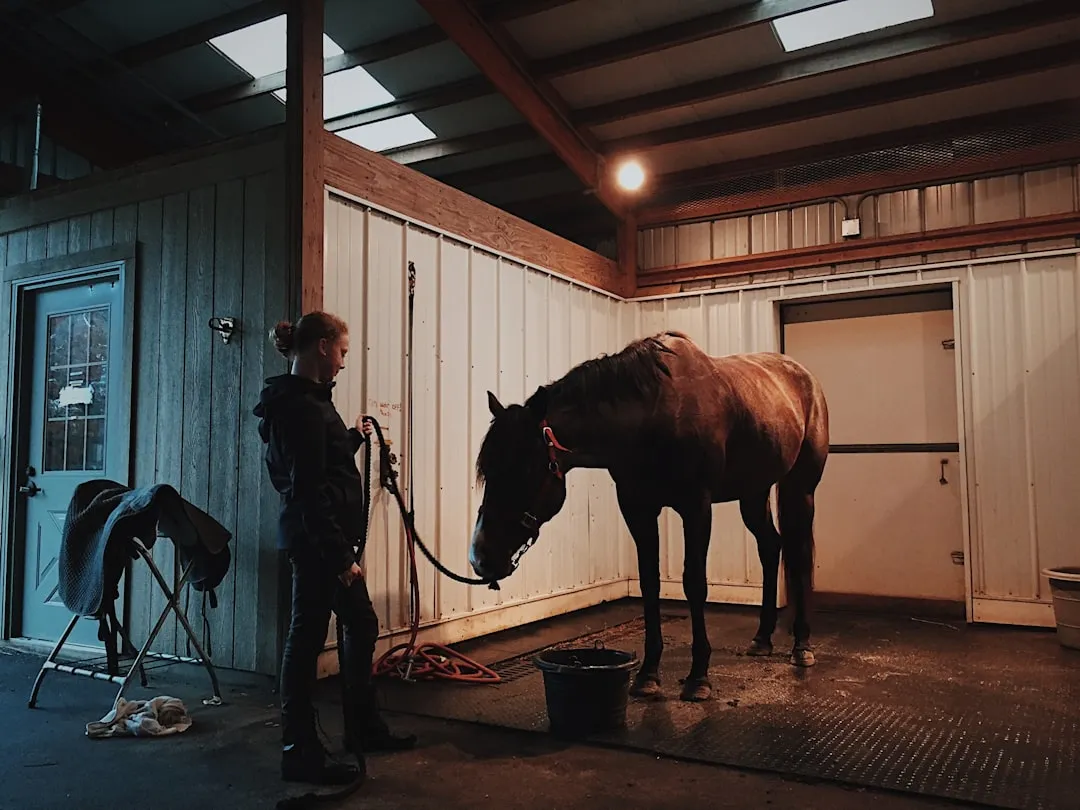
When vets look at a rescue horse, they don’t see romance – they see risk factors. OTTBs scream tendon history. Drafts whisper “joint maintenance.” Ponies flash “laminitis warning.” Arabians, mustangs, gaited horses, warmbloods – each group comes with predictable patterns of physical and behavioral baggage that glossy adoption posts never spell out.
The hard truth is this: the cheapest part of a rescue horse is the adoption fee. The expensive part is choosing a body and brain you can’t realistically support. That doesn’t mean “don’t rescue.” It means rescue smarter. Ask your vet which breeds fit your riding level, your land, and your wallet. Pay for the exam before you sign.
And be honest with yourself before you ever put pen to paper: are you saving this horse, or buying into a story? Did we hit a nerve, or miss a breed vets in your barn worry about most? Drop it in the comments – and don’t sign anything until you’ve read them.

- 19 Horse Breeds Vets Wish Rescue Buyers Understood Before Signing - July 24, 2026
- 19 Horse Breeds Vets Gently Steer Retirees Away From at Every Viewing - July 24, 2026
- 12 Most Beautiful American Cities To See Before You Die - July 23, 2026