
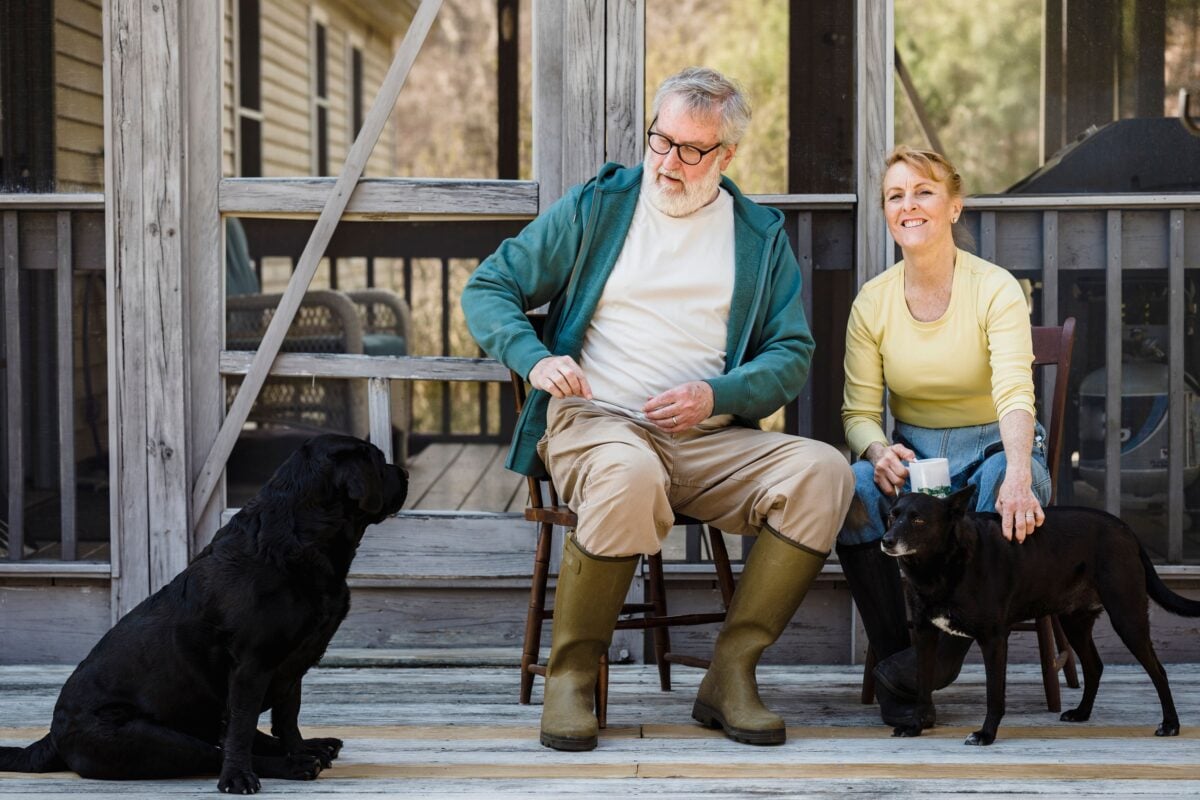
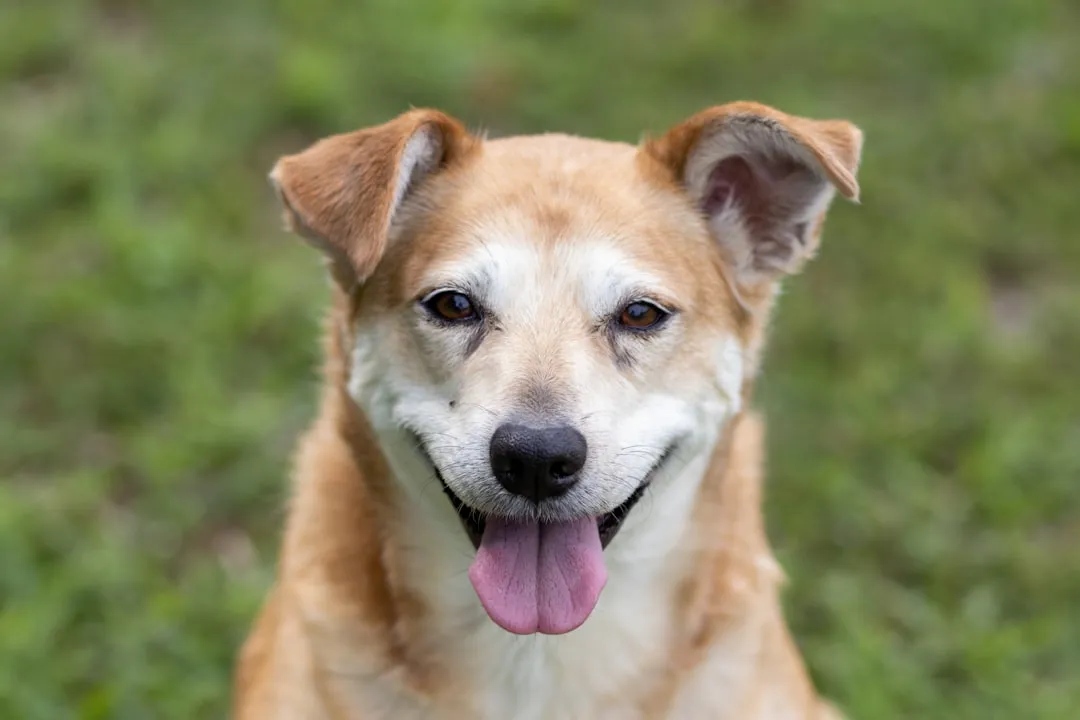
The second that muzzle turns gray, most owners start grieving a dog who hasn’t actually left yet. It’s an odd, quietly cruel habit – treating a color change like a diagnosis. But veterinarians see it constantly: healthy, engaged, food-motivated dogs getting written off years before their bodies ever ask for it.
Here’s the part that surprises people. A lot of “old dog behavior” isn’t decline at all – it’s adaptation, and sometimes it’s even an upgrade. Some senior dogs are calmer, more emotionally tuned-in, and more content than they were as chaotic young adults. The real skill is learning to tell the difference between a dog that’s slowing down and a dog that’s actually fading. These 14 signs will show you exactly where that line is.
#14 – Your Dog Still Gets the “Zoomies”
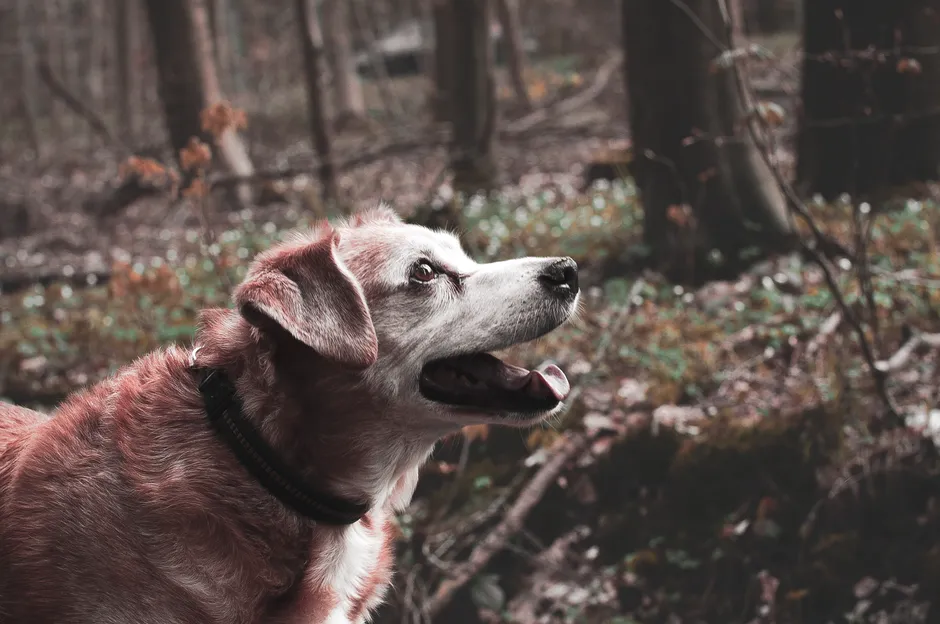
If your gray-faced dog still randomly tears around the living room like something startled them, that’s not senile confusion – that’s vitality. Zoomies mean the heart, lungs, and joints can still handle a short, intense burst of effort. A dog in serious pain or end-stage disease almost never chooses to sprint; they ration every step they have left.
Watch how fast they recover. If they stop, shake off, and trot around looking pleased with themselves, you’re looking at a senior with real reserves in the tank. Even if the zoomies only last three seconds now instead of thirty, that’s still the body backing up the mind’s enthusiasm – and that’s worth celebrating.
#13 – Food Still Excites Them (And They Don’t Need Coaxing)
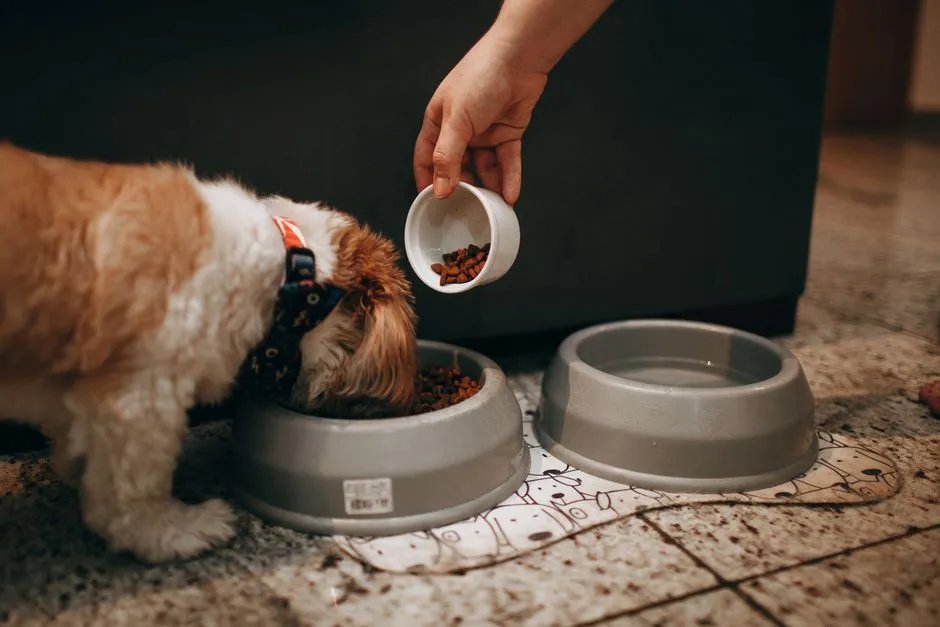
Here’s a quiet green flag most owners overlook completely: does your dog still want to eat without begging, bribing, or hand-feeding? A senior who trots to the bowl, perks up at the sound of the bag, and finishes meals on their own is telling you their body is still fighting to keep going. Chronic pain, organ disease, and cancer tend to kill appetite long before anything else shows up.
Pay attention to how they act around treats, too. A dog who’s truly declining usually isn’t thrilled by food anymore – some will turn their head away entirely. But if your old-timer still shows up at the fridge every time it opens, or gets that bright, hopeful look for their favorite snack, that’s a surprisingly strong sign their quality of life is intact.
#12 – They Sleep a Lot… But Wake Up Happy and Engaged
Most owners panic the moment their senior starts sleeping more, but that’s usually just normal aging, not a warning sign. The real question isn’t how long they sleep – it’s how they wake up. A dog who naps hard, then gets up, stretches, wags, and goes looking for you or the toy basket is still living inside a healthy rhythm of rest and engagement.
Deep, restful sleep is actually how an older body protects its joints, brain, and immune system. The real red flags look different: confusion on waking, aimless pacing at 2 a.m., or staring blankly at a wall. A dog who naps like a champion but wakes up sharp isn’t fading – they’re managing their energy wisely.
Fast Facts
- Adult dogs typically sleep 12 to 14 hours a day; seniors often need 16 to 18
- Deep sleep cycles help repair joints, muscles, and the immune system overnight
- Waking up disoriented or pacing at odd hours can signal cognitive changes worth a vet visit
- Supportive, orthopedic bedding often improves sleep quality noticeably in aging joints
#11 – They Still Want to Play… Just in a Different Way
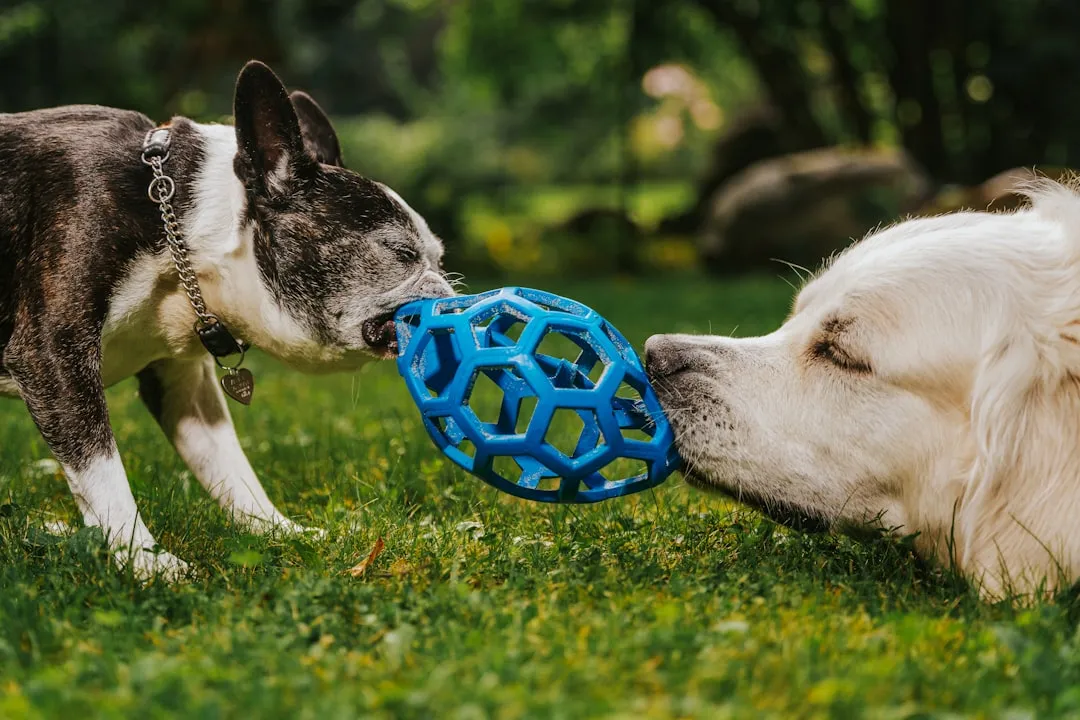
Play doesn’t have to look like wild fetch or wrestling matches to count anymore. Plenty of gray-muzzle dogs quietly switch to gentler games – a soft round of tug, sniffing out treats hidden around the house, or flopping over for a belly-rub ambush. If your dog still initiates with a toy or leans into play when you offer it, that’s emotional and mental vitality, even if it moves slower now.
Here’s what most owners miss: choosing softer play isn’t giving up, it’s adapting smartly. A dog who still sniffs eagerly on walks, investigates a new toy, or gently chases bubbles across the yard has a brain that’s still lit up and curious about life. The specific game matters far less than the simple fact that they still want to play at all.
#10 – They Can Still Manage Stairs, Couches, or the Car (With a Little Help)
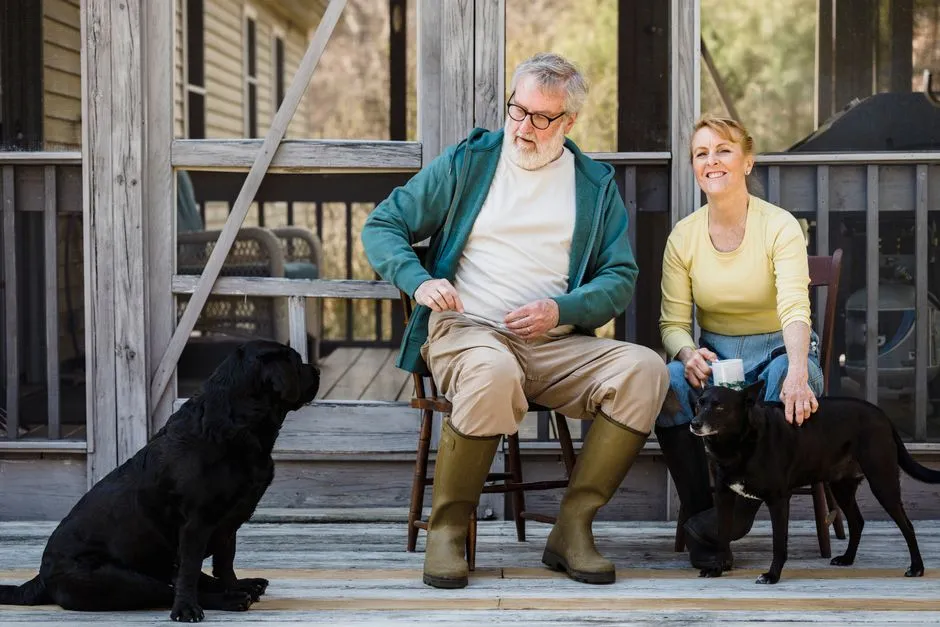
Your dog doesn’t need to bound up the stairs two at a time to be doing fine. For seniors, the real test is whether they can still navigate everyday obstacles with a little support – a ramp, a step stool, a hand under the harness. A dog whose body is truly failing will refuse stairs and car entries outright, or panic when asked to try.
If your dog takes the stairs slowly but steadily, pauses to think before hopping off the couch, or climbs into the car with a small boost, that’s your answer: older, but still functional. Vets now actively recommend normalizing these supports – ramps, non-slip rugs, raised bowls – because they extend the good years instead of signaling the end of them. The real red flag is a dog who simply won’t move through familiar spaces at all anymore.
#9 – The Tail Still Wags for Their Favorite People and Moments
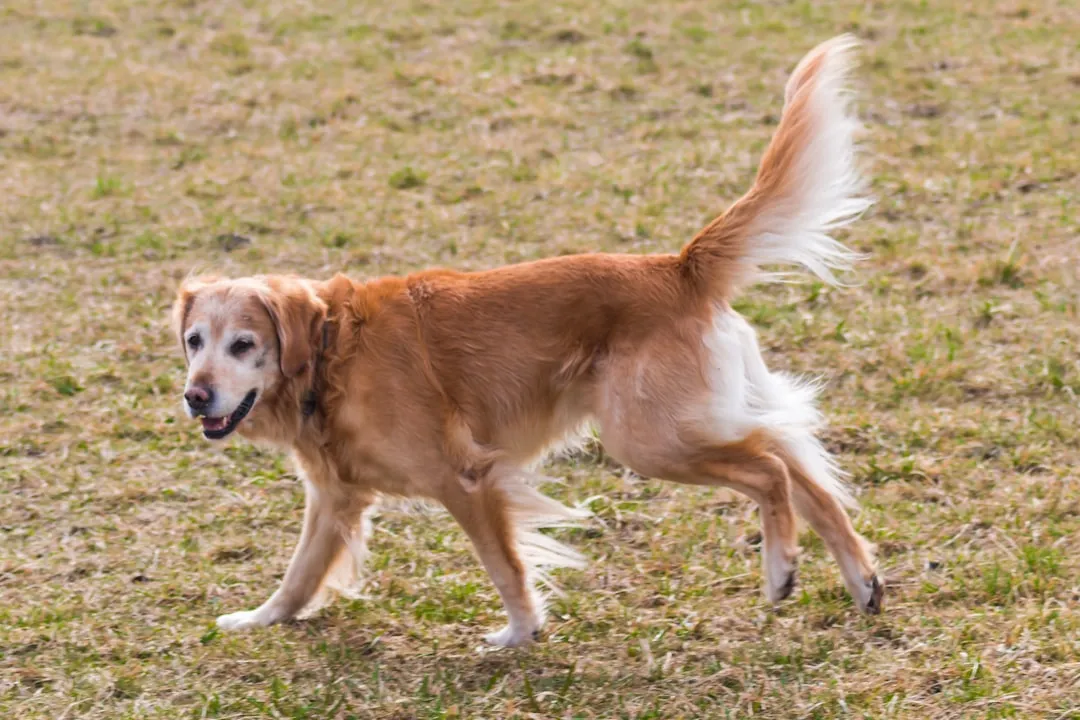
It sounds almost too simple, but tail language rarely lies. Dogs in serious decline often carry a low, still, or “tucked and tired” tail, even when something good happens right in front of them. If your gray-muzzle still lifts or wags when you walk in the door, when the leash comes out, or when they hear the treat jar rattle, that’s real emotional spark still firing.
Look for the nuance – maybe it’s a slower wag now, or a half-wag instead of the old full-body helicopter spin. That’s fine. What matters is that positive anticipation still exists at all. A senior who still lights up for car rides, bedtime cuddles, or the neighborhood kid they adore is telling you, loud and clear, that daily life still feels worth showing up for.
#8 – Bathroom Habits Are Mostly Reliable (Accidents Have a Clear Reason)

Nobody loves talking about this one, but it matters more than people think: a dog who can still control their bladder and bowels most of the time has a lot more good years left than owners assume. An accident after a long nap or a delayed walk isn’t the end – it’s a management issue, not a crisis. The real concern is constant, unexplained loss of control, or obvious distress when they try to go.
If your senior can still wait for walks, goes roughly on schedule, and doesn’t seem confused about where to potty, that’s a strong sign their nervous system and internal organs are still functioning well. Yes, weaker muscles or medication side effects can cause the occasional mishap. But a manageable potty routine, especially with a sensible schedule, usually means your dog is more comfortable than you’re giving them credit for.
#7 – They’re Still Tuned In to You, Even If Sight or Hearing Is Fading
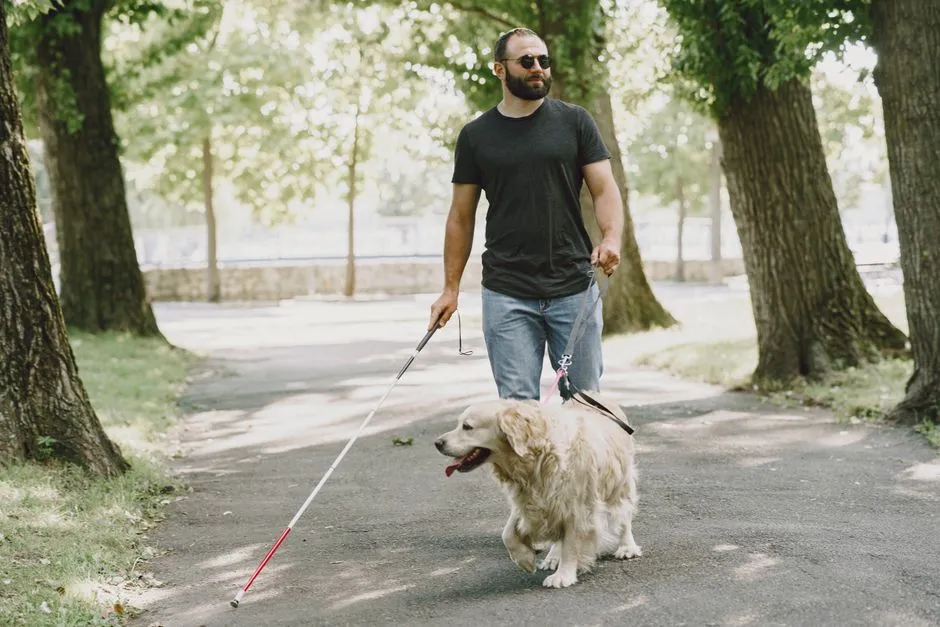
A lot of people hear “going blind” or “going deaf” and quietly assume it’s time to say goodbye. Most vets and behaviorists strongly disagree. What matters far more is whether the dog is still emotionally and mentally connected – not whether their senses are perfect.
If your dog tracks you by smell and vibration, responds to a gentle touch, or moves toward your voice even after missing half the sounds, they’re still fully engaged in their world. You’ll see it in small ways – repositioning to lie closer to you, following you room to room, relaxing the second you rest a hand on them. The real warning sign isn’t fading senses; it’s withdrawal – choosing to isolate, going unresponsive, seeming checked out even when you’re right there beside them.
#6 – They Love Their Routines and Still Anticipate What’s Next
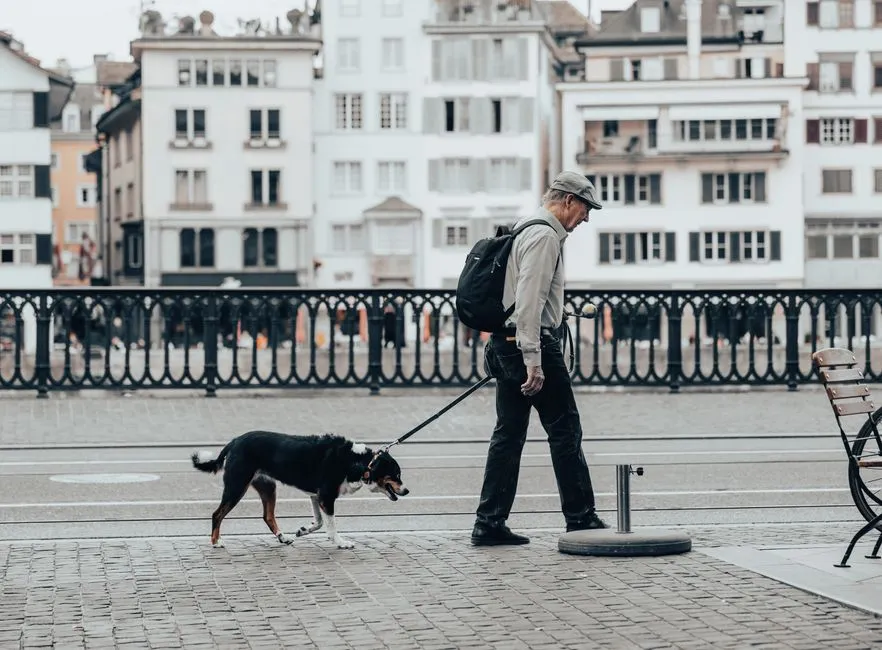
Senior dogs tend to get routine-obsessed, and that’s actually a good sign, not a sad one. Remembering and anticipating daily patterns means the brain is still doing serious work behind the scenes. Watch for the dog who gets up right before you grab the leash, or parks themselves in the kitchen the second dinner time approaches.
If your dog paces or whines when you’re running late with dinner, that frustration is actually proof they still know exactly what should be happening. Compare that to a dog who seems lost all day, forgets familiar routes, or stops connecting your cues to events – that’s the real shift to watch for. As long as your gray-muzzle still “reads the script” of your shared life, there’s a lot of dog left in there.
At a Glance
- Anticipating walk time or dinner time signals strong memory function
- Getting confused by familiar routes or household cues can signal cognitive decline
- Whining or pacing over a delayed routine shows awareness, not just impatience
- Consistent daily schedules often help reduce anxiety in aging dogs
#5 – You Still Catch Glimpses of Their Old “Goofy” Self
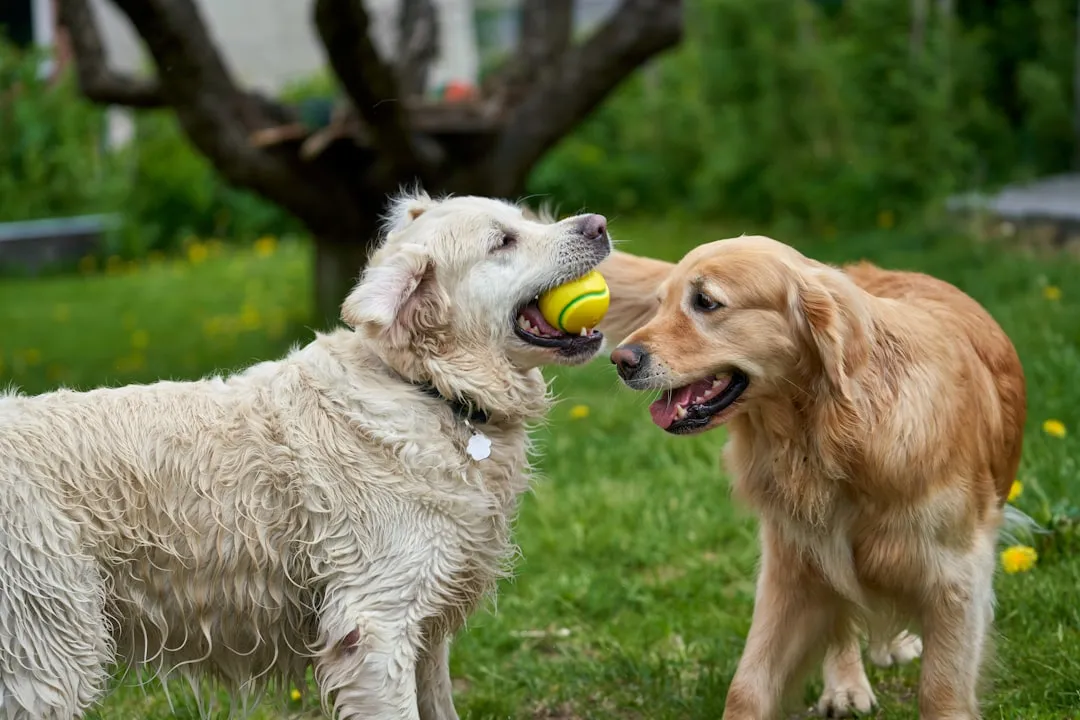
Here’s a huge green flag: those little flashes where your senior suddenly looks like their three-year-old self again. Maybe they do a clumsy play-bow, snatch a sock and trot off with it like a prize, or roll dramatically in the grass for absolutely no reason. Those moments of unprompted joy are gold – proof that beneath the gray fur and slower pace, the same personality is alive and well.
No dog stays “on” all day, especially in old age, and that’s normal. What matters is whether the joy still breaks through on its own terms. Owners often mistake a quieter baseline for permanent decline, when really the dog is just conserving energy and spending it in short, high-value bursts of goofiness that say, without words, I’m still me.
#4 – Their Weight and Body Condition Are Stable (Or Well-Managed)
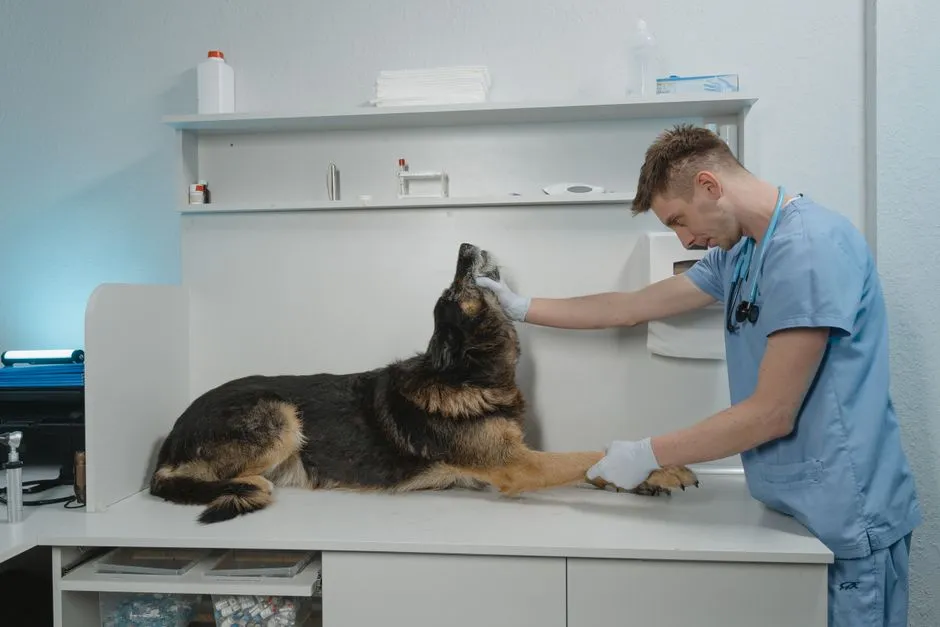
Sudden, unexplained weight loss or gain in a senior dog is a legitimate red flag. But a dog whose weight is stable, whose muscle tone is holding up reasonably well, and whose coat still looks decent is usually doing far better than owners assume. This holds especially true when chronic conditions like arthritis or kidney issues are being actively managed and bloodwork stays consistent.
You don’t need a picture-perfect body condition score for good years to still be ahead. Many vets would actually rather see a senior dog a touch lean than overweight, since it protects the joints and heart long-term. If your vet isn’t panicking over the chart at their last checkup, that quiet lack of alarm is telling you something important.
#3 – Bad Days Happen… But Good Days Clearly Outnumber Them
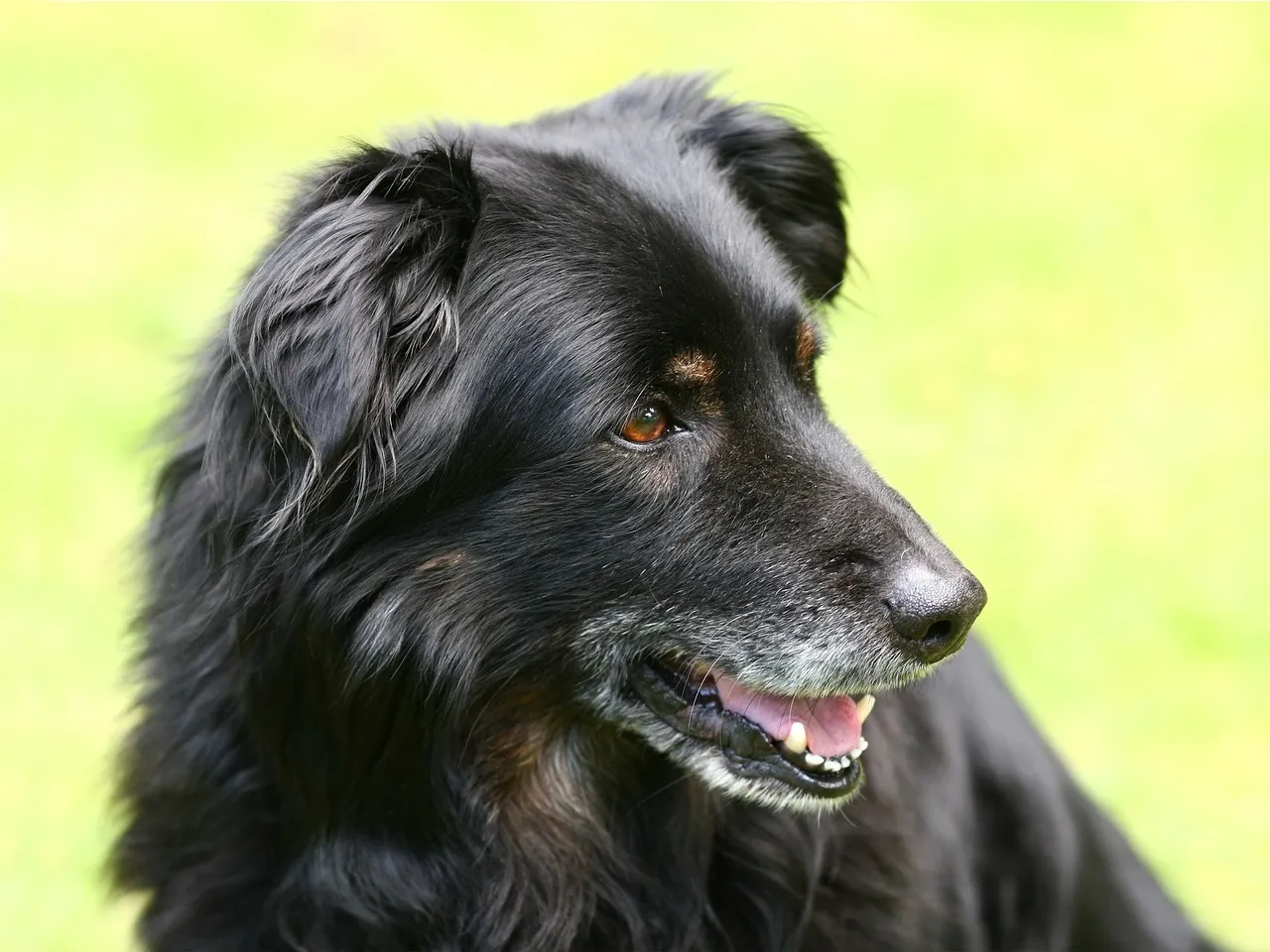
Older dogs absolutely have off days – stiffer mornings, lower energy, maybe a little extra grumpiness. But the real question isn’t “does my dog ever struggle?” It’s this: zoomed out over weeks, are there still more good days than bad ones? Veterinary quality-of-life guidance keeps circling back to the same idea – patterns matter far more than isolated rough patches.
If your dog has one sore day after a long hike but bounces back with rest and meds, that’s adaptation, not decline. Watch for consistent enjoyment in the small things – short walks, sniffing sessions, sunbeam naps, greeting visitors at the door. When that list of “things that still make them happy” is longer than “things that seem to cause distress,” you’re still in the good-years zone. The moment that balance flips is when the harder conversations start.
Quick Compare: Good Day vs. Bad Day
- Good day: eager for walks, alert at mealtime, settles comfortably at rest
- Bad day: stiff on waking, slower to settle, less interested in play
- Good pattern: more good days than bad, steady appetite, engaged attitude
- Warning pattern: bad days start outnumbering good ones despite treatment
#2 – They’re Still Curious: Sniffing, Exploring, and Checking Things Out
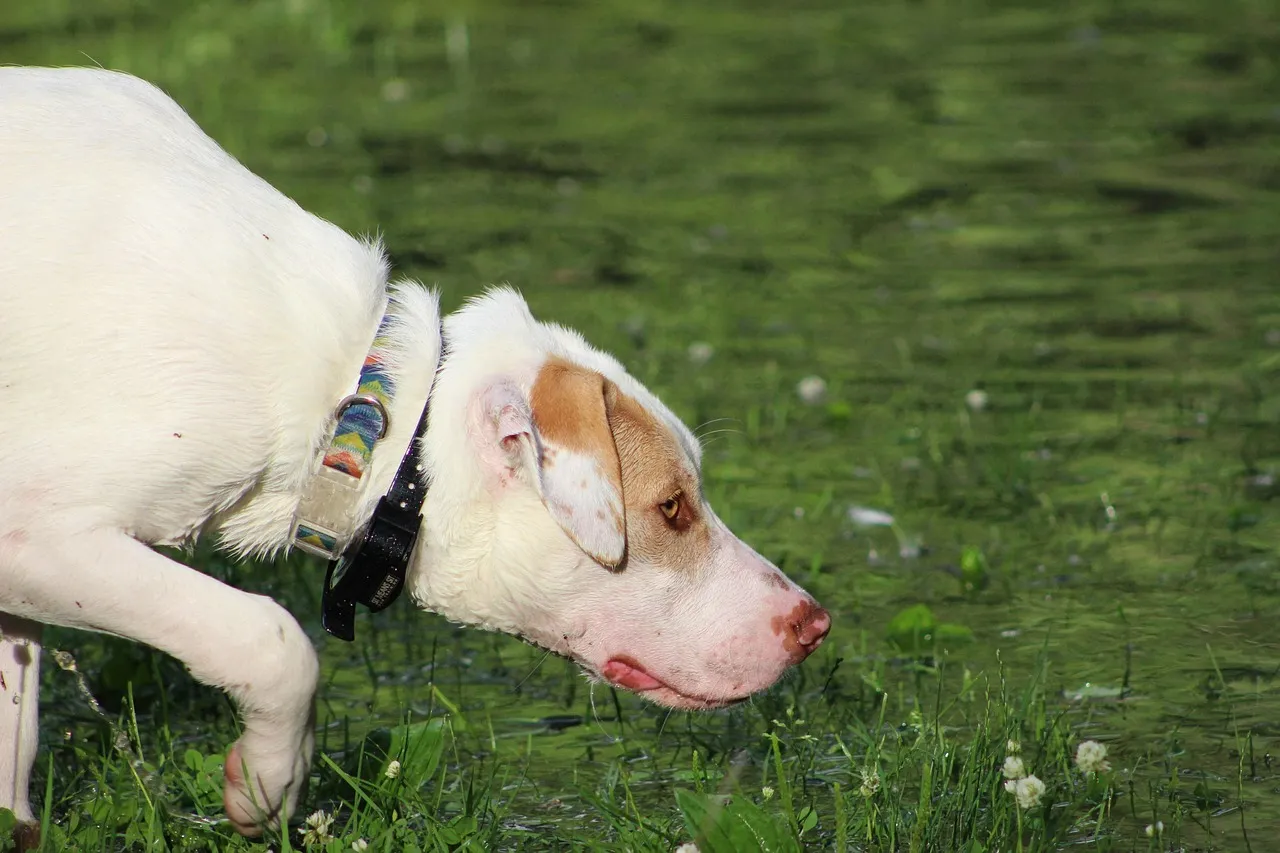
Curiosity is one of the very last things to fade in a dog with a strong will to live. A gray-muzzle who still stops to sniff every tree, investigates a mystery bag on the floor, or wants to know exactly who just walked by outside has a brain that’s still actively engaged with the world. Dogs who are truly fading tend to shrink their world down to the bare minimum – bed, bowl, bathroom, repeat.
If your dog veers off the sidewalk to investigate a new scent, insists on greeting every neighbor, or patrols the backyard with quiet determination, that’s exploration instinct doing exactly what it’s supposed to do. Even something as small as tracking squirrels through the window shows real mental investment in their environment. It’s an underrated green flag – and one most owners only recognize looking back.
#1 – They Still Choose You, Over and Over Again

Here’s the sign almost every good vet quietly watches for above all the others: your dog still seeks you out for comfort, contact, and companionship. Even when they’re tired or sore, do they come lie near you instead of retreating to a corner alone? Do they visibly relax when you talk softly or rest a hand on them?
That choice – to connect, to stay part of the pack, to lean in instead of checking out – is one of the strongest signs that life still feels worth living. Dogs nearing the true end tend to withdraw: hiding, turning away from touch, going somewhere in their heads that you can’t quite reach. If your gray-muzzle still follows you room to room, sighs contentedly curled up at your feet, or looks to you the second something startles them, their emotional world is still fully intact. As long as they keep choosing you, there’s real life left in those years.
Why It Stands Out
- Seeking you out over solitude reflects emotional security, not confusion
- Leaning into touch shows the nervous system still registers comfort
- Following you room to room signals strong social bonding, even with mobility limits
- Relaxing at the sound of your voice shows trust and attachment remain strong
The Bottom Line
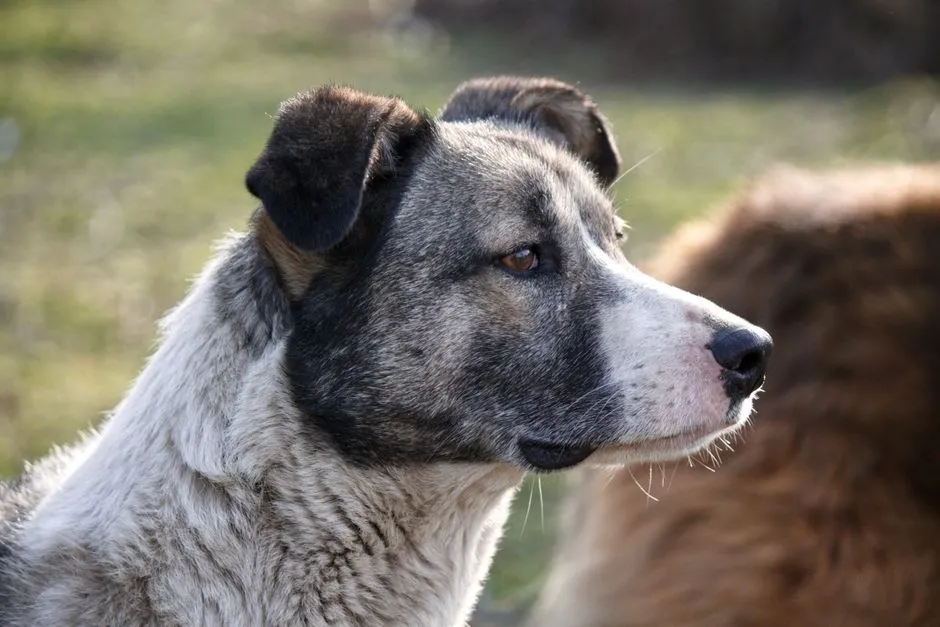
A gray muzzle isn’t a countdown clock. It’s a badge – proof your dog survived puppy chaos, adolescent stupidity, and every questionable decision you made together along the way. The real story never lived in the color of their fur; it lives in their curiosity, their appetite, their tail wag, and the quiet daily decision to get up and be near you.
Too many dogs get written off as “too old” years before their quality of life is actually gone, and honestly, that says more about human fear than canine reality. Your job isn’t to panic at every extra nap or stiff morning – it’s to watch the pattern, support the aging body in front of you, and actually listen to what their behavior is telling you. If they still enjoy more moments than they endure, and they still choose you, they’re not fading. They’re evolving. What sign does your own gray-muzzle dog show you that didn’t make this list?
