
If you’ve ever paused mid-coffee because something fluttered past the window, this article is for you. Backyard birds have a way of turning an ordinary patch of grass into a tiny wildlife sanctuary, and once you start noticing them, it’s honestly hard to stop. It feels a bit like getting to know the regulars at your favorite café – same seats, same habits, but always a little bit of drama and surprise.
Some birds show up almost anywhere there’s a feeder or a scraggly shrub. Others are more like VIP guests that quietly signal you’re doing something very right with your yard. We’ll walk through ten familiar faces you probably already see, then five that are subtle, feathered proof your outdoor space is becoming an actual ecosystem, not just a lawn. You might discover your yard is healthier – and wilder – than you ever realized.
1. Northern Cardinal – The Red Flash Everyone Recognizes
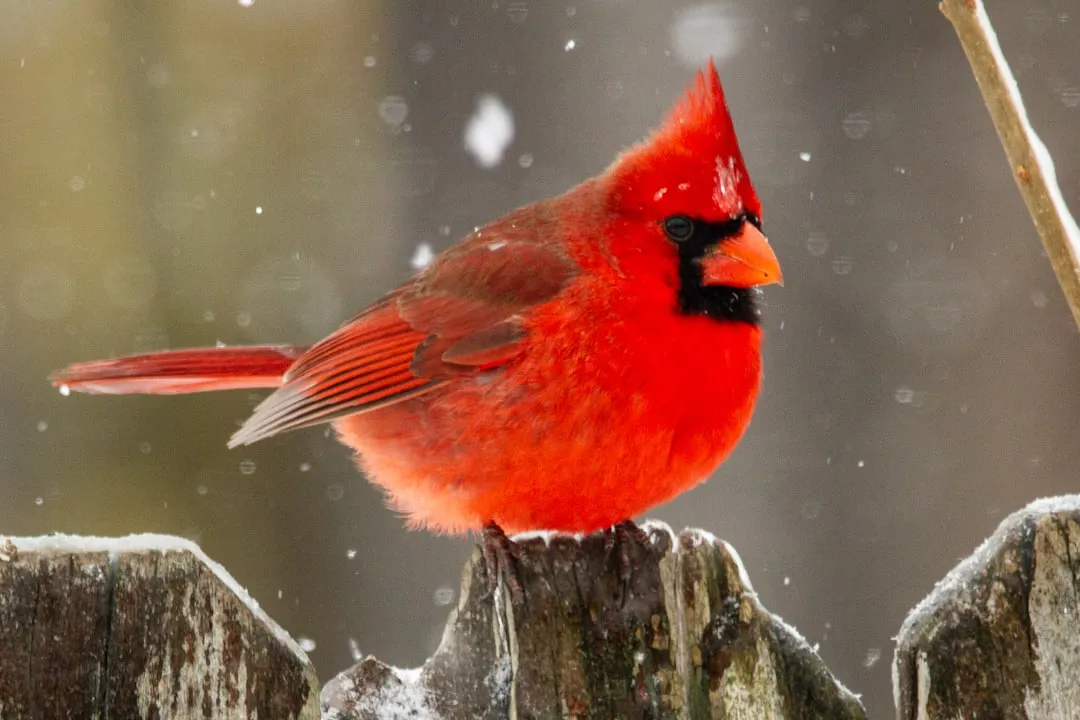
That bright, almost glowing red bird that cuts across a dull winter morning? That’s the Northern cardinal, and it’s one of the most recognizable backyard birds in the United States. Males are those vivid crimson show-offs with the black mask and crest, while females wear softer tans with reddish accents, a bit like they chose a more practical outfit but still wanted some flair. If you put out sunflower seeds, especially black oil sunflower, they tend to move in like unofficial tenants.
Cardinals are pretty adaptable, which is why so many of us see them around suburban homes, parks, and even city neighborhoods with enough shrubs and trees. They like dense cover to nest in, so hedges, thickets, and overgrown corners in your yard are a huge plus. I still remember realizing that the “whistling laser gun” sound outside my window was actually a male cardinal singing from a telephone wire – once you connect that sound to the bird, your yard never feels quiet in quite the same way again.
2. American Robin – The Early-Morning Lawn Inspector
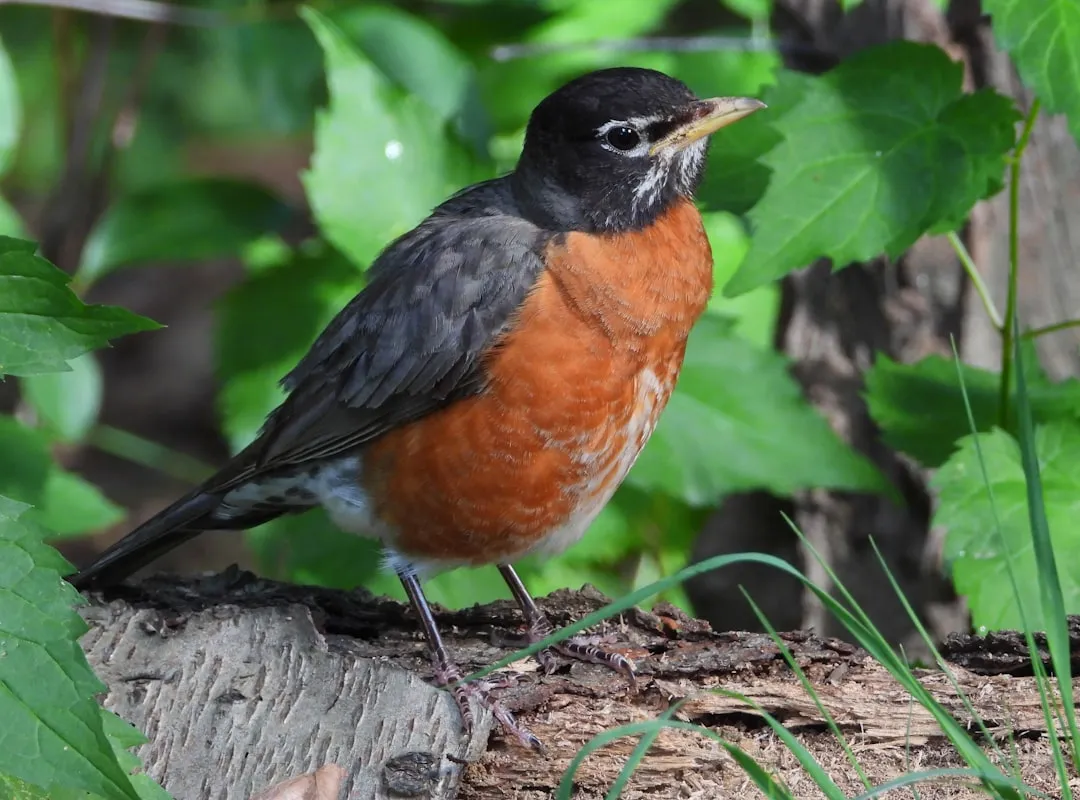
American robins are those birds you see marching across your lawn like they’re inspecting it for code violations, pausing, tilting their heads, then yanking up a worm. With their rusty orange breasts and gray-brown backs, they’re so common that a lot of people stop really seeing them, which is kind of a shame. They’re actually thrushes, which puts them in the same family as some of the most admired songbirds in the world.
Robins are often one of the first birds people associate with spring, because in many areas their singing ramps up as the days lengthen and insects return. But in a lot of the United States, they stick around all year, shifting from lawns and worms in the warmer months to berries in trees and shrubs during winter. If you’ve got native berry-producing plants like dogwood, serviceberry, or holly, you might see winter flocks descend like a moving cloud, stripping branches and filling the air with chatter.
3. Blue Jay – The Loud, Smart Trouble-Maker
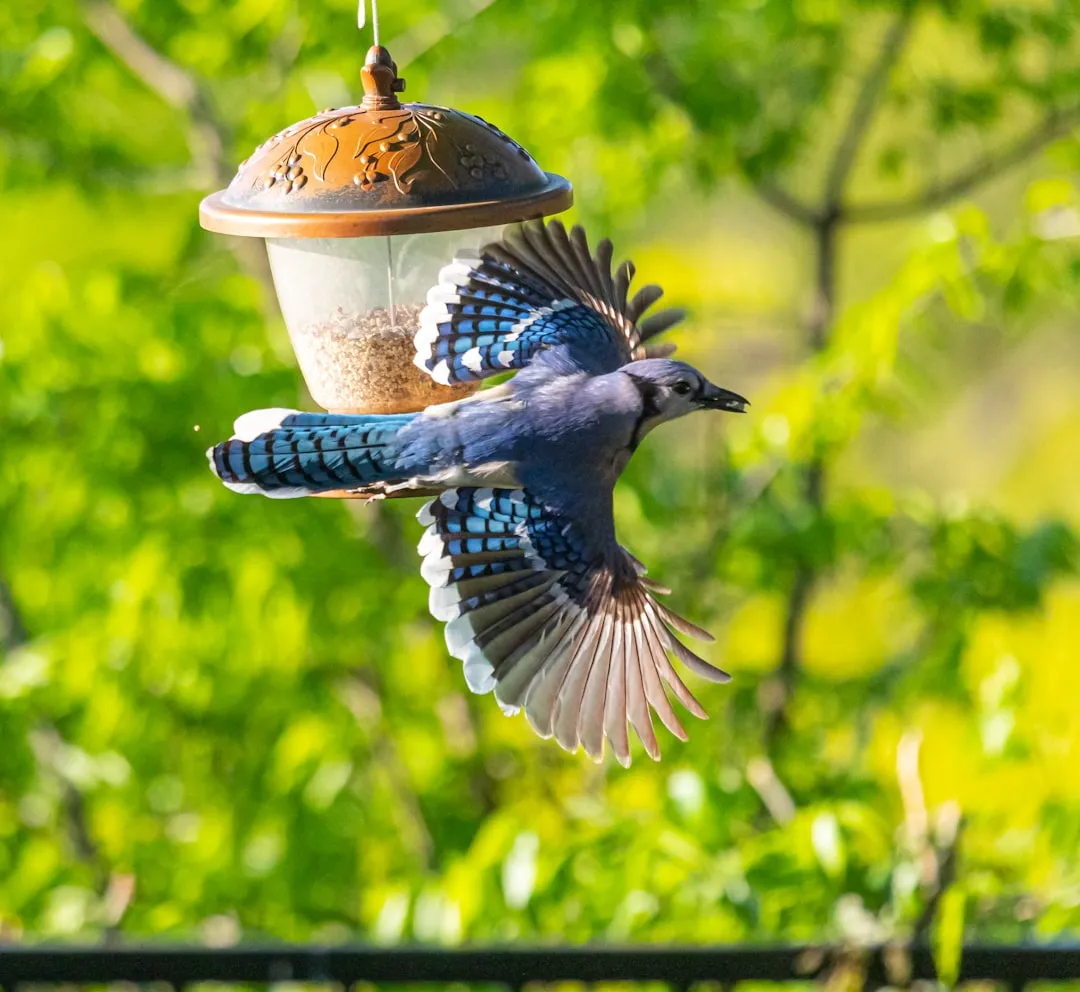
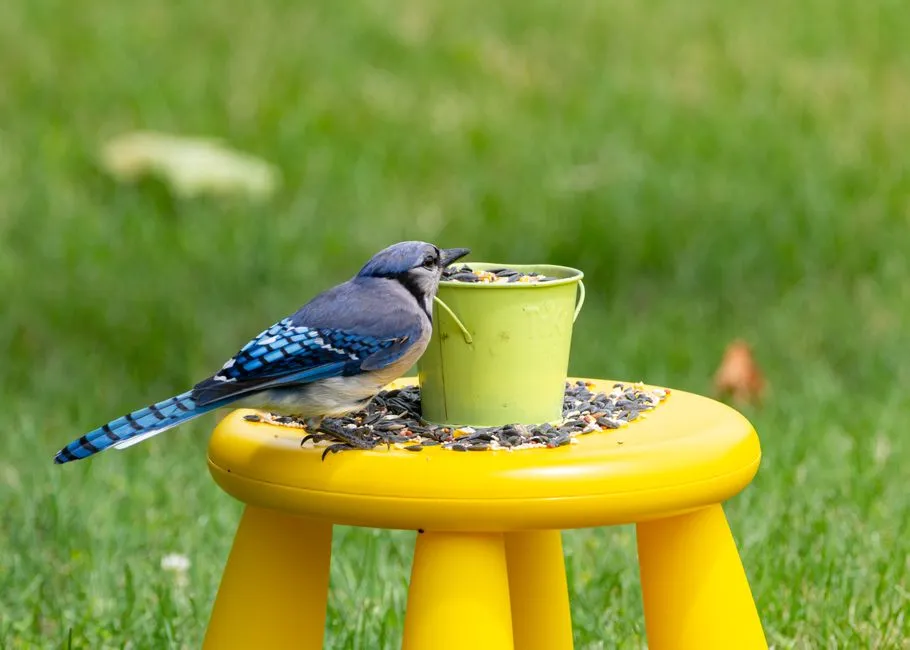
Blue jays are like the neighborhood kids who are both brilliant and a tiny bit chaotic. With their electric blue plumage, black necklace, and trademark crest, they’re impossible to miss, and they know it. They can be loud, brash, and sometimes a little bossy at feeders, chasing smaller birds off the prime spots, which makes some people dislike them at first glance.
Underneath the attitude, though, blue jays are surprisingly clever. They stash food to eat later, call out alarm signals when hawks appear, and even imitate the calls of other birds. They’re also surprisingly important for forests, because when they bury acorns and forget some of them, they help oak trees spread. If blue jays are regulars in your yard, it often means you’ve got some mature trees, mixed habitat, and enough food sources to support larger, more demanding birds, not just the tiny seed nibblers.
4. Black-capped Chickadee – The Tiny Bird With Big Personality
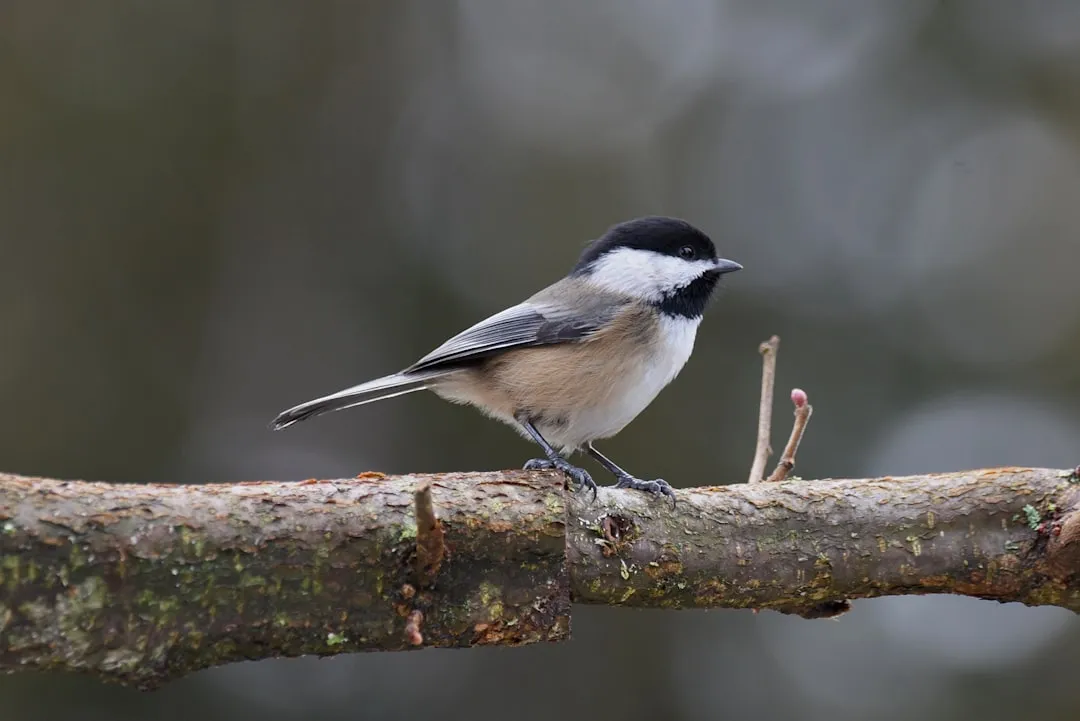
Black-capped chickadees are the feathered equivalent of that friend who’s small but fearless and inexplicably charming. With their black caps and bibs, white cheeks, and soft gray bodies, they’re easy to recognize, but what really sells them is their behavior. They bounce through branches like they own the place, scolding the world with that classic “chick-a-dee-dee-dee” call and showing up just long enough at a feeder to grab a seed and dash.
Chickadees are curious in a way that feels almost personal – if you spend enough time outside, they might swoop in quite close to investigate you. They’re also excellent insect hunters, especially during breeding season when they need protein for their chicks. If you avoid heavy pesticide use and leave some natural structure like dead branches or small snags, chickadees will reward you by patrolling for pests and adding their bright, whistled “fee-bee” song to your yard’s soundtrack in late winter and early spring.
5. House Sparrow – The Noisy Urban Regular
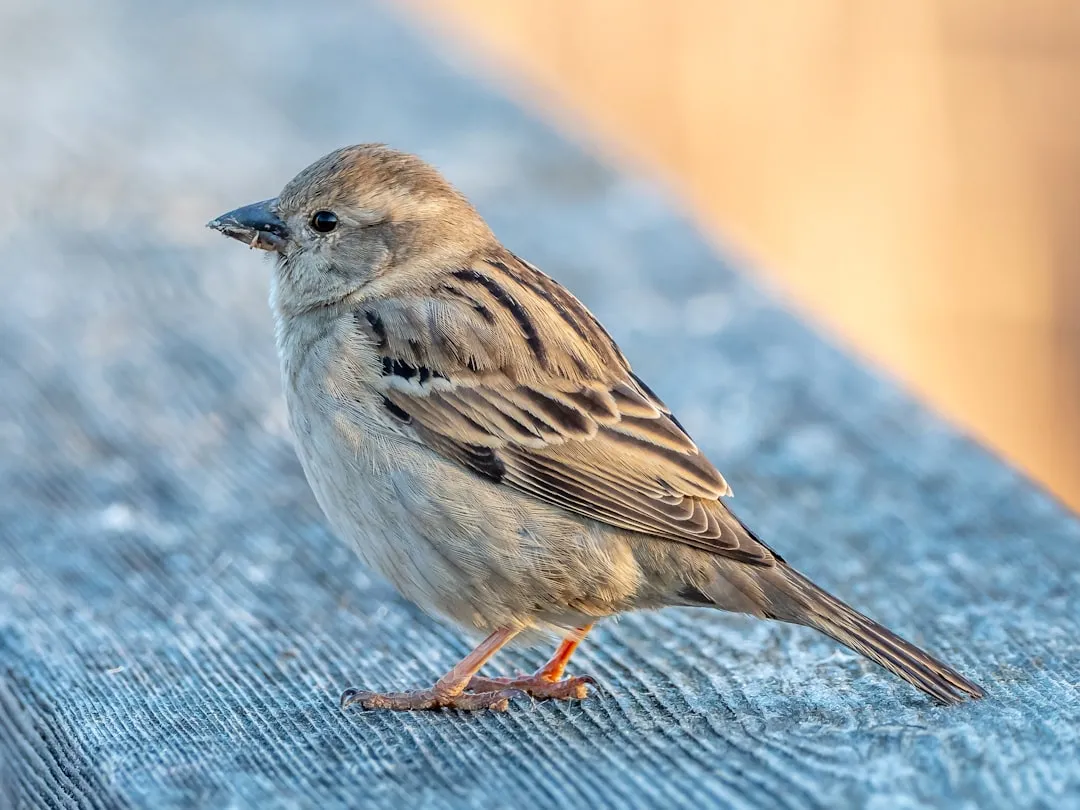
House sparrows are so common around people that many of us assume they’ve always been here, but they were actually introduced to North America in the nineteenth century. They’re chunky little birds with gray and brown plumage, the males having a more distinct black bib. You’ll find them gathered in big chatty groups around parking lots, building eaves, fast-food patios, and anywhere crumbs and cavities exist.
Because they’re so comfortable nesting in small holes and crevices on buildings, they’ve exploded in cities and suburbs, sometimes outcompeting native cavity-nesting birds like bluebirds or chickadees. They’re not a sign your yard is especially healthy, just that it’s very human-shaped and easy to live in if you’re hardy and opportunistic. Still, learning to recognize them is helpful, because once you can quickly pick out house sparrows, the more unusual birds suddenly pop out of the background.
6. Mourning Dove – The Soft-Spoken Ground Feeder
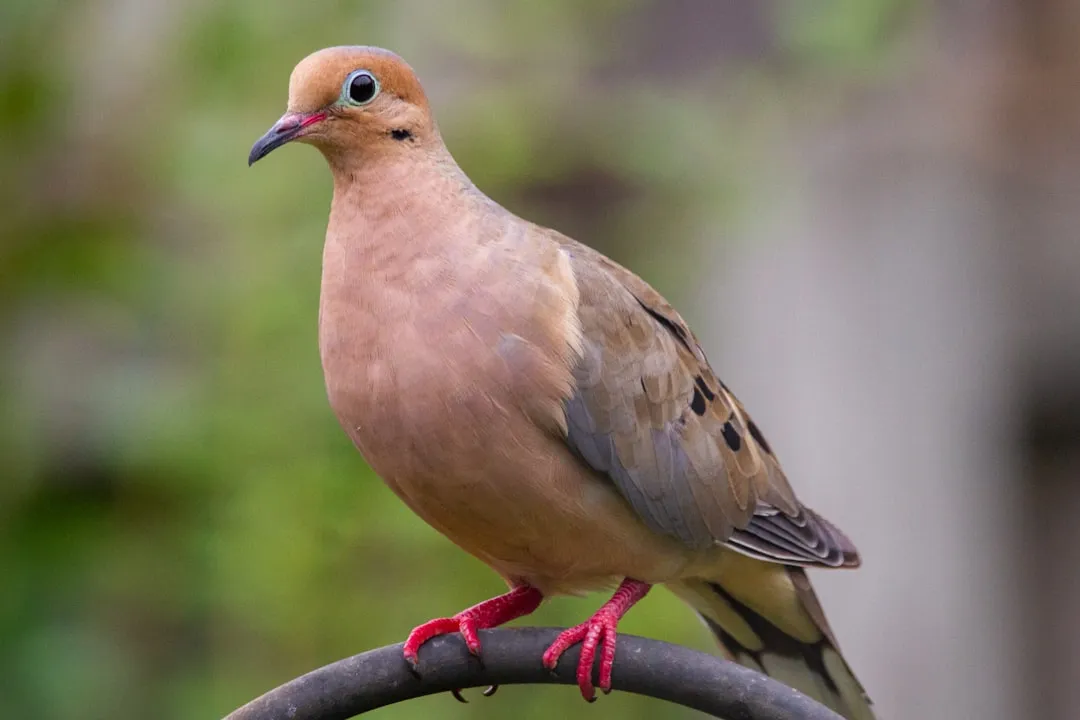
Mourning doves are those sleek, tan-gray birds with long, pointed tails and little black spots on their wings, often seen waddling around under feeders vacuuming up spilled seeds. Their name comes from their gentle, mournful cooing, which can make even a bustling neighborhood sound a bit more peaceful at dawn and dusk. They’re built for quick takeoffs, with powerful wings that make a sudden whistling sound when they burst into flight.
These birds are adapted to open areas and edges, so they fit right into yards, farm fields, and powerline corridors. They’re seed specialists, happily hoovering up millet, cracked corn, and sunflower bits. If you see a pair spending time together in your yard, there’s a decent chance they’ll try nesting nearby, often in surprisingly flimsy stick platforms tucked into trees, shrubs, or even hanging planters. They’re not picky about manicured landscapes, which is why they turn up everywhere from rural fence lines to apartment courtyards.
7. American Goldfinch – The Floating Yellow Flower
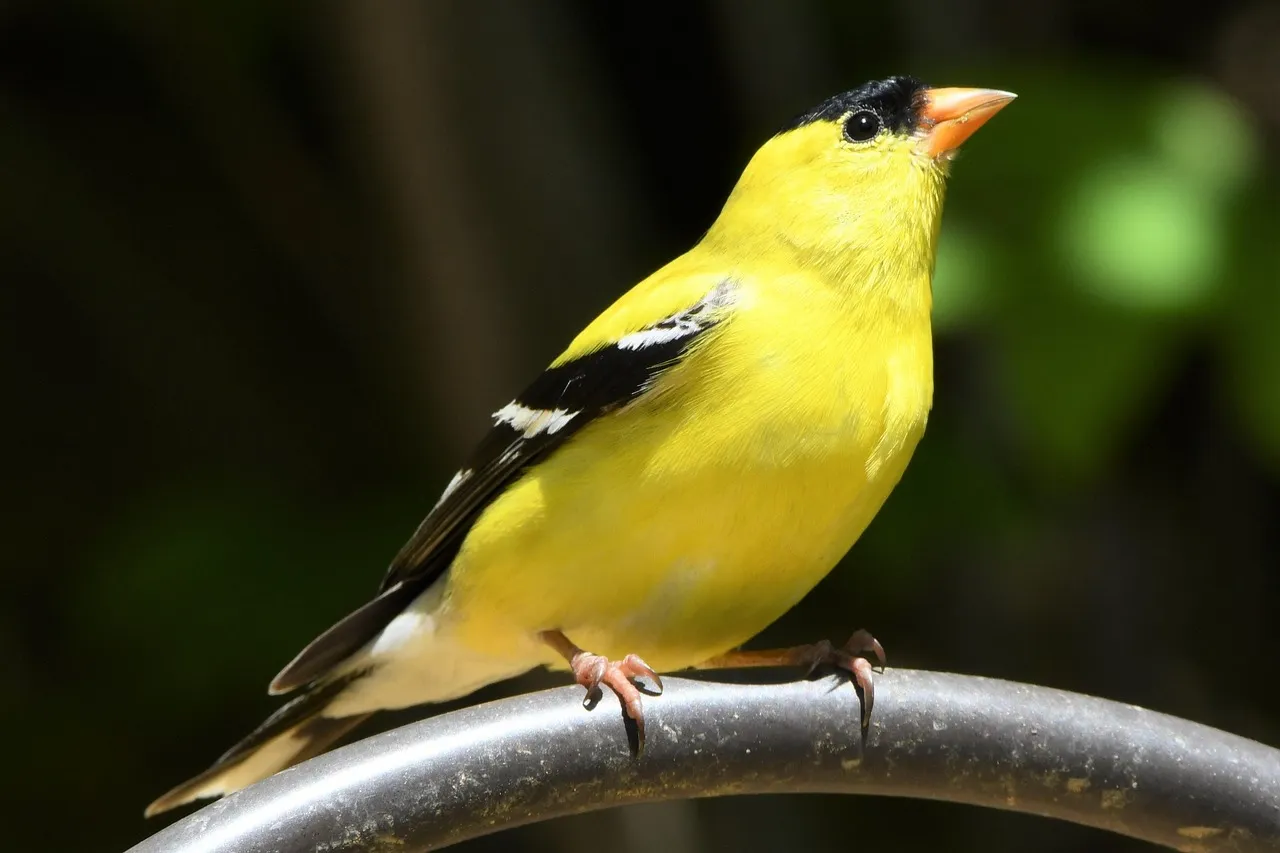
In summer, American goldfinches look like little flying flowers that broke loose from your garden. Males wear an almost neon yellow with a black cap and wings, while females are softer yellow-browns, and both change to a more muted olive in winter. They have a buoyant, bouncy flight pattern that makes them look like they’re riding invisible waves, often calling as they go, as if they can’t travel without singing about it.
Goldfinches are especially drawn to seed-producing plants like coneflowers, sunflowers, thistles, and many native wildflowers. Unlike most songbirds that feed insects to their chicks, goldfinches time their nesting for when seeds are abundant and feed mostly plant material. If you offer nyjer (often called thistle) seed in a special finch feeder, they’ll happily hang upside down like little gymnasts. A yard with less lawn, more flowers, and seedheads left standing into late fall practically rolls out a red carpet for them.
8. House Finch – The Speckled Crooner
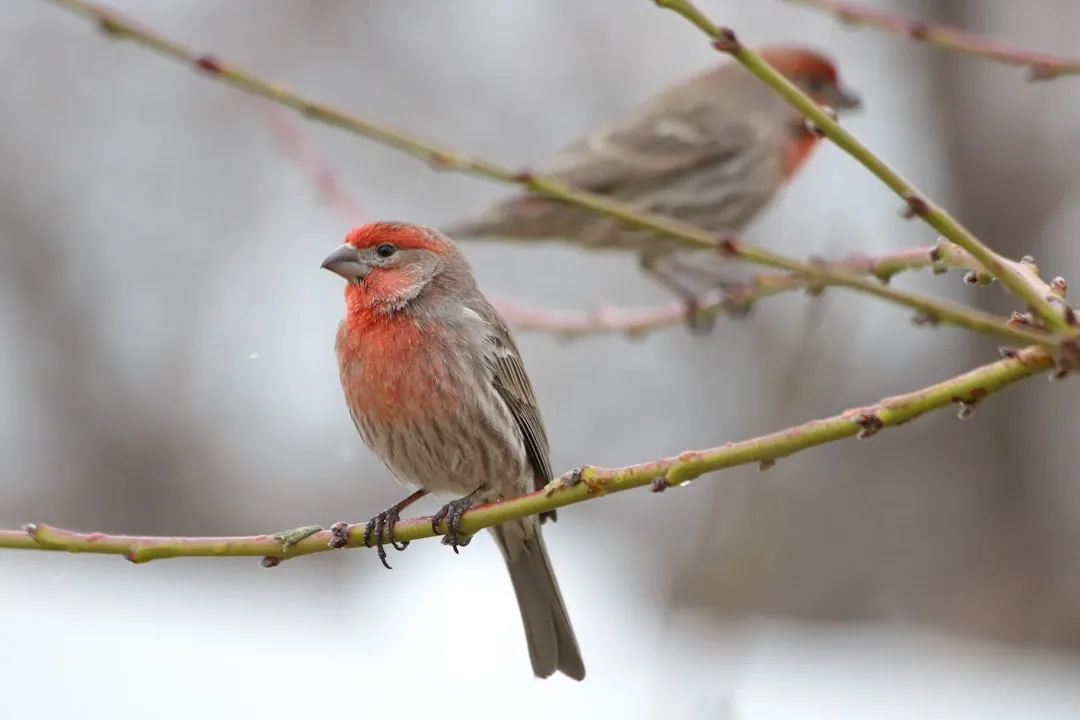
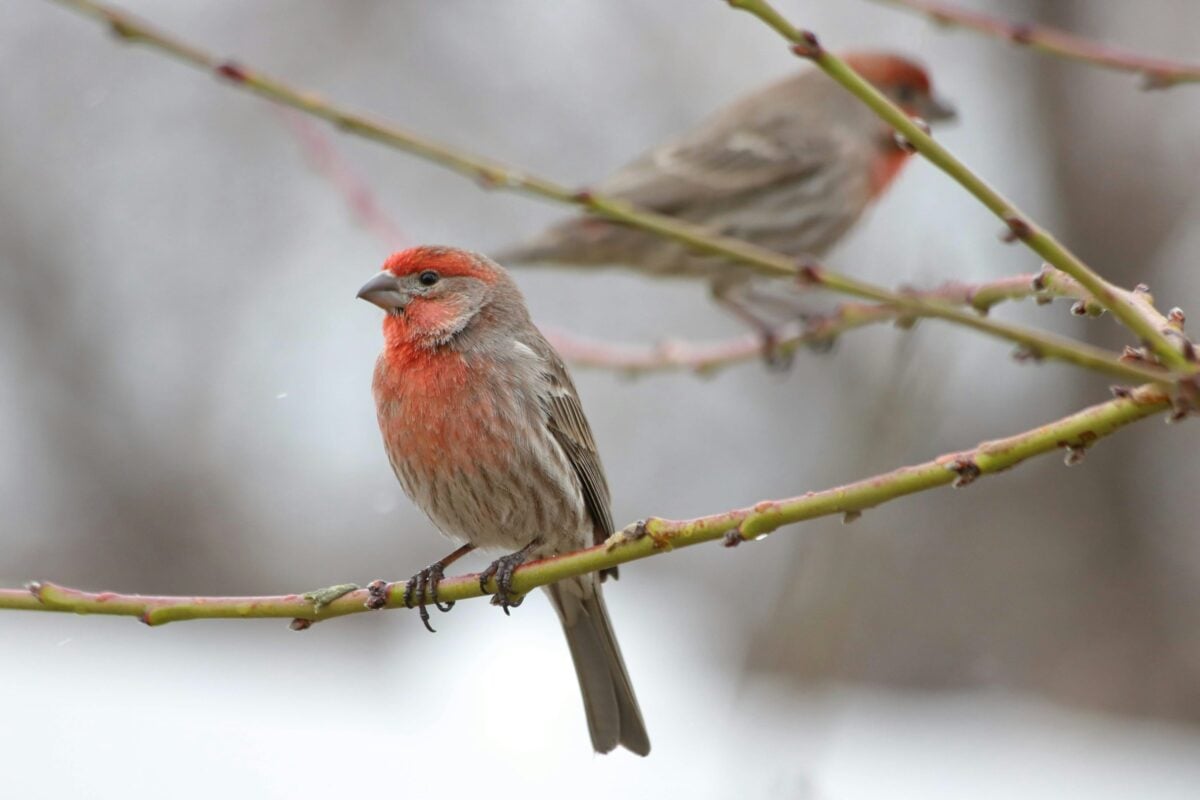
House finches are another extremely common backyard bird across much of the United States, especially in suburbs and around shopping centers. Males are streaky brown with a wash of red around the head and chest, while females are all brown and heavily streaked. Their songs are a messy, cheerful tumble of notes that sound a bit like someone trying to whistle an entire playlist at once.
These finches thrive near people because they are not too picky about nest sites or food sources. They’ll use ledges, hanging planters, porch lights, and a variety of trees and shrubs, and they eagerly visit feeders with sunflower and mixed seeds. They’re not a strong indicator that your yard is particularly wild or complex, but they are often part of that first wave of birds that show up when you hang your very first feeder. Over time, they can be your baseline, making it easier to notice when more sensitive species begin to appear.
9. Downy Woodpecker – The Mini Tree Tapper
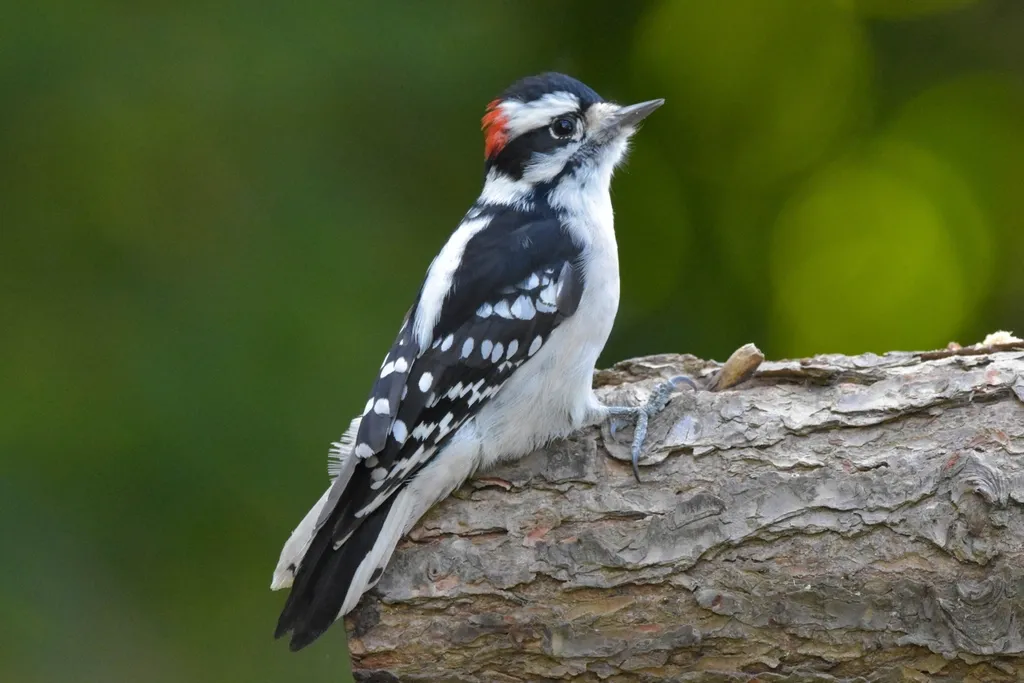
Downy woodpeckers are the smallest and one of the most common woodpeckers in North America, and they slip easily between “forest bird” and “backyard neighbor.” With their black-and-white checkered wings, white belly, and small red patch on the back of the head in males, they look like someone shrunk a classic woodpecker design in the wash. They often cling to tree trunks and branches, tapping away in short bursts as they hunt for insects.
They’re also one of the woodpeckers most likely to show up at feeders, especially for suet, peanuts, and sunflower seeds. If your yard has even a few mature trees, especially ones you don’t strip completely of dead branches, you’re giving downy woodpeckers more foraging options. I remember the first time I realized that the barely audible tapping outside my office window was a downy creeping along the smallest branch of a maple; once you learn their pattern, they seem to be everywhere, just quietly getting on with the business of eating pests.
10. European Starling – The Shiny Invasion
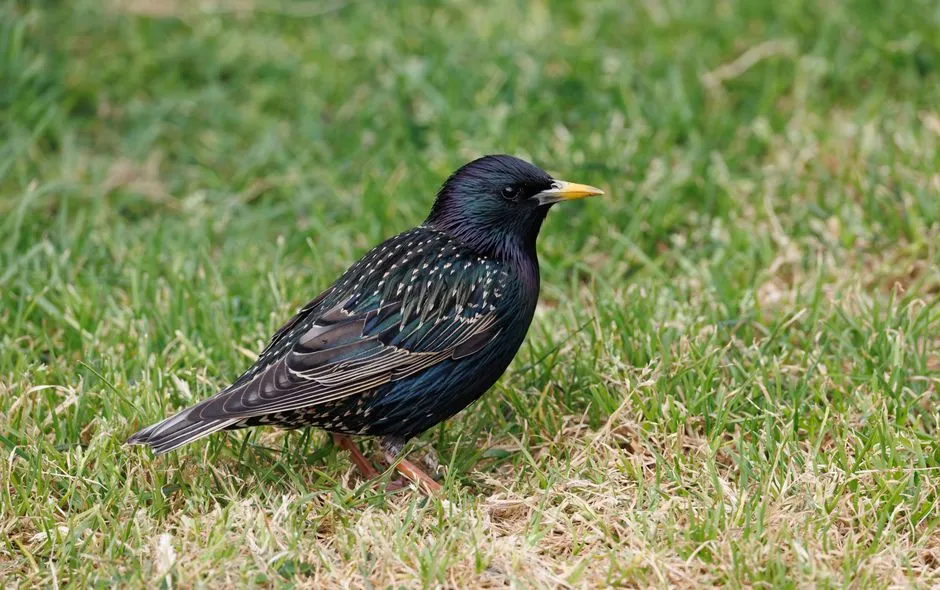
European starlings are the dark, speckled birds that often show up in big noisy flocks, especially around parking lots, fields, and lawns. In the right light, their feathers shine with iridescent purples and greens, making them look more glamorous than their reputation suggests. They were introduced to North America and have spread across the continent, thriving in human-altered habitats.
Starlings are incredibly adaptable and will eat insects, fruit, and grains, often taking advantage of open trash, short-cut lawns, and agricultural fields. They’re cavity nesters and aggressively compete for nest sites, which has caused issues for some native species. A yard full of starlings doesn’t necessarily mean anything about habitat quality; it often just means there’s abundant, easy food and open spaces. Learning to identify them helps you focus more attention on the birds that tell a deeper story about your yard’s health.
11. Eastern Bluebird – A Bright Sign Your Yard Is On The Right Track
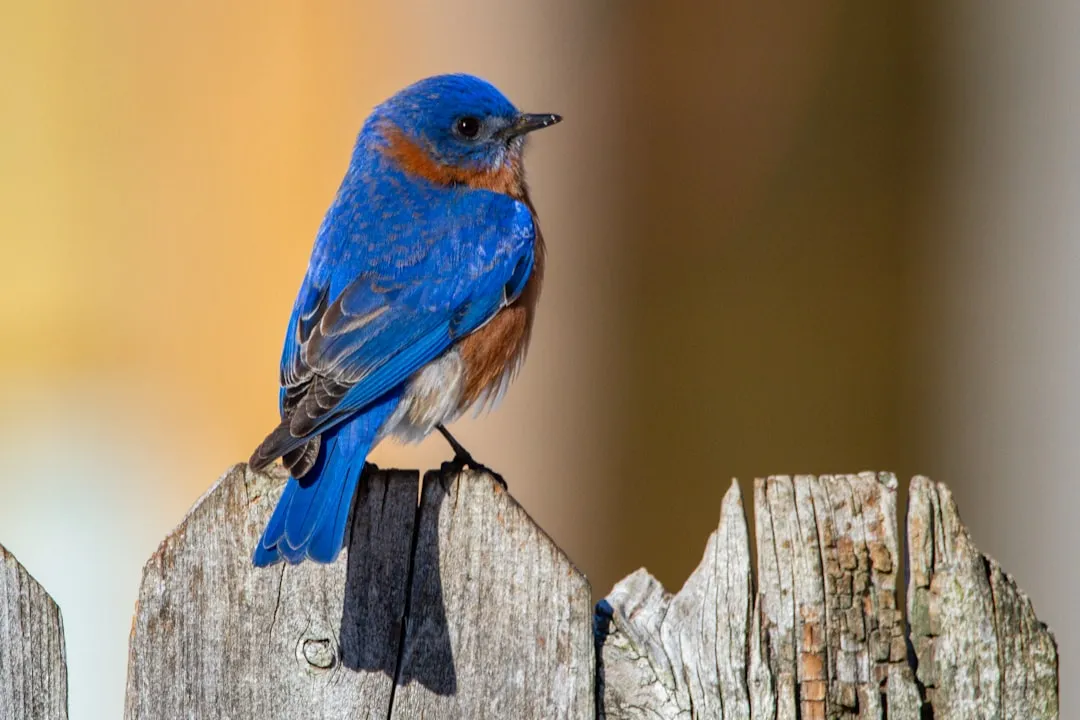
Now we’re getting into the birds that quietly hint your yard is more than just a feeding station: it’s becoming habitat. Eastern bluebirds, with their soft sky-blue backs and warm reddish chests, are a gentle dream to see on a fence post or perched on a low branch. They prefer open areas with scattered trees and short grass, where they can scan the ground for insects and then swoop down in quick, precise dives.
Bluebirds are cavity nesters, which means they rely on holes in trees or well-placed nest boxes. If you have a bluebird pair nesting in your yard or nearby, it usually means you’ve got a good combination of open space, safe perches, and enough insects to feed hungry chicks. They’re also more sensitive to disturbance and competition than some of the tougher generalists, so their presence suggests you are not overwhelming your space with chemicals or constant disruption. Seeing that flash of blue feels like a little nod of approval from nature.
12. Ruby-throated Hummingbird – A Living Jewel That Loves Native Flowers
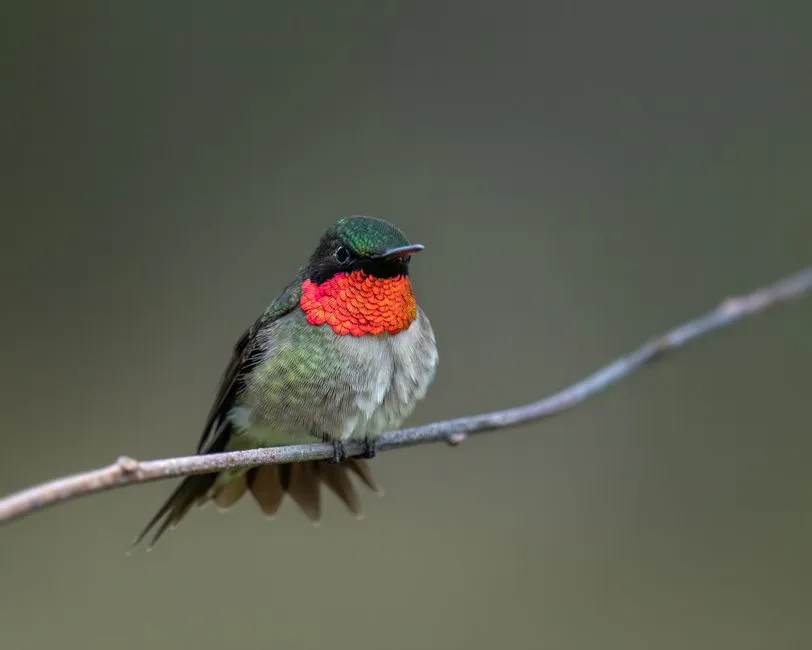
Ruby-throated hummingbirds are like tiny, high-speed gemstones buzzing around your yard, especially in the eastern half of the United States. Males wear that shocking red throat patch that glows when the light hits just right, and both sexes beat their wings so fast it creates a faint hum. They feed on nectar, but they also eat tiny insects and spiders, which makes your yard’s insect life unexpectedly important to them.
Hummingbirds are drawn to tubular flowers and rich nectar sources, especially native plants like bee balm, trumpet honeysuckle, and cardinal flower, along with well-maintained sugar-water feeders. When hummingbirds stick around your yard instead of just passing through, it’s usually because you’re offering a mix of blooms, water, and relatively chemical-free habitat that supports insects. A yard that attracts hummingbirds almost always has more going on beneath the surface than just turf grass and a couple of shrubs – it’s a sign of layered planting and a more complex food web.
13. Gray Catbird – The Secretive Shrub Lover
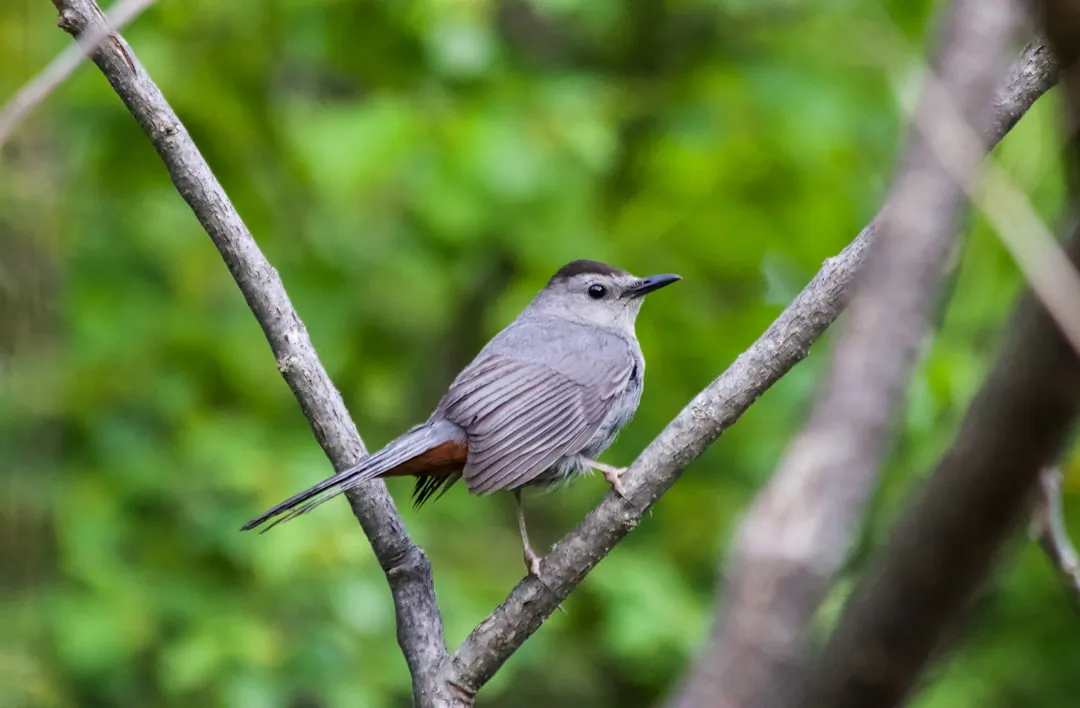
Gray catbirds are sleek, slate-gray birds with a subtle black cap and a rusty patch under the tail, and they often give themselves away with a call that sounds uncannily like a cat meowing. Unlike lawn-loving robins or feeder-focused finches, catbirds are shrub specialists. They like dense, tangled vegetation where they can skulk around, eating insects and berries while mostly staying out of sight.
If you’ve let parts of your yard grow a little wild with native shrubs, thickets, or bramble patches, catbirds see that as prime real estate. Their presence is a subtle compliment: you’ve created the kind of layered, messy structure that many birds actually need to nest safely and feed. The first time you realize that odd “mew” in the hedgerow is a catbird, it’s a clue your yard is shifting away from sterile perfection and toward something wilder and more resilient.
14. Cedar Waxwing – The Berry Feast Specialist
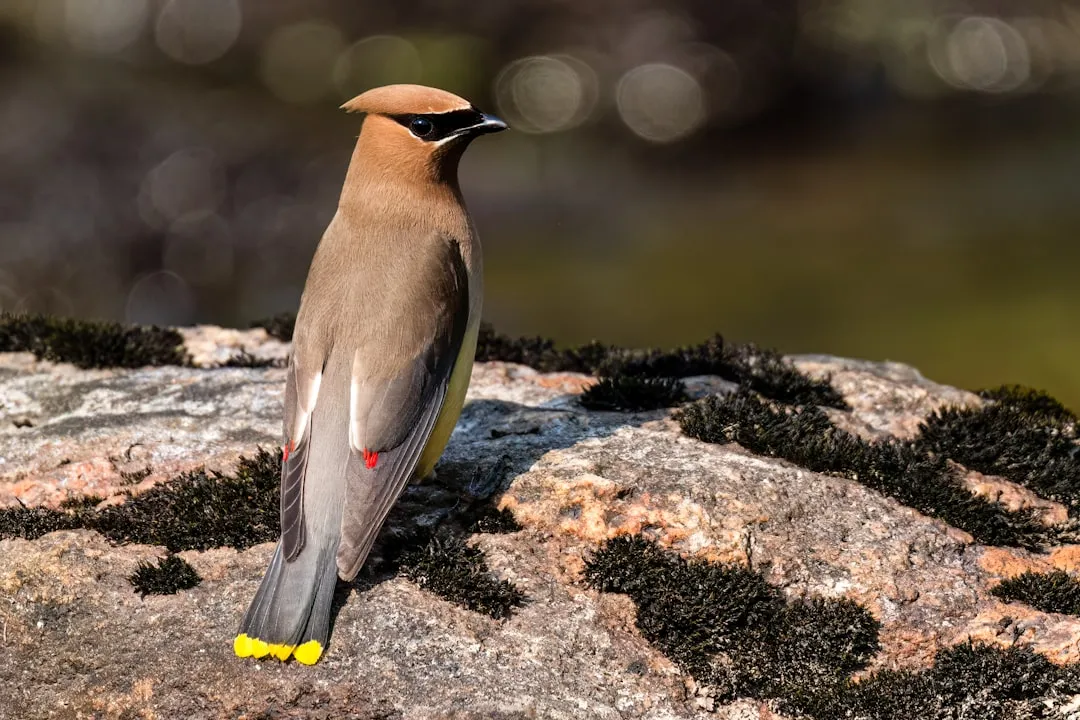
Cedar waxwings look almost unreal, like someone designed them for a luxury brand logo: silky brown and gray bodies, sleek black masks, a soft crest, and neat yellow-tipped tails. On closer inspection, some birds also have tiny red, waxy-looking tips on their wing feathers, which is where they get their name. They’re social birds, often moving in flocks that descend together on fruiting trees and shrubs to feed.
Waxwings are strongly tied to berries and small fruits, including those from native plants like serviceberry, dogwood, and winterberry. If you see a flock of them in your yard, especially in late summer, fall, or winter, it’s a big hint that your plantings are providing real, seasonal food beyond just seed feeders. It usually means you have trees or shrubs that fruit at different times, offering a longer buffet not just to waxwings but to other wildlife too. Their presence feels a bit like getting an unexpected visit from a very fashionable, very picky friend who only shows up for the best meals.
15. Brown Thrasher – The Shy Gardener’s Approval
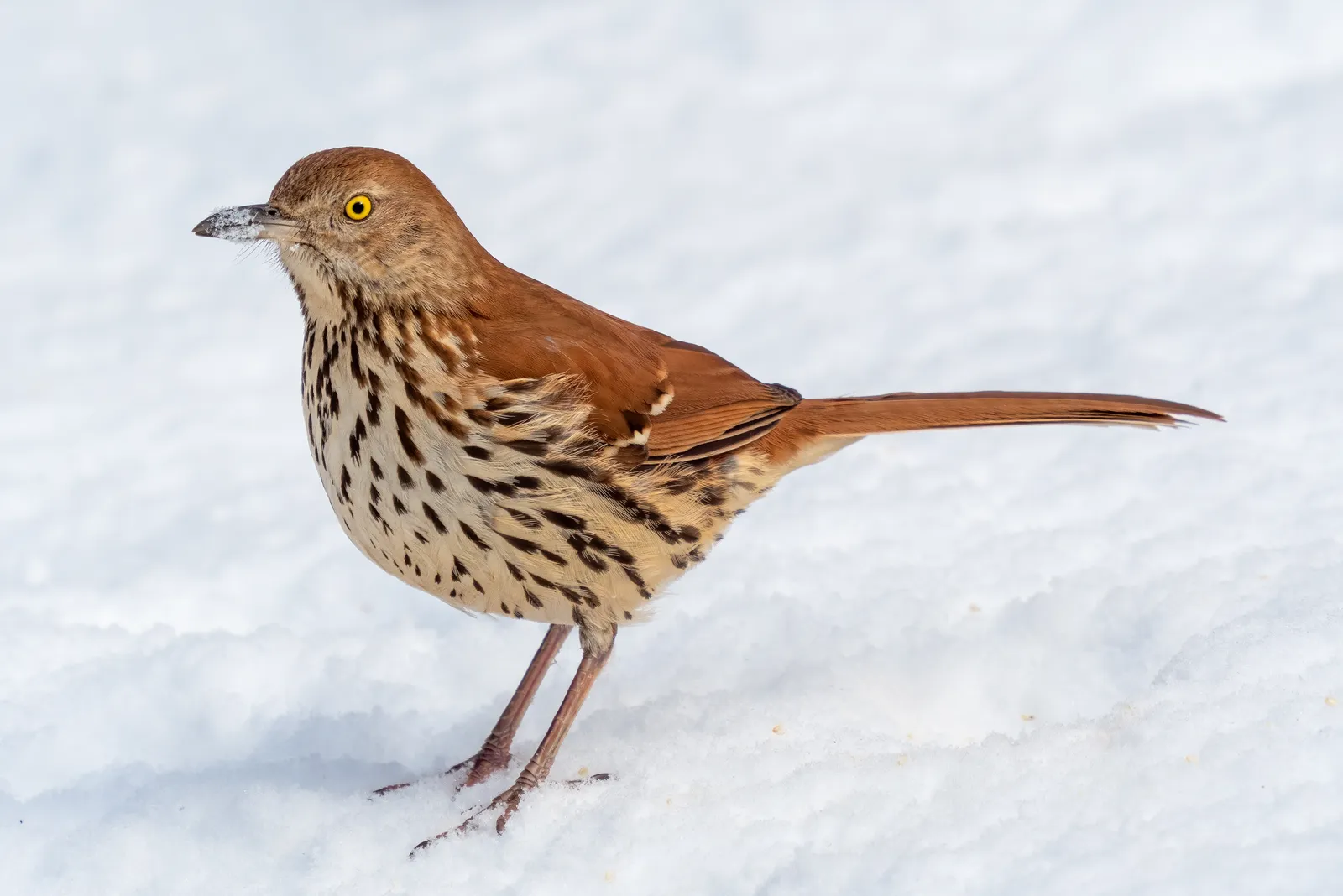
Brown thrashers are striking birds with warm brown upperparts, heavily streaked pale underparts, and intense yellow eyes that make them look perpetually alert. They have long tails and curved bills they use to sweep through leaf litter, tossing aside debris to uncover insects and other invertebrates. They spend a lot of time on or near the ground, favoring dense shrubs and brushy areas where they can quickly disappear if alarmed.
When a brown thrasher starts hanging around your yard, it usually means you’ve allowed some ground cover, leaf litter, and shrub layers to exist without constant raking and trimming. They’re drawn to places with both cover and natural debris, which support a rich community of insects. Their presence quietly says you’re not over-sanitizing your space and that you’re providing both food and shelter. In a world where many yards are treated like outdoor living rooms instead of living ecosystems, a thrasher is a strong sign you’re doing something better.
Conclusion: From “Just A Yard” To A Living, Breathing Habitat
It’s easy to think of backyard birdwatching as a casual, almost throwaway hobby – something you do out the kitchen window while waiting for the coffee to brew. But when you look a little closer, those everyday visitors and special guests are actually reading your yard like a book, and their presence (or absence) says a lot about the story you’re writing with your choices. The cardinals, robins, and house finches are the baseline cast of characters, showing that your space is at least usable, while bluebirds, hummingbirds, catbirds, waxwings, and thrashers hint at a richer, more intentional habitat.
My honest opinion? A “perfect” yard with spotless mulch, clipped hedges, and a single birdfeeder is wildly overrated. A thriving yard is a little messy, a little surprising, full of patches of flowers, native shrubs, leaf litter, and dead wood where life can actually take root and multiply. When those five thriving-species start showing up alongside the usual crowd, it means you’re not just decorating the outdoors – you’re participating in it. So the real question is: the next time a bird lands in your yard, will it just be passing through, or will it be proof that your little piece of the world is finally coming alive?
