
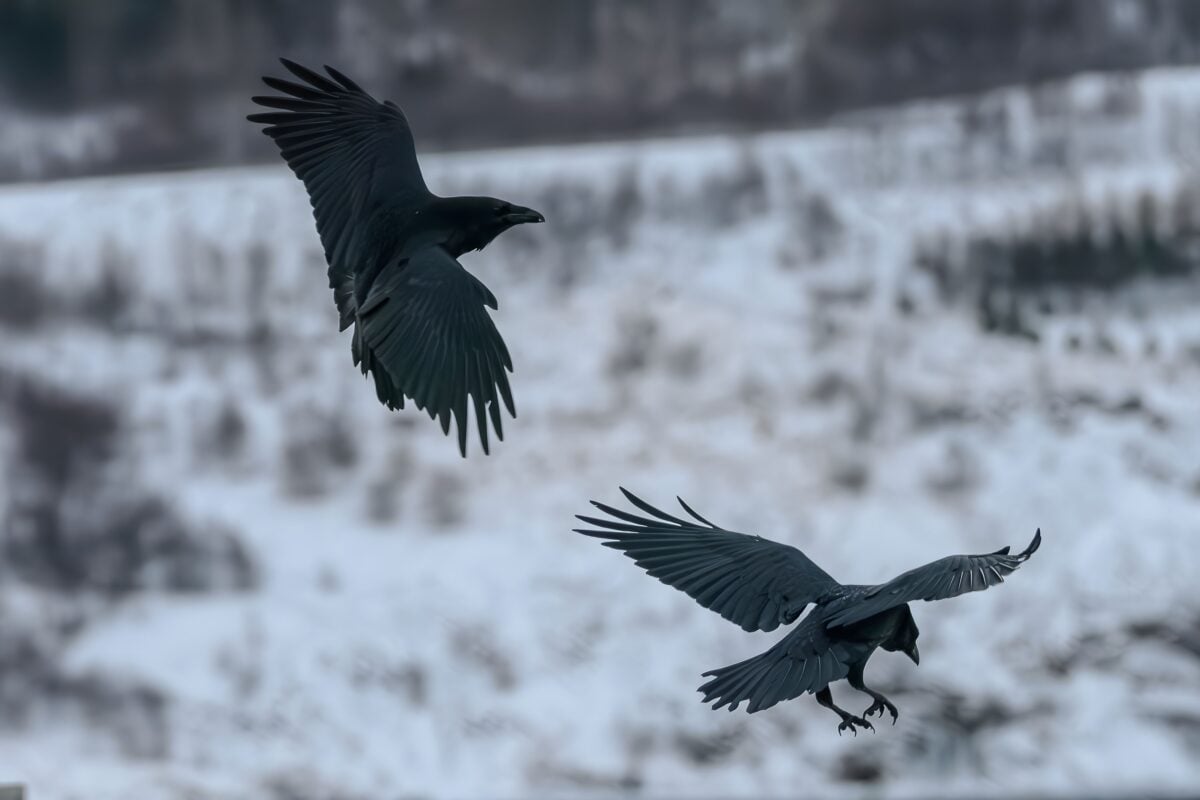
Imagine dropping a tricky puzzle into the middle of a forest and watching a group of ravens crowd around it like a team of engineers at a whiteboard. That image is much closer to reality than most of us realize. Over the past few years, animal scientists have been quietly revealing something pretty wild: ravens often solve problems more effectively together than they do on their own.
This is not just a cute animal story. It forces us to rethink what intelligence actually looks like in the wild. These birds are not simply surviving; they are negotiating, planning and sometimes even manipulating each other to get what they want. Once you start looking closely, raven society starts to feel uncomfortably familiar.
Ravens Are Not Just Smart Birds, They Are Strategic Minds
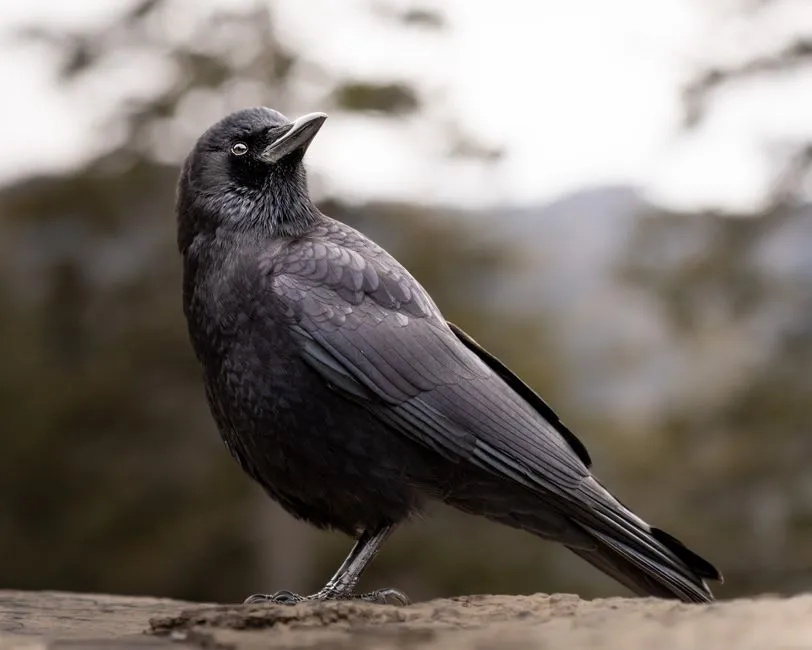
When people talk about intelligent animals, they usually go straight to dolphins, chimpanzees or maybe elephants. Ravens rarely top that list in casual conversation, yet in controlled problem-solving tests they often perform at a level that feels eerily close to primates. They can remember where food is hidden, understand cause and effect and even delay gratification when a better reward is coming.
What really stands out, though, is how they adapt when another raven is in the picture. Instead of treating each other as obstacles, they often treat one another as potential tools, allies or even competitors to be outplayed. That kind of flexible thinking is not just “bird smarts”; it is strategic behavior that looks a lot like the early building blocks of what we call human-style intelligence.
Cooperative Problem-Solving: When Two Beaks Are Better Than One
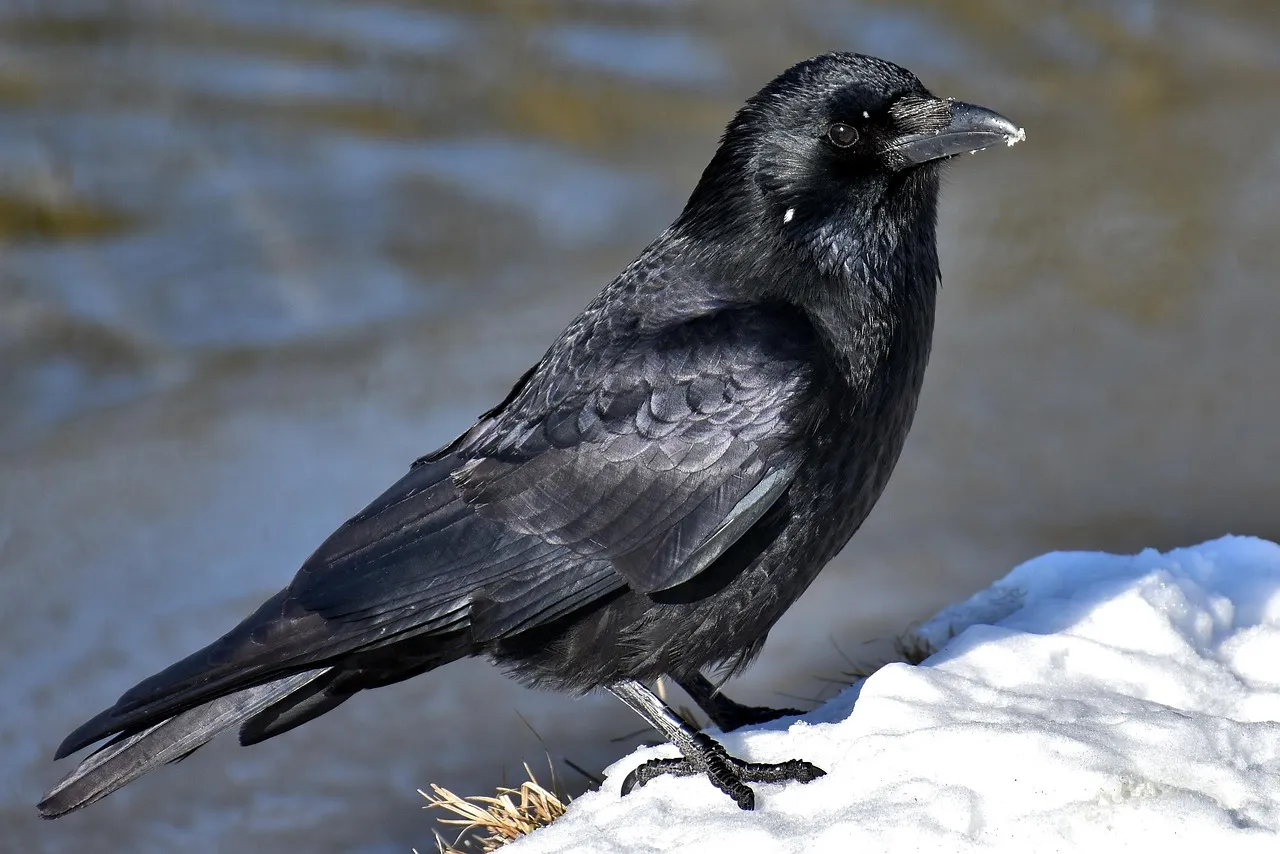
One of the most striking things researchers have seen is that ravens can cooperate on tasks that are impossible to solve alone. Think of puzzles where two birds have to pull ropes at the same time, or coordinate actions from different angles to release food. Alone, they tug uselessly. Together, suddenly the system works, and the reward drops right into reach.
This kind of cooperation requires more than instinct. Each bird has to recognize that success depends on the other bird acting at the right moment. They have to wait, adjust and sometimes even encourage the partner through gestures and attention. It is like watching two kids figure out that they both have to hold the ends of a jump rope or nothing happens.
They Read Each Other’s Intentions Better Than You’d Expect
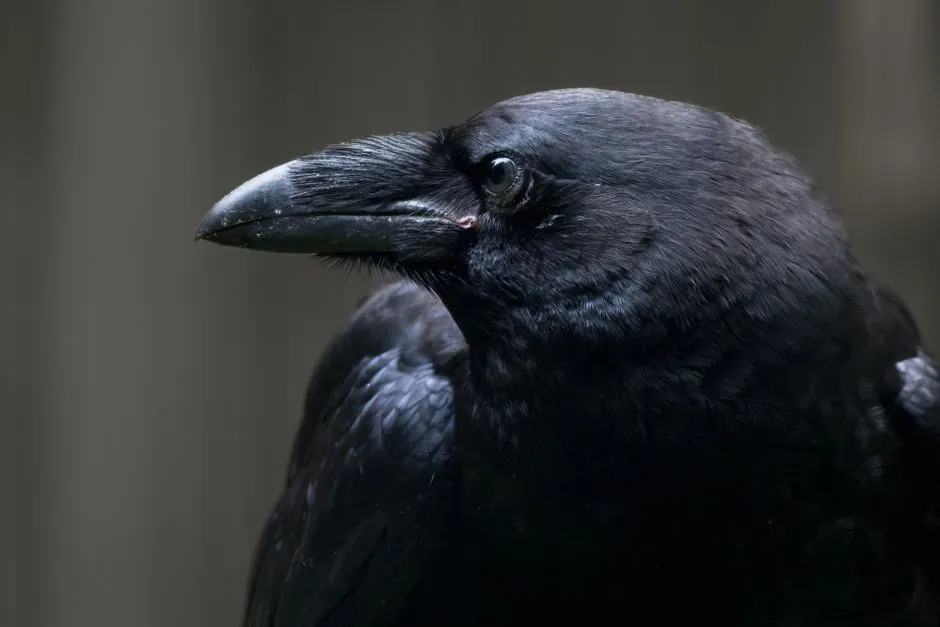
For cooperation to work, you have to have at least a basic sense of what someone else might do next. Ravens seem surprisingly good at this. They pay attention to where other birds are looking, how they move and whether they appear interested or distracted. That lets them decide who is likely to be a useful partner and who might just steal the prize.
In some experiments and field observations, ravens change their behavior depending on who is watching. They may hide food more carefully if a rival is nearby or work more readily with a familiar bird over a stranger. To me, that sounds a lot like the way humans adjust their trust level and cooperation at work, depending on whether the person next to them is a teammate or a known backstabber.
Social Brains: Why Group Life Pushes Ravens To Think Harder
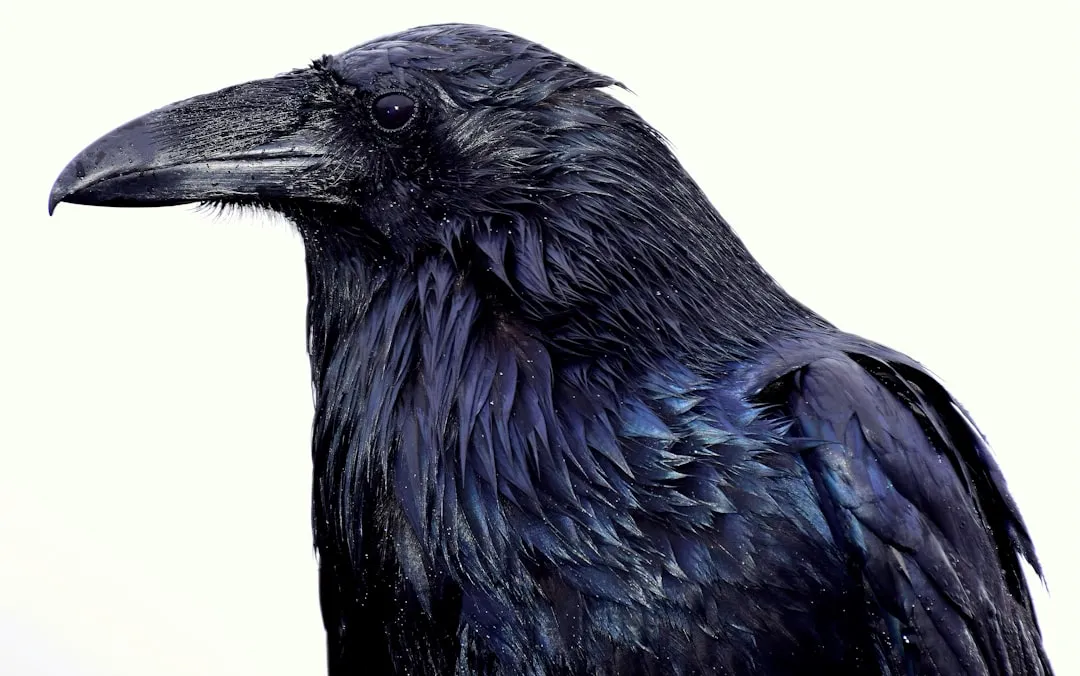
Ravens do not live in simple, quiet social bubbles. Their lives are full of alliances, rivalries and shifting relationships. Young birds hang out in loose groups, form temporary partnerships, and eventually try to secure long-term bonds and territories. Keeping track of who is who and who did what to whom is a serious mental workout.
Living in this kind of social tangle puts pressure on their brains to evolve in ways that make cooperation and problem-solving easier. It is not just about being clever with objects; it is about reading the room, remembering past events and predicting future reactions. In that sense, a raven’s intelligence is not just an individual trait, it is a product of the complicated society it has to navigate every day.
Competition, Cheating And The Dark Side Of Cooperation
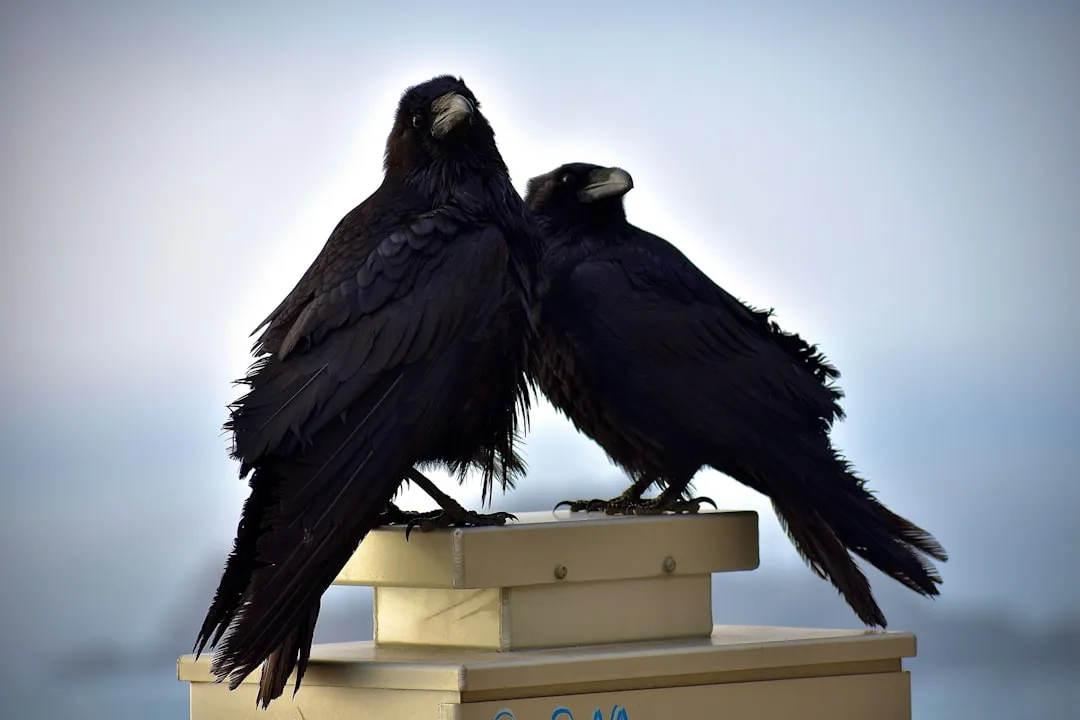
Of course, cooperation in ravens is not some fluffy, harmonious fairy tale. Where there is teamwork, there is also cheating. Some ravens will pretend to participate in a task just long enough to reap the reward, then snatch more than their share or try to drive off their partner. Others may watch from a distance, learn the trick and then swoop in later to steal the spoils.
This messy blend of collaboration and competition actually makes their intelligence even more impressive. To cooperate successfully, a raven has to weigh the risks of being exploited, remember who cheated in the past and maybe change tactics next time. It is a constant mental balancing act, much like working on a group project where one person always shows up late but still expects credit.
Ravens Working Together Look Uncomfortably Human
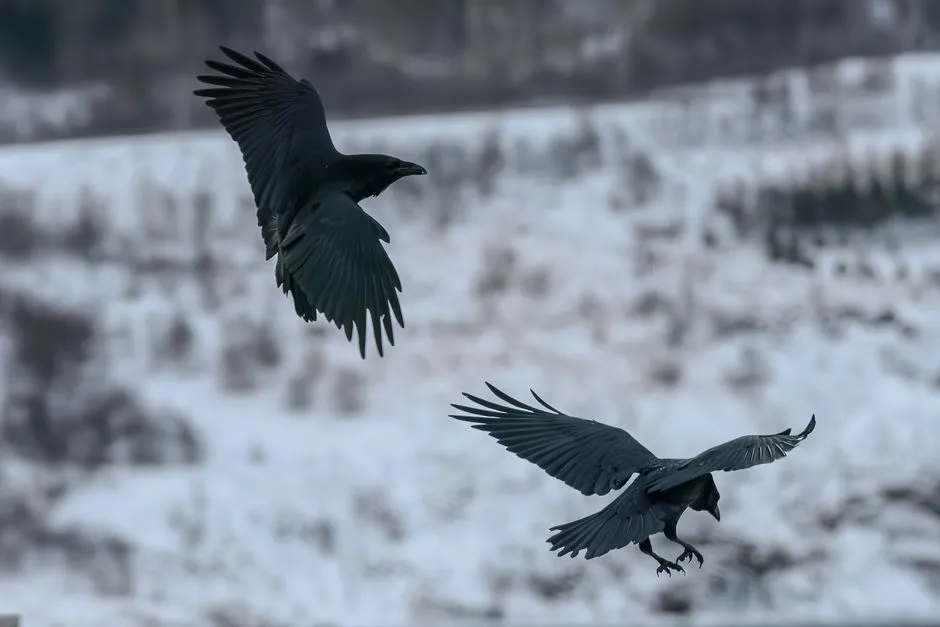
When you zoom out and look at all of this – intentional cooperation, strategic thinking, social awareness and even calculated cheating – it is hard not to see echoes of ourselves. Watching ravens solve a puzzle together feels less like watching animals and more like watching a team of very small, feathered negotiators. They hesitate, test, adapt and sometimes try again after a failed attempt.
I remember the first time I watched footage of ravens coordinating on a task. It did not feel like a random fluke. It felt like I was peeking into a parallel version of problem-solving, one that developed without human culture but still arrived at many of the same patterns: talk it out (in their case, calls and body language), try something together, reassess, then try again. It is unsettling and oddly inspiring at the same time.
What Ravens Teach Us About Real Intelligence
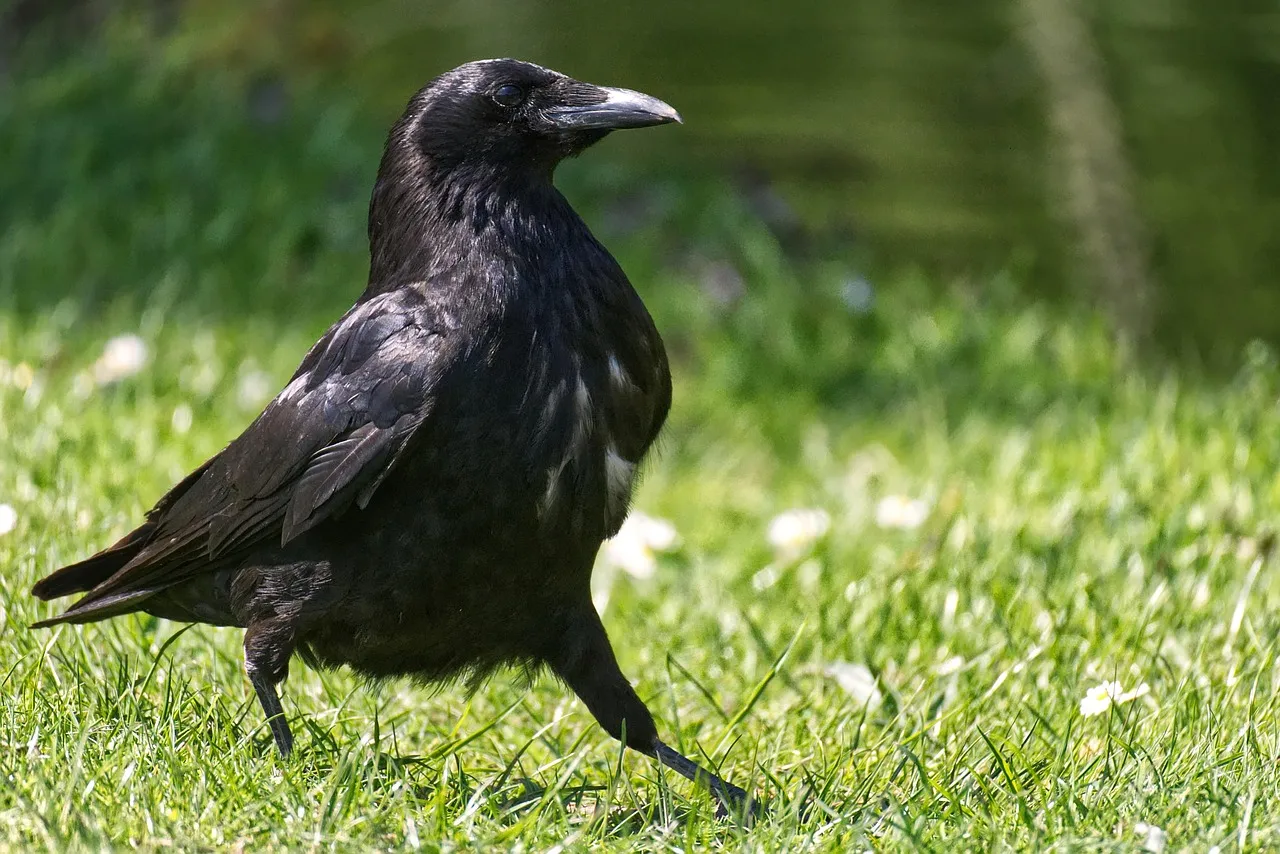
We tend to think of intelligence as something you either have or do not have, like a fixed number on a test. Ravens challenge that idea. Their problem-solving power shines brightest not when they are isolated but when they are interacting, negotiating and responding to others. That suggests that intelligence might be less about a lone genius and more about what happens between minds.
For me, that is the most important lesson hiding in raven science. If a group of birds in a forest can become better problem solvers by working together, what excuse do we have when we cling to going it alone? Their behavior is a quiet, feathered argument that real intelligence is cooperative, messy and deeply social. Maybe the smartest thing we can do is admit that, like ravens, we are at our best when we stop pretending we are islands and start solving problems side by side.
