
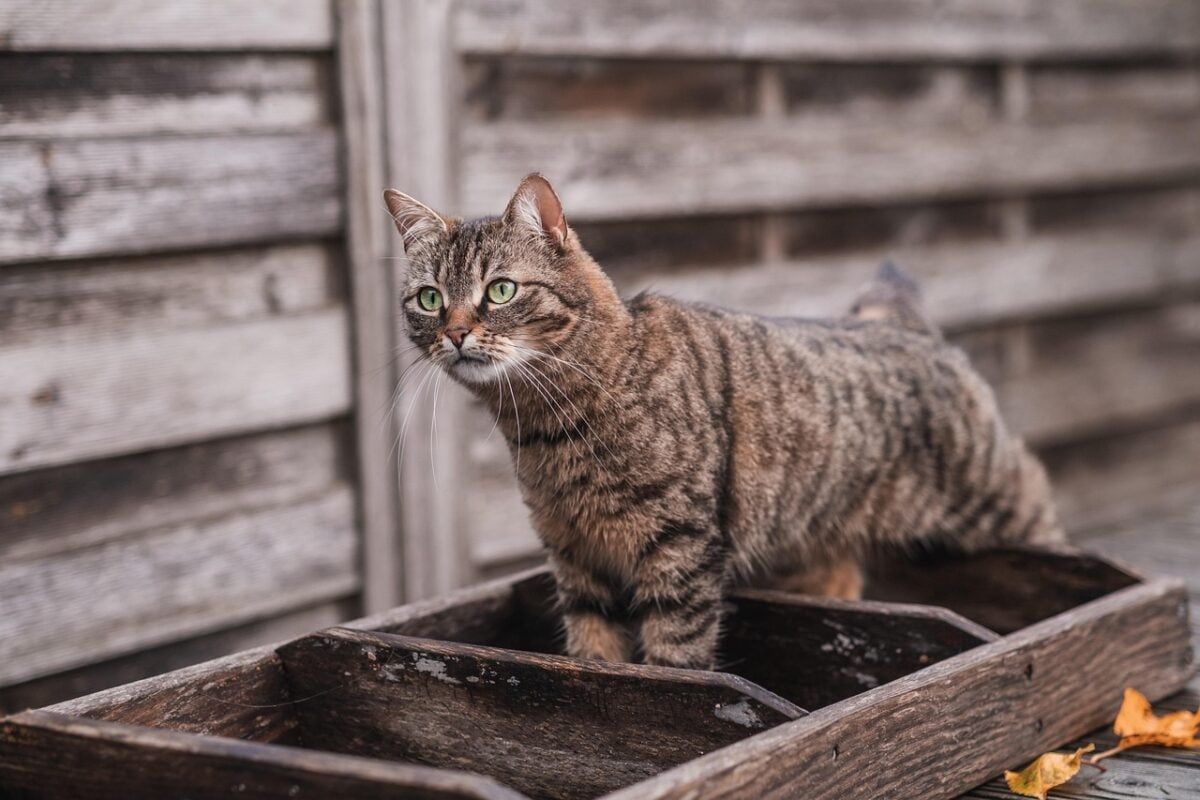
Most people assume cats arrive in your home already knowing how to use a litter box, like they were born reading the manual. So when a cat keeps peeing on the rug or ignoring the box completely, the first thought is often that something is wrong with you as an owner. In reality, with some breeds, housebreaking can feel like a long chess match against a tiny, furry opponent who is always one move ahead.
This article looks at five cat breeds that have a reputation for being especially challenging to fully housebreak. It does not mean every individual cat of these breeds will be a problem, or that they are “bad cats.” It means their instincts, energy levels, and personalities can make consistent litter habits harder to lock in. Understanding that from the start can save you a lot of frustration – and maybe a few carpets.
#1 Bengal: A Wild Brain in a Living Room Body
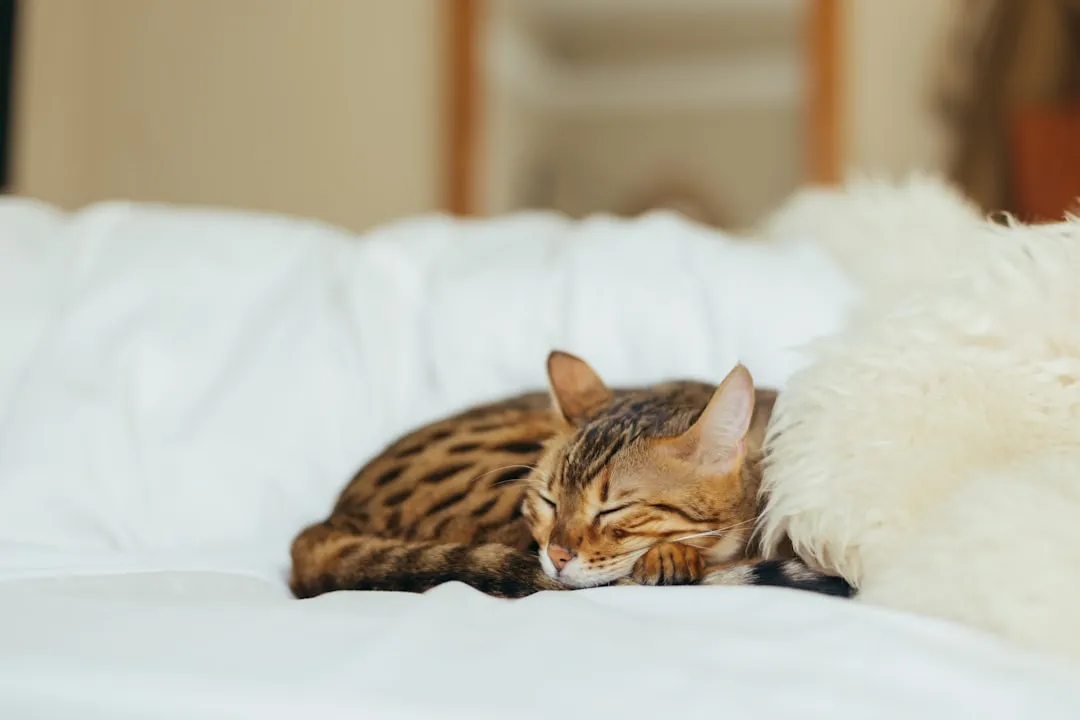
Bengals are stunning, athletic, and often incredibly smart – and that cleverness is exactly what can make them difficult to housebreak. They descend from Asian leopard cats crossed with domestic cats, so they often retain strong territorial and marking instincts. If they feel their environment is too small, too boring, or too stressful, they may decide the litter box is optional and start choosing other places that smell more “secure” to them, like a favorite rug or the corner of a sofa.
Because Bengals are highly energetic and easily bored, they also react more strongly to changes: a new pet, a different brand of litter, moving the box, or even rearranging furniture can trigger accidents. Owners sometimes assume this is simple stubbornness, but it is more like a hyper-alert brain that looks for any excuse to re-mark the territory. In my experience, Bengals are like overachieving toddlers – you need more enrichment, more routine, and more patience than you expect, or the bathroom rules start to fall apart fast.
#2 Savannah: Half Acrobat, Half Small Tornado
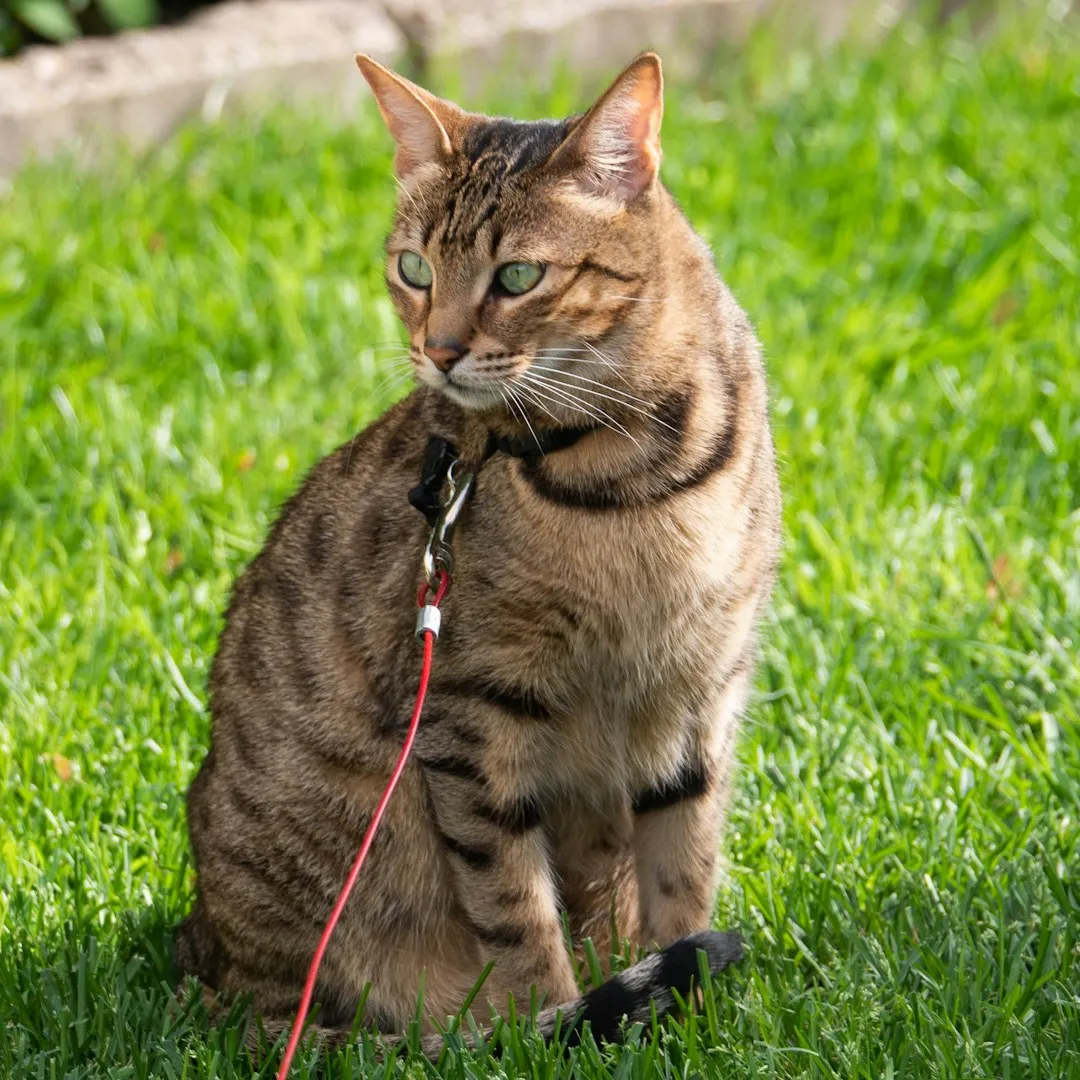
Savannah cats were created by crossing servals with domestic cats, and many still behave like they are half wild athlete, half chaos machine. They bond intensely with their humans but may treat traditional litter box routines as a suggestion rather than a rule. Their high energy and strong prey drive mean they often spend more time sprinting, climbing, and exploring than calmly using the box, especially when young. If they feel confined or under-stimulated, marking and inappropriate elimination can become their way of “commenting” on the situation.
They also tend to be sensitive to stress and territory changes. A Savannah that is not fully settled or that does not feel it has enough vertical space, hiding spots, and control over its environment may start using beds, laundry piles, or corners as secondary toilets. They are not doing it to be vindictive; they are doing it because instinct tells them to secure and personalize territory. With Savannahs, housebreaking success usually means treating your home more like an enriched indoor habitat than a typical living room.
#3 Turkish Van: The Independent Adventurer
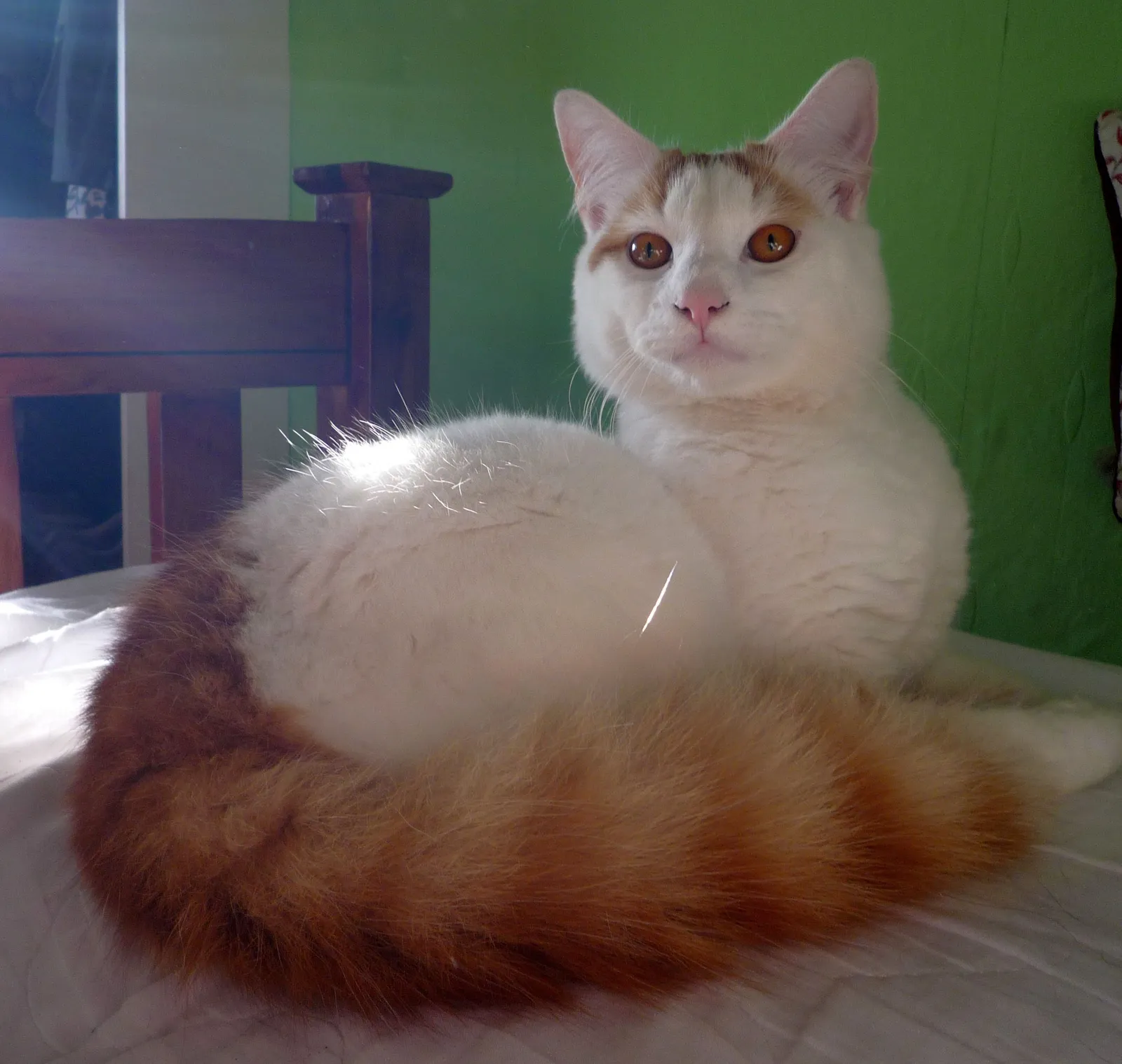
The Turkish Van is famous for liking water and for having a strong, independent streak, almost like a cat that thinks it is a lone traveler passing through your home. That independence can translate into being picky, even stubborn, about litter box habits. If they dislike the texture of the litter, the smell of the box, or the placement near noisy areas, they may simply choose an alternate spot without much hesitation. They are not always easily bribed or redirected, which makes retraining more frustrating.
These cats also tend to be active and curious, and they sometimes treat the box as just one more place in the territory, not the sacred bathroom zone you imagine it to be. In multi-pet homes, a Turkish Van may refuse to share a box or be easily put off by another animal’s scent, and once they’ve picked a new preferred spot, it can take time and very consistent management to convince them to go back. Living with a Turkish Van can feel like living with a roommate who will move out of a shared bathroom the second it does not meet their personal standards.
#4 Oriental Shorthair: Sensitive, Vocal, and Easily Thrown Off
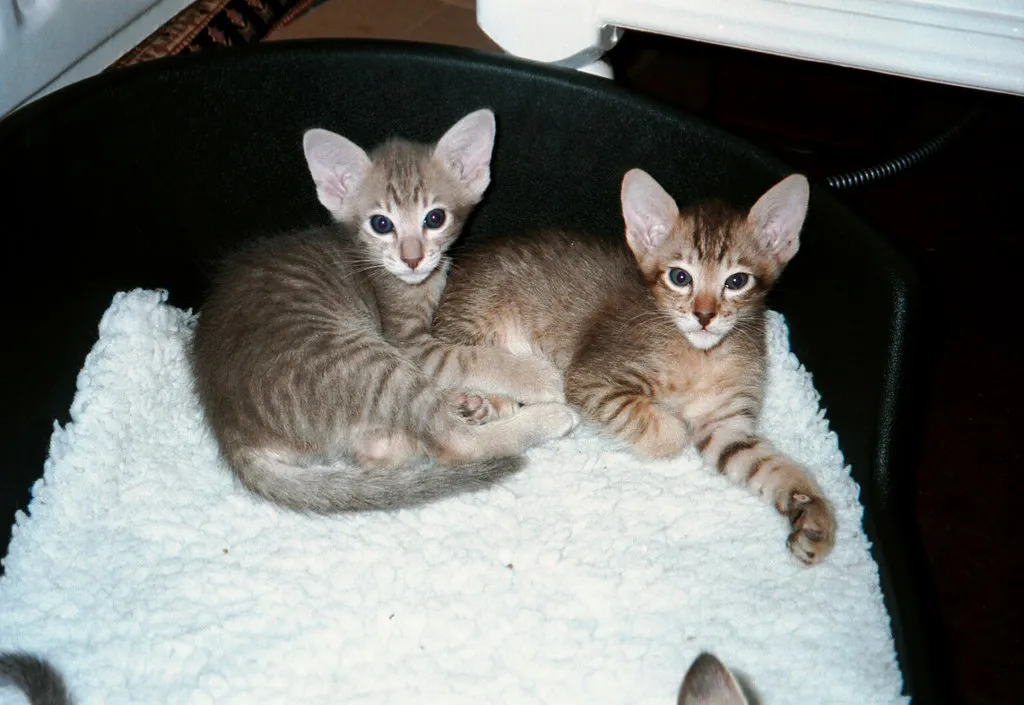
Oriental Shorthairs are closely related to Siamese cats and share many of their traits: they are vocal, social, sensitive, and highly tuned to changes in routine and mood. That emotional sensitivity can make housebreaking harder because stress, boredom, or conflict in the home often shows up first in the litter box. A sudden change in where they go, how often, or whether they even use the box at all can be their version of shouting that something is wrong.
They also form intense bonds and may act out if they feel ignored or lonely, especially if they are the only cat and their person works long hours. While it is not accurate to say they “pee out of spite,” it is fair to say that emotional disruption can easily become physical disruption. If an Oriental Shorthair starts associating the litter box with anxiety, noise, or punishment, breaking that association can be a slow process. With this breed, housebreaking success is as much about emotional stability and attention as it is about litter type or box location.
#5 Sphynx: High-Maintenance Body, High-Maintenance Bathroom Habits
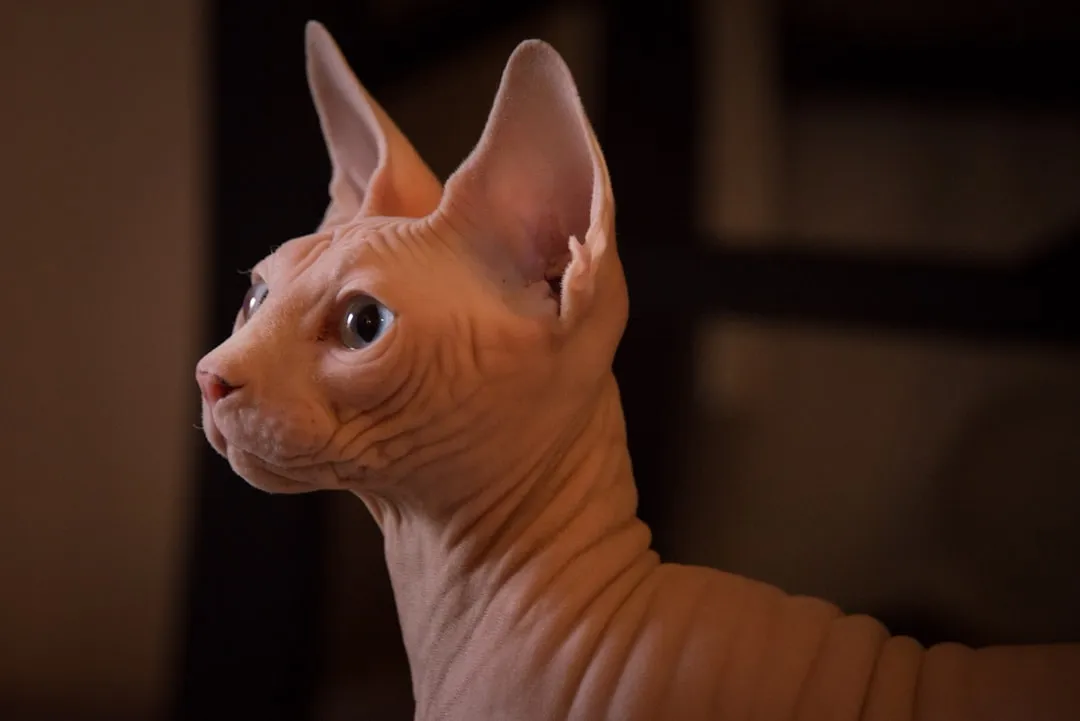
Sphynx cats are social, clingy, and very people-focused, but their unusual coat – or lack of one – comes with unique challenges that can spill over into litter box issues. Their skin tends to be oilier, which means they may get dirty or sticky more quickly, and that can make certain litters or box designs feel uncomfortable or irritating. If they associate the box with discomfort, cold, or a strong odor, they may start avoiding it, sometimes preferring soft, warm surfaces that feel better on their skin.
They also often demand more warmth and comfort than other breeds, so a box placed in a chilly bathroom or drafty hallway can be a dealbreaker. On top of that, Sphynx cats are usually very attached to their humans and easily stressed by separation, travel, or routine changes, all of which can disrupt even previously solid housebreaking. With Sphynx cats, getting the litter box area cozy, clean, and consistently pleasant is not a luxury – it is almost a requirement if you want dependable habits.
Conclusion: The Problem Is the Match, Not the Cat
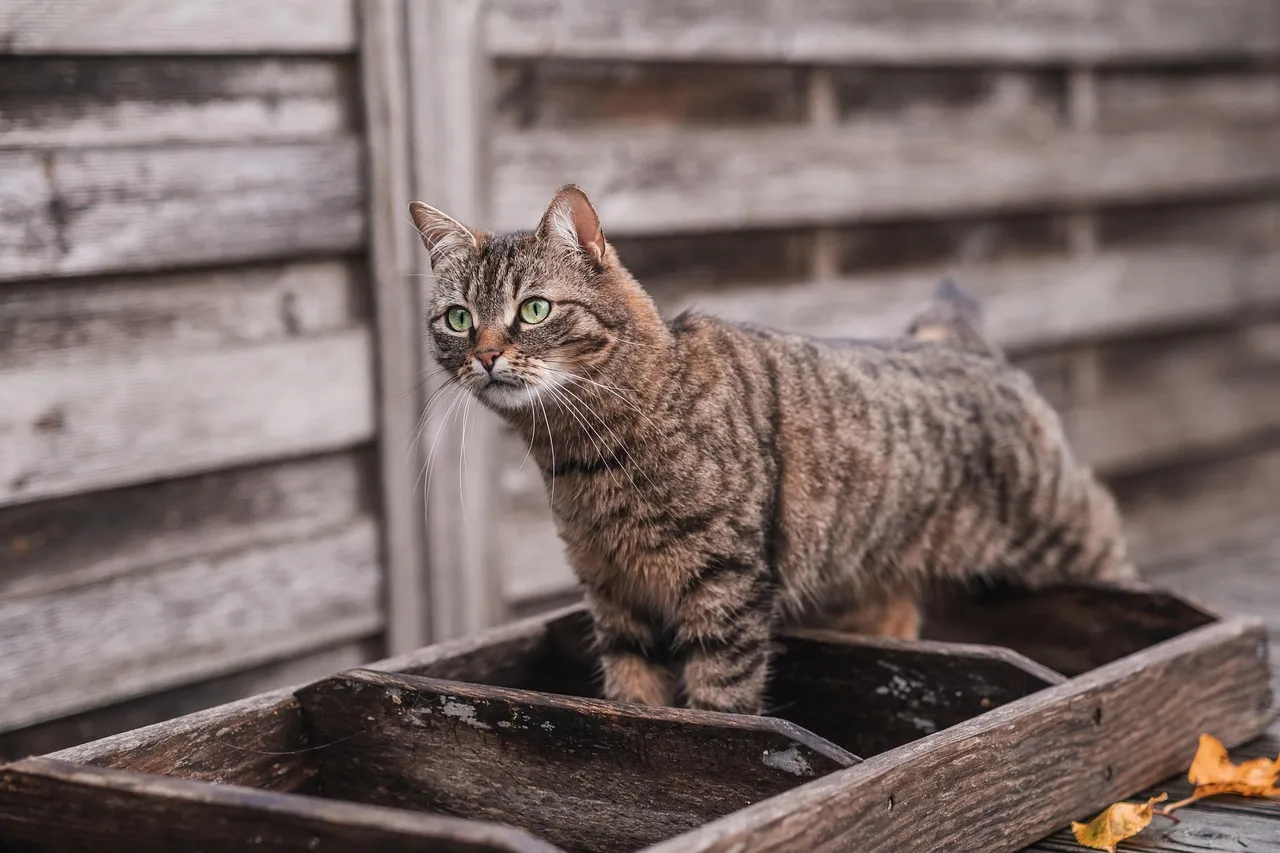
When people say a breed is nearly impossible to housebreak, what they often mean is that the breed’s natural instincts collide with human expectations in a small, modern home. Bengals and Savannahs bring wild energy into apartments; Turkish Vans and Oriental Shorthairs bring strong opinions and emotions; Sphynx cats bring physical sensitivities that many owners underestimate. Blaming the cat is easy, but in many cases the real issue is a mismatch between lifestyle and breed traits, combined with unrealistic assumptions that every cat will treat a litter box like a non-negotiable rule.
My own view is that these breeds are not for casual cat owners – they are for people who are willing to adapt the home, the routine, and even their patience level to meet a demanding animal halfway. If you love their personalities and looks, you have to accept that housebreaking may be a long project rather than a quick win, and that some individuals may never be completely perfect. That is not failure; it is part of choosing a cat whose instincts are still very close to the surface. Knowing that up front lets you decide honestly: do you want a decorative pet, or a complicated roommate in a furry body?
