
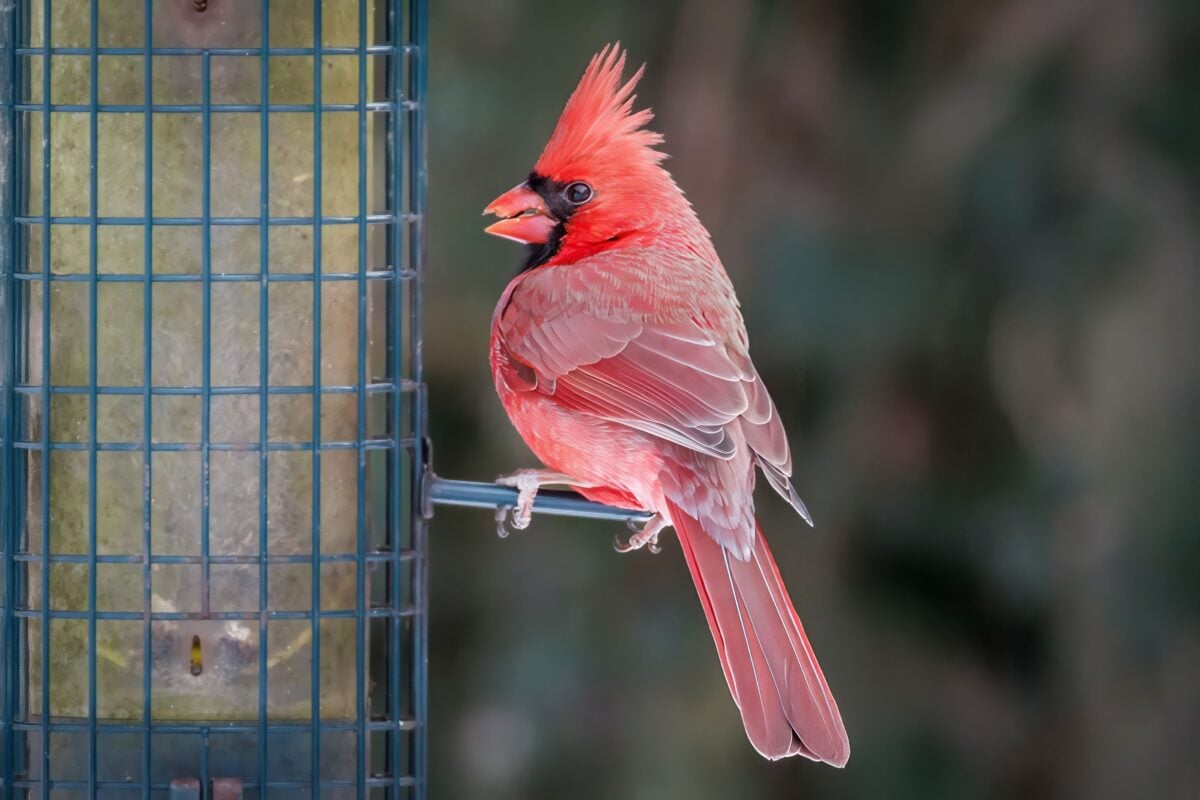
If you’ve ever had a cardinal show up at your feeder the moment the weather turns cold, you might’ve wondered: how on earth did it remember this exact spot from last year? The answer, according to growing behavioral research, is that these birds are not just pretty faces in red and brown coats. They have surprisingly sharp spatial memories and sophisticated habits that let them find safe, reliable food long after the snow has melted.
Cardinals are turning out to be a perfect example of how everyday backyard wildlife can hide some seriously impressive brain power. Once you start looking at them through a scientific lens, that daily visit to your feeder becomes something deeper: a story about memory, learning, survival, and even a bit of personality. Let’s dig into what animal science is uncovering, and what it actually means for the way you set up and use your feeders at home.
Why Cardinal Memory Is A Bigger Deal Than It Looks
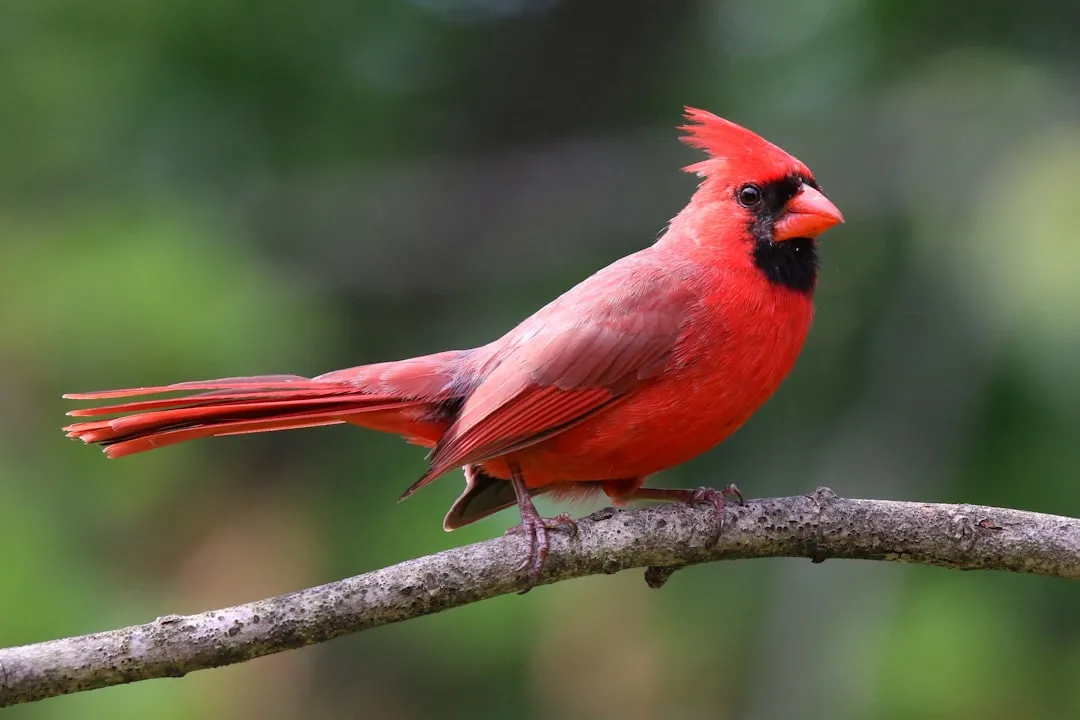
It sounds almost casual to say cardinals remember where the food is, but from a scientific point of view, this is a big deal. Remembering specific locations over long stretches of time means their brains can build detailed mental maps, hang onto them for months, and then update them when something changes. For a small songbird navigating a risky world, that kind of memory is a serious survival tool, not just a neat trick.
Think about it from the cardinal’s perspective: winter is harsh, days are short, food is scarce, and predators are hungry. A bird that can remember exactly which backyard was safe, which feeder was consistently filled, and which bush offered quick cover has a huge advantage over one that has to wander and guess. That advantage adds up over many seasons, which is why scientists pay attention to memory traits like this – they can literally shape who survives to pass on their genes.
How Cardinals Build Mental Maps Of Your Yard
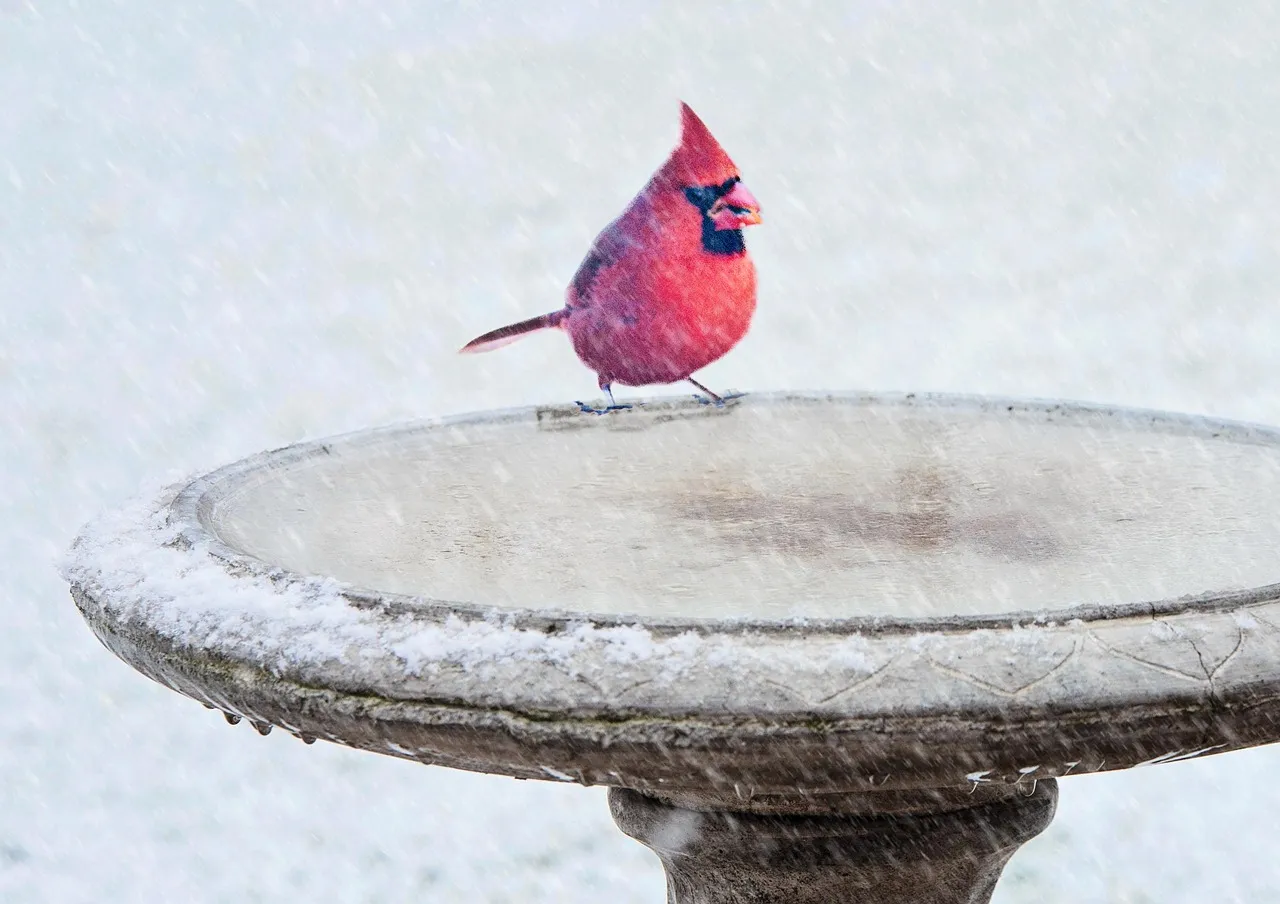
Cardinals do not just randomly bounce from place to place. They learn their territory, often staying within a relatively small home range throughout the year, especially in residential areas with good cover. Over time, they form what researchers call cognitive maps: internal representations of where things are located, how to get there efficiently, and what risks are associated with each route. Your feeder, to a cardinal, is a node in a complex network of safe and unsafe spaces.
These maps are shaped by landmarks that humans barely register. A dense shrub, a fence line, a cluster of trees, or even the angle of a roof can become navigational anchors. When the cardinal spots that big maple tree or the familiar corner of your deck, it can essentially “snap” its mental map into place and head straight for the remembered feeding spot. That’s why, even after you’ve paused feeding for a while and then start up again, familiar birds can seem to rediscover your setup almost instantly.
The Brain Power Behind Tiny Red Songbirds
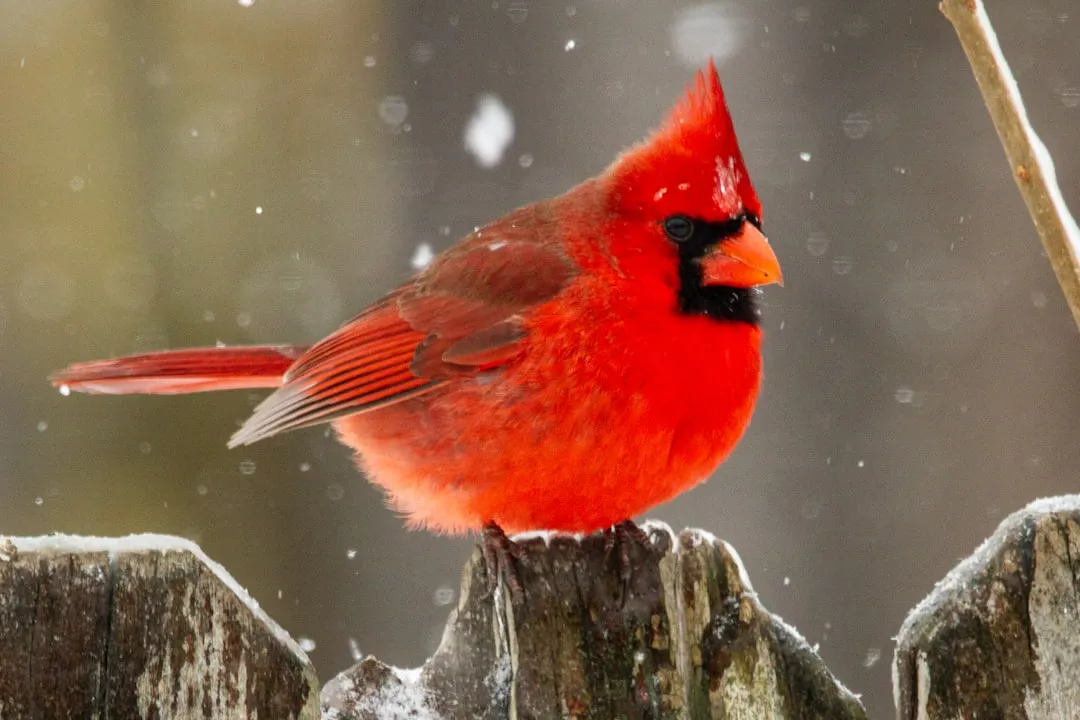
So how does a bird with a brain the size of a small nut pull this off? The key lies in specialized brain regions involved in spatial memory and learning, especially the avian equivalent of a hippocampus. While cardinals are not in the same extreme category as food-caching birds that hide thousands of seeds, their brains still show adaptations for remembering key locations, patterns, and daily routines that support survival.
Research across multiple songbird species has shown that individuals who rely heavily on spatial tasks tend to have relatively well-developed memory centers. In practical terms, this means a cardinal is not just reacting to the world moment by moment. It is constantly comparing what it sees to what it has stored – matching today’s sights and sounds with a backlog of remembered feeders, hiding spots, and escape routes. Your backyard is not just scenery for them; it is a living memory palace.
Seasonal Learning: From Winter Crisis To Summer Routine
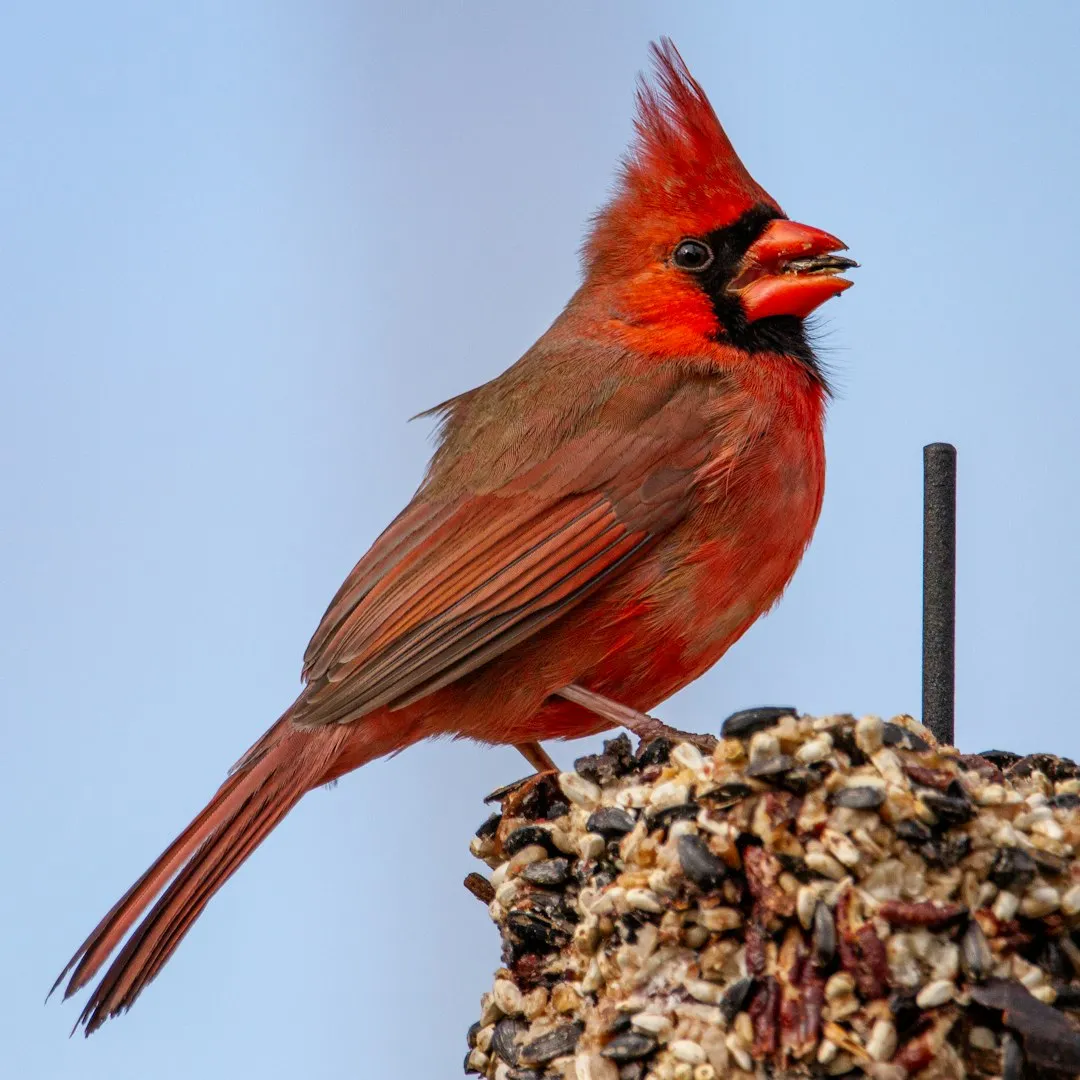
Winter forces cardinals to become extremely efficient learners. When snow covers natural food sources, they quickly test and rank feeding opportunities: which yards are reliable, which feeders are accessible, and where humans maintain a predictable pattern. Once a spot passes this test during the toughest months, it becomes part of a trusted “mental shortlist” that the birds can return to long after the ice has melted.
Interestingly, their reliance on memory does not simply vanish once spring arrives and insects, buds, and seeds become more plentiful. Instead, that winter experience blends into their year-round routine. A female cardinal feeding young, for example, can draw on remembered safe feeding stations to get quick, energy-dense food for herself while still keeping an eye on threats. What you considered a seasonal winter habit may become a stable part of their long-term strategy.
Why Your Feeder Setup Matters More Than You Think
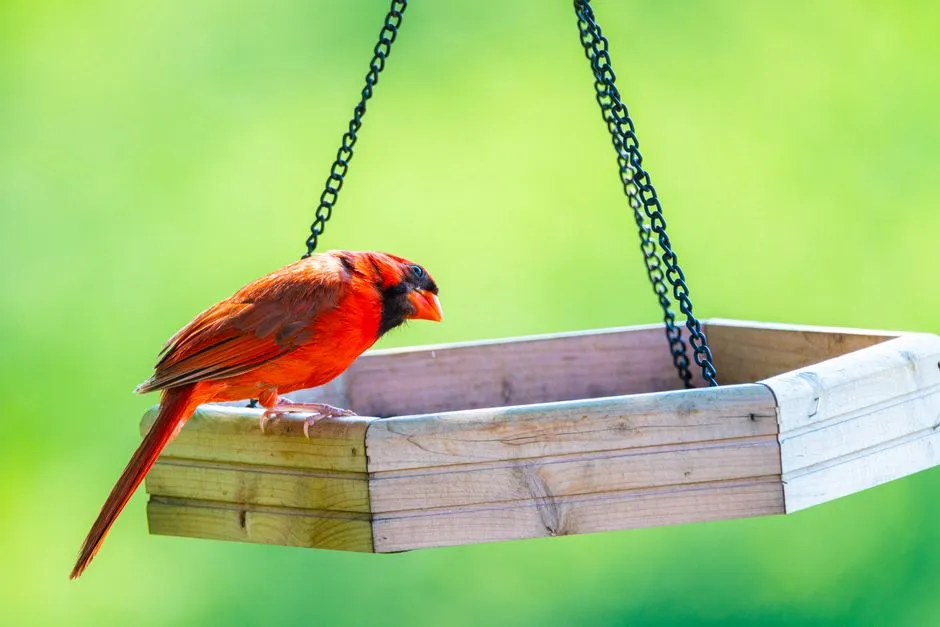
Because cardinals can remember safe feeding spots far beyond one winter, the way you design your feeder area can have surprisingly long-lasting effects. A feeder that is easy for them to spot but close to cover – like a bush or hedge – will be tagged in their memory as both rewarding and low risk. Over multiple seasons, that combination can turn your place into a cardinal hotspot, with the same individuals returning year after year.
On the flip side, a feeder placed in an exposed, noisy, or chaotic area may also be remembered, but not in a good way. If a bird has repeated negative experiences there – such as frequent predator fly-bys, sudden disturbances, or a feeder that is constantly empty – it can file that location under “not worth the risk.” Once that impression forms and gets repeated, cardinals may continue to avoid the area even after you improve the setup, simply because their earlier memories are so strong.
Habits, Personality, And The “Regulars” At Your Feeder
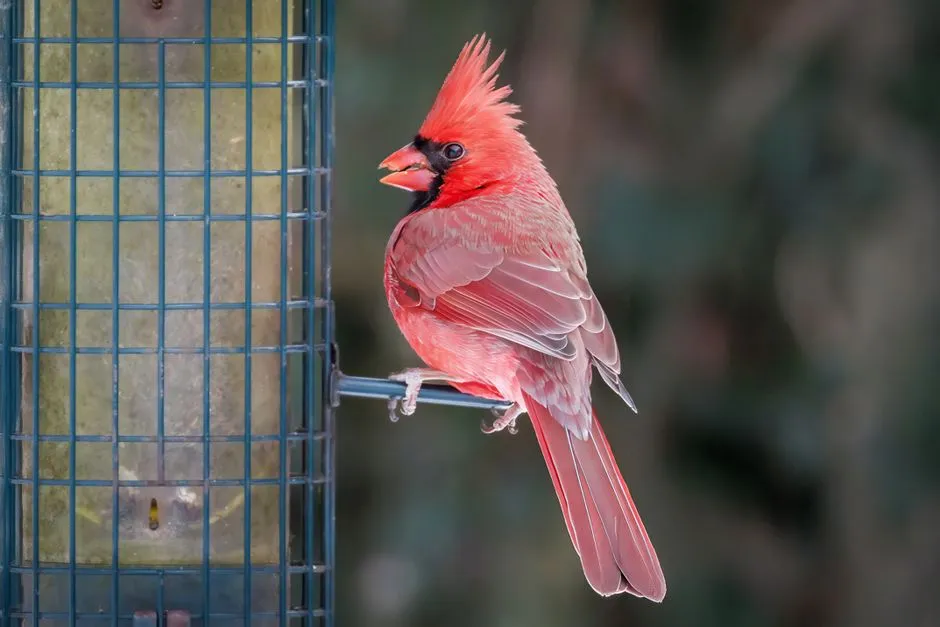
If you feel like you recognize certain cardinals by their behavior – the shy one that waits in the shrub, the bold one that dives right in – you’re not imagining it. Different individuals can show slightly different levels of boldness, curiosity, and flexibility, and these traits interact with memory. A more adventurous bird might sample new feeders quickly, while a more cautious one leans heavily on known, trusted locations, especially after a stressful winter.
Over time, these differences create a familiar cast of characters in your yard. Some cardinals become loyal regulars, essentially “locking in” your feeder as a core part of their mental map and daily routine. Others drift in and out, using your place as a backup or occasional bonus stop. Their ability to remember safe feeding spots makes these patterns stable enough that, from one year to the next, your yard can feel like a neighborhood with recurring visitors rather than a random parade of birds.
How To Become A Cardinal’s Favorite Long-Term Food Stop
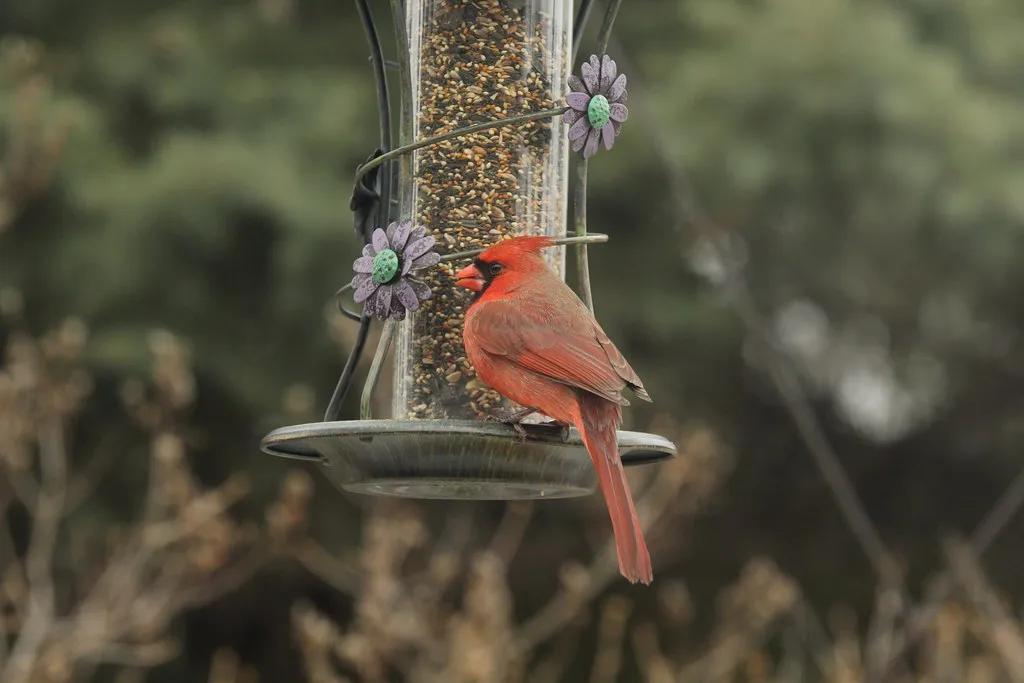
If you want to take advantage of cardinal memory rather than just admire it, consistency is your secret weapon. Keeping feeders stocked with foods they prefer – like sunflower seeds in particular – over multiple seasons teaches them that your place is reliably worth visiting. Pair that with a layout that offers some dense shrubs or trees within a quick hop of the feeder, and you’re essentially writing “safe and dependable” into their mental map.
Small habits on your part matter too. Refill on a reasonably regular schedule, avoid sudden loud activity right around the feeder, and keep the setup in more or less the same location over the years. To a human, that might seem unremarkable. To a cardinal, it is a pattern that can be stored, trusted, and returned to long after one particular winter has come and gone.
What Cardinal Memory Says About How We See “Ordinary” Wildlife
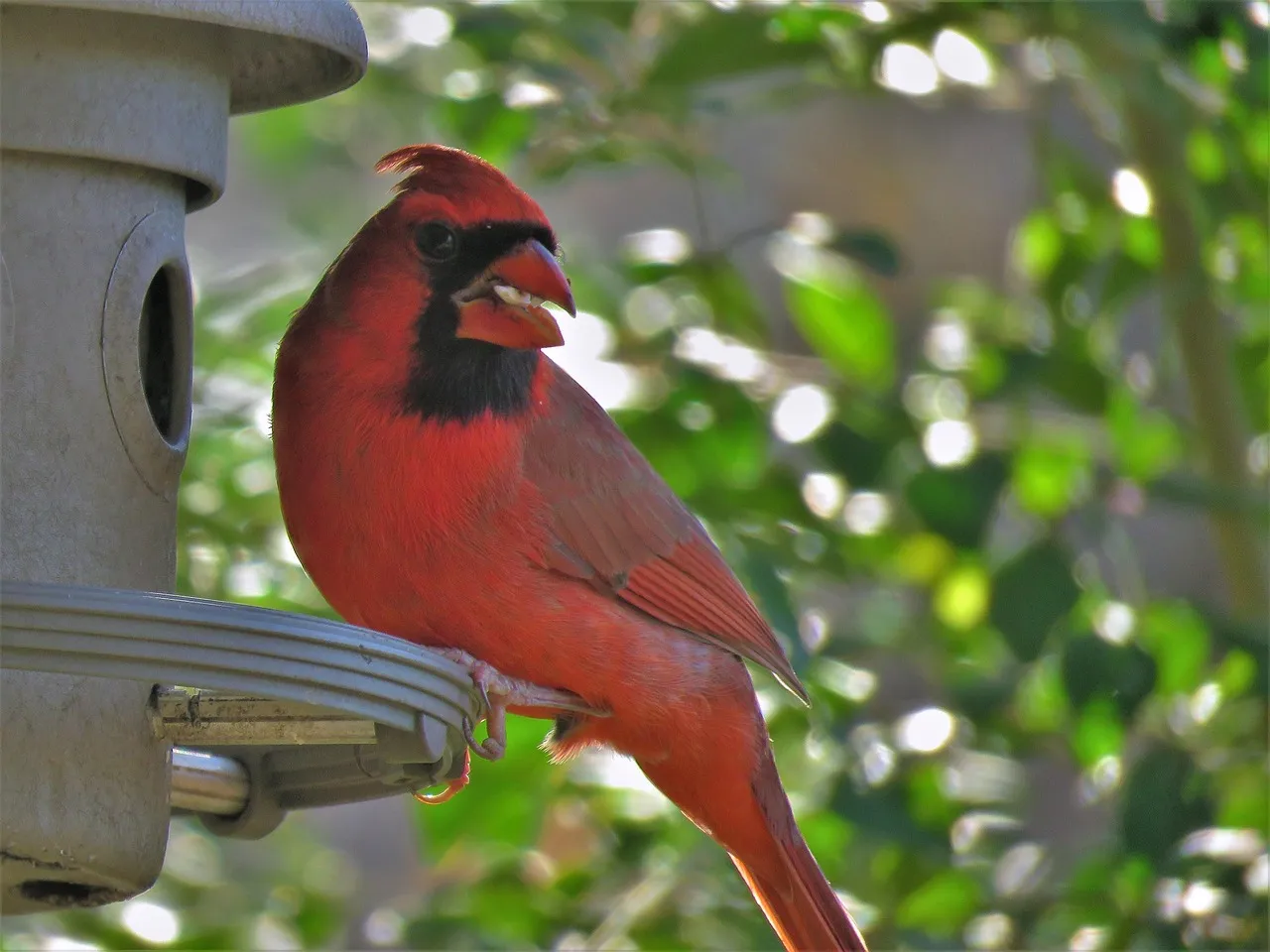
To me, the most interesting part of all this is how it challenges the way we think about so-called ordinary backyard animals. It is easy to assume that a small bird flitting in for a snack is acting purely on instinct, with no real memory or learning at play. But when science shows that cardinals can remember safe feeding spots from season to season, it pushes us to admit there is a lot more going on under those bright red feathers than we used to give them credit for.
In a way, it is a gentle reminder that our daily choices – where we place a feeder, how often we fill it, whether we provide cover or leave birds exposed – are not invisible to the animals around us. They notice, they learn, and they remember. That means we are not just casual observers of their lives; we are part of their mental landscape. And if we are going to be part of the story they carry from one winter to the next, we might as well make that story a good one.
Conclusion: Memory, Responsibility, And The Birds At Your Window
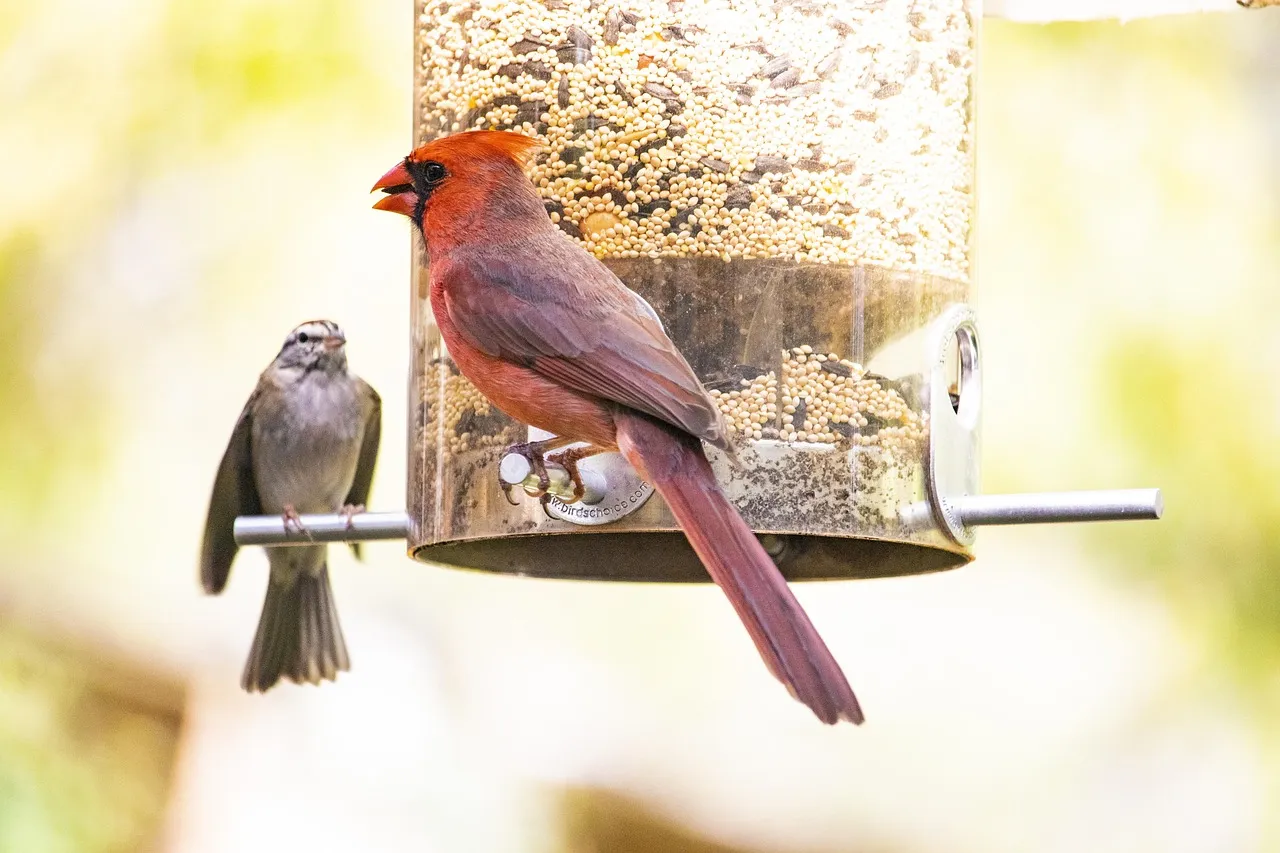
When animal science shows that cardinals can remember safe feeding spots long after winter ends, it is not just an interesting trivia fact to toss out at a party. It is a quiet argument that these birds have richer inner lives than we once assumed, with long-term memories and learned preferences that shape how they move through their world. Personally, I find it almost humbling to realize that a bird visiting my feeder today might be acting on an experience it stored away last year – or even the year before that.
There is an opinion tucked inside this, and I will not pretend to be neutral about it: once you know how much these animals remember, it becomes harder to treat your yard as just your own space. It is part of their remembered safety net, especially in the hardest months of the year. If we are serious about caring for wildlife, that should change how we design, feed, and even think about our little corners of the world. The next time a cardinal lands at your feeder, maybe ask yourself: how long has this bird been carrying you around in its memory already?
