
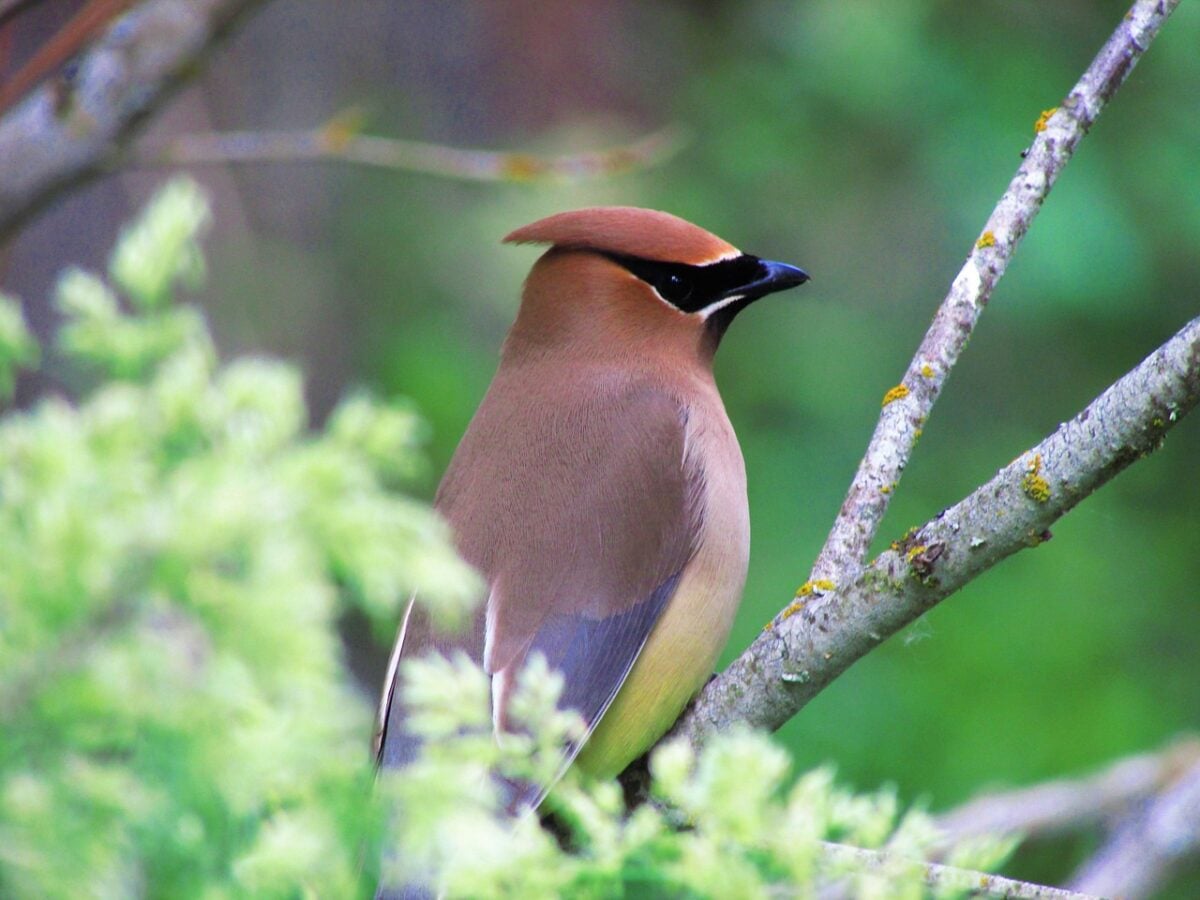
If you have ever watched a flock of cedar waxwings sharing berries like a tiny feathered assembly line, you know how weirdly mesmerizing it is. One bird plucks a berry, then passes it to the next, which passes it again, and sometimes again, before someone finally swallows it. It looks almost ceremonial, like they are toasting with fruit instead of glasses.
At first glance, it feels like pure bird drama: are they playing, flirting, or just indecisive? The truth is a lot more interesting. Scientists have some good ideas, but not every detail is nailed down yet, which leaves room for a mix of evidence and educated guesswork. Let’s dig into eight grounded, science-informed reasons cedar waxwings might be passing – and why it is one of the most fascinating rituals in the bird world.
1. Making the Most of a Short, Intense Feeding Frenzy
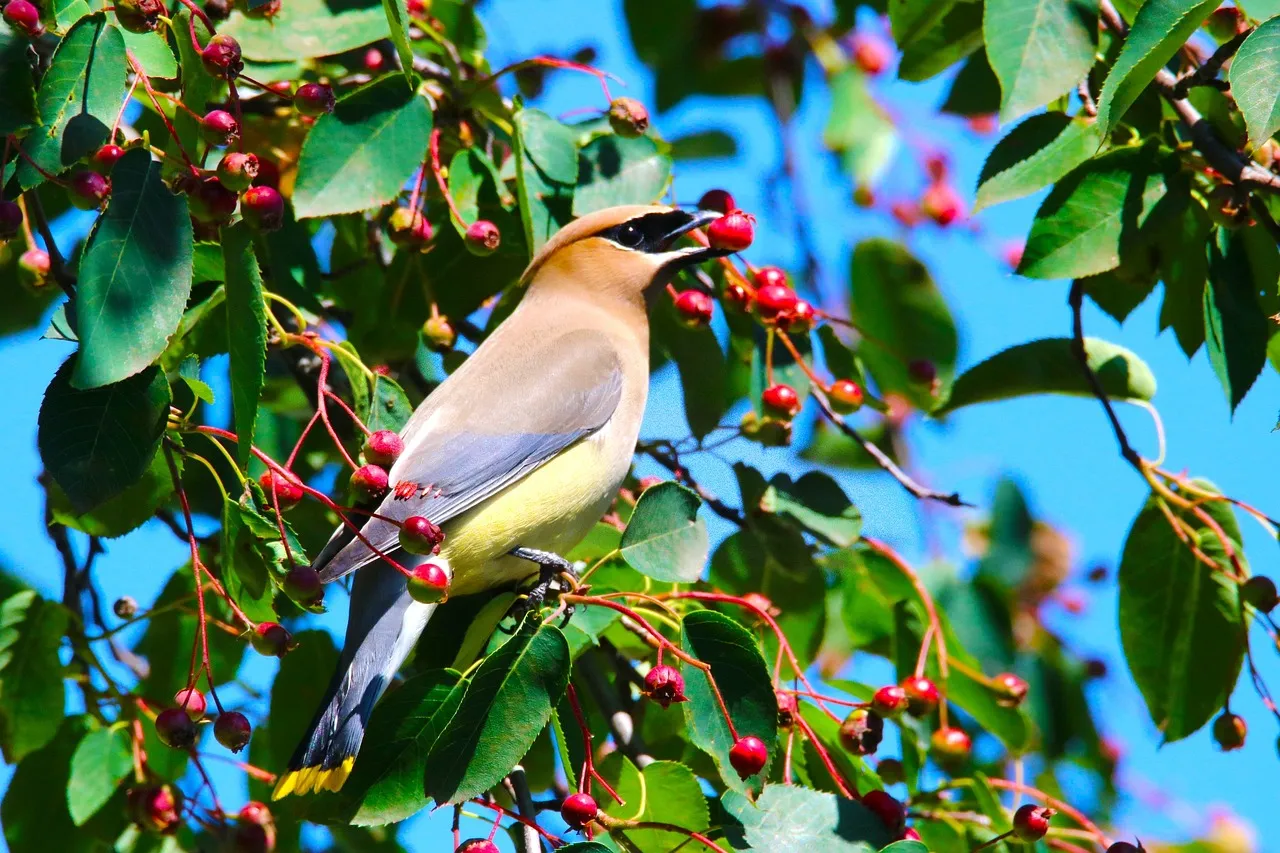
Here is the first surprising thing about cedar waxwings: they often feed like there is no tomorrow. When they hit a loaded berry tree, the entire flock may swarm it and strip it in what feels like minutes. In that kind of fast, frantic situation, pausing to slowly swallow every berry you pick can actually cost you food.
Passing berries from beak to beak could be a way to keep the flow going when branches are crowded. One bird grabs the berry from the branch, then passes it to a neighbor perched in a better spot to swallow or fly off with it. It is a bit like a busy kitchen line in a restaurant where one person grabs, another plates, and another serves – everyone specializes for speed when the rush hits.
2. Keeping Peace in a Tight, Social Flock
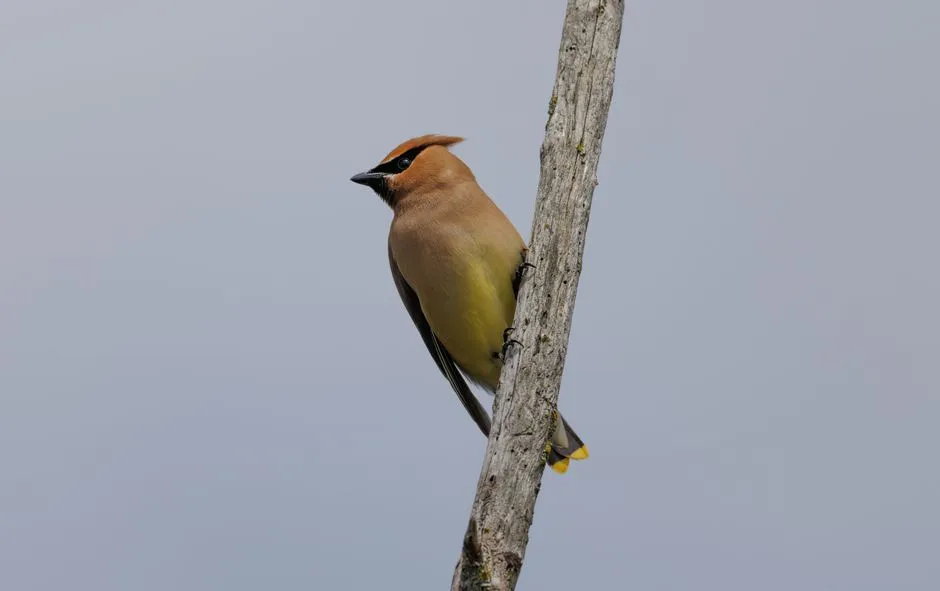
Cedar waxwings are unusually social songbirds. They travel, rest, and feed together in tight flocks, often shoulder to shoulder on branches. When you cram that many hungry birds into one fruit-laden tree, the potential for fights skyrockets. Yet waxwings are generally pretty peaceful around food compared to many species.
Sharing and passing berries may help keep the peace. When a bird passes a berry instead of defending it, that tiny “gift” can diffuse tension and reduce the urge to squabble. In social animals, even small cooperative acts can stabilize the group, and waxwings seem built more for harmony than brawling. By treating food as something that flows through the flock instead of something to hoard, they may be buying themselves calm in a crowded buffet.
3. Strengthening Pair Bonds and Social Relationships
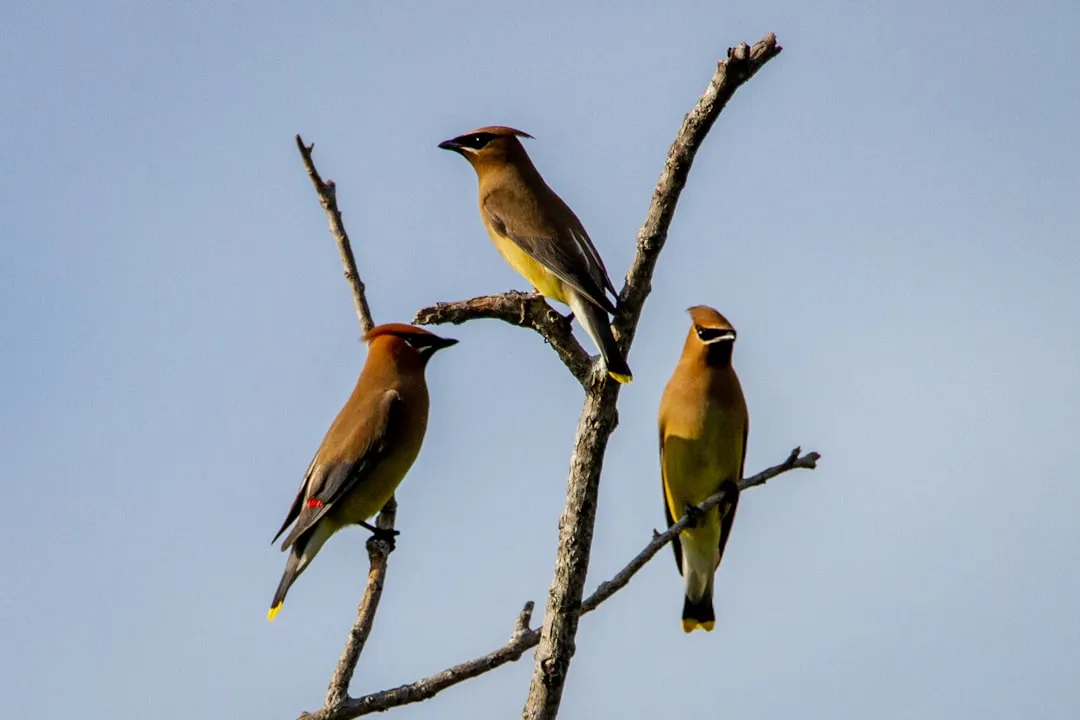
When you see two birds passing a berry back and forth several times before one eats it, it is hard not to think of it as courtship or affection. In many bird species, offering food is a classic bonding behavior, especially between mates or potential mates. Cedar waxwings are no exception: food sharing can be a kind of social glue.
Beak-to-beak berry passing may serve as a low-risk way to say “we’re on the same team.” If you think about relationships in your own life, there is a reason sharing food feels intimate – there is trust and a sense of connection built into the act. For waxwings, this kind of repeated, gentle exchange might help reinforce pair bonds or friendly alliances within the flock, especially during breeding season when cooperation really matters.
4. Showing Off Coordination and Health During Courtship
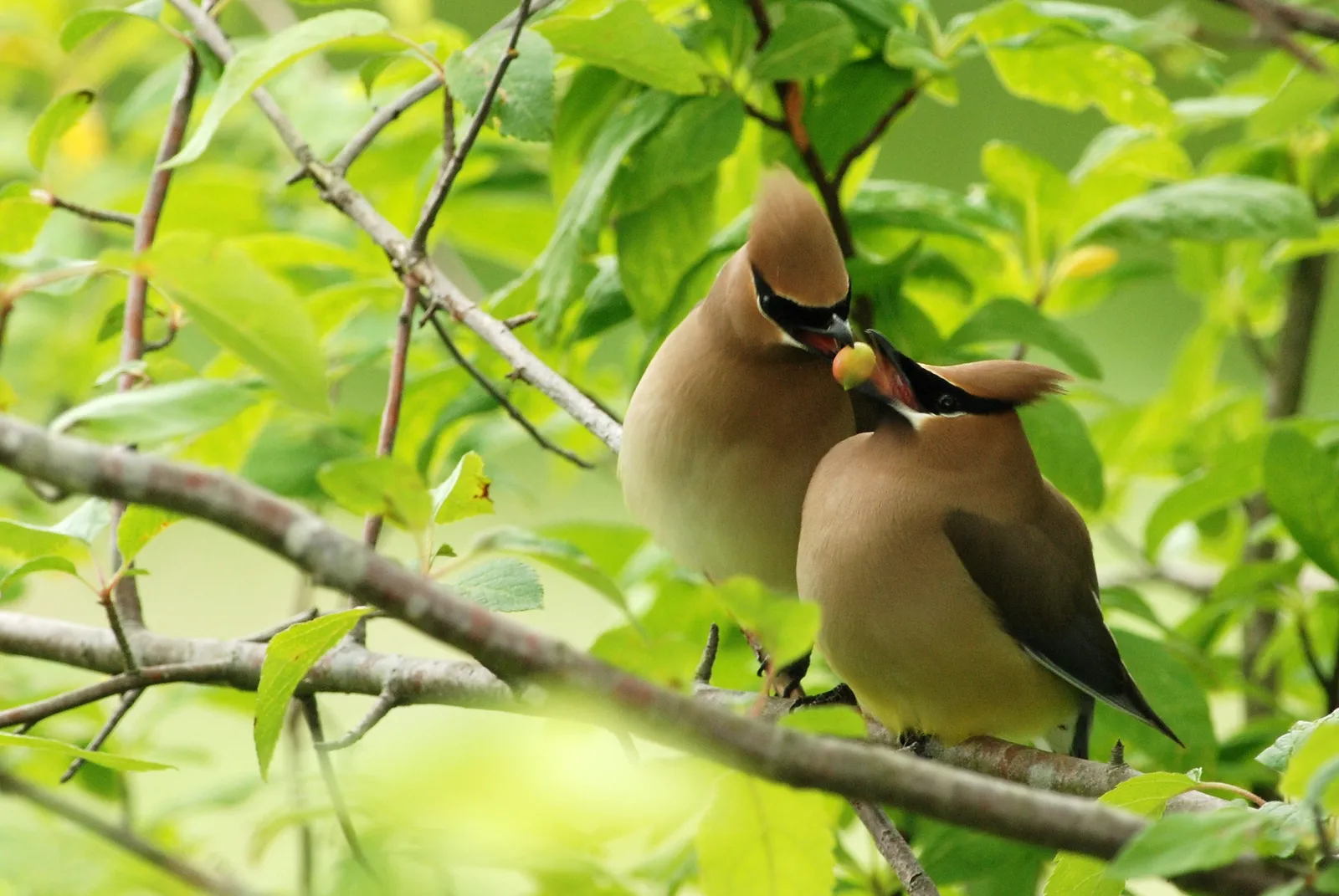
In animal courtship, subtle skills can become a kind of performance. A bird that can deftly handle a berry – picking it, holding it, passing it cleanly from beak to beak without dropping it – may be signaling good coordination, strong health, and even better genetics. It is like a tiny talent show happening on a branch.
When a male and female exchange berries repeatedly, they are not just moving food around. They may be testing and demonstrating responsiveness to each other: can you catch what I pass, can you hold steady, are you paying attention to me? There is a quiet elegance to that kind of back-and-forth, and in evolutionary terms, any display that hints at good reflexes and strong condition can give a bird an edge in attracting a mate.
5. Reducing the Risk of Dropping or Wasting Food
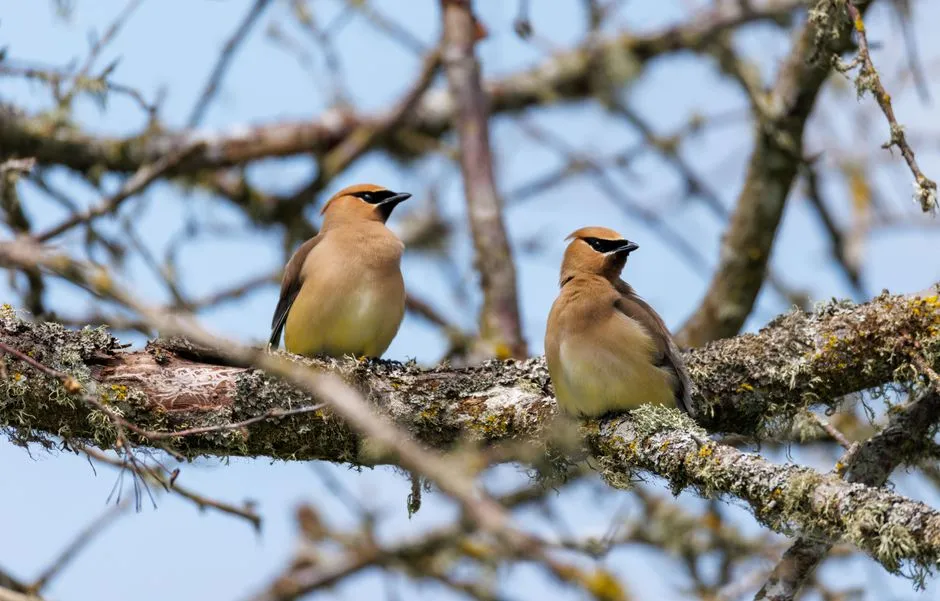
Berries are slippery little things, and a small bird trying to twist, turn, and swallow while balancing on a thin branch is basically one awkward move away from dropping its meal. In a competitive flock, lost fruit is rarely recovered; another bird grabs it, or it disappears into the brush below. For a waxwing, that is wasted time and energy.
Passing a berry to a neighbor in a better position might be a practical way to prevent that waste. Imagine you are jammed against a branch with poor footing but your flockmate has a perfect, stable perch just a few centimeters away. Handing the berry off is simply efficient. It is not that waxwings have sat down and planned this like a human committee – it is more that any behavior which saves food over thousands of feeding events is likely to stick around in the species.
6. Helping Young or Inexperienced Birds Handle Large Berries
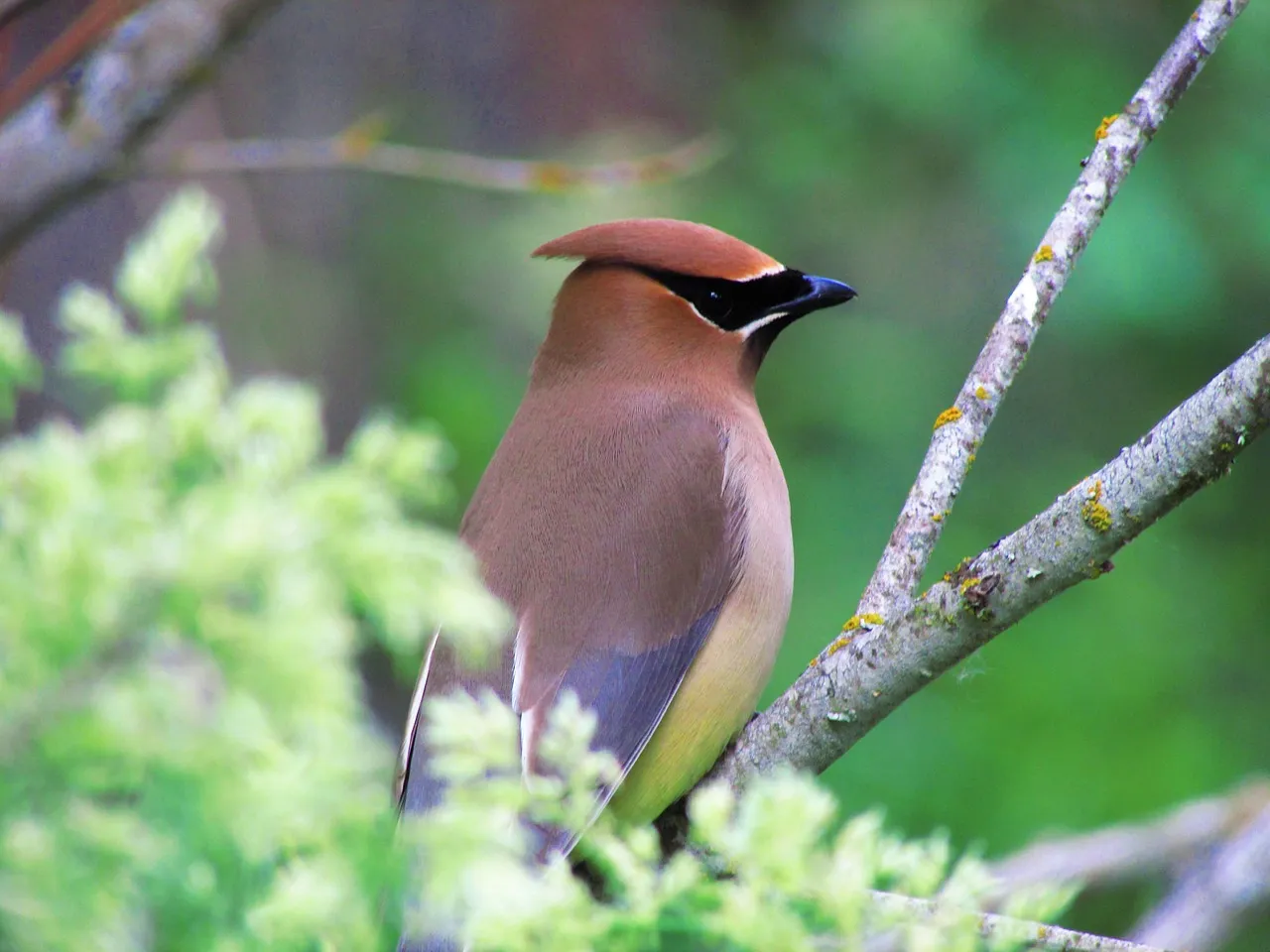
Not every bird in a flock is equally skilled at handling food. Juvenile waxwings, or birds that are new to a certain type of fruit, might struggle with large or oddly shaped berries. A clumsy youngster trying to choke down a big berry could easily drop it or even risk choking or gut trouble if it swallows something too big or unripe.
Adults passing berries around may sometimes be, in effect, “editing” them for safer consumption. Larger birds, or more experienced ones, can test the berry, reposition it, or even crush it slightly before another bird swallows it. It is a bit like a parent cutting up a child’s food – there is no instruction manual laid out, but the net effect is that vulnerable individuals can eat more safely and successfully.
7. Navigating the Perils of Fermented Fruit and Overeating
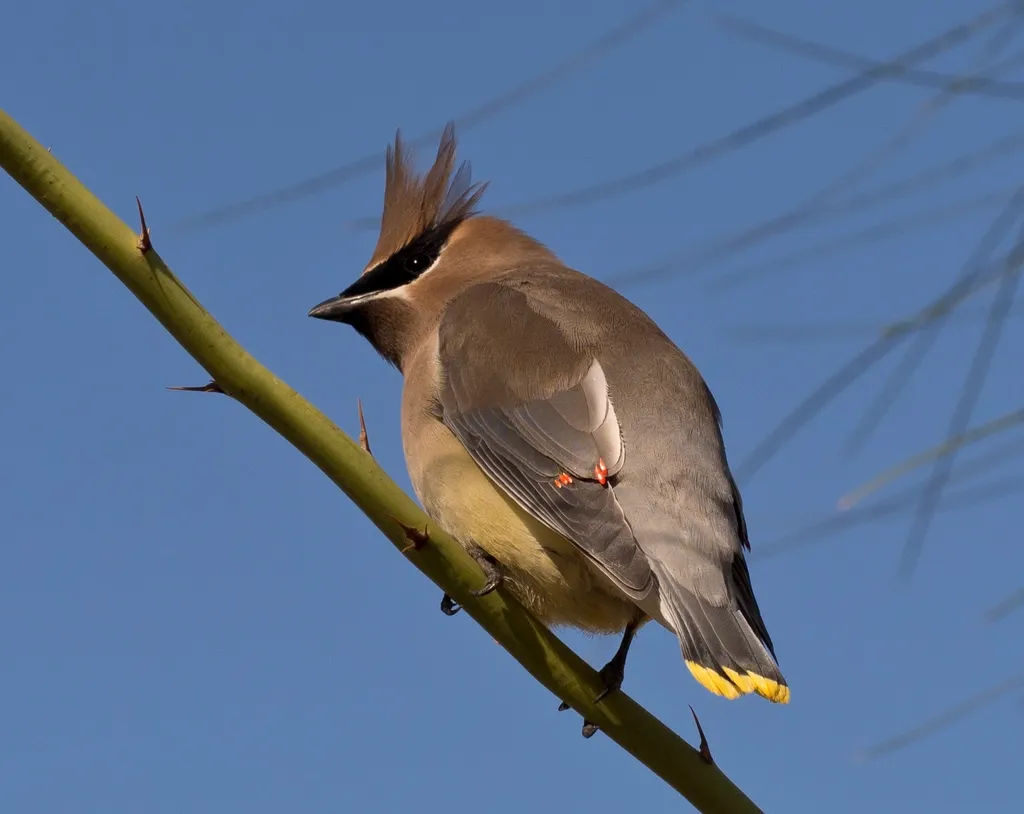
Cedar waxwings live on fruit so heavily that they sometimes run into a weird problem: fermented berries. When fruit has started to ferment, it can contain alcohol, and birds that gulp these down quickly and in large numbers can end up literally intoxicated. That can lead to poor flight, collisions, and other dangers. It is not a constant crisis, but it is a known risk for fruit-obsessed birds.
While we cannot yet say this with absolute certainty, sharing and passing berries might help spread out the intake across flock members and slightly slow down individual overindulgence. Instead of one bird stuffing itself with every berry it grabs, some of that fruit may flow through the group. It is not a deliberate harm-reduction strategy in a human sense, but natural selection tends to favor behaviors that avoid really bad outcomes, and a culture of sharing can keep any single bird from taking the full hit when a tree’s fruit is a bit too “ripe.”
8. Fine-Tuning Which Berries Get Eaten (and Which Get Rejected)
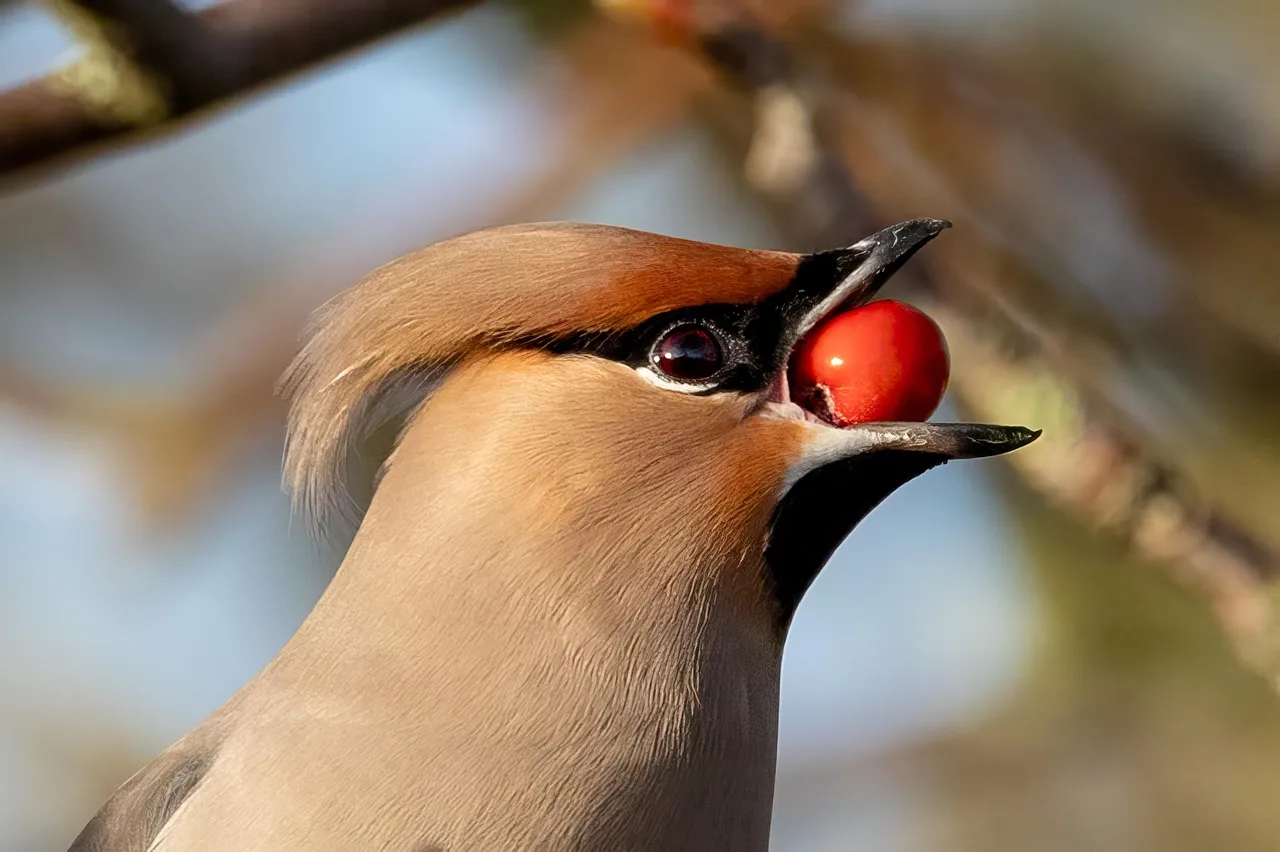
Not all berries on a tree are equal. Some are perfectly ripe, some are underripe, some are overripe, and some may be damaged or infected. Birds are surprisingly good at judging fruit quality, but they do not always get it right on the first grab. Passing berries between beaks may give multiple birds a chance to assess size, texture, and ripeness before one finally commits to swallowing.
This kind of group-level “tasting” might sound over-the-top, but even a small improvement in fruit selection adds up across a lifetime. Better quality berries mean more energy, better health, and fewer digestive issues. I like to think of it as the avian version of friends passing around a single piece of strange fruit at a farmers’ market before anyone decides to buy it; except for waxwings, the currency is survival and the tasting happens in seconds.
Conclusion: A Ritual That Blurs the Line Between Survival and Social Life
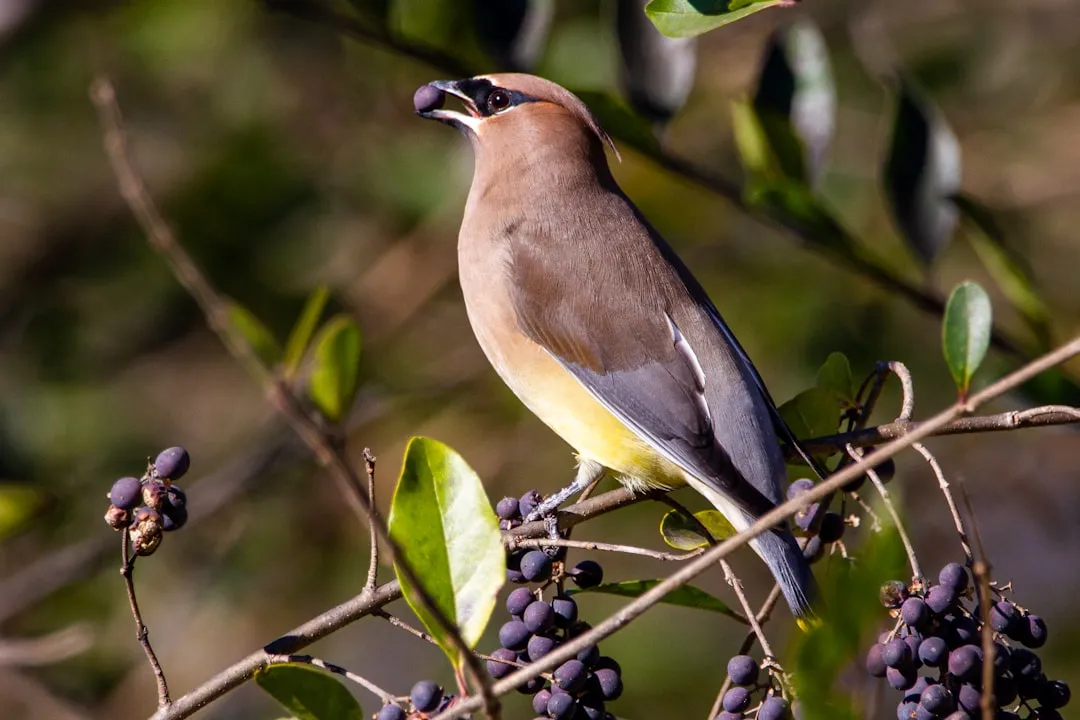
When you put all of these pieces together – speed, safety, social bonding, courtship, and quality control – the berry-passing behavior of cedar waxwings stops looking like a random quirk and starts to feel like a multi-purpose ritual. It is practical and emotional at the same time, a behavior that feeds their bodies and knits their social fabric. In my view, that is what makes it so compelling: you are watching survival and relationship-building happen in the very same motion.
We may never have a perfectly tidy single explanation, and honestly, I do not think we need one. Nature is often messy and layered, and this strange little berry relay is a perfect example of that beautiful complexity perched right in front of us. The next time you see waxwings passing a berry down the line, will you see just birds eating, or will you catch a glimpse of the quiet social negotiations and evolutionary stories hidden in that simple act?

- 8 Reasons Cedar Waxwings Pass Berries From Beak to Beak - July 26, 2026
- 8 Backyard Trees That Owls Prefer After Sunset - July 26, 2026
- 9 Things Chickadees Remember About Reliable Backyard Feeders - July 26, 2026