
Stand in a healthy tallgrass prairie at dawn and it feels almost unreal: birds calling from every direction, insects buzzing in layers of sound, small mammals rustling through grasses taller than your shoulders. Less than a handful of centuries ago, this was the dominant scene across huge swaths of North America. Today, only tiny fragments remain, but a quiet revolution is underway as scientists, landowners, tribes, and volunteers work to bring the prairie – and its animals – back.
Prairie restoration is not just about planting pretty wildflowers. It is about rebuilding a living machine that evolved over thousands of years, with animals and plants tightly interwoven. When we restore that machine thoughtfully, species that have disappeared from landscapes for decades start to show up again – sometimes faster than anyone expects. Here are eight powerful ways prairie restoration is helping native animals return, survive, and thrive.
Rebuilding Native Plant Diversity That Wildlife Depends On
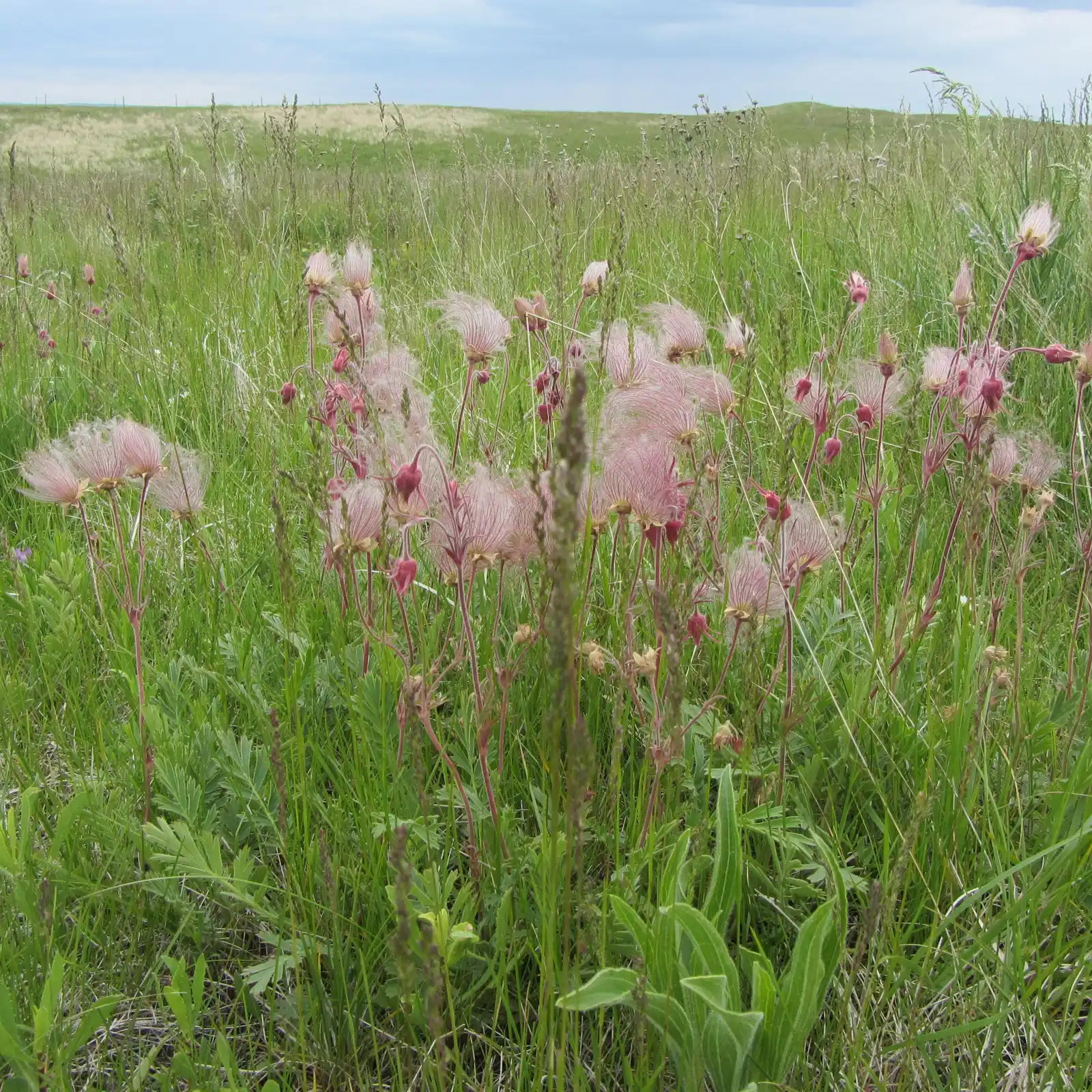
One of the most surprising things people learn about prairies is that what looks like a simple sea of grass is actually one of the most botanically diverse ecosystems on the continent. Restoration begins by reintroducing a broad mix of native grasses and wildflowers instead of just a couple of dominant species. This diversity matters because different animals rely on different plants for food, shelter, nesting material, and camouflage.
Pollinators like native bees and butterflies often specialize on particular flowers, while birds such as meadowlarks, grasshopper sparrows, and bobolinks need dense ground cover at certain times and more open structure at others. When restoration projects skimp on plant diversity, you end up with a green carpet that looks fine from a distance but offers very little for wildlife. When they get the plant palette right, you start seeing an explosion of insect life first, followed by birds, reptiles, and mammals that feed on that abundant buffet.
Letting Fire Return As A Natural Habitat Designer
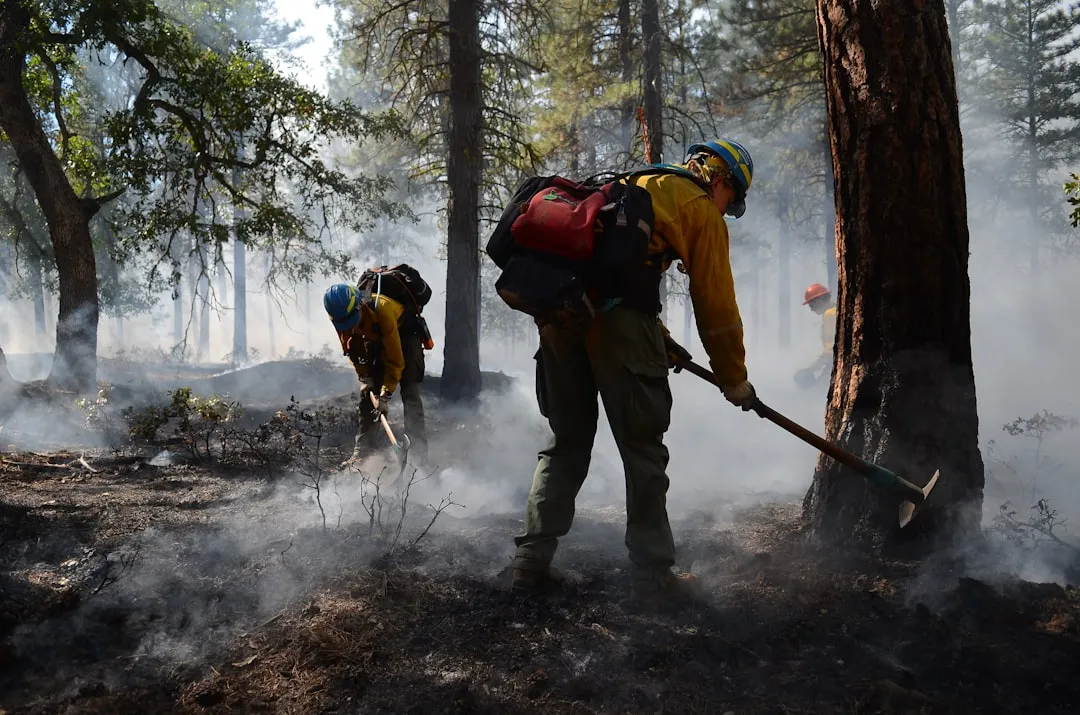
To many people, fire still feels scary and destructive, but on the prairie it is closer to a reset button that keeps the whole system alive. Historically, lightning and Indigenous burning practices regularly swept across grasslands, preventing trees from taking over and recycling nutrients into the soil. Modern restoration uses carefully planned prescribed burns to mimic this natural rhythm, and native animals have evolved to respond to that cycle.
After a burn, the first thing that returns is fresh, nutrient-rich green growth that draws in grazers and seed-eaters. Ground-nesting birds often take advantage of the more open structure in recently burned patches, while other species prefer the thicker cover of areas that have not burned for a few years. In other words, fire creates a patchwork of conditions that supports far more kinds of animals than a uniform, unburned field ever could. When fire comes back, so does the complex mosaic that wildlife needs.
Restoring Natural Grazing Patterns With Bison And Cattle
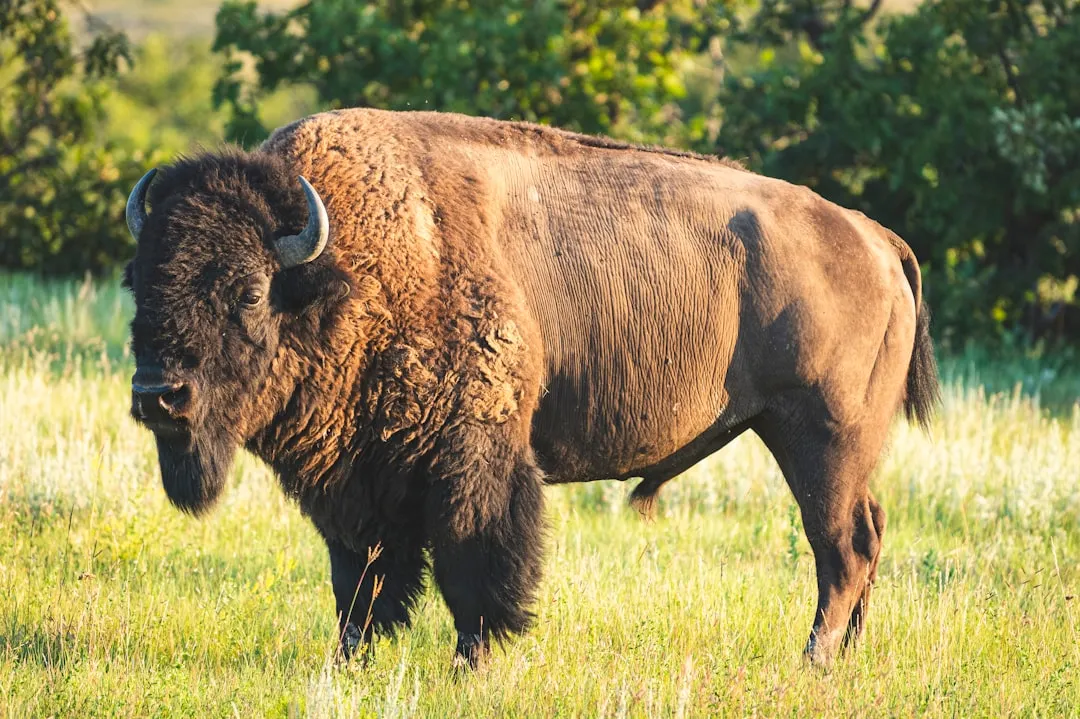
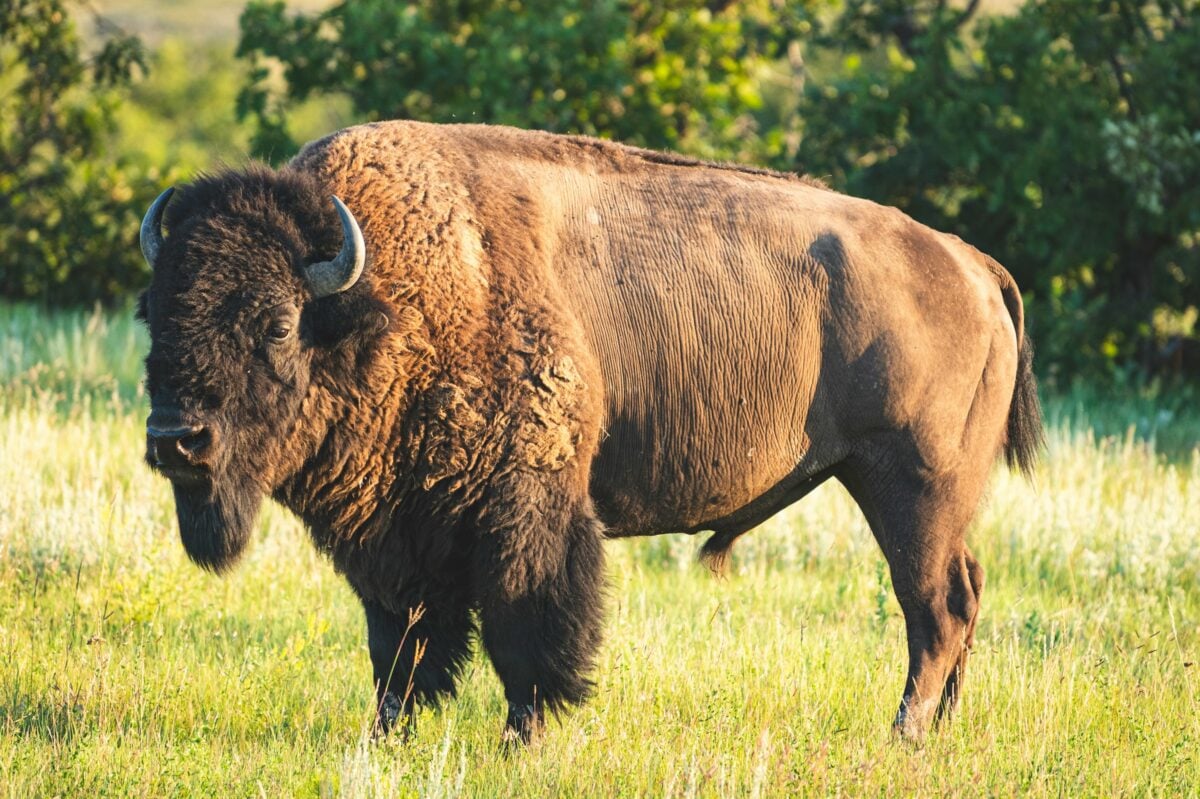
Before European settlement, massive herds of bison moved across the prairies in dynamic, shifting patterns, grazing some areas hard and leaving others lightly touched. Their hooves, dung, and constant movement shaped everything from plant composition to nesting sites for birds. Many restoration projects are now using bison again where possible, or managing cattle to behave more like bison, and the results for wildlife can be striking.
Heavy grazing in one patch can create short, lawn-like areas that are perfect for species that need open sightlines, such as pronghorn or certain ground-nesting birds. Nearby, lightly grazed or ungrazed patches provide taller cover for species that need concealment and nesting structure. Even the dung and disturbed soil become microhabitats for beetles, spiders, and ground-dwelling insects. By mimicking natural grazing, restoration reintroduces the kind of shifting, varied landscape that many native animals evolved to use.
Removing Invasive Species That Choke Out Habitat
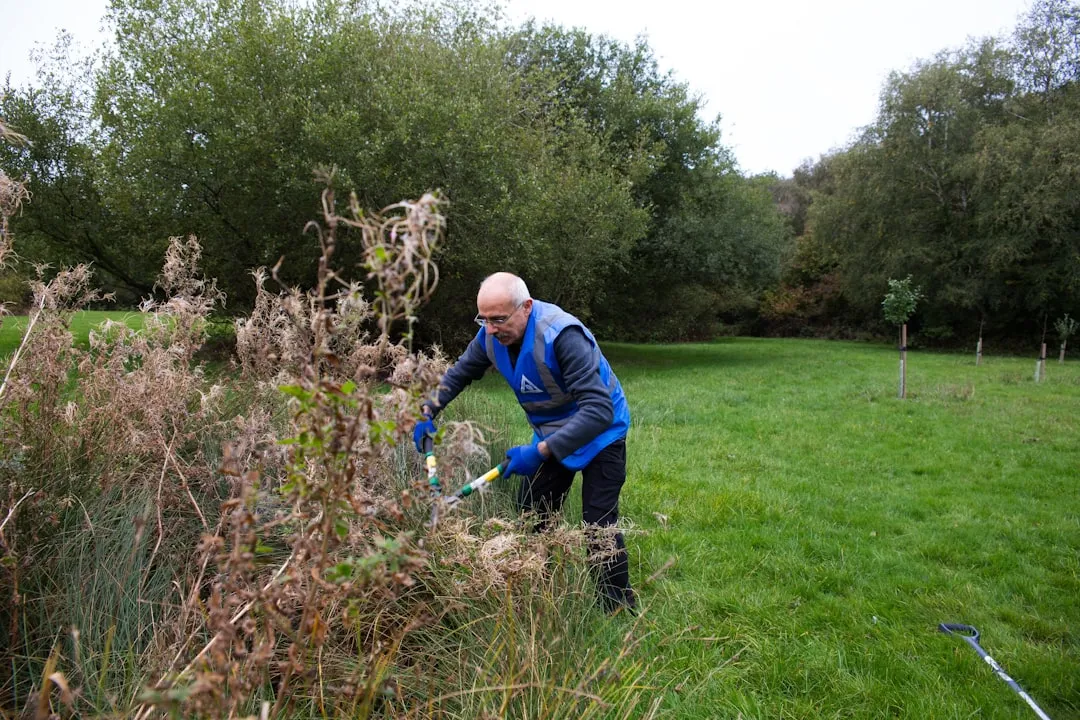
Ask anyone who works in prairie restoration what eats up most of their time, and you will probably hear a frustrated rant about invasive plants. Species like smooth brome, reed canary grass, sericea lespedeza, and various thistles can form dense monocultures that crowd out native plants. To the untrained eye, it may still look green and healthy, but to wildlife it is more like a food desert and a structural dead zone.
Systematic removal of invasive species – whether through targeted herbicide use, grazing, fire, mowing, hand-pulling, or a thoughtful combination – is often the turning point for animal recovery. As natives reclaim space, you start seeing more specialist insects, which then attract insect-eating birds, bats, and small mammals. Predators such as foxes, coyotes, and raptors follow the growing prey base. Removing invasives may not be glamorous work, but it is one of the clearest, direct levers we have to bring native animals back into a landscape.
Reconnecting Fragmented Habitats Into Wildlife Corridors
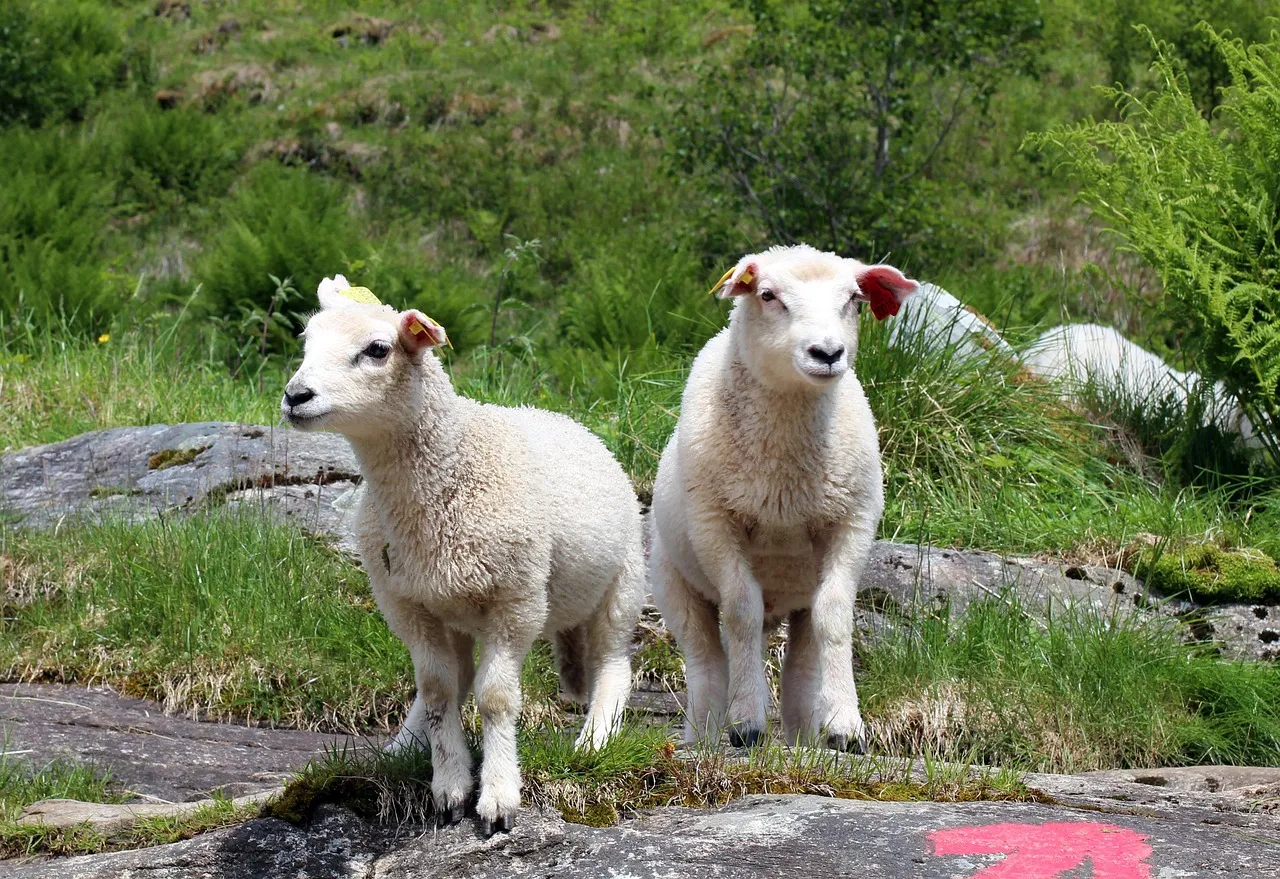
One of the biggest invisible threats to prairie wildlife is fragmentation – the way housing, roads, fences, and fields chop the land into isolated islands. An isolated remnant of grassland might still look intact, but small populations of animals trapped there can slowly decline as they lose genetic diversity and access to seasonal resources. Prairie restoration efforts are increasingly focused on stitching these fragments back together into larger, connected networks.
By restoring strips of prairie along rivers, fence lines, road margins, and former cropland, conservation groups and landowners are effectively building wildlife corridors. These are the equivalent of safe highways that allow animals to move in search of food, mates, and new territories. Grassland birds that once seemed stuck in tiny preserves can start colonizing new restored patches, and wide-roaming mammals like coyotes and badgers find safer routes across human-dominated landscapes. Over time, this connectivity boosts resilience, allowing animal populations to recover from droughts, storms, and disease outbreaks.
Rewetting Prairie Wetlands And Seasonal Potholes
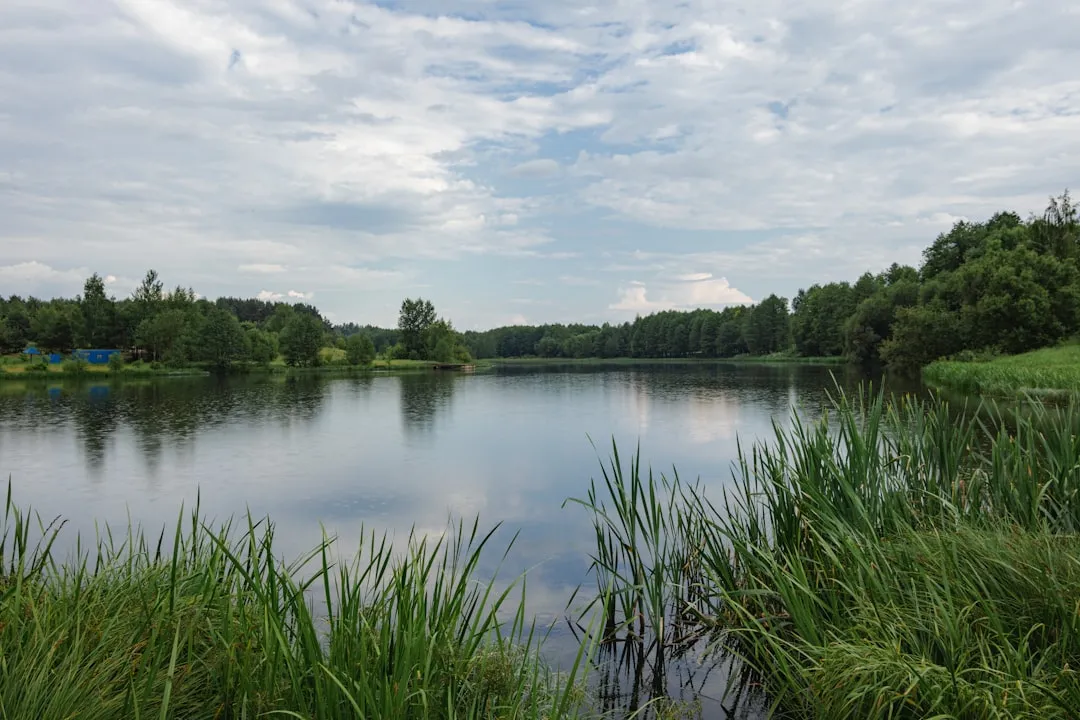
Many people think of prairie as endlessly dry grassland, but historically it was interlaced with shallow wetlands, ephemeral ponds, and seasonally flooded depressions. Decades of drainage for agriculture and development turned countless of these into crop fields or dry basins. When restoration projects plug old drainage tiles, break field ditches, or allow water to pool again in low spots, animal life often returns with stunning speed.
Rewetted prairie potholes become nurseries for amphibians, drinking sites for mammals, and rich feeding grounds for shorebirds and waterfowl. Dragonflies, damselflies, and aquatic insects show up quickly, followed by birds that depend on them as food. Even species that do not live in water benefit because these wetlands raise the overall humidity, support lush vegetation around their edges, and offer safe stopover sites for migrating animals. Bringing water back to prairie landscapes is like flipping on a second, hidden layer of biodiversity that had been turned off for generations.
Creating Safe Nesting And Overwintering Microhabitats
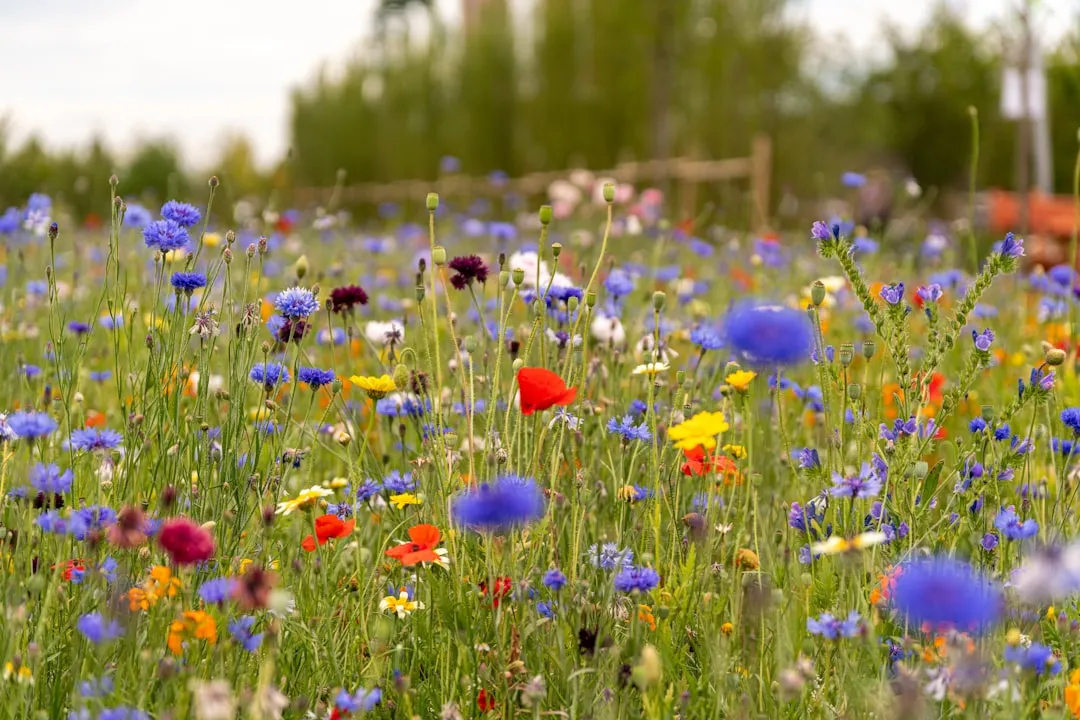
For animals, habitat is not just a general backdrop; it is a collection of very specific microhabitats they need at precise times: a clump of thatch to hide a nest, a south-facing slope with bare soil for a bee burrow, a dense grass tuft to ride out a blizzard. Thoughtful prairie restoration pays attention to these fine-scale needs instead of treating the site as a flat, uniform canvas. Land managers may leave standing dead stems for cavity-nesting bees, maintain brush piles at edges, or adjust mowing schedules to avoid peak nesting seasons.
These details can mean the difference between a landscape that looks wild and one that truly supports wildlife. For instance, many native bees overwinter inside hollow stems or in the top layer of soil; heavy fall cleanup or deep tilling can silently wipe out the next generation. By building in features like undisturbed refuges, varied vegetation height, and edge transitions, restoration creates a richer three-dimensional world. Animals respond quickly to this complexity because it offers both safety from predators and shelter from weather extremes.
Partnering With Indigenous Knowledge And Local Communities
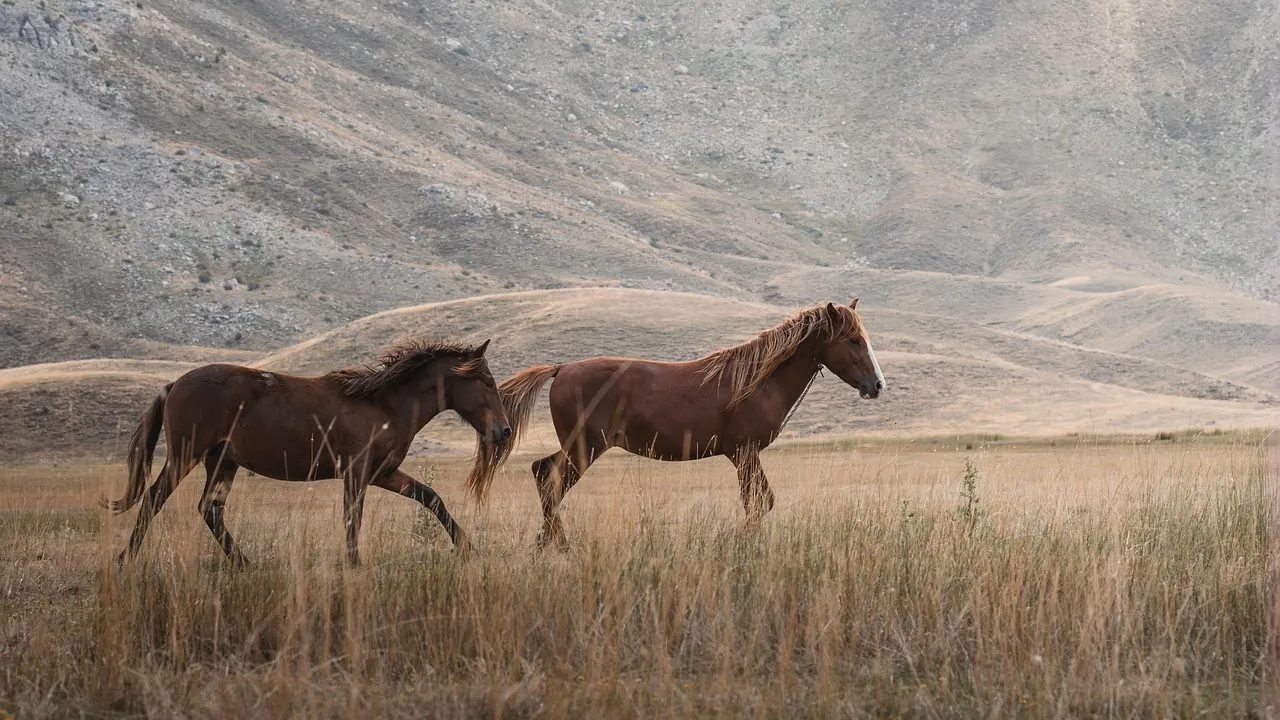
Prairie restoration is not just a technical exercise; it is also a cultural and social project. Indigenous nations across North America have millennia of lived experience managing grasslands with fire, bison, and careful harvesting. Where restoration efforts actively partner with Indigenous land stewards, the work often becomes more nuanced, place-specific, and grounded in long-term thinking rather than short funding cycles. That depth of perspective tends to benefit wildlife because it respects the full, seasonal rhythm of the land.
Likewise, involving local ranchers, farmers, hunters, and community volunteers turns restoration into something more durable than a one-off project. When people see more meadowlarks singing on their fence posts or more monarch butterflies drifting through their fields, they feel a personal stake in the outcome. Over time, this shared ownership can shift how entire regions manage their land, leading to bigger, better-connected prairie patches that support everything from grassland songbirds to pollinators and predators. Animals come back most strongly where human communities decide, together, that prairie life is worth making room for.
Using Science, Monitoring, And Adaptive Management To Stay On Track
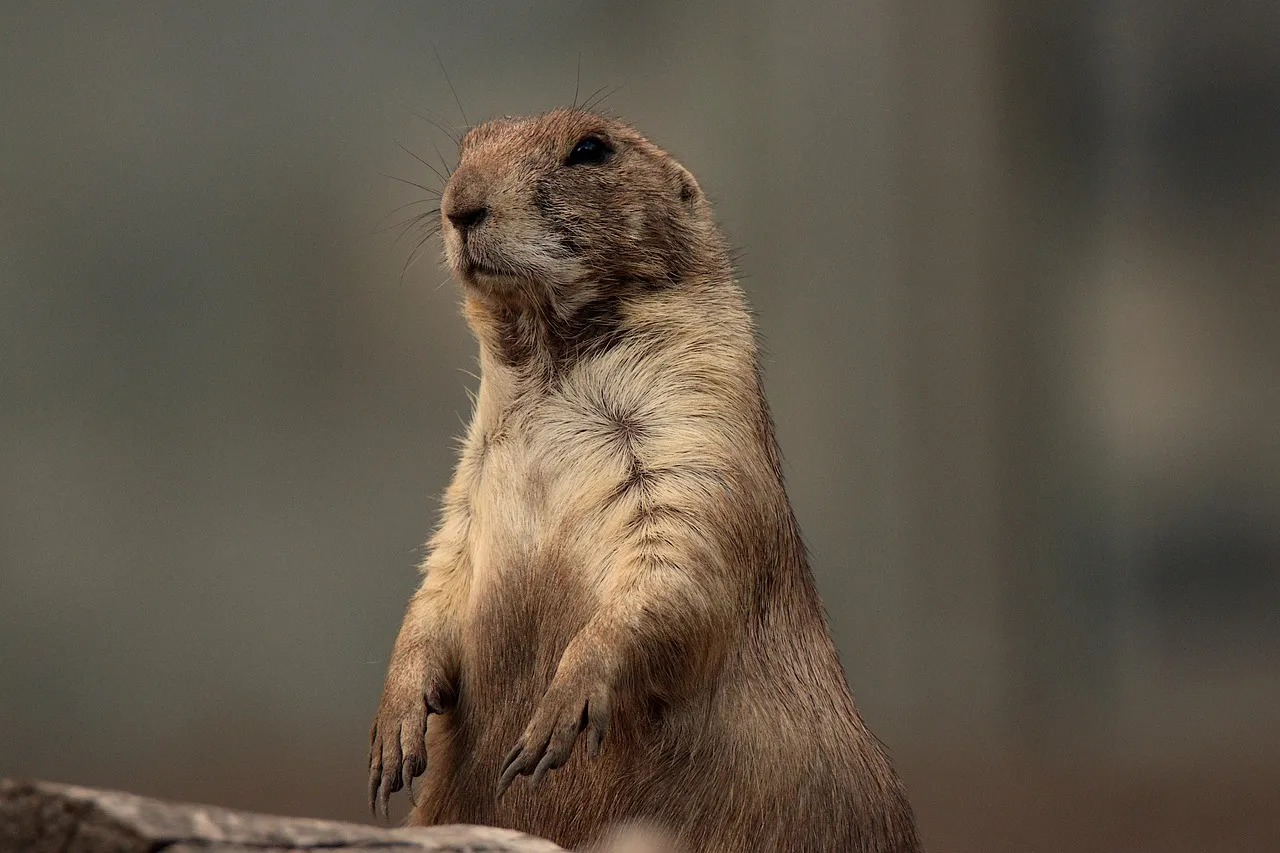
One of the quiet superpowers behind successful prairie restoration is the willingness to measure, learn, and adjust. Ecologists and land managers are constantly tracking bird counts, insect diversity, vegetation changes, and soil health. When they notice, for example, that certain ground-nesting birds are declining despite overall plant recovery, they can tweak burn timing, grazing intensity, or invasive control methods. This cycle of observation and adjustment is what keeps restoration from becoming a one-size-fits-all recipe.
From acoustic recorders that capture nighttime insect and bat activity to community science bird surveys, data is revealing what truly works for native animals and what sounded good on paper but falls flat in reality. In my own experience visiting restored prairies, the most successful sites are run by people who are not defensive about changing course. They take it almost personally when a species disappears and use that discomfort to refine their approach. That humility paired with curiosity is a big reason so many native animals are finding their way back into landscapes that once seemed lost.
Conclusion: Prairie Restoration Is A Second Chance – If We Take It Seriously
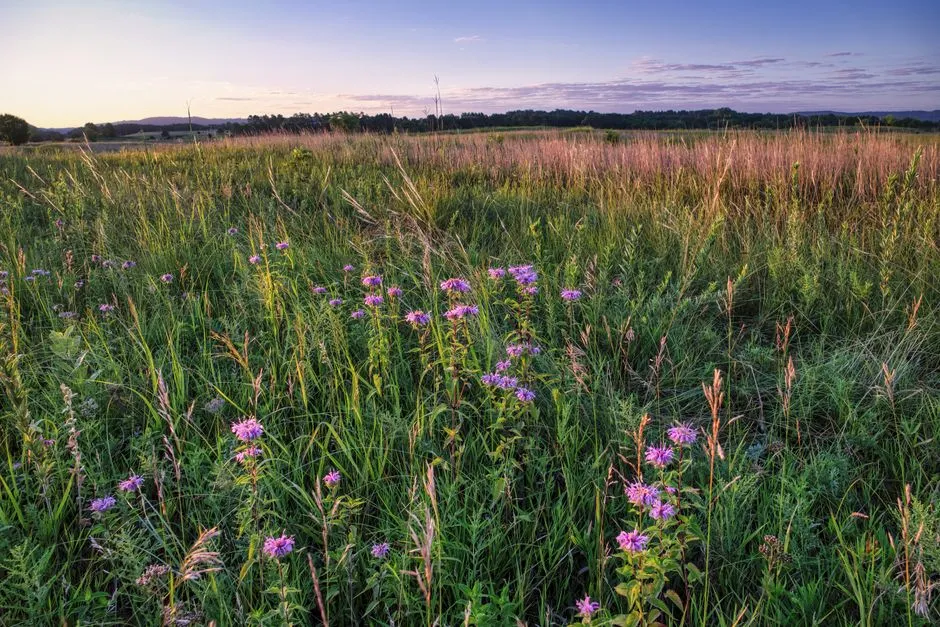
Prairie restoration is often framed as a nostalgic act, as if we are trying to recreate a museum exhibit of some lost frontier. In truth, it is far more radical and forward-looking: we are rebuilding functional, living systems that can help stabilize climate, hold water on the land, support pollinators, and give native animals room to exist alongside us. The return of grassland birds, bison, butterflies, and amphibians is not an accidental side benefit; it is a sign that the underlying processes are starting to work again.
At the same time, we should be honest: scattering a few seed mixes along a roadside and calling it done will not be enough. Serious prairie restoration takes patience, money, humility, and a willingness to cede some control back to fire, grazers, and the messy logic of ecology. In my view, that trade is worth it, because every restored acre is a small act of defiance against the idea that biodiversity loss is inevitable. The real question is whether we will scale this work up fast enough for the animals that still depend on grasslands. If you look out over a patch of waving native grasses today, what kind of prairie – and what chorus of wild voices – do you hope someone will stand in fifty years from now?

- The Zodiac Signs Rabbits Learn to Trust the Fastest - July 27, 2026
- 8 Ways Prairie Restoration Is Bringing Native Animals Back - July 27, 2026
- 7 Reasons Black Bears Are Returning to Missouri - July 27, 2026