
If you grew up hearing mostly doom-and-gloom stories about vanishing animals, it can be genuinely shocking to realize that some of America’s wild icons are not just surviving, but thriving again. These are not fairy tales or feel‑good PR campaigns; they’re real, measurable, and sometimes messy conservation victories.
They also complicate the usual narrative. Yes, wildlife is under pressure like never before, but these comebacks show something important: when people change laws, habits, and priorities, nature can roar back faster than most of us expect. The question is not “can conservation work?” anymore – it’s “do we choose to make it work more often?”
Bald eagles: from poisoned symbol to everyday neighbor
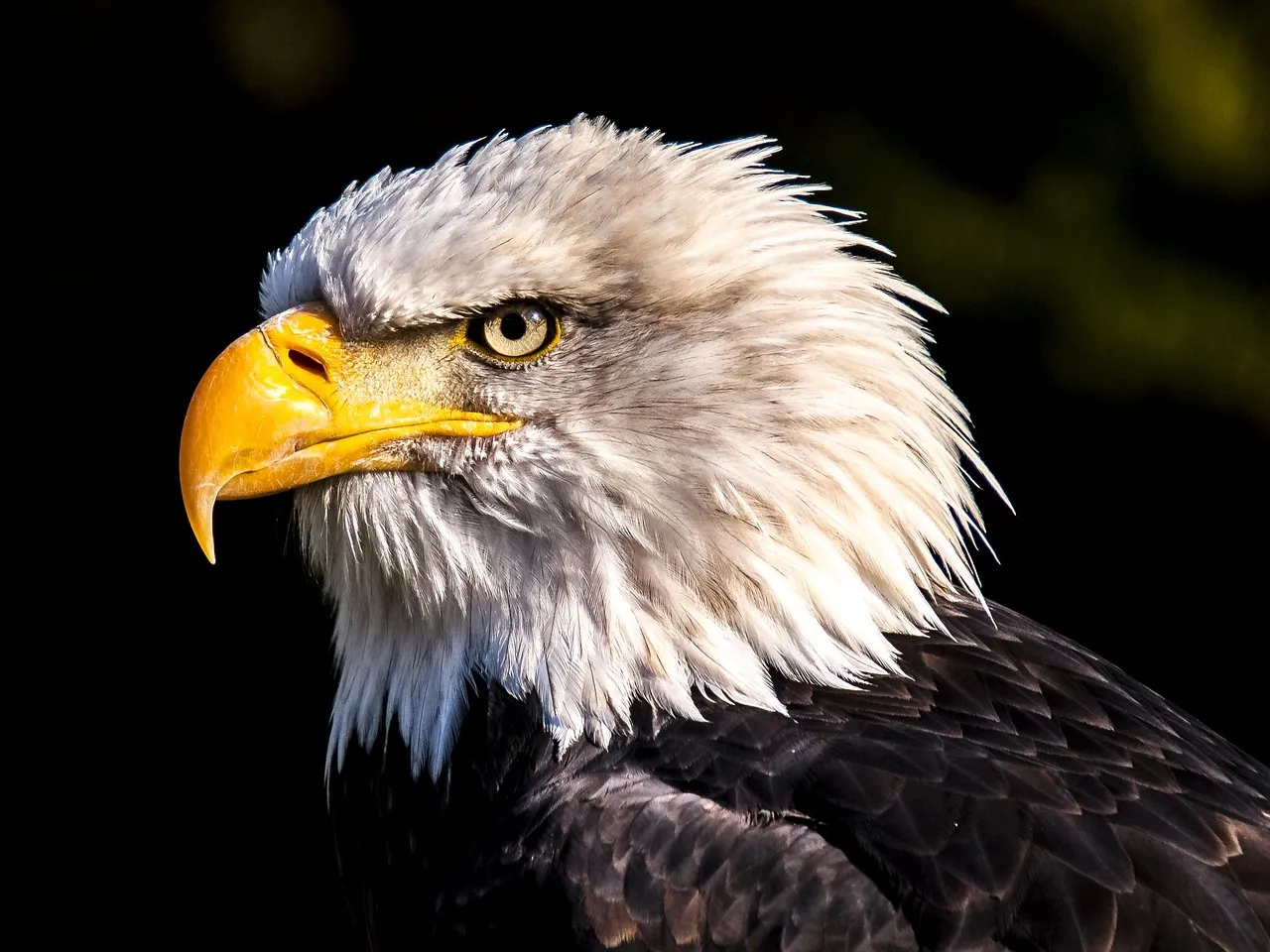
Imagine the national bird of the United States so scarce that spotting one felt like winning the lottery. That was reality in the mid‑twentieth century, when habitat loss, hunting, and especially the pesticide DDT pushed bald eagles to the edge. Their eggshells thinned, nests failed, and in many states they essentially disappeared from the sky.
Fast‑forward to today and it’s a completely different picture. In many regions, you can see bald eagles perched on cell towers, gliding over highways, or fishing behind suburban houses like it’s no big deal. That shift didn’t happen by accident: it took banning DDT, enforcing strict protections, and stubbornly re‑introducing birds. Their comeback is a blunt reminder that if we remove the poison and stop shooting, nature often does the rest, unapologetically and spectacularly.
Gray wolves: controversy, cattle, and a howl in the night
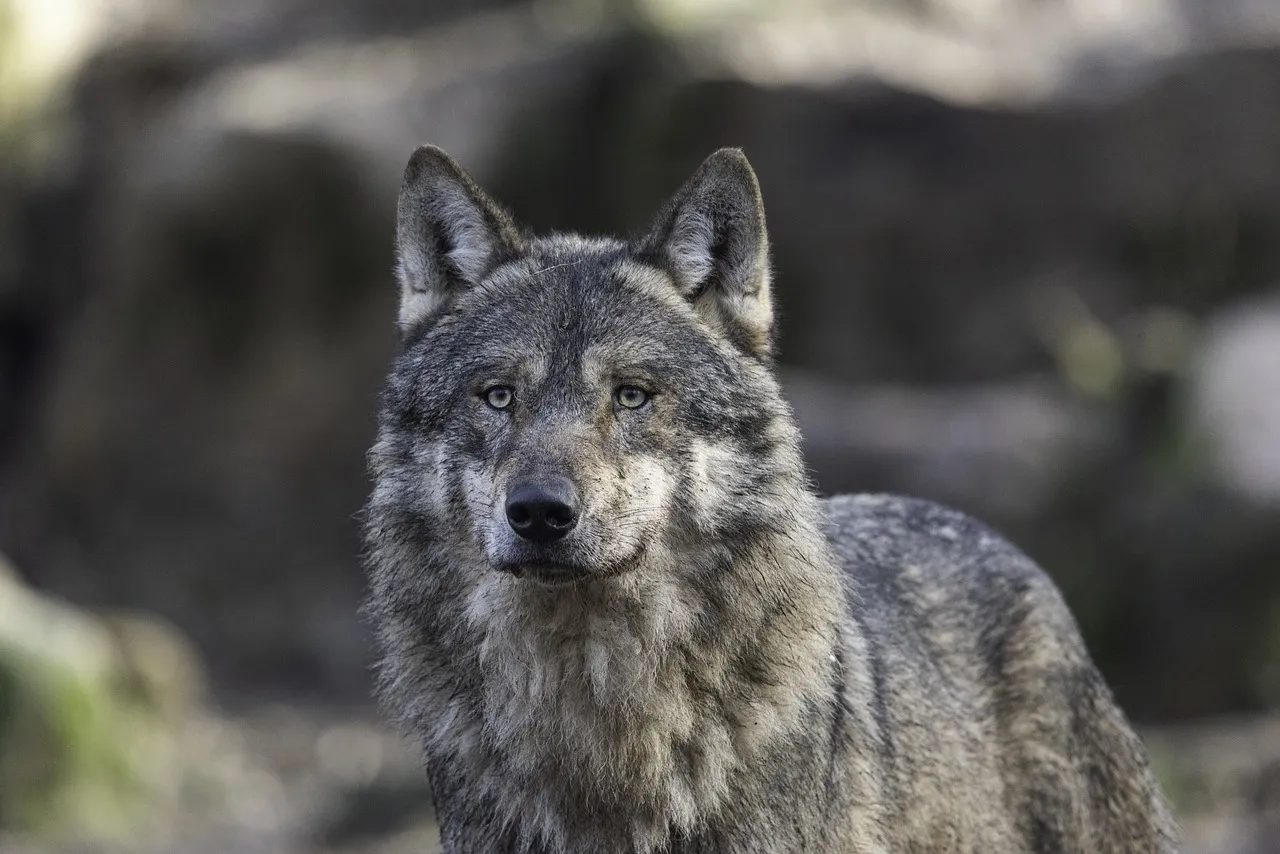
Few animals stir up stronger opinions than gray wolves. For a long time, they were hunted, trapped, and poisoned out of almost all of the lower forty‑eight states, treated more like vermin than a native predator. By the mid‑1900s, outside of a handful of strongholds in the upper Midwest, wolves were basically a ghost story told around campfires.
Their return – especially after high‑profile reintroductions to places like Yellowstone – is one of the most debated conservation stories in America. Biologists point to healthier ecosystems and the return of complex predator‑prey dynamics, while some ranchers see only dead livestock and more stress. Both are real. The wolf comeback proves that conservation success is not always comfortable; you can bring a species back and still be forced into hard, ongoing conversations about how to live with it.
American alligators: the swamp dinosaurs that refused to stay gone
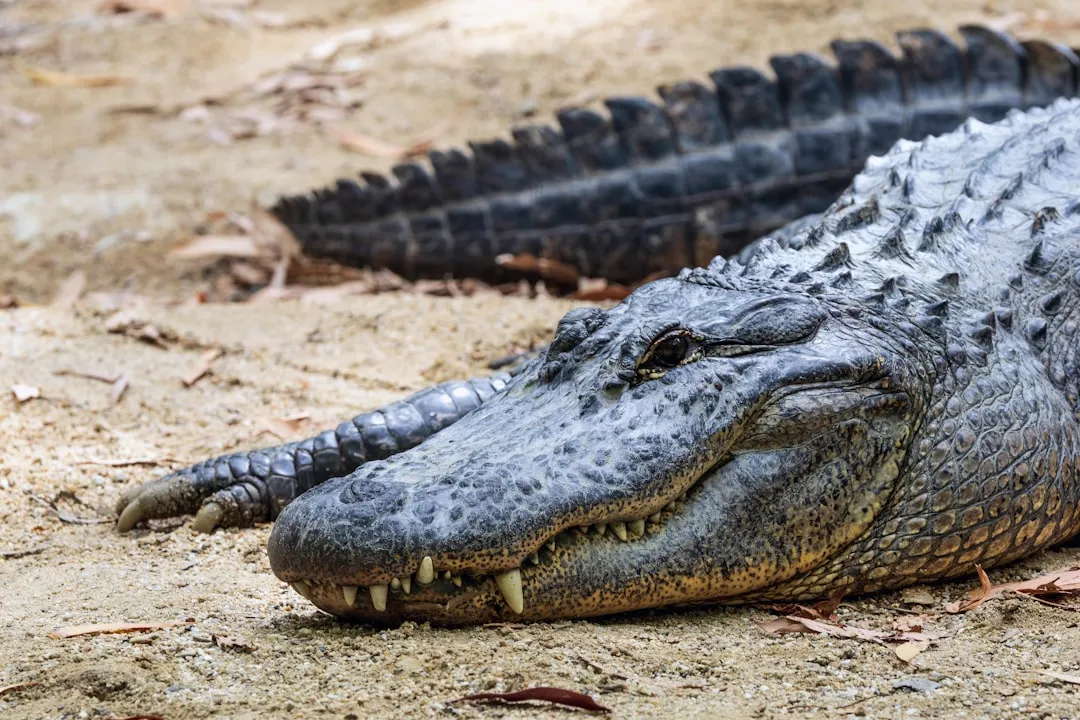
There was a time when American alligators were so heavily hunted for their hides that many experts thought they might vanish from huge chunks of the Southeast. Wetlands were drained, nests disturbed, and the idea of a healthy alligator population felt like a thing of the distant past. Ironically, the same species that once terrified people became one of the South’s most threatened residents.
Then, protections kicked in, habitat laws tightened up, and strict hunting rules were enforced. Today, in many coastal states, alligators are not only back; people complain they’re turning up on golf courses and in backyard ponds. It is a bit darkly funny: a species once nearly lost is now the reason someone is calling wildlife control from their patio. That pendulum swing is exactly what a successful recovery can look like – messy, sometimes inconvenient, but undeniably better than extinction.
Gray whales (eastern North Pacific): a coastal migration reborn
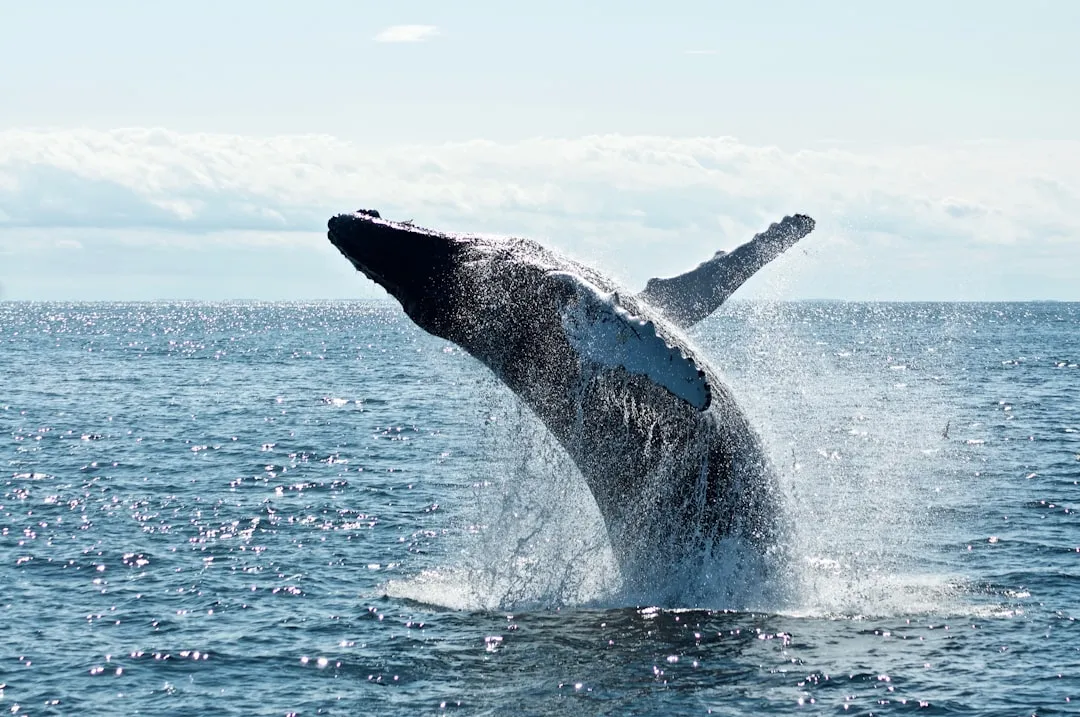
For a long stretch of history, industrial whaling hammered gray whales so hard that some populations never recovered. The eastern North Pacific group, which migrates along the West Coast between feeding grounds in northern waters and breeding areas off Mexico, came dangerously close to that same fate. Ships targeted them relentlessly; harpoons and factory ships turned a living migration into a bloody industry.
International bans on commercial whaling changed everything for this particular population. Over time, the sight of gray whales cruising past coastal cities went from rare spectacle to seasonal tradition. People pack clifftops and boat decks to watch them, and local economies quietly benefit from their presence. The story isn’t perfectly smooth – warming oceans, changing prey, and unusual mortality events still cause real concern – but their overall rebound is proof that when the killing stops, some ocean giants can reclaim their old routes.
California condors: high‑tech rescues for a giant scavenger
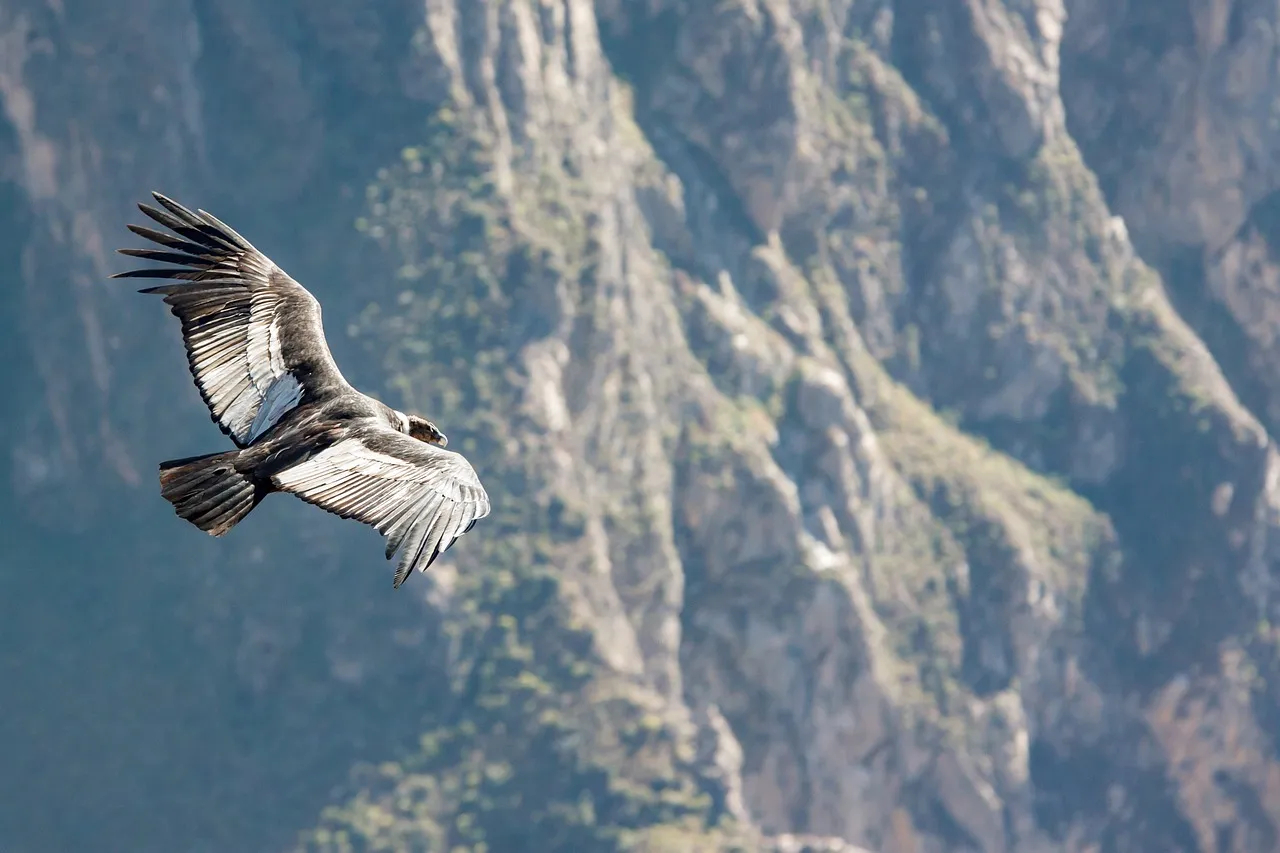
California condors are the opposite of subtle. They are massive, slow‑breeding scavengers with wingspans wider than some small cars. By the 1980s, though, there were so few left in the wild that every single bird was captured, a last‑ditch decision that many people criticized at the time. It felt like admitting failure: the wild population was gone, and all that remained were a few dozen birds behind bars.
What followed was one of the most intensive and high‑tech conservation campaigns ever attempted for a bird in North America. Breeding programs, careful releases, and obsessive monitoring slowly pushed condor numbers upward again. The ongoing challenge of lead poisoning and human conflict means this is not a tidy, finished success story, but seeing condors soaring again over Western canyons is still astonishing. Their survival shows that, in some cases, conservation has to be hands‑on, expensive, and unapologetically interventionist.
American bison: from tens of millions to near zero, then back again
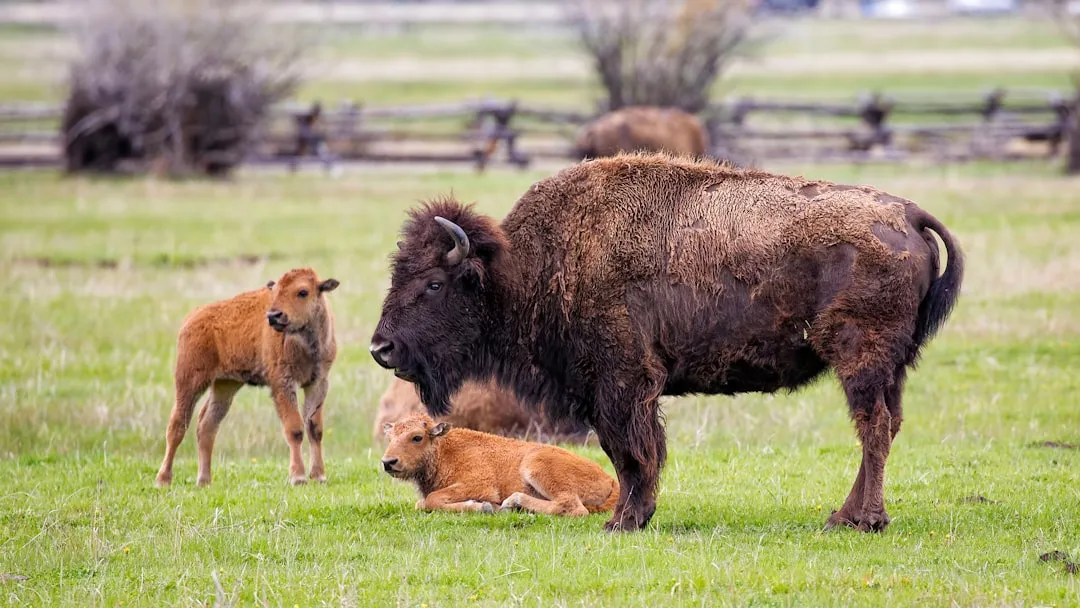
American bison once covered the Great Plains in numbers that are hard to even picture now, shaping the land, feeding Indigenous communities, and anchoring entire cultures. Then came industrial slaughter, land grabs, and a deliberate campaign to wipe them out. The population crashed from tens of millions to just a tiny remnant in what is often called one of the great wildlife disasters in human history.
The bison’s rebound is complicated but real. Herds in parks, tribal lands, and dedicated reserves now give the species a more secure future, even if the number of truly wild, free‑roaming animals remains small compared to the past. You could argue the job is only half done, because restoring bison at meaningful ecological scales is a much bigger, thornier task. Still, their survival – and gradual spread – proves that when you combine legal protection, cultural leadership from Native nations, and smart land management, even a near‑lost giant can edge its way back.
Sea otters (North Pacific): the fluffy engineers of the kelp forests
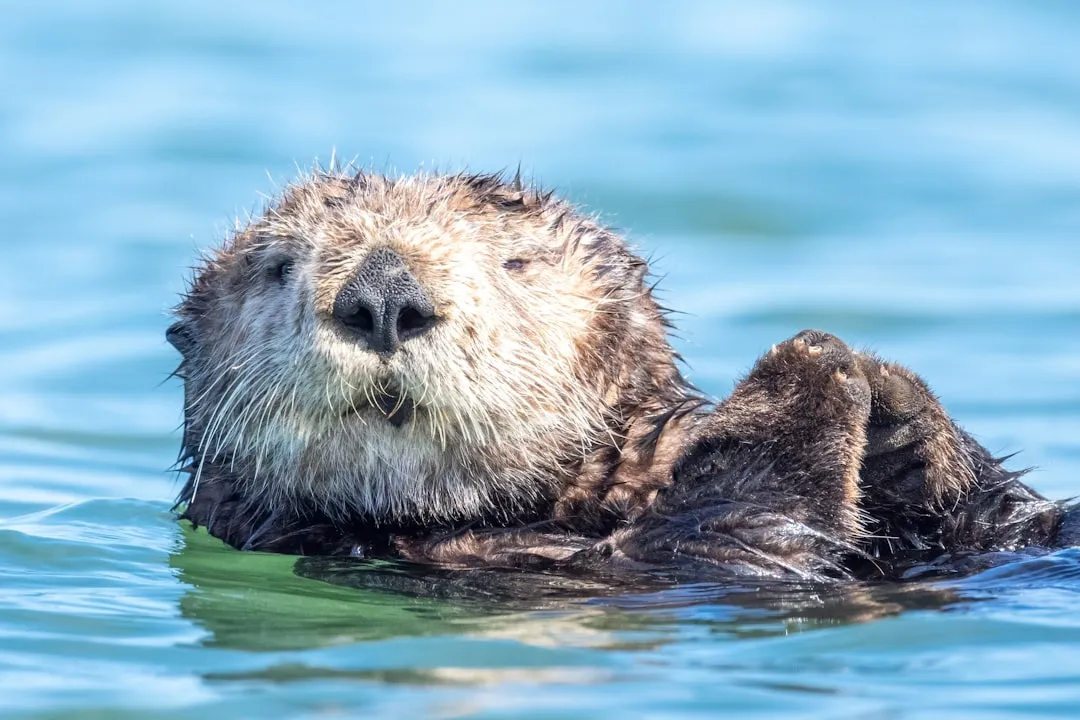
Sea otters look cute enough to be cartoon characters, but their history along the North Pacific coast is anything but adorable. Fur traders, chasing one of the most valuable pelts on Earth, drove them to the brink in most of their range. In many coastal areas, otters disappeared entirely, and with them went a crucial piece of the marine food web.
When hunting stopped and reintroductions began, sea otters started to creep back into former haunts. As they returned, something remarkable happened: kelp forests rebounded too, because otters feed on the sea urchins that can otherwise mow kelp down like underwater lawnmowers. I still remember standing on a cold California bluff, watching a raft of otters bobbing in the waves, realizing I was looking at living proof that protecting one predator can heal an entire underwater neighborhood. Their story is a masterclass in how conservation of a single species can ripple outward into a landscape‑scale transformation.
Peregrine falcons: the urban speed demons cleaning up our mistakes
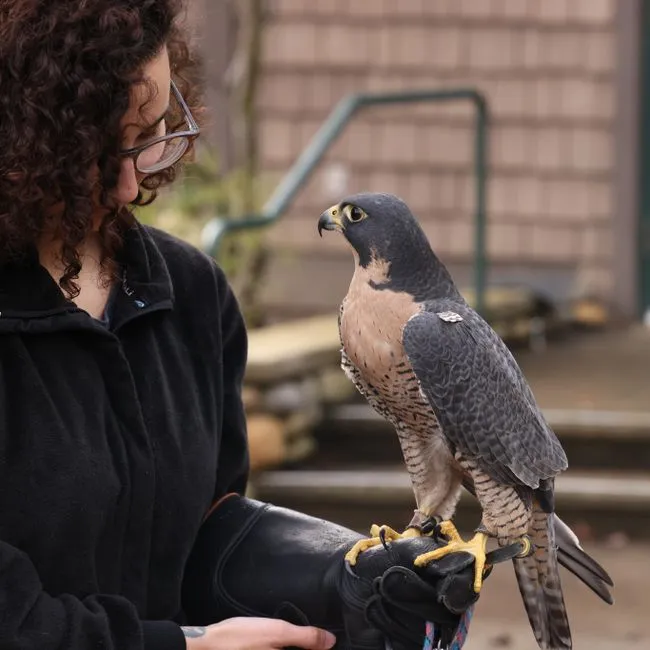
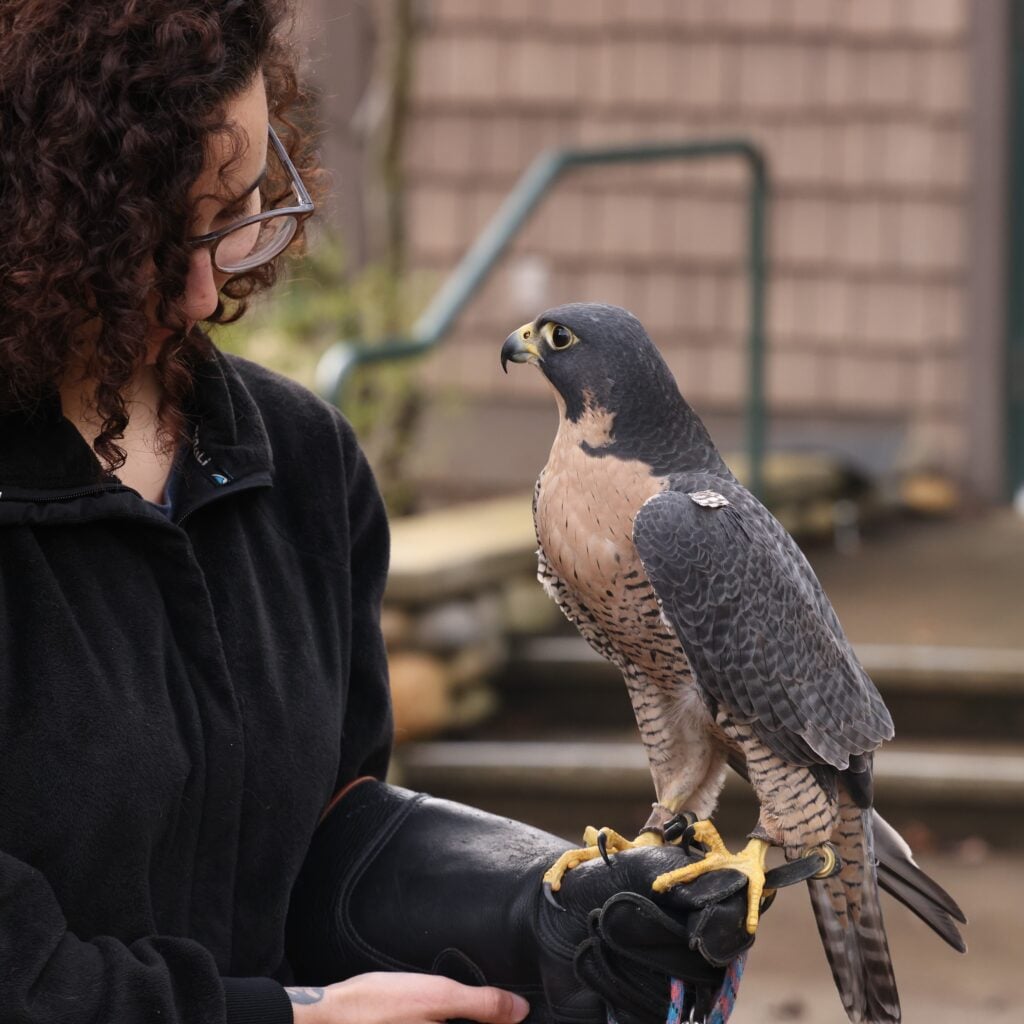
Peregrine falcons earned their reputation as the planet’s fastest animal long before airplanes existed, but by the mid‑twentieth century, they were vanishing across North America. Again, the villain was DDT and related pesticides, which built up in their bodies and shattered their ability to breed successfully. The sky got quieter; cliffs and city towers lost their top aerial predators.
Once those chemicals were banned and intensive breeding and release programs kicked in, peregrines staged one of the most dramatic raptor comebacks on record. Today, they nest on skyscrapers, bridges, and smokestacks, turning urban architecture into substitute cliffs. You can watch them hunting pigeons at highway speeds right in the middle of big cities. Their recovery is not just a feel‑good story; it is a blunt lesson that our chemical choices literally decide which species gets to exist in our neighborhoods.
What these comebacks really tell us about conservation – and about us
Looking across these eight stories, a pattern jumps out: almost every species was pushed to the edge by very specific human actions, and almost every recovery started when those actions changed. Ban a pesticide, protect a wetland, stop the hunting, restore a migration corridor – none of these moves are magical. They are policy choices, cultural shifts, and budget lines that quietly reshape the future for living things. When people say conservation does not work, they are usually ignoring examples like bald eagles fishing next to highways or peregrines nesting on office towers.
At the same time, it would be dishonest to pretend these are simple happily‑ever‑afters. Wolves are still controversial, condors are still poisoned by lead, bison are still fenced into small parts of their former empire, and climate change is a wild card for whales, otters, and basically everything else. The real takeaway is not that we can fix anything easily, but that we can move the needle dramatically when we decide to. Personally, I find that both comforting and slightly infuriating: comforting because it proves hope is justified, and infuriating because we are still so selective about when we act. If a handful of determined efforts can bring back eagles and alligators, what might happen if we treated many more species with the same urgency – and what would you want to see make the next comeback list?

- 8 Ways Prairie Restoration Is Bringing Native Animals Back - July 27, 2026
- 7 Reasons Black Bears Are Returning to Missouri - July 27, 2026
- 7 Species Returning to States Where They Disappeared Generations Ago - July 27, 2026