
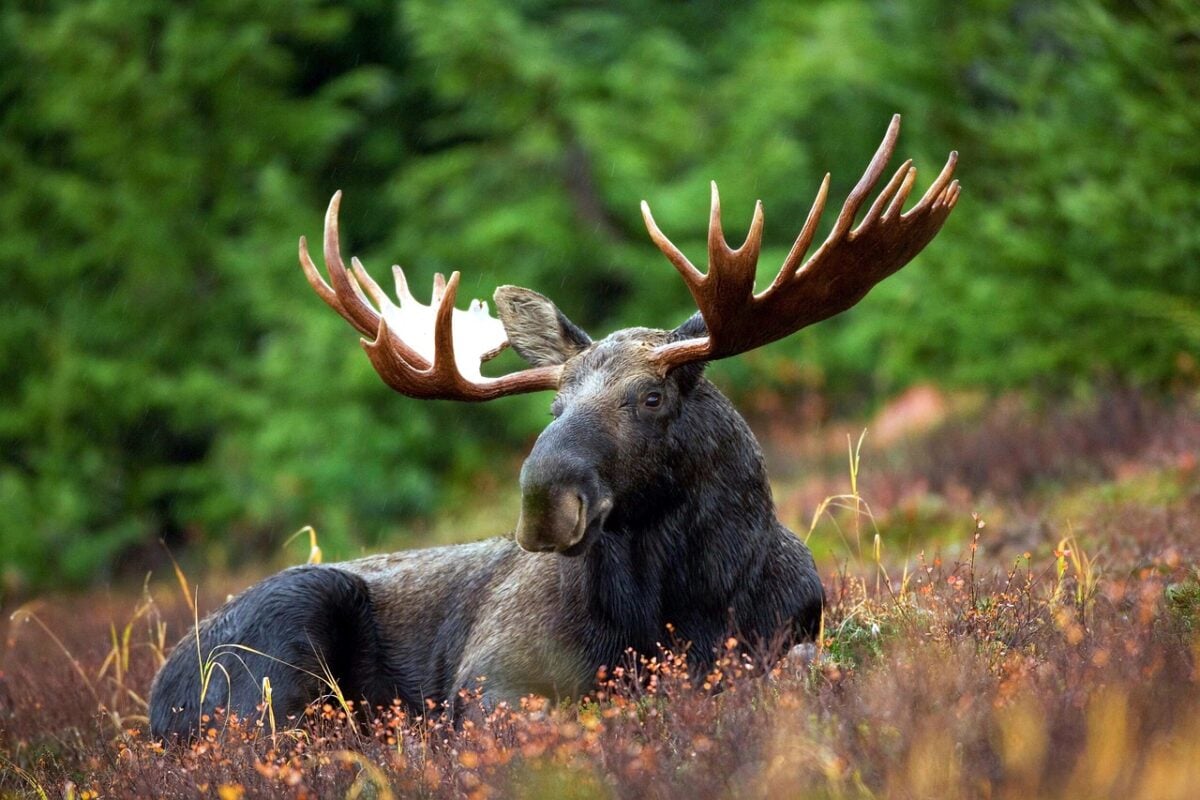
For most of the last century, the story of wildlife in the United States was a slow, painful shrinking: fewer animals, quieter forests, emptier skies. Now, in pockets across the country, the script is starting to flip. Species once written off in entire states are quietly slipping back over borders, flying in on their own wings, or being reintroduced by people who decided extinction in a place was not the final word.
It is not a simple fairy tale. Some returns are wildly celebrated, others are controversial, and nearly all are fragile. But taken together, they hint at something bigger: when habitat is restored, laws are enforced, and people decide they care, nature sometimes answers in a way that feels almost shocking. Let’s look at seven of the most fascinating comebacks playing out right now.
1. Gray Wolves – The Howl That Went Silent Is Creeping Back
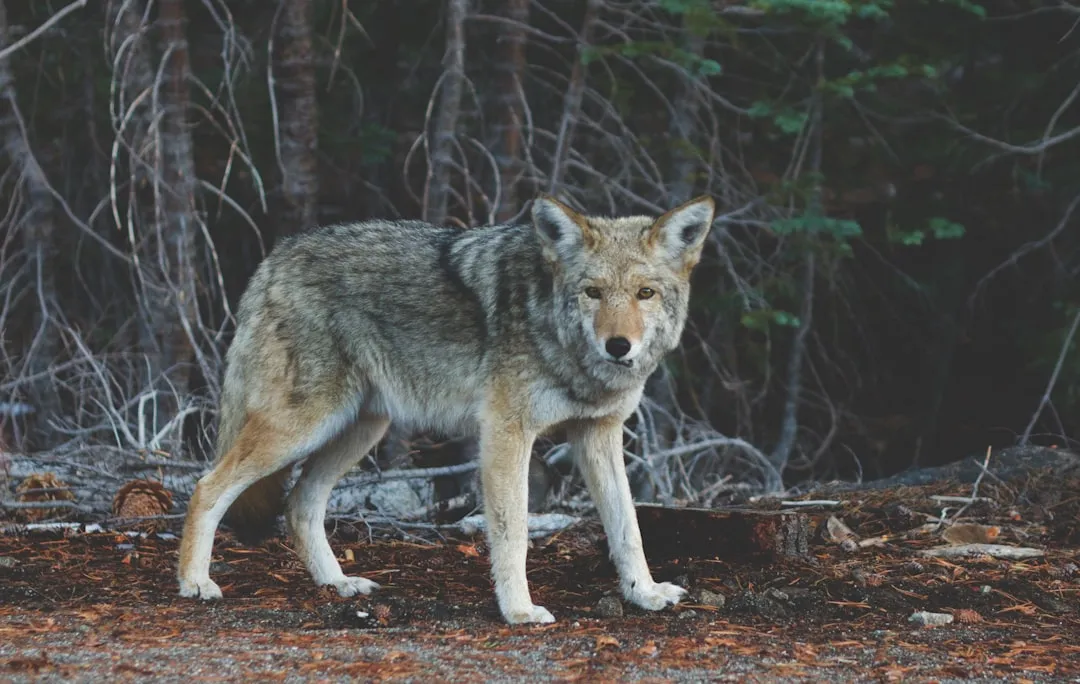
Imagine growing up in a state where wolves only existed in stories, old photographs, or the occasional sports team mascot. In many parts of the Lower 48, that was reality for generations. Gray wolves were trapped, poisoned, and shot out of existence in most states by the early and middle 1900s, seen as dangerous pests rather than top predators holding ecosystems together.
Over the last few decades, though, wolves have done something both stubborn and remarkable: they have started to walk back in. A combination of legal protection, changing public attitudes, and natural dispersal from strongholds like the Northern Rockies and the Great Lakes has brought wolves back to states where they had been missing for a lifetime. Sometimes they are reintroduced deliberately, as in Colorado’s recent efforts, and sometimes a lone pioneer simply crosses a state line and rewrites history overnight.
2. American Black Bears – Ghosts of the Forest Becoming Neighbors Again
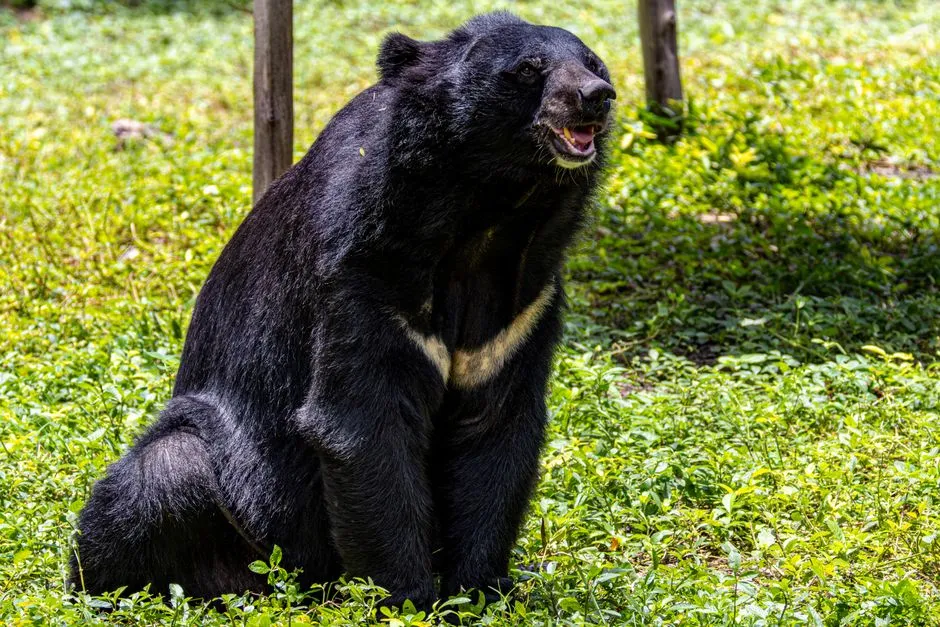
If you talk to older residents in many states, they’ll tell you there were decades when nobody seriously worried about a bear getting into the trash. Black bears had been wiped out or pushed into tiny pockets in a surprising number of regions, especially in the East and Midwest. Forests were logged, hunted hard, and carved up by roads and farms, and bears just vanished from large swaths of their former range.
Today, the story in many of those same states is almost the opposite: people are suddenly swapping ring-doorbell videos of bears on porches, sharing tips on bear-proofing chicken coops, and calling wildlife officers after spotting a bear in a suburb where their grandparents never saw one. Better forest management, tighter hunting regulations, and simple regrowth of wooded habitat as some rural areas rewild have allowed black bears to move back into states and counties where they had been gone for generations. It is both magical and mildly nerve-racking to realize that the dark shape at the tree line might once again be a bear, not just a shadow.
3. Bald Eagles – From Vanished Local Icon to Everyday Miracle
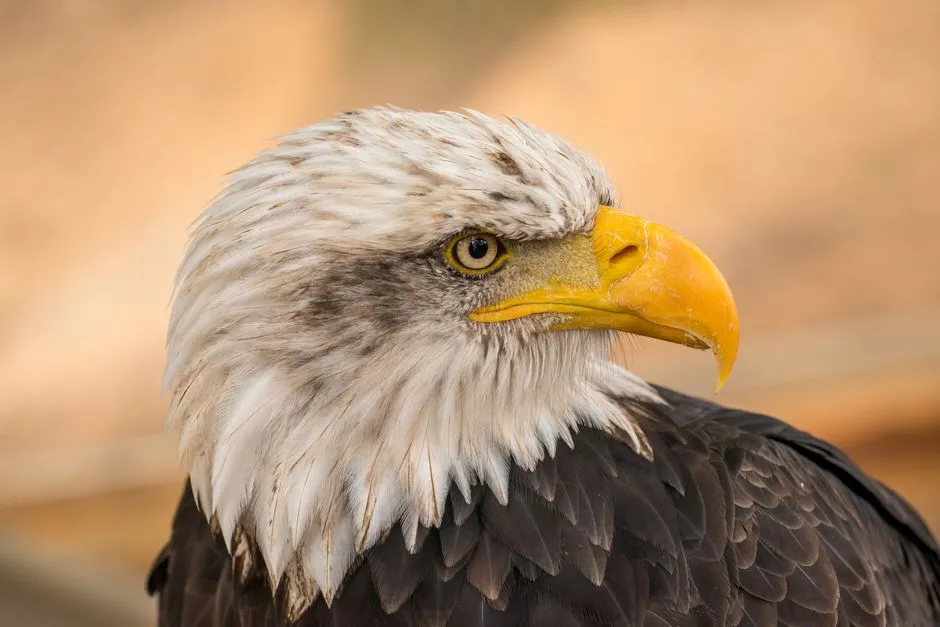
There was a time when many Americans had never seen a bald eagle in the wild, even in states where the bird had been common in the 1800s. By the middle of the twentieth century, widespread use of DDT, habitat loss, and persecution had caused bald eagles to disappear as nesting birds from many states, especially along developed coasts and inland waterways. For a national symbol, they had become oddly absent in a lot of actual landscapes.
Fast forward to today, and in a growing list of states, what was once an almost mythical sight is becoming almost routine. People report bald eagles perched on cell towers, soaring over suburban lakes, and nesting again along rivers where they had been gone for generations. The banning of DDT, legal protection, careful reintroduction projects, and a deep cultural shift in how we value raptors all combined to pull this species back from the edge. When I saw my first bald eagle in a state where they had only recently returned, it genuinely felt like the landscape itself had gained a missing piece of its identity.
4. River Otters – Playful Fishermen Reclaiming Forgotten Waters
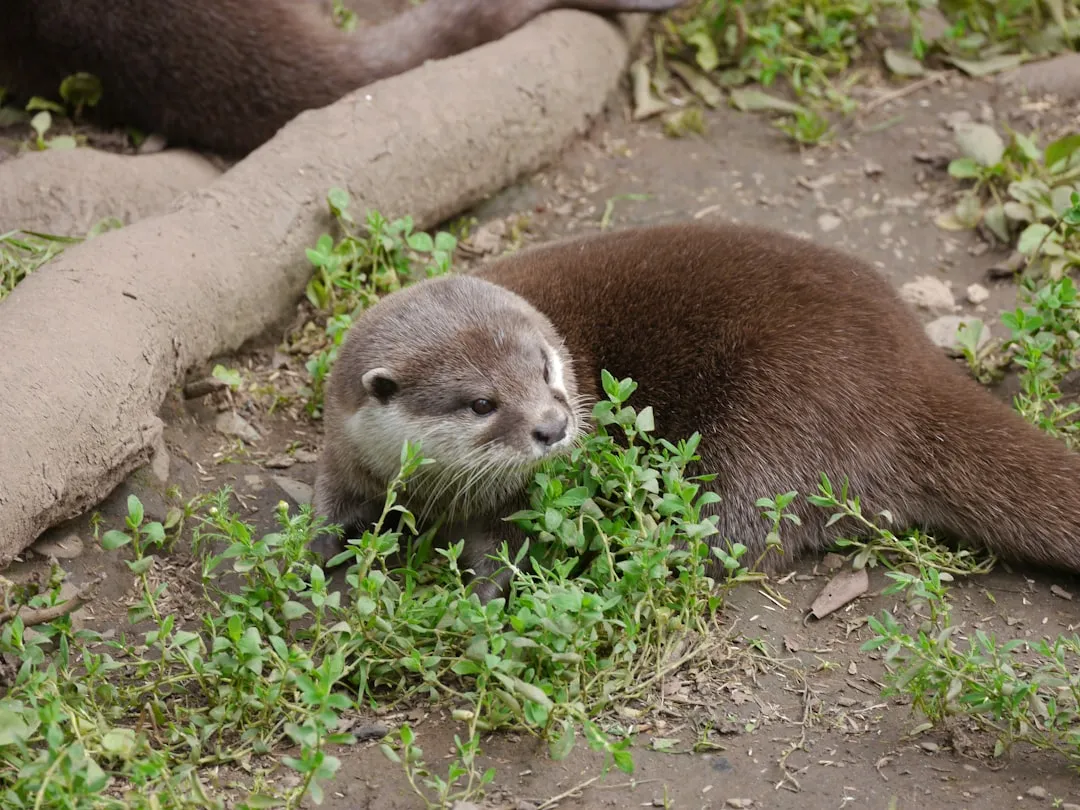
River otters are one of those animals people are shocked to learn even exist in their home state, mostly because they were missing for so long. Heavy trapping, pollution, and drained wetlands wiped otters out from many rivers and marshes by the early and middle 1900s, leaving entire states without these sleek, playful predators. For generations, a lot of waterways were treated more like industrial drains than living ecosystems.
In recent decades, a quiet revolution in water quality laws, wetland restoration, and intentional reintroduction has allowed otters to reclaim rivers and estuaries where no one alive remembered seeing them. Biologists have trapped and moved otters back into suitable habitats, while improved fisheries and cleaner water have supported those new populations. Now, in several states, people are again spotting V-shaped wakes, hearing odd chirps along the bank, and catching quick glimpses of otters sliding into the water. It is hard not to feel hopeful when a river once written off as dead suddenly has otters fishing in it again.
5. Wild Turkeys – The Bird That Practically Vanished From the Menu
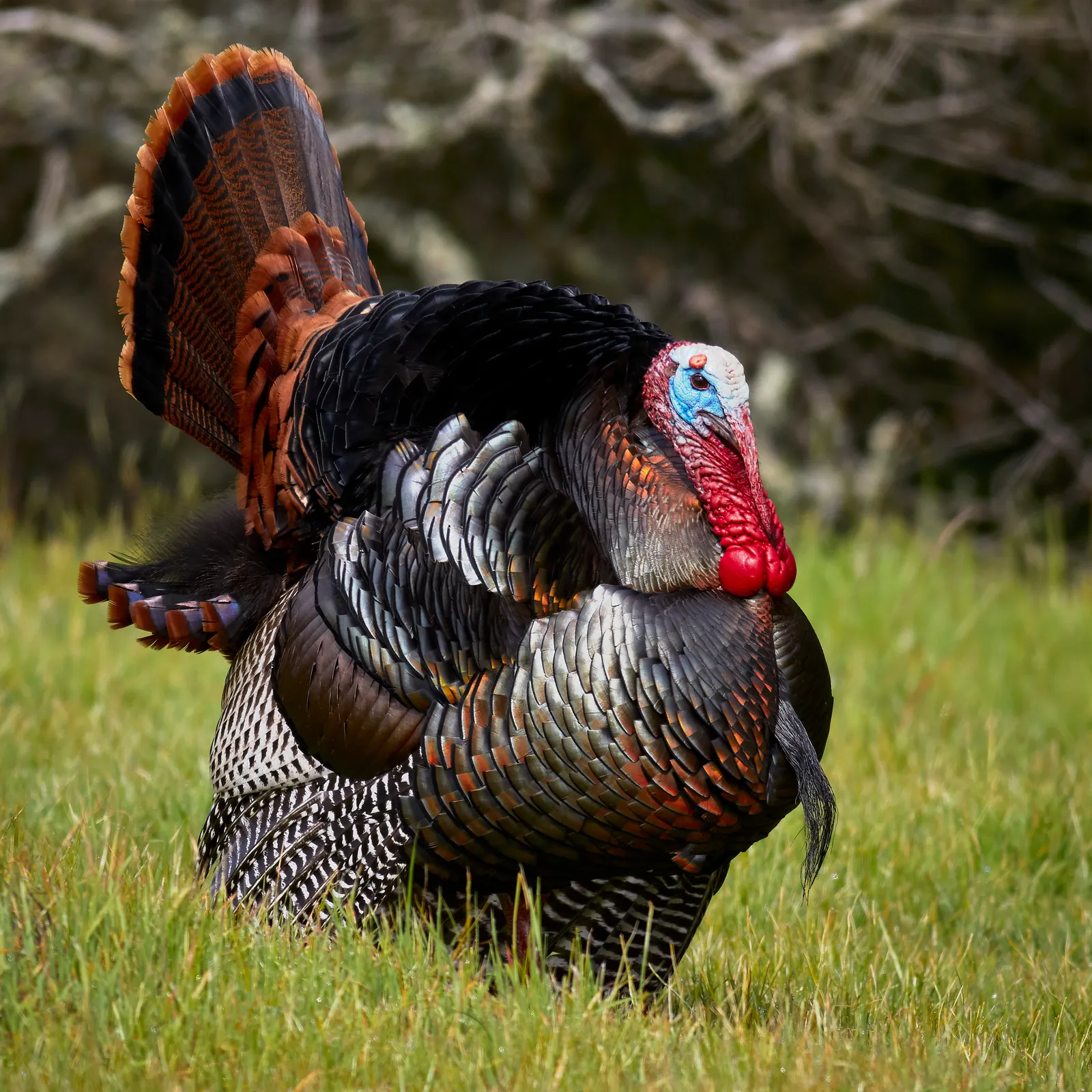
It sounds bizarre today, but wild turkeys were missing or nearly gone in many states by the early twentieth century. Unregulated hunting and widespread clearing of forests took a heavy toll, and local populations disappeared from large parts of the East, Midwest, and even some Southern states. For a while, the idea of seeing a wild turkey in many places was about as realistic as expecting to see a bison stroll past your driveway.
Then came a wave of restoration work that turned out to be one of the quiet success stories in North American conservation. Wildlife agencies captured turkeys from healthy populations and released them into suitable habitat in states and counties where they’d been gone for generations. At the same time, better forest management and more controlled hunting seasons helped those new flocks establish and spread. Now, in many states, turkeys are back in a big way, sometimes strutting through suburbs, fields, and road edges like they own the place. It is almost funny to think that an animal so visibly common in some areas today was once a fading memory for entire states.
6. Elk – The Deep-Voiced Ghosts Returning to Old Ranges
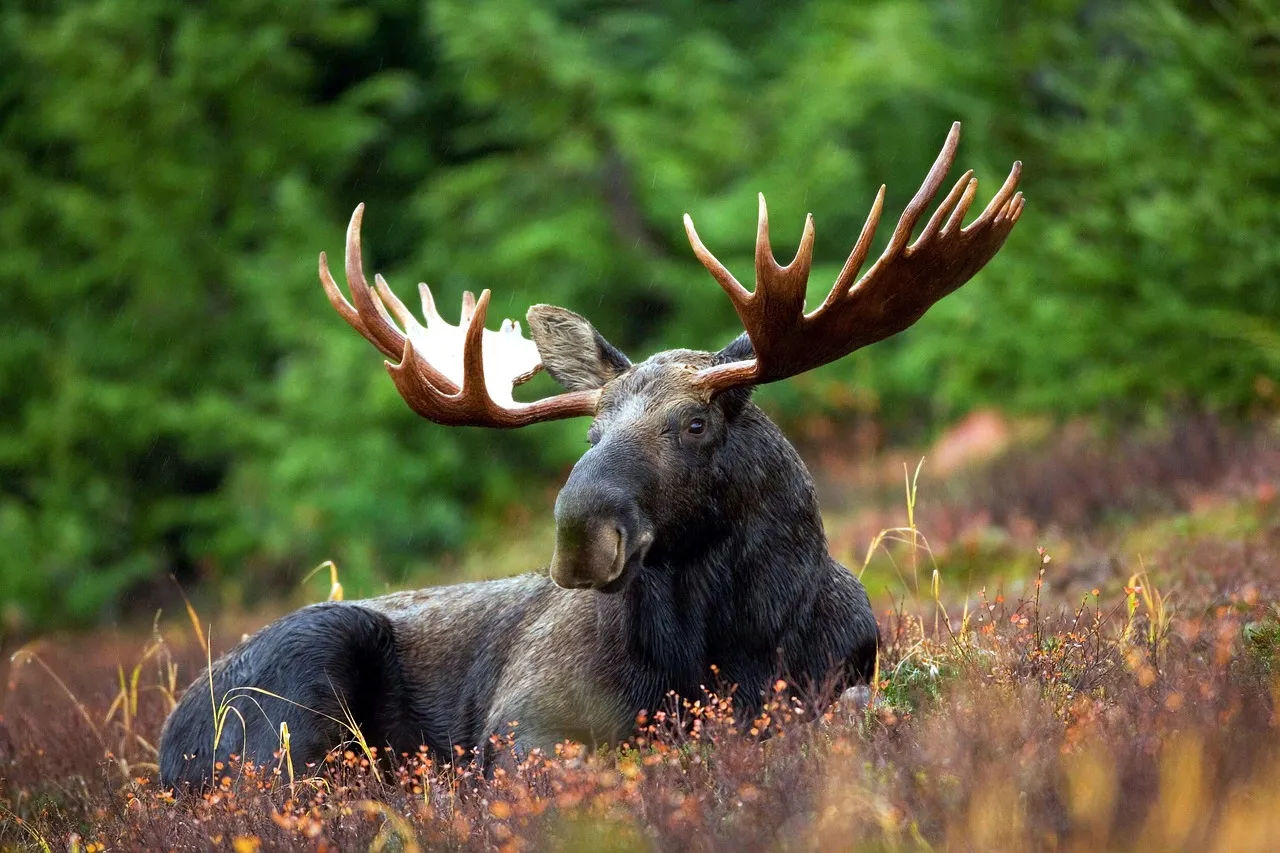
For many people, elk are a Western postcard animal, something you go see in the Rockies or in a big national park. But historically, elk roamed much of the continent, including regions where they later vanished entirely. By the late 1800s and early 1900s, intense hunting and habitat changes had wiped elk out of a long list of states, leaving only place names and dusty antlers as reminders of what once roamed there.
Over the last several decades, carefully managed reintroduction programs have brought elk back to states where no one had heard a bugle in living memory. Wildlife agencies and partners moved elk from strong populations into restored or protected habitats, and then spent years managing land, public expectations, and sometimes contentious debates over crop damage or hunting. The result is that in a growing number of states, residents are once again hearing that eerie, musical bugle echo through valleys that had been silent for generations. It is a sound that makes you feel small in the best possible way, like the land is remembering something old.
7. Eastern Cougars and Big Cats – The Most Controversial Comeback Question
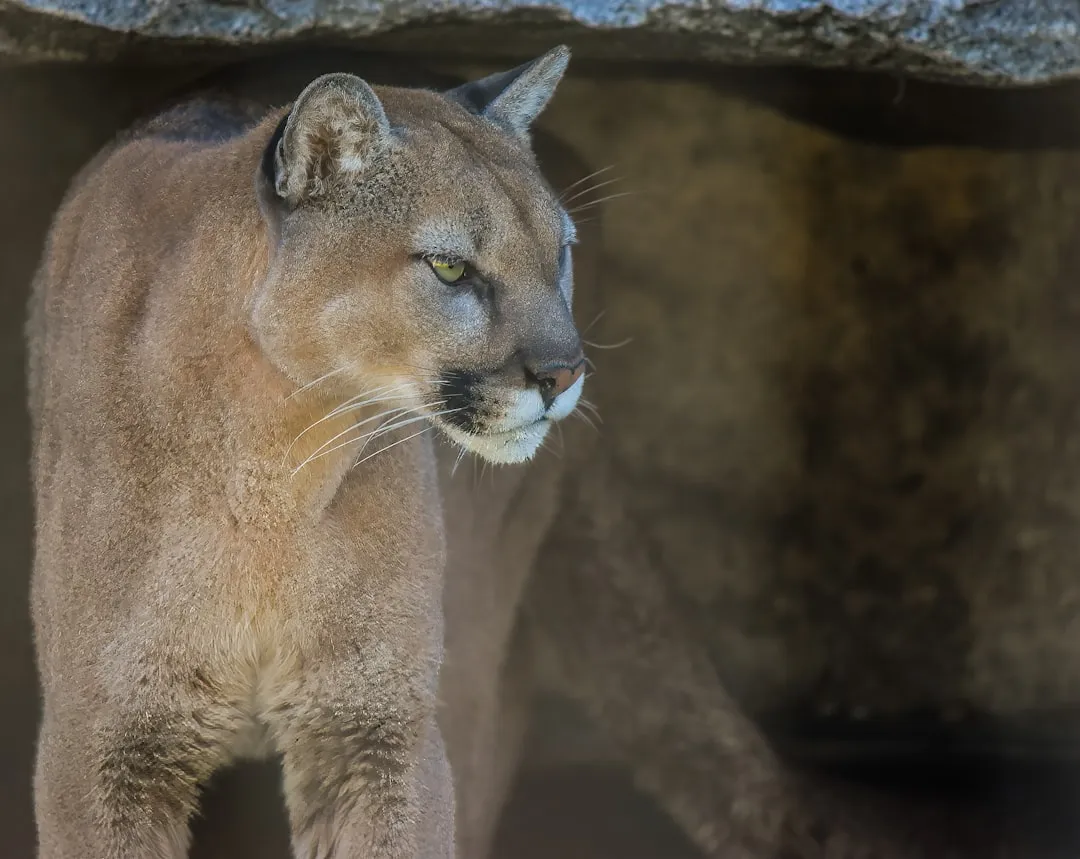
No returning animal sparks more heated arguments at backyard barbecues than big cats. For generations, eastern cougars were considered wiped out as a breeding population, and official agencies still treat many reports as misidentifications, wandering Western males, or even escaped captives. Yet in state after state, there have been confirmed sightings of individual cougars passing through, often documented on trail cameras or genetic samples tied back to distant core populations.
What seems fairly clear is that large, wide-ranging predators will explore any connected habitat they can find, and that means some states are likely to see more big cats passing through landscapes where they had been absent for lifetimes. The question of whether true, resident populations are reestablishing is still unsettled and highly debated, and it might remain that way for years. Personally, I think the very fact that the argument is happening at all is revealing: it shows that wildness is creeping back to the point where people once again wonder what is moving just beyond the tree line. That nervous fascination is exactly what you get when humans and large predators start sharing space again, even if only on the edges.
Conclusion: A Second Chance We Could Still Blow
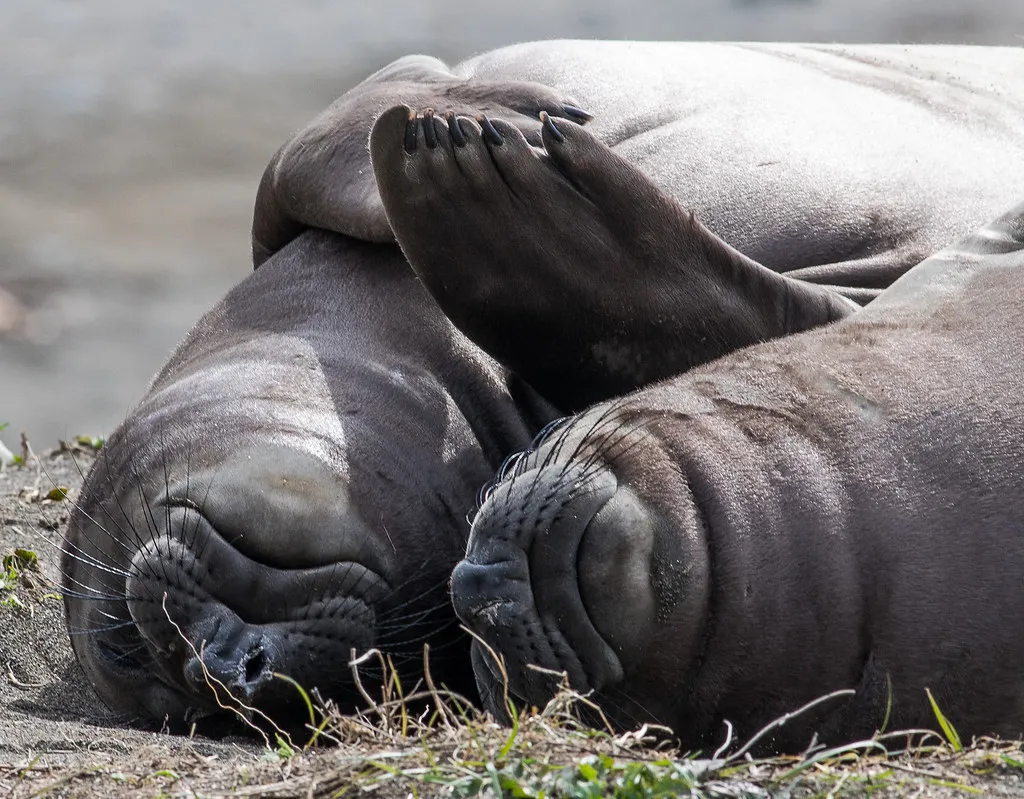
When you look at wolves padding over borders, otters fishing in cleaned-up rivers, turkeys strutting through states that once wrote them off, and eagles nesting above highways, it is tempting to declare victory. But these comebacks are not guaranteed endings; they are more like delicate second chances. Every one of these species still depends on decisions we make about land use, pollution, hunting, and how much room we are willing to give something that is not us.
My own view is that these returns are a quiet test of our maturity as a society. We caused most of the disappearances, often in the name of progress, and now we are being handed a shot at coexistence instead of conquest. Are we willing to put up with some inconvenience, some lost chickens, some crop damage, a few scary headlines, in exchange for living in a country where the wild is not just a logo but a neighbor? When you picture the landscapes you want your kids or grandkids to inherit, would you rather they be slightly messy and alive, or tidy and permanently quiet?

- The Zodiac Signs Rabbits Learn to Trust the Fastest - July 27, 2026
- 8 Ways Prairie Restoration Is Bringing Native Animals Back - July 27, 2026
- 7 Reasons Black Bears Are Returning to Missouri - July 27, 2026