
Most people think a “happy” horse is one that lets you climb on its back and doesn’t buck. Behaviorists will tell you that’s a dangerously low bar. A horse can tolerate you for years, show up for feeding time, even let you ride – and still be tense, shut down, or one bad day away from exploding.
The real gold standard is a horse that feels completely safe with you, and it rarely announces itself. It shows up in small, quiet, easy-to-miss moments around the barn that most owners scroll right past without realizing what they just watched. Here’s what trainers and body-language experts actually look for – and what it means if your horse is already doing it.
#1 – The Deep, Heavy “Let-Down” Sigh Around You
When a horse truly trusts you, you’ll sometimes hear a long, rolling exhale and watch the entire body soften with it. That’s not boredom. That’s a nervous system finally standing down. Horses save this for moments when they feel safe enough to fully drop their guard – eyes half-closing, lips loosening, the back sinking just slightly.
It’s the equine version of kicking off tight shoes after a brutal day. Some horses pair it with slow chewing motions and long blinks, almost like they’re physically processing stress leaving the body. If this happens consistently the moment you arrive or start grooming, you’ve become more than “the person who feeds me” – you’ve become the cue for relaxation itself.
#2 – Choosing to Stand Near You With No Halter, No Rope
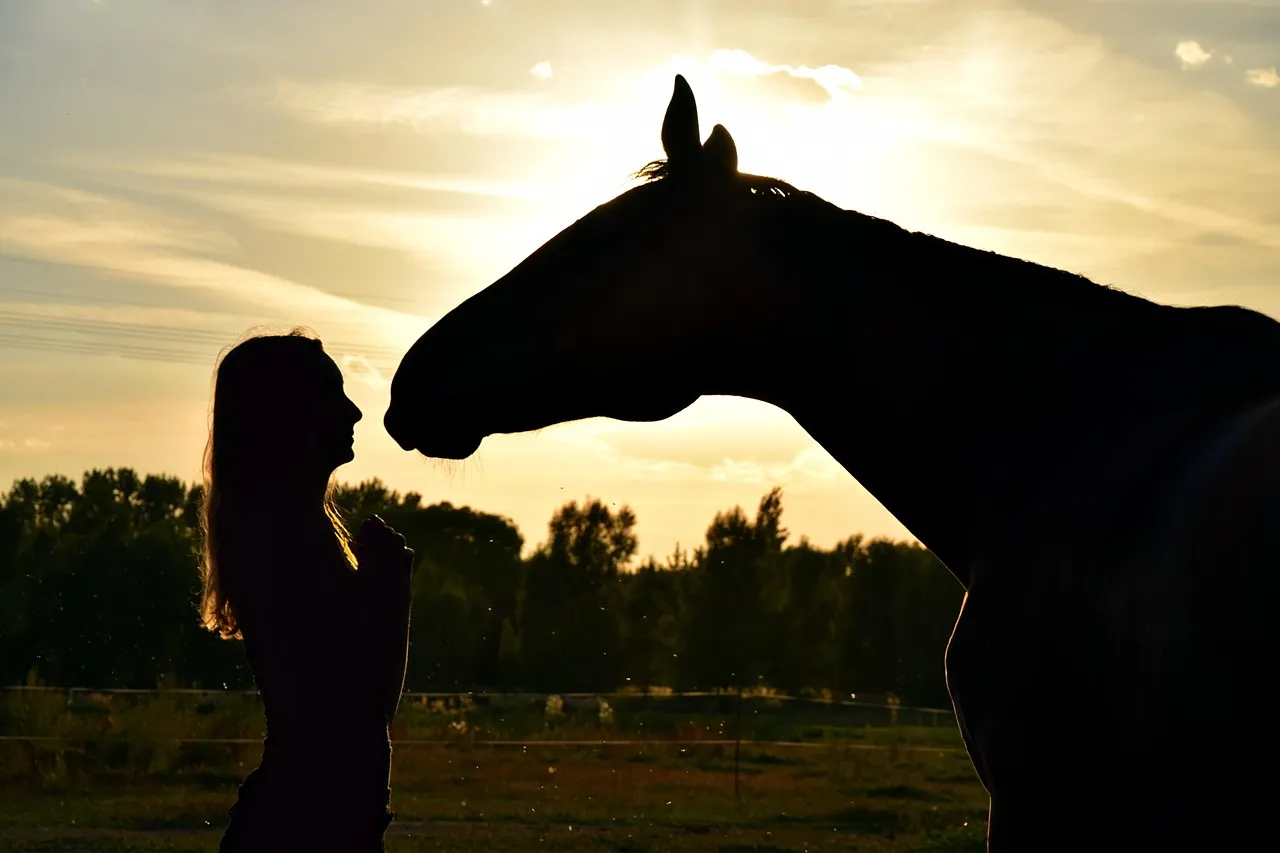
Any horse will wander over for grain. That’s food motivation, not trust. The far rarer thing is a horse loose in a paddock, with every option in the world, that still drifts over to stand quietly in your space – and just stays there. No pressure, no bribe, no agenda.
A relaxed horse will park next to you and mirror your stillness, drop a hoof, rest a hip, and simply hang out like you’re part of the herd. When a prey animal voluntarily trades flight distance for closeness to you, that’s not small talk. Some behaviorists consider it one of the purest trust tests there is – no lead rope required, just choice.
#3 – Soft Eyes, Half-Closed Lids, and a “Melty” Face
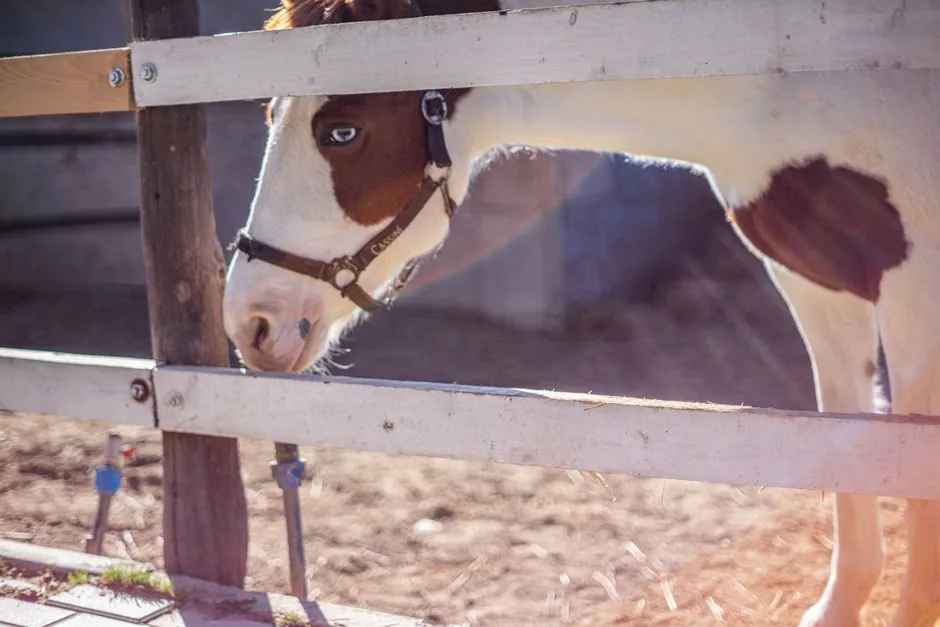
Most people study ears and never think to study eyes. But a horse that feels safe with you often shows what trainers call a “melty face”: soft almond-shaped eyes, a relaxed lower lid, no hard wrinkles above the eye, and slightly drooping lips. It looks like someone reached over and turned the volume down on life.
You’ll notice it most while grooming a favorite spot or scratching the withers. Compare that to a worried horse’s hard, round, staring eye with visible white and a tight jaw – or a shut-down horse that looks still but reads as blank, not soft. When that face melts specifically when you show up, your presence has become a safety signal instead of a demand.
Quick Compare
- Safe horse: soft almond eyes, drooping lip, loose jaw
- Worried horse: hard round eye, visible white, tight jaw
- Shut-down horse: still face, blank stare, no real muscle movement
#4 – Turning Their Back… Without Actually Leaving
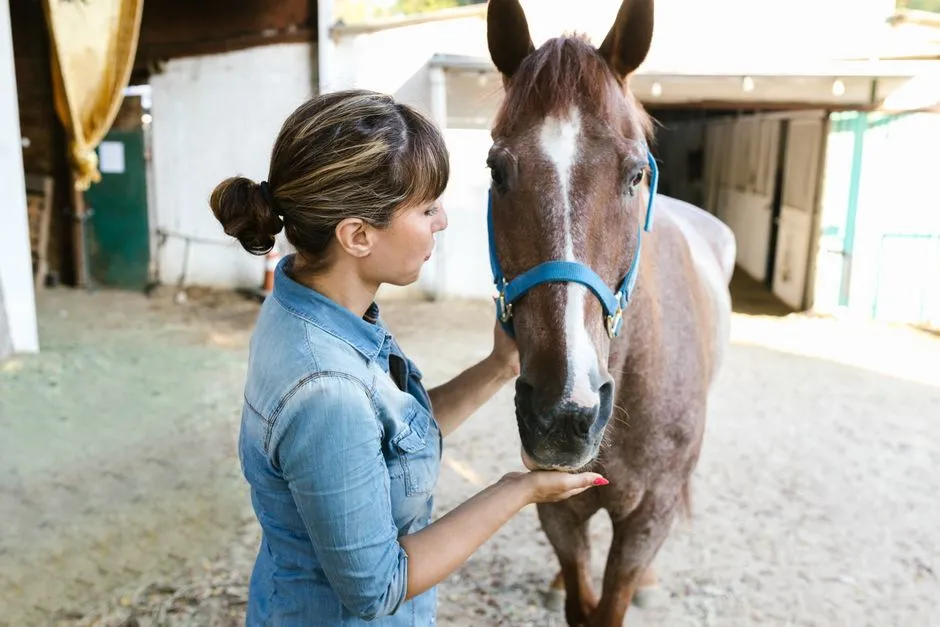
This one starts arguments online, but context is everything. A horse that calmly turns a hip toward you, relaxes, and doesn’t pin its ears or swish hard is often saying something closer to, “I feel safe enough to rest with you at my back.” In a herd, grazing with someone behind you is a high-trust position, not an insult.
It’s only disrespect or danger if the tail is lashing, the muscles are tight, or the hind end is actively swinging into you because the horse feels cornered. A soft rump, a cocked hind leg, and quiet ears mean the opposite – they’re exposing their most dangerous weapon and choosing not to use it. It’s the horse equivalent of a friend falling asleep on your shoulder on a crowded train.
#5 – Lowering Their Head the Moment You Approach
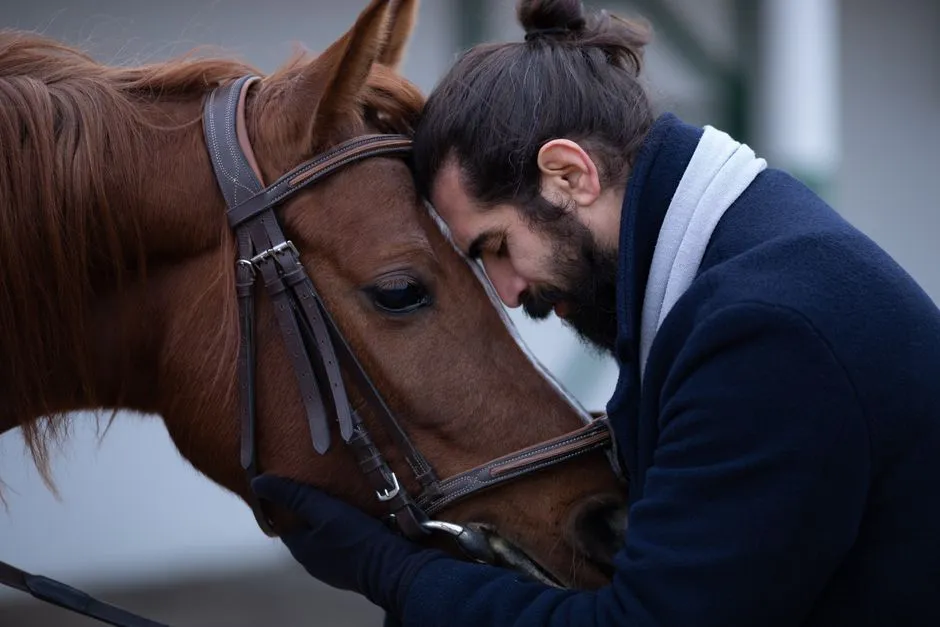
Head position is a massive body-language billboard. A relaxed horse will often lower its head slightly when you walk up, clip on a halter, or start grooming, while chronic high head carriage and a braced neck usually scream “I’m on alert.” When the opposite happens specifically around you, that’s trust made visible.
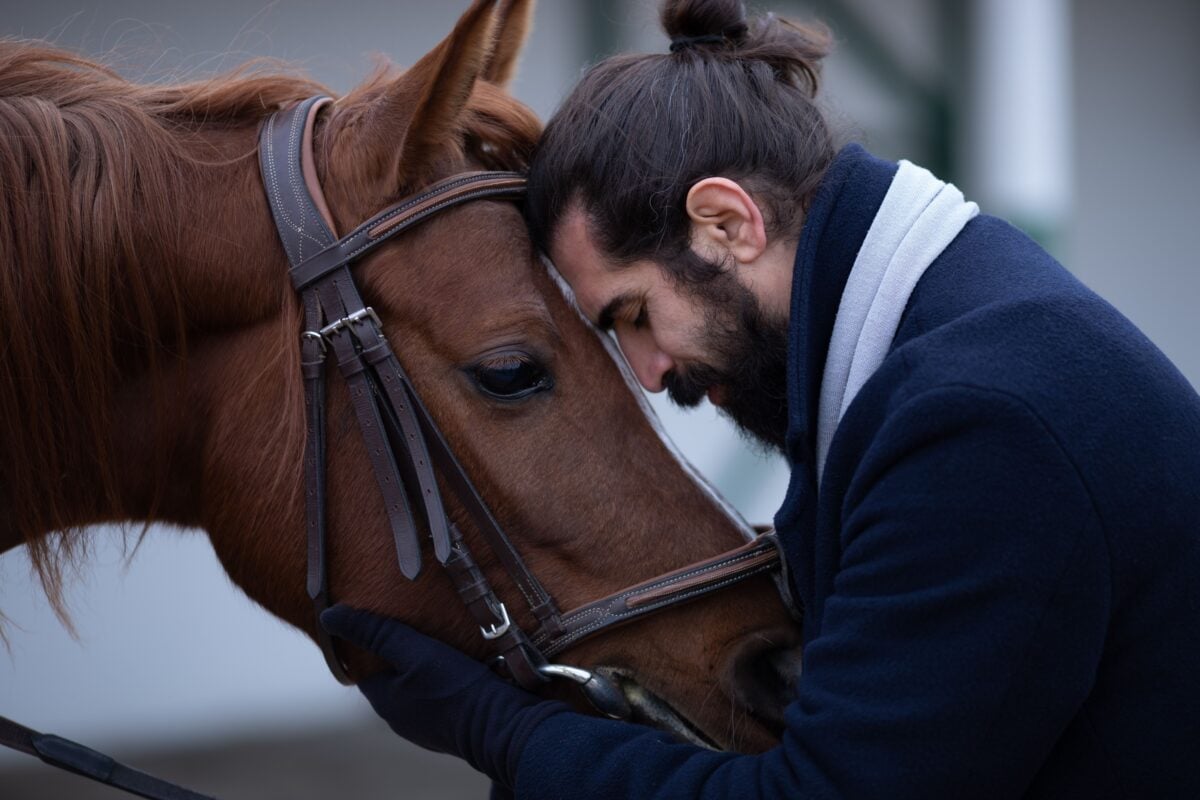
Watch the pattern: does your horse raise its head for strangers but drop it the second you take the lead rope? Some will even press their forehead lightly into your chest, almost grounding themselves through you. A prey animal voluntarily shrinking its own scan range is not a small thing – it only happens when the environment feels safe.
#6 – Ears That Check In Instead of Locking On
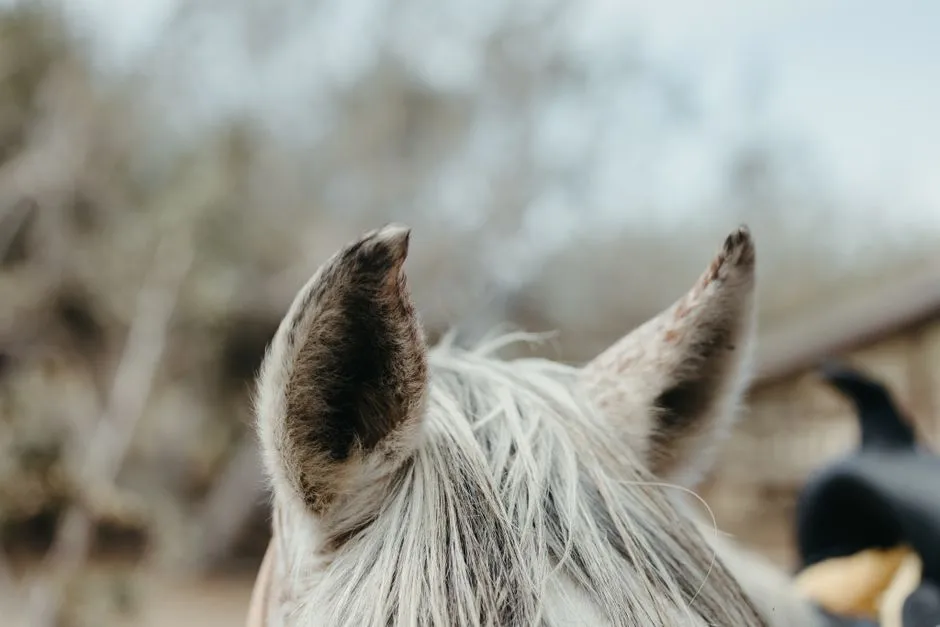
“Ears forward means happy” is a myth. True ease looks like ears that move freely – scanning, swiveling at sounds, then flicking softly back toward you as if asking, “We good?” The key is mobility and softness, not just position.
A safe horse might graze with its ears wandering, then throw you a quick, gentle flick and a glance every so often. That’s connection without anxiety. Compare that to a horse whose ears lock onto every noise like a security camera – vigilant, maybe, but not actually settled yet.
Fast Facts
- A horse’s ears can rotate nearly 180 degrees, and each one can move independently.
- That independent movement lets a horse track two different sounds at the same time.
- Ear position can shift in a fraction of a second, making it one of the fastest body-language cues to read.
#7 – Showing You Their Weak Spots Without Tensing
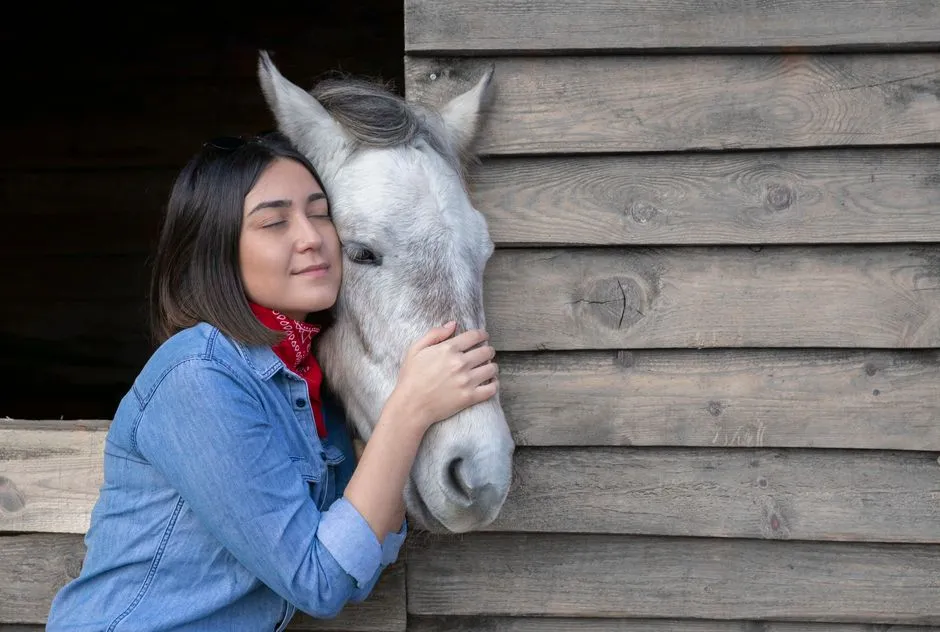
A horse’s belly, flank, inner thighs, and hind legs are high-risk real estate in prey-animal logic, and plenty of tense or previously mishandled horses guard those zones fiercely. When a horse lets you brush or inspect those sensitive spots without flinching or clamping down, that’s a serious trust deposit, not just good manners.
The most telling version isn’t passive tolerance – it’s active participation. A horse that shifts its weight to give you access, lifts a leg calmly for the farrier, or parts its hind legs slightly so you can reach around the back is telling you something specific: they know you could hurt them there, and they’re choosing to believe you won’t.
#8 – Napping or Lying Flat Out When You’re Nearby
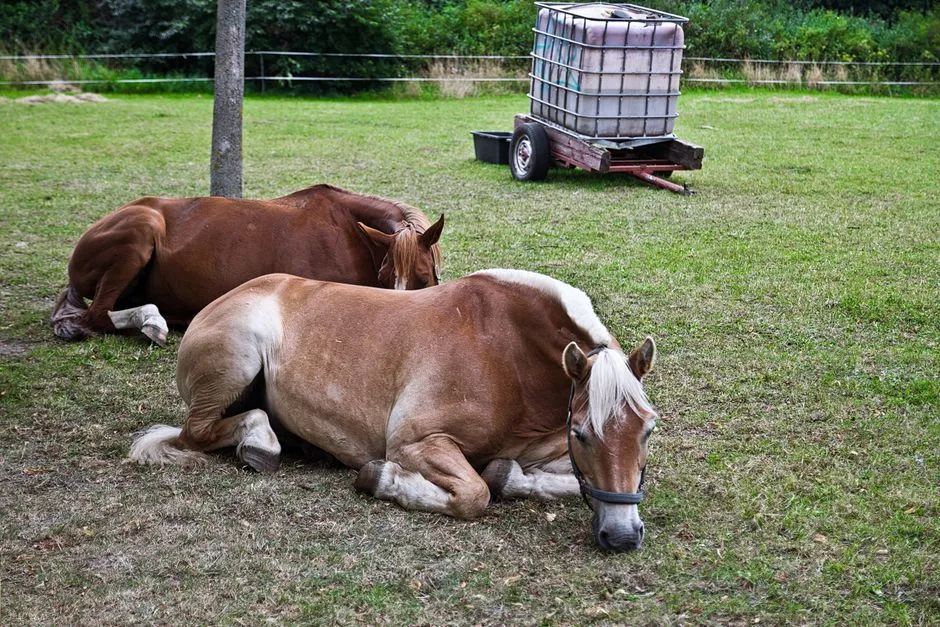
For a prey animal, lying down is a gamble – horizontal means someone else has to be on guard. If your horse feels comfortable enough to fully doze or sleep while you’re in the paddock or stall, that’s a major trust badge, not just laziness.
Watch for one hind leg cocked, a drooping lower lip, or a full flat-out sprawl with slow, deep breathing. If a horse that used to jump up the second a human walked near now just lifts its head, glances at you, and goes back to sleep, that’s real progress. You’ve become the herd member they’re willing to rest around.
Worth Knowing
- Horses have a natural “stay apparatus” that locks their legs, letting them doze standing up with little effort.
- True REM sleep only happens lying down, and most horses only need a short stretch of it each day.
- A horse that never lies down, even briefly, may be dealing with pain, stress, or an environment that doesn’t feel safe.
#9 – Letting You Interrupt Their Food Without Panic
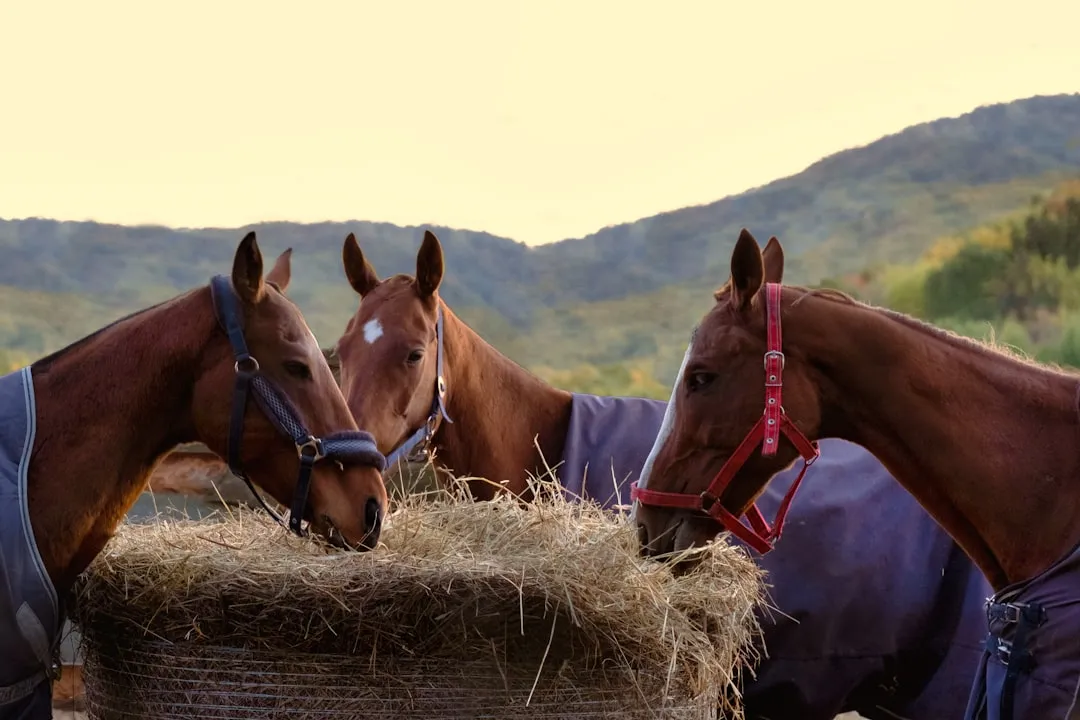
Food is survival, and plenty of nervous or previously underfed horses guard hay and grain like their life depends on it – because at some point in their history, it did. A horse that keeps calmly eating while you move around, adjust buckets, or reach in is saying, in behavior language, “I don’t think you’re a threat to my survival.”
One important note: you should never deliberately bully a horse away from food to “prove dominance.” That usually makes resource guarding worse, not better. The real signal to watch for is ears staying neutral and the body staying soft as you move nearby – and some especially settled horses will even pause to sniff you, then go right back to chewing, unbothered.
#10 – Quiet, Curious Sniffs Instead of Defensive Bites
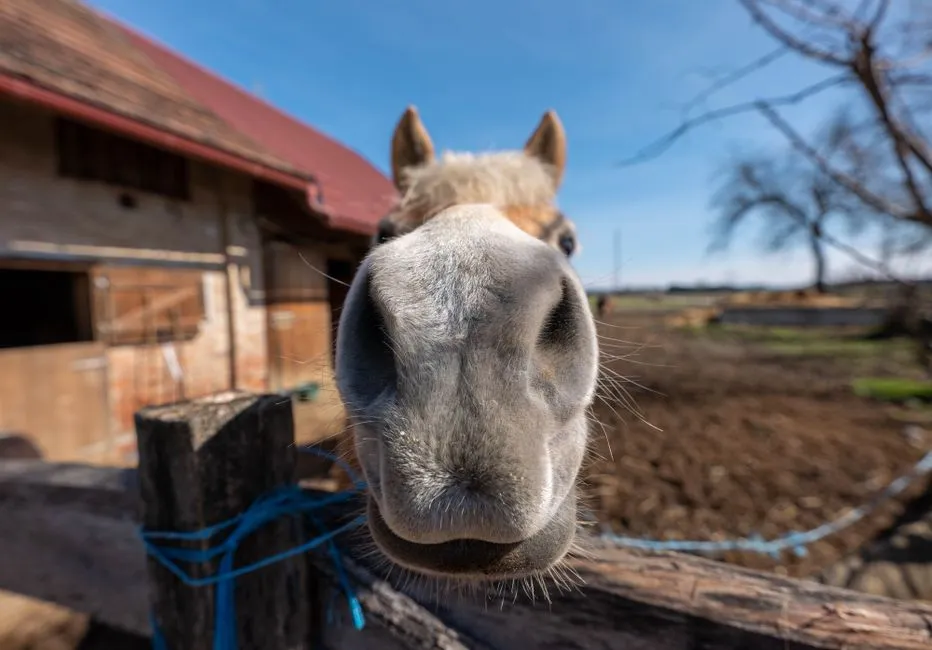
Mouthy horses get labeled “bad,” but curiosity through the muzzle is just how horses explore the world. The real question is the energy behind it. A safe horse investigates you, your pockets, your coat with slow, loose-lipped sniffs and gentle nibbles – lips doing the work, not teeth.
You’ll notice soft exhales over your hands or hair, or a goofy interest in zippers and jacket edges. In a relaxed herd, horses groom, nuzzle, and mouth objects constantly with buddies they trust. When they extend that same curiosity to you, they’ve mentally filed you under “safe to be close to” – you still set boundaries, but the motivation behind it is comfort, not fear.
#11 – Matching Your Energy With Barely Any Pressure
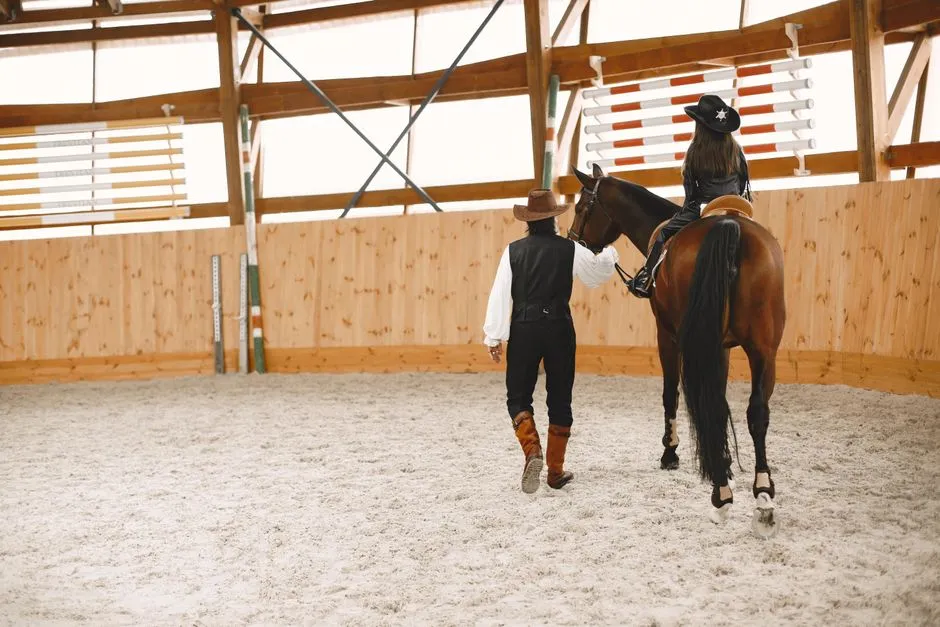
Most riders equate “safe” with “doesn’t bolt under saddle,” but the more honest read is subtler: does your horse actually tune in and match your energy off tiny cues? On the ground, that looks like walking off when you take a step, or halting when you exhale and stop – no yanking required.
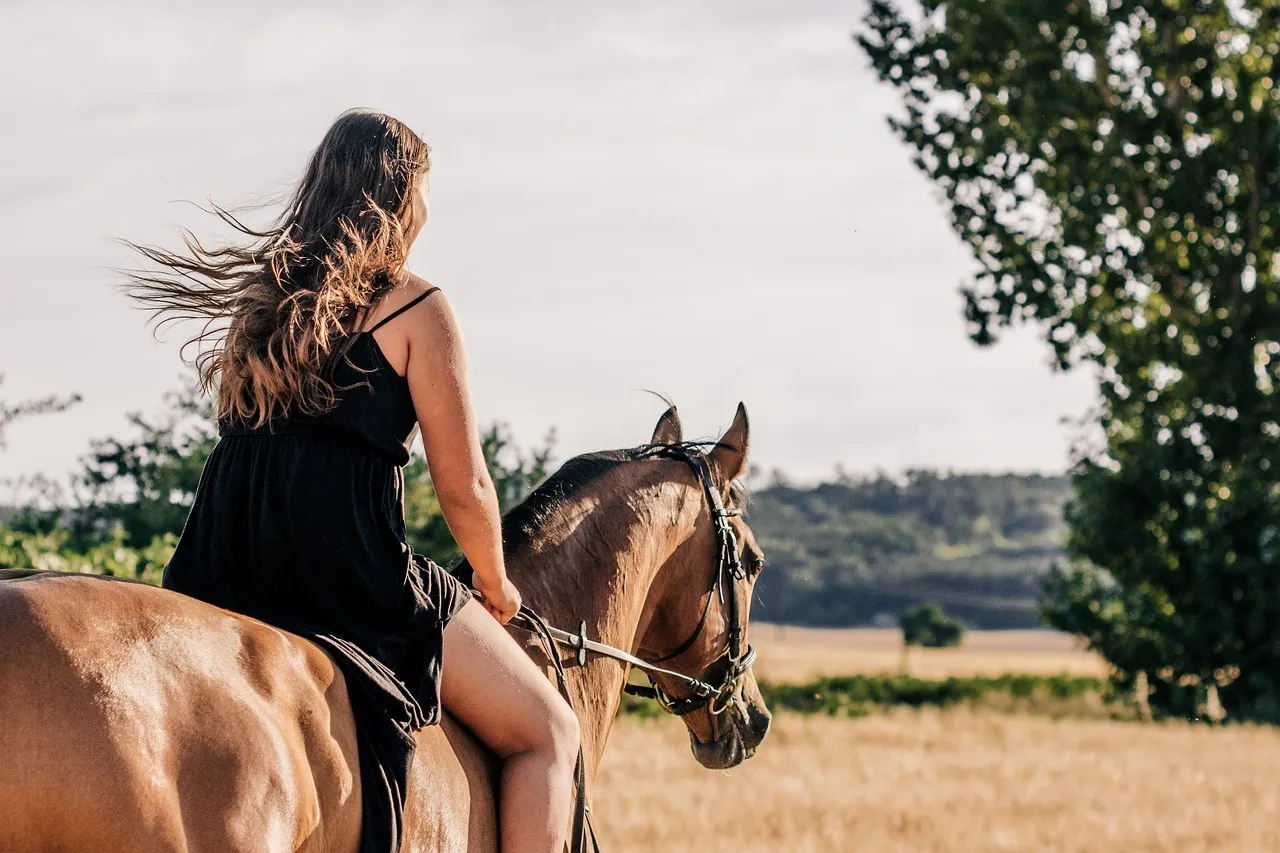
Under saddle, a trusting horse often mirrors your relaxed seat with a longer stride, or comes back from a trot with a light aid instead of an argument. This sync isn’t magic. It’s built from reps where you’ve been predictable and fair, so the horse learns that tuning into you leads to clarity and release, not random punishment.
#12 – Confiding Their Fear to You Instead of Blowing Up
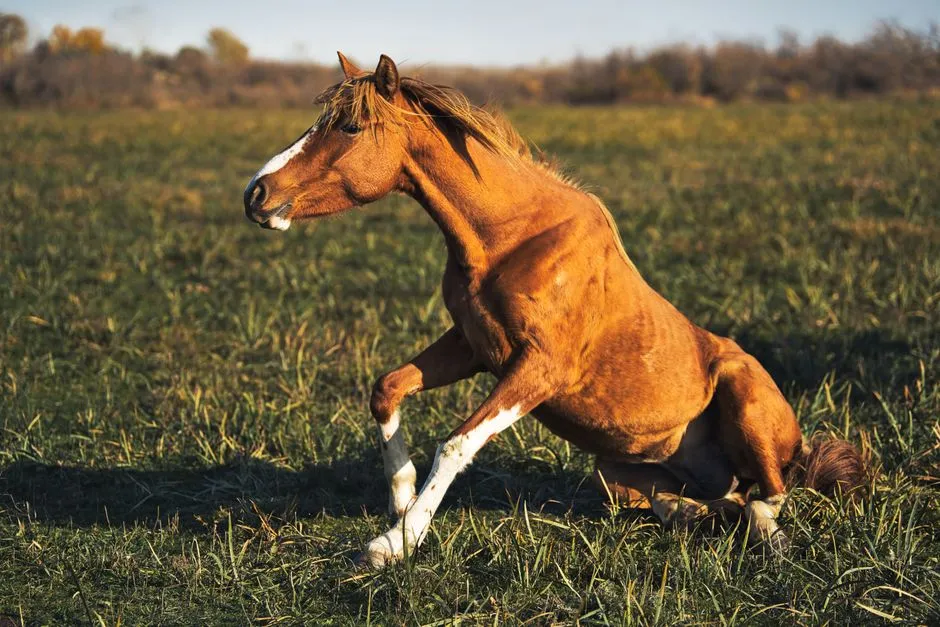
Here’s where most people get it backwards – they think a “trusting” horse never spooks. Wrong. Even the steadiest horse startles sometimes. The real test is what happens in the two seconds right after.
A horse that feels safe with you might jump, snort, then swing an ear or eye back toward you as if to ask, “Is this okay?” Some will step toward you instead of away when they’re unsure. That micro check-in means you’ve become a reference point instead of another unpredictable stressor – you don’t build a bombproof horse by eliminating fear, you build one by becoming the thing it orients to when fear hits.
At a Glance
- Trusting horse after a spook: jumps, checks in with you, settles quickly
- Distrustful horse after a spook: bolts, stays braced, hard to catch
- The real test isn’t whether they spook – it’s what happens in the two seconds after
#13 – Melting Into Grooming Instead of Freezing Through It
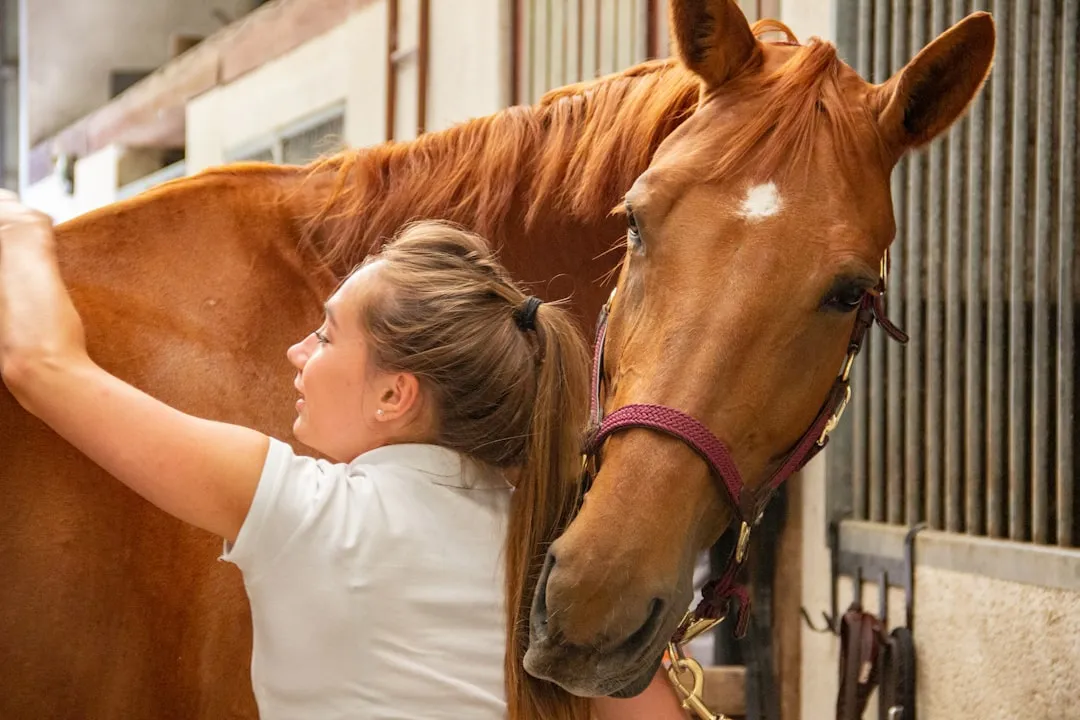
Plenty of horses “tolerate” grooming by standing frozen still, and that stillness can look like calm when it’s actually learned helplessness. The real signal is when grooming turns into something closer to therapy – the horse leans into the brush, stretches its neck, wiggles to show you an itchy spot, and sighs or yawns through it.
Some horses will even groom you back, nuzzling your arm or jacket while you curry them. In the wild, mutual grooming happens between trusted companions, not strangers. It might take some gentle boundary-setting on your end, but the underlying impulse tells you plenty – your touch reads as comfort, not tension.
#14 – Handling Scary New Things Better Because You’re There
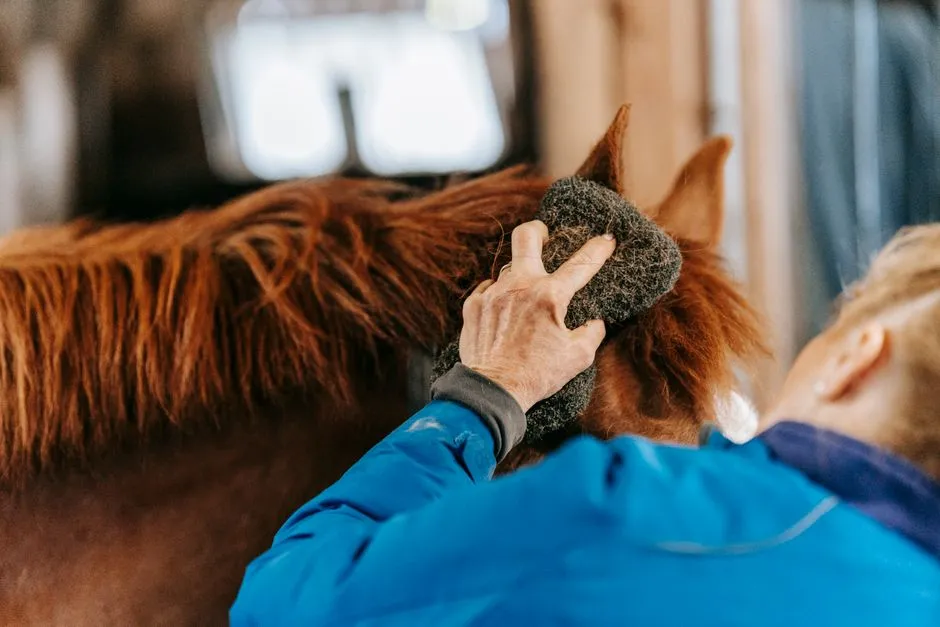
No horse is born loving clippers, spray bottles, or flapping tarps. But horses that feel safe with their person often cope dramatically better when that person is the one holding the scary object. They might still snort or hesitate, but they stay mentally reachable – thinking, not exploding.
You might see initial worry melt into curiosity as you stay calm, or the horse stepping forward to sniff the object because you’re holding it steady. Many owners notice their horse handles vet visits or new environments far better with a specific person at the head. That’s not habit – that’s a horse quietly deciding, “If you’re here, I can probably survive this.”
#15 – Showing Genuine Personality Instead of Walking on Eggshells
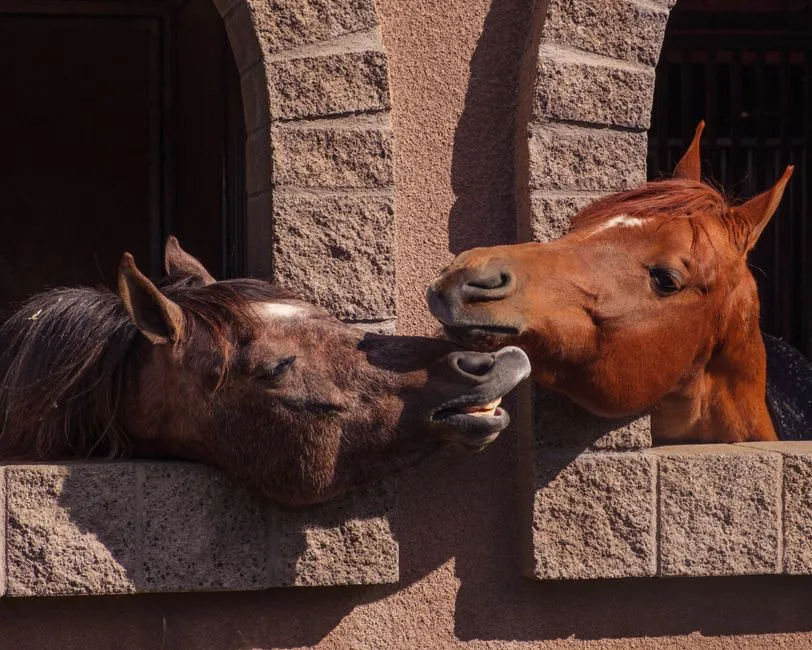
The most underrated sign of safety is the simplest one: your horse stops performing and starts being a little bit themselves. Playful, opinionated, occasionally cheeky behavior tends to surface only once a horse believes it won’t be punished for every small mistake.
You might see a little nicker ritual when you arrive, a play bow, or some silly antics at liberty that have nothing to do with training and everything to do with comfort. A horse that never offers an idea, never tests a boundary, never shows a preference isn’t necessarily “perfect” – it might just be shut down. When your horse feels safe enough to have a voice, and you respond with guidance instead of anger, that’s the clearest sign of all.
The Bottom Line
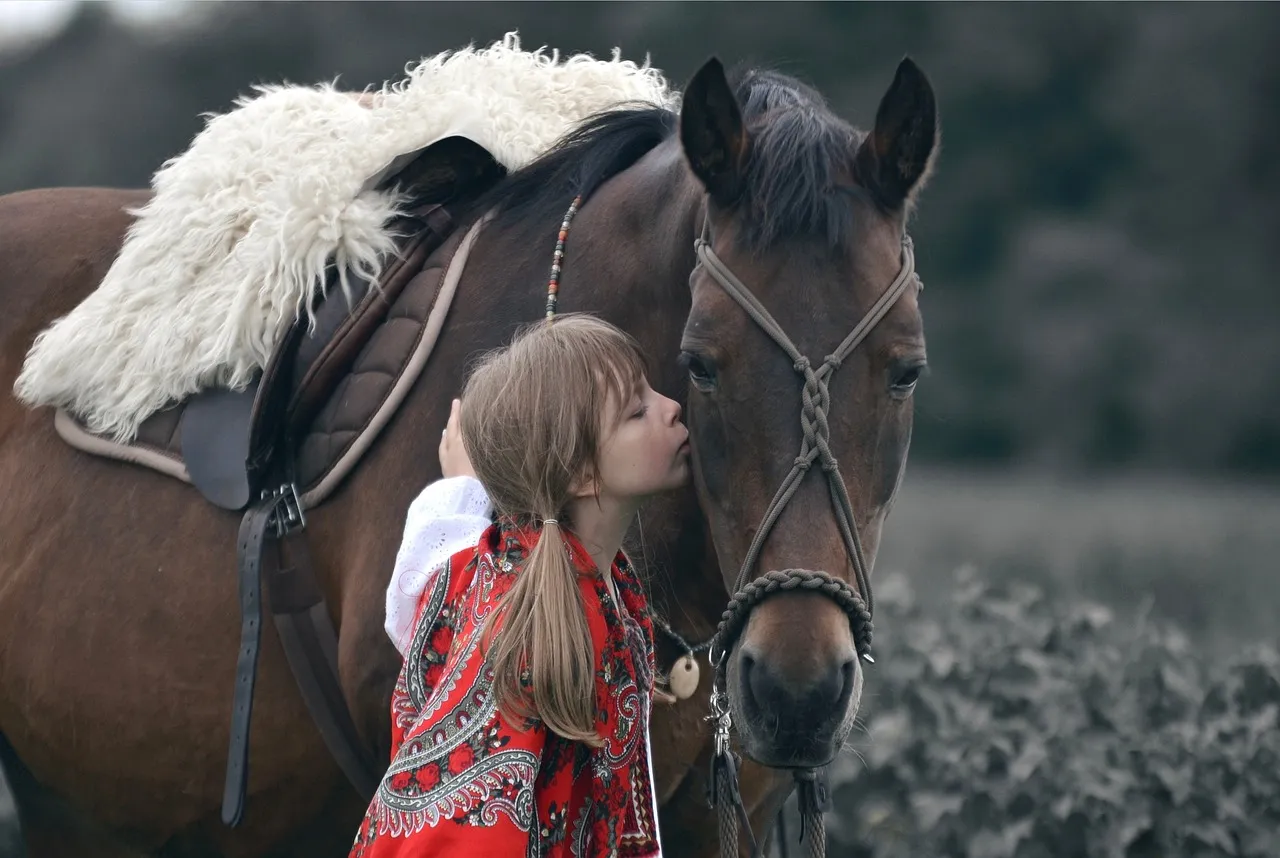
Most owners are chasing the wrong scoreboard. They want a horse that behaves, not a horse that feels safe – and those are not the same animal. The deep sighs, the melty eyes, the naps taken in your presence, the way they check in with you the second something scary happens: that’s the real scorecard of the relationship, and it has nothing to do with ribbons.
A horse that genuinely trusts you will rearrange its own survival instincts around your presence – lowering its head, exposing its weak spots, even sleeping while you stand there. Some riders would rather call that “soft” or “spoiled” than admit their own horse has never once shown it to them. But you can’t fake felt safety. The body doesn’t lie, even when we want it to.
So which of these fifteen is your horse already giving you – and which one is still missing?

- 13 Tender Signs a Horse Is Grieving a Rider It Lost - July 28, 2026
- 15 Things a Horse Does That Mean It Feels Completely Safe With You - July 28, 2026
- 13 Hidden Things Your Dog Does at Night That Most Owners Completely Miss - July 28, 2026