
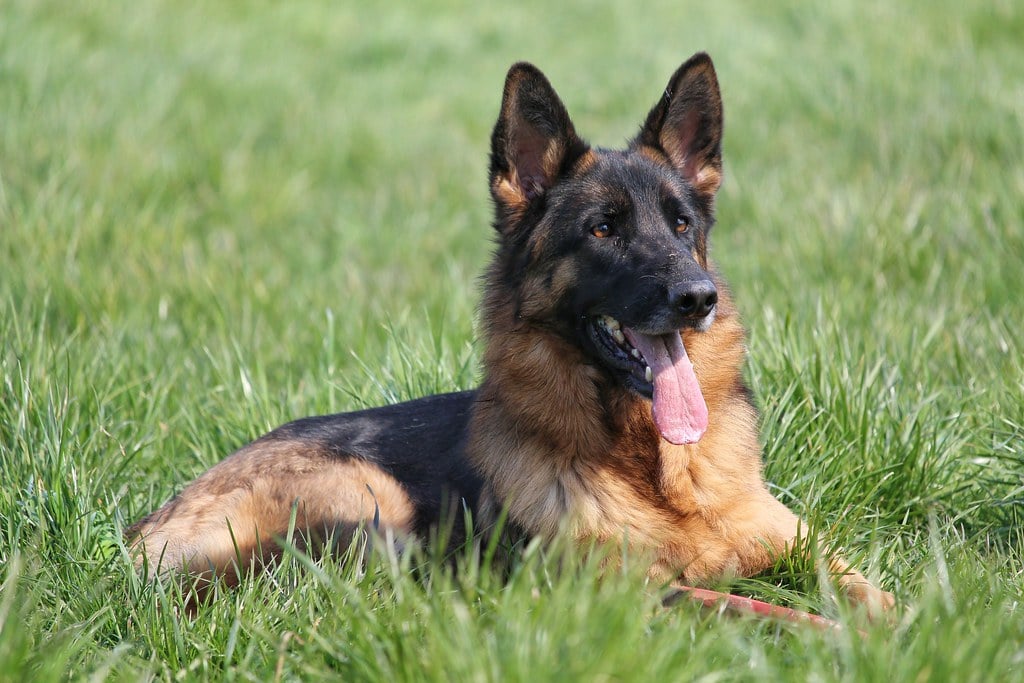
Most German Shepherd owners think they know their dog inside out – the barking, the shedding, the endless energy that never seems to run out. But here’s the part almost nobody expects: **the real personality of this breed hides in the silence, not the noise.**
It’s in the way they position themselves by a door. The way they watch you get dressed. The way they go completely quiet at exactly the wrong – or right – moment. Most people chalk these things up to coincidence, or just “a dog thing.” But trainers, breeders, and longtime owners say these quiet habits are actually the clearest window into how a German Shepherd’s brain really works, once you know what you’re looking at.
#1 – The Bathroom Door Stakeout
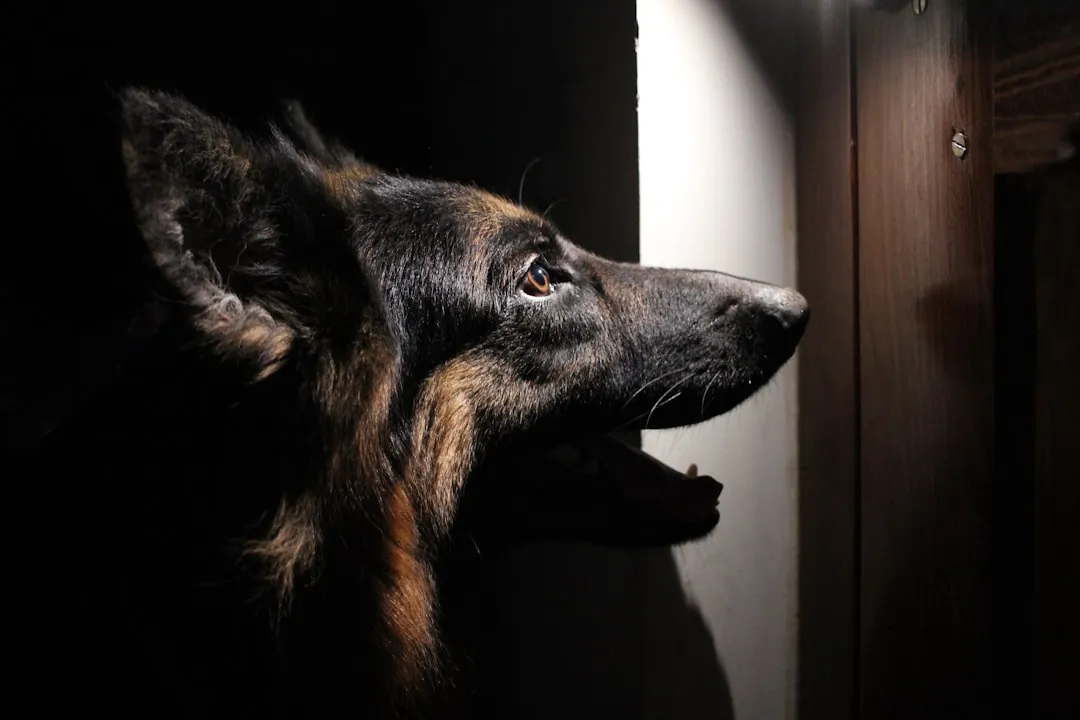
Nearly every German Shepherd owner eventually notices this one, because it happens constantly, not occasionally. You close the bathroom door expecting five minutes of peace, and instead you hear the unmistakable thud of eighty pounds of dog dropping directly against the frame. German Shepherds follow their owners everywhere, including the bathroom, and it’s their way of staying close while also doing the job they’ve assigned themselves: watching out for you.
This isn’t clinginess for its own sake. **They don’t see closed doors as boundaries – they see them as a gap in their surveillance.** Owners often assume this fades as the dog matures, but it rarely does. Once a German Shepherd decides you’re “theirs,” the bathroom door becomes just another post to guard, quietly and without complaint.
Fast Facts
- German Shepherds rank as the No. 4 most popular dog breed in the U.S. according to the AKC’s most recent registration data.
- The breed originated in Germany in the late 1800s, originally developed for herding and working roles.
- Adults typically weigh 50 to 90 pounds and stand 22 to 26 inches at the shoulder.
- They’re famously one-person or one-family dogs, which is why constant shadowing behavior runs so deep.
#2 – The Full-Body Lean That Means More Than Affection

It looks like affection, and it partly is – but there’s a second layer most owners miss entirely. The full-body press, where your Shepherd leans their entire weight against you, combines several messages at once: affection, security-seeking, and a quiet claim of territory. This behavior tends to strengthen when your dog feels especially protective or attached.
What throws people off is the timing. The lean doesn’t always show up during cuddle time – it often shows up in public, at the vet, or around unfamiliar people, which is a clue it’s doing double duty. **Most owners never realize the lean intensifies specifically in situations where the dog feels the need to stake a claim on you**, not just when it wants a hug. It’s affection with a side of possession, and once you notice it, you can’t unsee it.
#3 – They Study Your Routine Like a Script

Long before you grab your keys, your German Shepherd already knows you’re leaving. You didn’t train your dog to sit right before dinner or wait by the door when you’re putting on shoes – yet somehow, they just do it. That’s because German Shepherds are watchers, not just of people but of patterns, and they clock exactly what happens before you leave.
This is where owners start to feel a little unsettled, in a good way. The dog isn’t reacting to the door opening – it’s reacting to the *sequence* that leads up to it: the shoes, the keys jingling, the specific jacket. **Many owners swear their dog reacts to a routine days before it even changes**, almost like it’s memorized a calendar it was never shown. It’s less “obedience” and more quiet pattern recognition running in the background at all times.
#4 – The Bark They Save For Things That Actually Matter
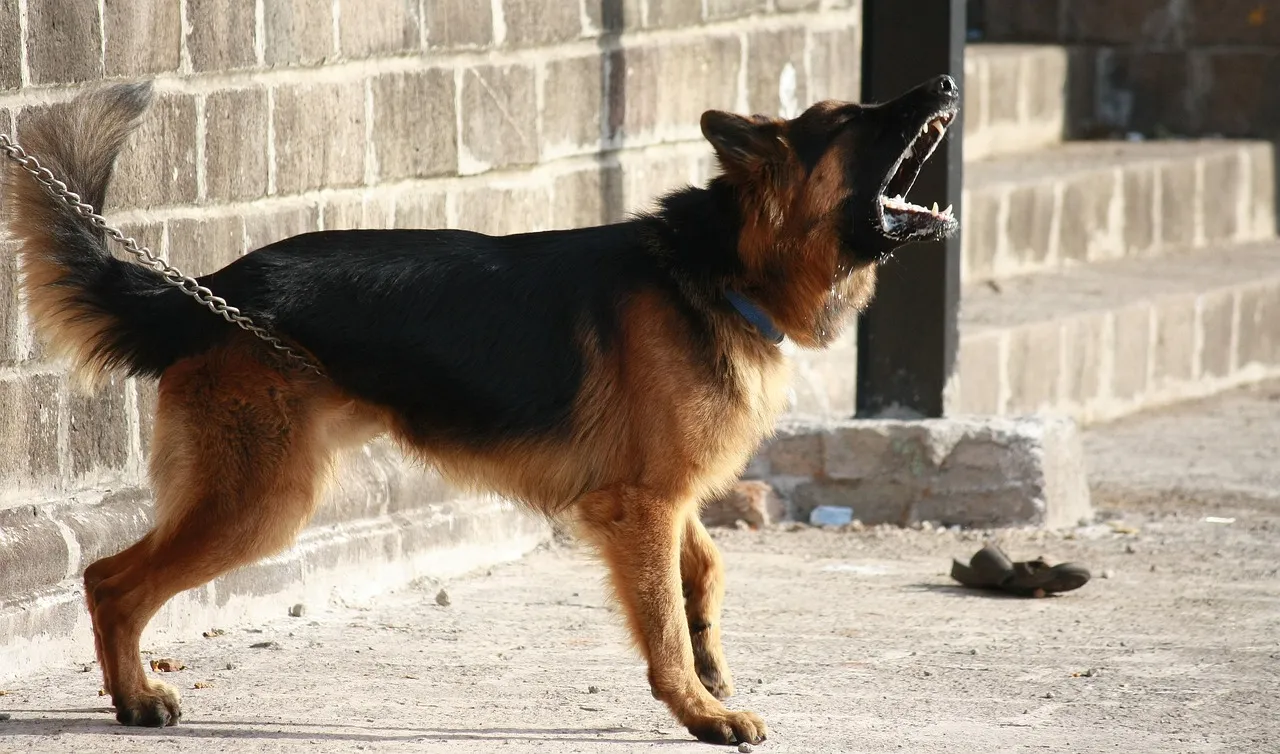
This breed has a reputation for being loud, but owners who’ve lived with one long enough know that’s only half true. They’re not noisy – they’re sharp. They save their voice for moments that matter, and when they do use it, it carries weight.
The distinction is subtle but important. A knock in a movie? They won’t flinch. A real knock, even the softest one, and they’re already at the door. **Most owners don’t clock this filtering system until months in**, when they realize their dog has been silently sorting every sound in the house the entire time, not reacting randomly to noise. It’s judgment, not instinct on autopilot.
#5 – Sleeping On Your Laundry When You’re Not Around
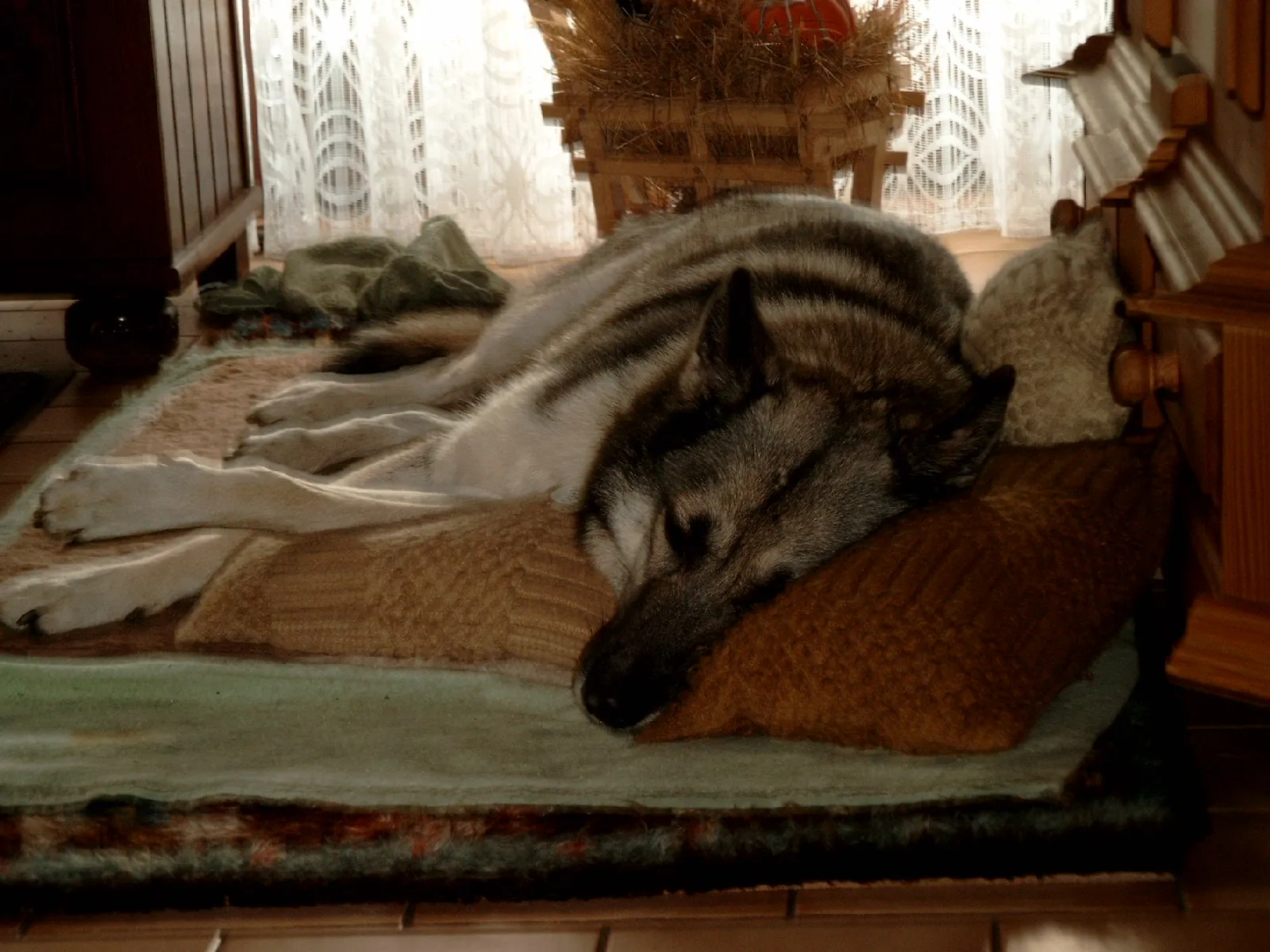
If you’ve ever found your dog curled up on a pile of your dirty clothes instead of their actual bed, you’re not imagining the pattern. German Shepherds are fondly called “Velcro dogs” for a reason – they love being close to their owners, and when they can’t be close to you, your laundry or bedding becomes the next best thing.
Owners frequently mistake this for laziness or a preference for soft fabric, but it’s really scent-seeking behavior. **The dog isn’t choosing comfort – it’s choosing you, secondhand, through smell**, because the real thing isn’t available. This habit tends to intensify after schedule changes, new jobs, or longer workdays, which is often the first sign a Shepherd is coping with your absence rather than ignoring it.
#6 – The Head Tilt That’s Actually Active Listening

The head tilt gets treated like a cute meme moment, but it’s doing real cognitive work. Some experts believe dogs tilt their heads to get a better visual, but with German Shepherds the tilt seems to appear specifically when they’re listening – trying to locate and decode frequencies and inflections in a voice.
What most owners don’t realize is how selective this tilt actually is. It rarely shows up during normal chatter – it shows up when you use an unfamiliar tone, a new word, or a phrase loaded with emotional weight. **The tilt is essentially the dog running a quiet analysis of you, not the room.** Owners who talk to their Shepherds often notice the tilt increasing the more specific or emotionally charged the conversation becomes.
Why It Stands Out
- German Shepherds are widely ranked among the top three smartest dog breeds by canine researchers studying working and obedience intelligence.
- They’re commonly used in police, military, and search-and-rescue work precisely because of this rapid listening-and-response ability.
- The head tilt is thought to help dogs pinpoint sound direction and read subtle facial cues at the same time.
#7 – They Notice Your Mood Before You Say a Word
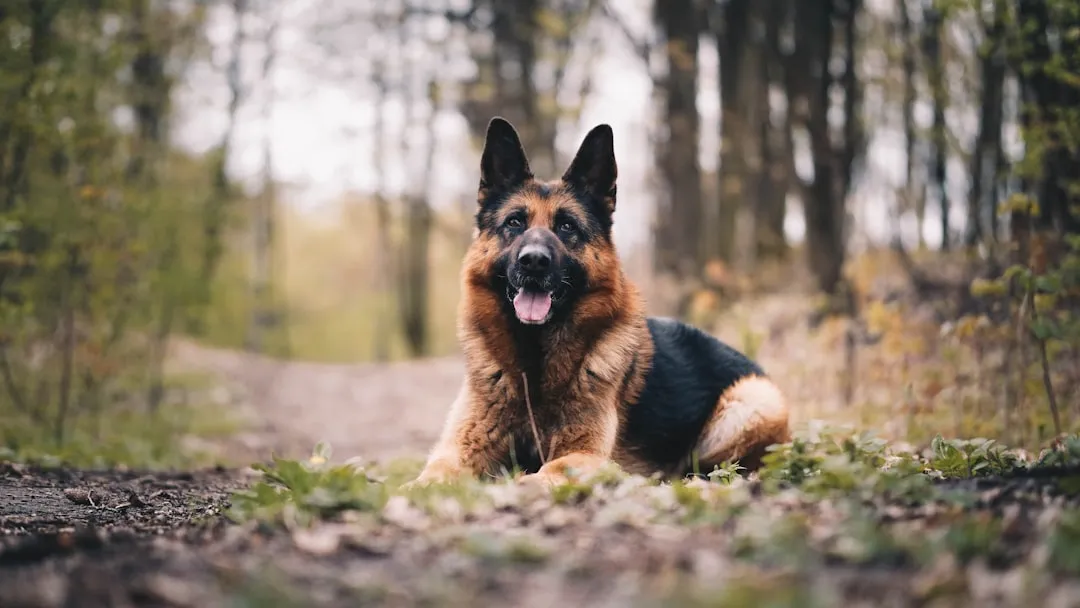
There’s a reason so many Shepherd owners describe their dog as “checking in” on bad days. If a German Shepherd comes over for a snuggle or offers comfort when you’re upset, they’re showing genuine empathy. This breed is remarkably good at reading body language and moods, and it stays locked onto its owner’s emotional state almost constantly.
This sensitivity runs deeper than most owners expect. **The dog often reacts to a mood shift minutes before the owner has even consciously registered the emotion themselves**, picking up on posture, breathing, or tone changes long before words are involved.
The dog does not think about tomorrow, or yesterday. He just is. He is a dog and delights in his own dogginess.
Milan Kundera
It’s one of the reasons owners describe the bond as feeling less like companionship and more like being quietly, gently monitored – in the best possible way.
#8 – The “Talking” Instead of Barking
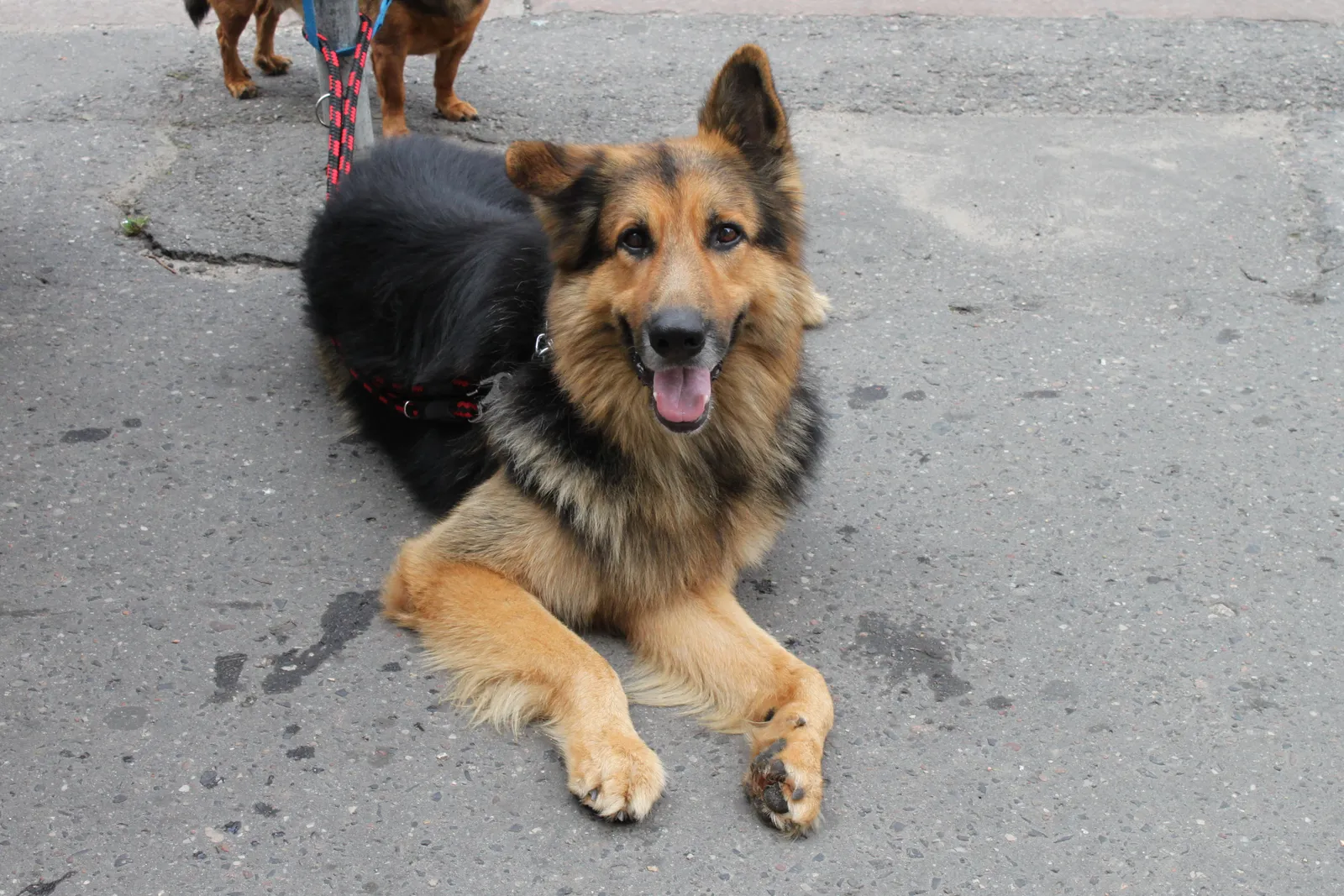
Somewhere between a whine and a bark, there’s a sound unique to this breed that catches new owners completely off guard. This vocal streak surprises a lot of first-time Shepherd owners – the dogs don’t just bark, they whine, grumble, “talk,” and howl, using their voices to communicate everything from boredom to spotting a squirrel three yards away.
The most misunderstood version of this is the low grumble. Many GSDs make this sound when they’re settling in or feeling content. **Owners frequently mistake this contented grumble for a growl and panic unnecessarily**, when in reality it’s closer to a sigh than a warning. Learning to tell the difference between the anxious whine, the alert bark, and the content grumble is often the moment an owner realizes their dog has been communicating specific messages all along.
Quick Compare
- Sharp bark: something genuinely out of place, worth checking
- Whine: anxiety, excitement, or wanting something specific
- Low grumble: contentment, settling in, not a threat
- Howl: loneliness, boredom, or reacting to sirens and far-off sounds
#9 – Following You From Room to Room, Every Single Time

This is the habit every Shepherd owner mentions first, because it never really stops. If you move from the kitchen to the living room, your dog will likely follow. If you head to the bathroom, they’ll wait right outside – this desire to stay near their person is a hallmark of the breed.
New owners sometimes worry this behavior is unhealthy attachment, but experts say it’s simply the breed operating as designed. **The line between devoted and dependent is thinner than most people admit**, though, and plenty of trainers now argue this constant shadowing can tip into genuine separation anxiety if it’s never gently addressed early on.
#10 – The Twitching That Means They’re Dreaming

Watch a sleeping German Shepherd long enough and you’ll catch it: paws paddling, ears flicking, small huffs of breath. Dogs enter REM sleep much like humans do, and when a Shepherd begins to twitch or move its paws mid-sleep, it’s very likely dreaming – which raises the obvious, slightly haunting question of what exactly they’re dreaming about.
Most owners assume this is random, but it tends to cluster after big days – long hikes, new environments, high-stimulation training sessions. **The busier the dog’s day, the more active the twitching tends to become**, which lines up with how REM sleep processes memory in other mammals. It’s a small, silent reminder that even at rest, this breed’s brain doesn’t fully switch off.
#11 – The Soft Mouthing That Isn’t a Warning Sign

New owners often panic the first time their Shepherd puts teeth on skin, assuming the worst. It usually isn’t aggression at all. Gentle teeth-on-skin contact without pressure is often leftover puppy communication, and adult German Shepherds may mouth hands during play or greeting simply to interact and show excitement.
The confusion comes from how intense it can look in the moment, especially with a dog this size. **The difference between a warning bite and communicative mouthing usually comes down to pressure, not frequency** – soft and controlled means the dog is talking, not threatening. Owners who learn to read this correctly early on tend to have far fewer behavior misunderstandings down the line.
#12 – The Guarding Instinct That Shows Up Later Than Expected

Plenty of owners assume resource guarding is a puppy problem that gets trained out early. Then it resurfaces, quietly, months or even years later. This behavior shows up when a dog guards something it values, which is quite common in herding breeds – growling, stiffening, or lunging to stop you from taking a possession.
This is one of the more controversial traits among owners, because plenty insist their dog would “never” do this – until a new toy, a new baby, or a new pet enters the picture. **Many trainers now argue this instinct never fully disappears, it just goes dormant** until the right trigger shows up, which is exactly why it needs to be addressed the moment it appears, not brushed off as a one-time fluke.
Worth Knowing
- Common early signs include stiffening over food, toys, or resting spots when someone approaches.
- Triggers often cluster around big household changes – a new pet, a new baby, or unfamiliar visitors.
- The instinct rarely disappears completely; it typically goes dormant rather than vanishing for good.
- Early, calm intervention tends to work far better than waiting to see if it resolves on its own.
#13 – Sorting Sound Like It’s a Full-Time Job
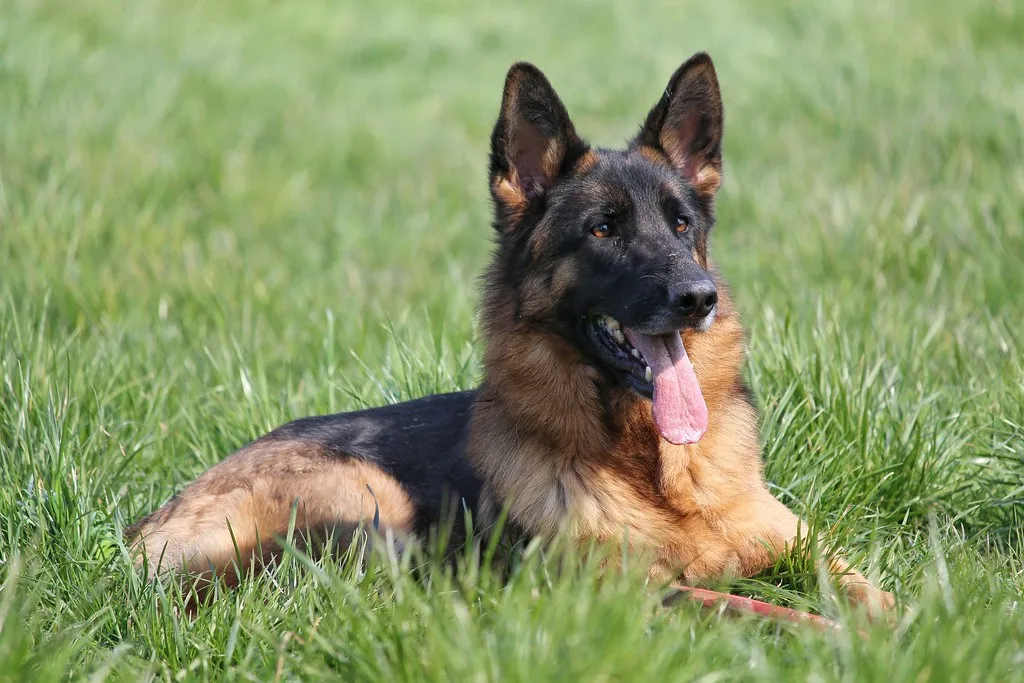
This is the trait that convinces most owners their dog is smarter than they bargained for. Shepherds don’t just hear sounds – they sort them. A stranger’s scent, a strange voice in the yard, a real footstep versus a passing car: the dog is quietly triaging all of it, all day, without any visible effort.
What surprises owners most is how selective this filtering becomes over time. **The dog is essentially running background threat-assessment software 24 hours a day**, and most owners never notice until they watch their Shepherd completely ignore a loud, harmless noise while reacting instantly to something faint but genuinely out of place.
#14 – The Quiet Power Struggle Over Who’s Really in Charge

This is the one owners notice last, and it’s arguably the most important. German Shepherds want to be your partner rather than work independently – but if you’re not clear about what you’re doing, they will very quickly step into the driving seat. This breed plays the game of “who’s really in charge here” at a remarkably high level.
This isn’t loud defiance – it’s subtle, constant testing. A hesitation before a command, a slow response to “come,” a decision to walk a half-step ahead instead of beside you. **Most owners never realize this negotiation is happening until a trainer points it out**, because the dog isn’t rebelling, it’s simply checking whether the leadership role is still filled. Once an owner closes that gap consistently, the testing quietly stops – and that, more than any trick or command, is when the real partnership begins.
The Bottom Line
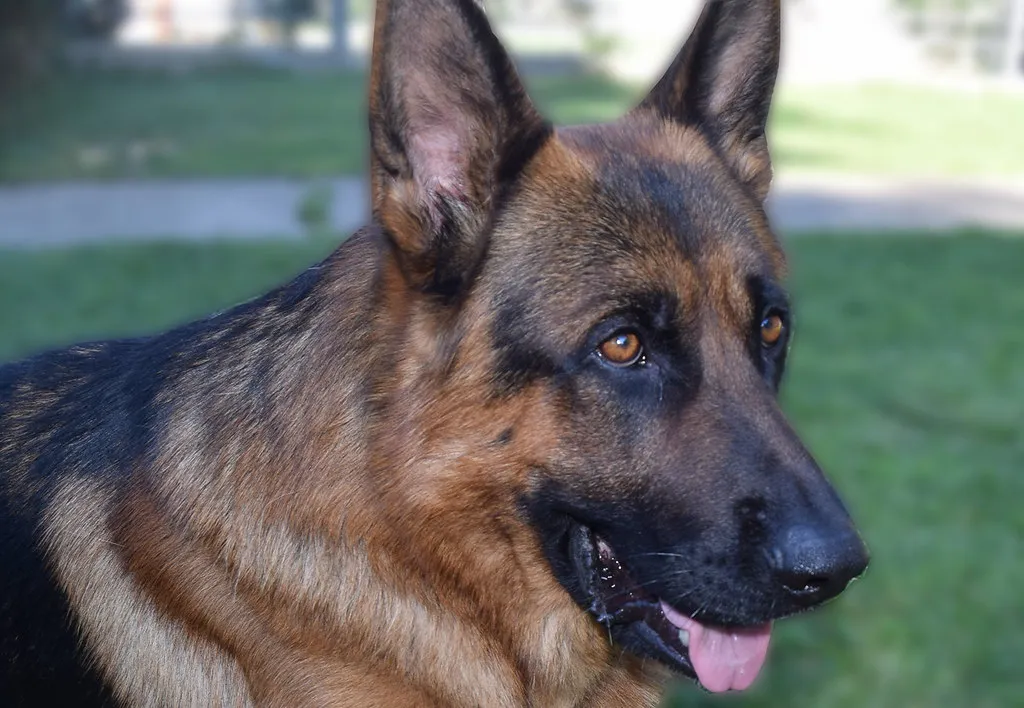
Add it up, and the loudest thing about a German Shepherd was never actually the barking – it was everything happening underneath it. The bathroom stakeouts, the laundry-pile snuggling, the silent sound-sorting, the quiet leadership tests: these aren’t quirks. They’re a working brain that never fully clocks out.
Here’s the opinion part, and I’ll stand by it: most owners spend years assuming their dog is “just being a dog,” when in reality it’s running constant pattern recognition, mood-reading, and threat assessment in the background, every single day, whether you notice or not. These dogs aren’t secretly plotting anything. They’re just built to notice more than we ever give them credit for – and the sooner an owner accepts that, the better the partnership gets. Which one of these did your German Shepherd do first? Drop it in the comments.
