
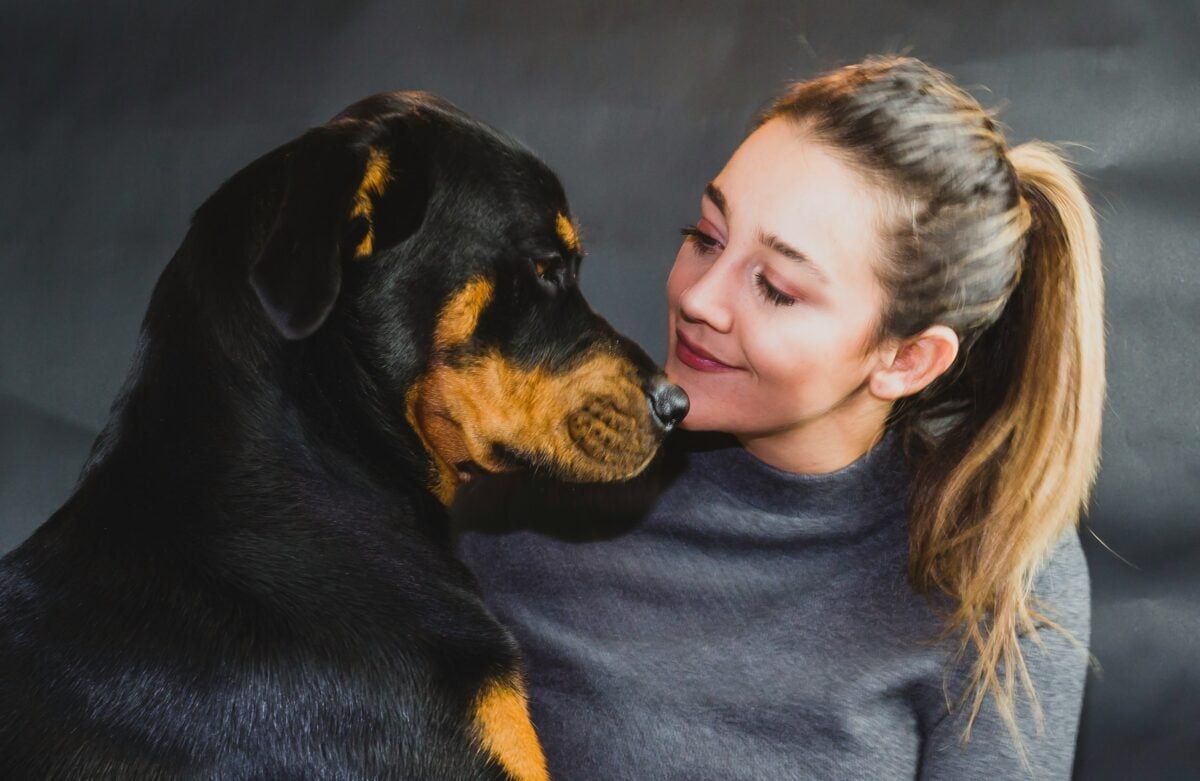
Everyone thinks they already know Rottweilers. Thick necks, blocky heads, that unmistakable black-and-tan uniform that makes strangers cross the street before the dog even says hello. The reputation writes itself before you’ve met the actual animal.
But live with one for even a year, and the whole picture flips. The dog the internet warned you about turns out to be clingy, sensitive, occasionally ridiculous, and quietly life-changing in ways almost nobody outside the breed would guess. Owners don’t just defend Rottweilers – they collect a private list of truths strangers flat-out refuse to believe, one confused look at a time. Here are sixteen of them, straight from the people who actually share a couch with one.
#16 – Your “Scary Guard Dog” Is Secretly a Velcro Shadow
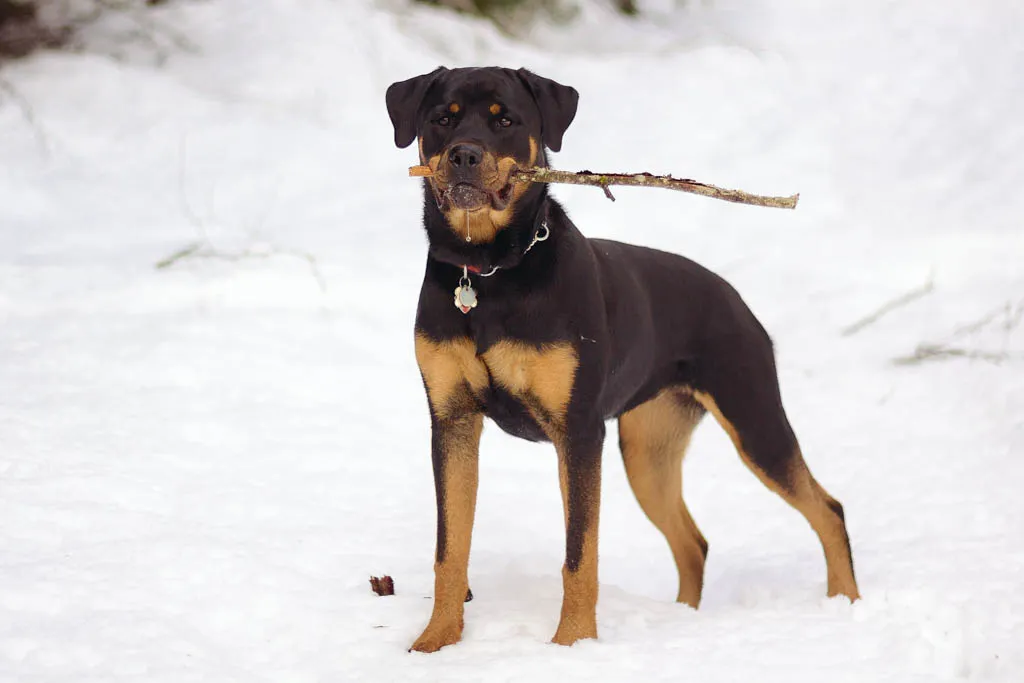
People see the broad chest and blocky head and assume “independent bodyguard.” In reality, most Rottweilers are absurdly clingy dogs who want to follow you from room to room like a furry security badge.
Owners quickly realize there’s no such thing as going to the bathroom alone. Your Rottie will lie against the door, check on you in the shower, and change nap spots just to stay near you. Strangers think they’re aloof. You know they’re just waiting for the moment they can flop across your feet.
Fast Facts
- Originating in Germany, the breed was used as a herding dog and draft animal, pulling carts to market
- The American Kennel Club (AKC) ranks this breed as the ninth most popular in the U.S.
- Height: 22 to 27 inches, Weight: 80 to 135 pounds, Lifespan: 9-10 years
- Distinctive black coat with tan or mahogany markings on the face, chest, and legs
#15 – They’re Emotionally Softer Than Half the “Lap Dogs” You Know

Most people think a tough-looking dog has a tough personality. Rottie owners discover fast that these dogs are emotional sponges who read a room better than some humans do.
Raise your voice, and your dog might slink away or give you those big hurt eyes for hours. Cry on the couch, and suddenly 100 pounds of concern is pressing against your chest trying to fix it. Tell a stranger your massive dog is actually sensitive and they’ll laugh – right up until they watch him sulk because you said “no” a bit too sharply.
#14 – They’re Terrifying… Until You See Them With Kids

The internet loves the “dangerous breed” narrative, but long-time owners know that a well-bred, well-trained Rottweiler can be astonishingly gentle with children. You’ll watch a dog who can snap a tug toy in half suddenly move in slow motion around a toddler, turning sideways to avoid bumping them.
Many Rotties will position themselves between kids and the street, the stairs, or a stranger – not aggressively, just like a living safety rail. Strangers expect catastrophe. You’ve watched your “scary” dog quietly herd your kids away from a cracked-open gate.
#13 – The Real Danger? The Zoomies in a Small Living Room
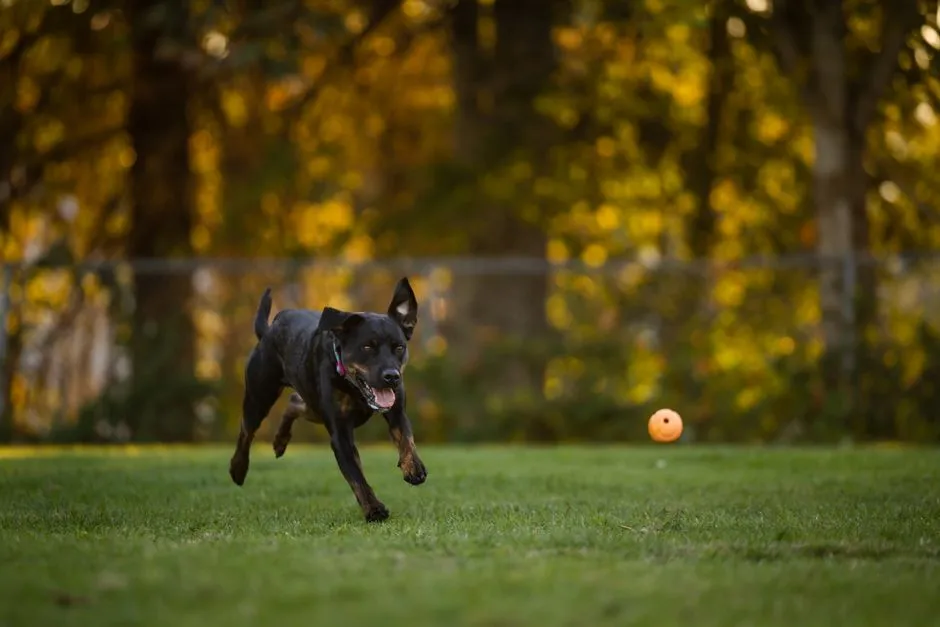
Ask any owner: the most hazardous part of living with a Rottweiler isn’t aggression – it’s 100 pounds of muscle hitting top speed on hardwood floors. One minute they’re snoring, the next they’re sprinting figure-eights around your coffee table like a bowling ball with legs.
Lamps go flying, knees get taken out, the couch shifts three inches. Smart owners learn to work with the storm instead of fighting it:
- Pre-empt zoomies with structured exercise
- Give them safe places to sprint – yards, fields, long-line walks
Tell a stranger the only thing your dog has “attacked” recently is the furniture, and they’ll think you’re joking.
#12 – They Don’t “Turn on Owners” Out of Nowhere

One of the most persistent myths is that Rottweilers “just snap.” Owners learn quickly that behavior problems almost always have clear causes: pain, fear, poor breeding, or zero training.
You start to see the pattern. The dog that “turned aggressive” was never socialized. The “unpredictable bite” came after months of ignored warning signs – stiff body, whale eye, growling, avoidance. So when someone casually says “they’re just wired wrong,” you know exactly how unfair that is. Power without guidance is a human failure, not a canine flaw.
#11 – Training a Rottweiler Is Less About Force and More About Outthinking Them
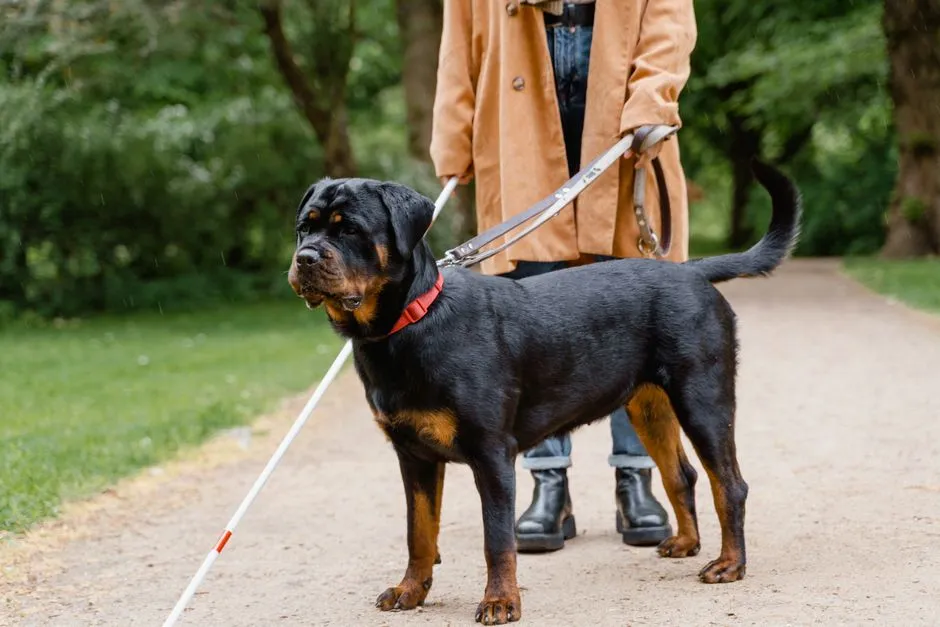
Strangers assume you have to be “alpha” and heavy-handed. Owners figure out that with a bright Rottie, brute force backfires and brain games win. Most Rottweilers thrive on clear rules, consistent boundaries, and structured challenges that treat them like the decision-makers they were bred to be.
If training is boring or unfair, they shut down or push back. If it’s engaging and respectful, they’re star students. A lot of owners end up doing advanced obedience, scent work, or sport training not because they wanted a project dog, but because their Rottie kept asking for more jobs. Meanwhile, people still parrot “you have to dominate them” while you’re over here trading flawless heelwork for cheese cubes.
Worth Knowing
- Rottweilers are a working breed at heart – they expect an actual job, not just sit-stay drills
- Positive, structured training builds trust faster than force-based corrections
- Scent work, obedience, and protection sports channel their sharp problem-solving brains
- Short, engaging sessions beat long, repetitive drills every time
#10 – They Remember Everything… Including Who Was Rude to You

Ask around and you’ll hear the same line: Rottweilers have long memories, especially about people. Be kind to them and they’ll greet you like family next time. Handle them roughly, or scare their owner, and they may never fully relax around you again.
These dogs notice body language, tone, and patterns. They pick up on your tension when a sketchy stranger approaches and shift their stance without being told. Is that “overprotective”? Sometimes. More often, it’s a powerful dog running risk assessments – because that’s literally what they were bred to do.
#9 – The Judgment You Get Walking One Is Constant and Exhausting

Strangers might compliment a Golden Retriever. With a Rottweiler, you get side-eyes, wide berths, and unsolicited opinions. People cross the street when they see you coming. Parents pull kids behind them even when your dog is heeling perfectly.
Some will tell you flat-out you’re irresponsible for owning “that breed.” You get questioned at dog parks, at vet clinics, even by family members who’ve never met your dog. Over time, you develop a thicker skin – and a calm little script ready for correcting misinformation on the spot.
#8 – You Become Your Dog’s Public Relations Manager

Having a Rottie means you’re not just an owner – you’re a walking PR campaign. Every outing is a chance to either reinforce or challenge the stereotype. You start asking permission before anyone approaches, positioning your dog politely around strangers, and advocating hard when someone else’s dog rushes into your dog’s face and somehow gets to blame yours.
It’s not dramatic – it’s risk management. One bad incident with a Rottweiler makes news. Ten thousand calm, boring walks never do. Meanwhile, strangers insist “it’s all how they’re raised,” quietly underestimating genetics, breed traits, and sheer physical power.
#7 – The Real Cost Isn’t Just Food – It’s Joints, Insurance, and Time

People joke about how much a big dog eats, but Rottweiler owners know that the real expense is health care and management, not kibble. You learn fast why reputable breeders test for hip, elbow, and heart issues before a puppy is even born.
You budget for high-quality joint-support food, pet insurance or a serious emergency fund, and the very real possibility of ACL tears, arthritis, or bloat down the road. That “cheap” backyard-bred puppy can become the most expensive dog you’ve ever owned. Strangers see a big dog and say “cool, I want one,” with zero idea what they’re actually signing up for.
At a Glance
- Reputable breeders screen for hip, elbow, and heart issues before breeding
- Puppies from a reputable breeder typically run anywhere from $1,500 to $4,000
- Major health concerns include osteosarcoma, hip and elbow dysplasia, bloat, and subvalvular aortic stenosis
- Their life expectancy is shorter than many breeds due to their large size
#6 – They’re Surprisingly Lazy… Until They’re Not
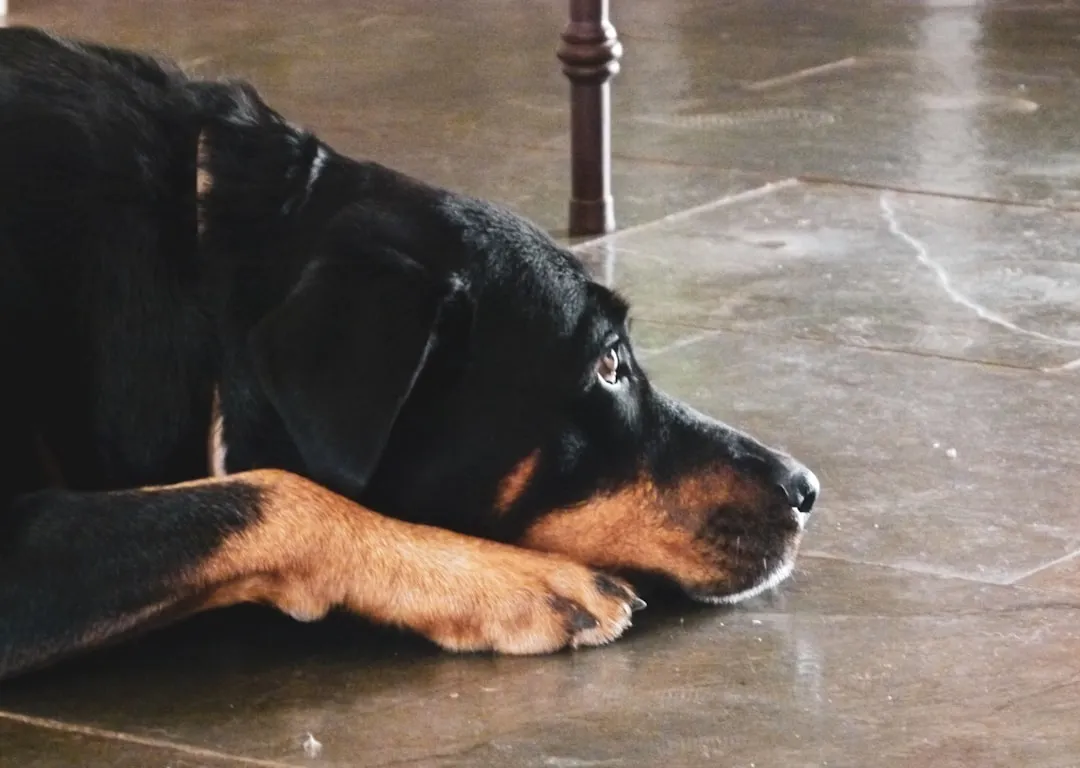
From the outside, a Rottweiler seems like a nonstop working machine. Live with one and you discover they’re world-class nappers with very specific energy windows. Most adults are down to one or two solid exercise sessions a day, with long stretches of snoring in between.
They’re not like herding breeds pacing for hours – they’re more power athlete than marathon runner. Skip those daily outlets, though, and the frustration leaks out as chewing, pestering, or those infamous zoomies. Tell people your “scary guard dog” is currently drooling on a stuffed duck for the fifth hour straight, and they simply won’t believe you.
#5 – Dog Parks Are Usually a Terrible Idea

Once you own a Rottweiler, you realize quickly that public dog parks are often set up to make your breed the villain. An out-of-control small dog rushes into your Rottie’s face, your dog gives a clear “back off” signal, a minor scuffle breaks out – and everyone blames the big, black dog.
Serious owners learn to skip the free-for-all and opt for controlled playdates, training clubs, or structured walk groups instead. Your dog doesn’t need to love every dog it meets; it needs to be neutral, polite, and safe. When you explain this, people accuse you of being overprotective. Meanwhile, you’re just making sure your dog never ends up on the wrong side of a bite report.
#4 – Strangers Will Assume Things About You, Too
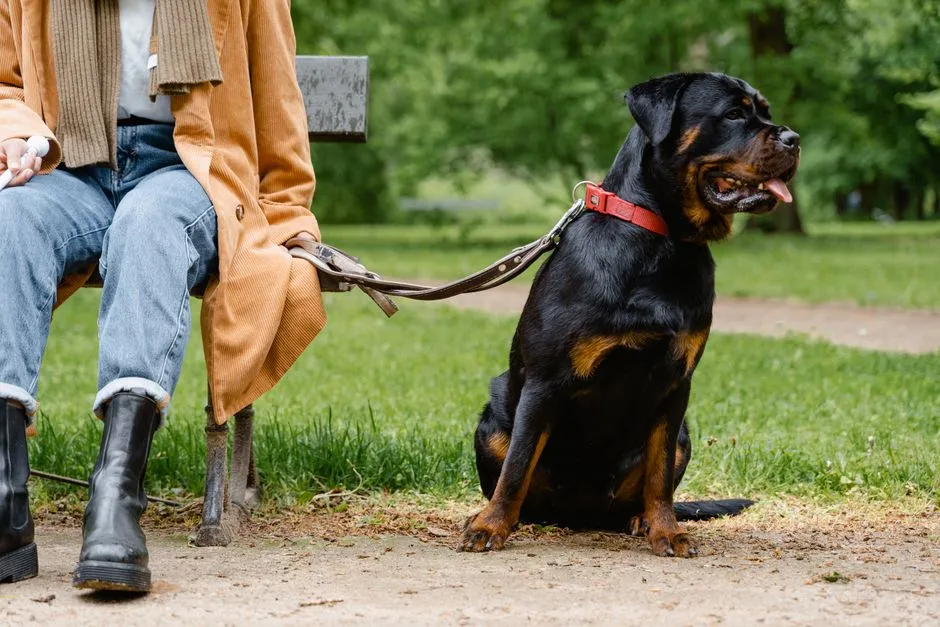
Rottweiler owners quickly notice that the stereotype follows the leash back up to the human. Own a flashy, muscular dog and suddenly people assume you wanted a “tough guy” accessory, or ask if you “train for attack” even when your dog is in a therapy vest.
This lands especially hard on younger owners, men, or anyone with tattoos or edgy style. It’s uncomfortable and unfair – but it also forces you to grow up fast as a handler. You become extra responsible, extra calm, extra prepared, simply because the world expects the opposite.
#3 – Once You Go Rottie, Other Breeds Feel… Different

Many Rottweiler owners swear that after living with one, other breeds just don’t quite scratch the same itch. It’s not about size or looks. It’s the deep, almost eerie emotional attunement, the seriousness when it matters and clown energy when it doesn’t, that “partner, not pet” working-dog mentality.
You get used to a dog that can go from couch potato to full security detail in one second flat, then back to snoring. You get used to the weight of that big head on your lap when you’re sad. Tell people you can’t imagine life without a Rottie and they’ll call you dramatic – until they raise one themselves.
Why It Stands Out
- Its origin goes back to Roman times, when these dogs were kept as herder and driving dogs
- In 1910 the Rottweiler was officially recognized by the German Police Dog Association as the fourth police dog breed
- Rottweilers are still used today as search and rescue dogs, guard dogs, and police dogs
- They typically reach full height by about 18 months, but keep filling out with muscle until age 2 to 3
#2 – The Grief Hits Harder Than You Expect

Because Rottweilers are so devoted, losing one can feel like losing a limb. You don’t just miss the dog – you miss the routines. The soft thump as they followed you to bed. The way they checked the house before settling in at night. The quiet, watchful presence in every room.
There’s an extra sting, too: knowing how many people misjudged them their whole life. You grieve not just your dog, but the fact that the world never really saw who they were. Rottie owners often say they’ll never do this to themselves again – and then, eventually, they do, because once you’ve felt that bond, the risk feels worth it.
#1 – The Real Secret: The Dog Everyone Fears Is the One That Made You Softer
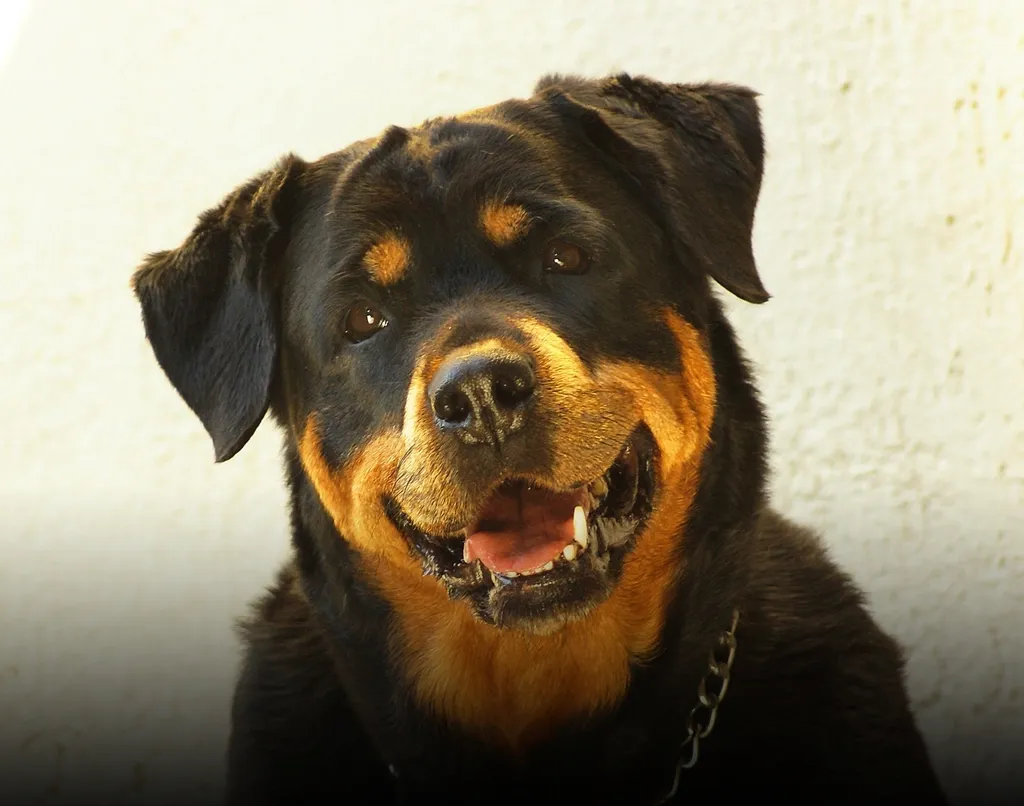
Here’s the part almost no one on the outside understands: living with a Rottweiler doesn’t make you tougher – it makes you softer, more responsible, and more empathetic. You learn patience teaching a powerful adolescent self-control. You learn humility admitting when you messed up the training.
You learn to read fear, stress, and overwhelm in a creature that can’t speak but trusts you anyway. Strangers see your Rottie and assume you’re chasing an image. The truth is, this dog probably got you outside on days you didn’t want to move, sat with you through breakups and late-night anxiety, and quietly taught you what it means to be steady for someone else. They call them dangerous. You quietly call them the best decision you ever made.
The Bottom Line

Owning a Rottweiler exposes a gap most people never notice – the distance between reputation and reality. Strangers see a “dangerous breed.” You see a sensitive working dog who needs structure, honesty, and a job. Yes, they’re powerful. Yes, they demand more from their owners than most breeds ever will.
But that pressure is exactly what turns casual dog people into thoughtful handlers, and a “scary guard dog” into a once-in-a-lifetime partner. These dogs are not for everyone, and honestly, that’s a good thing. They deserve homes willing to meet them where they are, not where the myths put them.
If you’ve lived with a Rottie, you already know the truth strangers can’t quite accept: the dog everyone crosses the street to avoid is usually the one who never left your side.
