
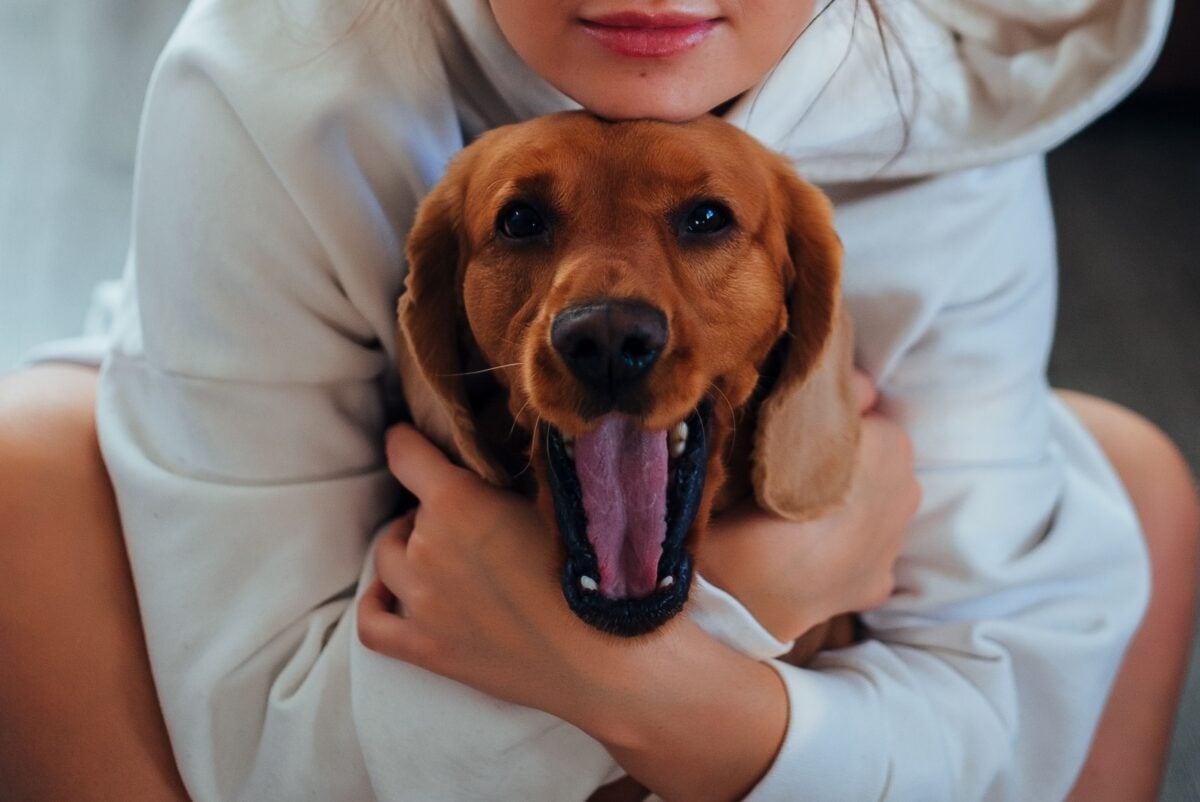
You upgraded the bed. You switched to the senior kibble with the joint supplements baked in. You shortened the walks because the vet said to take it easy on those hips. By every checklist on the internet, you’re doing everything right for your aging dog.
So why does he still pace at 2 a.m., stare blankly at the wall, or seem quietly lost in a house full of people who adore him? Vets and behaviorists say the real answer has almost nothing to do with beds, food, or rest – and it’s something loving owners overlook constantly, without ever meaning to.
#1 – Predictable, Ritualized One-on-One Time (Not Random Attention)
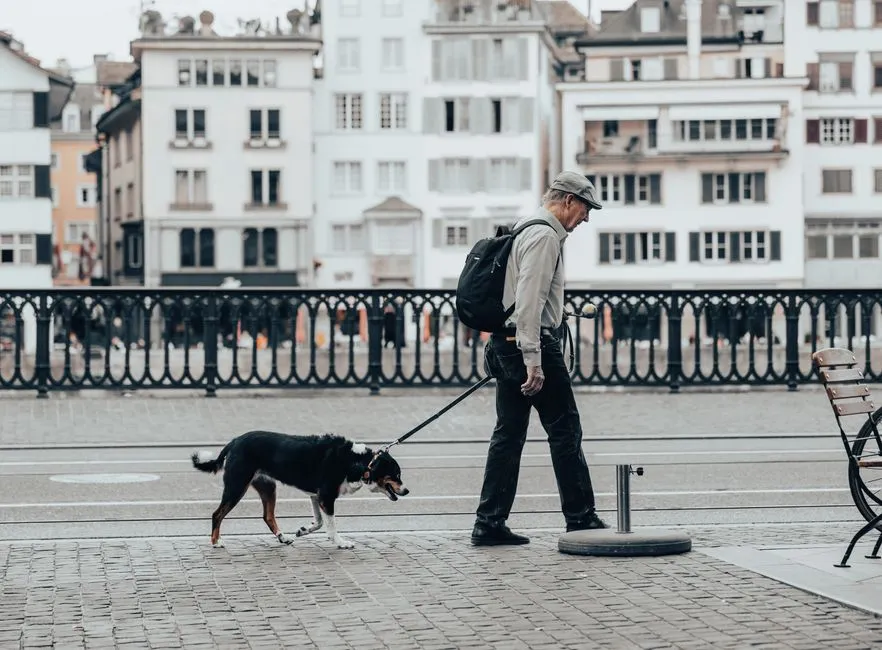
Most owners assume that sitting home all evening automatically means their old dog is getting plenty of attention. But that’s not what a senior dog is actually starving for. What they secretly crave is predictable, ritualized moments that belong only to them – and ten focused minutes at the same time every night can matter more than three distracted hours on the couch.
As sight, hearing, and memory start to fade, the world gets noisier and more confusing than it used to be. A fixed ritual – same chair, same ear rub, same quiet sniff of the backyard after dinner – becomes a lighthouse in that fog. Your dog learns that no matter how strange the day felt, this moment is always coming, and that predictability quietly lowers anxiety and softens the pacing, clinginess, or restlessness that so many owners chalk up to “just getting old.”
Fast Facts
- A dog is considered a senior based primarily on their size: small dogs usually become seniors around 10–12 years old, while large and giant breeds may be seniors as early as 6–8 years old.
- 28% of dogs aged 11–12 are affected, and 68% of dogs 15–16 years old have cognitive dysfunction syndrome, according to a study done on prevalence of dementia.
- Anxiety is a sign of canine cognitive dysfunction and a critical component of the syndrome.
That’s just the beginning. What senior dogs crave next cuts even deeper – and most owners miss it completely.
#2 – Unhurried Emotional Check-Ins (Not Just Feeding and Walking)
Ask most owners how they “check in” with their senior dog, and they’ll rattle off tasks: fed, walked, meds given, water bowl full. All necessary – but none of it tells your dog, “I still see you in there.” What older dogs are quietly longing for is unhurried, face-to-face connection that has nothing to do with logistics.
That can be as simple as sitting on the floor at their level, one hand resting on their chest, actually talking to them. Not baby talk. Not commands. Just conversation – “Hey old man, today was a big day, huh? You did great.” Many owners quietly avoid this because it stirs grief; looking into cloudy eyes is a reminder that time is short. But your dog doesn’t register that fear the way you do. He just registers that his person is fully, finally present, and that presence chases away the lost, faraway look so many seniors carry in busy homes.
Still, this isn’t the part that surprised us most. Wait until you see #3.
#3 – Gentle, Daily “Brain Jobs” (Not More Rest)
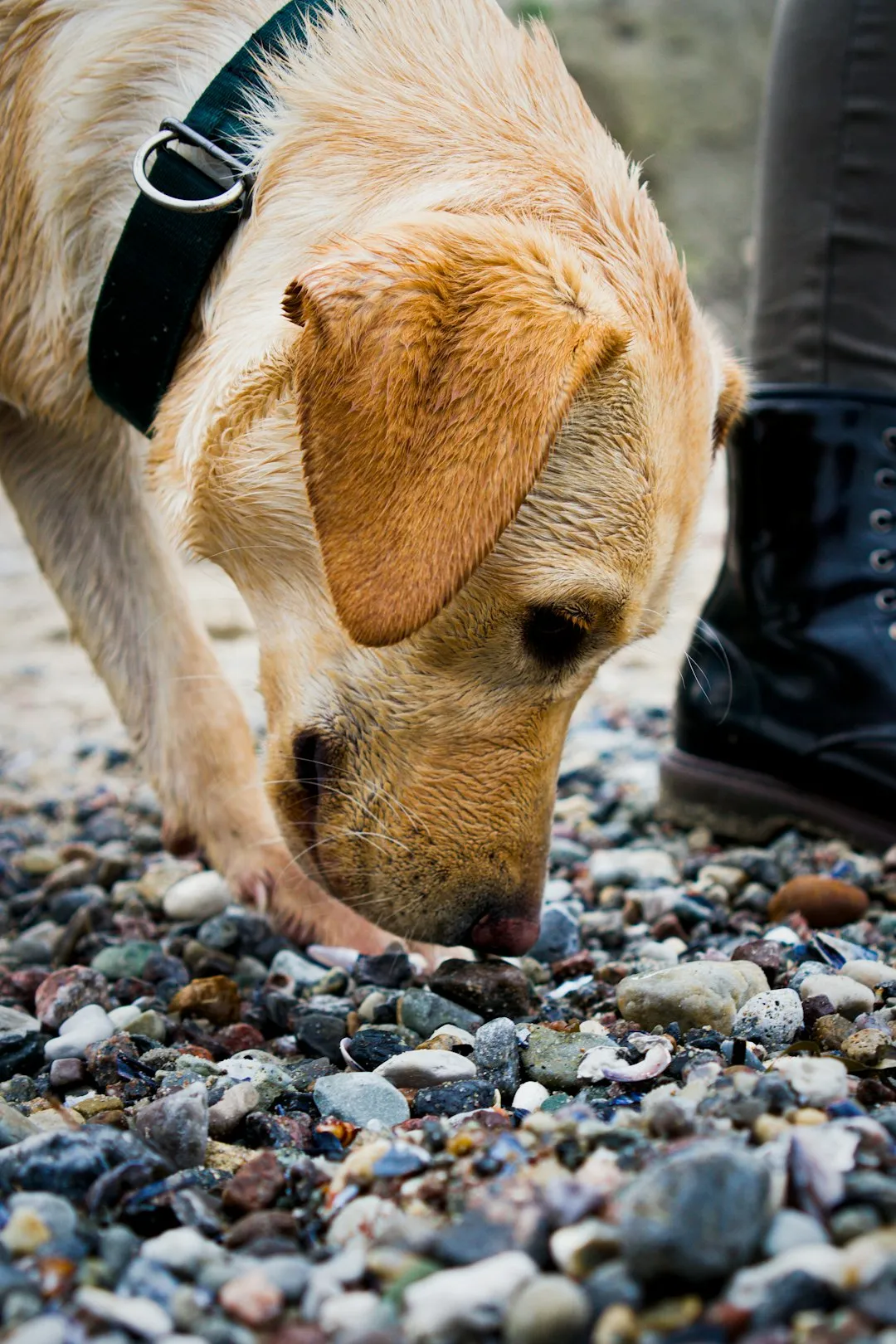
Most people assume old dogs just need to rest, and they say it with pride: “I don’t make him do anything anymore.” That instinct usually backfires. Senior dogs still long for a job – just one scaled down to an aging body with a brain that’s still hungry to work. Strip every job away, and many dogs slide into depression and cognitive decline far faster than expected.
You don’t need agility courses. You need micro-jobs that still make your dog feel useful:
- Sniff-walks where they “clock in” as the official investigator of the block.
- Simple “find it” games with treats hidden somewhere easy.
- Slow, low-impact trick refreshers – sit, paw, nose-target your hand.
The goal was never obedience. It’s identity. Your dog spent a decade being the guardian, the greeter, the mailman supervisor, the couch therapist. Treat him like fragile furniture overnight, and he feels erased. A five-minute sniff puzzle, or letting him “choose” between two toys, quietly tells him he still matters.
Worth Knowing
- According to the Arthritis Foundation, one in five dogs will develop arthritis as they age, which is exactly why low-impact jobs matter more than big physical ones.
- The estimated prevalence rates of CDS range from 14% to 35% in the pet dog population, with the prevalence dramatically increasing as dogs age.
- Dogs with epilepsy and sedentary lifestyles are at higher-than-average risk of developing cognitive dysfunction.
And this next one flips a common assumption about aging dogs on its head.
#4 – Permission to Go Slower Without Being Left Behind
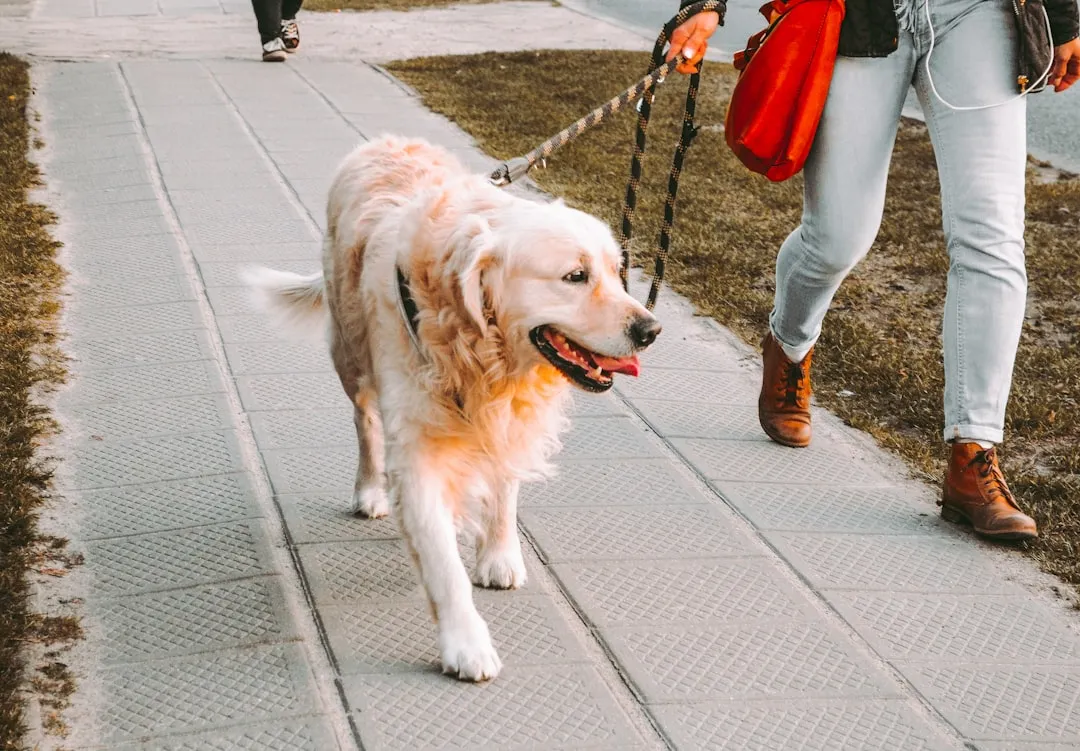
Here’s the uncomfortable truth: a lot of senior dogs spend their last years feeling like they’re holding everyone up. Owners rush potty breaks, cut sniff time short, tug the leash when the dog lags a step behind. The message, however unintentional, lands loud and clear: hurry up, you’re in the way.
What they quietly long for is the opposite – permission to move at their own pace while still being fully included in everything. In practice, that looks like:
- Leaving five extra minutes on a walk so sniff-stops don’t feel like an inconvenience.
- Letting them walk to the car themselves instead of being scooped up out of habit, if they’re still able.
- Pausing at the stairs when they hesitate instead of pushing them through it.
This isn’t just kindness – it’s dignity. Slowness is biology, not a character flaw. Adjust your tempo to theirs and you’re telling them, without a single word, that they are still worth waiting for. That shift alone can dissolve the quiet shame so many stiff, aging bodies carry around all day.
As uncomfortable as that truth is, #5 might be even harder to hear.
#5 – Touch With Intention, Not Just Habit
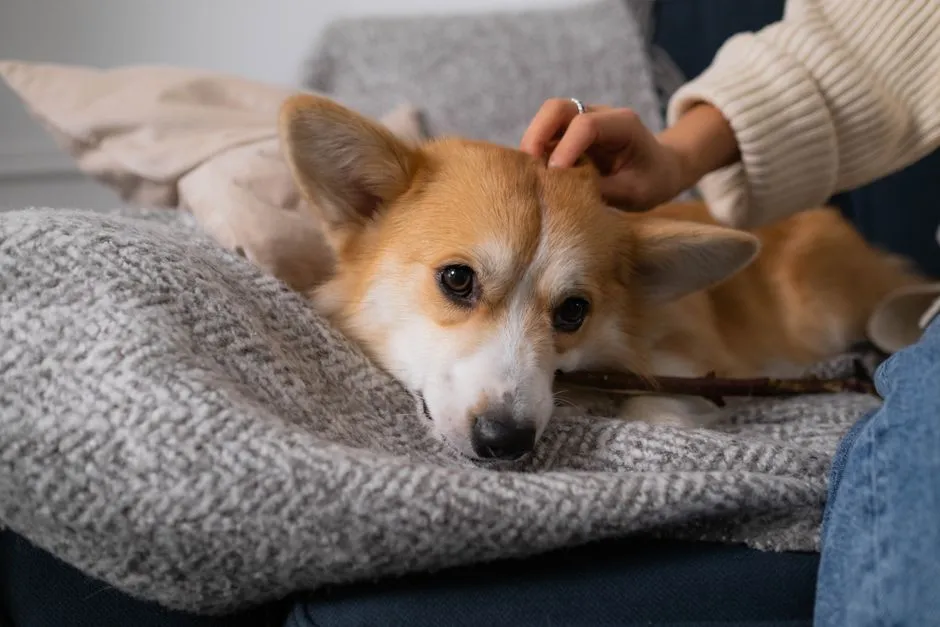
Most owners pet their senior dog on autopilot – a few absentminded head pats, a quick belly rub, done. But aging dogs are quietly craving something slower: touch that actually reads the body they’re living in now. Joints ache. Skin thins. Rough handling that used to be nothing can suddenly be uncomfortable, even if your dog tolerates it silently.
Intentional touch looks different in practice – starting at neutral zones like the chest or shoulders, watching the eyes, ears, and breathing for feedback, going lighter along the muscles instead of pressing into painful hips or spine, and favoring longer, stiller contact over fast, over-excited scritches. Your dog will usually tell you what’s working: leaning into your hand, sighing at one spot, subtly shifting away from another. That’s information, not rejection.
Until one has loved an animal, a part of one’s soul remains unawakened.
Anatole France
But nothing changes a house – and a dog – quite like #6.
#6 – A Safe “Retirement Zone” in the Heart of the Home
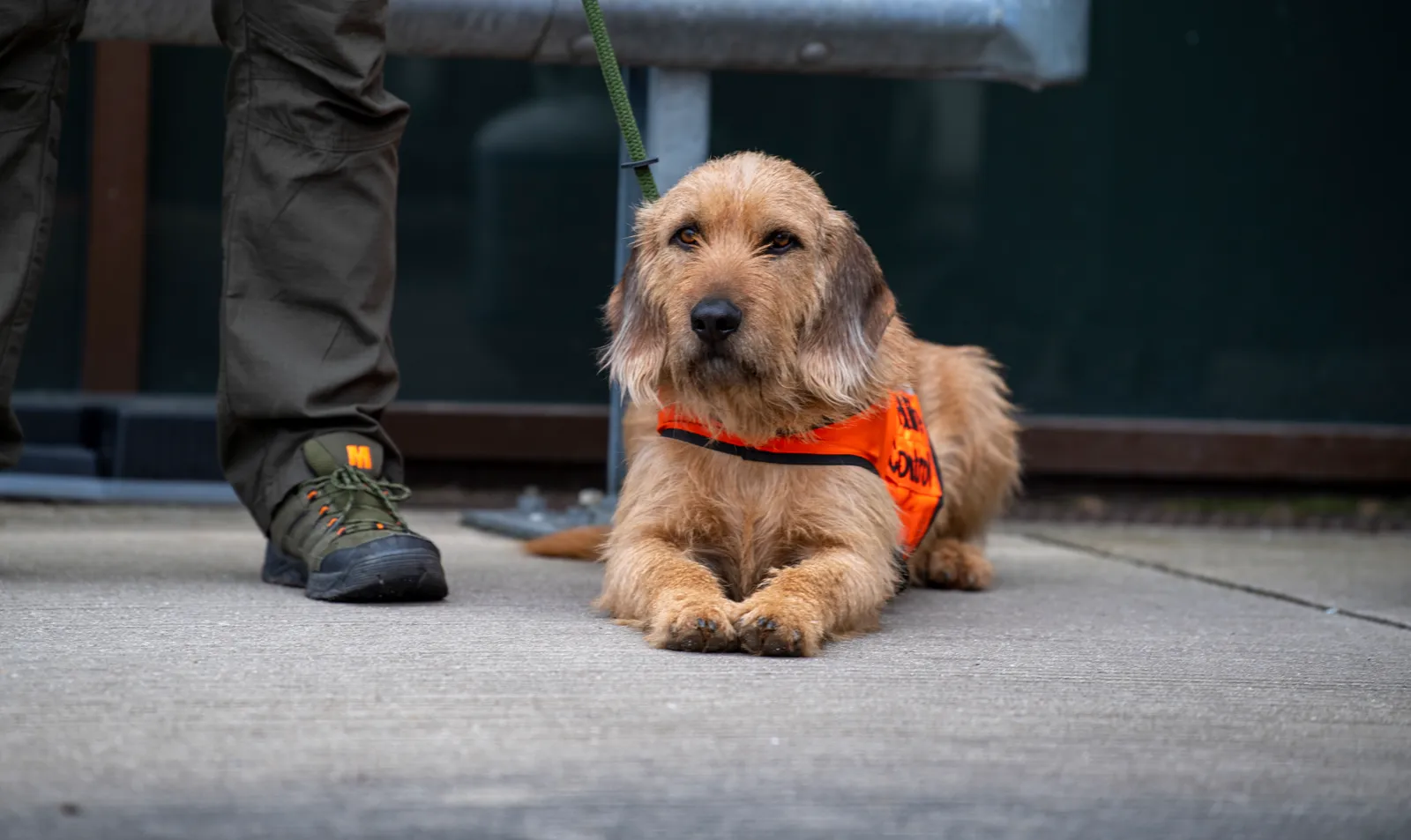
Most owners swing to one of two extremes – letting the senior dog roam everywhere unsupervised, or exiling them to a quiet corner “because they sleep all day anyway.” Both miss the point entirely. What old dogs actually long for is a specific, safe retirement zone where they can retreat without ever feeling cut off from the pack.
This isn’t just a bed shoved in a hallway. It’s non-slip flooring so a shaky dog doesn’t panic about falling, a supportive bed that isn’t so squishy they struggle to climb out of it, and just enough distance from doorways and running kids that they’re not constantly startled – while still being close enough to hear and smell the family. Think of it as the VIP booth at the party: close enough to watch everything, far enough to never get bumped. Dogs given this kind of sanctuary tend to startle less, bark less at night, and settle into a calmer version of themselves during the day.
Which brings us to the one most owners avoid thinking about at all.
#7 – Honest, Unrushed Goodbyes… Long Before the Final Day
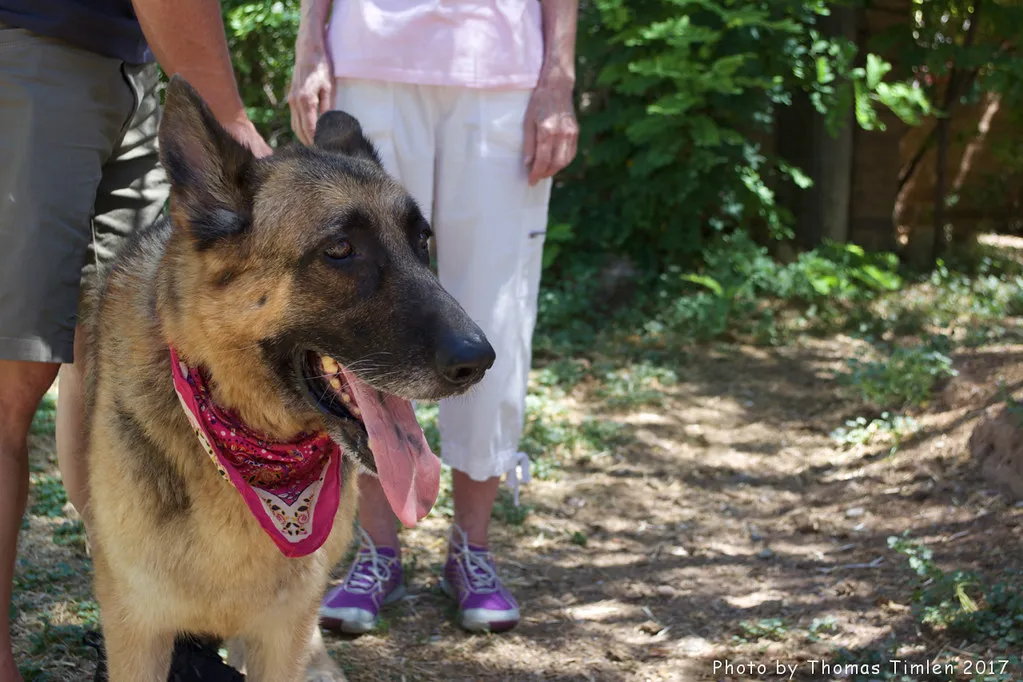
Here’s the part most people won’t say out loud: your senior dog already senses something shifting, even if he can’t name it. He feels your tension when you’re Googling symptoms at 1 a.m. He notices the extra vet trips. He smells the fear underneath your calm voice. What he’s quietly longing for – and almost never fully gets – is honest, unrushed goodbye energy spread across months, not one tearful, panicked day at the very end.
That doesn’t mean living in daily grief. It means saying out loud how much they’ve changed your life, taking the extra drive to their favorite smell-soaked parking lot just because they’ve always loved it, and letting them have “too many” photos, “too many” treats, “too many” quiet nights curled on your pillow instead of rigid house rules. The controversial truth is that most dogs don’t need more time – they need better time. Stop pretending the season isn’t happening, name it, savor it, and something shifts: your dog relaxes into it right alongside you. That’s usually when the best memories of all quietly happen.
At a Glance
- Alice Villalobos, a veterinary oncologist, created the quality-of-life scoring system called the “Pawspice” program and published the scoring system known as the HHHHHMM scale.
- This list, called “HHHHHMM,” stands for: hurt, hunger, hydration, hygiene, happiness, mobility and more good days than bad days.
- Vets who use it often ask a simple question that says it all: Can the pet’s hospice area or bed be close to the family activities and not be isolated?
- Tracking it weekly – not just at the very end – is what turns a scary unknown into something you can actually see and plan around.
The Bottom Line
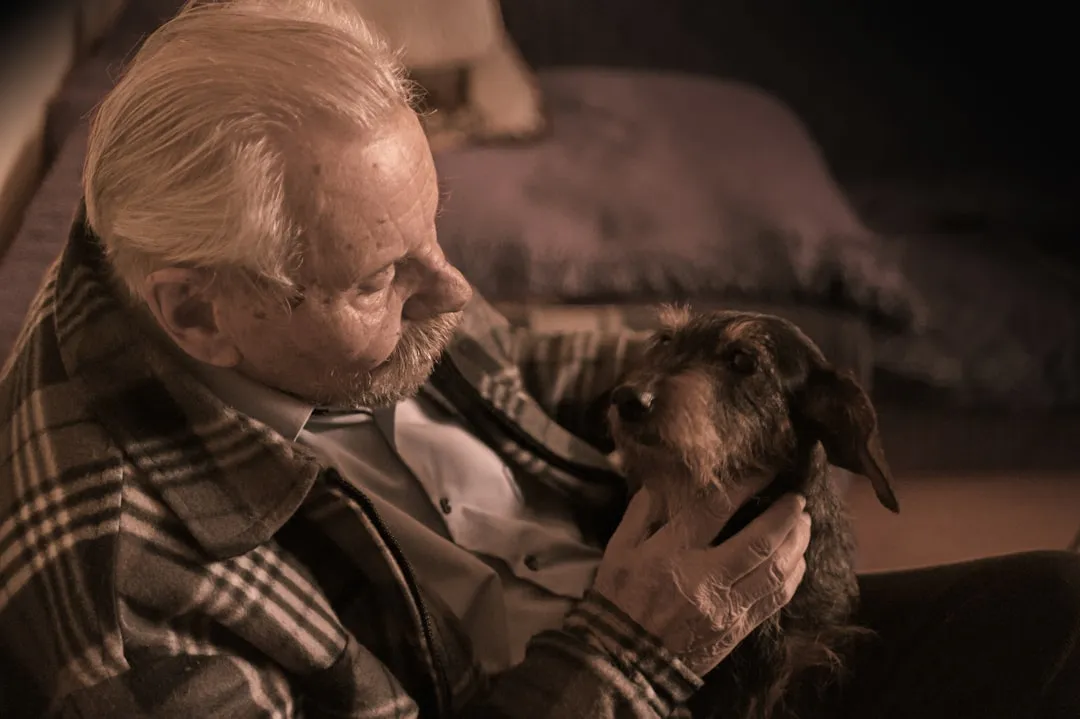
We pamper senior dogs with pricey food, orthopedic beds, and shelves of supplements, then quietly starve them of the one thing they’re actually asking for: intentional, predictable, emotionally present time with the person they’ve spent their whole life loving. Not background time. Not task time. Rituals, brain jobs, slower walks, safer spaces, and honest goodbyes that tell them they still matter exactly as much now as they did at one year old.
This was never about squeezing out a few extra months. It’s about upgrading whatever time is actually left. Some people will roll their eyes at all this and say “they’re just animals.” Those are not your people. The real question is simpler than any of that: now that you know exactly what your old dog is quietly asking for, are you actually going to give it to him?
