
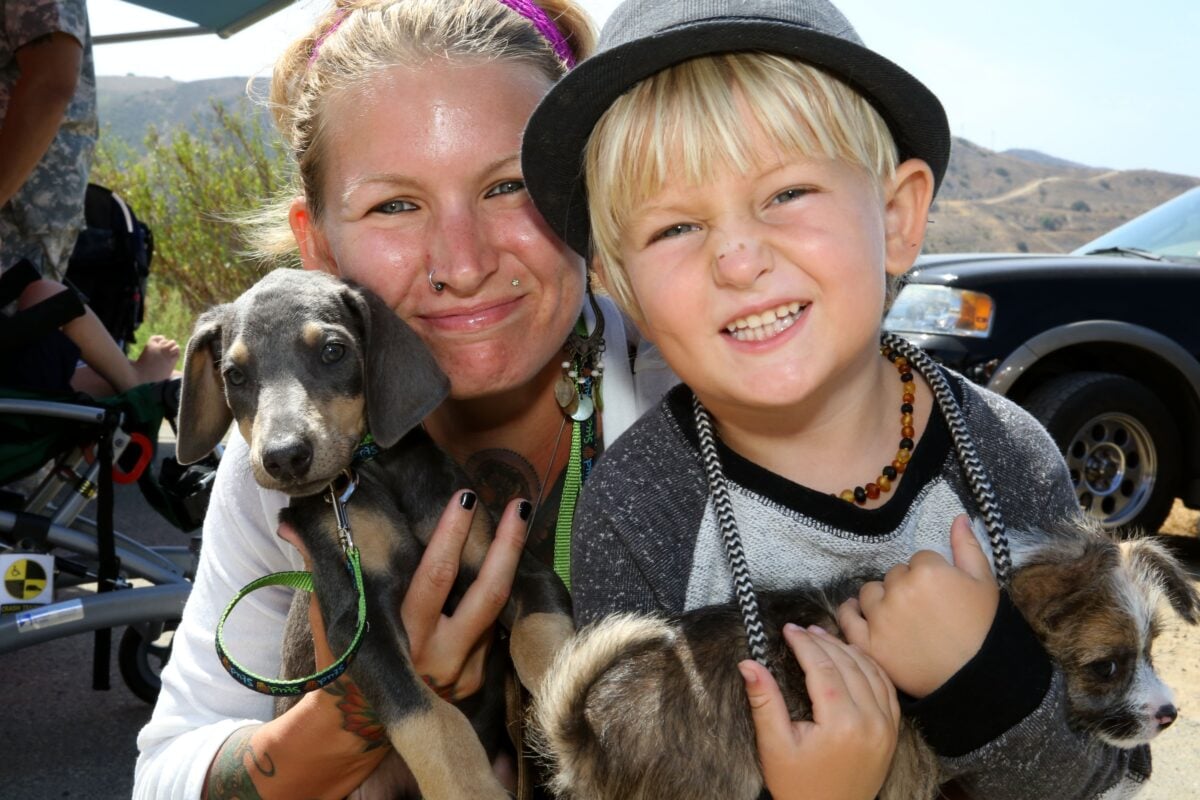
Everyone thinks adoption day works the same way: you see a cute face, you sign some papers, and you’ve just changed a life. Cue the confetti.
Shelter workers know a darker version of that story. They’ve watched that exact fairy tale unravel into a returned leash and a crying family at the front desk three weeks later. The gap between what adopters expect and what actually happens in those first few months is where good intentions quietly go to die – and the people behind the counter rarely say it out loud. Here’s what they wish they could tell you before you ever pick up a pen.
#11 – The Dog You Meet at the Shelter Is Not the Dog You’ll Have at Home
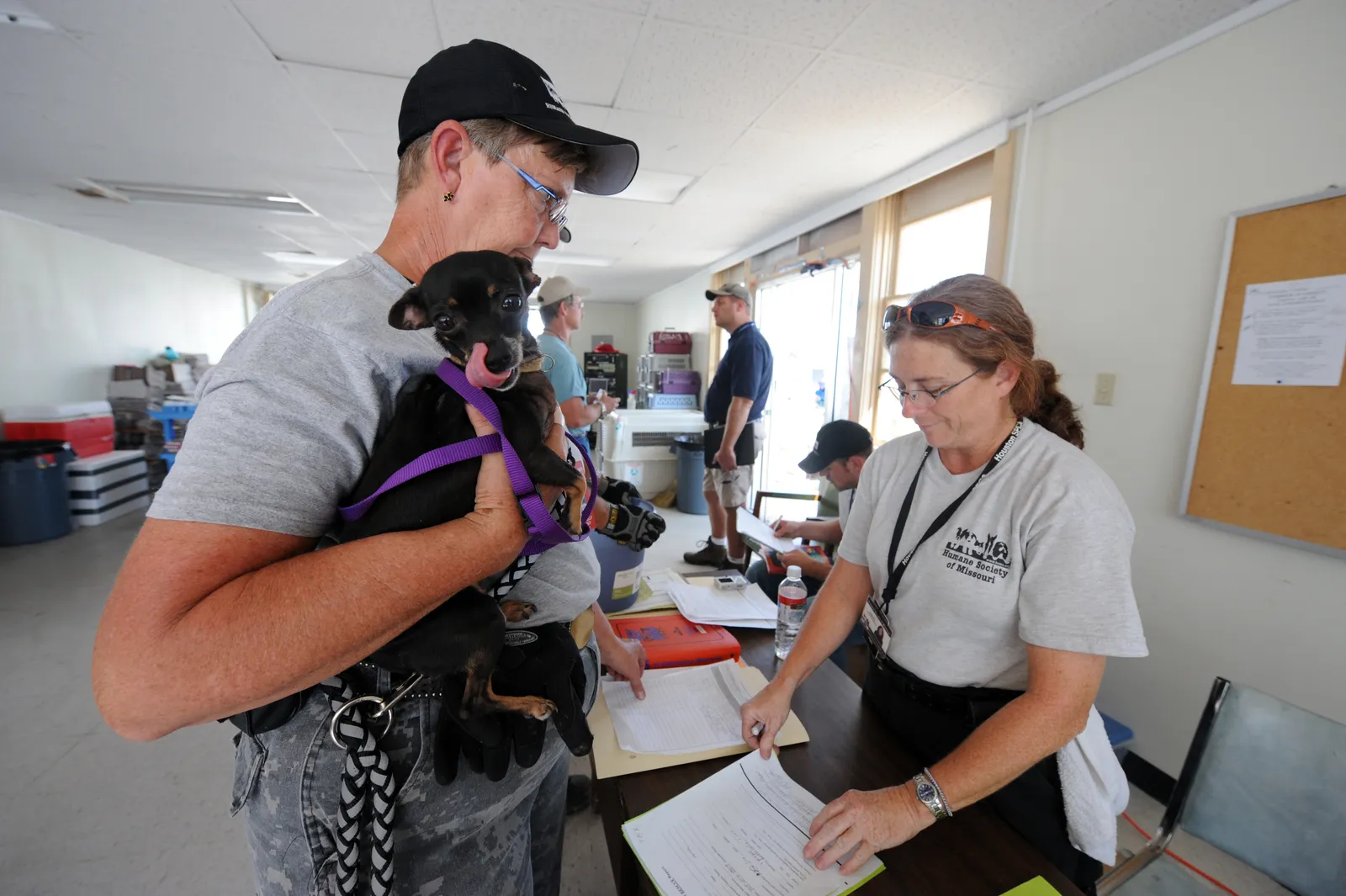
Shelter workers wish adopters understood one thing: that stressed, shut-down animal in the kennel is basically wearing a temporary personality. Most pets in shelters are running on adrenaline and confusion. The “hyper” dog who won’t stop barking might turn into a total couch potato once he feels safe. The terrified cat hiding behind the litter box may become a demanding lap dictator after two quiet weeks in your spare bedroom.
Shelter behavior is survival mode, not the final product, and staff know this better than anyone. That’s why they keep repeating the same line: give it at least three weeks before you decide who this animal really is. The “3-3-3 rule” – three days to decompress, three weeks to learn the routine, three months to fully settle – isn’t just something people repeat online; it’s what workers watch happen over and over, year after year. Expect instant perfection and you’ll likely panic right in the middle of the messy part. But that’s nothing compared to what they secretly think about “perfect” first days.
Fast Facts
- 3 days: your pet is mostly just decompressing, not showing their real self yet
- 3 weeks: routines start to click and real personality begins to surface
- 3 months: trust settles in fully and true bonding takes hold
- Shelter behavior often flips completely once stress hormones drop
#10 – “Perfect” First Days Make Them Nervous, Not Proud

When adopters brag, “He was perfect on day one, no accidents, no issues!” shelter workers don’t relax – they raise an eyebrow. Professionals know that many animals freeze in brand-new environments. They’re too overwhelmed to push any boundaries yet. That “perfect angel” might just be quietly shutting down, not settling in.
Then somewhere around day three to fourteen, the animal finally exhales and thinks, okay, I’m safe – and that’s exactly when the real behavior shows up. Barking at the window. Guarding the couch. Refusing the litter box. Testing every house rule you thought you’d already established. The storm usually hits after the honeymoon, not before it, and workers secretly wish more people expected that shift instead of panicking over it. Treat the first few months like an adjustment period instead of a victory lap, and you’ll come out the other side in much better shape. But that’s nothing compared to what they wish you knew about your actual lifestyle.
#9 – Your Lifestyle Matters More Than Your “Dream Breed”
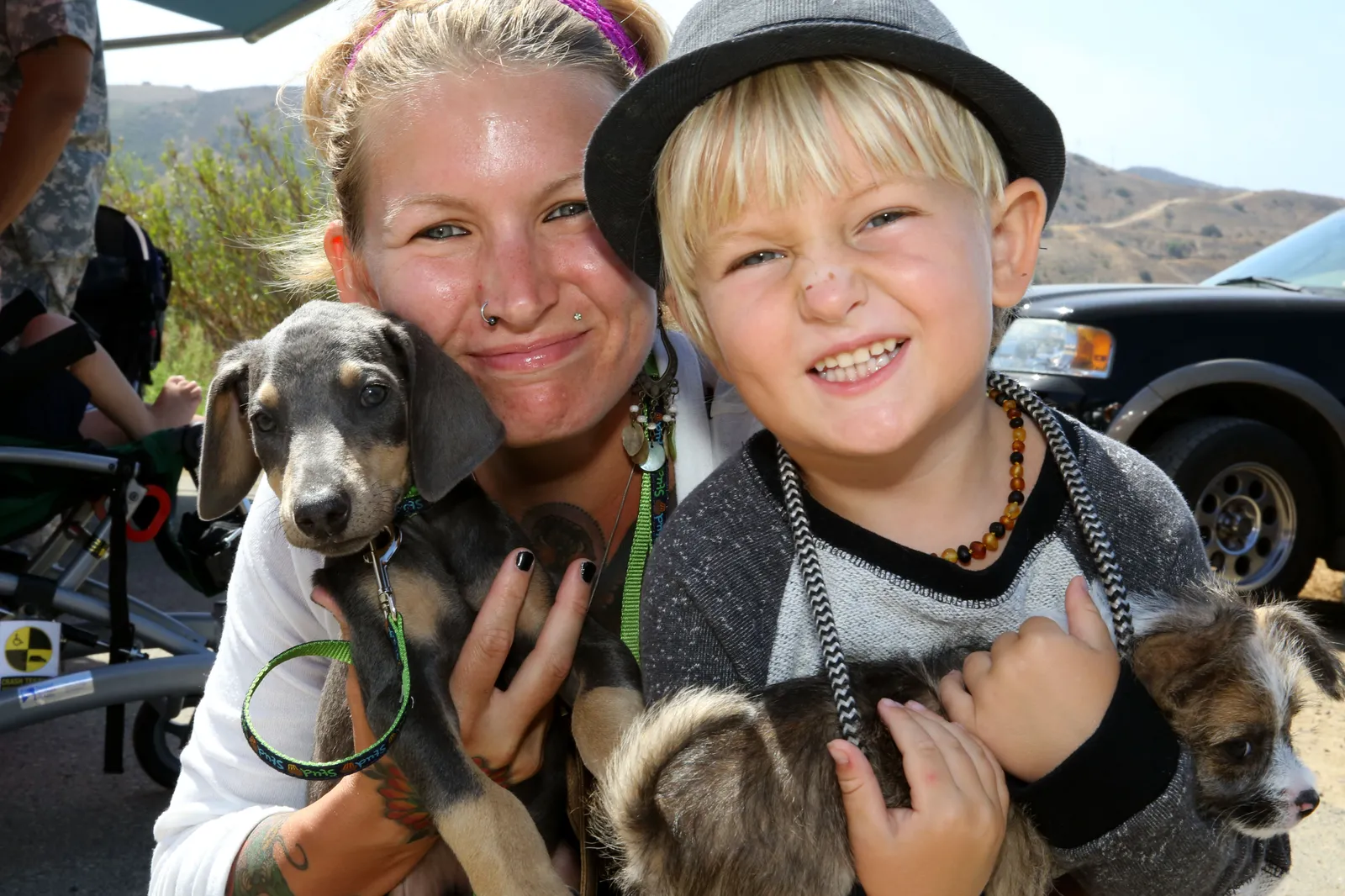
Most people walk in with a picture already fixed in their head: a Husky for hiking, a doodle for allergies, a tiny lap dog for the apartment. Shelter workers quietly cringe, because they’ve seen how often that fantasy dog collides head-on with real daily life. They don’t care what’s trending online; they care how many hours you’re actually gone, whether you enjoy training, and if you can tolerate fur on absolutely everything you own.
A “low-energy” mutt might genuinely suit a full-time nurse better than a high-drive purebred ever could. The wrong match breaks your heart faster than the wrong breed ever will, which is exactly why staff sometimes steer you toward a dog you didn’t even notice – or gently away from the one you’re obsessed with. It can sting when someone says, “this might not be the right fit,” but that’s not judgment. That’s damage control, meant to save you from a miserable mismatch and the animal from yet another return. But that’s nothing compared to what they wish you’d admit about your budget.
#8 – If You Can’t Afford Emergencies, You’re Not Ready
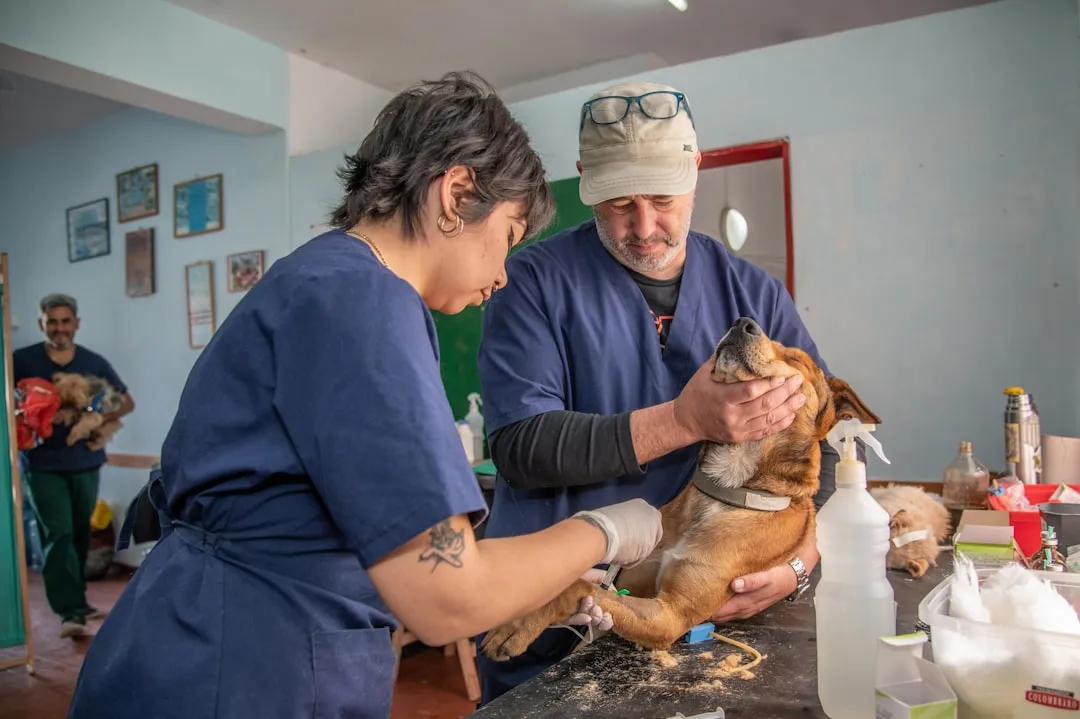
Shelter fees feel steep to some people, and workers hear the complaint constantly: “Why is a rescue dog $200 when I could get one cheaper from a friend?” What they don’t say out loud is the harsher truth underneath it – if that adoption fee already breaks your budget, a single emergency vet visit will absolutely destroy it.
Even healthy pets come with steady costs: vaccines, food, heartworm prevention, flea meds, annual exams. Then there’s the stuff nobody plans for – a swallowed sock, sudden allergies, a broken nail, emergency dental work. One bad night at the emergency vet can easily top a thousand dollars. Shelter teams quietly wish more adopters built a pet savings fund or locked in insurance before they ever browsed the website, because what makes them wince every time is the return that starts with, “We love her, but we can’t afford the medical issue.” That’s not just an inconvenience. That’s another trauma stacked onto an already confused animal. But that’s nothing compared to what they’re silently thinking when you say, “we’ll figure training out later.”
At a Glance
- Adoption fees typically range from around $50 to $300 depending on age and species
- Routine annual care (food, vaccines, flea and heartworm prevention) can run several hundred dollars a year
- A single emergency vet visit can easily climb past $1,000
- A dedicated savings fund or pet insurance can soften the blow of sudden costs
#7 – Training Isn’t Optional; It’s the Whole Relationship
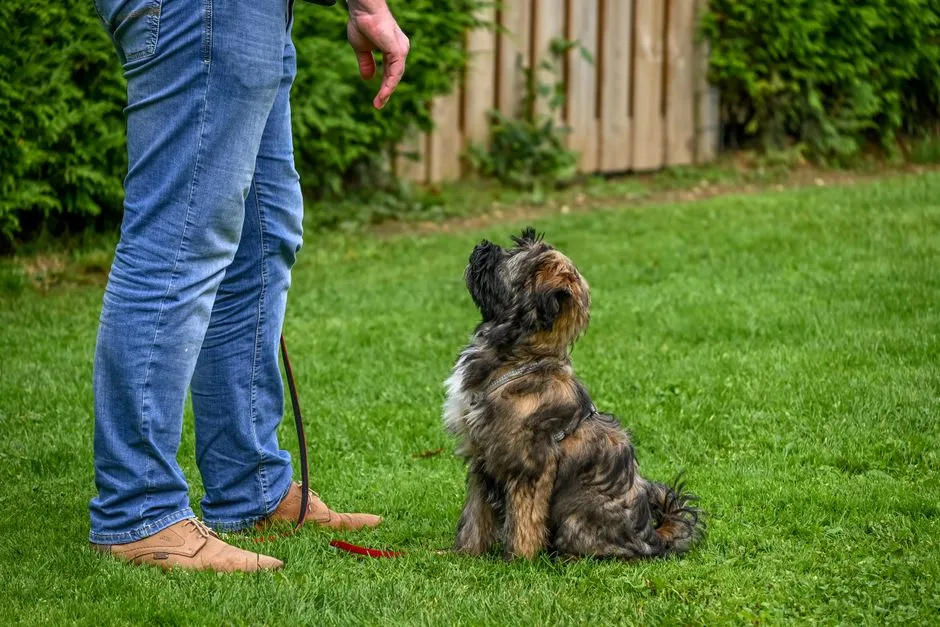
Many adopters assume a rescue pet just needs “love and time,” full stop. Shelter workers know that love without structure creates chaos instead of calm. They see the same pattern on repeat: a dog gets surrendered for “bad behavior,” but no one ever actually taught it basic cues or boundaries in the first place. Sit, stay, recall, leash manners – these aren’t cute party tricks. They’re safety tools.
Most “problem dogs” sitting in shelter kennels were never actually trained at all. Staff wish adopters would budget for at least one group class, or commit to consistent DIY training from day one instead of waiting until things get bad. They’re brutally honest behind the scenes about this too: if you don’t enjoy training even a little, you probably won’t stick with it. The adopters who treat training like an ongoing project instead of a punishment end up with the calmest, most confident pets – and yes, that includes shy cats, where clicker work, play routines, and feeding schedules count as training too. But that’s nothing compared to what they wish you’d grasp about “history” and trauma.
#6 – You May Never Know Their Full Past, and That Has to Be Okay
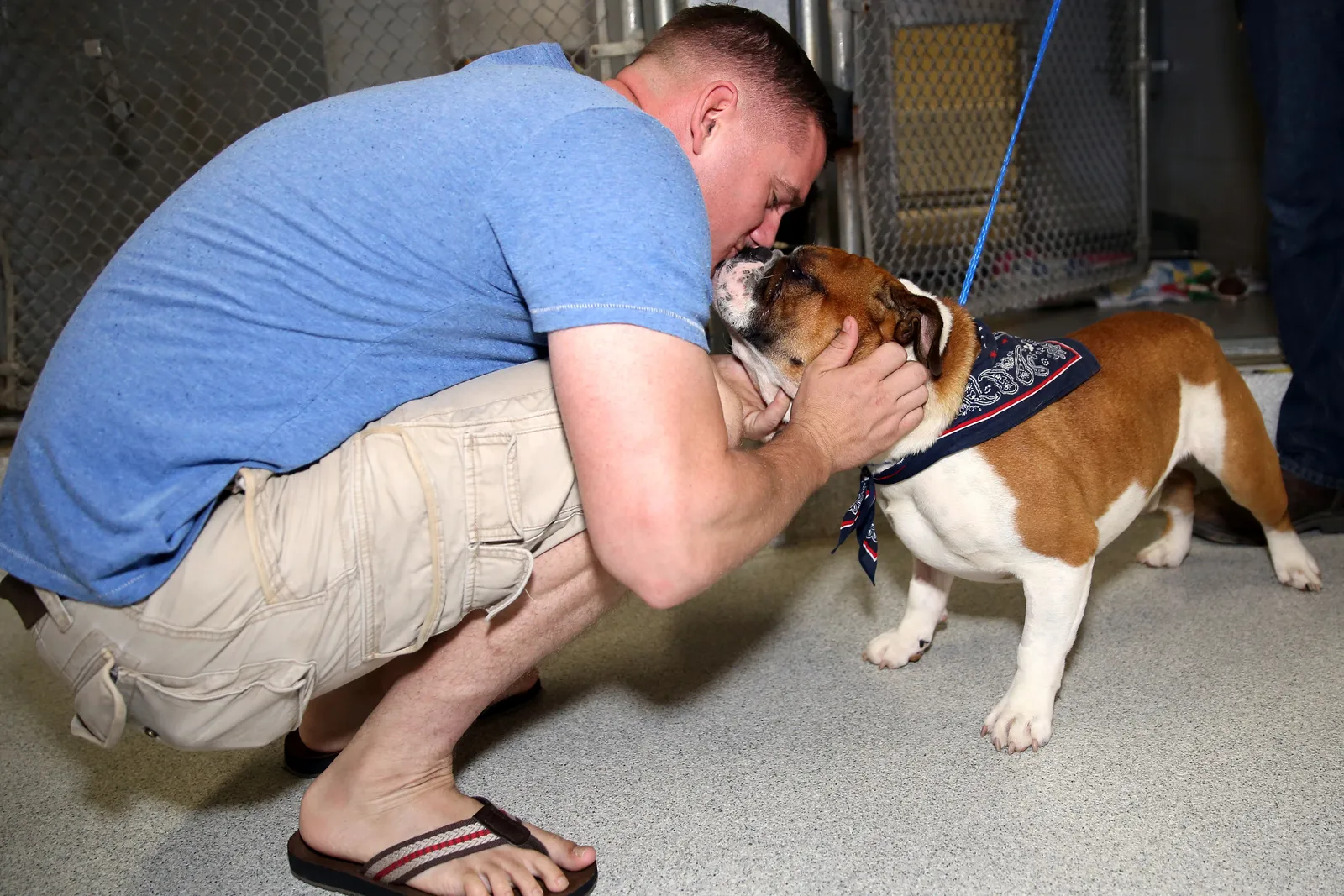
One of the hardest conversations shelter staff have is when an adopter asks, “What happened to her before?” and the honest answer is simply, we don’t know. Sometimes there’s a file. Often there isn’t. Dogs and cats show up as strays, get dropped off overnight, or get surrendered with vague reasons like “moving” or “no time.”
Workers may suspect abuse or neglect from old scars, fear responses, or body condition, but they can’t always prove it, and neither can you. You might never get a satisfying backstory, and the pet in front of you might still flinch at brooms for the rest of its life. Shelter workers secretly hope adopters can love an animal exactly as it is, without needing a neat trauma narrative to make sense of it. They’d rather you focus on what the pet is telling you right now – what scares them, what they enjoy, what actually helps them relax – because healing usually looks like accepting triggers and working around them, not erasing them. But that’s nothing compared to what they wish you knew about kids and pets.
#5 – Not Every Dog (or Cat) Belongs in a Home With Kids

This is where shelter workers face the most pushback – and privately, the most anxiety. Families insist, “our kids are great with animals!” all the time. Shelter teams know that’s never really been the point. Some pets simply aren’t safe or comfortable around children, no matter how well-behaved those children are.
Past trauma, low tolerance for noise, resource guarding, or prey drive can make certain animals a genuinely dangerous match for young families. When staff label a pet “no small children,” that’s not them being dramatic – it’s usually based on a real incident or a clear, repeated red flag. Workers secretly dread the moment someone waves that off because “our kid is different,” because they’ve watched that story end the same way too many times: a bite, a terrified child, and a dog dragged back in labeled “aggressive.” Listening to age restrictions without taking them personally protects your family and the animal in equal measure. But that’s nothing compared to how they really feel about “we’ll just let them work it out” with other pets.
Worth Knowing
- Resource guarding around food or toys can turn dangerous fast around young kids
- Sudden movements or high-pitched noises often trigger fear-based reactions in nervous animals
- Strong prey drive can make some animals misread small children as something to chase
- A “no young children” label is almost always based on documented behavior, not a guess
#4 – “Let Them Work It Out” Is How Fights and Bites Happen
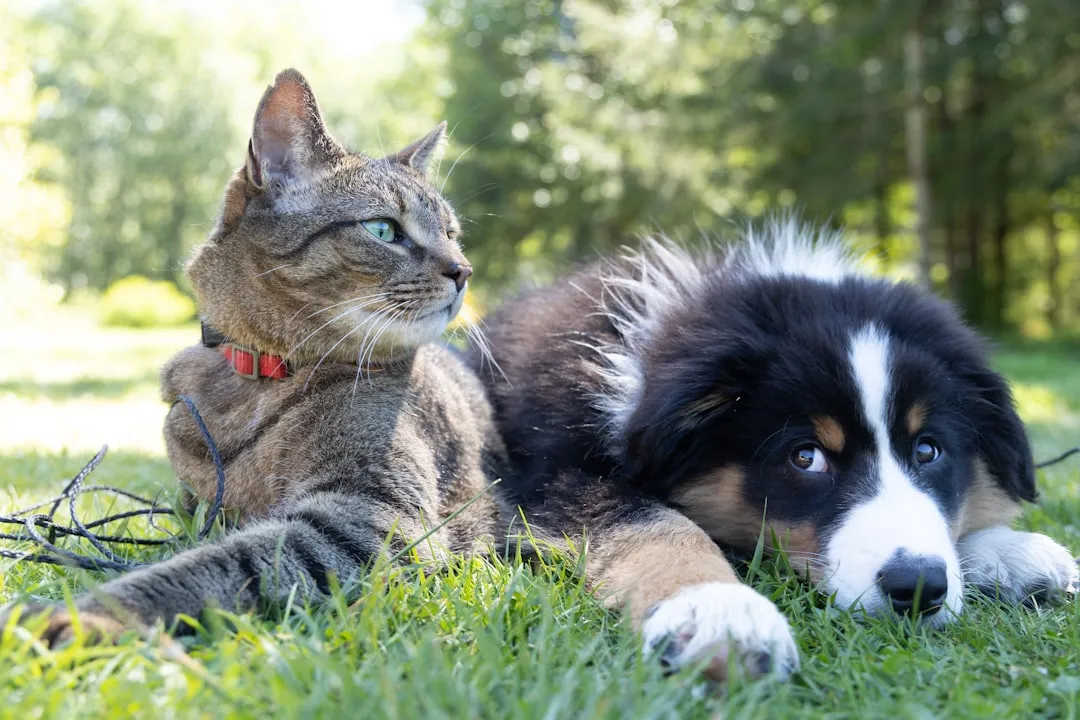
Bringing a new pet into a home that already has animals is where even experienced adopters get cocky, and where shelter workers quietly brace for bad news. The fantasy goes like this: you open the door, everyone sniffs politely, and poof – instant best friends. Reality looks nothing like that. New animals are stressed, territorial, and completely unpredictable in that first stretch.
Unmanaged introductions are one of the top reasons animals end up right back at the shelter. Staff practically beg people to do slow, structured intros – baby gates, separate rooms, leashed first meetings, parallel walks for dogs – and they cringe every time someone shrugs and says, “we’ll just let them sort it out.” That shrug is how you end up with a full-blown fight, redirected aggression, a cat hiding under the bed for months, or a dog now permanently labeled “doesn’t get along with others.” The workers who clean up that aftermath wish more adopters treated introductions like a multi-week project instead of a five-minute test. But that’s nothing compared to what they wish you understood about returns.
#3 – Returning a Pet Hurts, but Hiding Problems Is Worse
Most adopters assume that surrendering a pet makes shelter workers angry or judgmental. Truthfully, it mostly makes them worried for the animal and frustrated they weren’t told the truth sooner. They genuinely prefer someone bring a pet back early with honest details than keep an unsafe or miserable situation limping along for months.
“Returned” isn’t the scarlet letter people assume it is – it’s often a second chance at a far better match. What actually devastates staff is when adopters lie on intake forms, downplay biting or aggression, or quietly dump a dog somewhere else with no record at all. They can’t help what they’re never told. Honest information about what went wrong – separation anxiety, reactivity, kid issues – is what lets them place that animal safely the next time around. Social media loves to shame people for returning pets, but inside the shelter, workers mostly just want realism, not fake heroics. But that’s nothing compared to what they secretly think about “I just want a puppy.”
#2 – Puppies Are Not Easier; They’re Just a Different Kind of Hard

Plenty of adopters say, “we want a puppy so we can raise it right,” as if youth alone guarantees a blank slate. Shelter workers bite back a laugh, because puppies are basically chaos wrapped in fur. Sure, they arrive with less baggage – but they also bring house-training accidents that can drag on for months, along with chewing, nipping, and zero impulse control.
Puppies need constant supervision and structured socialization, or they grow into the exact same anxious, reactive adults people surrender years later. Plenty of “problem dogs” were once puppies whose owners badly underestimated how hard that first year would actually be. Meanwhile, the stable four-year-old getting passed over in the next kennel might be the far better choice for a busy household. Shelter workers secretly wish more people chose temperament over age, because the right adult dog – or even a senior – can slide into your life with a fraction of the upheaval that “cute” baby will demand. But that’s nothing compared to the one truth they wish every single adopter took seriously.
Quick Compare
- Puppies: high energy, months of house-training, constant supervision required
- Adult dogs: established habits, easier to read temperament, often already house-trained
- Senior dogs: calmer pace, frequently overlooked, often the easiest transition for busy households
#1 – This Is a 10-15 Year Commitment, Not a Phase of Your Life

Shelter workers see the same heartbreaking reasons scrawled on surrender forms again and again: “new baby.” “moving.” “divorce.” “schedule change.” To them, every single one points to the same underlying problem – people quietly treating pets as flexible lifestyle accessories instead of long-term family members.
They wish every adopter would mentally fast-forward a full decade before signing anything. Will you still want to walk this dog in winter once you have a toddler underfoot? Will pet-friendly housing factor into where you move next? Will you have room in the budget for senior vet care once your energetic hiking buddy slows down and needs joint medication? Most dogs, and plenty of cats, can share your life for well over a decade – a stretch of time that outlasts relationships, jobs, even entire cities you’ve lived in. Inside the shelter, “forever home” was never cute marketing. It’s the bare minimum, and workers quietly hope every adopter signs those papers picturing not just their life now, but their life at 35, 45, 55 – with that same animal still curled up beside them.
The Bottom Line
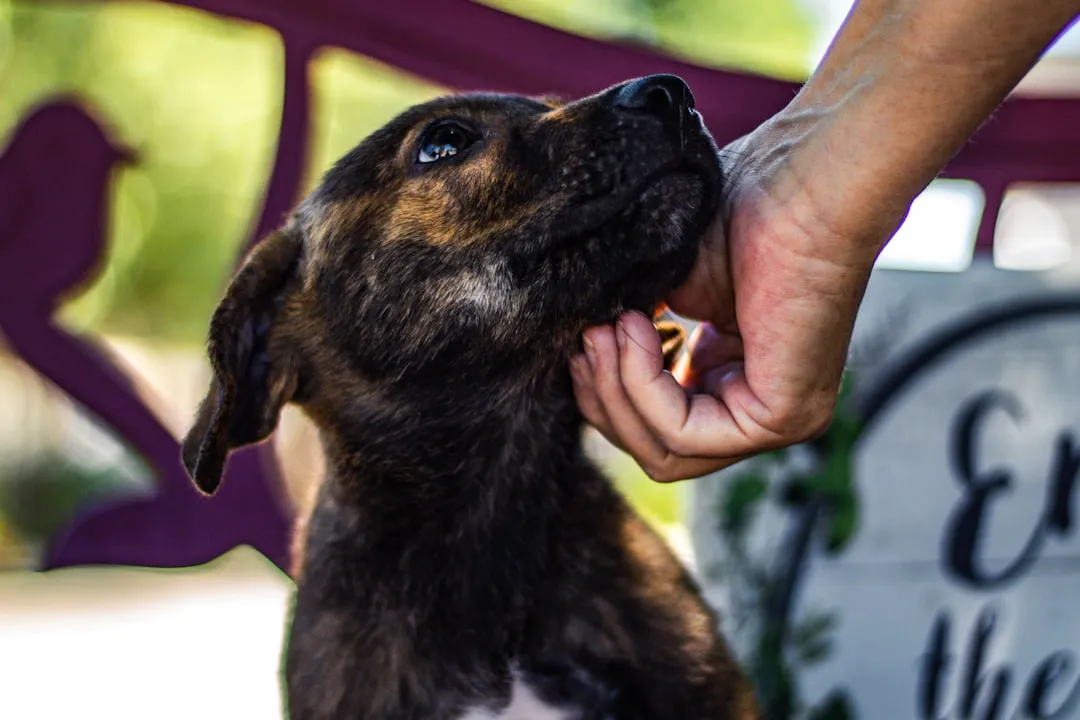
Behind every “congratulations on your new best friend” photo, shelter workers are quietly hoping you heard the warnings just as clearly as the compliments. The uncomfortable truth they rarely say out loud is this: love is the easy part of adoption. Everything else is planning, money, patience, and brutal honesty about the life you actually live, not the one you imagine on your best day.
They’ve watched too many good people take home good animals under bad assumptions, only to end up back at the intake desk in tears, apologizing to a dog who did nothing wrong. If more adopters treated this like adding a family member instead of filling a weekend whim, shelters would be emptier, quieter, and a whole lot happier places to work. That’s not pessimism talking – that’s just what the people behind the counter have learned the hard way, one return at a time.
Do you think shelters are too strict with their rules, or not strict enough? Let it rip in the comments.
