
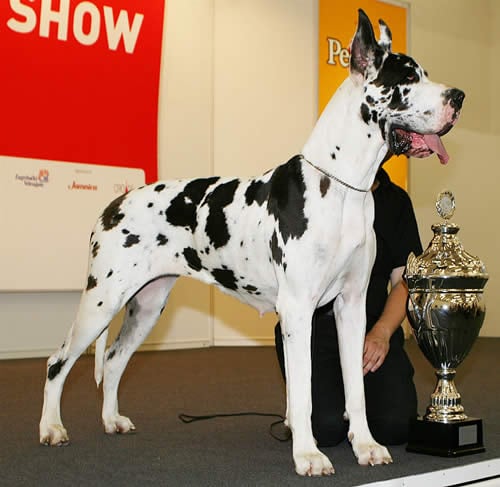
Most people think living with a Great Dane is basically like having an extra-large dog. It isn’t. It’s closer to sharing a house with a 150-pound roommate who thinks they’re human, has never once respected personal space, and genuinely believes the couch belongs to them.
Dane owners spot each other instantly by the same strange routines – the way we sit, sleep, talk, and even get dressed at home, all quietly rearranged around one gigantic shadow. Outsiders never notice the pattern. But every single habit below? Longtime owners will read it and nod like they’re watching their own life get narrated back to them.
#1 – You Automatically Sit on the Edge of Every Couch
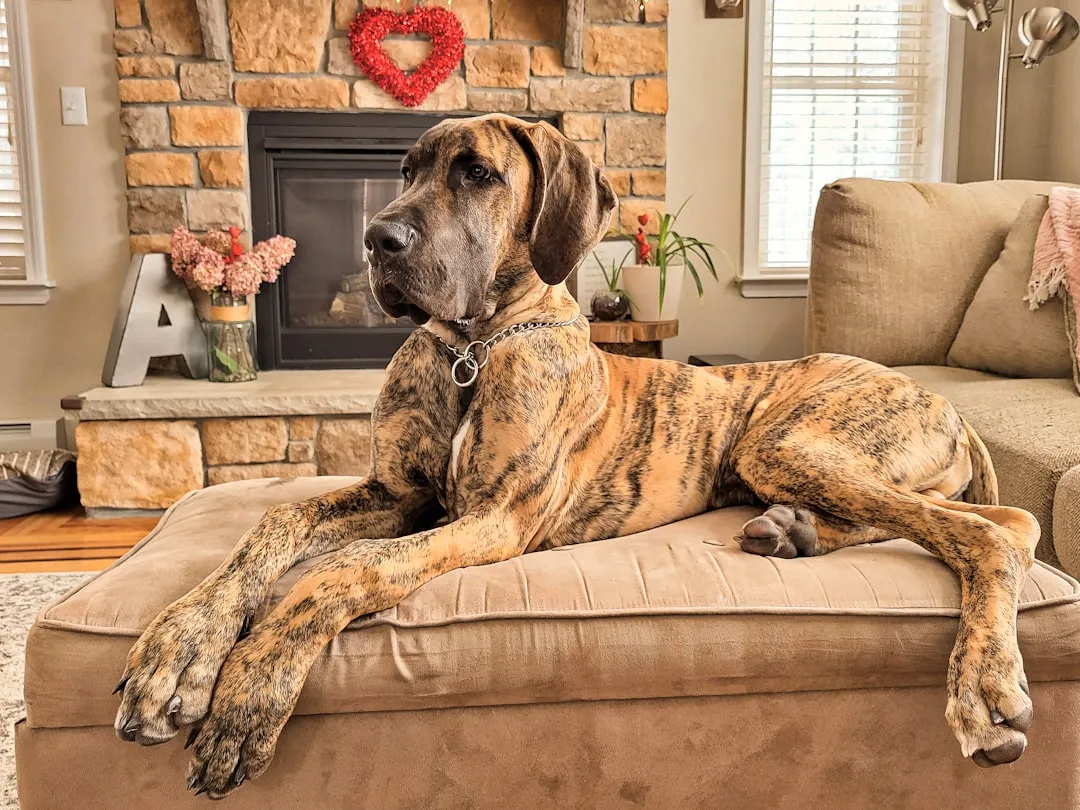
You don’t “relax” on your own furniture anymore – you politely borrow a corner of it. The rest is, obviously, for the Great Dane. Owners develop this automatic habit of perching on the edge of the couch or curling into an awkward L-shape so their 150-pound “lap dog” can sprawl like royalty.
You’ll wedge yourself into a sliver of cushion rather than ask the dog to move. Over time it becomes second nature. At friends’ houses, you still leave 80% of the sofa open, because your brain is trained to expect a horse-sized body to flop down beside you. Non-Dane people think you’re weirdly polite. Dane people know you’re just bracing for impact.
#2 – You Do the “Head Clearance” Scan Before Standing Up
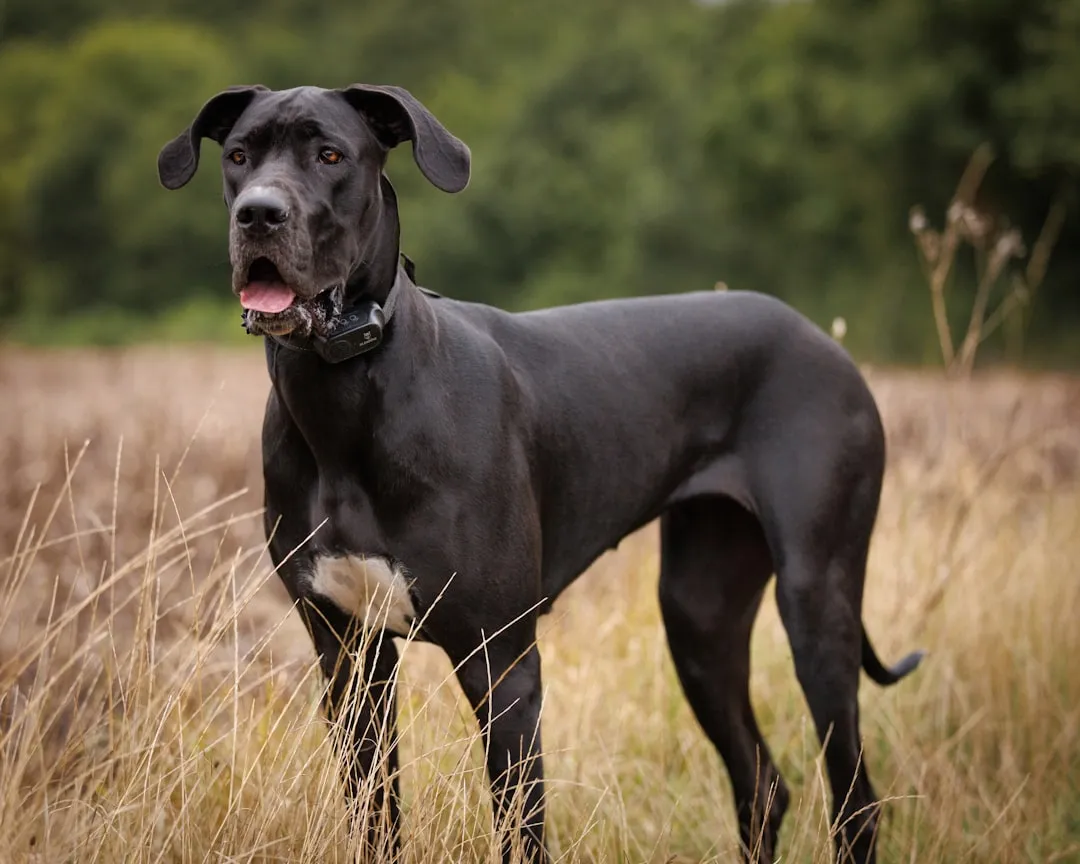
Most people stand up from the couch without thinking. Great Dane owners do a mental “tail and skull” safety check first. When your dog’s head is literally at your eye level, you learn the hard way that sudden movements can end in a skull-to-jaw collision or a tail-whip to a very sensitive area.
So you pause, spot the giant head resting on your lap or the tail dangling behind your knees, and only then do you move. Eventually it’s so automatic you catch yourself doing the same scan at work, in restaurants, even on airplanes – despite there being zero Danes present. Your body simply assumes there’s always a 36-inch head somewhere in the way.
Fast Facts
- Male Great Danes typically stand about 30 to 32 inches at the shoulder; females run slightly shorter at 28 to 30 inches.
- That puts many adult Danes at direct human eye level even before they stand on their hind legs.
- Average adult weight ranges from roughly 110 to 175 pounds depending on sex and build.
#3 – You Keep a Running Drool Inventory on Every Surface
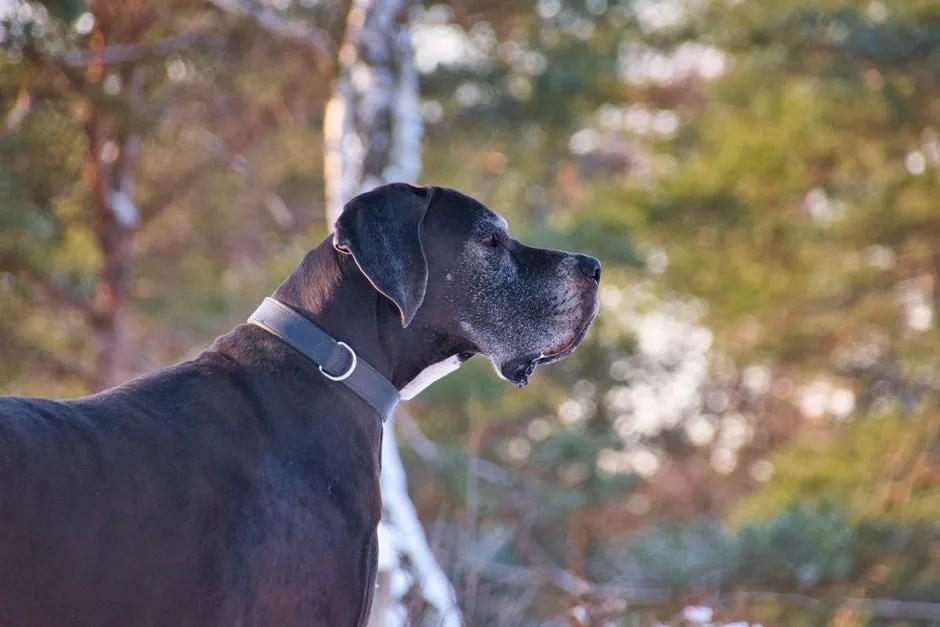
Great Dane owners don’t just see furniture; they see potential drool zones. You unconsciously scan every room for what the jowls might hit next – coffee tables, chair legs, walls, unsuspecting guests’ pants. You already know which side of the room becomes the splash zone after a good drink.
You’ve accepted that clean walls are a pre-dog memory. You stop placing your phone near table edges, angle picture frames slightly inward, and wipe lower cabinet doors more than the counters themselves. Visitors wipe their hands on their jeans; you keep an actual “drool towel” hanging by the door like it’s part of the décor.
#4 – You Talk to Your Dog Like a Full-Grown Teenager, Not a Pet
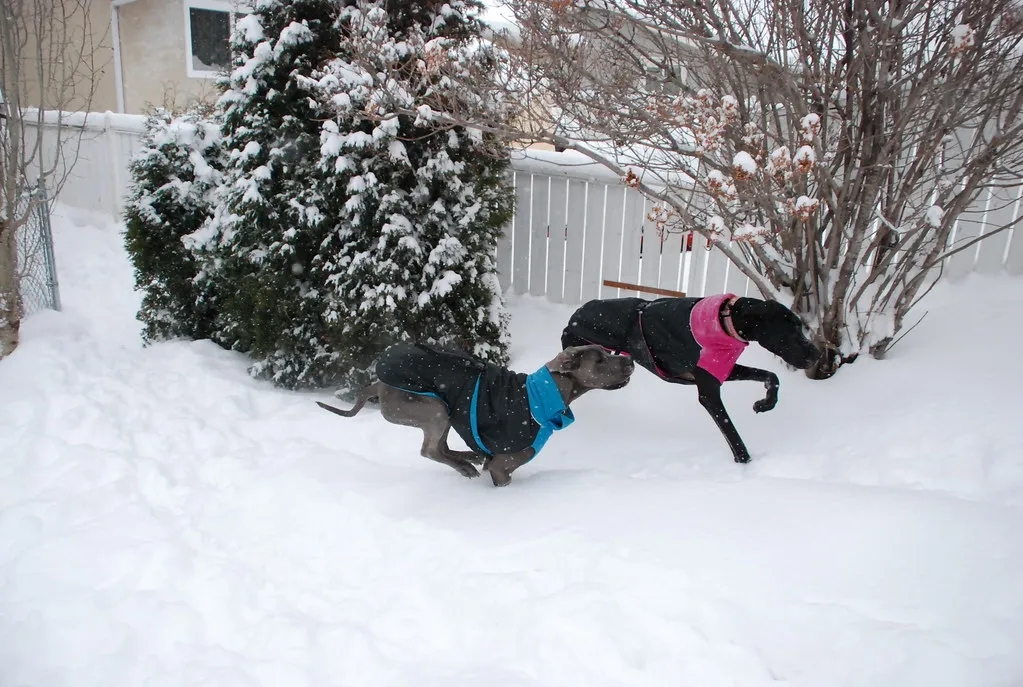
Plenty of people baby-talk their dogs. Great Dane owners negotiate with them like slightly stubborn teenagers who understand English perfectly and simply choose to ignore it. You’ll catch yourself saying, “We’ve talked about this,” or, “You had your chance,” when they flatly refuse to go pee in the rain.
You don’t do the squeaky voice; you do the fed-up roommate voice. Because they’re eye-level and weirdly expressive, you forget you’re technically talking to a dog. You’ll explain your day, apologize for running late, or ask them not to embarrass you in front of guests – and fully expect a response, even if it’s just a dramatic sigh.
#5 – You’ve Learned to Sleep in the Most Ridiculous Positions
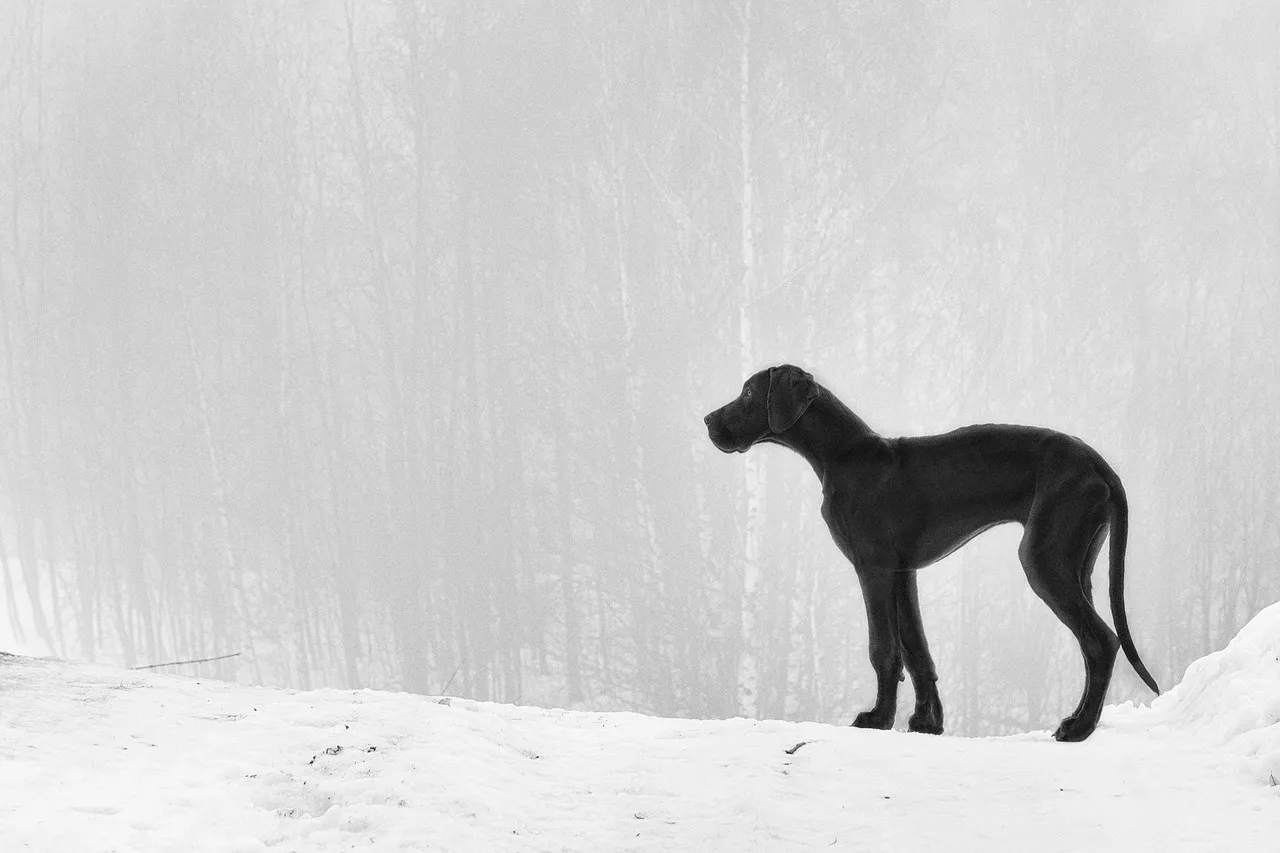
Share a bed with a Dane and you don’t sleep – you contort. They start politely curled at the foot of the bed, but by 3 a.m. they’ve expanded into a full diagonal, shoving you into a letter-C shape against the edge.
You wake up numb, twisted, and somehow still convinced they need the space more than you do. You’ve slept with your feet on the wall. You’ve clung to a sliver of mattress like you’re dangling off a cliff. You’ve repositioned your entire spine around a single giant paw because heaven forbid you disturb The Paw. Guests think your king-size bed is luxury; you know it’s barely adequate once 140 pounds of snoring opinion lands in the middle.
#6 – You Gauge Weather by “Zoomies Probability,” Not Temperature
Most people think about weather in terms of jackets and umbrellas. Dane owners think in terms of zoomies. You glance outside and instantly calculate whether today is a full-throttle outdoor zoomie day or a frustrated indoor parkour day.
A wet, slick yard means disastrous high-speed cornering from a 6-foot missile with no brakes. So you plan your whole schedule around “safe zoomie windows,” because a bored Great Dane is a demolition project waiting to happen. You can almost predict the moment it hits – weird look, butt tuck, and suddenly the entire house is a racetrack.
#7 – You’ve Stopped Reacting When Strangers Call Them a “Horse”
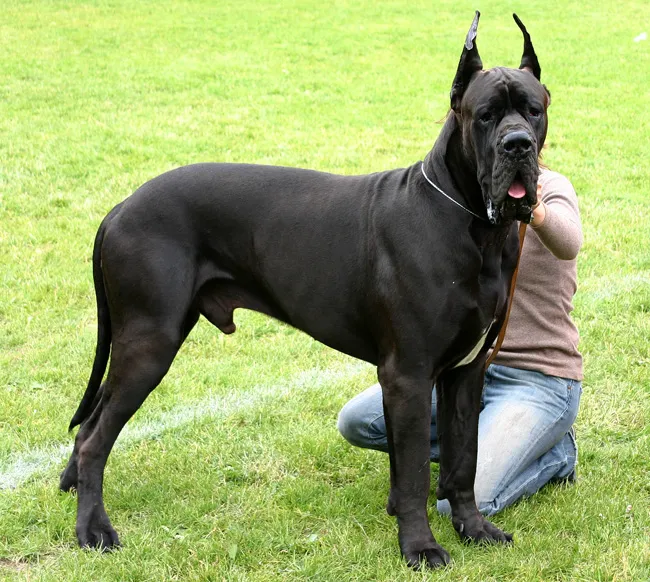
At first, every “Is that a horse?!” makes you laugh. By year three, you’ve heard it four thousand times, and Great Dane owners develop the odd habit of smiling politely while quietly rolling their eyes inside.
You have a pre-loaded set of replies because the script never changes. You already know what’s coming next: “How much does he eat?” “Do you have a saddle?” “Where does he sleep?” You answer on autopilot while your brain has already moved on to whether the dog is about to lean his full body weight onto a stranger’s knees. The only time you truly perk up is when someone correctly guesses the breed without saying “Marmaduke.”
Worth Knowing
- Great Danes carry the nickname “Apollo of Dogs” for their combination of size and elegant build.
- The breed was originally developed in Germany, where they were historically used to hunt wild boar.
- Despite the intimidating size, breed standards describe Danes as friendly, affectionate “gentle giants” rather than guard-dog types.
#8 – You Plant Your Feet Like a Defensive Lineman on Walks
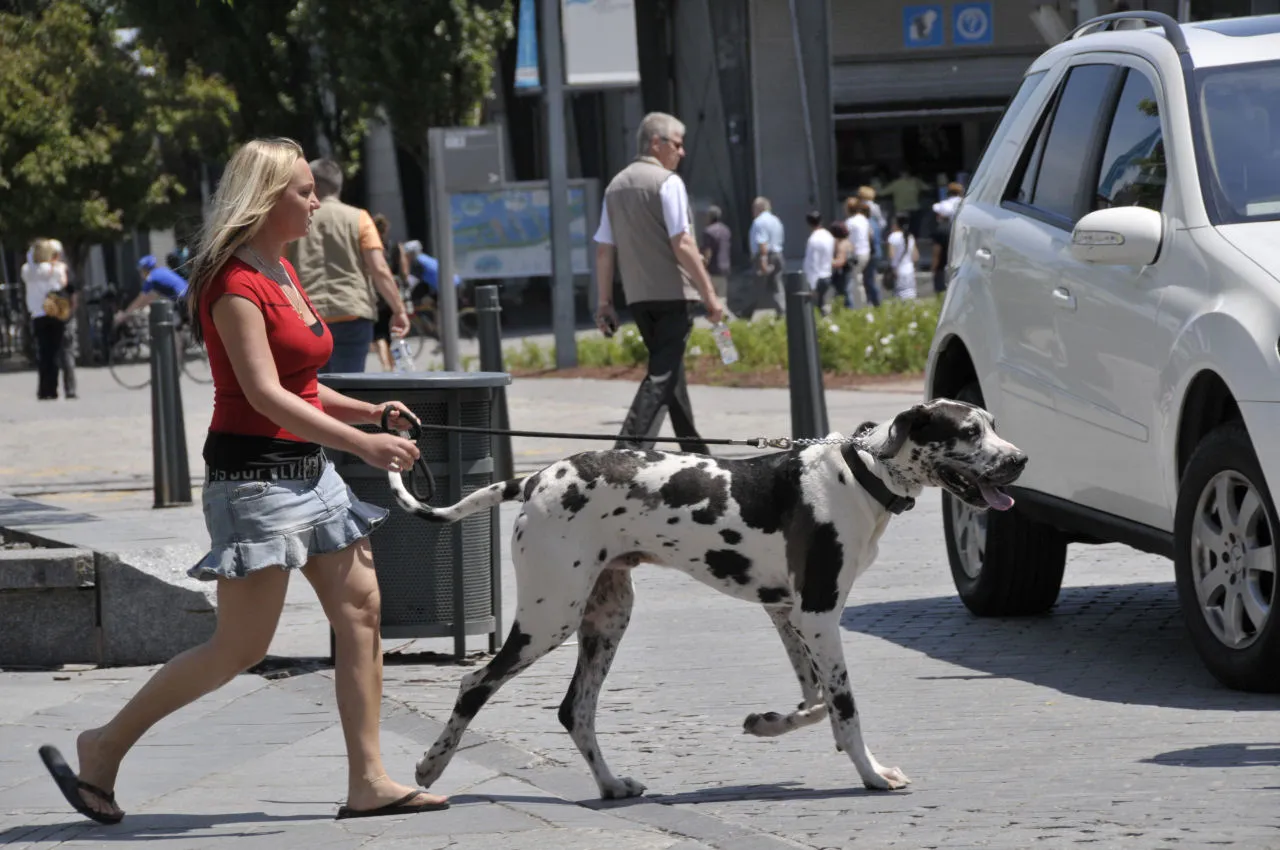
Most people stroll casually with their dog. Great Dane owners walk like they’re bracing for a surprise earthquake – leash in one hand, core tight, feet planted just wide enough for that sudden lunge at a squirrel, a trash bag, or a suspicious leaf.
You have an unconscious “wide stance” walk that screams, I’ve been dragged before. You pick walking routes based on fewer triggers – fewer cats, fewer small dogs, fewer kids screaming “PONY!” and charging in out of nowhere. Even with a well-trained Dane, you know physics is never on your side once 150 pounds decides to move. Your balance improves, your reflexes sharpen, and your footwear gets a lot more practical.
#9 – You Regularly Lose Entire Chairs to The Lean
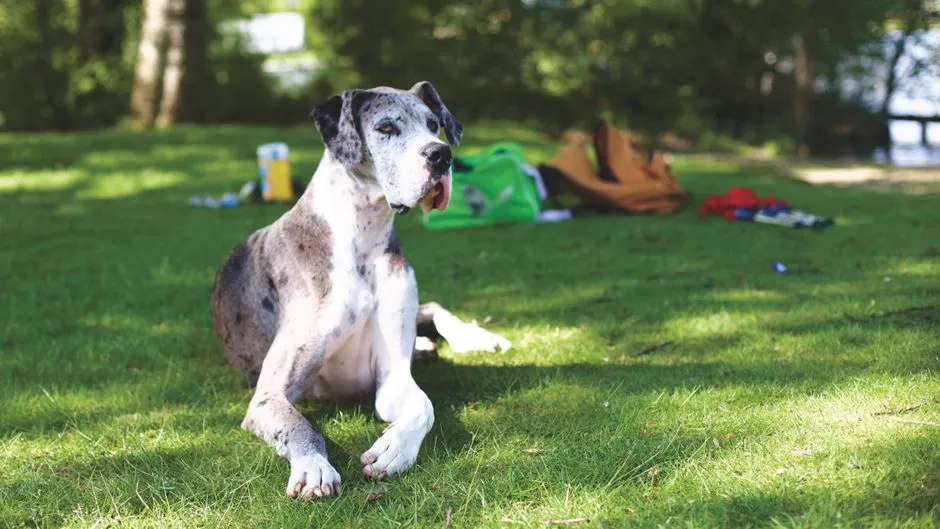
Every Great Dane owner knows The Lean. One second you’re standing, the next 120-plus pounds have casually melted into your thighs, forcing you to take half a step back just to stay upright.
You’ve almost sat down involuntarily more times than you can count. You stop standing with your knees locked. You brace slightly whenever your Dane approaches from the side. On bad days, The Lean upgrades to The Sit, where your dog slowly lowers their entire backside into your lap like a giant four-year-old demanding comfort. Guests think it’s sweet. Your quads and lower back strongly disagree.
#10 – You Quietly Judge “Dog-Proofing” That Only Reaches Knee Height
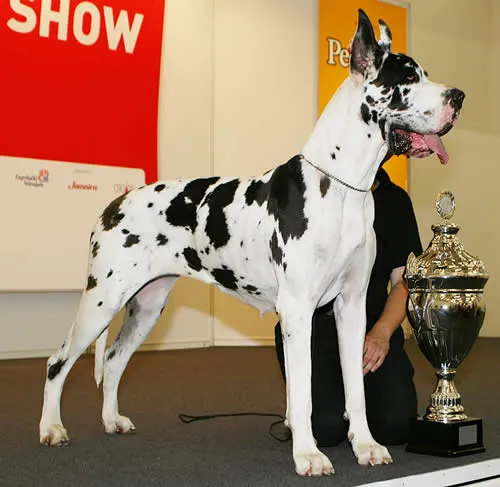
Most dog owners proudly show off baby gates and cabinet locks. Great Dane owners just stare at unsecured countertops and laugh internally, because anything below chest height to a Dane is basically floor level.
You mentally measure everything at “Dane nose height,” not human height. You stop leaving food on counters, because your dog doesn’t counter surf – they simply help themselves without stretching. Garbage cans must be lidded, heavy, and hidden. Friends say, “He can’t reach that, right?” and you have to bite back a very darkly amused, “Wanna bet?”
Quick Compare
- Standard kitchen counters: about 36 inches high.
- Great Dane shoulder height on all fours: roughly 28 to 32 inches, putting a nose right at counter level with barely a stretch.
- Great Dane reach on hind legs: often 6-plus feet, enough to put upper shelves and cabinets in play too.
#11 – You’ve Accepted That Privacy in the Bathroom Is a Myth
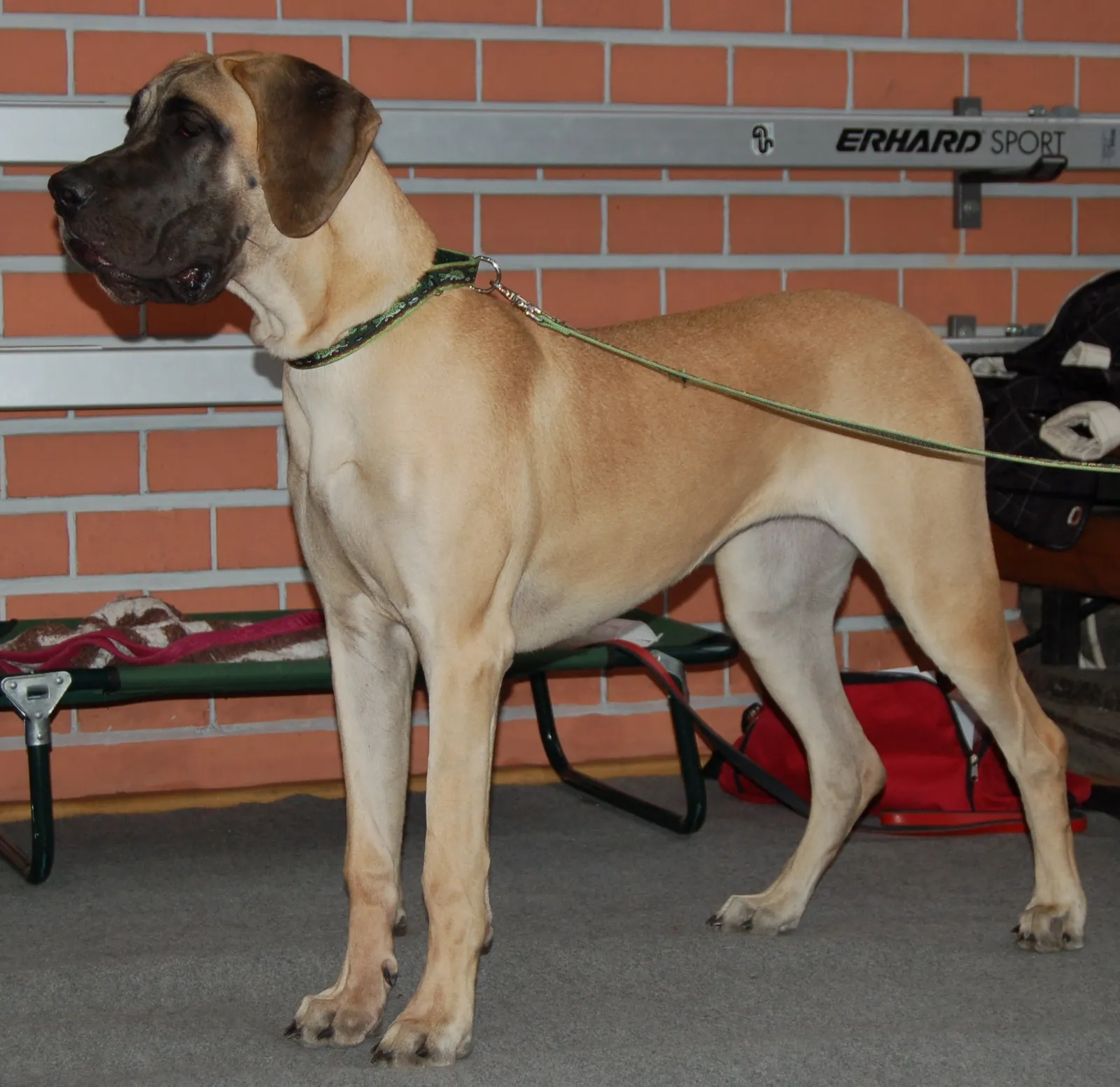
Live with a Great Dane and the concept of “alone time” in the bathroom becomes a distant memory. They follow you in, push the door open with that massive head, and stand there breathing like a small dragon.
You’ve had entire serious eye-contact conversations while sitting on the toilet. You instinctively wedge the door shut with your foot, not out of modesty, but because you don’t want 150 pounds barging in and slamming it into the wall. The moment you disappear behind any closed door, your Dane assumes you’ve been kidnapped – scratching, huffing, and loud sighs included.
#12 – You Dress for “Fur and Slobber” the Way Others Dress for the Weather
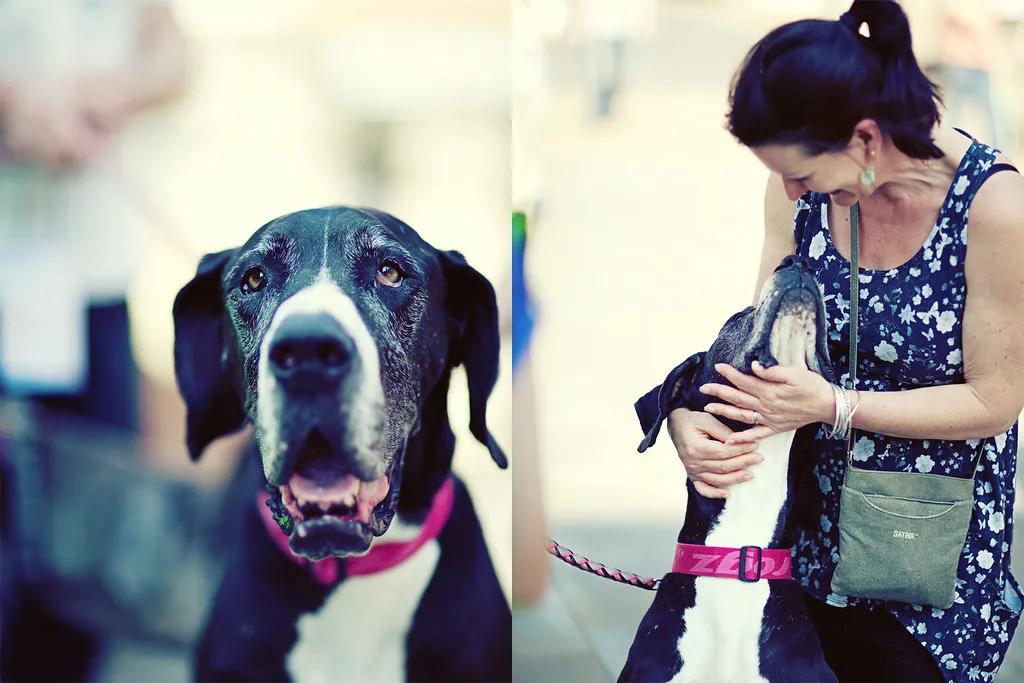
Most people check the temperature before picking an outfit. Great Dane owners also check the activity level and recent water intake. If it’s a zoomie-and-play day, you’re wearing dark, fur-camouflaging clothes you don’t mind getting slimed.
You own at least one outfit you jokingly call your “drool uniform.” You stop buying lint rollers one at a time and start buying them in bulk. Light-colored pants become a genuine hazard. Even your guests get the warning: “If you sit down, you’re consenting to fur.” You might start the day looking put together, but by noon there’s a permanent Dane-hair patch on your shoulder.
#13 – You Eat With One Eye on the Floor and One Hand Guarding Your Plate
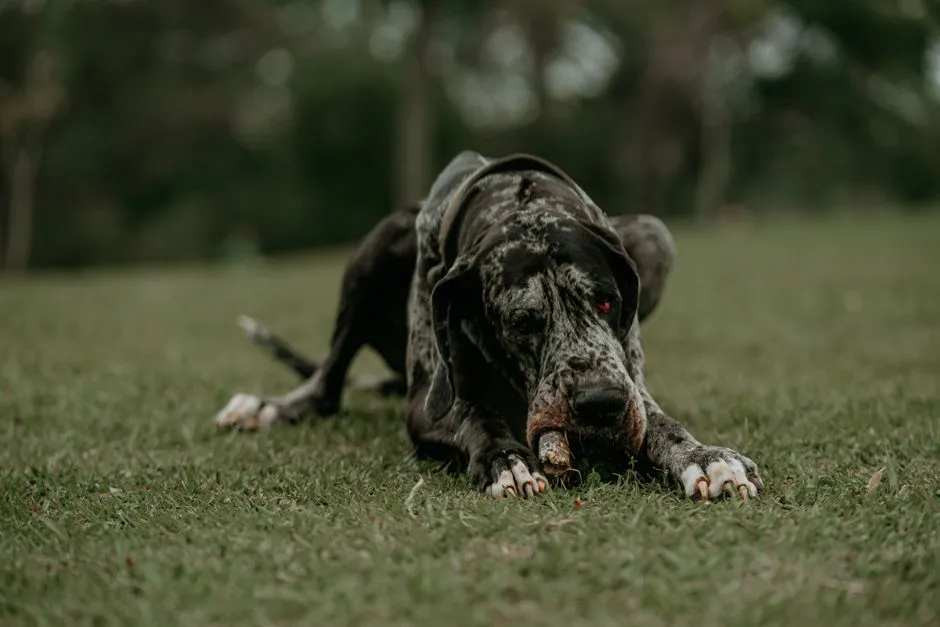
Meals with a Great Dane in the house are a contact sport. You don’t just sit and eat – you guard, one hand on your plate, one eye tracking that giant nose as it slowly inches closer.
You’ve perfected the “elbow shield” without even looking up. You track dropped crumbs like a surveillance system, because anything that hits the floor is instantly claimed under Dane jurisdiction – including things they absolutely shouldn’t eat. You’ve snatched grapes from giant jaws mid-chew and yelled “LEAVE IT” in a tone usually reserved for emergency brakes.
#14 – You Turn Furniture Into Strategic “Safe Zones” for Small Items and Small Pets
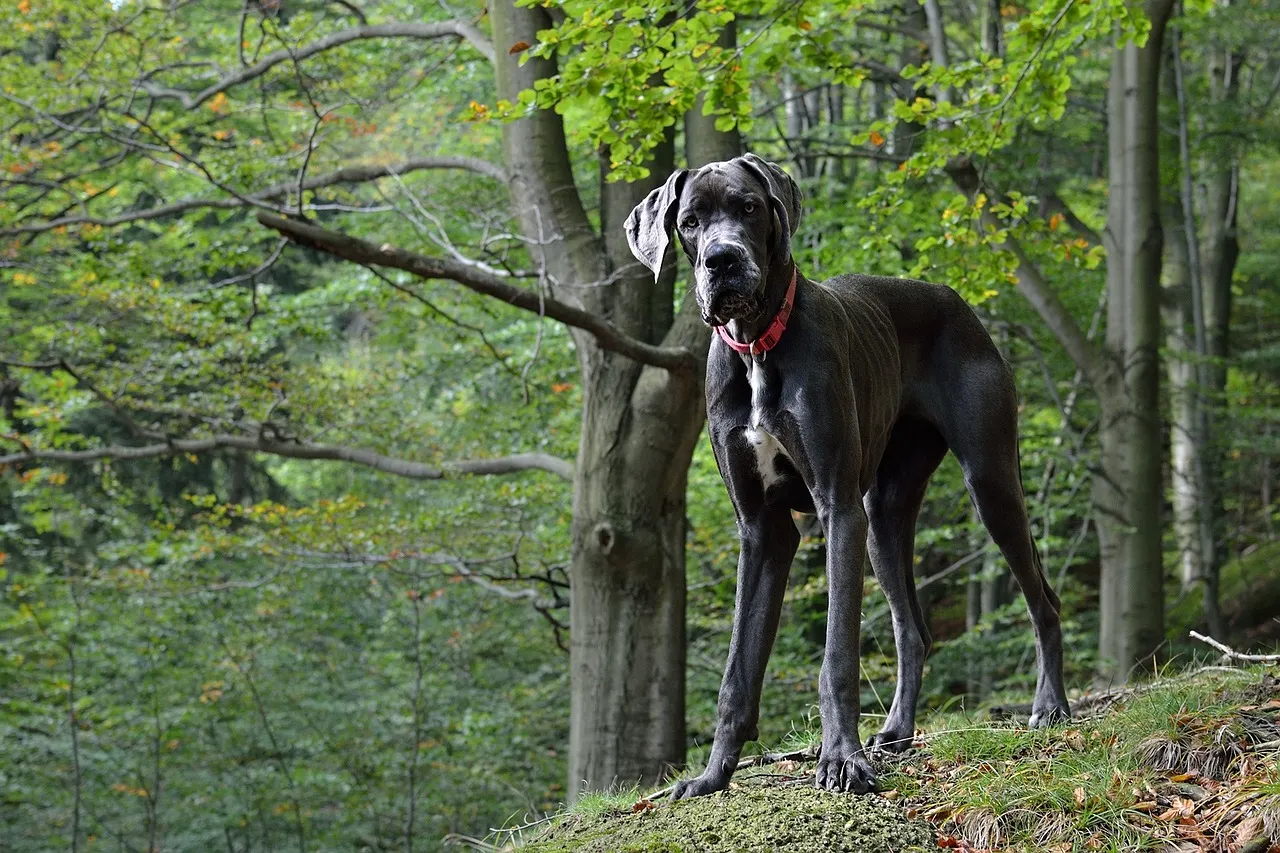
Living with a Dane means thinking in vertical tiers at all times. Anything you truly care about lives above Great Dane head level – remote controls, snacks, fragile decorations, even the cat when he’s had enough.
Your entire home layout is basically built around one huge reach radius. Coffee tables become decoys, not real storage. Low shelves are for things you’ve already accepted will get nosed or slobbered on. Smaller pets in the house learn the same system, developing their own Dane-free perches on the back of the couch. You didn’t plan to run a multi-story safety operation, but your Dane forced you into an unofficial interior design career.
#15 – You’ve Learned to Read Micro-Expressions Like a Body Language Expert
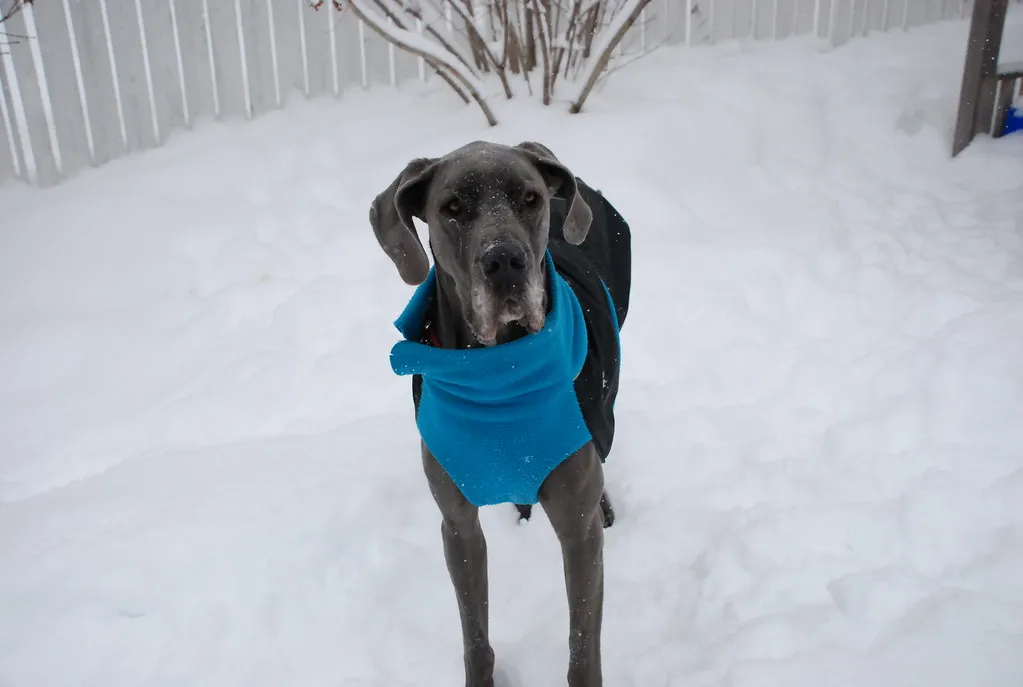
Great Danes don’t have to bark to communicate. They do it with eyebrow raises, tiny side-eyes, slow blinks, and head tilts, and Dane owners become weirdly fluent in reading all of it.
You know the difference between “I’m bored,” “I’m offended,” and “I might explode if we don’t go out now” just from one look. This skill spills over into how you read humans too – you start noticing small shifts in posture and eye contact because you’re trained to catch the earliest signs of trouble. Friends think you’re overreacting. Then they watch your Dane do exactly what you predicted.
“The great pleasure of a dog is that you may make a fool of yourself with him and not only will he not scold you, but he will make a fool of himself too.”
Samuel Butler
#16 – You Constantly Do “Space Calculations” Before Inviting Anyone Over
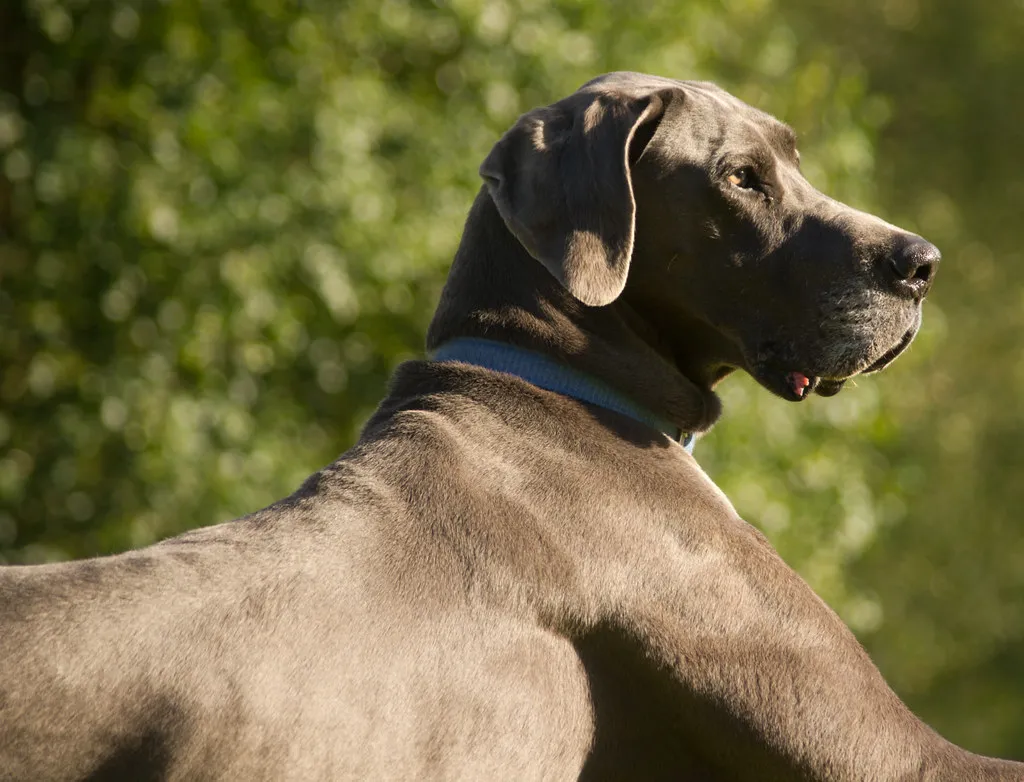
Before you say yes to hosting, you subconsciously map out the room – where the Dane will flop, and who’s standing in the danger zone of a sudden stand-up or tail swish.
You actually decline invites, or change your own plans, based on whether your Dane will comfortably and safely fit into the scenario. You know which friends can’t handle the size and enthusiasm, so you either prep them heavily or just meet elsewhere. Your social life doesn’t revolve around your pet – it quietly bends around them in ways only other giant-breed owners ever notice.
#17 – You’ve Stopped Being Impressed by “Big Dogs”
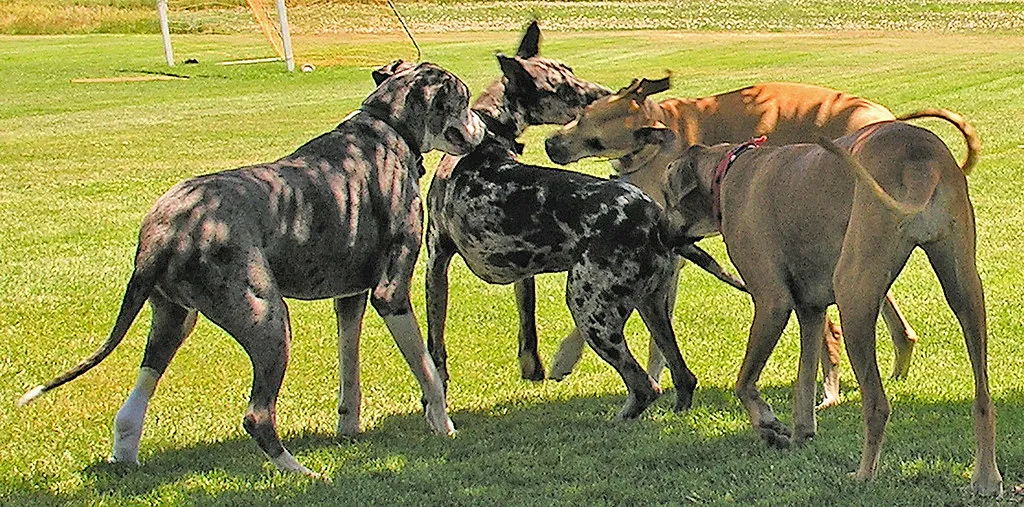
Once you’ve lived with a Great Dane, your internal scale resets completely. People proudly show off their “huge” 70-pound dog, and you have to fight the urge to ask if he’s still growing.
Your version of “big” has shifted so far that normal-large dogs now look medium at best. At the vet or the dog park, staff warn you about “the big one in the back,” and then a shepherd walks out and you catch yourself smirking. When you spot another Dane in public, though, all that jadedness vanishes and you turn into a total fangirl or fanboy on the spot.
#18 – You Budget Emotionally (and Financially) for Shorter Lifespans
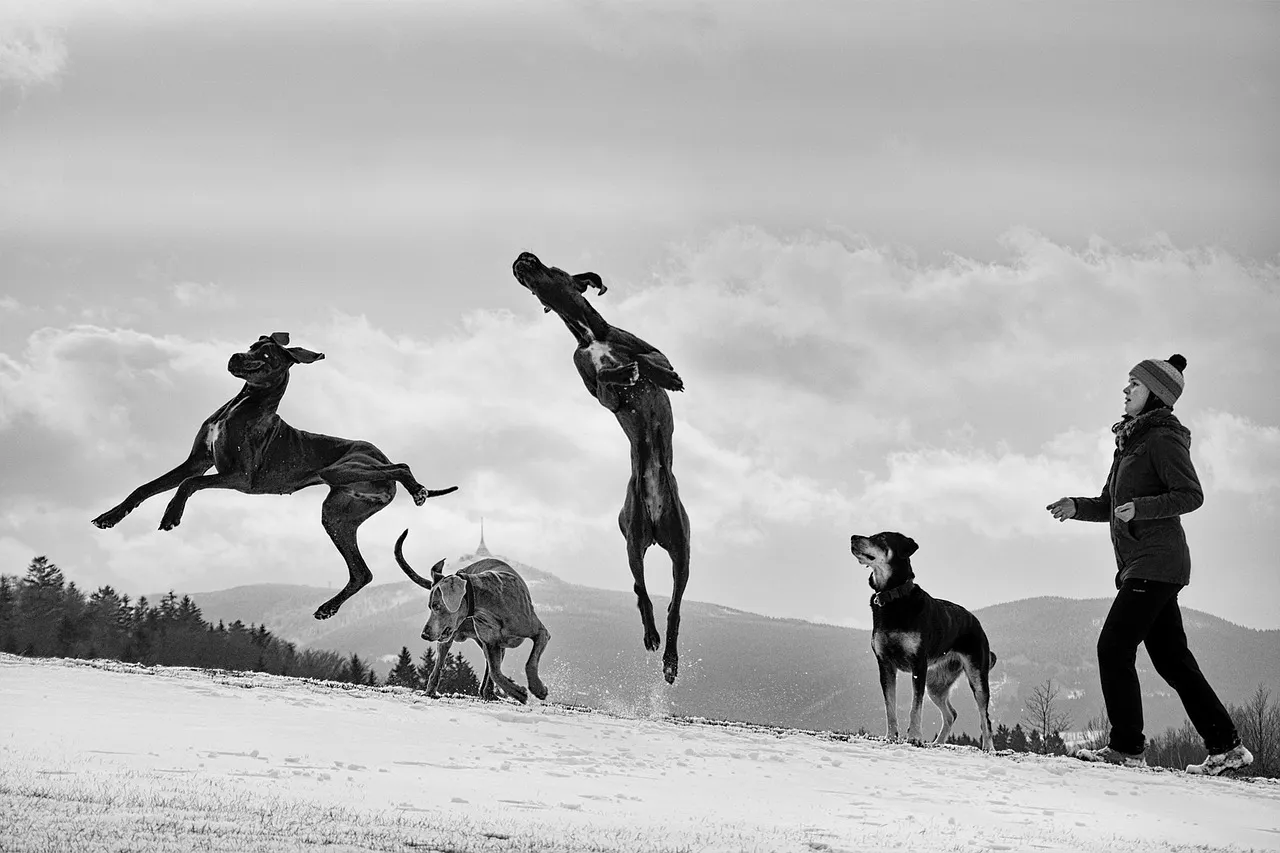
Here’s the part non-Dane people don’t see. Along with the jokes and the chaos, Great Dane owners carry a quiet awareness that giant breeds simply don’t get as much time.
You subconsciously measure time in “how many good years we might have left” instead of pretending they’ll be around forever. You take more photos. You say yes to more cuddles. You shrug off minor inconveniences because you know the clock runs faster for them, and some owners even shape bigger life decisions – moves, jobs, travel – around giving their dog the most stable years possible. It’s a bittersweet mindset, and only people with giant, short-lived breeds truly get it.
At a Glance
- Average Great Dane lifespan is commonly cited at roughly 7 to 10 years.
- Many smaller dog breeds regularly live well into their teens, sometimes past 15 years.
- Giant breeds are especially prone to heart issues like dilated cardiomyopathy, which is part of why vets track them closely.
#19 – You Secretly Love the Inconvenience More Than the Convenience
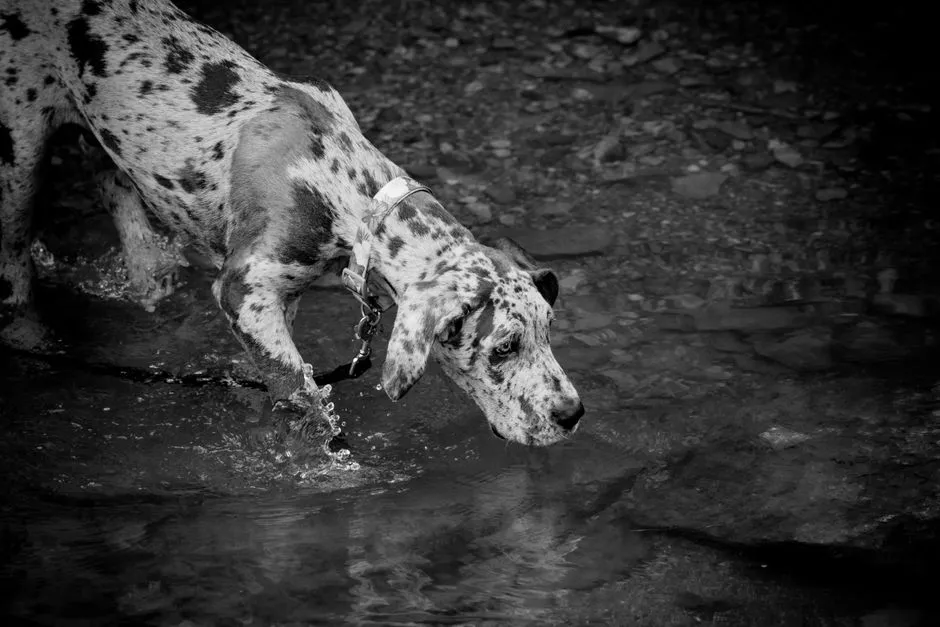
The oddest habit of all? You start to genuinely like arranging your entire life around this ridiculous, oversized creature. You complain about the drool, the bed space, the vet bills – but deep down, every weird adjustment feels worth it.
The chaos becomes part of your identity, and honestly, you’d miss it if it vanished. You stop fantasizing about an easy, tidy, dog-free home. Instead you picture the thud of giant paws, the weight of a massive head on your lap, the way people’s faces light up – or panic – when they see your gentle giant. Great Dane owners often swear they’ll “go smaller next time.” A lot of them don’t.
The Bottom Line
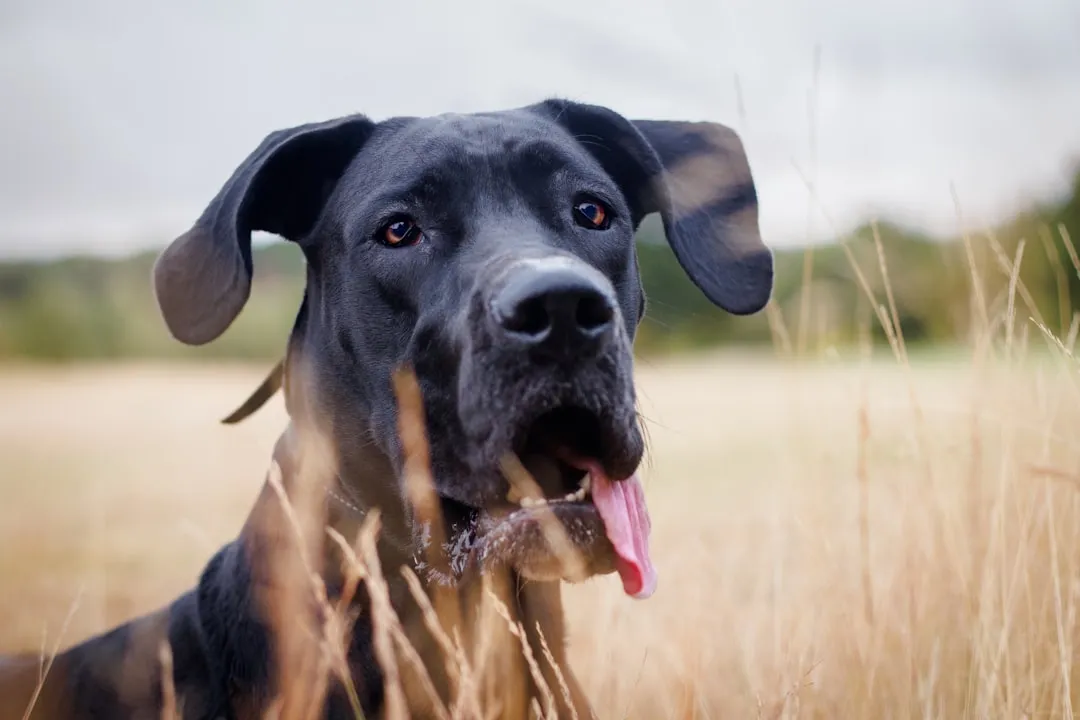
Living with a Great Dane quietly rewires your entire life. You sit differently, walk differently, decorate differently, and even plan your social calendar around one towering, clumsy, unbelievably sensitive animal.
Outsiders see the size and the spectacle. Only Dane owners recognize the daily trade-off – less space, more slobber, shorter years, but deeper, louder love. This breed is inconvenient, expensive, and emotionally risky, and the people who’ve truly lived with one would still sign up again in a heartbeat.
Some will call that irrational. Dane people call it honest. So be real – which of these odd habits are you guilty of, and would you ever trade them for a quieter, easier dog?

- 19 Odd Habits Only Great Dane Owners Would Instantly Recognise - July 30, 2026
- 12 Tender Things a Senior Dog Does Only for the Person It Loves Most - July 30, 2026
- 22 Horse Breeds Vets Refuse to Let Their Own Children Ride - July 30, 2026