
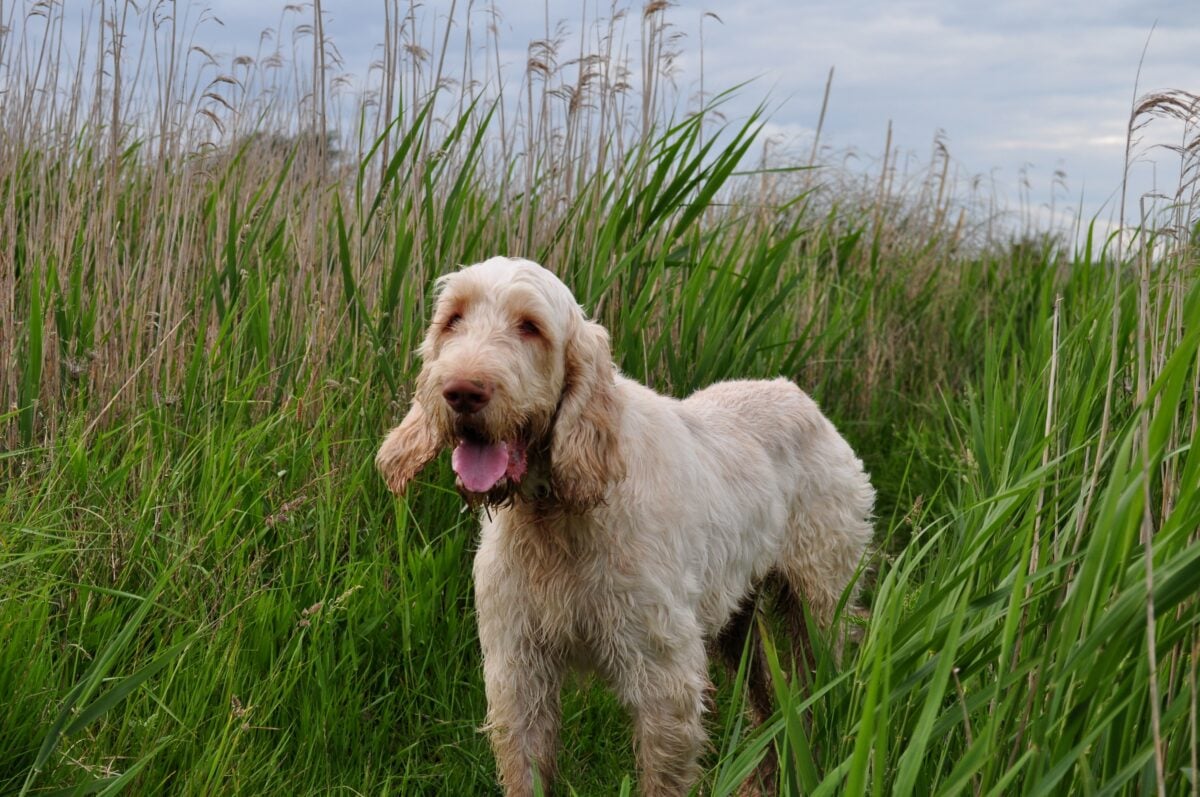
Nobody hosts a funeral when a dog breed starts to disappear. There’s no headline, no viral fundraiser, no dramatic before-and-after photo. Instead, a waiting list gets a little shorter. A litter doesn’t happen this year. A breeder retires and nobody steps up to take her place.
That quiet math is exactly why so many owners are stunned to learn a breed they grew up seeing at shows or in old family photos is now almost impossible to find at a reputable kennel. Breeders in these niche circles have been sounding the alarm for years, just not anywhere the average dog lover would think to look. Here are 14 breeds insiders say are fading out in plain sight, and the surprisingly human reasons behind every single one.
#1 Skye Terrier: Victorian Royalty Nobody Remembers
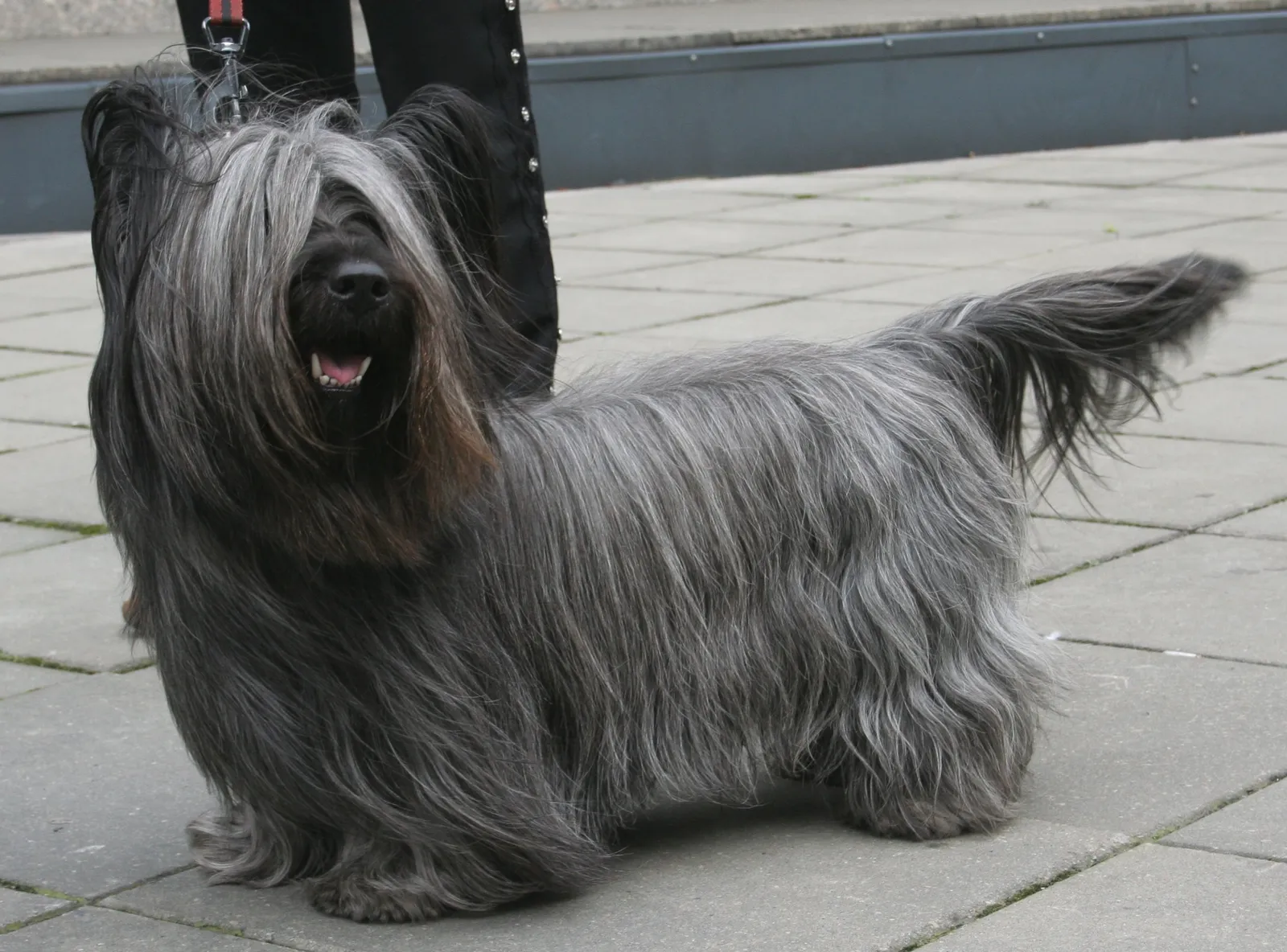
The Skye Terrier used to be a celebrity in Victorian Britain, immortalized in paintings and adored by Queen Victoria herself. Today, plenty of professional groomers have never actually seen one walk through the door. Breeders quietly admit that annual registrations in some countries now sit in the double digits, not the thousands they once commanded. On paper, that long parted coat, dignified attitude, and one-person loyalty should make them social media gold.
In reality, they lose out to doodles and “teacup” mixes that are easier to market to first-time buyers scrolling for a quick dopamine hit. What’s really hurting the Skye isn’t temperament, it’s lifestyle mismatch: they need careful socialization to avoid shyness and regular coat maintenance that most casual owners badly underestimate. Modern families want a low-effort, plug-and-play dog, and a breed that demands grooming, patience, and a quieter household simply doesn’t win the algorithm. Many of the remaining show breeders are elderly with no clear successor waiting in the wings, and Skye Terriers are just the opening act — #2 has already lost the exact job it was born to do.
#2 Otterhound: Built For a Job That Vanished
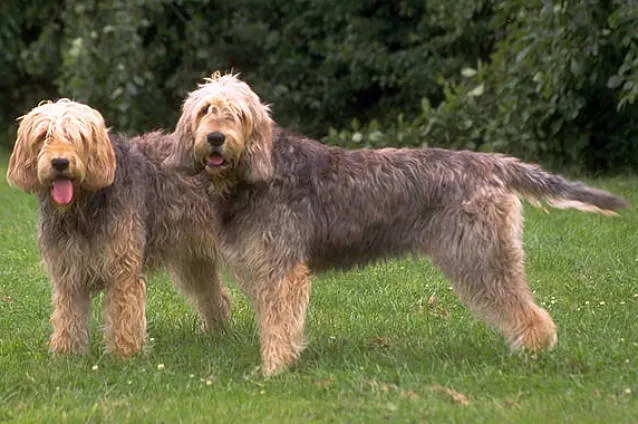
Most people have never heard of the Otterhound, and that ignorance is exactly the problem. This massive, rough-coated scent hound was purpose-built to hunt otters in cold British rivers, tracking scent for hours through freezing water most dogs would refuse to enter. When that practice was banned decades ago, the breed lost its entire reason for being bred in meaningful numbers. A small, devoted group of enthusiasts has kept the line alive since, but they’re fighting math, not malice.
Otterhounds need serious space, real exercise, and owners who don’t flinch at mud, drool, or a distinct “wet dog” smell that never quite airs out. They’re also loud and stubbornly independent, traits that make dense suburbs and quiet apartment buildings a genuine nightmare. The result is painfully few litters, long distances between reputable breeders, and almost zero public awareness outside dedicated hound circles. Many veterinarians will go their entire careers without ever treating one, and Otterhounds are rare — but #3 is a breed most people can’t even picture when you say its name.
Fast Facts
- Originally bred to hunt otters in Britain’s rivers and streams
- Rough, oily double coat evolved to handle icy water for hours
- Listed among the UK Kennel Club’s vulnerable native breeds
- Large-boned dogs, with males often weighing well over 100 pounds
- Known for a deep, distinctive baying bark rather than a typical dog bark
#3 Sussex Spaniel: Too Calm For a Loud World
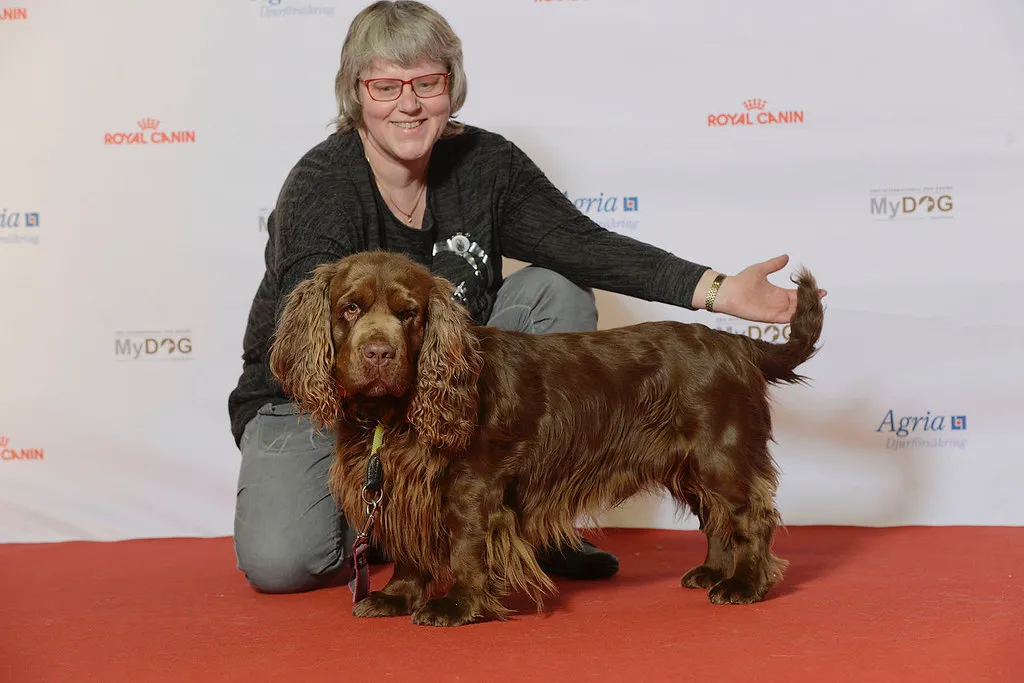
Everyone knows a Cocker Spaniel on sight. Almost nobody outside a dog show can identify a Sussex Spaniel, and that gap says everything about where this breed is headed. Low-slung and golden-liver colored, the Sussex was bred for slow, methodical flushing work in thick English cover, not for bouncing around a backyard on camera. Today its thoughtful, unhurried personality actually works against it in a market obsessed with hyper-friendly, high-energy dogs that perform well on video.
Sussex Spaniels can be vocal, a little stubborn, and prone to weight gain if their owners treat them like living couch cushions. They also carry health concerns common to small, historically inbred populations, including autoimmune issues and orthopedic problems tied to limited genetic diversity. None of that means the breed is broken; it means it needs careful, planned breeding, which is precisely what casual backyard breeders aren’t equipped to do. Responsible Sussex breeders say the quiet part out loud: they’ve preserved a genuinely important spaniel that almost nobody is asking for, and litters sell slowly even when every puppy is exceptional — meanwhile #4 got healthier and lost its fanbase anyway.
#4 Field Spaniel: Fixed Just in Time to Be Forgotten
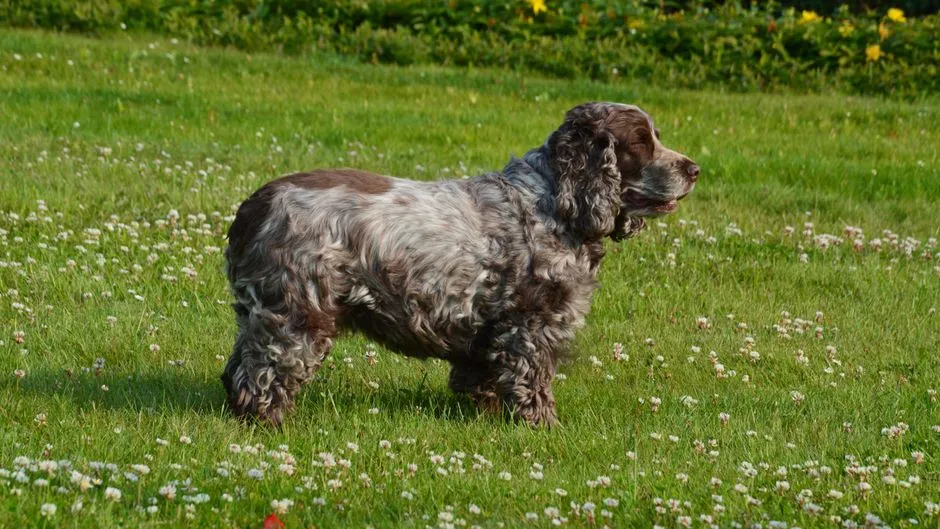
If you’ve ever wished for a calmer, more moderate spaniel, congratulations, you just described the Field Spaniel. Unfortunately, moderation has never once gone viral. Early 1900s show trends nearly wrecked this breed through exaggeration and poor breeding choices, twisting it into something almost unrecognizable and unhealthy.
Modern breeders spent decades quietly repairing the damage, but by the time a healthier, more functional Field Spaniel finally emerged, the public had already moved on to other breeds entirely. Fields now sit in an awkward middle ground: too driven and athletic for casual owners, yet too rare and understated for mass-market hype. They’re smart, affectionate, and highly trainable, but their sensitivity means chaotic, structure-free households aren’t a good fit. Trainers genuinely love working with them; algorithms simply don’t care, and most people hunting for a “medium spaniel” default straight to Cockers or Springers without ever learning Fields exist — while #5 looks like an internet meme and still can’t find buyers.
#5 Dandie Dinmont Terrier: Named After a Novel, Forgotten By Everyone Else
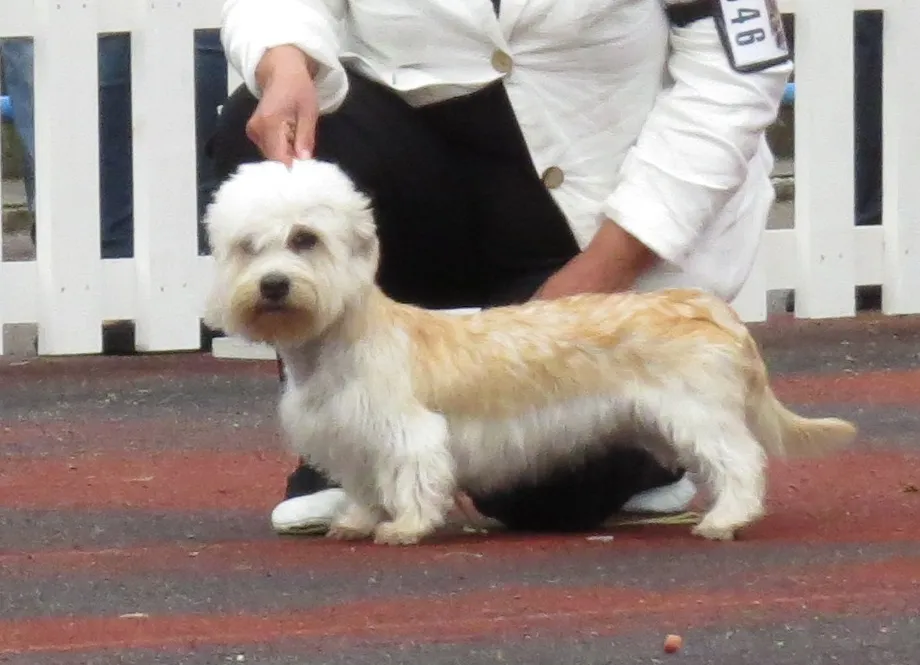
The Dandie Dinmont Terrier looks like it was engineered to be a meme: a long, low body, an oversized topknot, and soulful dark eyes that seem almost too big for its face. It holds one genuinely unusual honor, being one of the only breeds ever named after a fictional character from a novel rather than a place or a job. Yet you almost never spot one at a park or scrolling past on a social feed, and that gap between visual distinctiveness and real-world rarity is exactly the kind of signal breeders watch nervously.
Underneath the fluff, Dandies were originally tough, game little hunters of badgers and otters, not decorative lap ornaments. Today the breed faces a tiny gene pool, grooming demands people consistently underestimate, and a genuinely stubborn terrier mindset that surprises buyers expecting a plush, compliant pet. They’re not yappy toys and they’re not hypoallergenic props for an apartment. As the older breeders who know how to properly trim and present a Dandie retire, there’s real worry about who will even carry that knowledge forward — and #6 is disappearing because its actual job doesn’t exist anymore either.
#6 Curly-Coated Retriever: Mistaken For a Poodle Mix, Vanishing Anyway
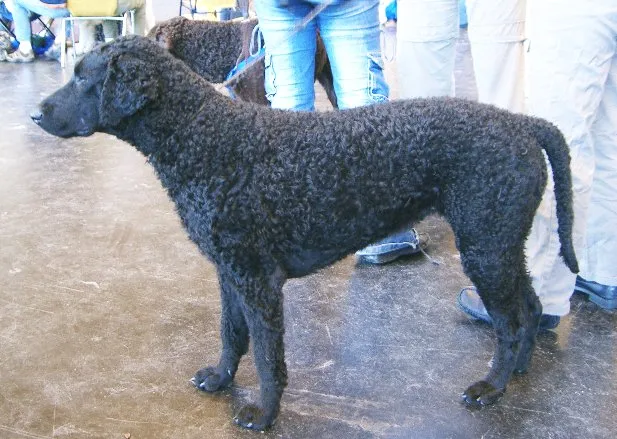
Labradors and Goldens dominate the family-dog conversation so completely that the Curly-Coated Retriever, a breed older than both, is quietly fading into the margins. Plenty of people assume it’s just a poodle mix rather than a genuinely distinct, historic breed, and that ignorance has real consequences for its future. In many countries, Curly registrations amount to a tiny fraction of Lab numbers, despite sharing the same working gundog roots.
Curlies tend to be more independent and reserved with strangers than Goldens, and they’re physically tough, athletic dogs that mature slowly compared to other retrievers. That combination makes them harder work for casual owners expecting instant therapy-dog vibes straight out of the box. They shed, they’re not doodles, and they have zero interest in pleasing every random stranger at the dog park, which makes them less marketable even though hunters and performance handlers quietly adore them. Without better public education, Curlies risk becoming a trivia answer instead of a living, breathing breed — meanwhile #7 has the opposite problem: everyone knows the job, almost nobody wants the dog.
Quick Compare
- Curly-Coated Retriever: tight, curled coat, reserved with strangers, low mainstream visibility
- Labrador Retriever: short easy-care coat, famously outgoing, one of the most popular breeds around
- Golden Retriever: flowing coat needing regular brushing, eager-to-please temperament, family-favorite status
#7 American Foxhound: Working So Hard It Disappeared From View
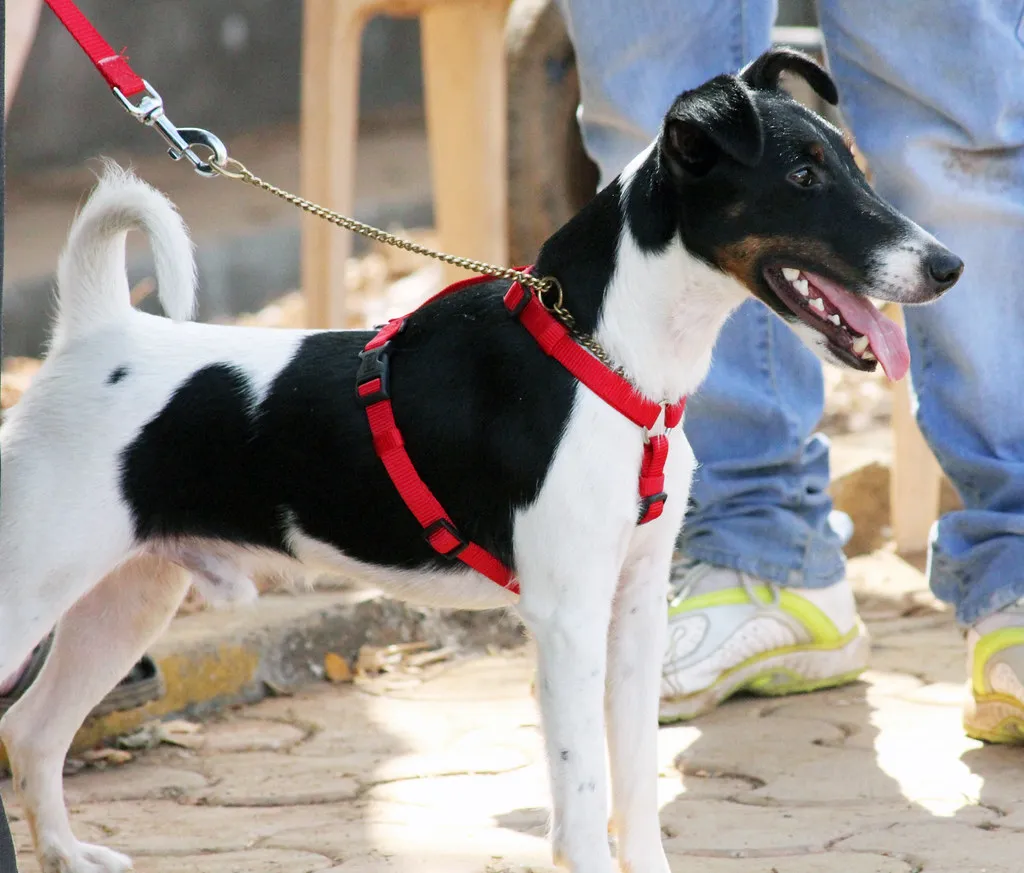
Here’s an uncomfortable truth: when a breed is still actively used in large working packs, the pet-buying public often forgets it exists as an individual companion at all. That’s the American Foxhound’s exact problem. Bred historically for large-scale foxhunts across open country, this dog was never designed with apartments or off-leash city parks in mind.
As traditional hunting clubs shrink year after year, entire bloodlines risk disappearing without ever being offered to an average pet-seeking owner. American Foxhounds are incredibly fit, vocal, and relentlessly driven to follow a scent trail, and left bored or under-exercised they’ll bay for hours or simply vanish over the horizon chasing a smell. That doesn’t play well with HOA noise complaints or standard 9-to-5 work schedules. Unlike Beagles, they’ve never had a cutesy marketing hook working in their favor, and many of the hunters still breeding them do it with a purely functional mindset rather than long-term population planning — which is exactly why #8 was practically engineered to be ignored by social media.
#8 Glen of Imaal Terrier: The Quiet Terrier Nobody Asked For
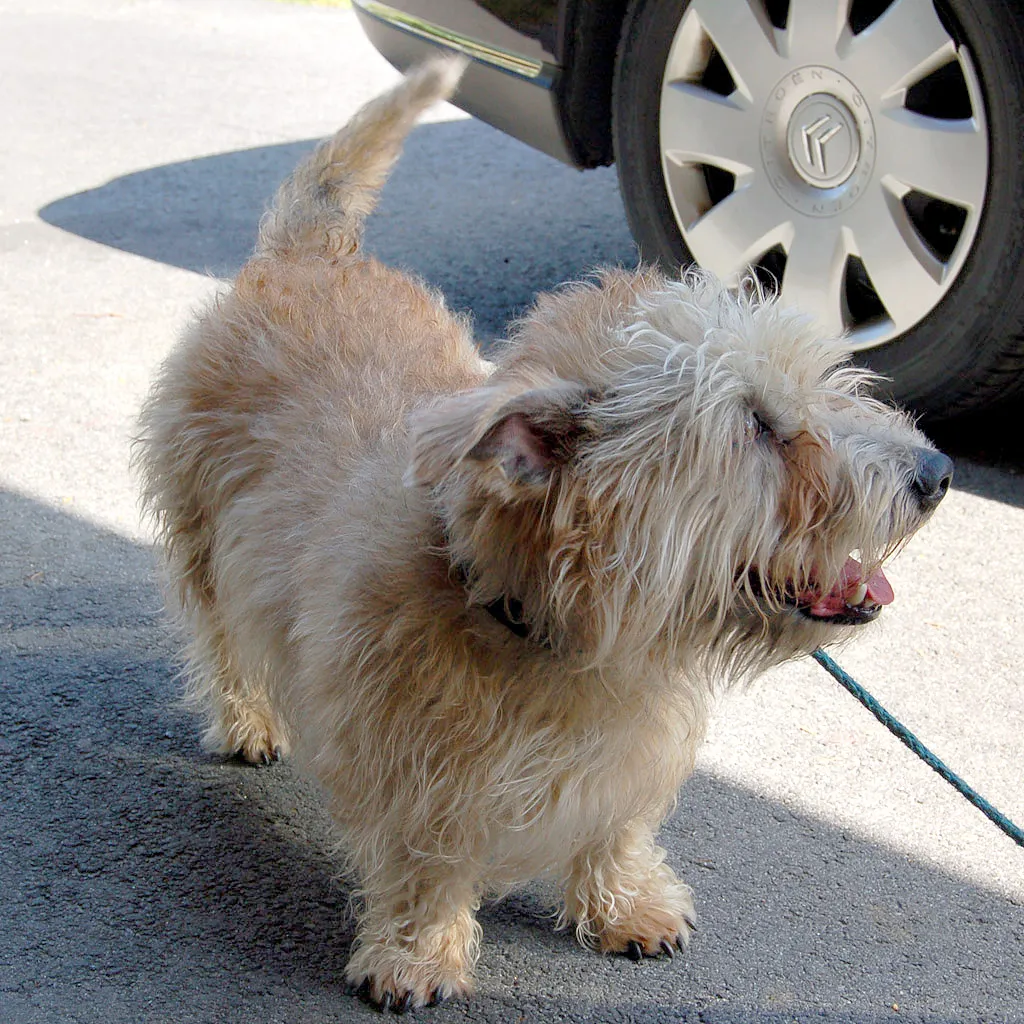
Dog people love to insist they want “a unique breed,” right up until a Glen of Imaal Terrier is standing in front of them and they walk straight past it toward a familiar Frenchie or Corgi. This low-set, powerfully built Irish farm dog was originally used for vermin control and genuinely hard labor. It’s one of the few terriers deliberately bred to be quieter and less reactive than its cousins, which should be a selling point, except subtle traits almost never dominate social media trends.
Glens are sturdy, strong-willed, and don’t always love other dogs of the same sex, so they need thoughtful training and owners with a real sense of humor. Grooming is simpler than most terriers require, but still more involved than the average buyer expects going in. They also lack a universal “puppy look,” and some people frankly just find them odd-looking. That leaves their main market limited to serious terrier enthusiasts and the rare “I actually mean it” different-dog seeker, a dangerously small buyer pool for a breed that needs genetic diversity to stay healthy — and #9 looks like a science experiment and still can’t catch a break.
#9 Norwegian Lundehund: A Genetic Miracle Running Out of Time
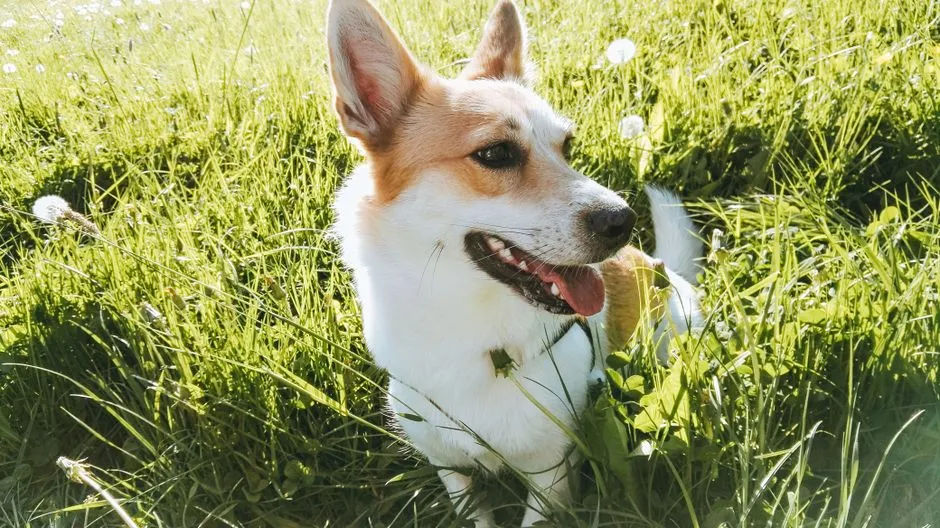
If any breed should be internet famous, it’s the Norwegian Lundehund. Extra toes, unusually flexible joints, and ears that can fold shut to block out debris make them look like evolutionary experiments in the best possible way. Yet despite all that built-in novelty, the Lundehund went through a near-extinction bottleneck so severe that every modern dog traces back to a tiny handful of surviving ancestors, leaving the breed with serious ongoing genetic concerns.
The breed originally hunted puffins along steep Norwegian cliffs, a job that vanished once that practice was banned and other methods took over entirely. Modern owners face sensitive digestive systems, unique health challenges, and a quirky, almost catlike temperament that doesn’t match typical obedience expectations. They’re not golden retrievers stuffed into a strange body; they’re independent, alert, and sometimes aloof, and absolutely not a fit for everyone. Responsible breeders are refreshingly transparent about the health realities involved, which ironically can scare away exactly the thoughtful owners the breed needs most — and #10 is disappearing simply because people keep confusing it for an entirely different dog.
At a Glance
- Six fully functioning toes on each foot, instead of the usual four or five
- Flexible neck that can bend backward to rest along the spine
- Ears that fold shut to seal out dirt, moisture, and debris
- Originally bred to hunt puffins on narrow Norwegian sea cliffs
- Modern population descends from a small handful of survivors after a severe bottleneck
#10 English Toy Terrier: Mistaken For a Mini Doberman, Losing Ground Fast
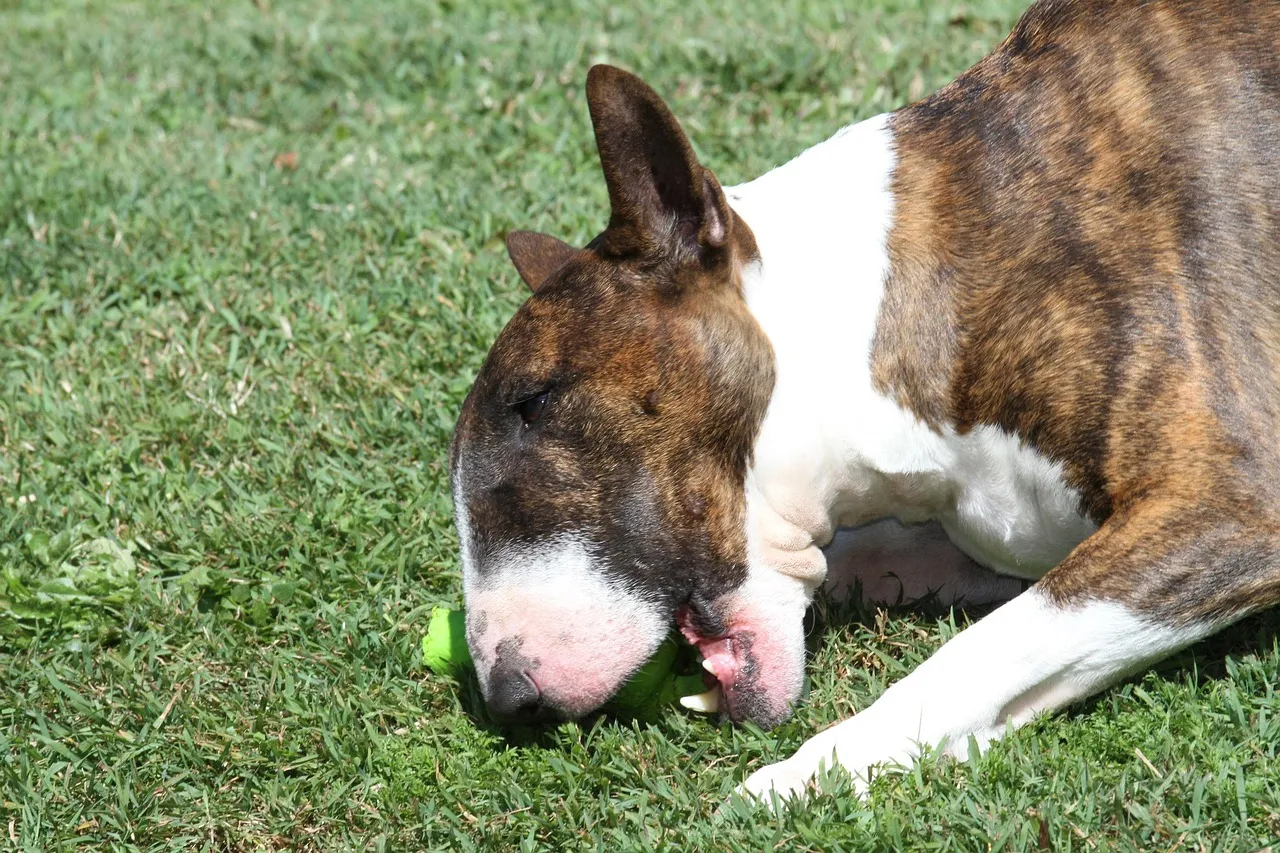
If you’ve ever mistaken an English Toy Terrier for a tiny, refined Doberman or a big-boned Miniature Pinscher, you’re far from alone, and that identity confusion is slowly killing the breed. In some registries, annual puppy registrations hover so low that a single irresponsible breeder could damage the gene pool for years to come. Most pet seekers don’t even realize this is a separate, genuinely historic terrier type with its own long story.
English Toys are elegant without being fragile, spirited without being chaotic, originally bred as skilled ratters and companions, meaning there’s real terrier fire under that glossy black-and-tan coat. The problem is that the toy dog market is now dominated by designer mixes and flat-faced breeds that photograph beautifully in purses and on sofas. This is a dog that wants to move, think, and actually be trained, not just be dressed up for a photo. That mismatch between what the breed genuinely is and what “toy dog” has come to mean leaves breeders with shrinking demand — while #11 is a hipster’s dream breed that somehow never went viral.
#11 Spinone Italiano: The Rustic Beard Nobody Discovered
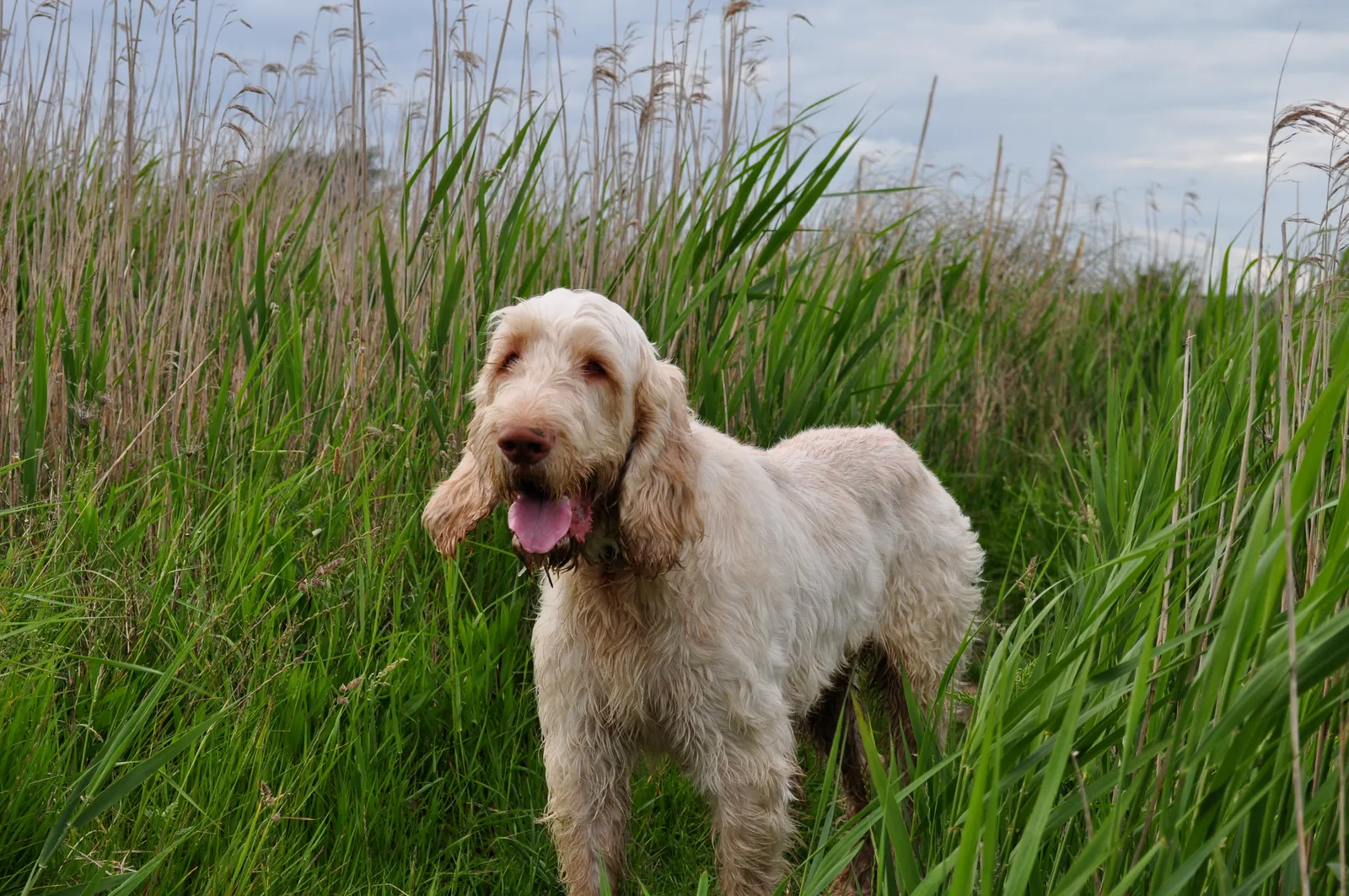
The Spinone Italiano looks like a hipster’s dream come true: a scruffy beard, soulful eyes, and a rustic European backstory that should have made it an Instagram darling years ago. In practice, it remains a niche gundog with a limited number of breeders and a surprisingly small global population, especially next to flashier setters and German versatile hunting breeds that get all the attention.
Spinoni work slower and more methodically in the field than their competitors, often described as “deliberate” rather than intense, which is wonderful in a family home but less exciting to buyers chasing a high-octane sports dog fantasy. They’re also large, heavy-boned, and notably drooly, traits that turn off urban buyers almost instantly. Many are still bred with a genuine working mindset, which clashes with people who only want a couch companion, and when those expectations aren’t managed properly, dogs bounce between homes and rescues, discouraging ethical breeders from producing more litters. It’s a vicious cycle of low visibility feeding fewer good homes — and #12 doesn’t even get that much recognition, since most people think it’s an aircraft.
#12 Harrier: Stuck Between Two Worlds
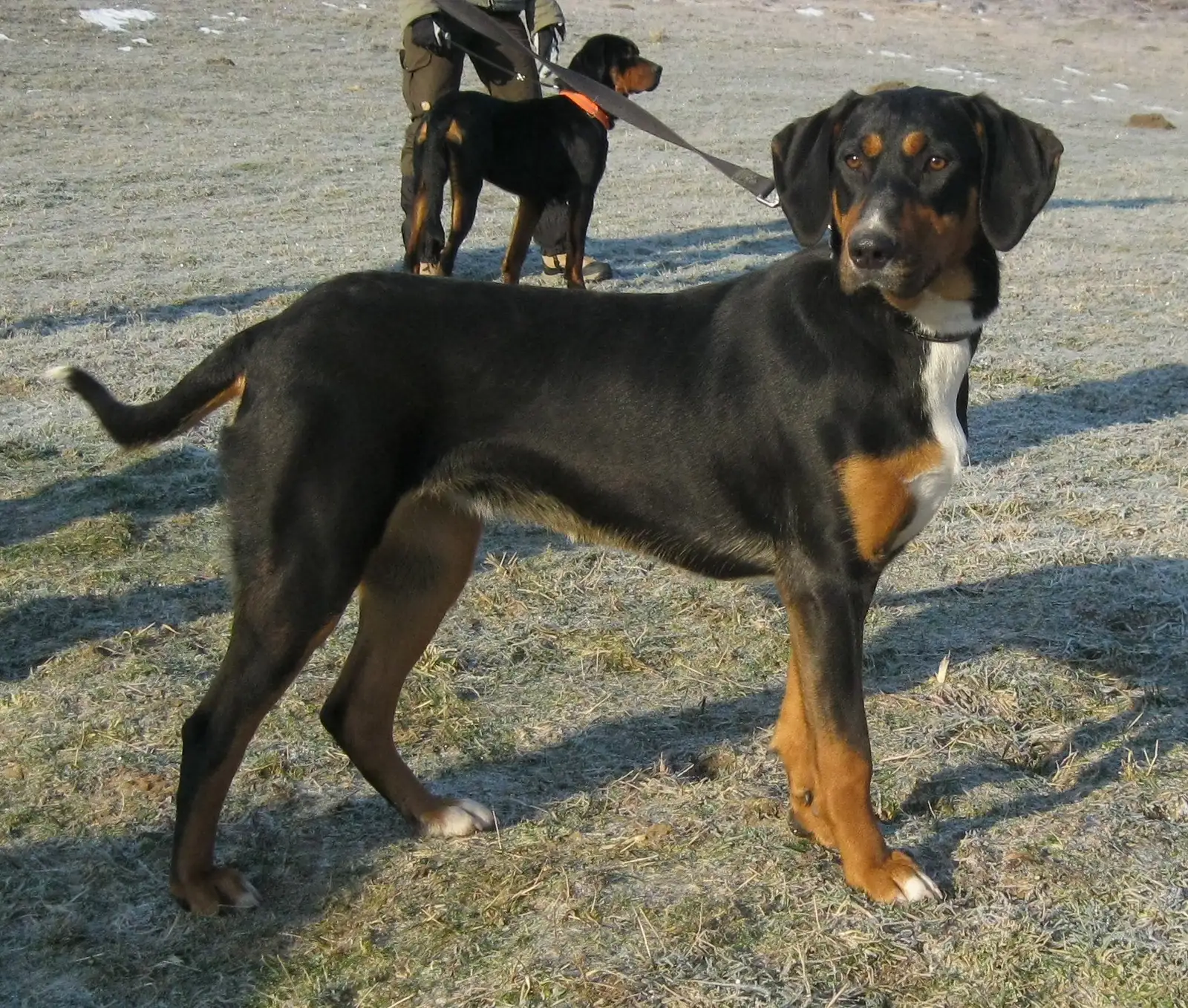
Ask the average dog owner to name a Harrier and they’ll picture a fighter jet, not a dog. This medium-sized hound, similar in build to a small foxhound or an oversized beagle, lives in a strange kind of identity limbo. It’s too big and driven for most beagle lovers, yet too unknown for hunting people who already have established lines of their own, leaving it stuck between categories in the worst possible way.
Harriers were traditionally pack hounds bred to run all day on scent, and that working history still shows up clearly in modern dogs, who are athletic, vocal, and need far more exercise than a casual suburban jogger is usually prepared to give. They’re also genuinely hard to find, with only a handful of litters appearing in some countries each year, if that many at all. Without visibility in conformation rings, performance sports, or mainstream media, the Harrier risks becoming a historian’s dog, known in old books rather than seen on sidewalks. Breeders quietly worry that even one or two bad breeding seasons could set the entire population back drastically — and #13 might be the most dangerous case on this list, pairing high drive with almost zero public recognition.
#13 Belgian Laekenois: Rare, Intense, and Easy to Place Wrong
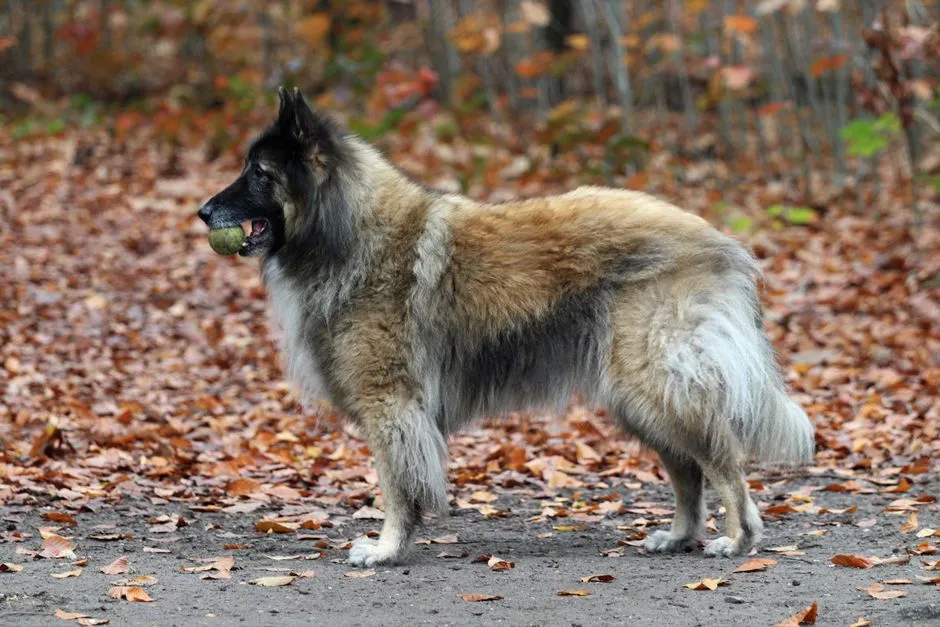
Most people have heard of the Belgian Malinois thanks to police K9 videos and action movies. Far fewer know there are actually four distinct Belgian shepherd varieties, and the rarest by a wide margin is the Laekenois, a wiry-coated herding and protection dog that often shares the Malinois’s working intensity but has a fraction of its public recognition. That combination is genuinely dangerous for the breed’s future.
Serious working-dog people sometimes overlook the Laekenois entirely in favor of better-established Malinois and German Shepherd lines, while casual pet buyers may spot a fluffy Belgian and mistakenly assume it’s just a cool, edgy version of a family herder. Both groups can be wrong, and the dogs pay the price for it. Laekenois are intense, driven, and absolutely not a starter dog for someone who just finished binge-watching a K9 show, and when placements go badly, word-of-mouth about the breed sours fast in a community this small. Without extremely careful breeding and placement, this variety could slide from merely rare to functionally absent in some regions within a generation — and #14 is the most heartbreaking story on this entire list.
Worth Knowing
- One of four recognized Belgian shepherd varieties, alongside the Malinois, Tervuren, and Groenendael
- Identified by a distinctive wiry, rough-textured coat unlike its smoother-coated cousins
- Historically tasked with guarding linen fields in the Belgian countryside
- Remains the rarest of the four Belgian varieties in most countries today
- Needs an experienced, active handler due to its high drive and working intensity
#14 Irish Red and White Setter: Erased By Its Own More Famous Descendant
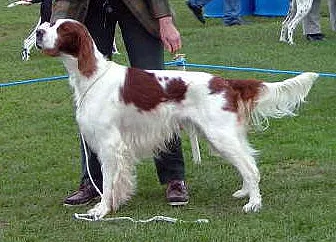
The Irish Setter you already know, solid red and flowing-coated, nearly pushed its own ancestor completely off the map. The Irish Red and White Setter actually came first, bred as a practical, highly visible gun dog built for rough terrain and long working days. By the mid-20th century, it had come so close to true extinction that a small handful of Irish breeders essentially rebuilt the entire population from a tiny surviving remnant, a genetic pinch the breed is technically still recovering from today.
Red and Whites tend to be active, intelligent, and often more biddable than their showier red cousins, yet they still lack that same brand recognition decades later. Show rings and decades of advertising cemented the solid-red dog as “the Irish Setter” in the public imagination, while the original pattern quietly struggled to reclaim any space at all. Many hunters who would genuinely love this breed simply don’t know it exists, while pet owners default automatically to the better-marketed red version without a second thought. It’s the pattern that repeats across this entire list: a flashier offshoot takes over, the original slips into footnote territory, and only a small, stubborn core of breed guardians stands between survival and slow, quiet disappearance.
The uncomfortable truth is that breeds almost never vanish in one dramatic blaze. They leak away litter by litter, as trends keep chasing convenience and good looks over function and history. From the Skye Terrier all the way to the Irish Red and White Setter, the dogs at real risk here aren’t broken or flawed; they’re often the ones that simply demand more knowledge, more effort, and more honesty than the average buyer wants to hear.
Breeders see the pattern clearly: aging kennel clubs, shrinking gene pools, and algorithms that keep rewarding the same five fashionable silhouettes over and over. My honest opinion? You don’t have to run out and buy a rare breed to make a difference, but you do have to stop pretending every dog is interchangeable with every other dog. Support the breeders who are doing this the hard, ethical way, tell these stories when you get the chance, and stop letting “popular” quietly stand in for “worth saving.” Which of these 14 surprised you the most — and would you ever choose one of them over the usual top-ten favorites?

- 14 Dog Breeds Breeders Say Are Slipping Away So Quietly That Most Owners Never Notice - July 31, 2026
- 17 Quiet Signs a Horse Has Bonded So Deeply It Will Grieve If That Person Ever Leaves - July 31, 2026
- 17 Signs Your Dog Has Quietly Made One Person Its Whole World, According to Behaviourists - July 31, 2026