
Most new dog owners think they’re doing everything right – until years later, when they look back and wince. Wrong food, too little training, too much off-leash freedom, tiny warning signs waved off as “quirks.” None of it felt like a mistake at the time. It just felt like normal life with a dog.
Longtime owners insist the truth is uncomfortable: most people don’t actually learn how to properly care for a dog until after their first dog has already absorbed the cost of that learning curve. Here are sixteen lessons they wish someone had handed them on day one – the ones that show up in almost every longtime owner’s story, whether they say it out loud or not.
#16 – Your Dog Isn’t “Being Bad,” They’re Being Under-Prepared
Most people label a dog “stubborn” or “naughty” when the dog is actually just confused. Chewing shoes, barking at the window, peeing inside – none of that is a moral failing. It’s communication, and longtime owners eventually realize 99% of “bad behavior” is really just unmet needs or unclear training.
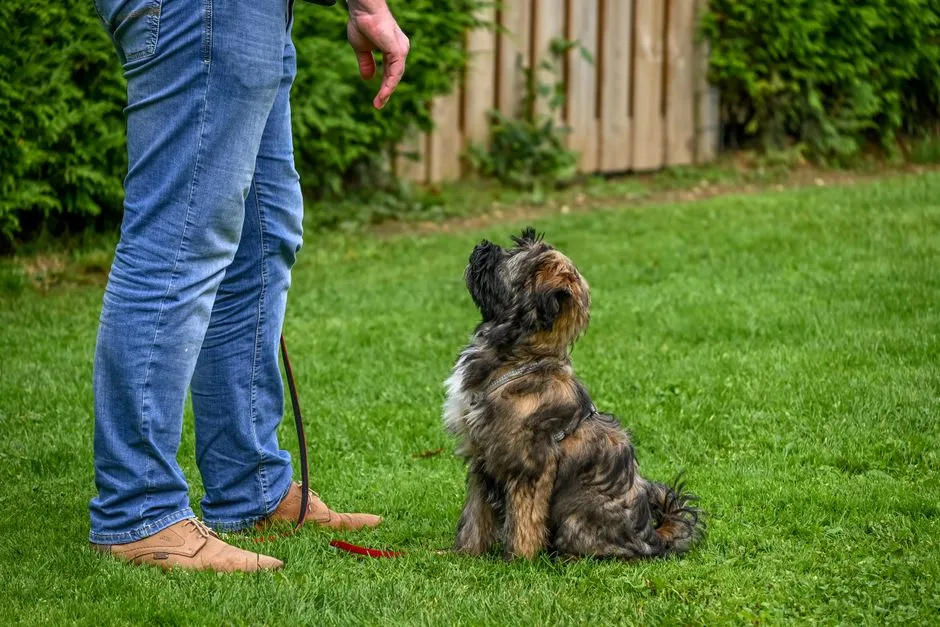
Experienced owners admit they punished what they should have taught. Now, instead of yelling when a dog jumps on guests, they train a solid “place” or “sit-stay” and manage the environment with leashes and baby gates. Once you start seeing behavior as information instead of defiance, everything changes – you stop taking it personally and start asking what you failed to teach.
#15 – Walks Aren’t Enough Exercise for Most Dogs
New owners think two quick walks a day means they’ve nailed exercise. Longtime owners, often with guilt creeping into their voice, will tell you the truth: most dogs need far more mental and physical work than they ever got in their first home. A 15-minute stroll around the block is basically the dog equivalent of a slow lap through a grocery store.
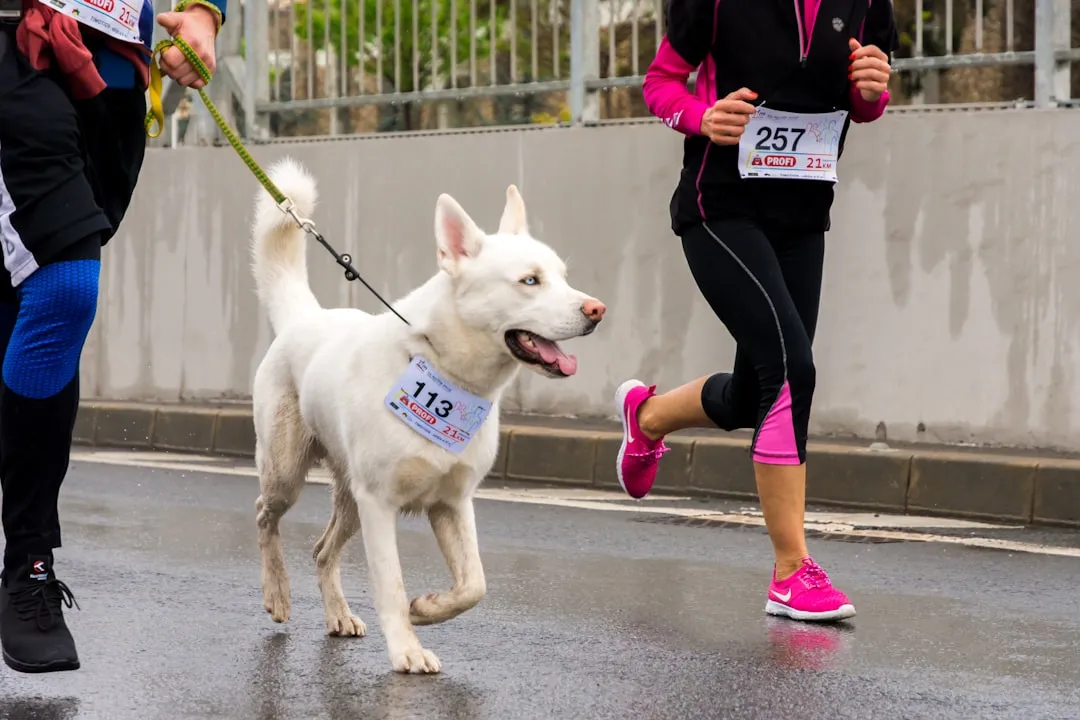
Real exercise looks like off-leash running in safe areas, structured games like fetch, tug, or flirt pole, and nose work or puzzle toys that actually tire the brain. Under-exercised dogs dig, bark, zoom, and “misbehave” – not because they’re broken, but because they’re bored out of their minds. Plenty of first dogs paid for that lesson in pent-up frustration nobody understood at the time.
Fast Facts
- Most adult dogs need roughly 30-60 minutes of real physical activity daily, not just a bathroom-break stroll.
- Working and herding breeds often need double what a smaller or senior dog requires.
- Mental games like scent work or puzzle feeders can tire a dog as much as a long jog.
- Chronic under-exercise is one of the most common hidden causes of “behavior problems.”
#14 – Free-Feeding and Random Treats Create Bigger Problems Later
A lot of first-time owners leave a brimming bowl of kibble out all day and hand out snacks “just because.” It feels loving. Then years later they’re staring at a dog with joint issues and a sluggish metabolism, and it hits them: they accidentally fed their dog into chronic discomfort.
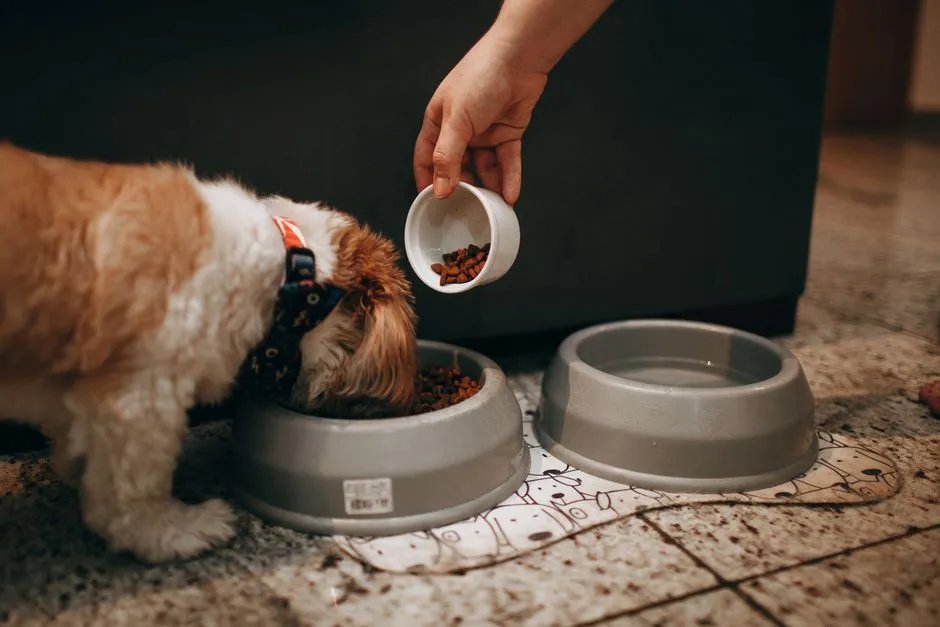
Longtime owners now treat food like a tool, not a toy. They measure meals, use part of the daily ration for training, and save high-value treats for specific behaviors instead of handing them out like candy. They’ve also learned that sudden diet changes, table scraps, and “mystery chews” from discount bins can cause real gut trouble. Many say they’d trade every cute fast-food bite their first dog ever got for a few more healthy years together.
#13 – Skipping Early Training Classes Was a Massive Mistake
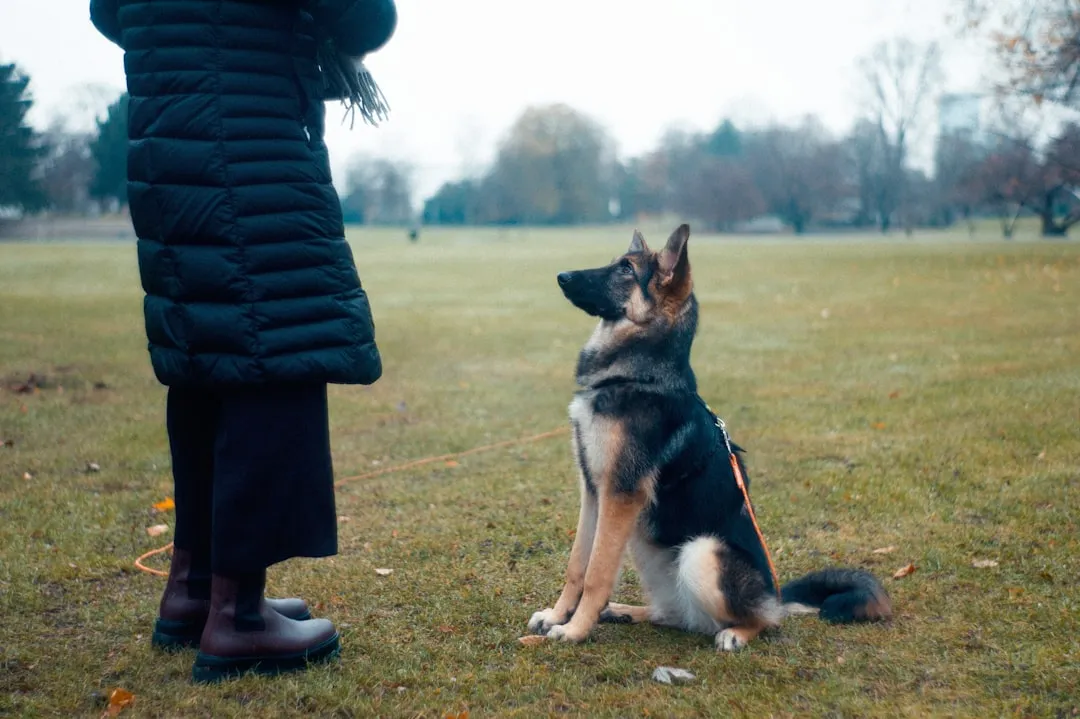
Plenty of people assume group classes are “for problem dogs” or figure they’ll just wing it from YouTube. Years later, experienced owners call this one of their biggest regrets. Puppy socialization and basic obedience classes were never about tricks – they were about building a resilient, confident adult dog.
Classes teach a dog how to focus around distractions, how to be handled by strangers, and that the world is safe and predictable. Owners learn just as much – body language, timing, how to reward, how to interrupt. Many admit their first dog never learned to relax around other people or dogs, simply because nobody showed them how in a controlled setting. By the time reactivity shows up, the dog is older and the habits are already cemented.
#12 – Letting “Cute” Behavior Slide Turns Into a Future Nightmare
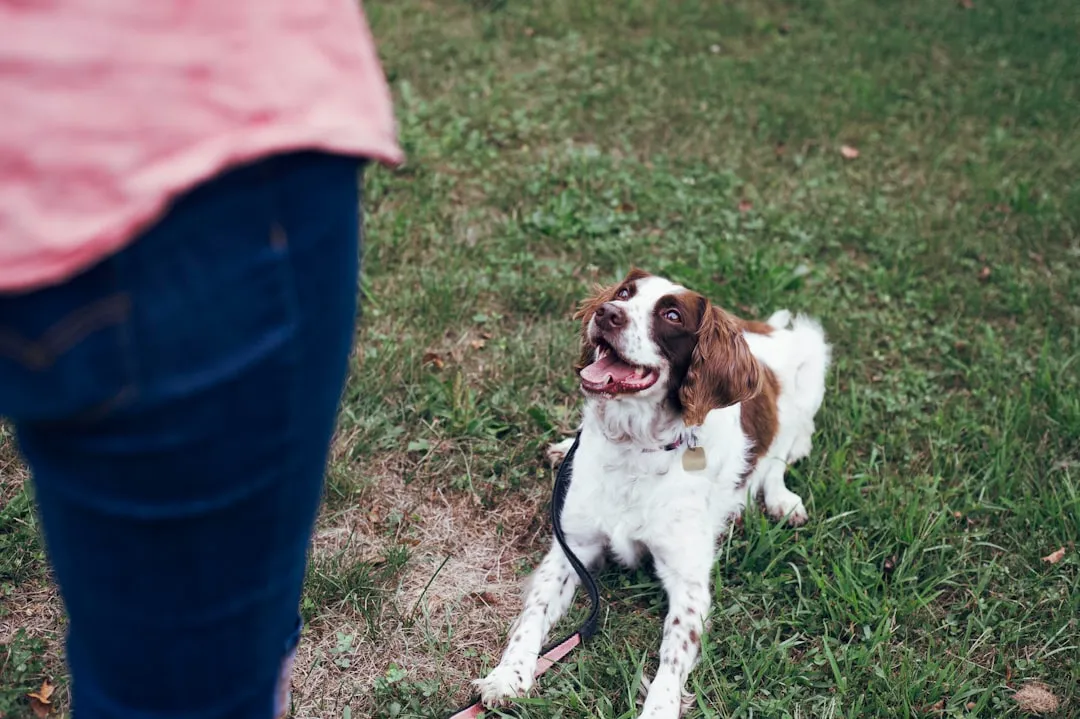
A tiny puppy jumping on knees, nibbling fingers, and dragging socks around is adorable. Longtime owners say they laughed it off – until that same behavior in a 70-pound adult dog became dangerous and stressful. What you allow at 10 weeks, you’re accepting at 10 years.
Mouthing hands becomes full-on biting during excitement. Jumping up becomes bowling over kids and grandparents. Barking for attention becomes permanent background noise. Experienced owners don’t kill the joy – they shape it, rewarding four paws on the floor and redirecting chewing to appropriate toys. Their first dog never got that clarity, and got scolded for behaviors the humans had accidentally trained without realizing it.
#11 – Vet Visits Aren’t Just for Shots When Something Looks Wrong
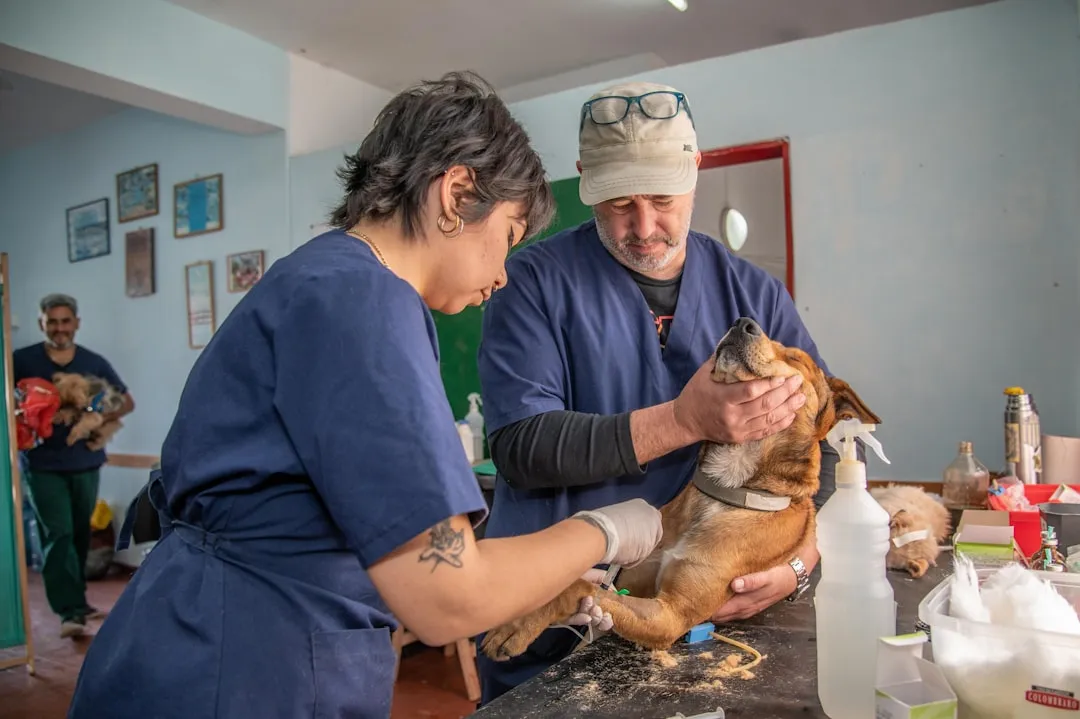
First-time owners often think “if they’re eating and playing, they’re fine.” Many now admit they waited far too long to address subtle changes – a little limp, slight weight loss, bad breath, or “just slowing down with age.” Those small things sometimes turned out to be big things caught too late.
Longtime dog people now watch for changes in drinking, peeing, or appetite, new lumps or persistent licking, and shifts in mood like sudden clinginess or crankiness. Regular wellness exams feel expensive until you compare them to emergency surgery or months of untreated pain. Many say their first dog handled so much in silence, because nobody taught them to take the early signs seriously – and they’d give anything to re-run those last couple of years with the knowledge they have now.
#10 – Dogs Need a Safe Space, Not Constant Access to Everything
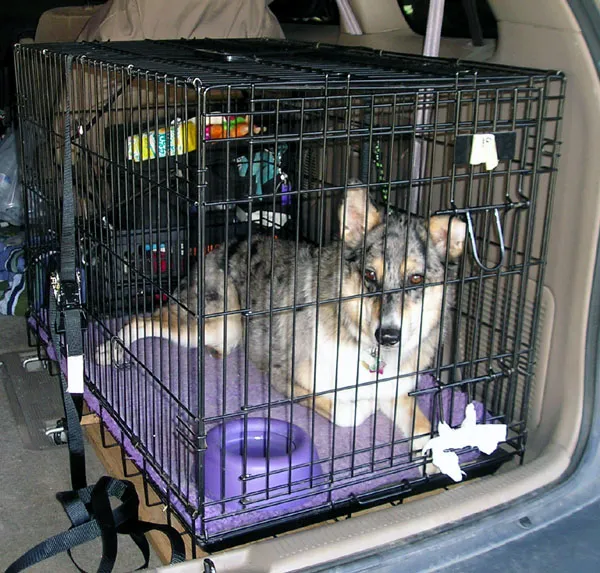
New owners often feel guilty about crates, pens, or gates, imagining that freedom equals happiness – so the dog gets the run of the whole house from day one. Fast-forward to shredded furniture, anxiety, and house-training failures. Experienced owners now swear by a different rule: structure is kindness, not cruelty.
A designated safe space gives a dog somewhere to decompress when the world gets loud, and clear boundaries that prevent mistakes and over-stimulation. First dogs often became “velcro” dogs, trailing their humans everywhere and panicking the moment they were left alone, because they’d never practiced small, safe separations. Longtime owners now introduce calm alone time early, teaching emotional resilience instead of constant togetherness.
#9 – Not All “Friendly” Dog Interactions Are Safe or Healthy
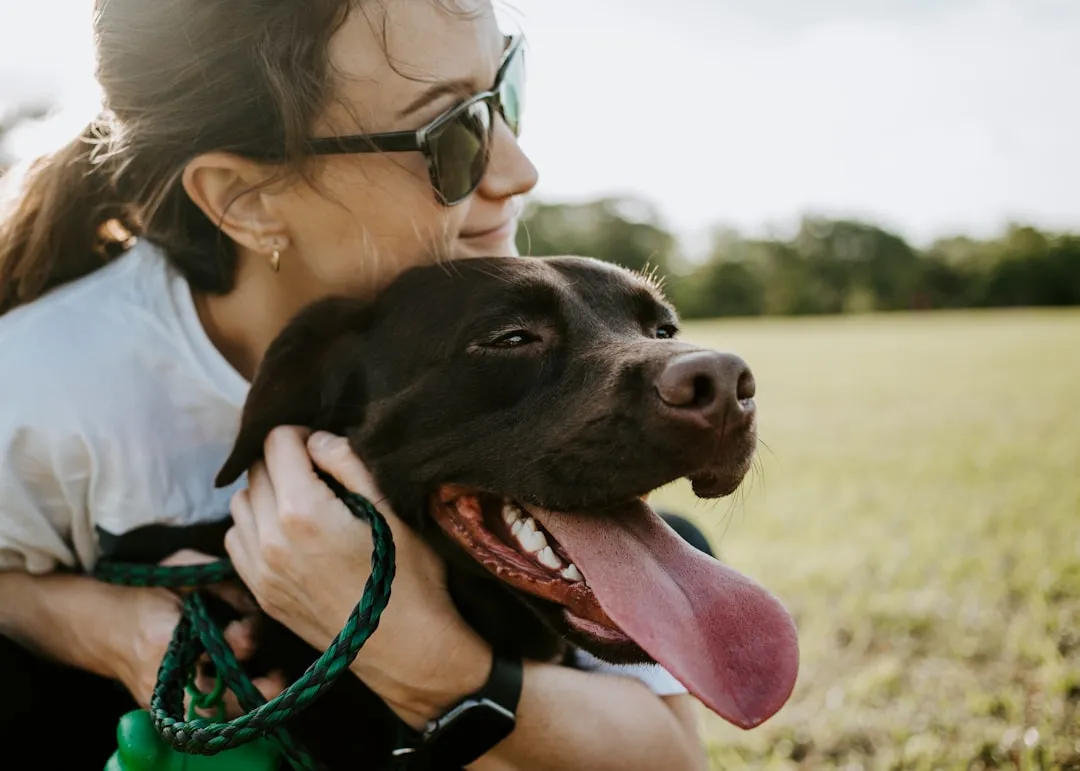
Most first-time owners assume every dog park visit counts as good socialization. Longtime owners will tell you bluntly: some of the worst behavioral damage happens in dog parks and chaotic playdates. Being swarmed, bullied, or constantly pestered doesn’t teach friendliness – it teaches fear or over-arousal.
Now they prioritize one-on-one or small-group play with well-matched dogs, interrupt rude behavior before it escalates, and leave the moment things feel off instead of waiting for a fight to break out. They’ve learned to read stiff bodies, tucked tails, and hard stares – and they realize their first dog put up with a lot of scary, over-the-top interactions simply because nobody stepped in. Two solid dog friends beat twenty chaotic “play buddies,” every time.
Worth Knowing
- A stiff body, raised hackles, or tucked tail usually signals stress, not fun.
- If one dog is constantly fleeing while another keeps chasing, that’s pursuit, not play.
- Healthy play includes natural pauses – nonstop, breathless chasing is a red flag.
- Growling during play can be normal, but repeated one-sided targeting isn’t.
#8 – Grooming and Handling Should Start Early, Not When There’s a Problem
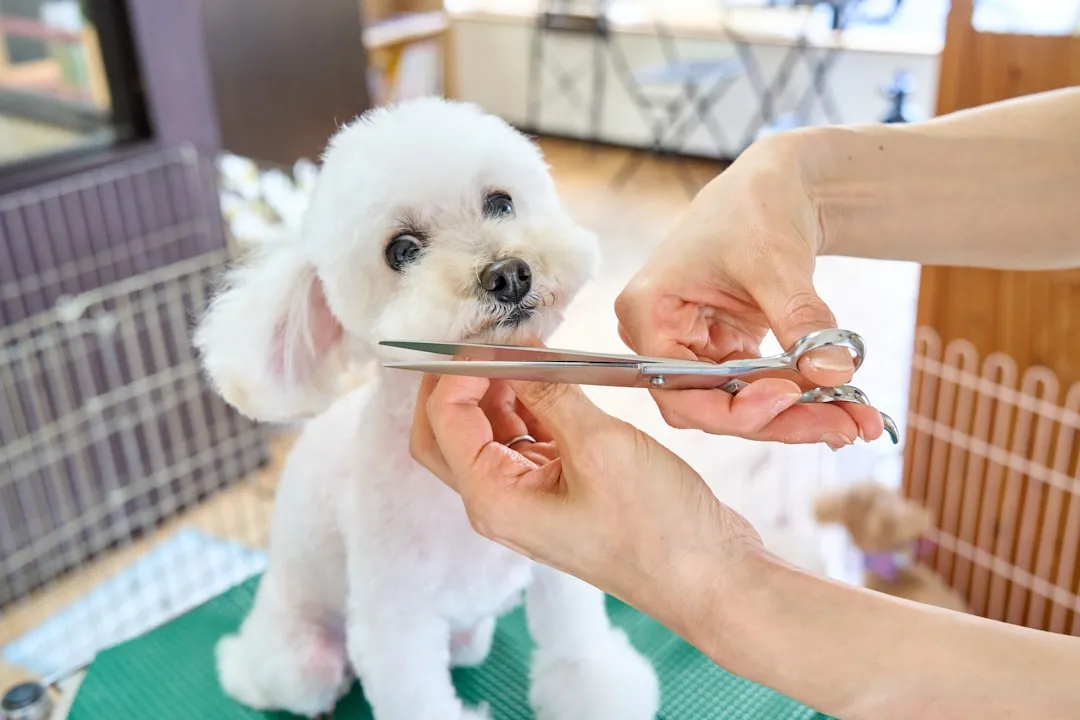
Many first dogs only met a brush once the coat was already matted, or nail clippers once the nails were painfully overgrown. Unsurprisingly, they hated every second of it. Longtime owners now cringe at how they unintentionally created grooming trauma. If you wait until grooming is urgent, you’re already too late.
Seasoned owners now handle paws, ears, mouth, and tail gently from puppyhood, pairing touch with treats, calm praise, and breaks. They teach “stand,” “stay,” and “chin rest” long before a vet or groomer ever needs them. A dog terrified of nail trims isn’t being dramatic – it’s reacting to a history of rough, rushed, painful experiences, and many first dogs needed sedation for simple procedures because nobody ever taught them that handling could feel safe.
#7 – Pain and Anxiety Often Look Like “Disobedience”
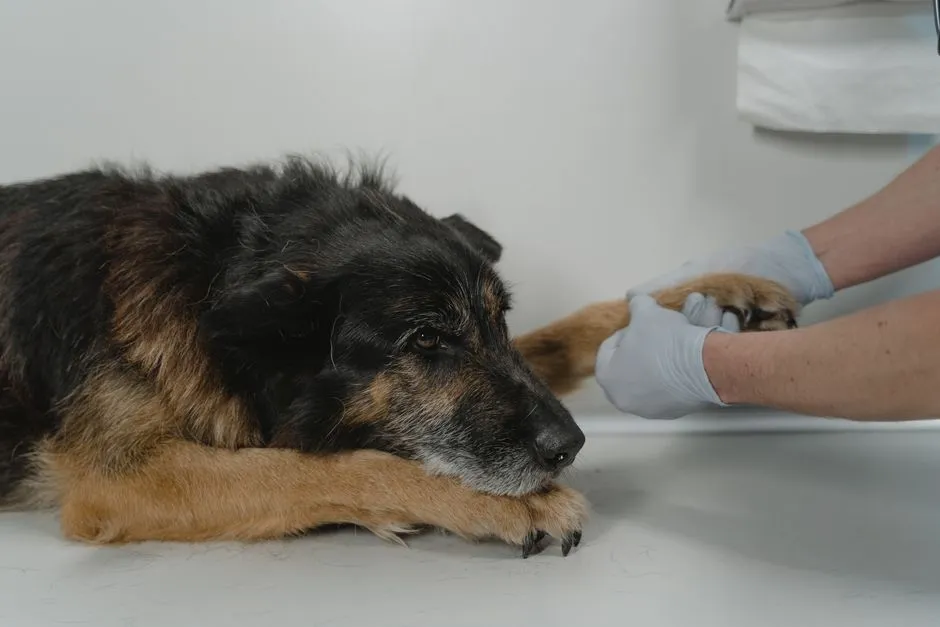
The first dog that slowed down on walks, snapped when picked up, or refused the stairs was often labeled “stubborn” or “grumpy.” Longtime owners now admit, with a lump in their throat: those dogs were probably hurting long before anyone noticed. Dogs rarely limp or scream unless the pain is already extreme.
Subtle signs include repeatedly licking or nibbling one area, avoiding jumping onto the couch or into the car, or startling easily when touched in certain spots. Anxious dogs may pace, whine, destroy things, or cling – punishing that is like yelling at someone mid panic attack. Many owners only discovered arthritis, dental pain, or chronic GI issues far too late, and now assume “won’t” might actually mean “can’t” before reaching for a louder “no.”
#6 – Consistency Matters More Than Any Fancy Training Tip
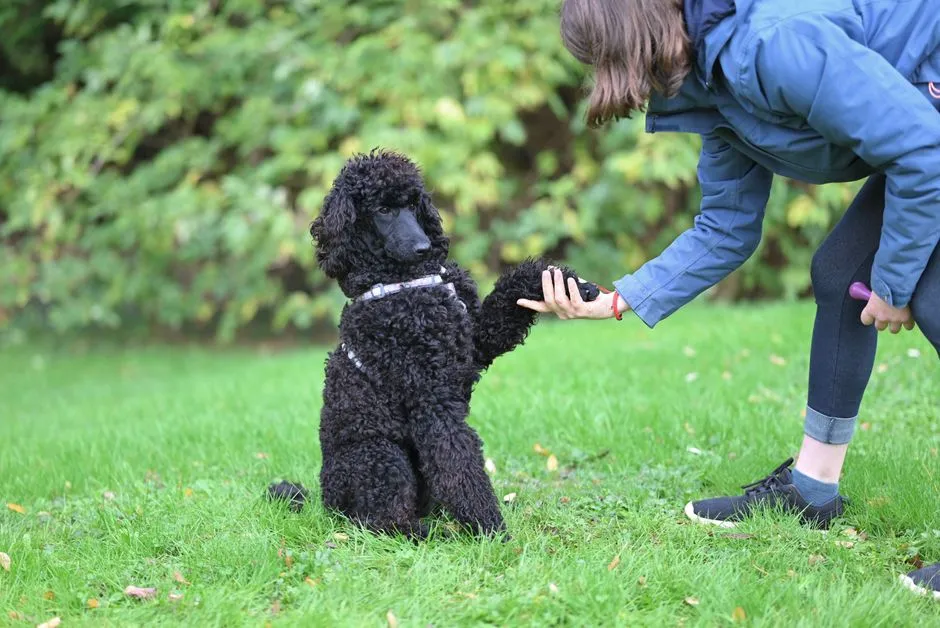
First-time owners often bounce between training methods like diet fads – one TikTok hack this week, a completely different rule the next. The dog gets confused, the humans get frustrated, and somehow the dog takes the blame. Experienced owners have learned it’s rarely the method that matters – it’s the consistency.
They pick a small set of clear rules and stick to them: the dog is either allowed on the furniture or it isn’t, begging at the table is never rewarded or it always will be, “come” always ends in something good or the dog eventually stops coming. Their first dog grew up in a shifting rulebook where “no” sometimes quietly meant “okay, fine, just this once.” Dogs thrive on predictability – it’s usually the humans who get bored of repeating the same boring rule.
Quick Compare
- Couch rule: “depends on my mood” vs. always the same answer, every day
- Begging: ignored sometimes, rewarded other times vs. never reinforced, period
- “Come”: optional, sometimes ignored vs. always followed by something good
- Result: a confused dog guessing vs. a confident dog who already knows the answer
#5 – Your Dog’s World Is Pathetically Small If You Don’t Enrich It
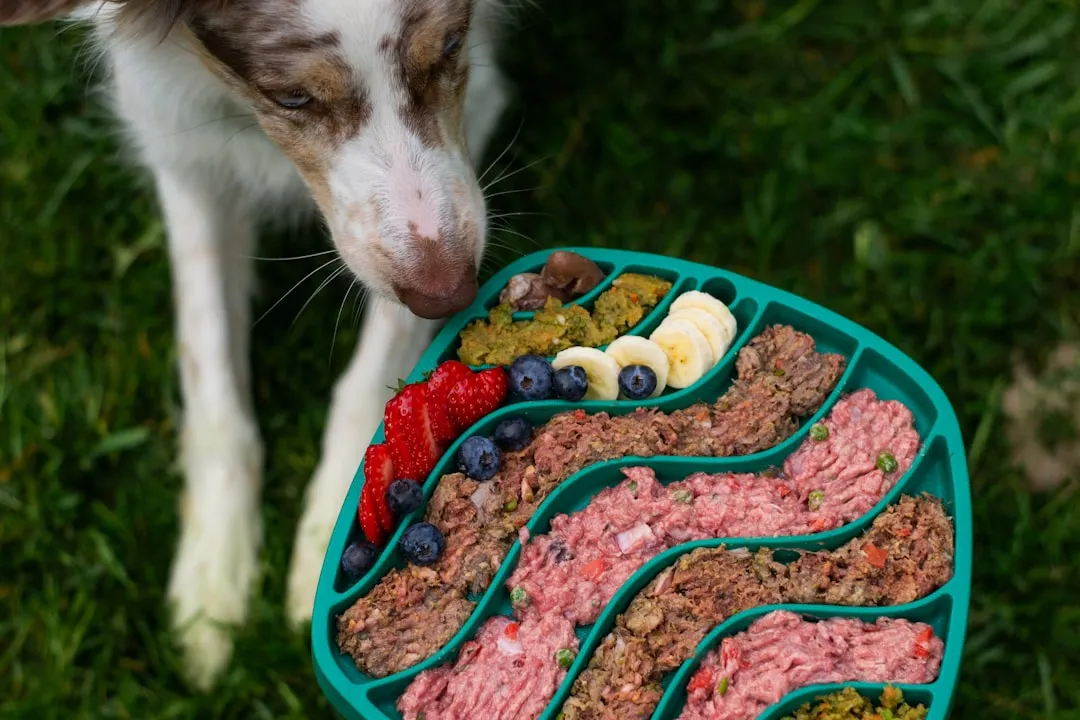
Most first dogs live in a tiny loop: house, yard, same sidewalk, same toys rotting in a basket. Longtime owners now see that as a slow-burn kind of cruelty. Dogs evolved to sniff, search, solve, and explore – a mentally starved dog will invent its own problems to solve.
Seasoned owners build variety into everyday life with new walking routes, different surfaces and smells, food puzzles, snuffle mats, and short car rides just to watch the world go by. They’ve watched formerly “hyper” dogs mellow out the moment their brains finally had a job. Many quietly admit their first dog probably spent years bored out of its mind while the humans scrolled their phones nearby – a hard truth to sit with once that dog is gone.
#4 – Insurance and an Emergency Fund Would Have Changed Everything
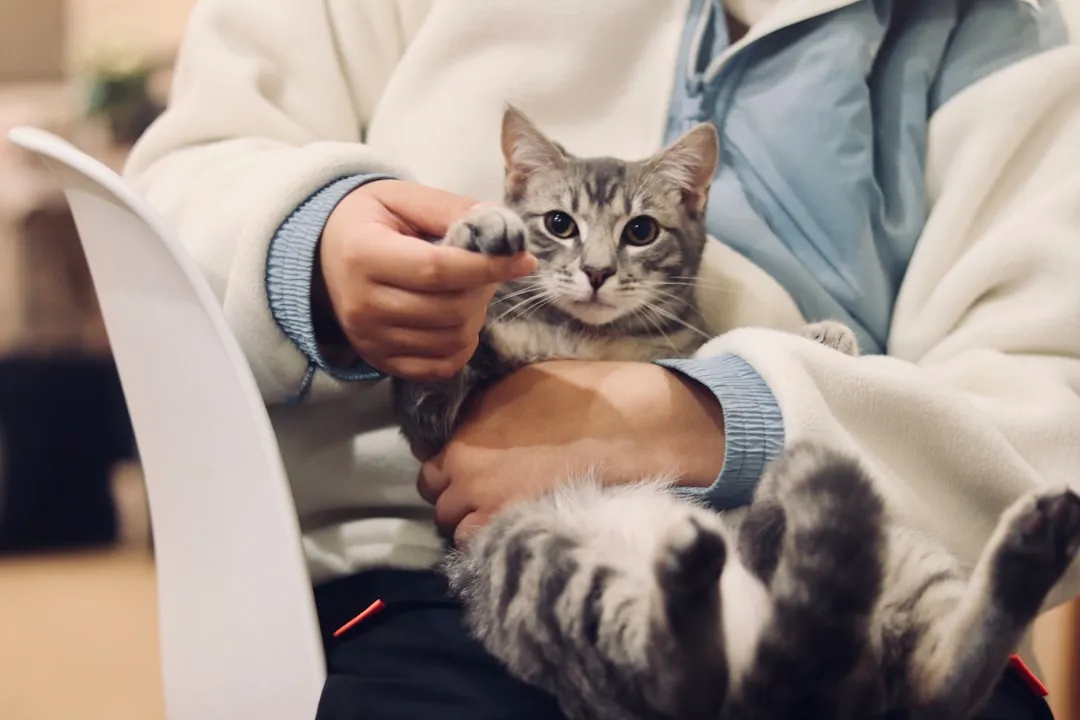
A lot of first-time owners don’t want to think about big vet bills, until the accident or diagnosis hits – a torn ligament, a swallowed object, a sudden illness. Longtime owners still remember the sick feeling of doing “the math” while their dog lay on a metal table. Money shouldn’t decide life or death, but often, it quietly does.
Now many swear by pet insurance started while the dog is young and healthy, a separate savings account for emergencies, and saying no to non-essential spending so they can say yes to care later. They admit their first dog sometimes got “good enough” treatment instead of the ideal option, simply because the money wasn’t there. The second or third dog gets a financial safety net the first one never had.
At a Glance
- Emergency vet visits for accidents or sudden illness commonly run into the hundreds or thousands of dollars.
- Enrolling in pet insurance while a dog is young and healthy typically means lower premiums and fewer exclusions.
- Most policies exclude pre-existing conditions, so timing the enrollment matters more than people expect.
- A dedicated emergency fund of even a few hundred dollars can cover many non-catastrophic vet visits outright.
#3 – Training “Recall” (Come) Is More Important Than Any Trick
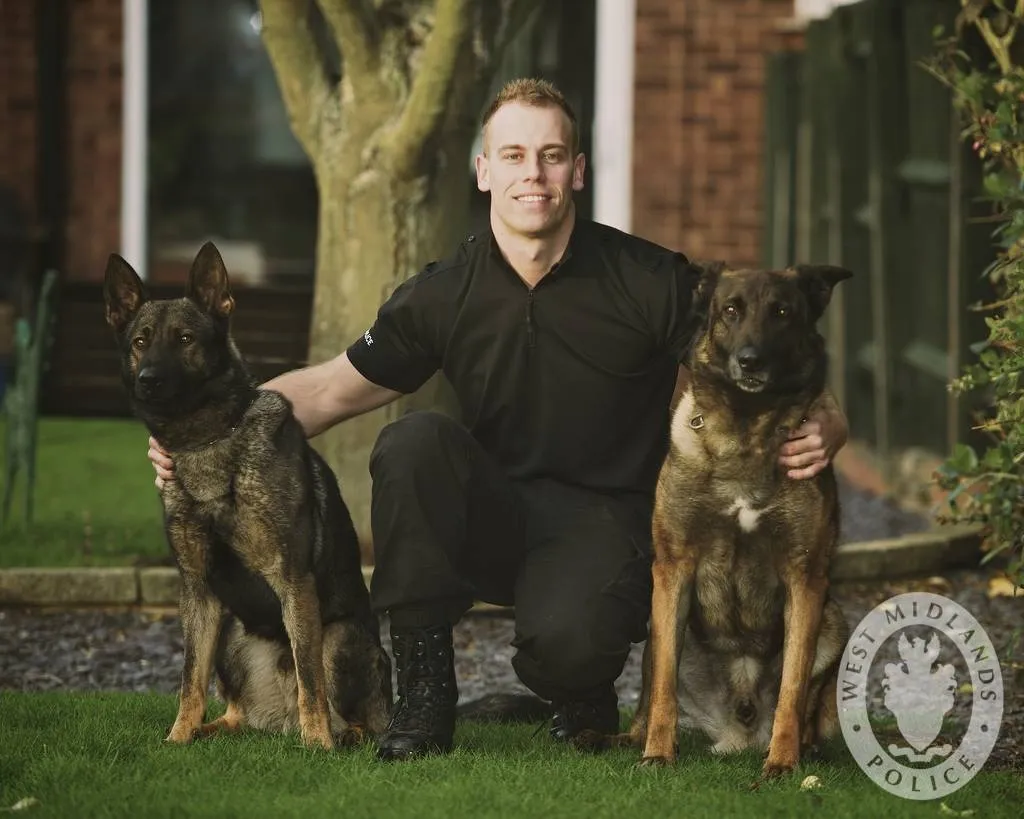
Most first dogs know “sit” and maybe “paw,” but their recall is optional at best. Longtime owners now call that a massive, potentially fatal oversight. A reliable “come” isn’t cute – it’s life insurance. It’s the difference between a close call and a dog hit by a car, poisoned, or charging the wrong animal.
Experienced dog people practice recall constantly, not just at the park, and make sure “come” always pays off with treats, play, or a release back to fun – never just a leash-on signal that the fun is over. They’ve all heard the same painful story that starts with “he usually comes back…” Many would trade every silly trick their first dog ever knew for one bulletproof recall instead.
#2 – Dogs Notice When You’re Half-There
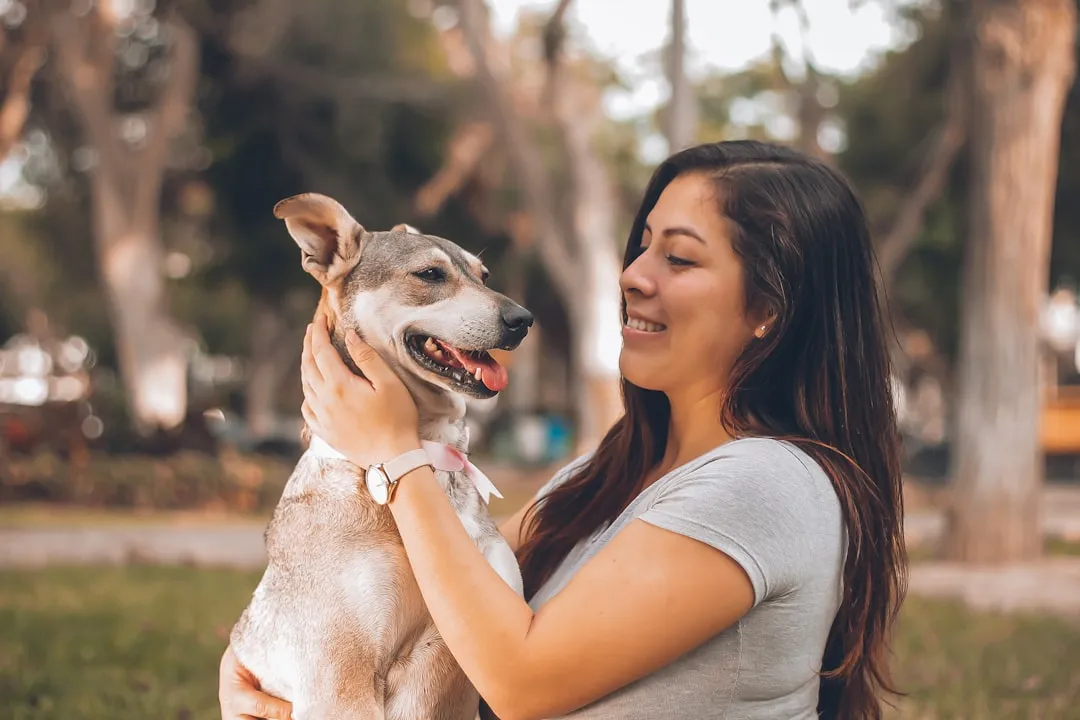
First dogs often grew up in the era of multitasking humans – TV on, phone in hand, dog lying nearby. It felt like spending time together. Longtime owners are brutally honest about it now: they were in the room, but not really with their dog. Dogs watch us, wait for us, orient their entire lives around us.
Now, seasoned owners take device-free walks where the focus stays on the dog, run short and intense play sessions instead of half-hearted pats during emails, and treat training as a shared game instead of a rushed chore. Ten minutes of full, focused attention beats three hours of distracted co-existence. The photos show them side by side; the memories reveal how often one of them was mentally somewhere else.
#1 – You Think You Have More Time Than You Do

Ask any longtime dog owner what they learned too late, and this is the answer that comes up every single time: the years aren’t as long as you think, and the “lasts” never announce themselves. The last hike, the last full sprint, the last car ride with a head out the window – you only realize it was the last one once it’s already a memory.
People admit they postponed bucket-list trips until the dog was “older and calmer,” put off photo sessions because they’d “do it next season,” skipped extra cuddles because they were tired or busy. Then one day the dog is gone, and ordinary Tuesday nights become sacred in hindsight.
Dogs are not our whole life, but they make our lives whole.
Roger Caras
Longtime owners say their biggest regret was never one training mistake or one delayed vet visit – it was assuming there would always be more time to fix things, to enjoy things, to just be present. There wasn’t.
The Bottom Line
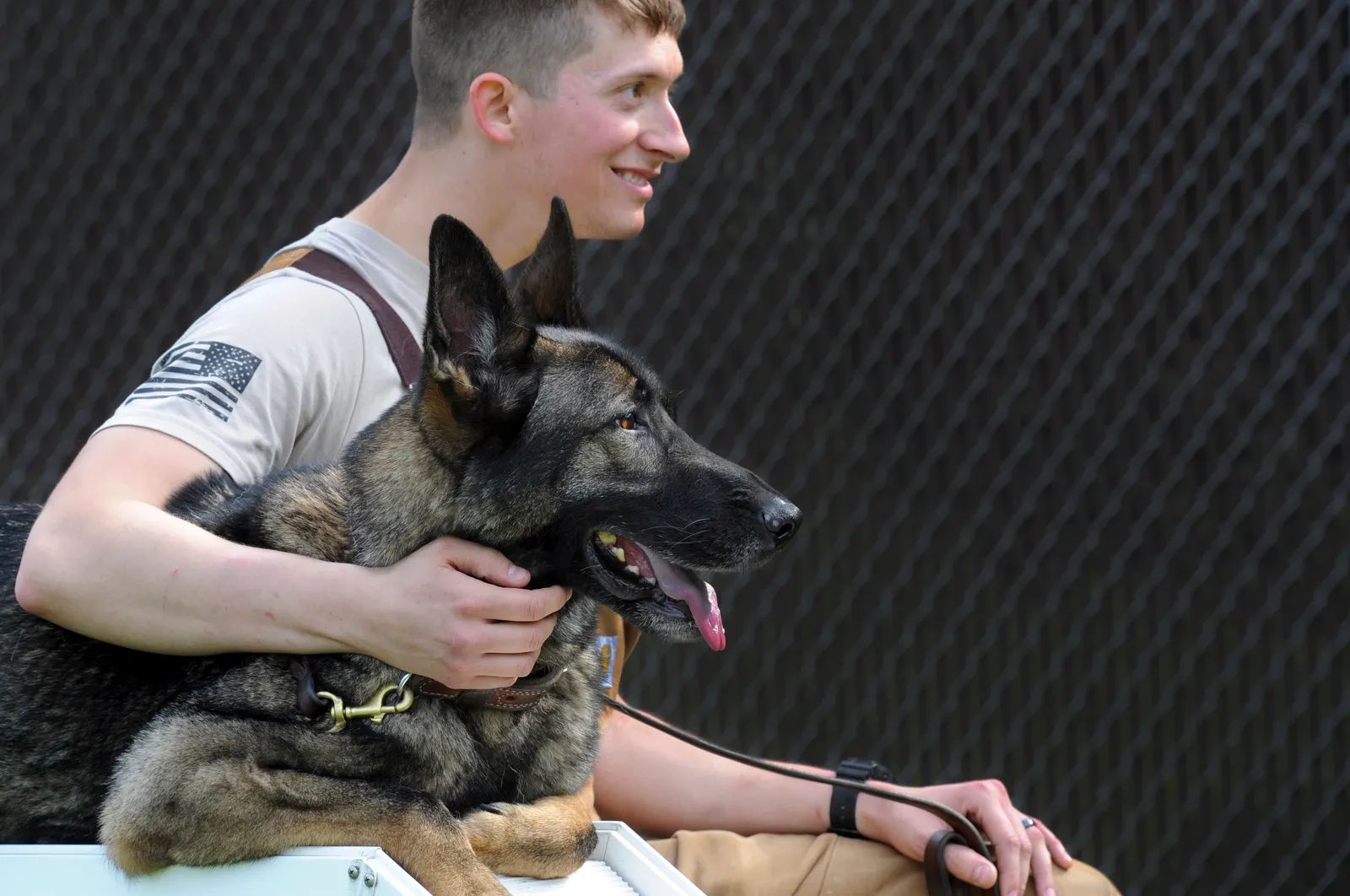
What longtime dog owners confess, again and again, is brutally simple: their first dog absorbed the cost of their learning curve. Under-exercised, under-trained, over-punished, and too often taken for granted – despite being deeply, genuinely loved.
The second and third dogs get better food, earlier vet checks, real mental enrichment, and clearer training. Not because the owners love them more, but because they finally understand what love looks like in practice.
If you’re lucky enough to still have your first dog right now, you’re not out of time yet. Fix the food. Tighten up the recall. Book the checkup. Take the trip. Put the phone down and actually look at them. The dogs who taught us all of this the hard way deserved a version of us that already knew better – the least we can do now is become that person while there’s still time left on the clock.

- 16 Things Longtime Owners Say They Learned Far Too Late to Help Their First Dog - July 31, 2026
- 17 Things Hummingbirds Do at First Light That Most People Sleep Straight Through and Never See - July 31, 2026
- 14 Dog Breeds Breeders Say Are Slipping Away So Quietly That Most Owners Never Notice - July 31, 2026