
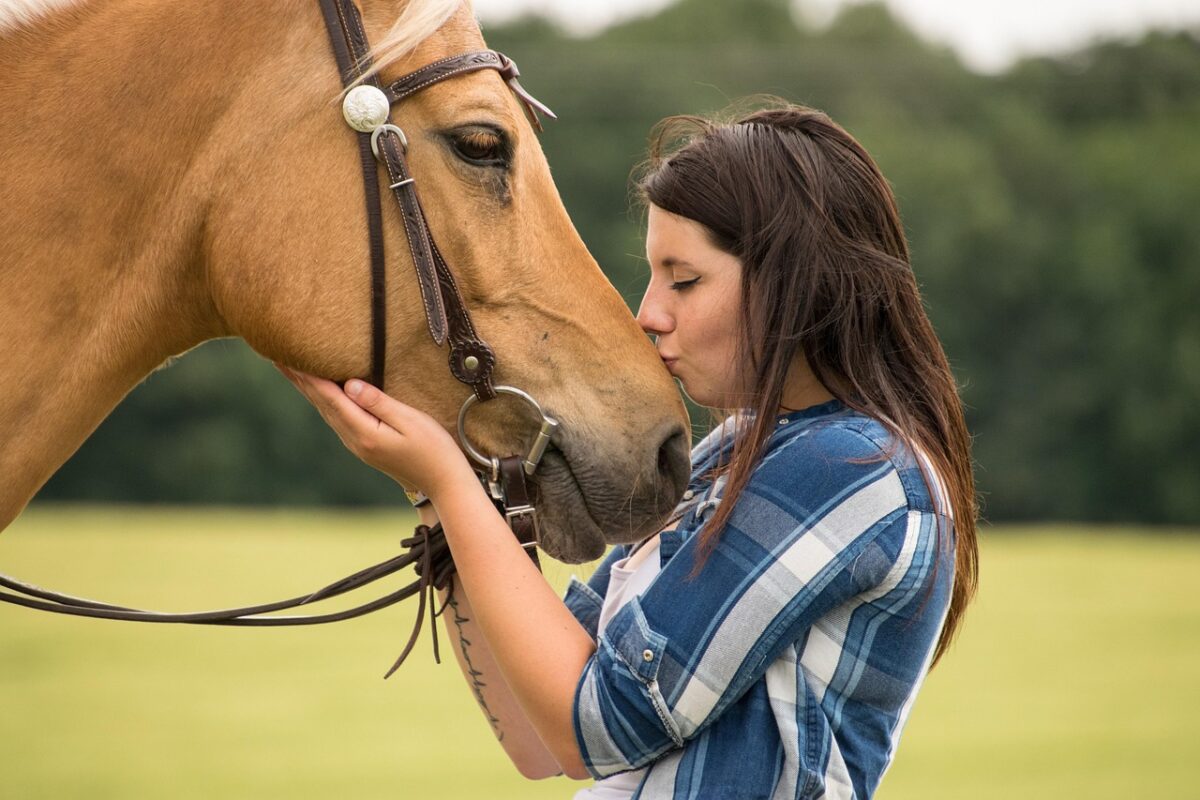
Most people think a horse “picks” whoever hands out the most treats. Experienced equestrians just roll their eyes at that. A horse can obey you, perform beautifully for you, even nuzzle your pockets for carrots – and still see you as nothing more than staff.
There’s a specific moment where a horse stops tolerating you and starts choosing you, and it rarely looks like the movies. It shows up in an ear flick across a crowded arena, a sigh during grooming, a half-second pause before a spook. Beginners miss these signals constantly, chasing bigger, showier proof of love. Here are 19 things seasoned horse people watch for instead – quiet tells that mean far more than any lesson photo ever could.
#19 – They Clock You the Second You Step on the Property
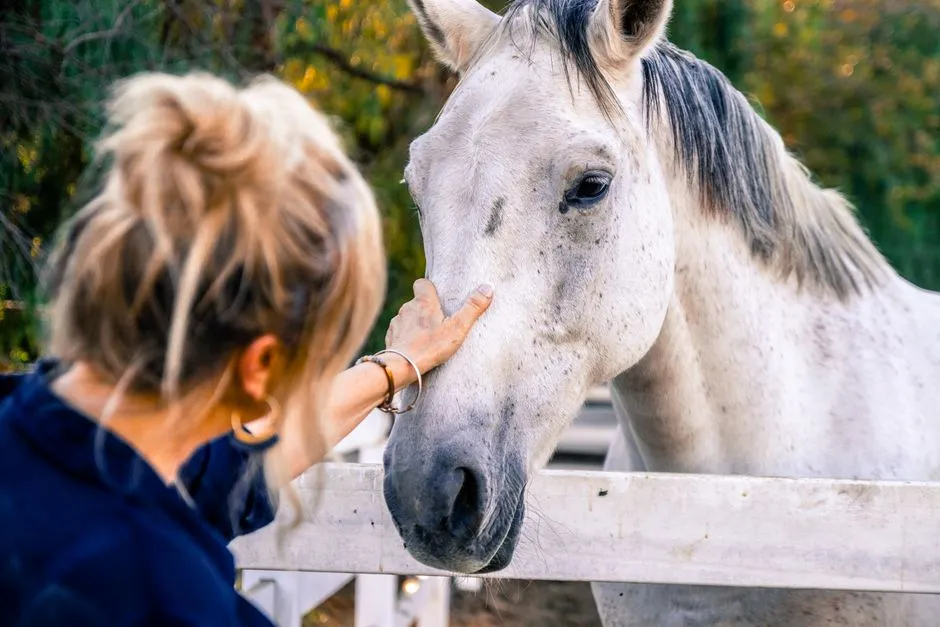
When a horse has picked its person, they don’t just notice you at the gate – they track you from the second your car pulls in. Barn staff will tease, “He heard your engine, he’s already at the fence.” That’s not a coincidence. Horses learn routines fast, but when you’re “their” human, they prioritize your sounds and your scent over everyone else’s, including the person who actually feeds them.
Watch the body language closely. Ears prick, the head lifts, maybe a soft nicker rumbles low in the chest. Other people can walk past with zero reaction, yet your footsteps on gravel pull their eyes like a magnet. The real giveaway is contrast: they’ll ignore a noisy tractor but swing their head toward your voice from clear across the arena. That’s selective attention, and in horse language, selective attention is affection.
Fast Facts
- Horses have an almost 350-degree field of vision, which is part of why they seem to spot you before you’ve even noticed them.
- Their hearing range extends well beyond what humans can pick up, so a familiar engine or footstep stands out instantly.
- Scent recognition plays a bigger role than most riders realize – horses learn to identify people by smell, not just by routine.
- In a herd, horses naturally sort companions by trust and familiarity, and a bonded human can end up ranked right alongside them.
#18 – They Leave the Herd to Come Find You
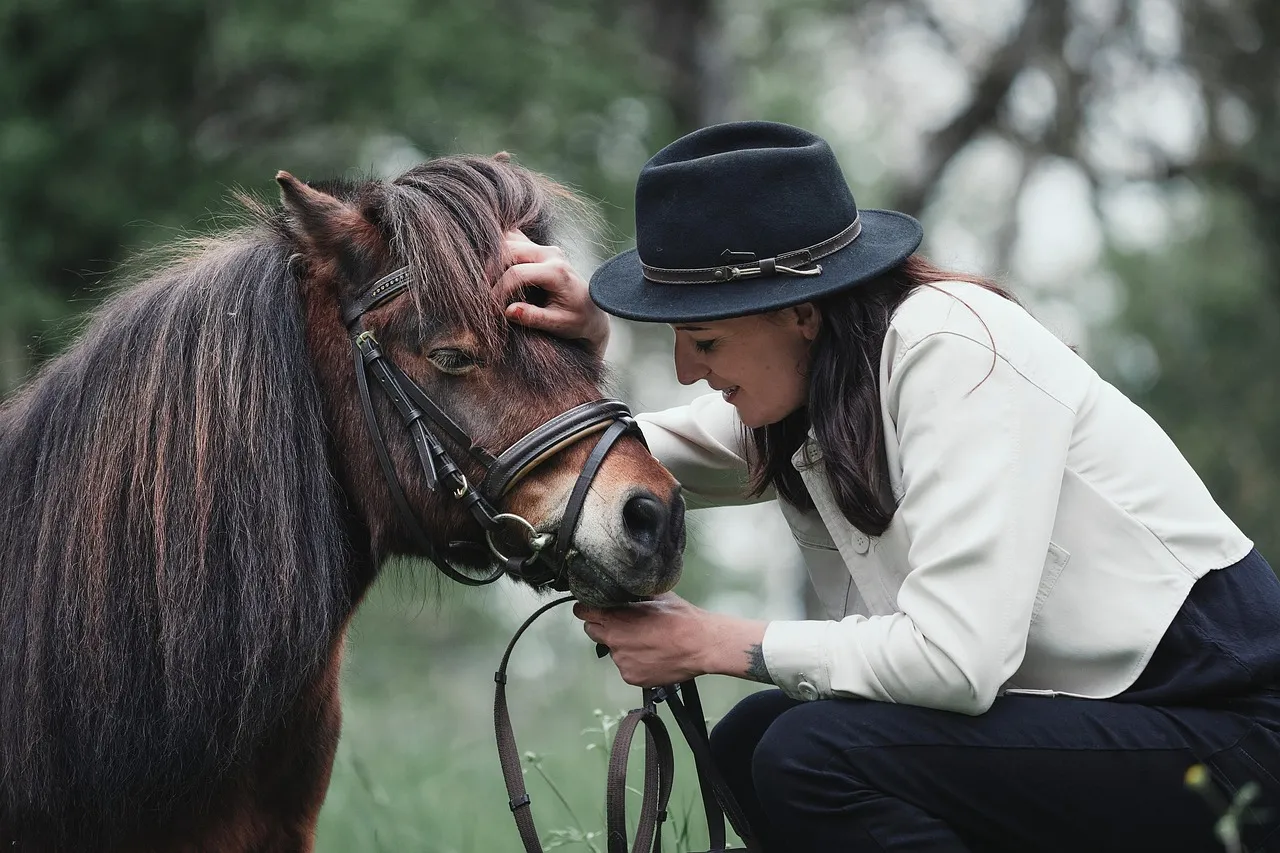
Most beginners underestimate how big this one really is. Horses are wired to stick with the herd for safety – leaving it is a risk they don’t take lightly. When a horse willingly peels off from friends and food to walk toward you, that’s relationship, not bribery. Grain helps, sure, but seasoned riders know the difference between “I’m coming for the bucket” and “I’m coming for you.”
If you’re standing in the pasture empty-handed and they still cross the field for you, that’s your sign. No halter, no rope, no pressure – just a slow walk over, sometimes with a soft sigh or a relaxed blink. Ears might not even be forward; they’re just content to be near you. If a horse routinely chooses your company over more exciting options, that’s a quiet declaration of loyalty most people never notice.
#17 – Their Nicker Sounds Different for You
Beginners hear “neighs” and “whinnies.” Experienced equestrians hear nuance. When a horse has picked its person, their vocal greeting often shifts into a lower, softer, almost private nicker the moment you walk in – nothing like the frantic “feed me now” holler aimed at everyone else.
Pay attention at feeding time specifically. They might scream for the hay cart, but when it’s you, the sound shortens and softens, paired with a relaxed jaw and a gentle eye. Some horses stop vocalizing for anyone else entirely and save that little rumble for one human only. Most beginners mistake loud for love. Insiders know the quiet, almost under-their-breath greeting is the real compliment.
#16 – They “Park” Themselves in Your Space and Stay There
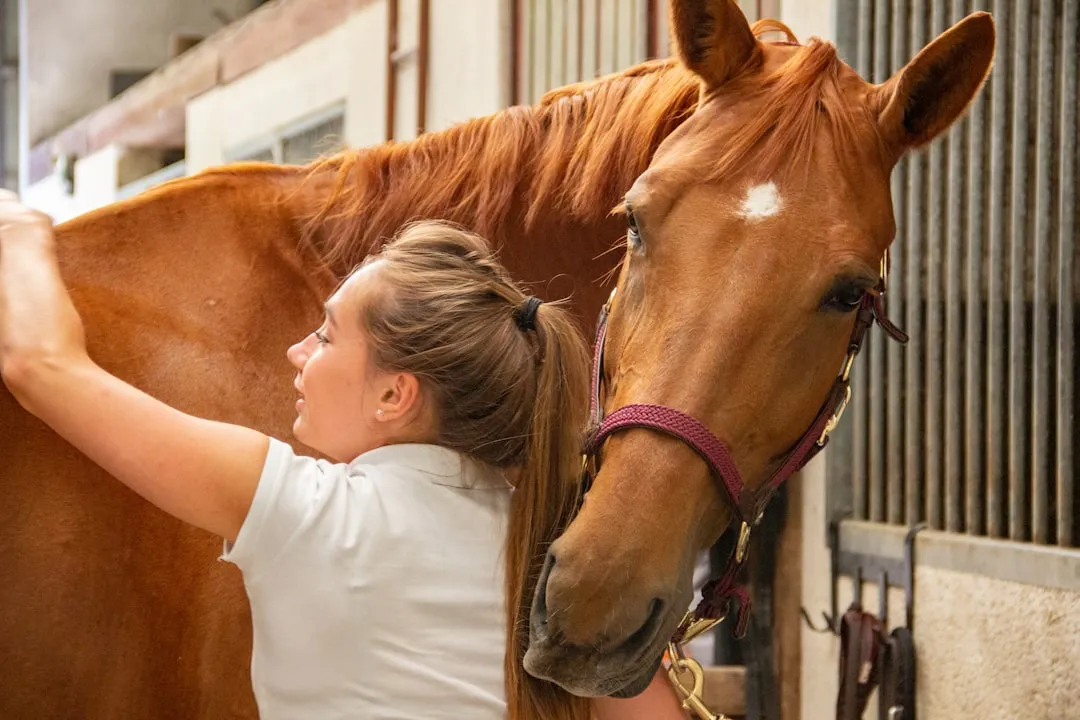
A horse that’s picked its person often acts like a 1,200-pound shadow. They drift into your bubble and then simply don’t leave – not in a pushy way, more like they’ve decided your personal space is now joint property. Experienced riders feel it instantly: the horse settles near your shoulder, hip, or back and just hangs out.
In the grooming area, they’ll step up close and let out a deep sigh, eyes soft, bottom lip loose. It’s “I’m safe here,” not “I’m trapped here,” and that distinction matters. Beginners often think standing still just means good training. Insiders notice the emotional layer underneath it. When a horse chooses you as their default resting place, you’re not just their rider – you’re their anchor.
#15 – They Mirror Your Energy Without Being Asked
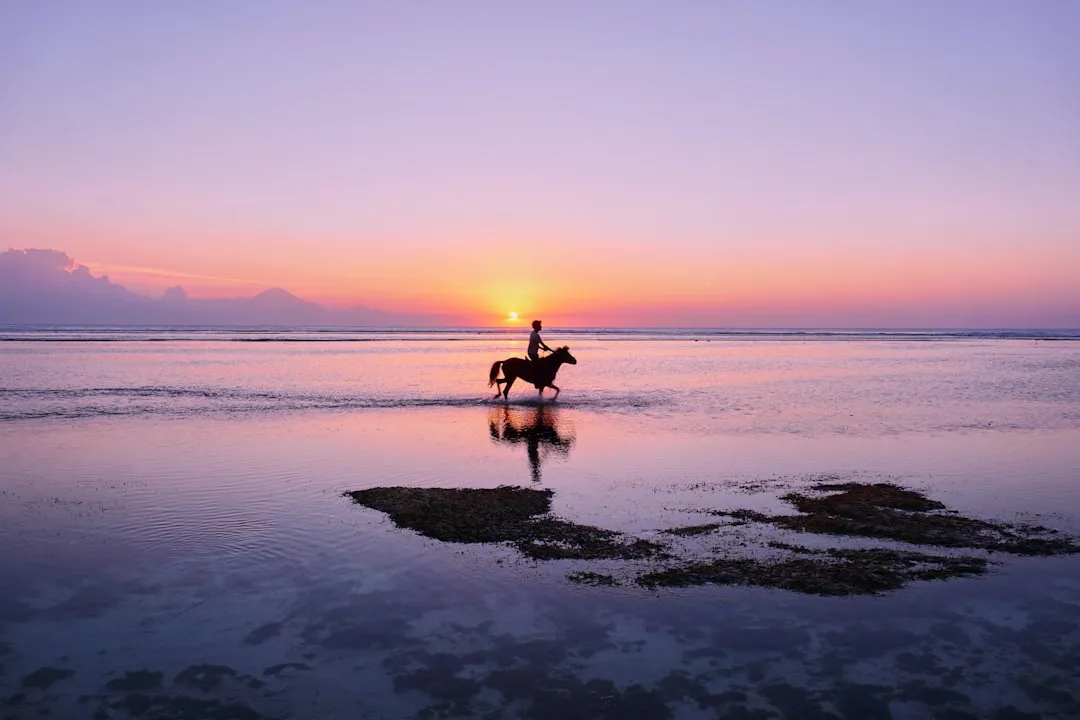
Here’s where most people get it backwards. They assume a horse that always feels the same – always slow, always hot – means consistency. Experienced equestrians know that when a horse has picked its person, it actually tunes its internal dial to match yours. Calm day, they settle. Confident day, they offer more power.
Watch what happens when you’re anxious. With a random rider, a sensitive horse might amp up, feeding off nervousness. With their chosen human, many horses do the opposite – slowing, lowering the head, softening their gait as if to say, “I’ve got you.” That’s not training alone. That’s emotional attunement, built from reading the tiny cues in your breathing and posture that most people don’t even know they’re broadcasting.
#14 – They Offer Quiet Check-Ins With Their Nose or Eyes
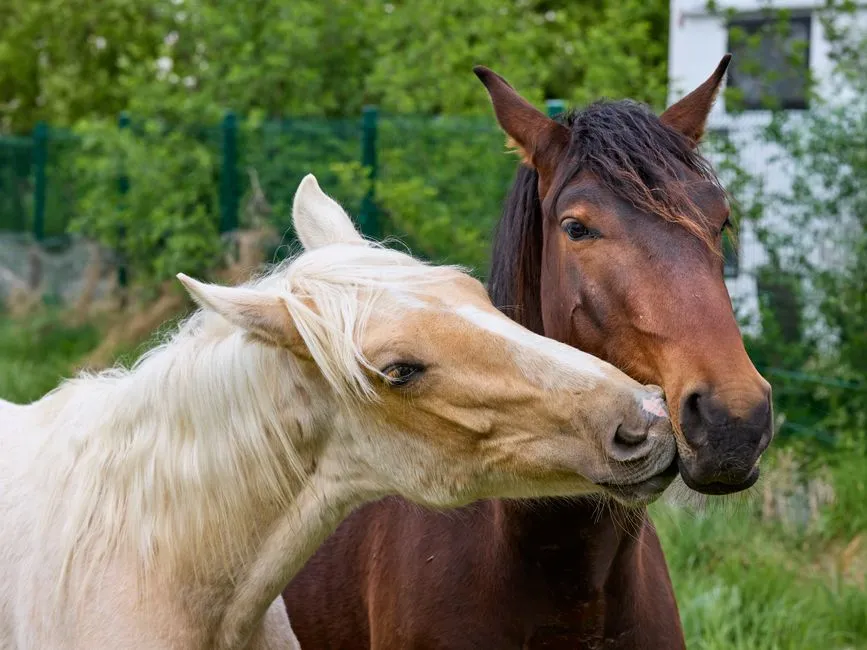
Random head-butts aren’t what we’re talking about here. When a horse has picked its person, they offer intentional, quiet check-ins – a light nose bump to your arm, a brief pause to meet your eye, a soft exhale onto your shoulder. Beginners often brush it off as nothing. Experienced horse people see it as the equine version of “You good?”
You’ll notice it most when something changes – a new arena, a spooky corner, a sudden noise. The horse flicks an ear, then glances back at you, or momentarily touches your boot under saddle. They’re not asking whether you’ll punish them. They’re asking whether you’re still with them. When they consistently seek that input and relax the moment you respond, you’ve moved past obedience into something closer to a real partnership.
#13 – They Let Down Faster With You Than Anyone Else
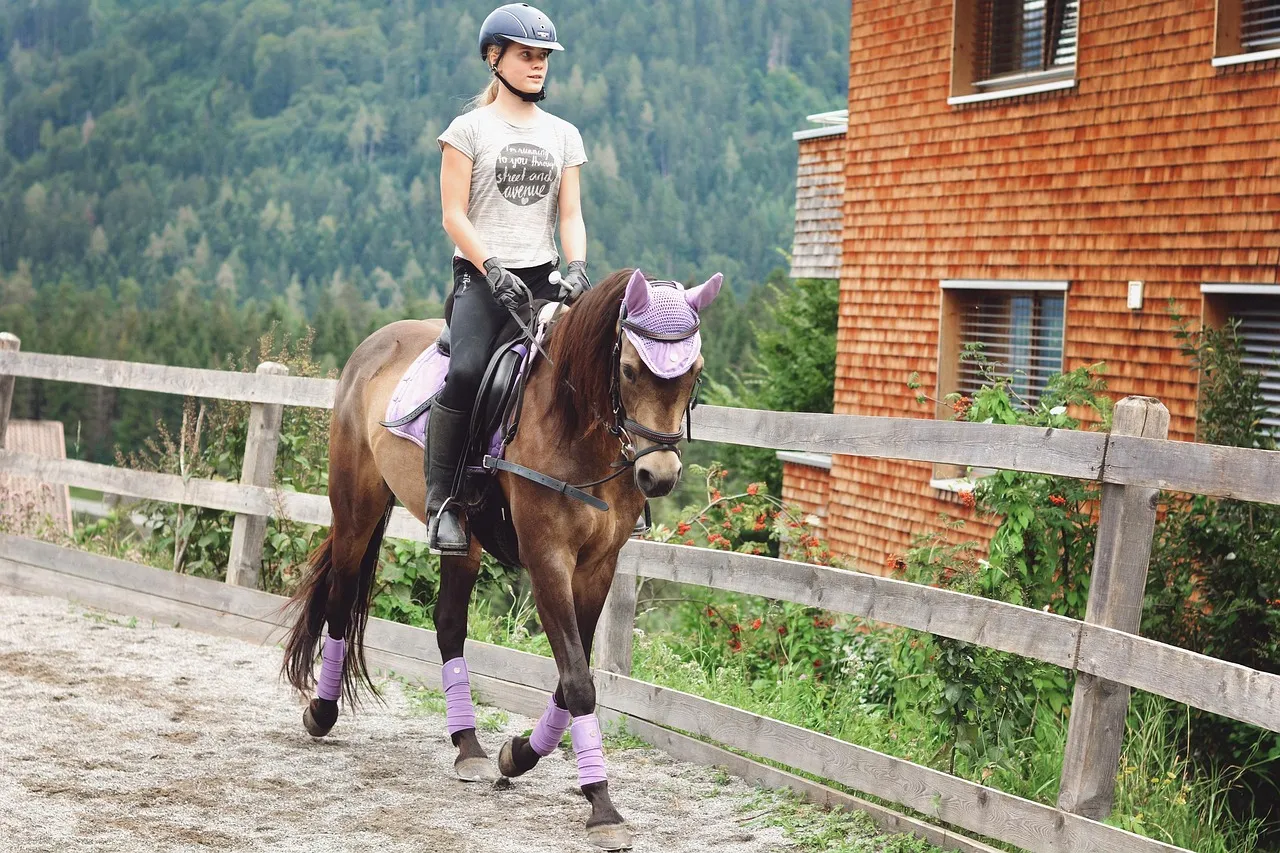
Every horse has a “come down” phase after stress or hard work. With a random rider, that can take a while. With their chosen person, the tension melts noticeably faster. You’ll see the small signs first – blowing out, licking and chewing, eyes softening, the head dropping lower, sooner than it would with anyone else.
Watch a lesson horse swap riders sometime. With some people, the horse holds its breath, back tight, gaits mechanical. Then their person takes the lead rope and suddenly there are longer strides, deeper breaths, a softer eye. That shift isn’t imaginary – it’s emotional safety made visible. When you become the shortcut to relaxation, you’re not just a rider. You’re their regulation system.
#12 – They Trust You in Their Most Vulnerable Moments
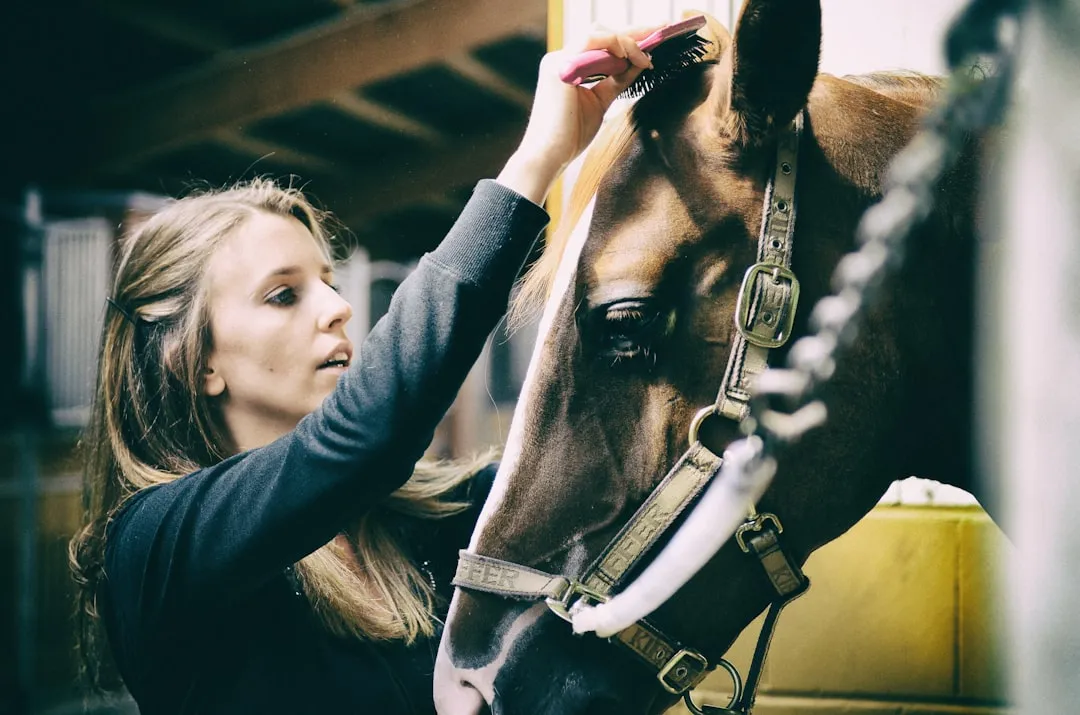
Horses are prey animals, so vulnerability is a big deal to them. A horse that has picked its person will tolerate things from that human they won’t tolerate from anyone else – sheath cleaning, injections, tricky leg stretches, a scary first-time load into the trailer.
You’ll see it in the micro-choices. They tense when the vet approaches, then soften the moment you take the lead rope. Some horses even tuck their head near your body when they’re scared, using you as a shield. That’s trust on a level most beginners underestimate completely. Experienced equestrians don’t brag about this – they respect it, because once a horse decides you’re safe in its worst moments, you’re carrying a responsibility casual riders never really touch.
#11 – They “Argue” Softer With You
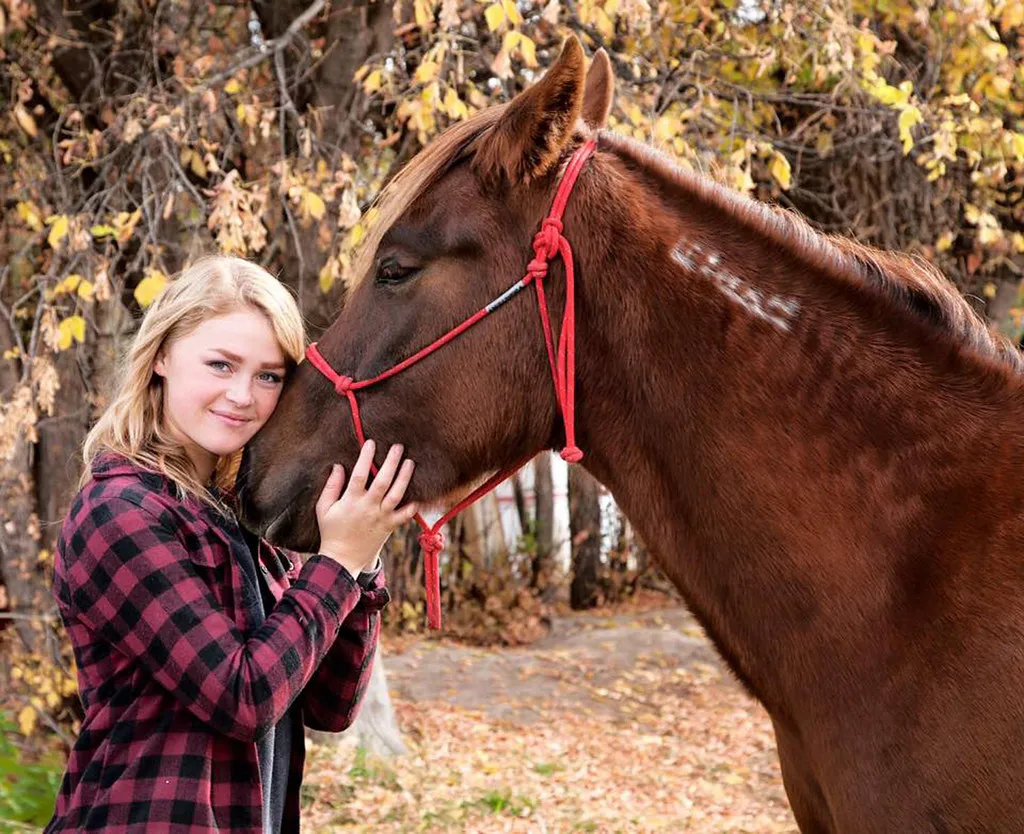
Not every sign of bonding looks pretty. Some people assume a perfectly robotic horse equals love – insiders actually get suspicious of that. A horse that’s picked its person may still have opinions, but the resistance looks different: softer, shorter, and usually followed by a genuine effort to try again.
With others, that same horse might plant its feet or toss its head and escalate. With you, it hesitates, snorts, then tentatively offers the movement anyway. That’s because you’re the person it’s willing to negotiate with instead of fight. Beginners miss this and call the horse “stubborn” or “moody,” not realizing that softness in conflict is its own quiet kind of loyalty.
Quick Compare
- With an unfamiliar handler: muscles stay tense, breath is held, and resistance can escalate into planted feet or head tossing.
- With their chosen person: the same horse softens faster, sighs sooner, and offers a real attempt instead of a flat refusal.
- With an unfamiliar handler: a stressful moment, like a vet visit, can drag on with no real settling.
- With their chosen person: tension breaks noticeably quicker, often before the handling even finishes.
#10 – They Guard You in Subtle, Protective Ways
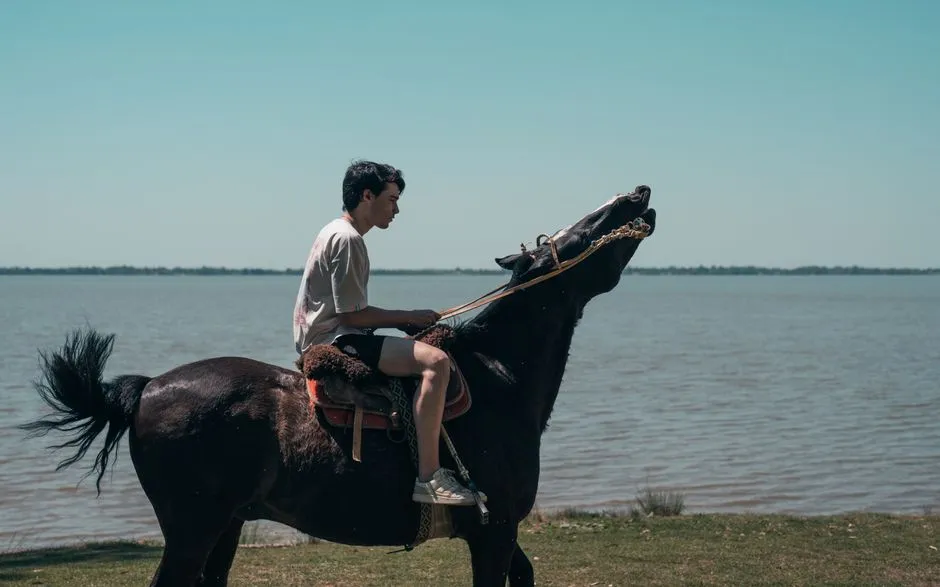
This is where skeptics roll their eyes, but longtime horse people see the pattern constantly. When a horse has picked its person, they often show small, protective instincts – nothing Disney-movie dramatic, more like low-key body blocking and repositioning.
In a crowded pasture, they may step between you and a pushy herd mate, ears pinned at the other horse while staying relaxed toward you. On the trail, they might angle their body between you and a barking dog or flapping tarp, taking the brunt of it themselves. Is it always conscious protection? Maybe not. But when the pattern repeats only around you, experienced equestrians take note – you’ve become part of their inner circle.
#9 – They Remember Your Cues Better Than Anyone Else’s
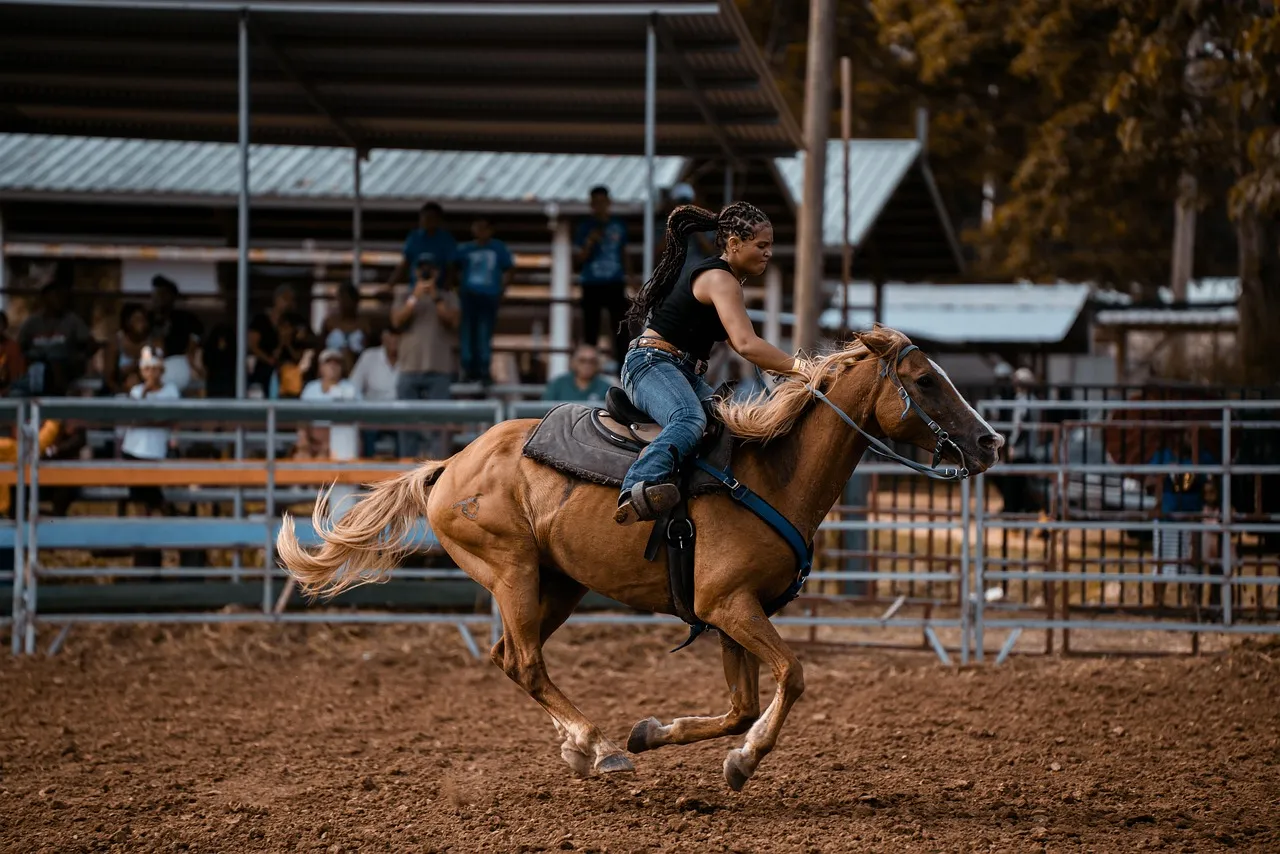
Every rider uses slightly different aids, even when they think they’re following the same program. A horse that has picked its person often carries a private language of cues with them and responds more cleanly to that person than to anyone else on earth.
Watch a lesson horse in action. A trainer gives a cue and the horse responds fine. A beginner gives the same cue and gets confusion. Then their chosen human climbs on, whispers the same cue with half the pressure, and the response is instant and crisp. That’s familiarity, sure, but it’s also preference. Seasoned equestrians quietly admit they can get more out of their horse with less effort – not magic, just thousands of tiny conversations only the two of them have had.
#8 – They Relax Just From the Sound of Your Voice
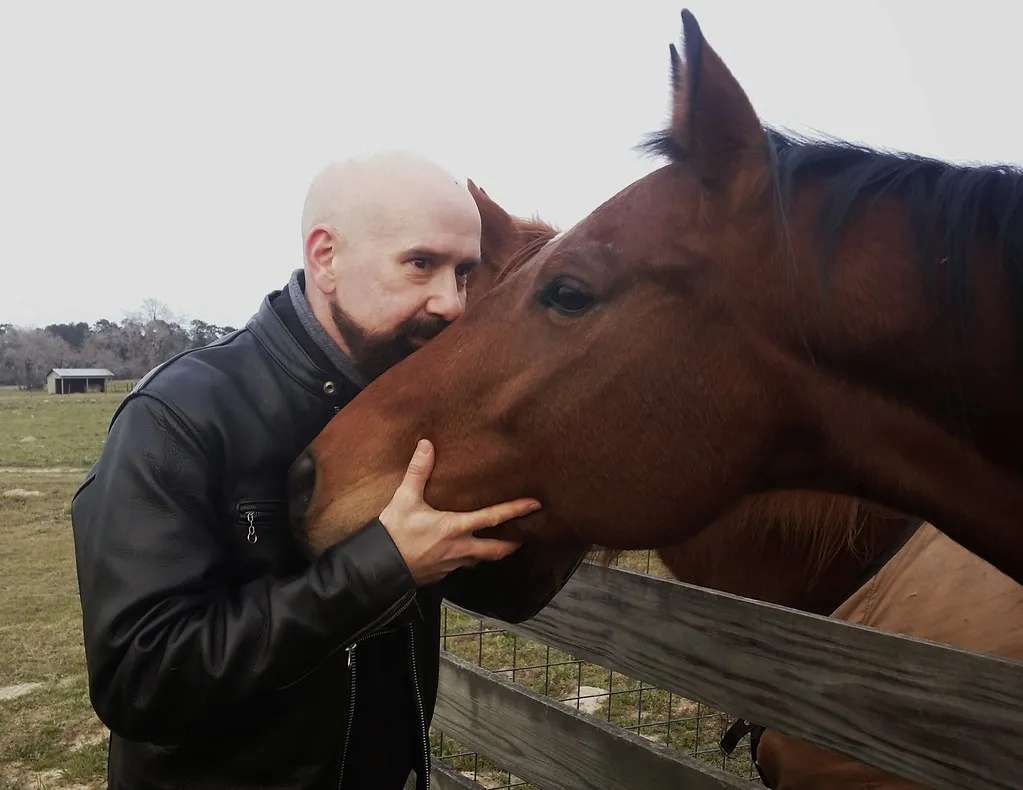
A lot of riders underestimate how much their voice actually matters. When a horse has picked its person, your voice becomes a regulator. You can watch it happen in real time – a tense eye softens, neck muscles loosen, the stride lengthens the moment you speak.
It’s especially obvious in stressful settings like shows or the vet’s office. Someone else might be holding the horse, struggling with the fidgeting. You start talking from a few feet away, low and familiar, and the horse settles before you’ve even touched the lead rope. Beginners think talking to a horse is cute. Experienced equestrians know it’s conditioning layered over deep trust.
There is something about the outside of a horse that is good for the inside of a man.
Winston Churchill
#7 – They Choose You When They’re Hurt or Unwell
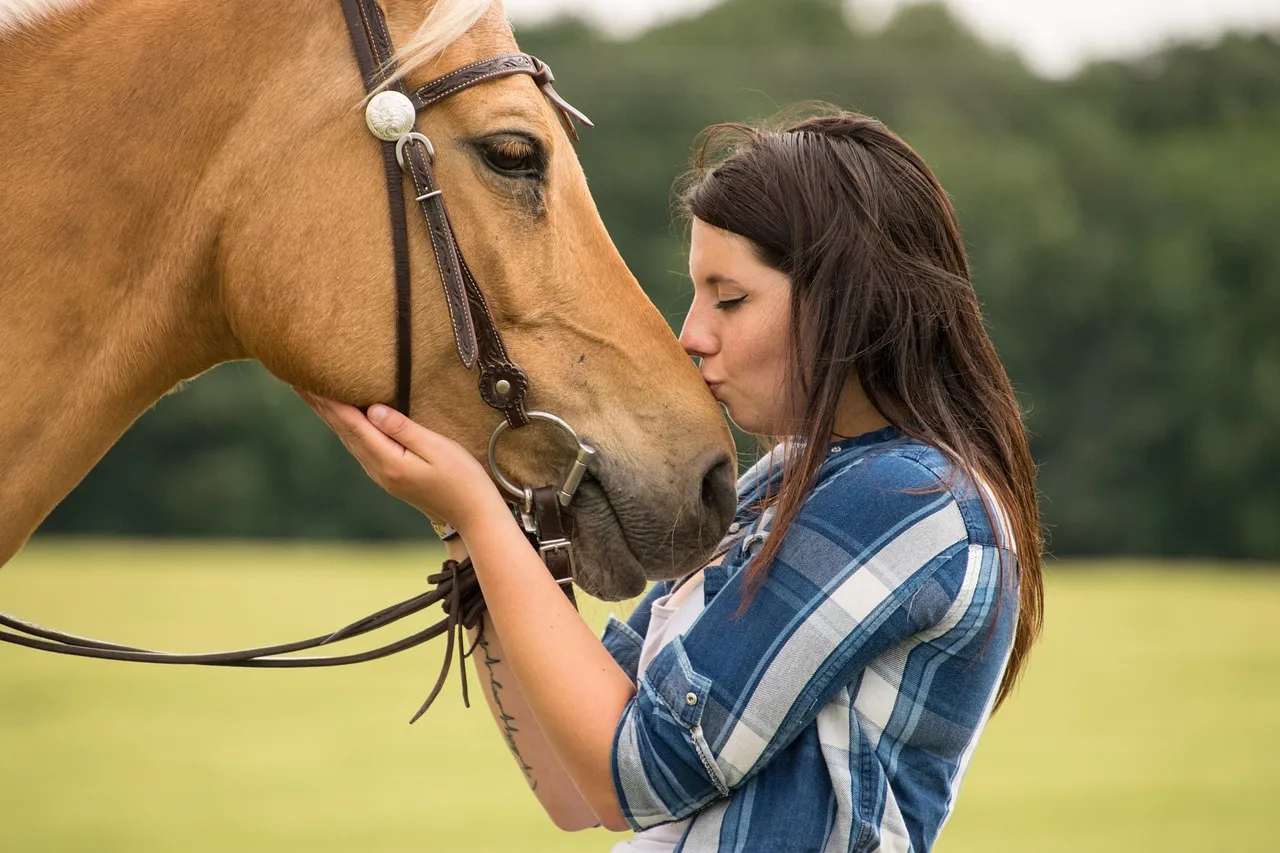
This one breaks people in the best and worst way. Horses in pain often withdraw. But a horse that’s picked its person will frequently seek that person out when something’s wrong. They step toward you in the stall instead of turning away, and rest their head lightly against your chest, eyes half-closed.
Some horses stay stoic for everyone else but show their discomfort only to you – a slight flinch, a reluctant look back at their side. It’s as if they’ve decided you’re the one who listens and fixes things, so the honesty gets saved just for you. Seasoned horse people see that as a huge, sobering compliment. When a horse picks you as the safe place to be vulnerable, you’ve crossed from “rider” into something closer to family.
Worth Knowing
- As prey animals, horses instinctively mask pain or fear around unfamiliar people – it’s a built-in survival strategy, not stubbornness.
- Resting a head against your chest or leaning in during discomfort signals the horse feels safe enough to drop that guard.
- Consistent, calm handling over months and years builds this kind of trust far more reliably than treats or one-off kindness ever could.
#6 – They Forgive Your Mistakes Faster Than They Should
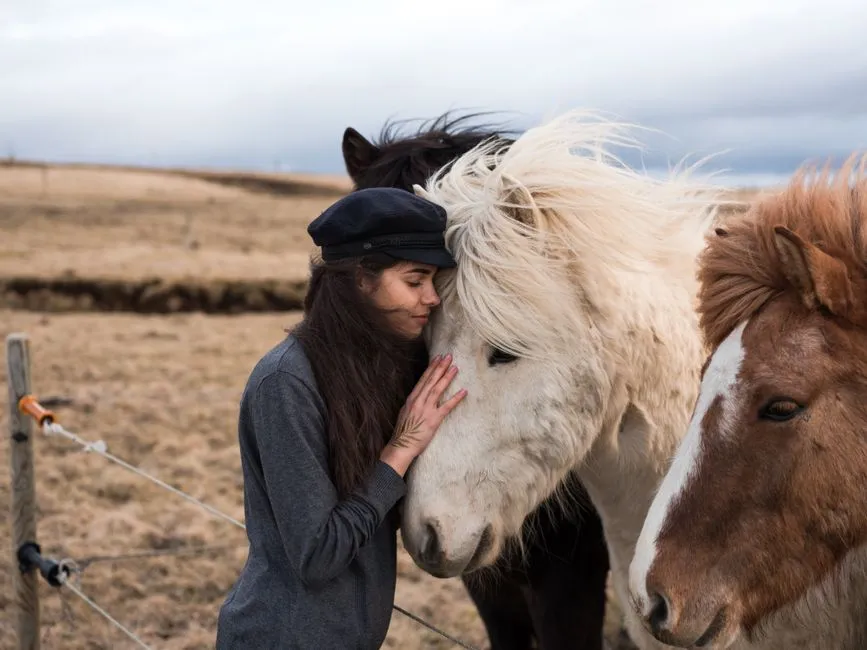
Here’s a truth most beginners don’t like: you will mess up. Wrong cue, unbalanced landing, a flash of frustration. Some horses hold that against people for a long time. But a horse that’s picked its person often resets with you quicker than seems logical.
You catch their mouth by accident, they toss their head – and instead of staying tight and resentful, they take a breath and soften the moment you apologize with your hands and seat. Training plays a part, sure. But that mental “I’ll give you another shot” shows up far more with a chosen human. Experienced equestrians don’t take that lightly. They know that kind of forgiveness is earned over hundreds of fair rides, never bought with cookies.
#5 – They Show a Different “Play Side” Only Around You
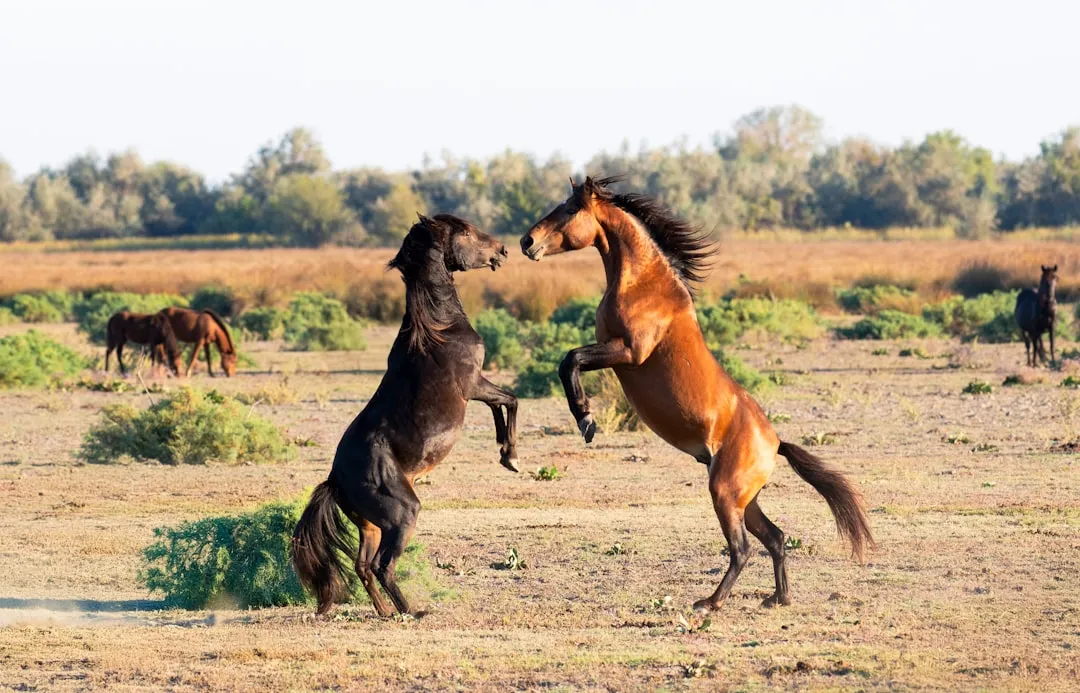
Many horses have a goofy, playful side that almost no one gets to see. When they’ve picked their person, that side comes out like a private comedy show – a specific tug-of-war game with a lead rope, a funny lip wiggle when you scratch “the spot,” a little hop and prance that’s clearly joy, not fear.
Barn staff will say, “He never does that with anyone else,” and they mean it literally. Horses are economical with their energy, so if they waste some being silly with you, that’s trust and comfort talking. They’re not bracing for correction. They’re confident enough in your reaction to just be themselves. Beginners sometimes read this as bad manners. Experienced horse people quietly love it for what it is.
#4 – They Wait for Your Answer Before They Spook
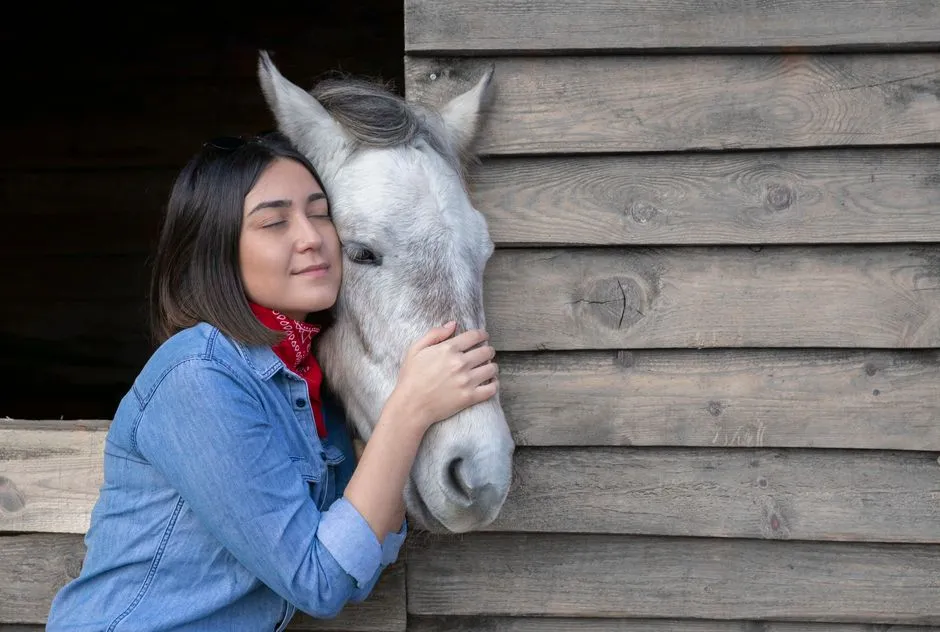
No, a horse that loves you will not stop being a prey animal. They will still spook. The difference when you’re their person? Many of them pause for your opinion before fully committing to panic – and that half-second window is gold.
You see it in the body. They freeze, ears locked, muscles tight – but instead of instantly spinning or bolting, they flick an eye back at you first. It’s a lightning-fast “should we run?” moment. If you breathe and ride through it, they’ll often snort, blow out, and carry on. With others, that same horse might already be halfway across the arena. Insiders consider this one of the clearest signs of deep trust: the horse overriding survival instinct just long enough to check with you.
#3 – They Seek Physical Contact Like a Security Blanket
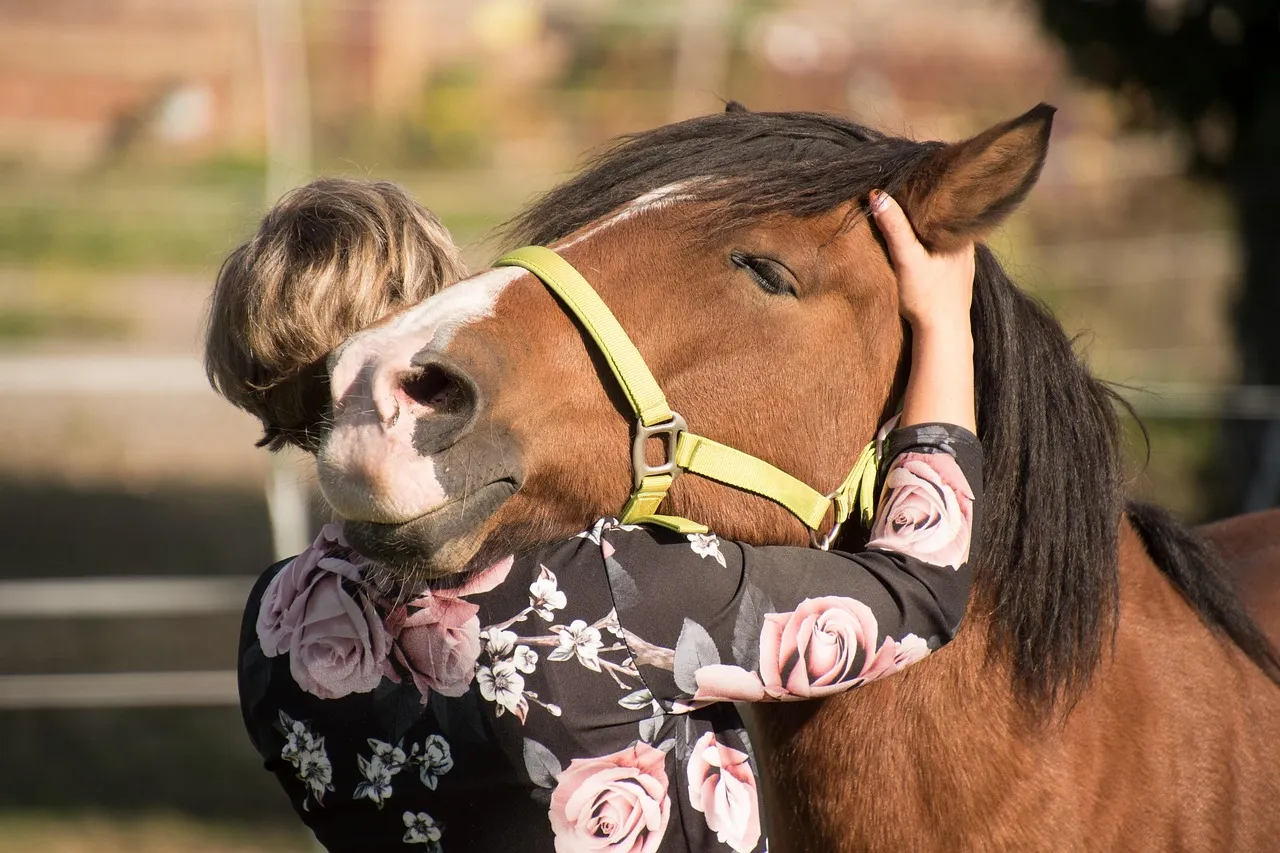
Not all horses are cuddly – plenty hate being crowded. But a horse that’s quietly chosen its person often uses that person’s body as a grounding point. Muzzle resting near your back, forehead against your chest, a shoulder barely touching your arm. The key detail is that they’re not fidgeting. The contact is still, heavy, intentional.
You move a step, they readjust to keep that tiny connection. In stressful environments, they press in closer, not out of disrespect but out of “I need you right here.” Experienced equestrians manage those boundaries carefully, but they also recognize the compliment underneath. When a horse repeatedly chooses contact with you over distance, especially when worried, it’s hard to deny you’re their safe place.
#2 – They Try to “Go With You” When You Leave
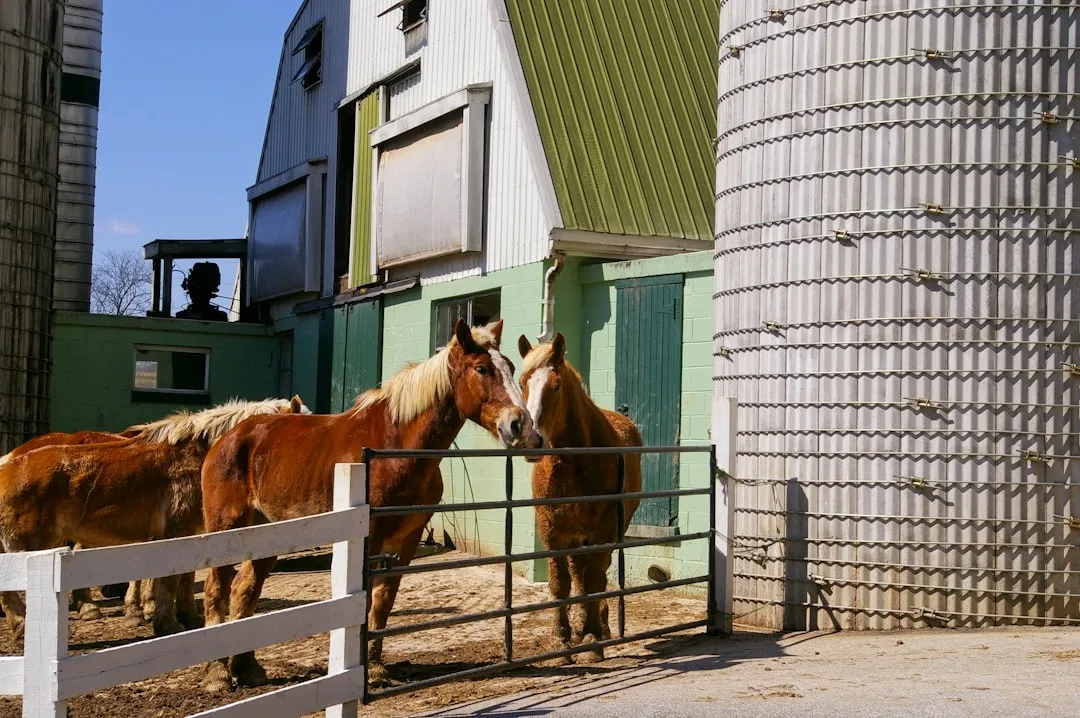
You’ve probably seen this and not realized what it meant. You finish up, turn them loose, and head for the gate. A horse that’s picked its person will often drift after you, stopping only when they absolutely have to. They stand at the gate watching you walk away, sometimes with a soft whicker or a quiet stomp as you disappear.
Some don’t just watch – they pace the fence line, call once, then settle only when they lose sight of you. They don’t do this for everyone. With others, they’ll drop to graze without a second thought. Experienced equestrians know you can’t read too much into one moment, but when it happens every single time, and only with you, the attachment is real, and it’s mutual.
Why It Stands Out
- Resting a muzzle near your shoulder or leaning into stillness is rare in horses that haven’t fully committed to trusting a handler.
- Following you toward the gate instead of returning to grass or friends shows a preference for your company over easier comfort.
- These small, repeated choices are far harder to fake than obedience, which is exactly why experienced riders treat them as reliable proof of a bond.
#1 – They’re Bravest, Softest, and Most Themselves Only With You
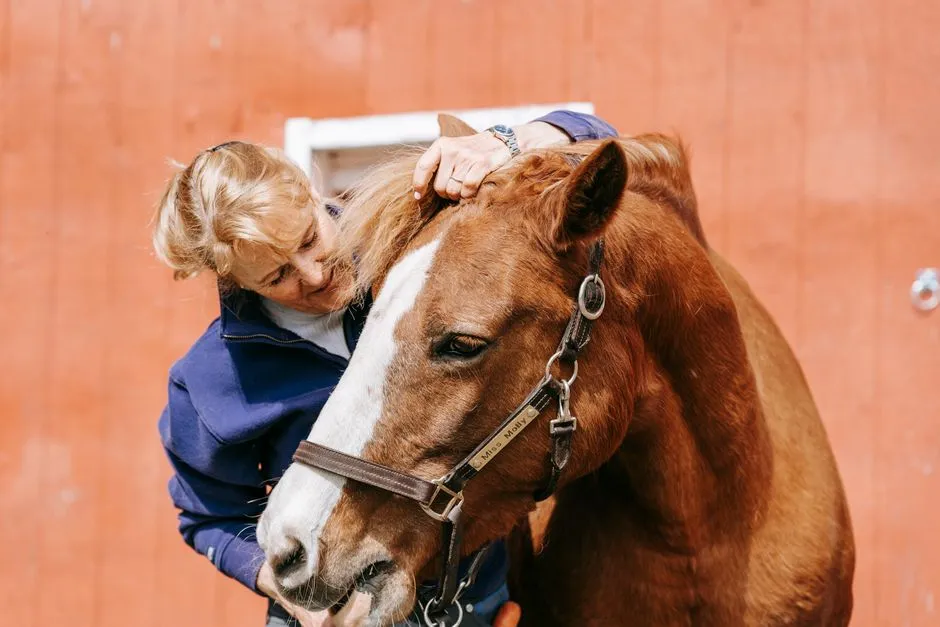
The clearest sign a horse has picked its person isn’t one behavior – it’s the pattern. Around you, they are simultaneously braver and softer than they are with anyone else. They’ll march past things that terrify them with other riders, if you say it’s okay. They’ll melt into grooming they usually just tolerate.
Barn friends notice it first: “He’s a different horse when you’re here.” Less pinning of ears, more curiosity, fewer explosive reactions. They’re not perfect – no horse is – but their most authentic version consistently shows up with you. That’s not an accident. It’s the cumulative result of consistent handling, fair corrections, and a thousand tiny moments where you proved you were worth choosing. When a horse saves its best self for you, that’s not just affection. That’s a bond most beginners don’t even realize is possible.
The Bottom Line
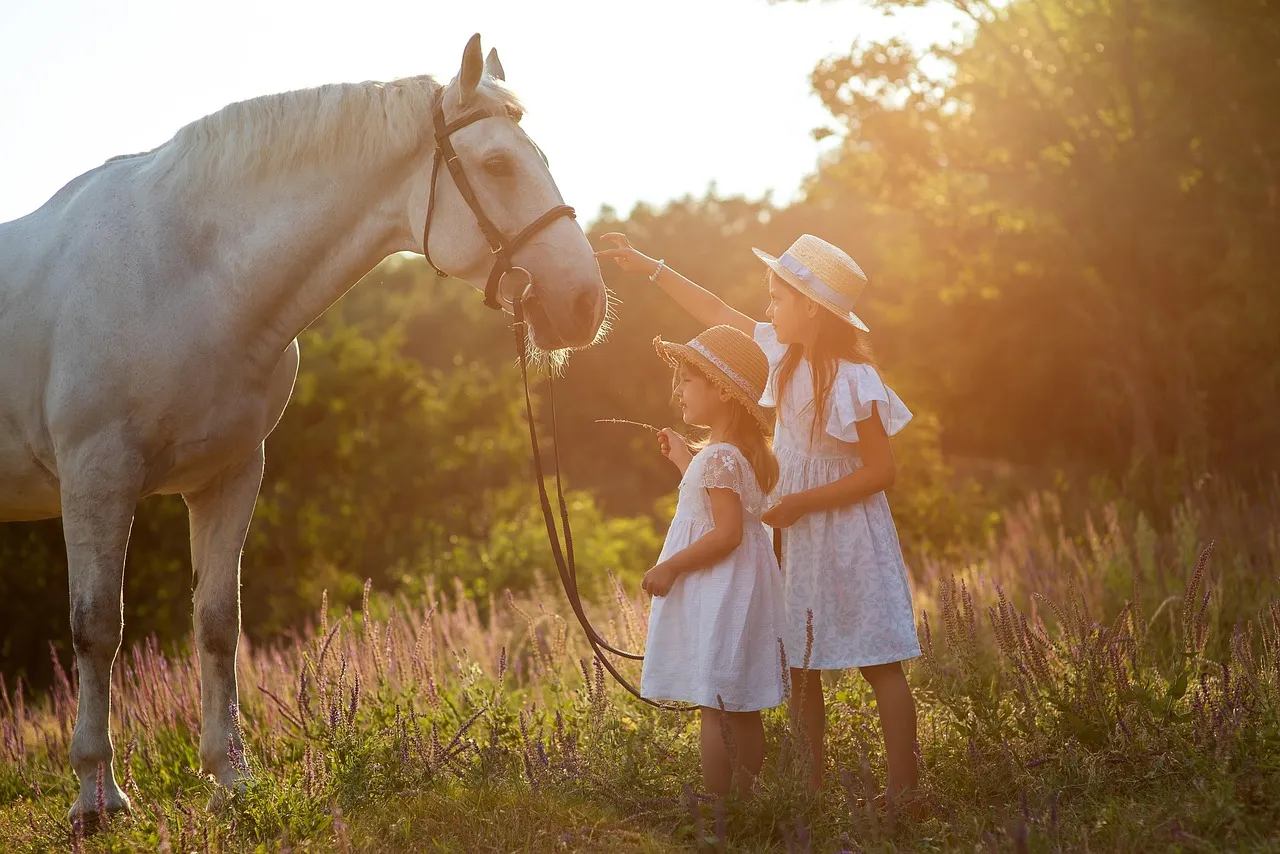
Most beginners chase the wrong evidence – a cute selfie, a good lesson, a big jump – while experienced horse people quietly watch the small stuff: the ear flick, the soft sigh, the way a horse’s whole body changes the second “their” human walks in. A horse picking its person isn’t about dominance or spoiling. It’s about safety, predictability, and emotional attunement built slowly, over time, with no shortcuts available.
Honestly, not every rider will experience that level of connection, and that’s the uncomfortable truth no barn brochure will ever print on a poster. But if you start paying attention to these quieter signs, and treat them as responsibilities instead of trophies, you’ll relate to your horse very differently. Which of these have you actually seen in real life, and which ones do you think people romanticize? Be honest in the comments.

- 13 Odd Hummingbird Habits Ornithologists Say Still Puzzle Them After More Than Four Decades of Study - August 2, 2026
- 18 Dog Breeds Older Vets Remember Treating Constantly That Younger Vets Have Never Once Seen - August 2, 2026
- 17 Small Things Your Old Cat Starts Doing When It Knows the End Is Coming Closer - August 2, 2026