
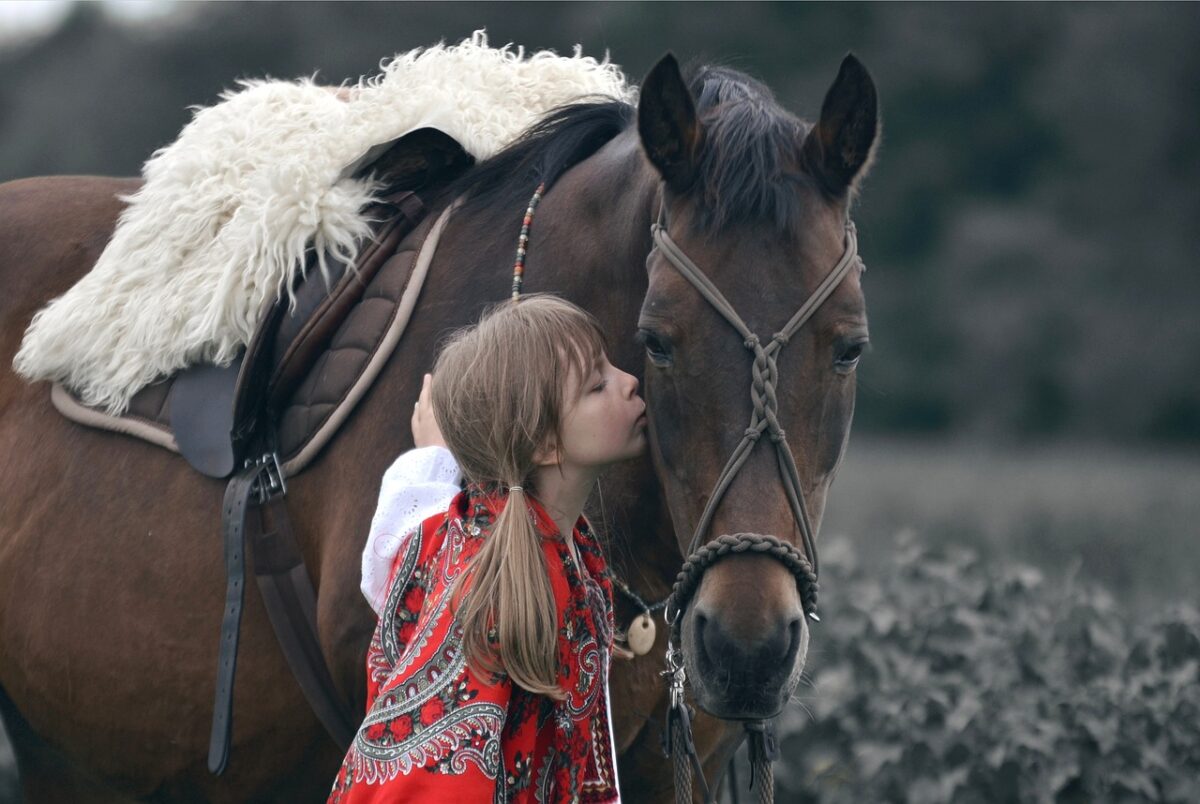
Most people think a horse “liking” you just means it doesn’t bite or kick. Stable hands hear that and just smile, because they know the real thing looks nothing like that.
The real bond is weirder, quieter, and way more intense: a horse that will leave its hay, its buddies, even its own comfort zone just to shadow one specific person. It’s not treats. It’s not “good training.” It’s a stack of tiny, almost invisible choices a horse makes all day long – choices most riders walk right past without ever noticing. Stable staff see it happen on repeat, and they’ll tell you it’s the closest thing to a soulmate test you’ll ever get from an animal that could outrun you, outweigh you, and leave any time it wanted.
#16 – They Hear You Before They Hear Anything Else
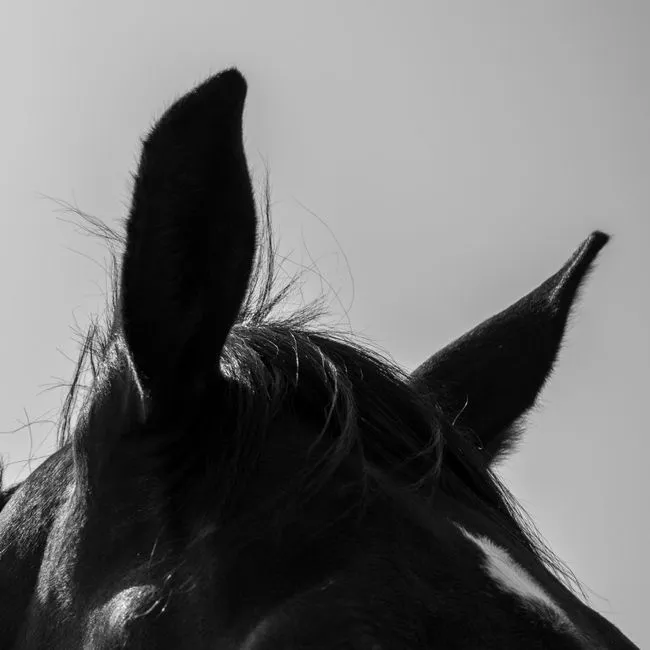
When a horse would follow one rider anywhere, their ears rat them out first. Long before you’re close enough to touch them, they’re already tuned in like a satellite dish. A tractor can fire up right outside the barn and barely register – but let your boots hit the aisle, and suddenly they’re wide awake, scanning for you specifically.
Stable hands notice which horses lift their heads at one person’s laugh, one person’s keys jingling, one person’s cough – and then go right back to ignoring everyone else in the building. Some grooms swear this “selective hearing” tells them more than any fancy liberty work ever could. A horse that filters out an entire chaotic barn just to track your sound is already halfway out the stall door in its mind.
Fast Facts
- Using ten muscles, a horse can rotate each ear independently, up to 180 degrees, to locate, funnel, and magnify sounds.
- Horses can hear frequencies from roughly 14 Hz up to 25 kHz, a far wider range than the typical human ear.
- Each ear works almost like its own radar dish, letting a horse track two different sounds at once.
- Horses can even pick up low-frequency vibrations through their hooves and jaw while grazing, long before a sound is audible to a person nearby.
#15 – They Abandon Their Hay Just to Stand Near You
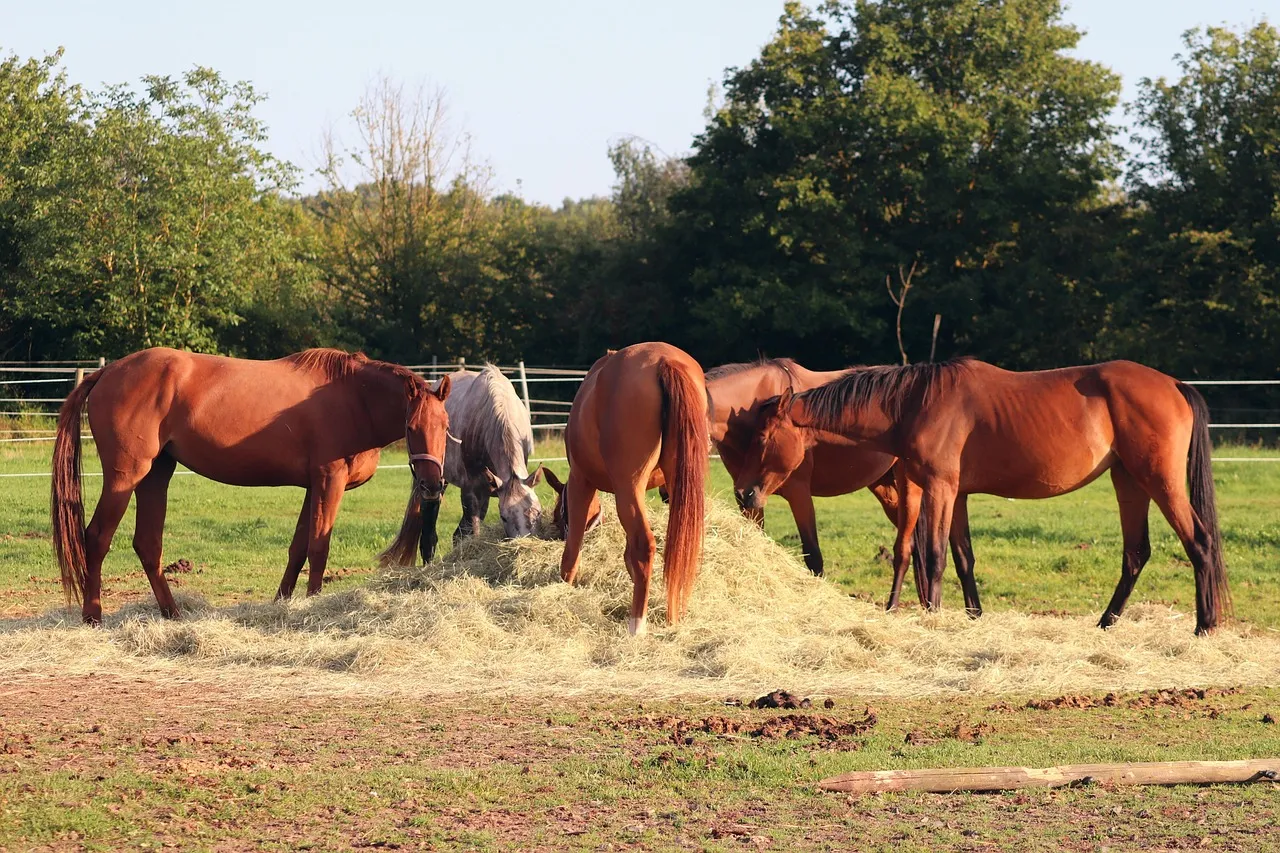
Horse people treat hay like scripture. Getting a horse to willingly walk away from food is a genuinely big deal. So when you step into the paddock and that horse steps off its hay pile just to park quietly within arm’s reach of you, that’s not about snacks. That’s a priority list, and you’re at the top of it.
Watch what happens when you move. Do they drift back to the hay, or do they keep re-adjusting to stay glued to you, like you’re the anchor point of the whole space? Stable hands pay close attention to this one because it exposes exactly where a horse feels safest. A horse that skips dinner to shadow you isn’t being polite – it’s telling you that your presence is what settles its nervous system, and some trainers think that beats any lead-line exercise as proof of loyalty.
#14 – They Quietly Slot Themselves Onto Your Shoulder
Most people go looking for cuddles. Insiders go looking for alignment. A horse that would follow one rider anywhere often develops a very specific “slot”: they like to stand with their nose near your shoulder, slightly behind you, mirroring your angle without ever being asked.
They’re not crowding or pushing – just quietly matching your position, like you’re the lead horse and they’ve already memorized where they belong. Change your stance, and a beat later, they adjust. Grooms catch this constantly in the wash rack, in the aisle, at the mounting block, while other horses fidget or lean on people for no reason. To stable staff, that shoulder-slot habit is basically a horse saying, “I trust your lead. Just tell me where we’re going.”
#13 – They Follow Your Feet, Not the Lead Rope
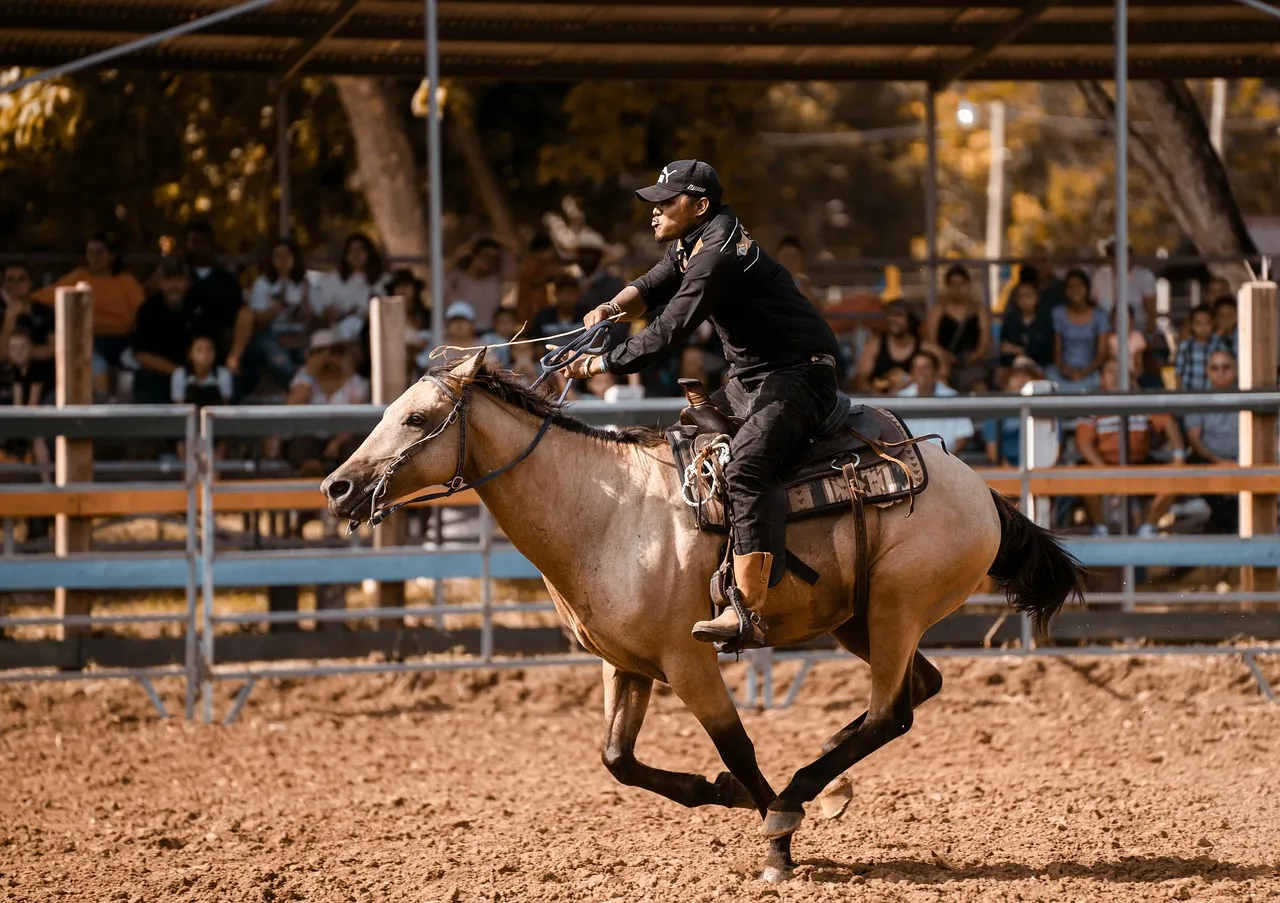
A lot of riders think a “good follower” is just about pressure and release. Stable hands roll their eyes at that idea. The real sign shows up when you slacken the lead, drop your hand entirely, and the horse still tracks your feet like a shadow, adjusting its stride so it never loses your side.
Turn sharply, and they hook around with you. Pause, and they stop clean, no bump, no drag. Walk past something mildly weird – a puddle, a mat – and their hesitation barely registers, because your movement matters more to them than the object does. Barn staff notice which horses they can lead on a few loose inches of rope without any nagging at all. Some old-school hands put it bluntly: “If I have to lead him, he’s not really following me yet.”
#12 – They Pick You Over Their Own Herd
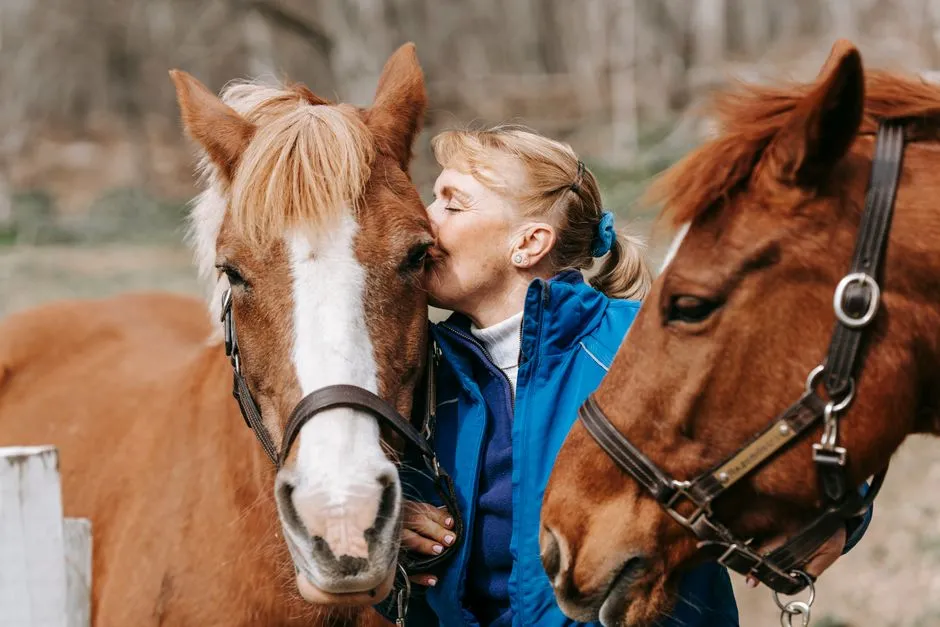
Horses are herd animals first – or so the textbooks claim. The turnout field tells a slightly different story. Walk toward a paddock full of horses and watch what happens. Most of them back up, play hard to catch, or stay glued to their favorite buddy. The bonded ones peel straight off the group and walk to you, sometimes meeting you halfway across the field without a second thought.
Their friends call out behind them. They barely glance back. To that horse, you have effectively become a one-human herd worth rejoining. Stable hands quietly rate riders by this exact moment, because a horse that voluntarily leaves its herd mate isn’t just behaving – it’s making a hard social trade in your favor, and long-time grooms swear you can’t fake that choice for long without the horse eventually resenting it.
Worth Knowing
- Horses are prey animals hardwired to stay with the group for safety in numbers.
- Herd rank usually decides who moves first and who follows – not personal preference.
- Choosing a single human over that built-in instinct flips the whole script.
- It’s considered one of the hardest signals in the barn to fake or rush.
#11 – Their Stress Drops the Second You Walk In
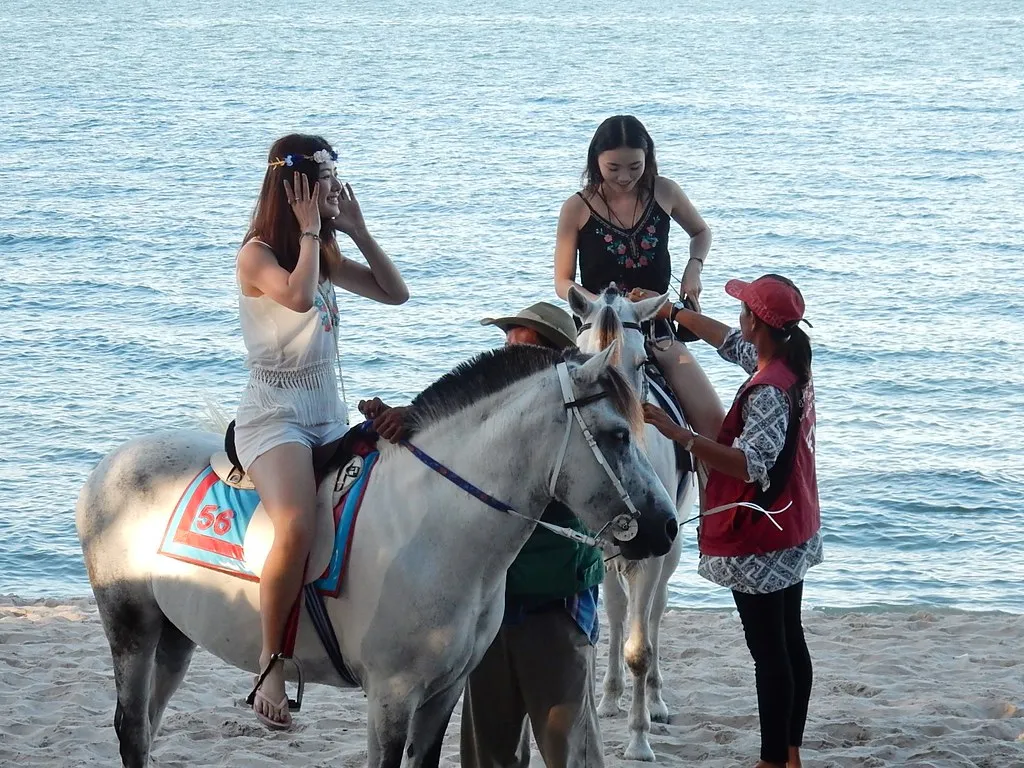
You can fake training. You can’t fake a nervous system. A horse that would trail one rider through anything often shows a physical, visible calm-down the moment that person appears. Maybe it’s spinning on the cross-ties, dreading the farrier – then that one rider walks up, rests a hand on its neck, and you watch the breathing slow and the eyes soften in real time.
No words. No drama. Just instant regulation that nobody else in the barn can seem to trigger. Workers see this in emergencies too – a loose horse, a flapping tarp, a stressful vet visit – where everyone stays tense until that one specific rider shows up. The horse still reacts, sure, but it’s like they’ve got a volume dial that only one person on earth knows how to turn down.
#10 – They Check In With Their Eyes Before They Panic
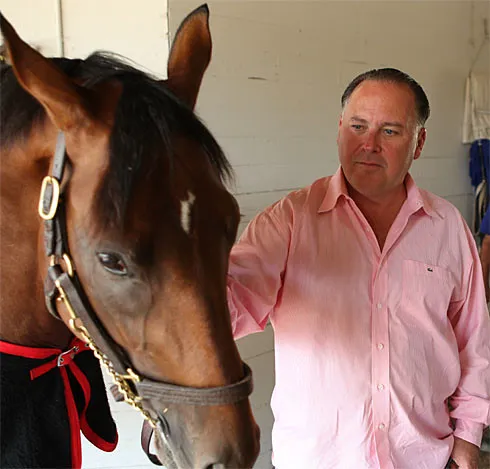
Here’s a behavior almost nobody talks about: the eye check-in. When something startling happens – a sudden noise, a strange shape – most horses lock on and react instantly. The bonded ones do something different. They startle, then flick their eyes back to their person for a half-second, as if silently asking, “Are we okay?” before deciding whether to bolt.
It’s fast, subtle, and easy to miss if you blink. But to people who live with horses, that quick eye dart is a massive trust signal. You’ll catch it on the trail, at shows, even in the aisle when a door slams shut. While other horses mentally blow past their handlers, this one keeps referencing its person the way it would reference a lead mare – and if your body language stays loose, they choose to stay too.
#9 – They Mirror Your Energy, Even in Silence
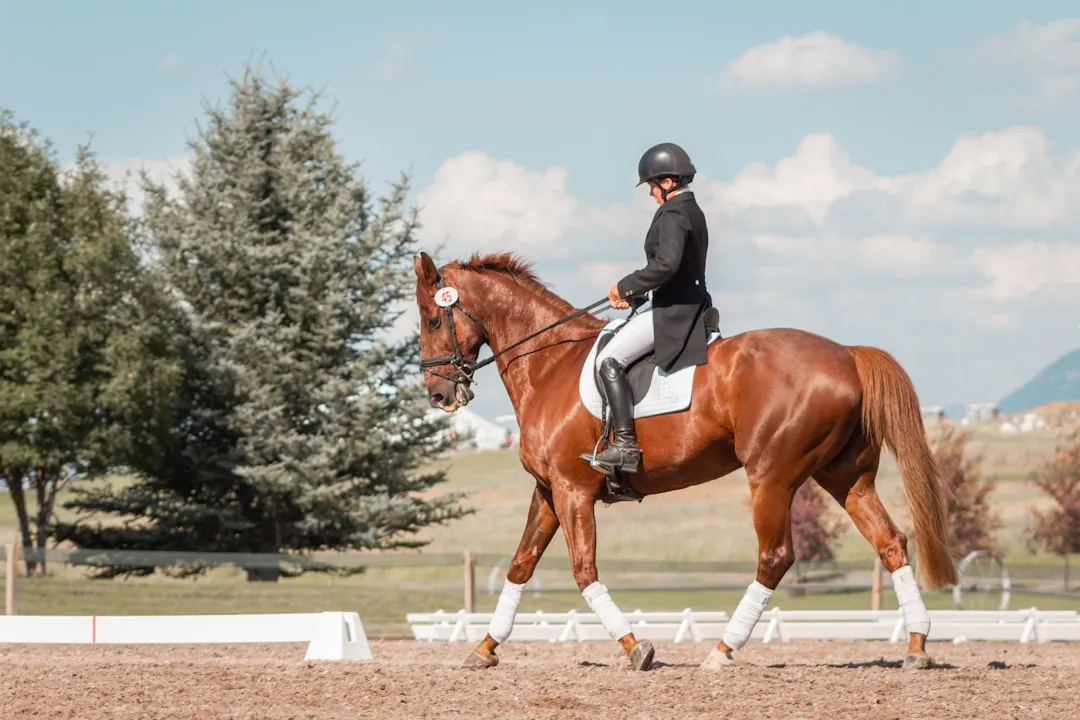
Most people assume “energetic” horses just drag you around. Stable hands watch for the exact opposite. A horse that would follow one rider into anything tends to sync its own energy to that person’s, even when nobody’s doing any deliberate “natural horsemanship” cues. Walk slow and loose, and they drift into an easy amble. Perk up and stride out, and their step lengthens before you’ve even touched the rope.
Barn staff notice which horses drag every other handler around the arena but suddenly float along politely the second their person takes the lead. It’s not magic – it’s attunement built over time, the horse quietly mapping that rider’s internal “volume” the way it would harmonize with a boss mare. You can’t score it on a test sheet, but it’s exactly what builds those quiet, almost telepathic partnerships people chase for years.
Why It Stands Out
- The syncing happens without deliberate cues – no clicker, no pressure, no script.
- A relaxed handler tends to produce a visibly calmer horse within seconds.
- This kind of mirroring usually only shows up after months of consistent, everyday handling.
- Substitute handlers or fill-in riders almost never trigger the same response.
#8 – They Walk Into the Scary Corner Without a Fight
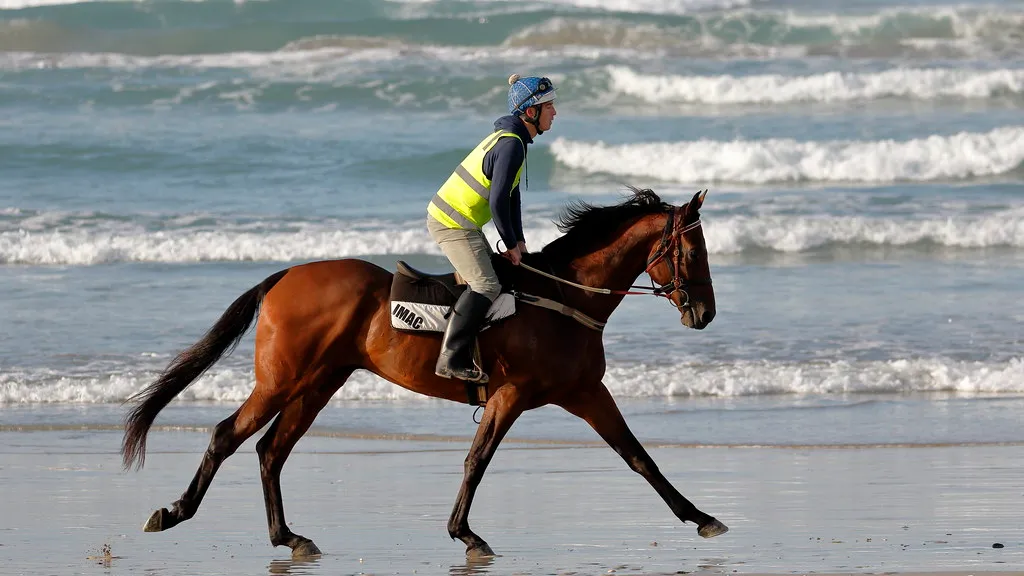
Every arena has one: the scary corner, full of shadows, banners, or that one demonic wheelbarrow. How a horse handles it says everything. Plenty will push through with enough leg, whip, and argument. The ones genuinely bonded to a rider do something different – they still hesitate, but once that specific person points them toward it, they think their way through instead of exploding or shutting down.
You’ll see more blinking, slower steps, one deep breath – and then they commit, because you said the path was safe. Stable hands watch this constantly. They know exactly which horse spooks wildly for lesson kids but, with one particular rider, simply tenses, asks a quiet question with its body, then follows anyway. That’s not obedience. That’s a prey animal overriding generations of hard-wired instinct because you asked it to.
#7 – They Actively Hunt for You When You Vanish
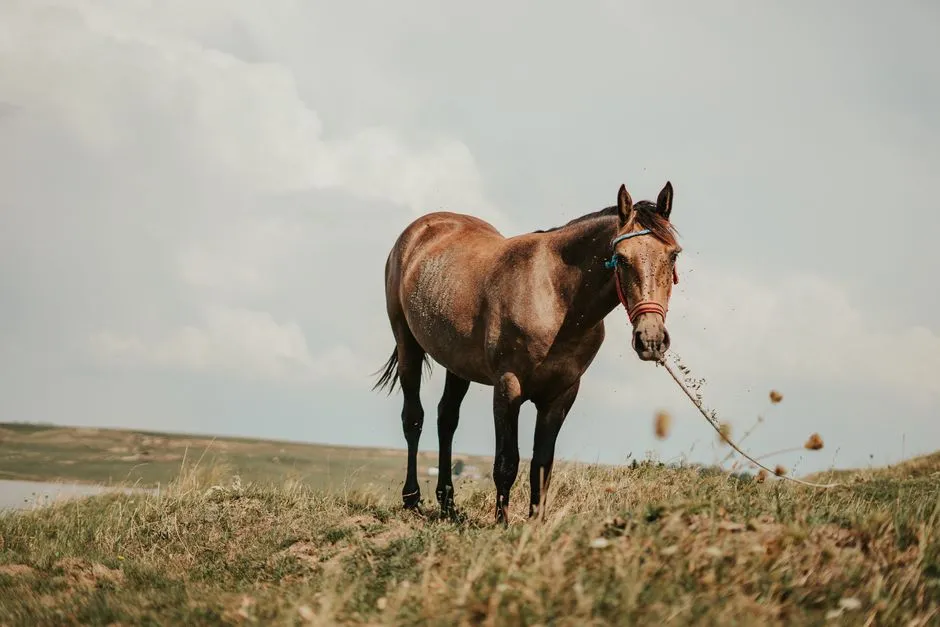
This one looks almost eerie the first time you catch it. Turn the horse loose, step behind a building, or duck into a different aisle. Instead of going straight back to grazing, they raise their head and actually scan the horizon, pivoting their whole body until they locate exactly where you went.
They’re not panicked – just actively curious, like you’re a missing piece of the environment that needs accounting for. Grooms say this is different from separation anxiety, which looks like pacing, calling, and sweating. The bonded horse just tracks, then visibly relaxes once it spots you again, even from a distance. It’s the same quiet habit a low-ranking horse uses to keep tabs on a herd leader without ever looking clingy.
#6 – They Refuse to Weaponize Their Size Against You
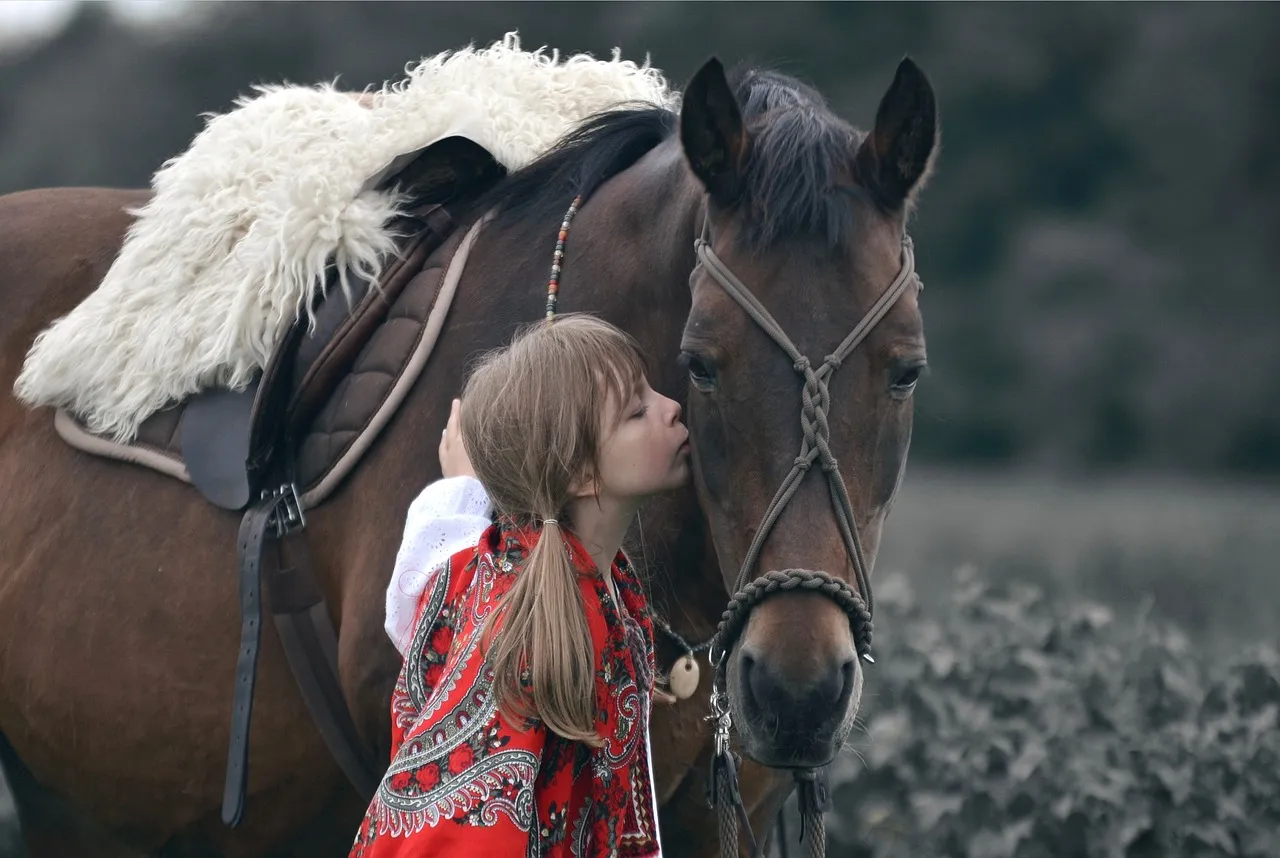
Plenty of horses respect fences, bits, and chains. Far fewer genuinely respect the fragile human standing next to them. Barn staff spot the difference fast. A horse that would follow one rider anywhere never tests that particular person with shoulder checks, deliberate crowding, or subtle pushy games – even if it tries exactly that with everyone else.
This isn’t fear-based submission, either. You won’t see pinned ears or a tight mouth. It’s voluntary deference, almost like the horse thinking, “I know you’re squishy, so I’ll adjust.” Stable hands notice which twelve-hundred-pound animals somehow never brush their person against a doorway, or who shift their hindquarters quietly the first time they’re asked. That kind of body-aware respect rarely shows up without real trust behind it.
“There is something about the outside of a horse that is good for the inside of a man.”
Winston Churchill
#5 – They Have a Greeting That’s Only Ever for You
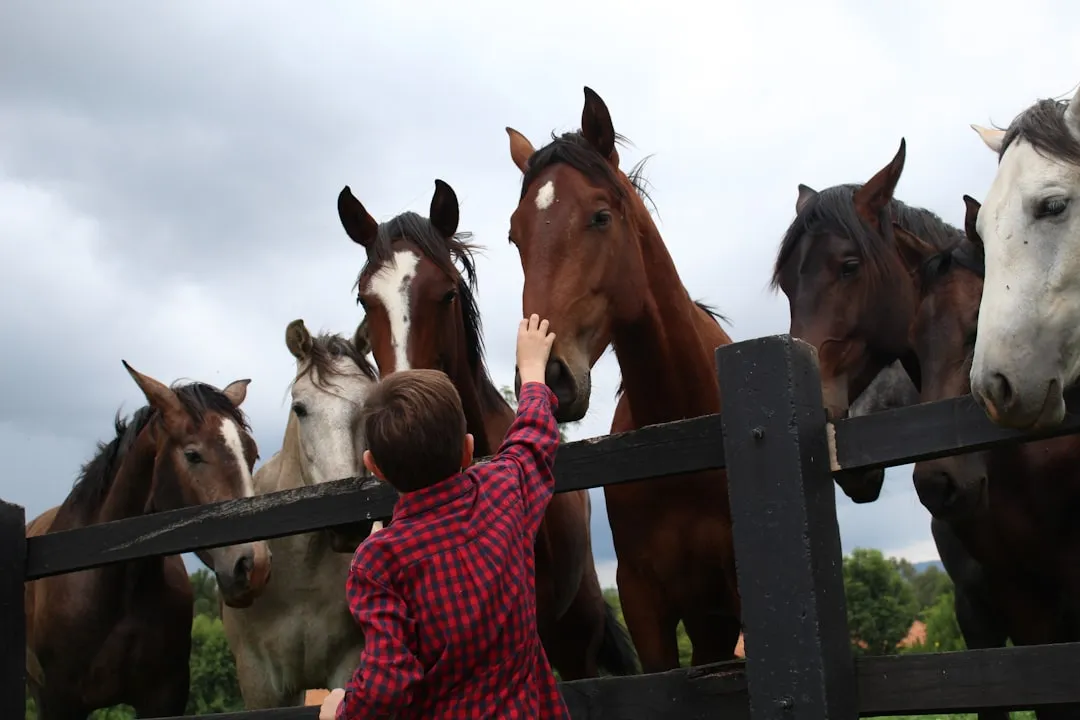
Ask any long-time groom – horses do not react the same way to everyone. A horse bonded to one rider often develops a distinct greeting: a soft nicker, a specific whinny, or just a particular brightening in the eye that only shows up for that one person. Everybody else gets a polite glance, or a hopeful sniff for treats.
But when their human walks in, the whole expression changes. The forehead softens, the eyelids relax, the nostrils widen in that curious, unguarded way. Stable workers who watch dozens of greetings a day insist this isn’t wishful thinking – it’s pattern recognition, plain and simple. That special “you-only” response usually shows up paired with more willingness under saddle, too: trickier transitions, sketchier trails, all handed over more easily to the one person who gets that particular look.
#4 – They Follow You Even When Nothing Fun Is Coming
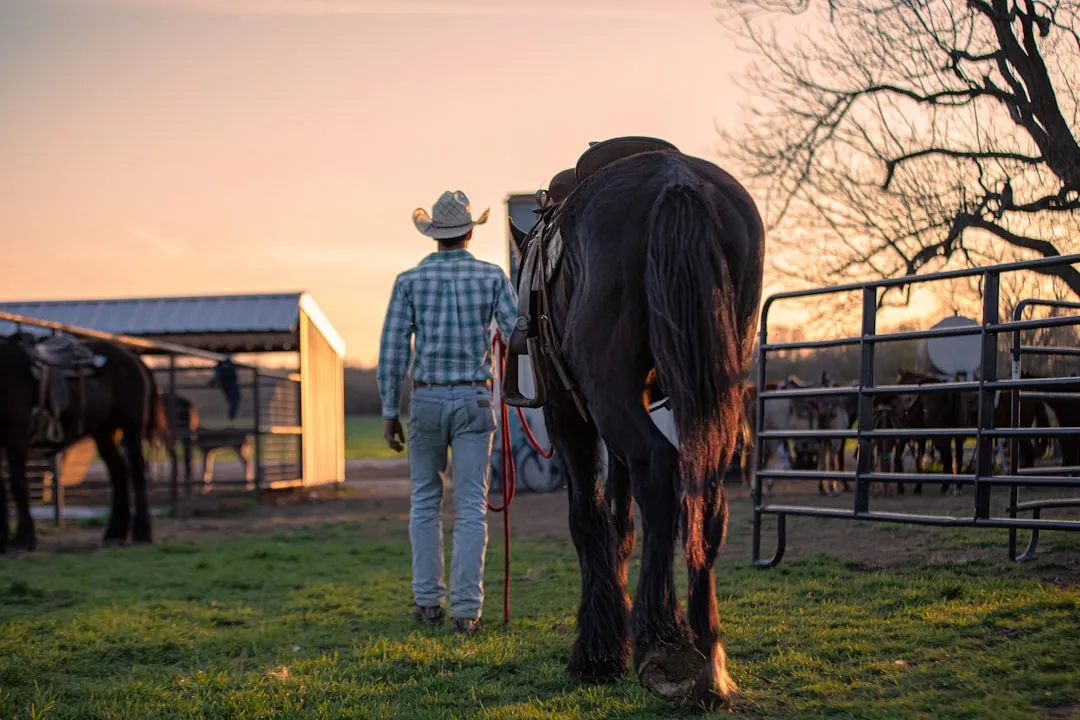
Here’s the test almost nobody wants to try. Take treats, turnout, and riding completely out of the equation. A horse that truly follows a rider doesn’t just show up when something’s in it for them. Walk past their stall with no halter, no grain, no time to spare, and they still step toward you, ears soft, as if to ask, “Where are we going?”
Open the door just to muck it out, and they calmly stay close anyway, even though this routine means more work and zero reward for them. Stable hands see through “cookie training” fast – the horses that only come running for a treat rustle are friendly, not necessarily loyal. The ones who’ll trudge out of a warm stall into cold rain because you asked, no bribery involved, are the ones who’ll follow you up a loading ramp or across a sketchy bridge for one simple reason: being with you is the whole payoff.
#3 – They Trust Your Hands in Their Most Vulnerable Spots
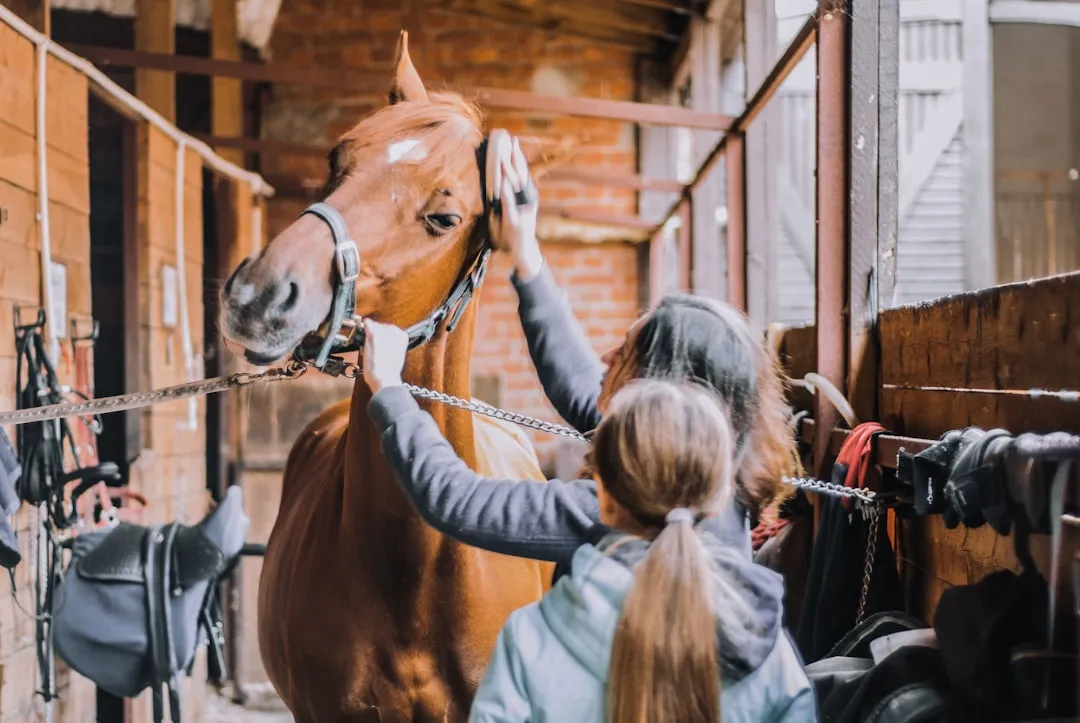
Hooves, ears, belly, sheath, udder – these are high-trust zones, and horses absolutely know it. Plenty of horses tolerate this kind of handling with patience or plain resignation. The “follow you anywhere” horse does something different: it actually relaxes when that one rider works on those sensitive areas, lowering its head, softening its back, sometimes sighing or licking and chewing through the whole thing.
The exact same task done by a stranger might trigger tension, tail swishing, or defensive footwork. Grooms watch closely for who can clean a tricky hoof or medicate a sore spot without it turning into a wrestling match. When it’s the bonded rider, the horse’s body language basically says, “If you’re doing this, it must be necessary.” That’s the same trust that lets it walk into new, uncomfortable places in that same person’s footsteps.
Quick Compare
- Unfamiliar handler: tension, tail swishing, defensive footwork, guarded body language.
- Bonded rider: lowered head, softened back, sighing or licking and chewing.
- Unfamiliar handler: sensitive spots often turn into a small standoff.
- Bonded rider: the same task passes almost without notice.
#2 – They Keep One Ear on You Even When Their Body Faces Away
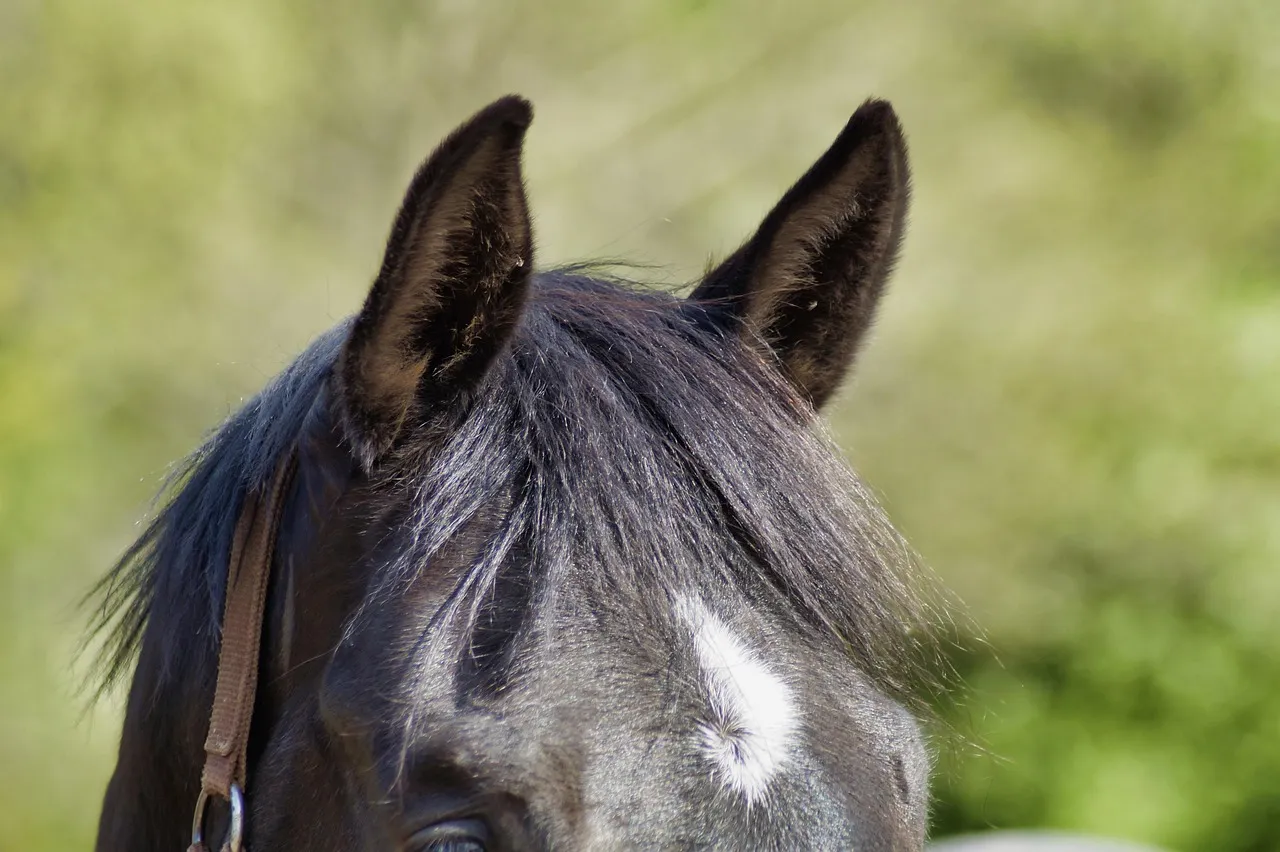
You’ll learn more from a horse’s ears than from any training log ever written. In turnout or on the trail, watch which direction those ears default to. A strongly bonded horse might graze away from you or walk slightly ahead – but one ear keeps flipping back toward you like a little radar dish, constantly updating on your position and your mood.
Barn staff notice this especially in group settings. A whole herd marches forward, scanning the world together, and the “one-rider” horse moves right along with them – except that inside ear keeps clocking back to its person the entire time. Slow down or tense up, and they often respond before you’ve even touched the rein. That constant ear contact is exactly what makes a horse feel like it’s with you, not just underneath you.
#1 – When Everything Goes Wrong, They Choose You Over Escape
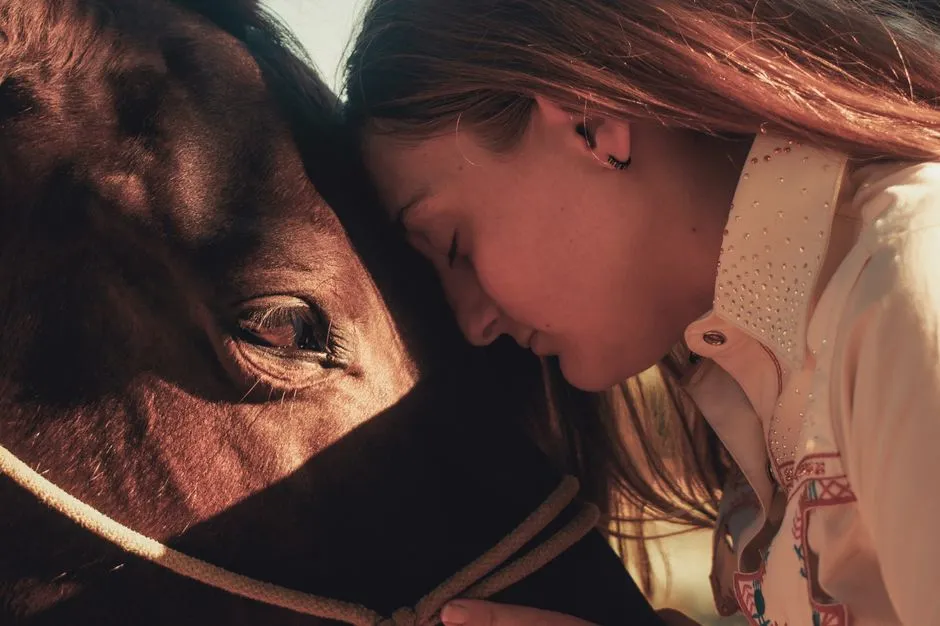
This is the moment stable hands still talk about years later. Every barn has that story: a tarp flies loose, a gate swings hard, a crash sends every horse in the aisle scattering. Most animals go pure instinct – run first, think never. But the rare, deeply connected horse does something different. In the exact split second where every cell in its body is screaming “flee,” it arcs its whole body toward one specific human instead of charging off blind.
Maybe it crowds close but never knocks them down. Maybe it follows as the person moves away from the chaos, eyes wide, feet still choosing connection over distance. Grooms and riders who’ve witnessed this will tell you there was no time for training to kick in – it was a pure, instant choice in the worst possible moment: “I’m safer with you than without you.” That’s the horse that will load in a storm, cross water in the dark, or walk into a strange clinic, because your presence outweighs its fear. You can’t buy that, bully it into existence, or shortcut your way there. You earn it slowly, and then all at once.
The Bottom Line
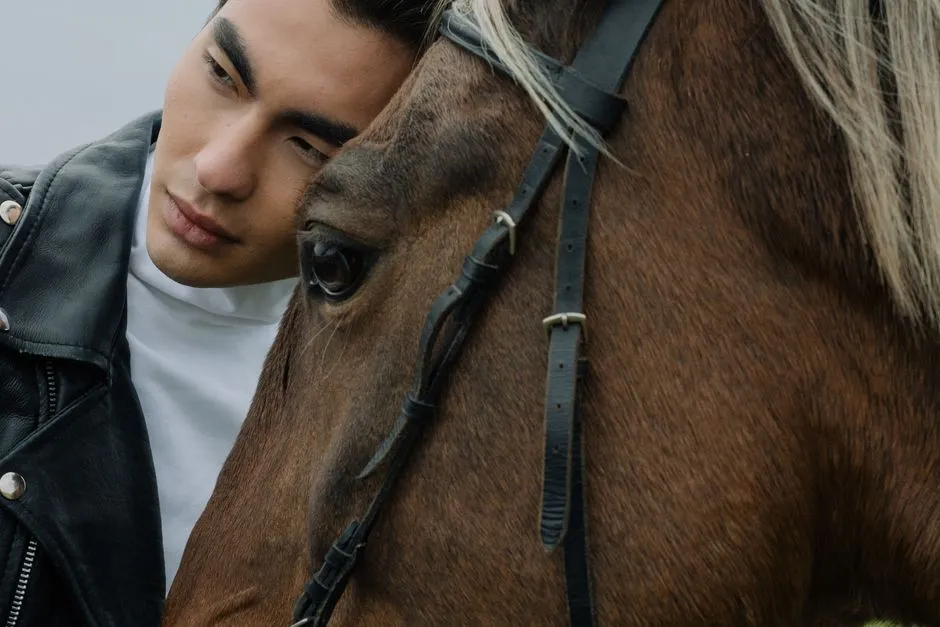
Most people chase flashy tricks and bigger fences, then wonder why their horse checks out the second things get hard. Stable hands track something else entirely – the tiny, unglamorous, relentless signs that a horse has quietly decided one rider is its safest place on earth.
The ear flicks. The abandoned hay pile. The voluntary step into fear. Those are the real metrics of loyalty, not ribbons, not a Instagram-worthy jump, not how many treats you’ve handed over. And here’s the uncomfortable part barn lifers won’t sugarcoat for you: not every horse-rider pair can reach this level, no matter how much money or time gets poured into it. That doesn’t make your partnership a failure – but it does mean the ones who genuinely have this need to stop calling it “good training” and start calling it what it actually is.

- 13 Odd Hummingbird Habits Ornithologists Say Still Puzzle Them After More Than Four Decades of Study - August 2, 2026
- 18 Dog Breeds Older Vets Remember Treating Constantly That Younger Vets Have Never Once Seen - August 2, 2026
- 17 Small Things Your Old Cat Starts Doing When It Knows the End Is Coming Closer - August 2, 2026