
Living with a dog is a bit like living with a time-lapse camera: you watch a tiny chaos gremlin slowly turn into either a chilled old soul or a demanding, high-maintenance roommate. Some breeds mellow beautifully, becoming easier and more in tune with you every single year. Others? They age like a punk rock band on a reunion tour: louder, needier, and not nearly as low maintenance as you imagined.
I’ve had both types. The dog that was a nightmare as a pup but turned into the world’s most relaxed shadow, and the “easy” young dog that suddenly needed daily vet visits and endless stimulation after hitting middle age. In this guide, we’ll walk through seventeen breeds that generally get easier as time goes on, and nine that tend to become more challenging. It’s not about scaring you off certain breeds, but about giving you a real, grounded picture of what the long haul can look like.
#1 Labrador Retriever – Wild Child To Family Anchor
Labradors are infamous for being absolute lunatics for the first two or three years. They jump, they chew, they steal socks like it’s a professional sport. But once you put in that early training and exercise, many Labs settle into an incredibly easy, people-pleasing rhythm as they mature.
By middle age, a well-exercised Lab often becomes the steady center of a household: great with kids, tolerant of visitors, and usually content with a good walk and a nap. They still need mental and physical activity, but the edge of their youthful chaos softens into a loyal, stable presence that feels easier with every passing year.
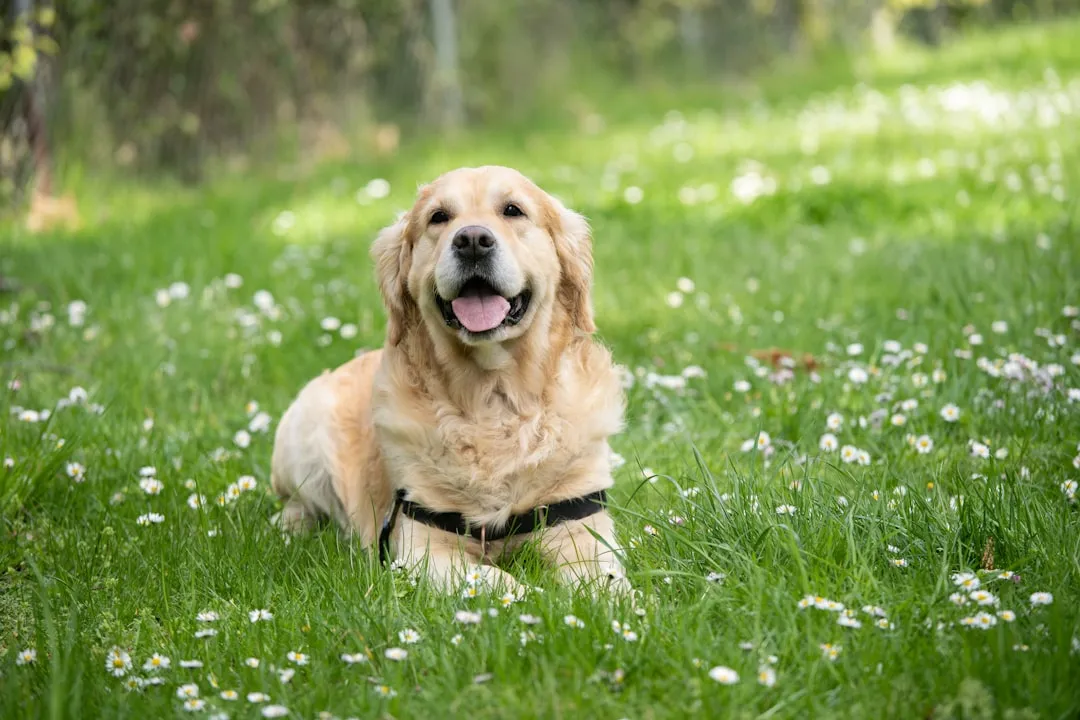
#2 Golden Retriever – From Goofy Tornado To Gentle Shadow
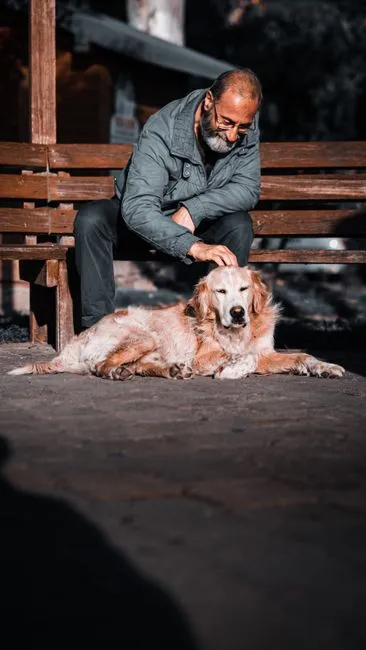
Golden Retrievers can feel like overcaffeinated clowns as youngsters. They love everyone, they rush everything, and their enthusiasm can be overwhelming if you’re not used to big, bouncy dogs. Early on, they demand time, training, and lots of consistency.
As they age, though, many Goldens turn into gentle, almost intuitive companions. Their eagerness to please makes them highly trainable, and over time that same energy gets channeled into calm loyalty. By their senior years, a Golden often seems to read the room better than most humans, and day-to-day life with them tends to feel smoother and easier.
#3 Cavalier King Charles Spaniel – Needy Puppy To Effortless Lap Dog
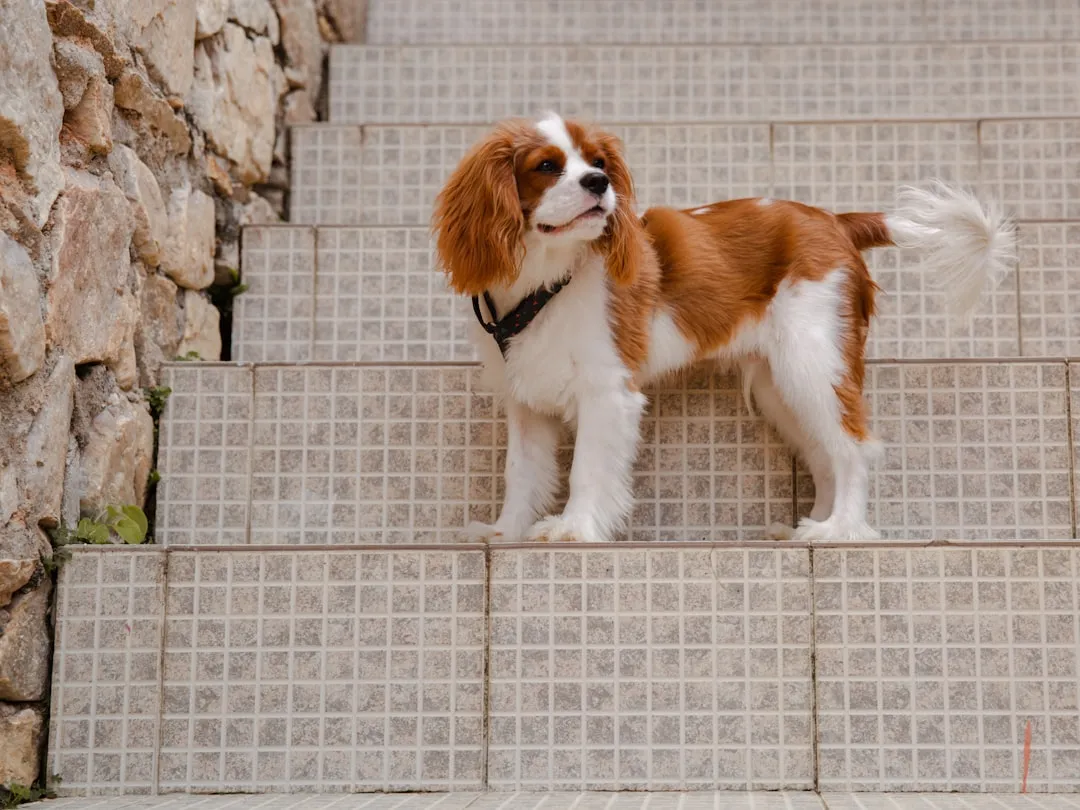
Cavaliers can be a bit clingy and sensitive as puppies, which some people experience as neediness. House training and separation can be a challenge at first because they really hate feeling alone. They do best with patient owners who are home a lot.
With age, many Cavaliers become almost dreamlike companions for people who enjoy relaxed, affectionate dogs. Their energy levels are moderate, their temperament is usually sweet, and by adulthood their biggest demand is often just to be near you. As long as health is monitored carefully, daily life with an adult Cavalier can feel surprisingly low effort.
#4 Greyhound – Nervy Newcomer To Couch Expert
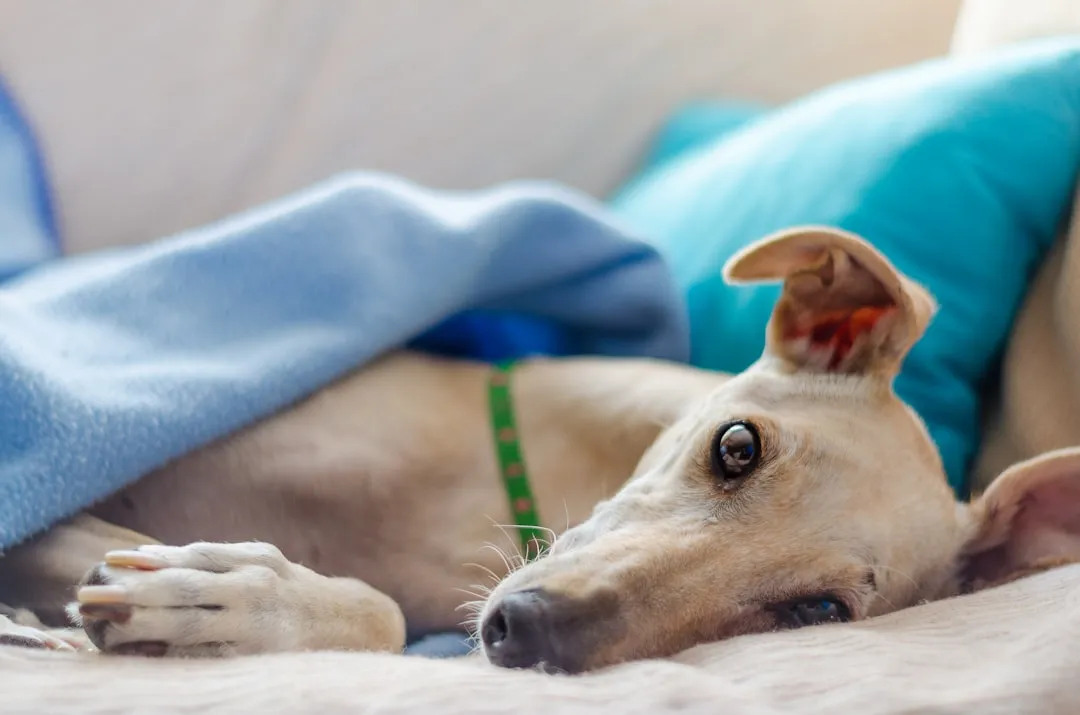
Retired racing Greyhounds can arrive in pet homes a bit overwhelmed. New sounds, slippery floors, stairs, and even glass doors can confuse them. Their first months may require patience as they learn what being a house dog actually means.
Once they settle, though, Greyhounds are famously easy companions. Many of them need less exercise than people expect and are perfectly happy with a couple of solid walks and a comfy bed. Over the years they often become calmer, more confident, and almost comically lazy, making daily life with them simpler as time goes on.
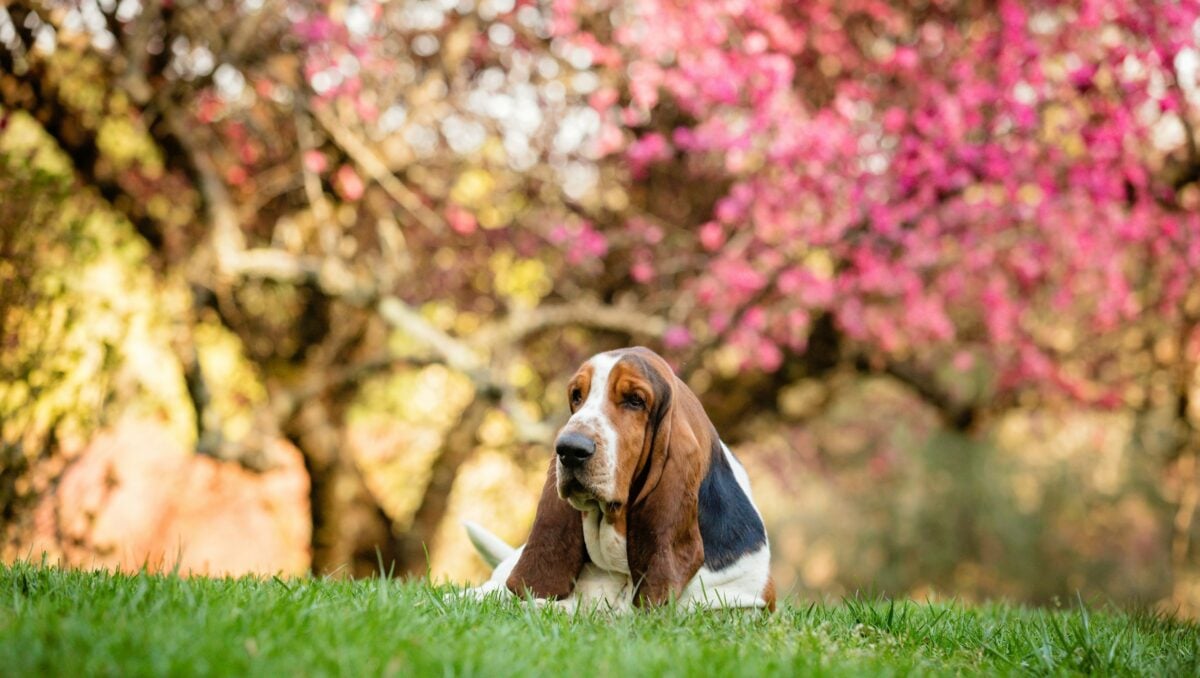
#5 Basset Hound – Stubborn Youth To Low-Key Companion
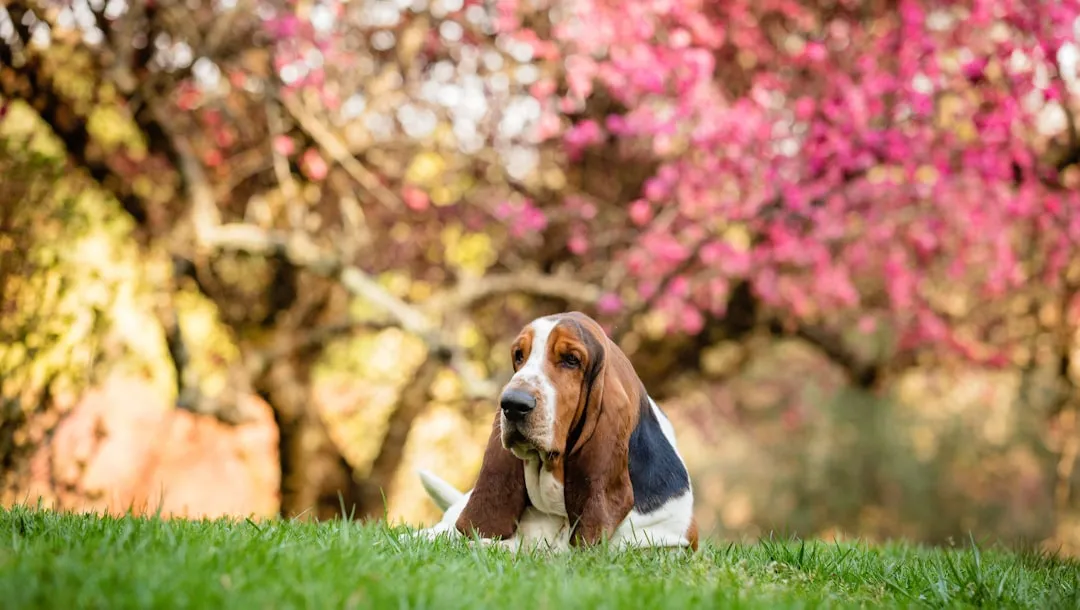
Basset Hounds start out stubborn, distractible, and led by their noses. Training a young Basset can feel like trying to negotiate with a sleepy, hard-of-hearing diplomat who only cares about interesting smells. Consistency and humor are both required.
As they get older, Bassets usually slow down and become easier to live with. Their exercise needs stay relatively modest, and many become calm, steady house dogs who are happy with routine and regular affection. While they never stop being a little stubborn, their overall pace of life makes them feel easier year after year.
#6 Newfoundland – Clumsy Giant To Gentle Guardian
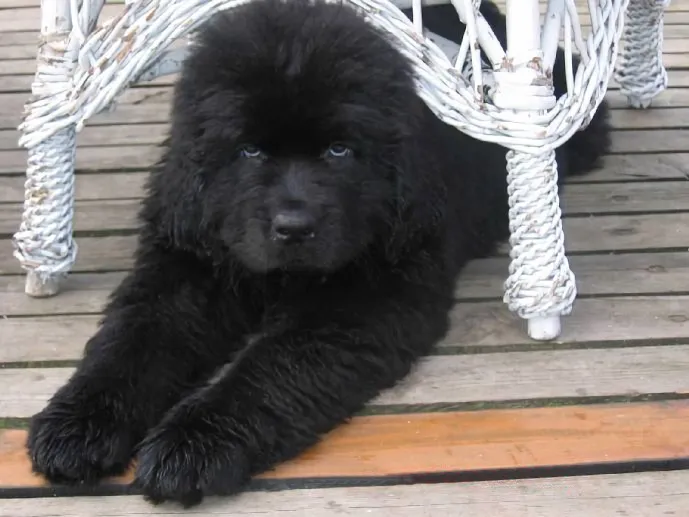
Newfoundland puppies are like fuzzy wrecking balls: huge paws, little coordination, and no sense of their own size. The early months and years demand serious effort around training, socialization, and joint-friendly exercise to keep them healthy and mannerly.
With maturity, many Newfies turn into slow, gentle guardians of the home. Their temperament tends to lean calm and patient, and their main challenges often shift from behavior to basic care like grooming. In terms of day-to-day behavior and temperament, they frequently become easier as their youthful exuberance gives way to dignified calm.
#7 Bernese Mountain Dog – Sensitive Teen To Steady Partner
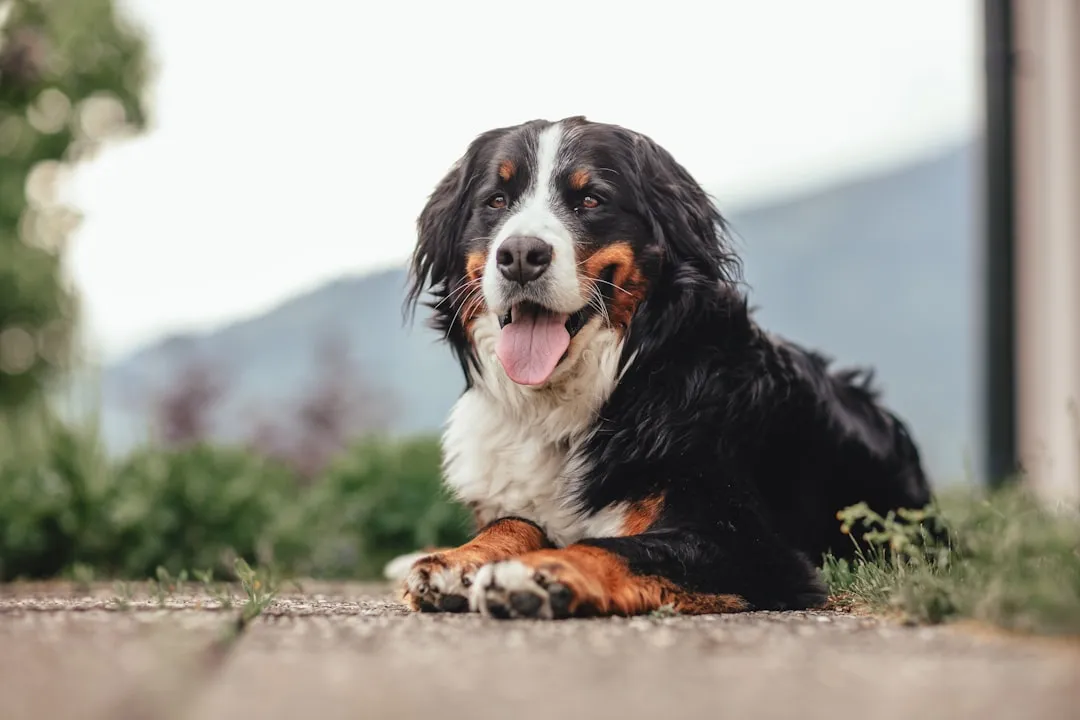
Bernese Mountain Dogs can be sensitive, unsure adolescents, especially if they lack good early socialization. They may go through phases of clinginess, reactivity, or insecurity that require calm guidance and confidence-building.
As they reach full maturity, many Berners blossom into stable, even-tempered companions who are deeply attached to their people but not nearly as chaotic as in their younger years. They tend to enjoy a predictable routine and family time, and once they understand their place in the household, living with them often feels smoother and easier.
#8 Bulldog (English) – Rowdy Youth To Slow-Paced Housemate
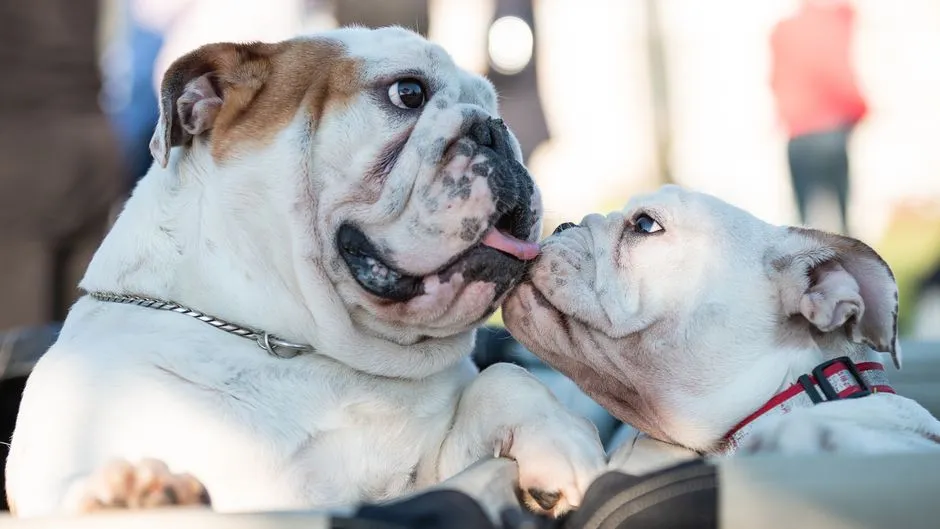
Young Bulldogs can be rowdy, mischievous, and surprisingly strong-willed. They may test boundaries, ignore commands, or treat training as optional if you are not consistent. House training and impulse control can take longer than with some other breeds.
With age, many Bulldogs slow down dramatically and become more settled in their habits. They often prefer short walks and long naps, and as long as you stay on top of health and breathing concerns, their actual behavior and energy needs often become easier to manage over time. They shift from goofy troublemaker to snoring, low-key companion.
#9 Great Dane – Awkward Teen To Majestic Couch Potato
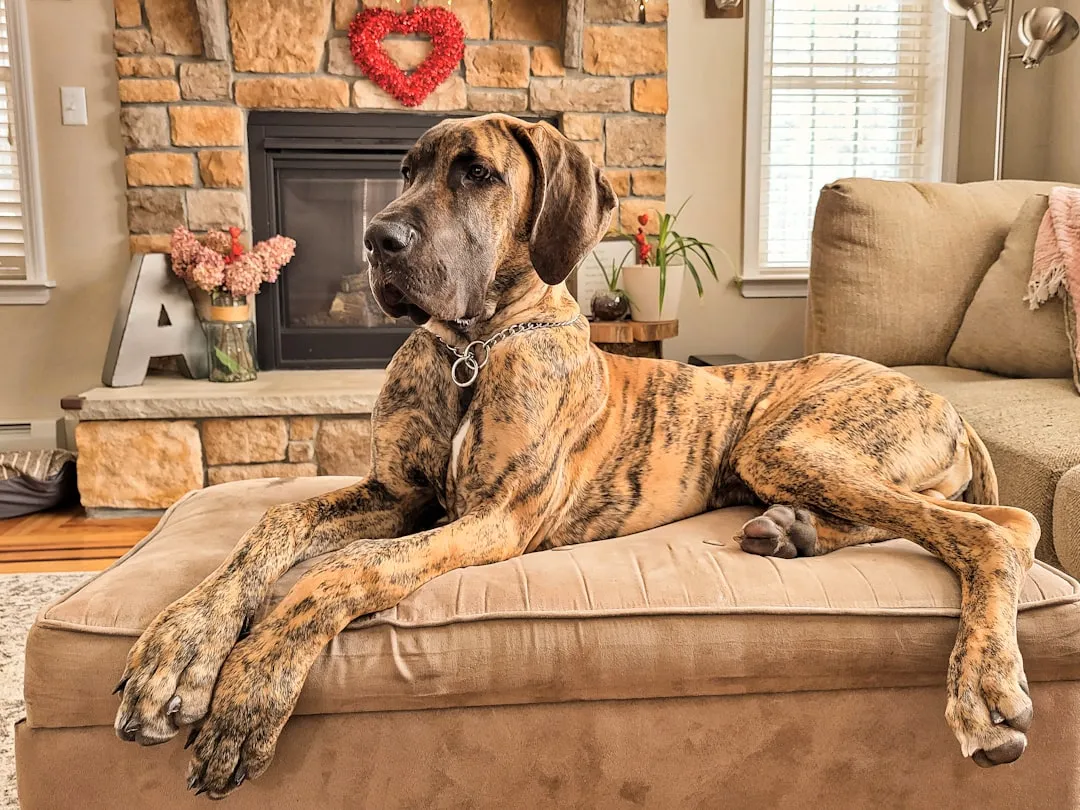
Great Dane adolescents are huge, clumsy, and potentially overwhelming. They need structure, careful joint-safe exercise, and solid manners work, because a poorly trained giant can become hard to handle even in basic daily tasks like walking or greeting guests.
As adults and seniors, many Danes mellow into surprisingly laid-back dogs. They often enjoy short bursts of play followed by long rest periods, and they tend to thrive on a predictable, calm home environment. Once they are fully trained and matured, their size remains a consideration, but their temperament and daily management often feel easier.
#10 Shih Tzu – Busy Little Bee To Calm Companion

Young Shih Tzus can be busy, curious, and vocal, especially if left alone too long or under-stimulated. House training and grooming routines can feel like a lot at first, and some struggle with separation-related behaviors in their youth.
With time, many Shih Tzus become peaceful little house companions. Once they are used to grooming routines and have a predictable schedule, they often demand less intensive exercise than many breeds and happily adapt to apartment or small-home living. Their temperament tends to soften into affectionate calm, making them feel easier with age.
#11 Pug – Comical Chaos To Predictable Homebody

Pug puppies are clowns with no off switch. They are curious, often stubborn, and can get into trouble quickly if left unsupervised. Training consistency and weight control both require real effort early on.
As they age, Pugs often settle into a cozy, predictable routine. Many are content with moderate activity, simple games, and plenty of cuddle time. Assuming their breathing and weight are managed carefully with veterinary support, their temperament and energy level typically make them easier companions as years go by.
#12 Beagle – Noisy Adolescent To Settled Senior

Beagles are not usually described as easy in their early years. They are energetic, distractible, and extremely nose-driven, which can lead to pulling on leash, wandering off, and baying at every interesting scent. Early life with a Beagle may feel loud and chaotic.
As they get older, many Beagles become more predictable and less intense, especially if they have had consistent training and enough exercise throughout their lives. Their energy softens, and they often become affectionate, manageable companions who are easier to live with than their younger selves, even if that signature hound voice never fully disappears.
#13 Boxer – Perpetual Kid That Finally Grows Up
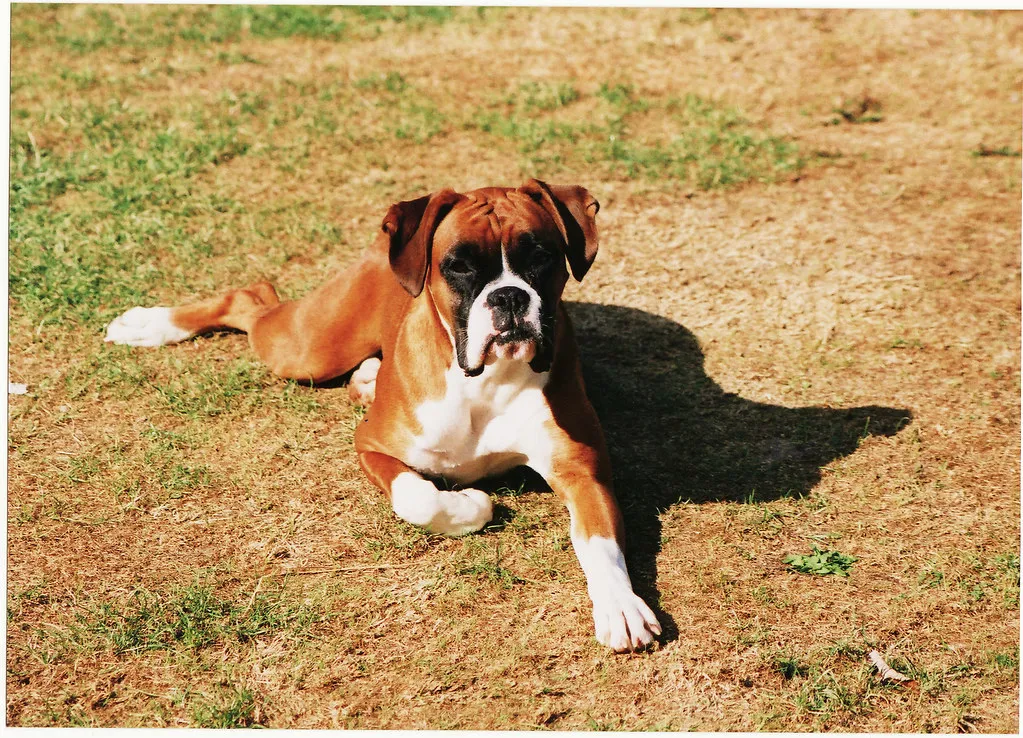
Boxers are famous for being big, boisterous puppies for what feels like ages. They jump, they wiggle, they box with their paws, and they often have very little sense of personal space. Early years demand serious training and outlets for their energy.
With maturity, many Boxers transform into affectionate, protective, and far more manageable family dogs. They usually remain playful, but the wild, impulsive edge fades. Once their bodies and brains catch up to each other, routines, rules, and expectations tend to stick better, and life with them often feels more straightforward.
#14 Collie (Rough Or Smooth) – Sensitive Youth To Reliable Partner
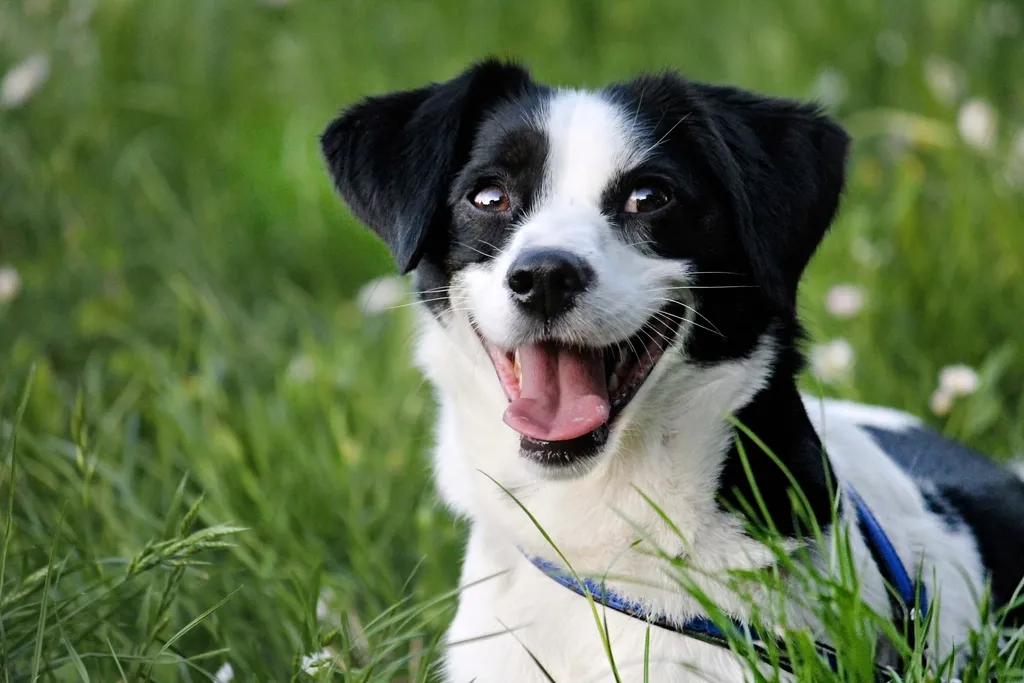
Collies can be sensitive and easily overstimulated when they are young, especially in noisy, unpredictable environments. They may react to sudden movements, sounds, or changes in routine more strongly than some other breeds.
As they age, though, many Collies channel that sensitivity into attunement with their people. They become reliable, steady companions who thrive on clear communication and gentle handling. Once they understand their world and their job in the home, their behavior usually becomes easier and more predictable with every passing year.
#15 Irish Wolfhound – Rapid Growth To Gentle Old Soul
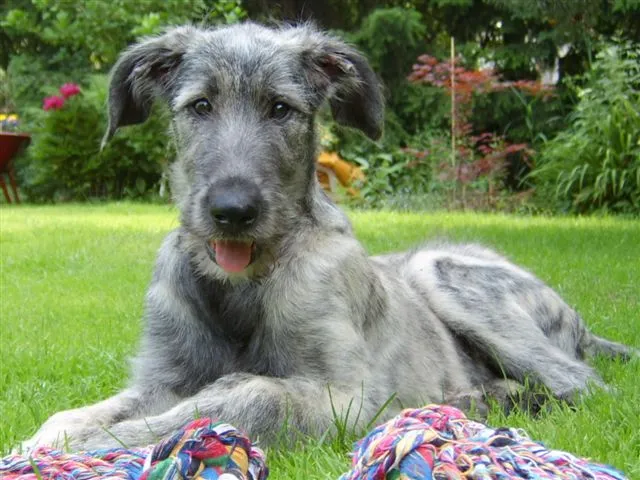
Irish Wolfhound pups and adolescents grow incredibly fast, and their early years can feel like managing a lanky teenager who keeps tripping over their own feet. Careful supervision, joint-aware exercise, and consistent manners training are essential at this stage.
When they mature, many Wolfhounds are astonishingly calm and gentle. Their exercise needs are moderate, and they often prefer peaceful environments and relaxed routines. While their size always matters, their demeanor typically makes them easier companions as time passes and their youthful awkwardness fades.
#16 Mixed-Breed Family Dogs – From Unknown Quantity To Known Comfort
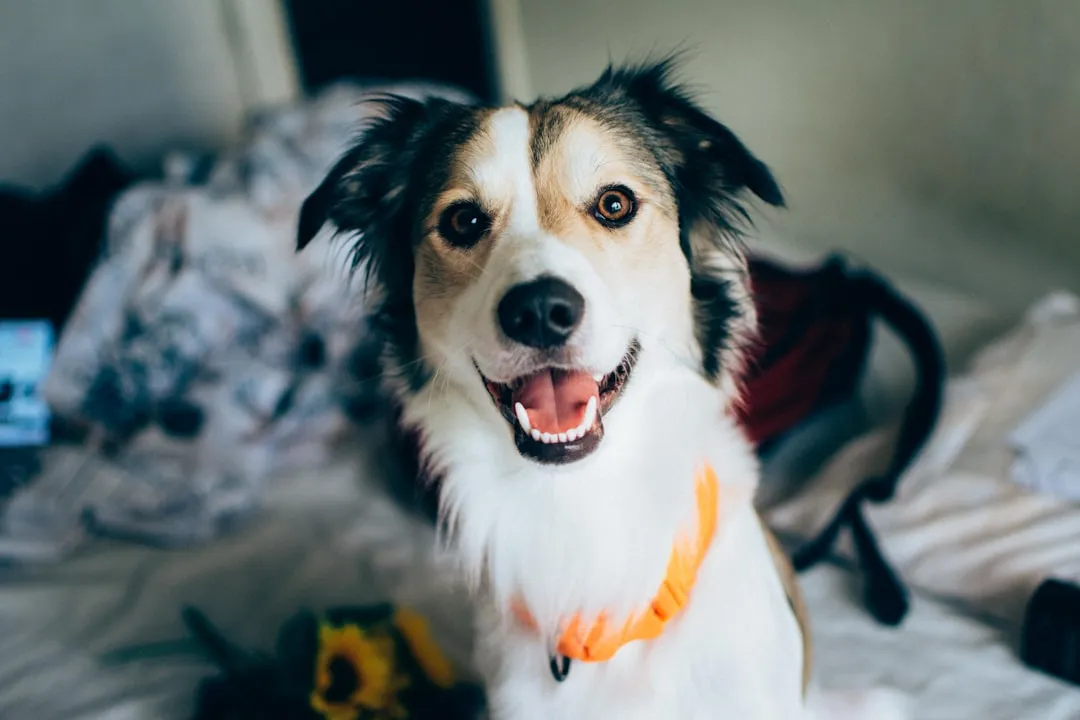
Many mixed-breed dogs start their lives in shelters or rescues with unknown histories. The first weeks and months at home can bring surprises: hidden fears, bursts of energy, or behaviors that show up only once they feel safe. This adjustment period can be emotionally intense.
Over time, though, a lot of mixed-breed dogs become wonderfully easy companions as they settle into stable routines and relationships. Once you’ve learned their quirks and needs, day-to-day life often becomes more predictable and harmonious. That shared history makes the bond feel deeper and the challenges easier to manage.
#17 Senior Rescues – Hard Beginning, Surprisingly Easy Middle
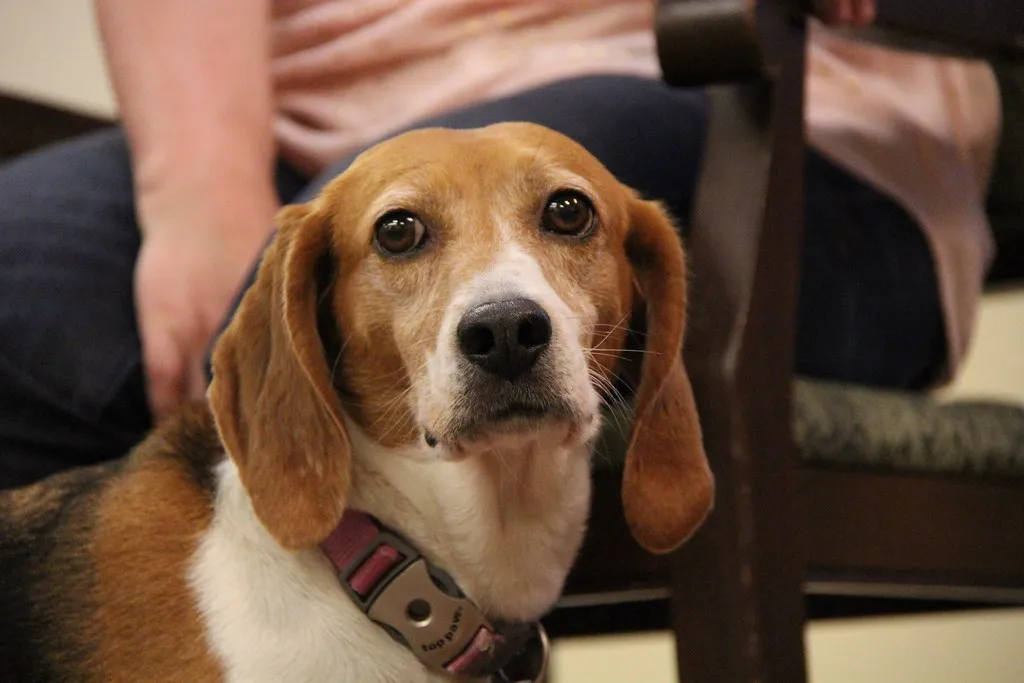
Adopting a senior dog of any breed can feel daunting. You may not know their full medical history, past traumas, or training background. The first stretch together can be emotionally heavy as you discover who they are and what they need.
Yet many people find that once a senior dog settles in, life with them is profoundly simple and rewarding. Their exercise requirements are often modest, their personalities are already formed, and they tend to appreciate routine and comfort. In many cases, every year you spend together feels easier in terms of behavior, even as you remain mindful of their medical needs.
#18 Border Collie – Brilliant But Increasingly Demanding
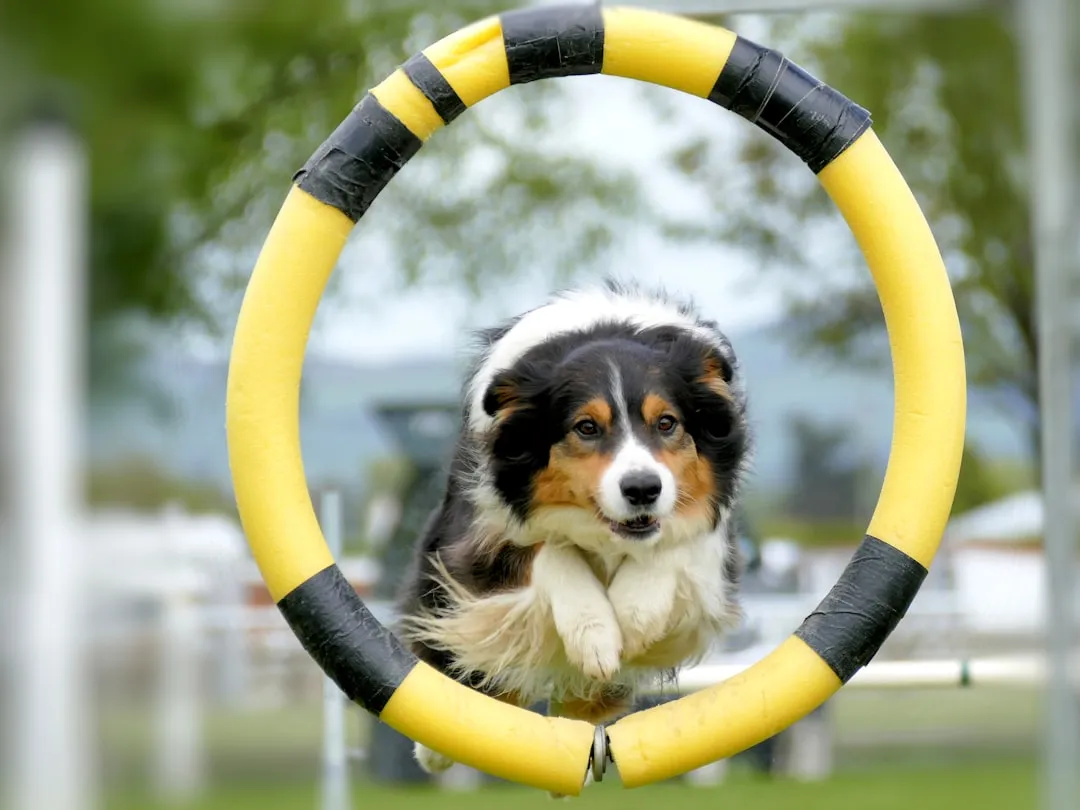
Border Collies are cute fluffballs as puppies, and their intelligence can make early training feel almost effortless. People often mistake this early ease for low maintenance, assuming a smart dog is automatically a simple dog.
As they mature, their mental and physical needs can ramp up dramatically. They may become frustrated, anxious, or destructive if they lack serious outlets for their energy and intelligence. Over time, living with a Border Collie often gets harder for average households, not easier, because they require ongoing work, structure, and engagement well into their senior years.
#19 Australian Shepherd – Energy That Rarely Truly Fades
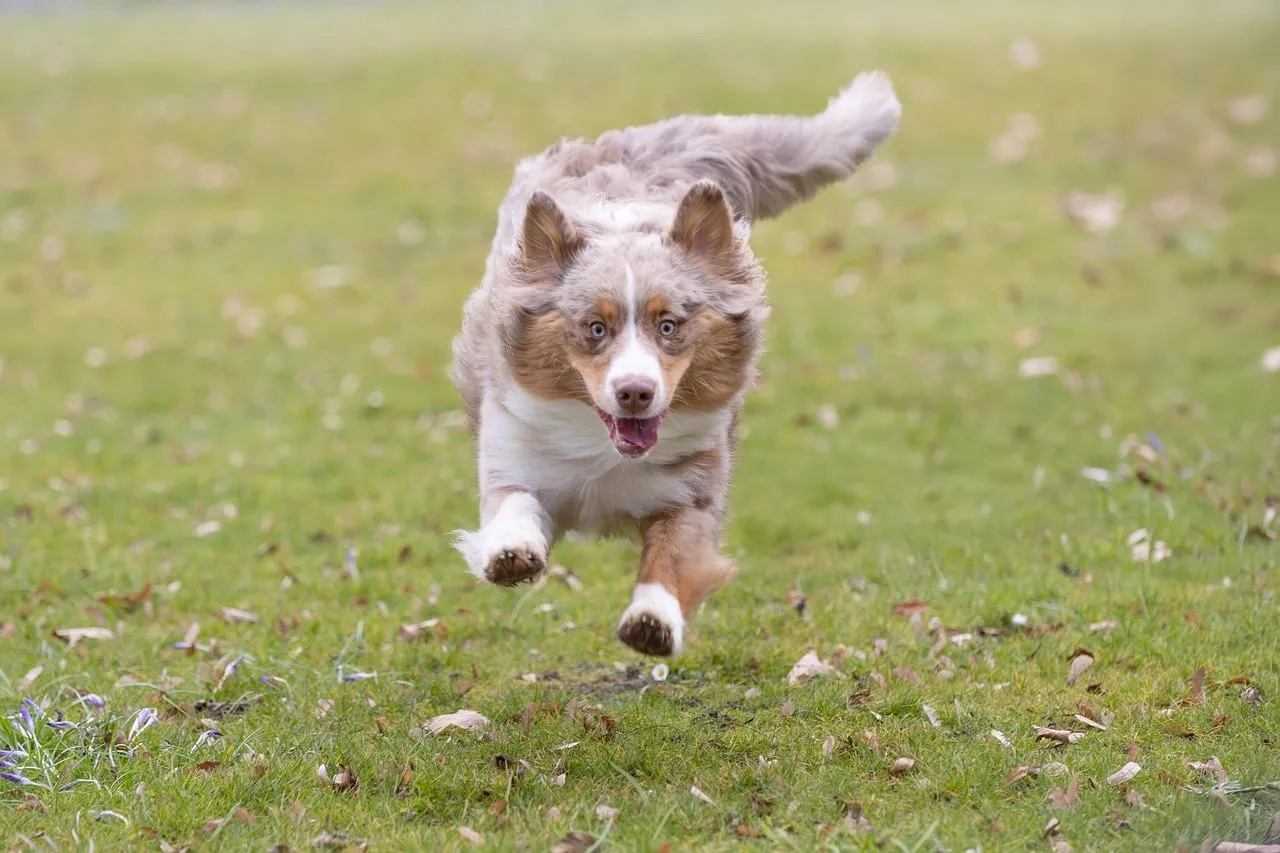
Aussies tend to be eager, trainable puppies, and a lot of early behaviors can be shaped quickly. This can fool people into thinking they will naturally “calm down” with age without much ongoing effort. For many, that is not how it plays out.
As adults, a lot of Australian Shepherds continue to demand extensive exercise and mental work. They can become pushy, vocal, or even neurotic if under-stimulated. Life with them can feel more demanding over time, especially once the novelty wears off and the reality of sustaining their lifestyle needs year after year sets in.
#20 Siberian Husky – Cute Fluff To Escape Artist Professional
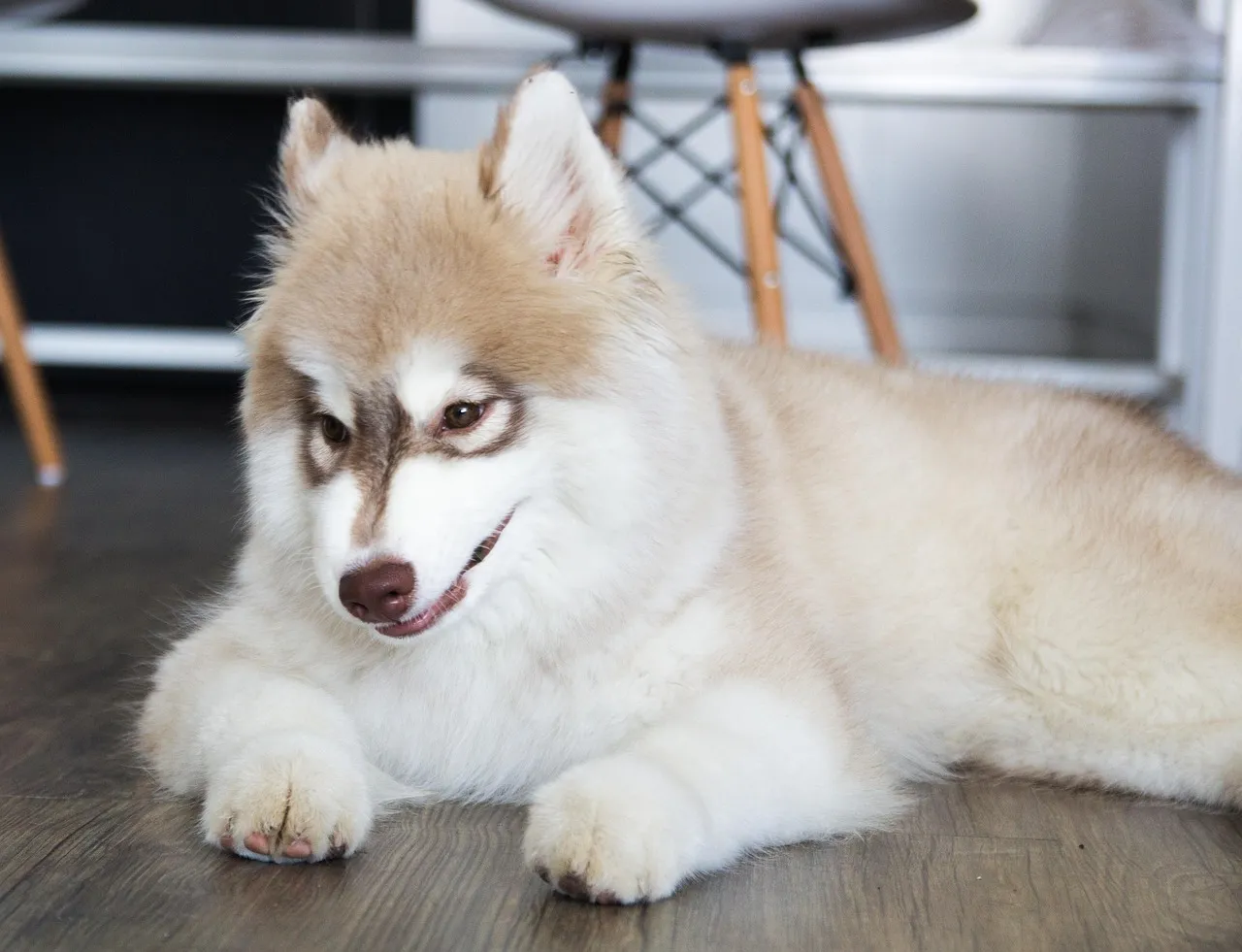
Husky puppies are adorable, and many are surprisingly laid-back indoors for short stretches when they are very young. Their mischief can seem manageable, especially when they are small and easy to pick up or redirect.
With maturity, their endurance, independence, and escape tendencies often explode. Huskies may dig under fences, scale barriers, or run for miles if they slip a leash. Their vocalizations, shedding, and need for serious exercise can make them feel more demanding and harder to manage the older and fitter they become.
#21 German Shepherd – From Obedient Youth To High-Maintenance Adult
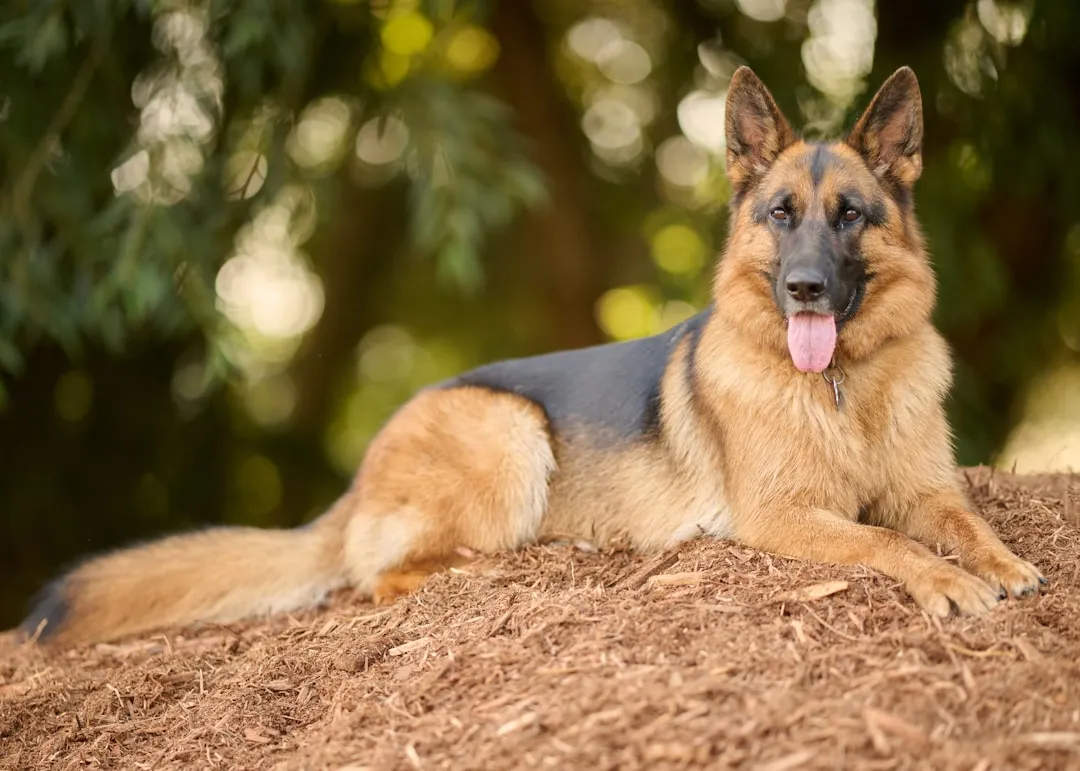
German Shepherd puppies and adolescents can be uncannily responsive to training. They learn fast, often bond deeply, and can appear unusually mature compared to other young dogs. This can create high expectations for how easy they will be long-term.
As they age, their protective instincts and sensitivity can intensify. Without excellent training, socialization, and ongoing mental work, they may become reactive, anxious, or difficult around strangers or new environments. On top of that, potential orthopedic and medical issues can add layers of complexity, making daily life more demanding rather than easier.
#22 Belgian Malinois – Easy Only For The Extremely Prepared
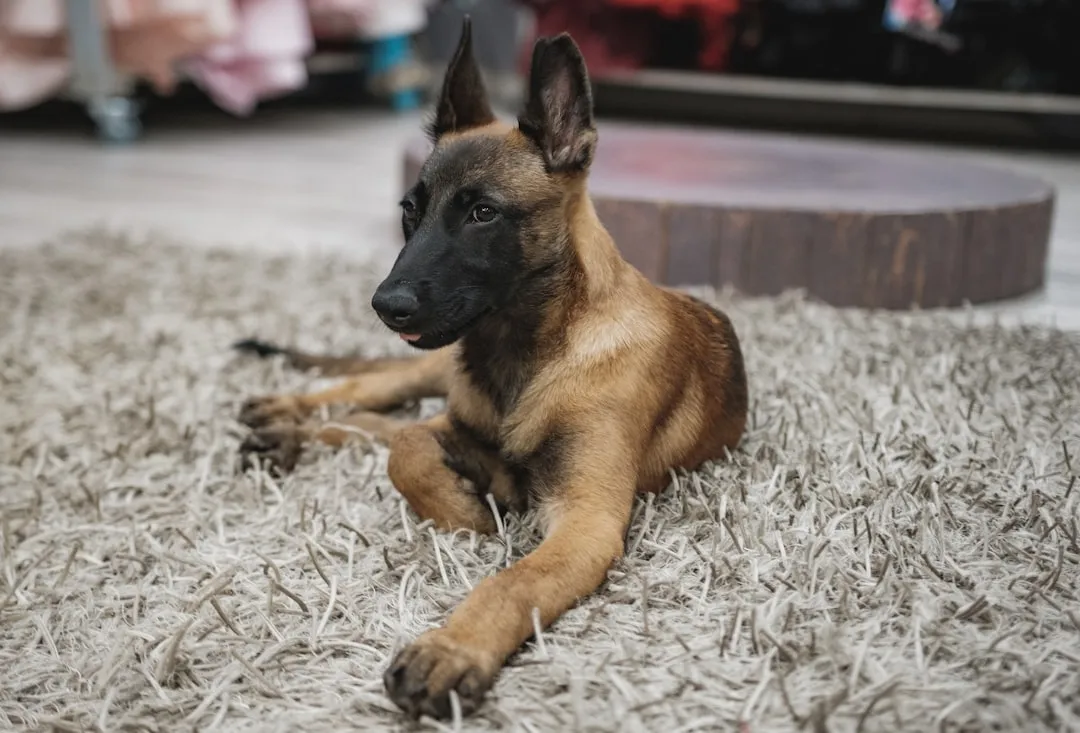
Some Malinois puppies can look like slightly higher-energy Shepherds, which leads inexperienced owners to underestimate them. Early successes with training can make it seem like they are just smart and eager, nothing more complicated than that.
With time, many Malinois turn into relentless working machines. They need intense, structured physical and mental work, often far beyond what the average pet home can provide. Boredom can quickly turn into destructive, obsessive, or even aggressive behavior, and life with them may become considerably harder without a lifestyle built entirely around the dog.
#23 Jack Russell Terrier – Small Body, Growing Demands
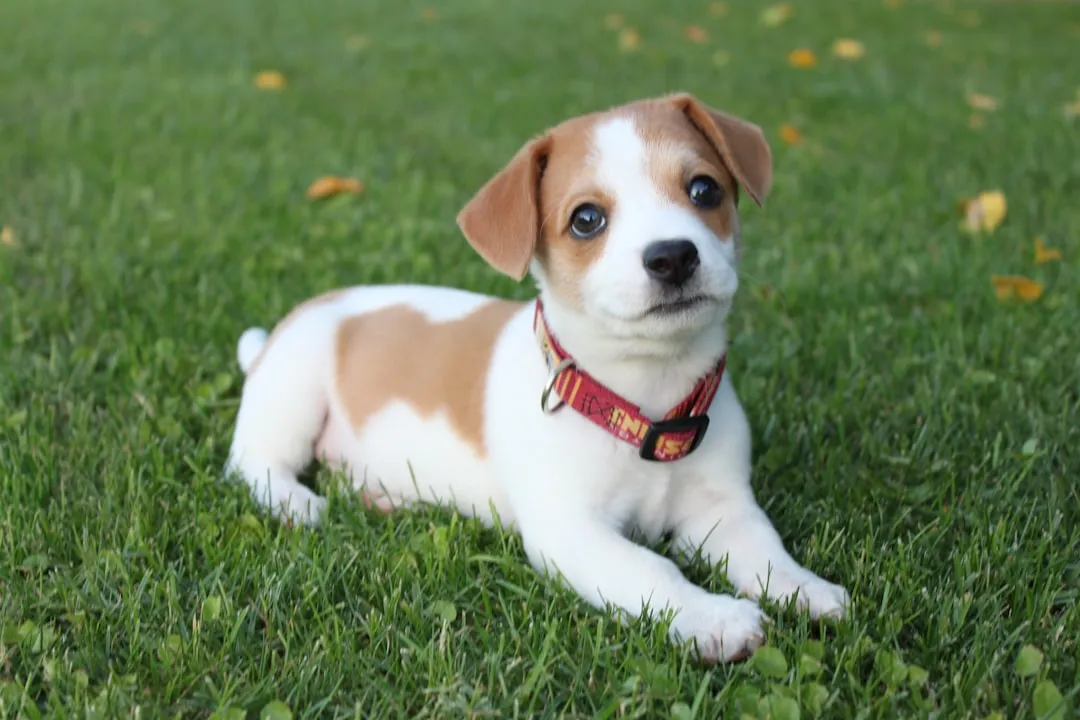
Jack Russell puppies can be cute and seemingly manageable because of their small size. It’s easy to underestimate them when you can scoop them up with one hand and redirect their antics physically.
As they mature, their drive, intensity, and determination really show up. They are tireless chasers, diggers, and thinkers, and they can become frustrating or even overwhelming if not given serious outlets. Their small size does not reduce their needs, and in many homes they become more difficult with age as their stamina and confidence grow.
#24 Dalmatian – From Spotted Novelty To High-Energy Lifelong Project
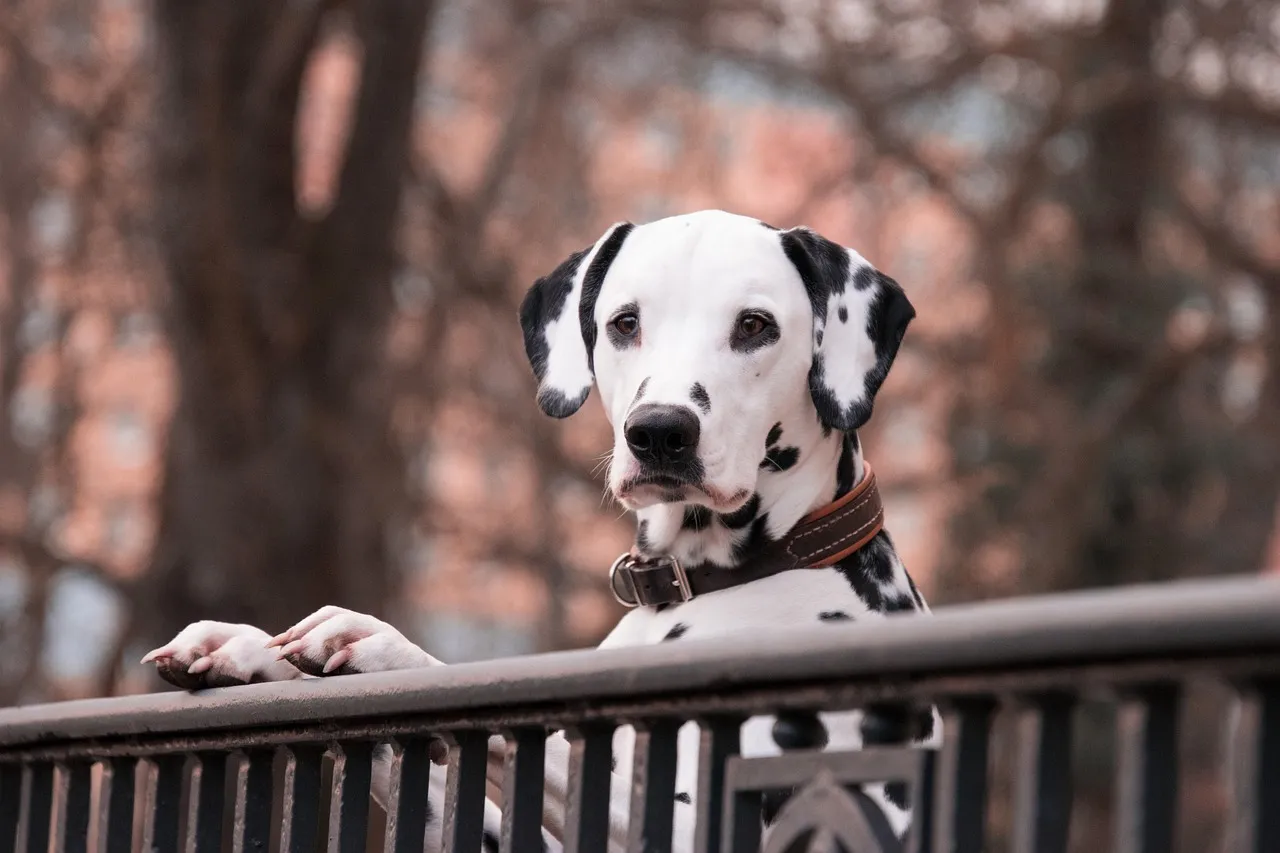
Dalmatians often attract people with their looks, and as puppies they can seem like standard energetic family dogs. Early training may go relatively well, especially if the household is excited and engaged at the beginning.
Later, their endurance and energy can become a real challenge. Many Dalmatians were historically bred for long-distance running alongside horses, and that legacy shows up in adult life. Without consistent, intense exercise and engagement, they can become restless, destructive, or neurotic, making them harder, not easier, as years pass.
#25 Rottweiler – Strength, Confidence, And Growing Responsibility

Rottweiler puppies can be goofy and manageable, especially when they are still small enough to handle easily. Early obedience often comes quickly thanks to their intelligence and food motivation, which can create a sense of security about future behavior.
As they age and gain full size and confidence, the stakes increase. Their guarding instincts can amplify, and any training gaps or inconsistencies become more serious concerns. Managing a powerful adult Rottweiler responsibly requires ongoing work, clear boundaries, and a real commitment to socialization, which can make life with them more demanding over time.
#26 Tiny Toy Breeds (General) – Cute Now, More Fragile Later
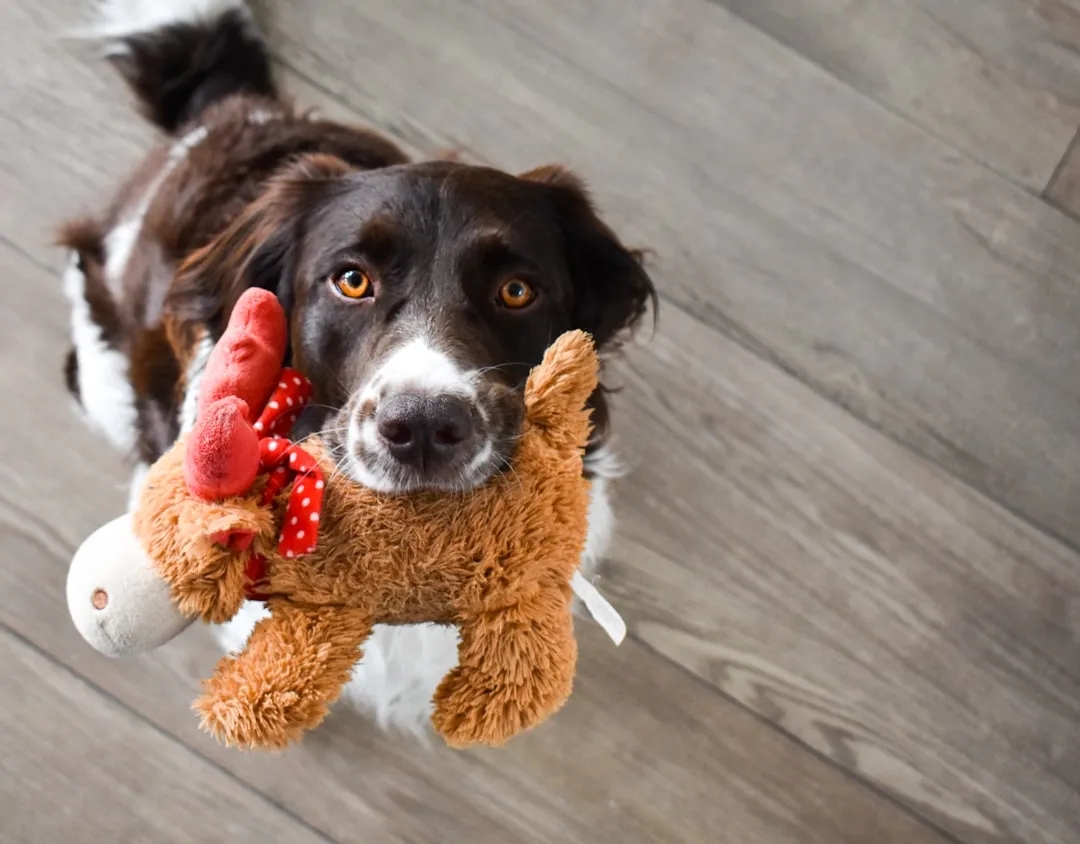
Many tiny toy breeds, from Chihuahuas to toy Poodles and similar mixes, seem easy when young simply because they take up so little space. Early on, owners often carry them everywhere, and physical management can hide deeper behavior or training issues.
As they age, their fragility, potential dental problems, and risk of injury can increase. Owners may find themselves constantly managing jumps, stairs, rough handling from children, and health monitoring. Even if they are affectionate and bonded, the level of vigilance required to keep them safe and comfortable can make life with them feel more complicated with each passing year.
Conclusion – Choosing The Dog That Grows In The Same Direction You Do
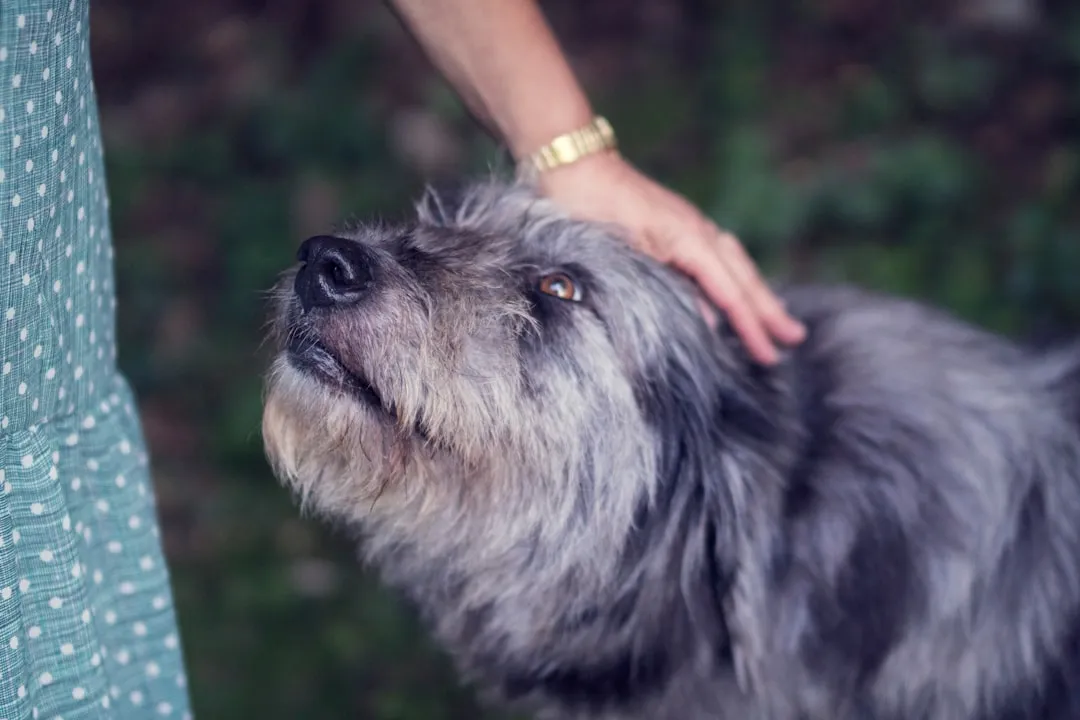
What really stands out across these breeds is not that some are “good” and others are “bad,” but that they age in very different directions. Some wild youngsters mellow into comforting old souls who fit easily into a slower, steadier life. Others grow into their full working potential and become more demanding just as many people hope to slow down.
I’ve learned the hard way that the real question is not whether a breed is easy right now, but whether you can happily live with what that dog will likely be like in five or eight years. If you love running, training, and constant projects, a high-drive breed getting “harder” with time might feel perfect. If you dream of slow mornings and a dog that softens into the furniture with you, one of the mellowing breeds might be your match. When you picture your life a decade from now, which kind of dog do you actually see by your side?
