
Walk through most suburban yards in late October and you’ll see the same thing: crispy hostas, bare rose bushes, and a lawn that basically apologizes for existing. Everyone assumes the wildlife buffet closed when the tomatoes did.
Except it didn’t. The most critical feeding window for birds, bees, and butterflies actually happens after summer ends – and almost nobody plants for it. Garden centers sell you July color and call it a day. Habitat gardeners know better, and what they quietly plant in their yards looks nothing like what’s dying in yours.
#1 – New England Aster: The Last Call Nectar Bar
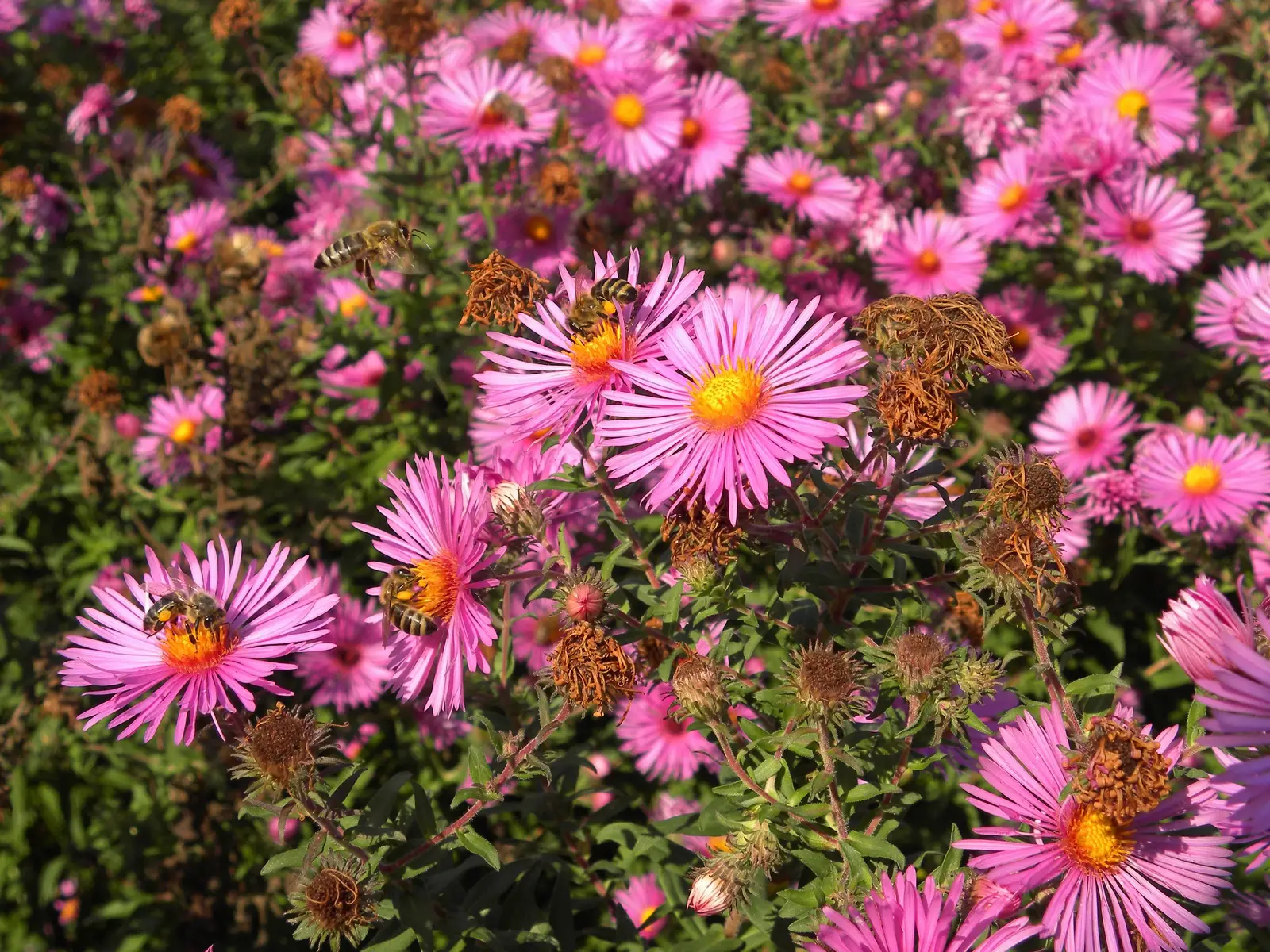
New England aster isn’t just “some purple fall flower.” It’s one of the final, critical nectar sources for native bees and migrating monarchs when almost everything else has checked out for the year. Loaded with daisy-like blooms in purple, pink, or white, this shrub-like perennial turns into a buzzing airport of late-season activity.
Honeybees, bumblebees, tiny native solitary bees, and butterflies all tank up here before the cold shuts the buffet down for good. Skip deadheading and let the flowers go to seed, and finches show up next, hopping stem to stem to strip the seedheads clean.
Fast Facts
- Native to most of the eastern and central U.S., often found in meadows and roadside ditches
- Blooms typically run from August through October, right as most other flowers fade
- Grows 3 to 6 feet tall in full sun with average to moist soil
- Attracts native bees, honeybees, and migrating monarchs during peak nectar demand
Most homeowners yank asters out the moment they flop over in August. Smarter gardeners cut them back by half in early summer so they grow stockier and stay upright straight through the first frost.
#2 – Beautyberry: Neon Berries Birds Can’t Resist
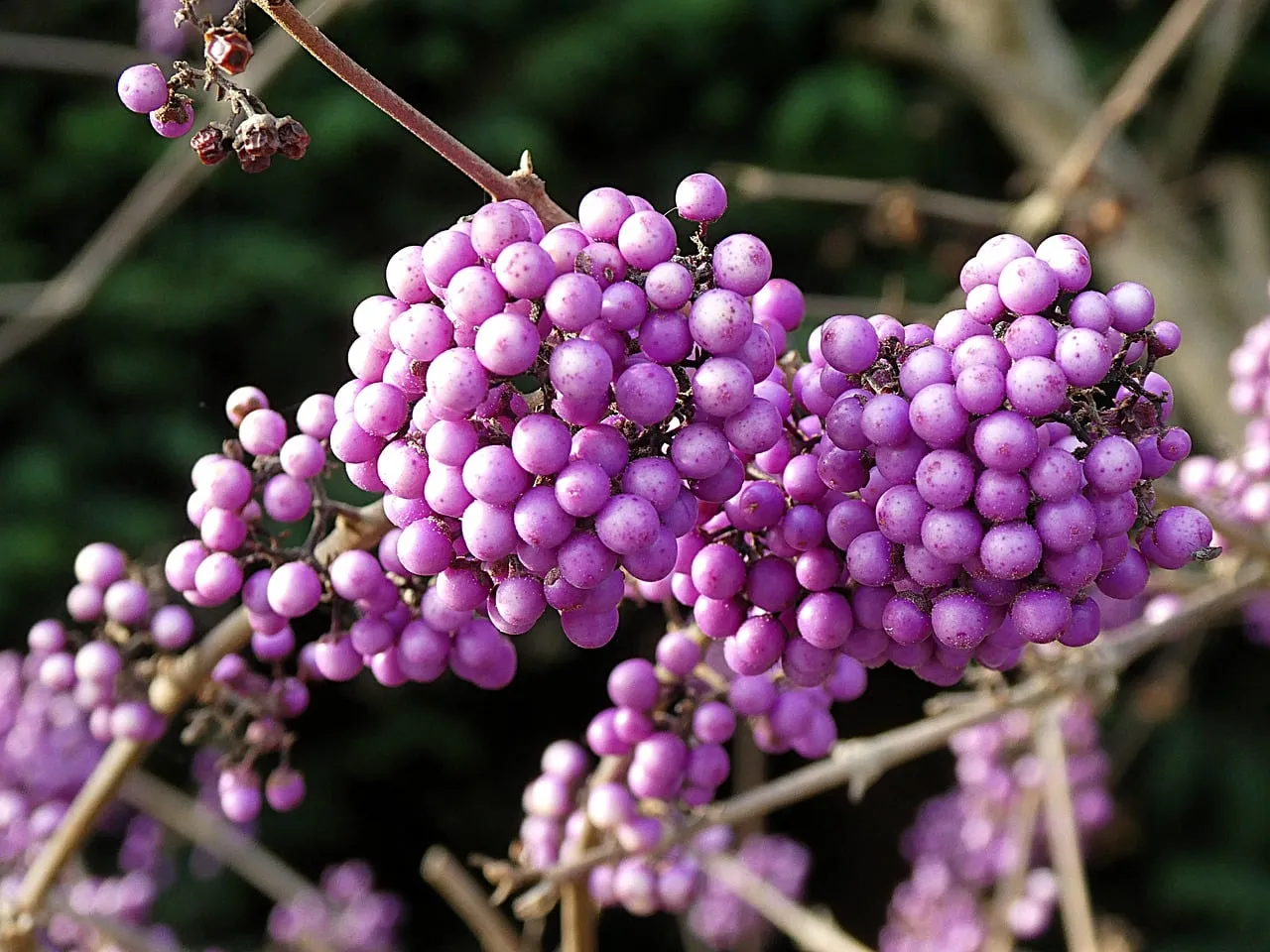
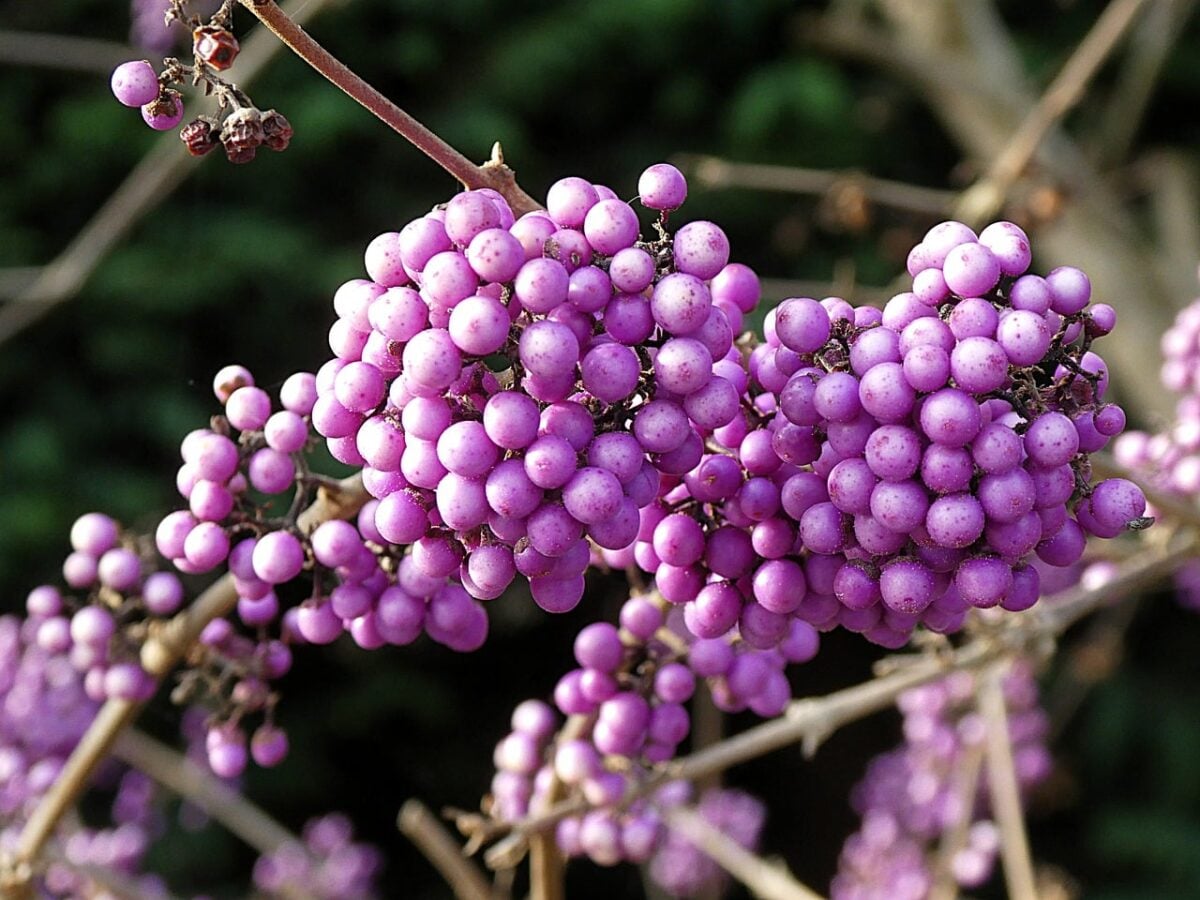
Most shrubs fade quietly into the background by October. Beautyberry does the exact opposite – it suddenly erupts with electric-purple berries so bright they look Photoshopped. The flowers earlier in summer are tiny and easy to miss, but they’re already doing quiet work for pollinators.
The real payoff shows up when songbirds like mockingbirds, catbirds, and thrashers descend on those glowing clusters in early to mid-fall. They hang along gracefully arching stems, and the whole shrub ends up looking like it’s wearing jewelry.
Even after the leaves drop, the berries stick around, basically running as a winter bird feeder you never have to refill. Some landscapers still write it off as “too wild,” but native-plant experts now treat it as one of the easiest high-value shrubs a backyard can have.
#3 – Winterberry Holly: The Bird Feeder Nobody Has to Refill
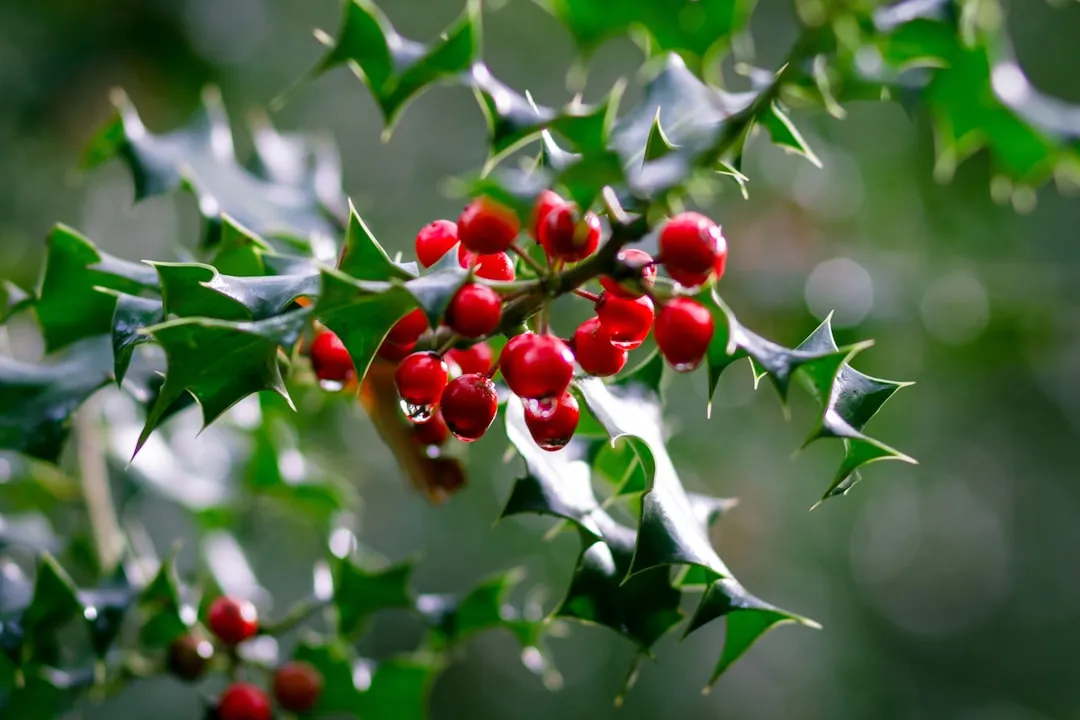
If you’ve ever spotted a leafless shrub covered in berries like Christmas ornaments, you’ve met winterberry holly. Unlike the spiky evergreen holly from holiday wreaths, this native drops its leaves in fall and leaves bare branches loaded with bright red berries that sustain birds deep into winter.
Robins, cedar waxwings, bluebirds, and even hungry squirrels all take turns raiding the crop once other food sources dry up. The berries often hang on into January, glowing red against snow like nature refused to turn the lights off.
Worth Knowing
- Needs at least one male plant within roughly 50 feet of females to produce berries
- Berries can persist from October well into January if birds don’t strip them first
- Thrives in moist, slightly acidic soil – great for low spots that stay wet
- Deciduous, so branches go leafless in fall, making the berry display even more dramatic
Here’s the part garden centers rarely mention: you need both a male and female plant nearby for real fruit production. That’s exactly why so many people plant one bush, wait for berries, and end up disappointed for years without knowing why.
#4 – Viburnums: The Overachievers of Fall Wildlife Gardens
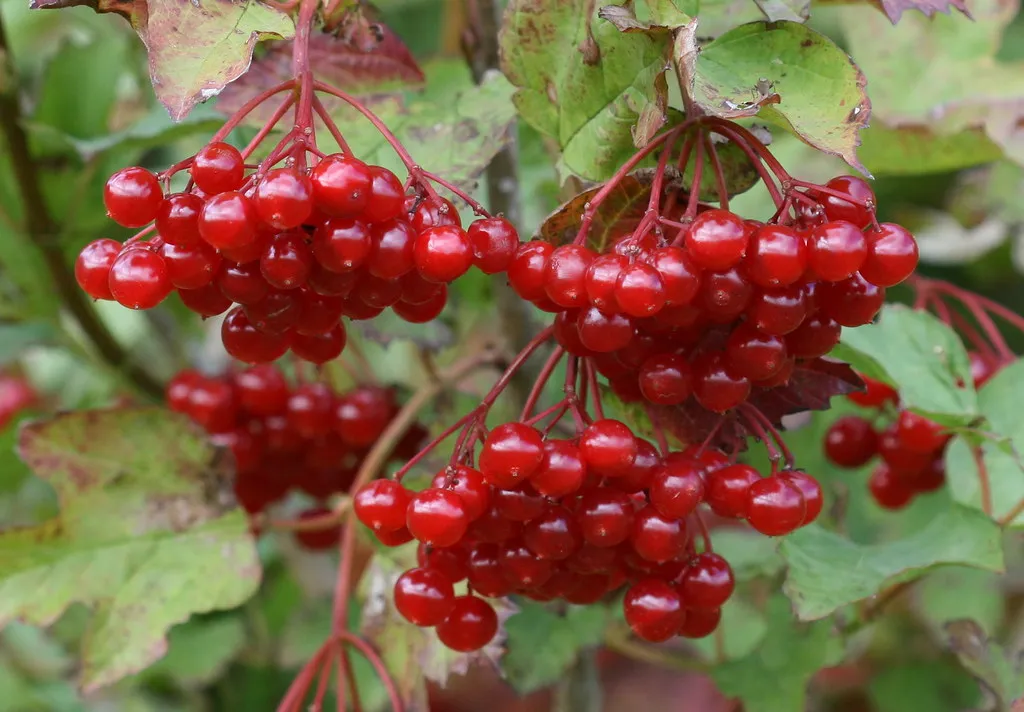
Viburnums might be the most underrated shrubs in North American yards. While boxwoods and yews just sit there doing nothing for wildlife, many viburnum species provide spring nectar for pollinators, then fall berries that fuel birds well into the cold months. Think of them as the full-service diner on the wildlife highway – food early, food late, shelter year-round.
Native species like arrowwood and blackhaw are especially valuable, ripening from late summer into fall in shades of blue, black, or red depending on the species. Thrushes, cardinals, and woodpeckers all show up to raid them, and the dense branching keeps offering cover long after the fruit is gone.
Some landscapers still push sterile viburnum varieties that flower beautifully but produce almost no fruit. Wildlife-focused gardeners skip those on purpose – it’s a quiet rebellion against landscaping that looks good but feeds nothing.
#5 – Joe Pye Weed: The Monarch Magnet Disguised as a Shrub
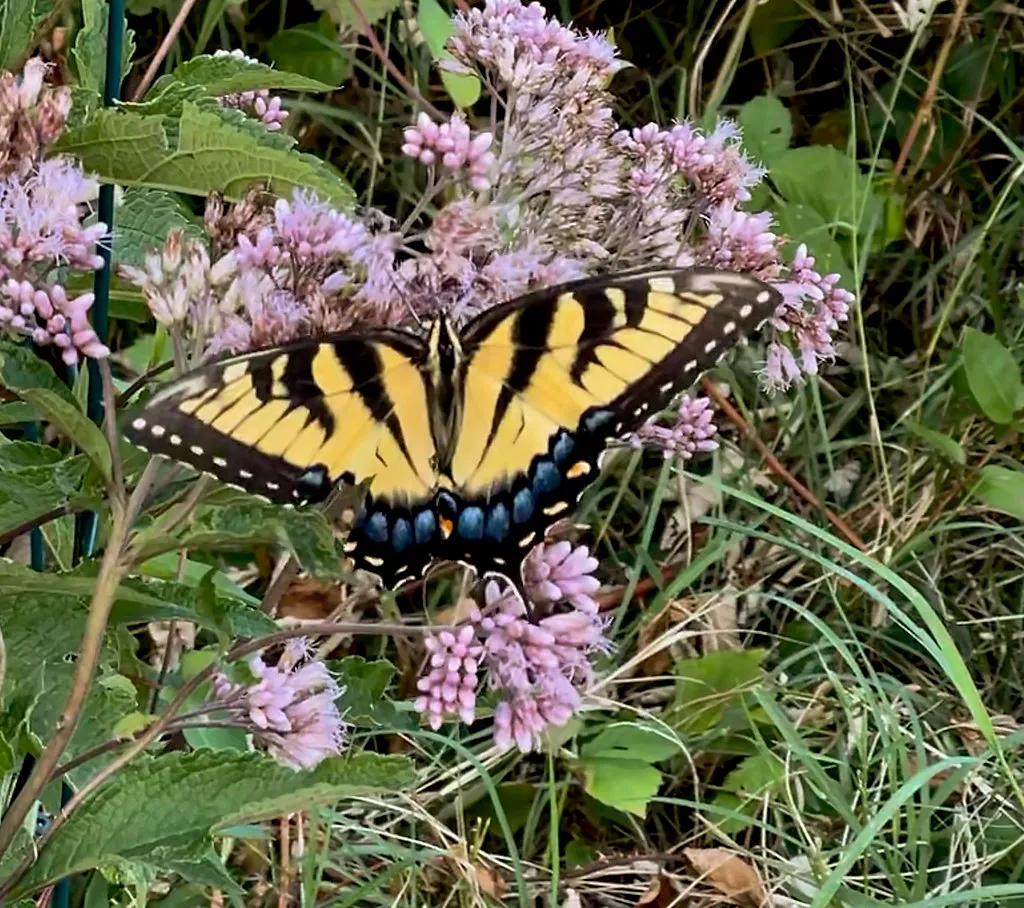
Technically a perennial, Joe Pye weed grows so tall and substantial – often 5 to 7 feet – that it behaves like a shrub in the garden. Wildlife treats it that way too. In late summer, its huge, fluffy mauve-pink flower clusters become some of the busiest pollinator hotspots in the yard, especially for butterflies fueling up before migration.
Monarchs, swallowtails, and countless native bees swarm the blooms right when they need it most. As the flowers fade, they turn into seed clusters that stand tall through frost and even light snow.
At a Glance
- Height: often 5 to 7 feet, sometimes taller in rich, moist soil
- Bloom window: mid-summer through early fall
- Top visitors: monarchs, swallowtails, and a wide range of native bees
- Bonus: dried seedheads stay upright through winter, feeding birds and adding structure
Most people cut Joe Pye down the second it browns, not realizing those “ugly” seedheads are basically winter bird feeders on stems. Leave them standing until spring, and your yard stays lively on the grayest days of the year.
#6 – Red Osier Dogwood: Twigs for Style, Berries for Survival
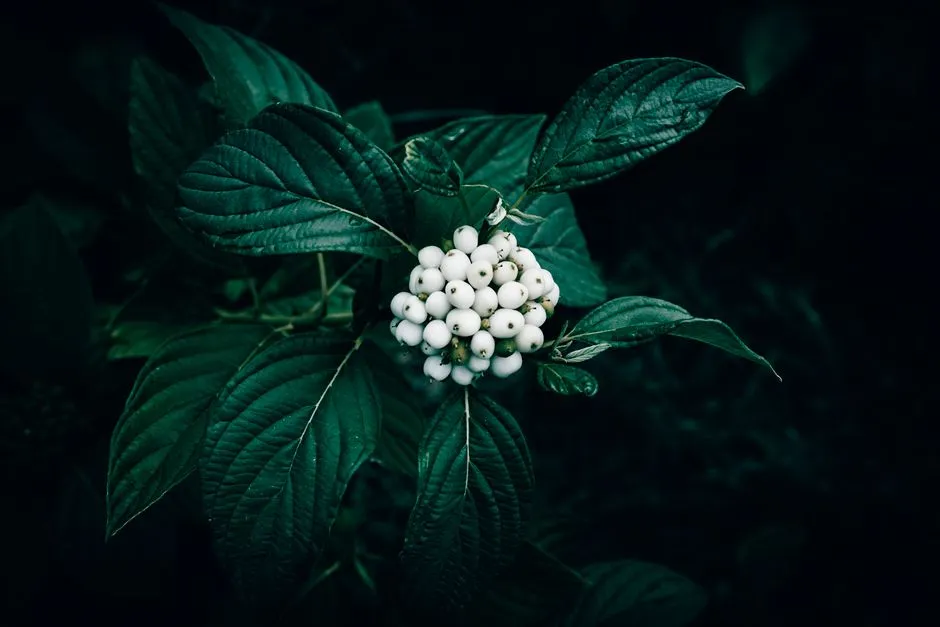
Red osier dogwood usually gets bought for its bright red winter stems, but wildlife knows it for something else entirely. Flat clusters of white spring flowers quietly support pollinators first. Then, as summer slides into fall, the plant sets creamy-white berries that give migrating birds a badly needed calorie boost before the real cold hits.
Those berries never last long – robins, thrushes, and waxwings strip them fast, sometimes within days. Once the fruit disappears, the vivid red twigs take over as visual structure in a snowy yard, and the dense branching becomes cover for sparrows and juncos hopping underneath.
Landscapers usually plant it purely for looks, but conservation groups increasingly recommend it for riparian restoration and wildlife corridors because it feeds so many species while stabilizing soil at the same time.
#7 – Serviceberry: The Shrub Birds Prefer Over Your Feeder
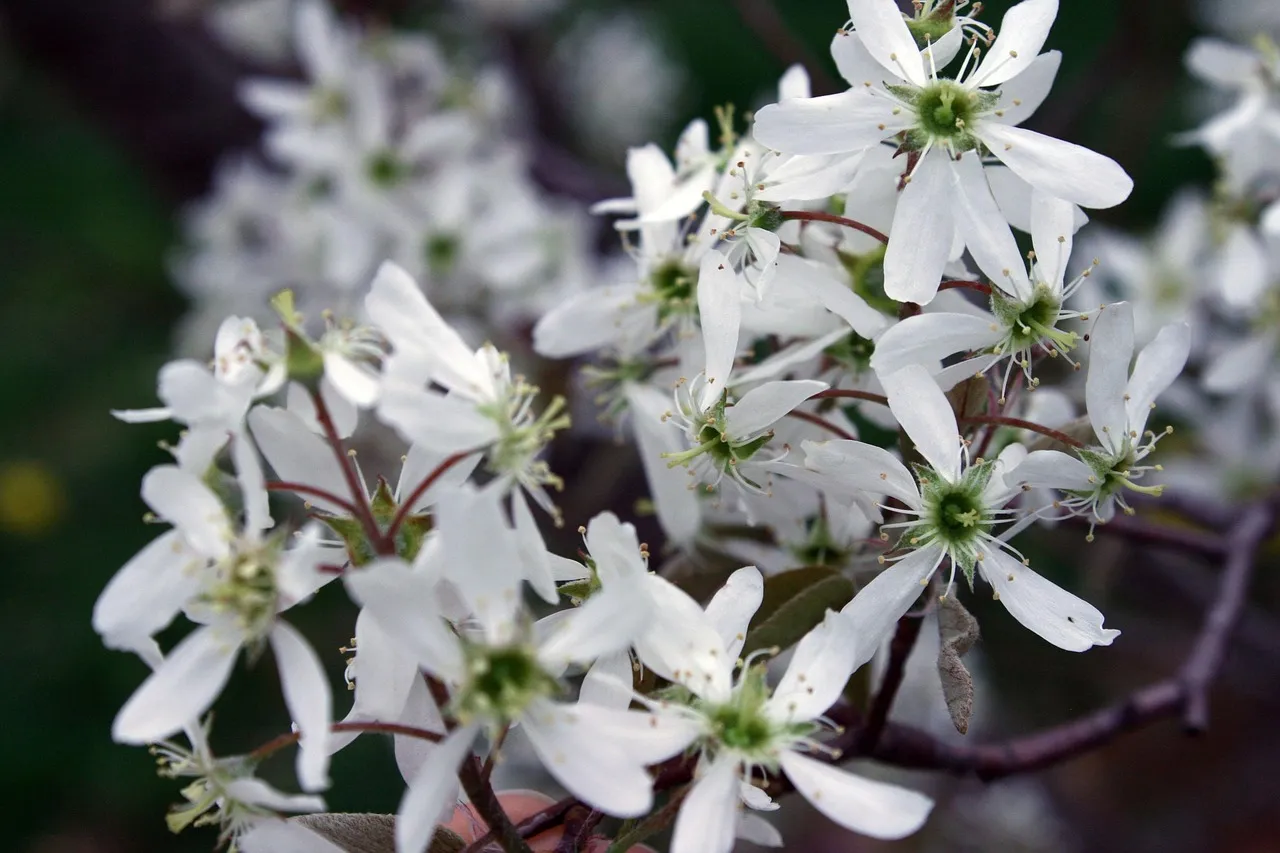
Here’s a slightly controversial take: plant serviceberry, and your bird feeder basically becomes optional. This multi-stem shrub fruits early, in late spring or early summer, but its pull on wildlife lasts well past that. Birds remember where the food was, and they keep coming back for shelter, insects, and the occasional leftover berry.
Robins, catbirds, grosbeaks, and orioles all key in on the same plant year after year, like it’s marked on some invisible bird map. The berries are edible for humans too – often described as a cross between blueberry and almond – but good luck beating the birds to them.
As fall arrives, the foliage turns a fiery mix of orange and red, and the branching structure offers roosting spots and hunting perches for insect-eating birds. Ecologists routinely rank serviceberry among the top native shrubs for multi-season wildlife support, and once you watch the traffic it pulls, a plastic feeder starts to feel like a downgrade.
#8 – Blue Mist Shrub: The Late-Blooming Bee Frenzy
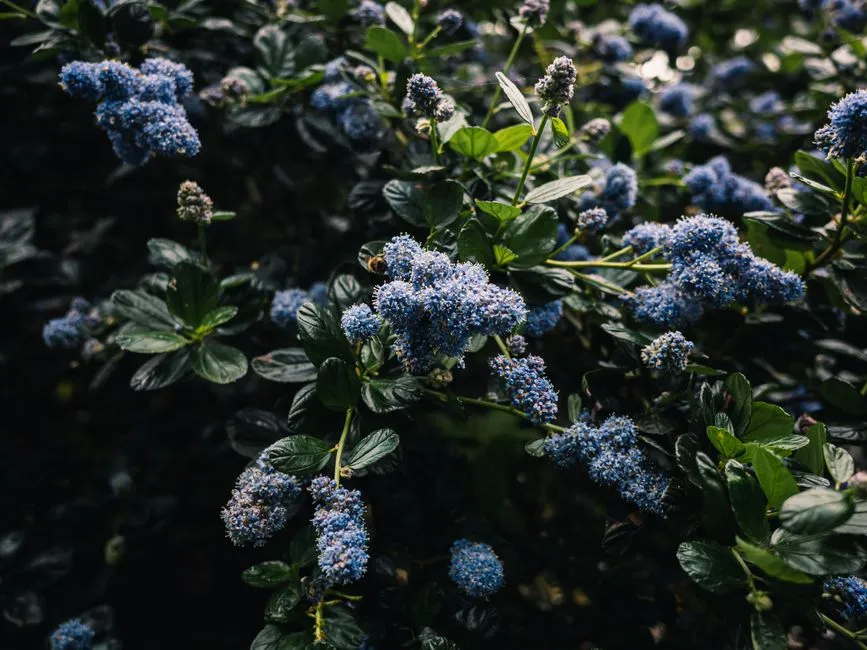
When most flowering shrubs have already burned out by August, blue mist shrub is just getting started. Covered in soft blue, lavender, or violet blooms, it becomes a late-season magnet for bees, hoverflies, and butterflies right when many pollinator gardens have already gone quiet.
That timing isn’t a coincidence, and it isn’t small stuff either. Late summer and early fall are when pollinators are bulking up for winter, and caryopteris nectar works like a high-calorie smoothie right before the cold hits.
Why It Stands Out
- Blooms later than most flowering shrubs, often peaking in late August and September
- Compact size (2 to 3 feet) fits foundation plantings and small yards easily
- Draws bees, hoverflies, and butterflies exactly when other nectar sources dry up
- Low-maintenance and drought-tolerant once established
The shrub stays compact enough for smaller yards or front foundations, so it won’t spark complaints about “messy natives.” On a sunny September afternoon, though, it can host dozens of pollinators at once, quietly filling a gap most gardeners don’t even realize is dangerous for colony survival.
#9 – Sumac: The Powerhouse People Still Call a “Weed”
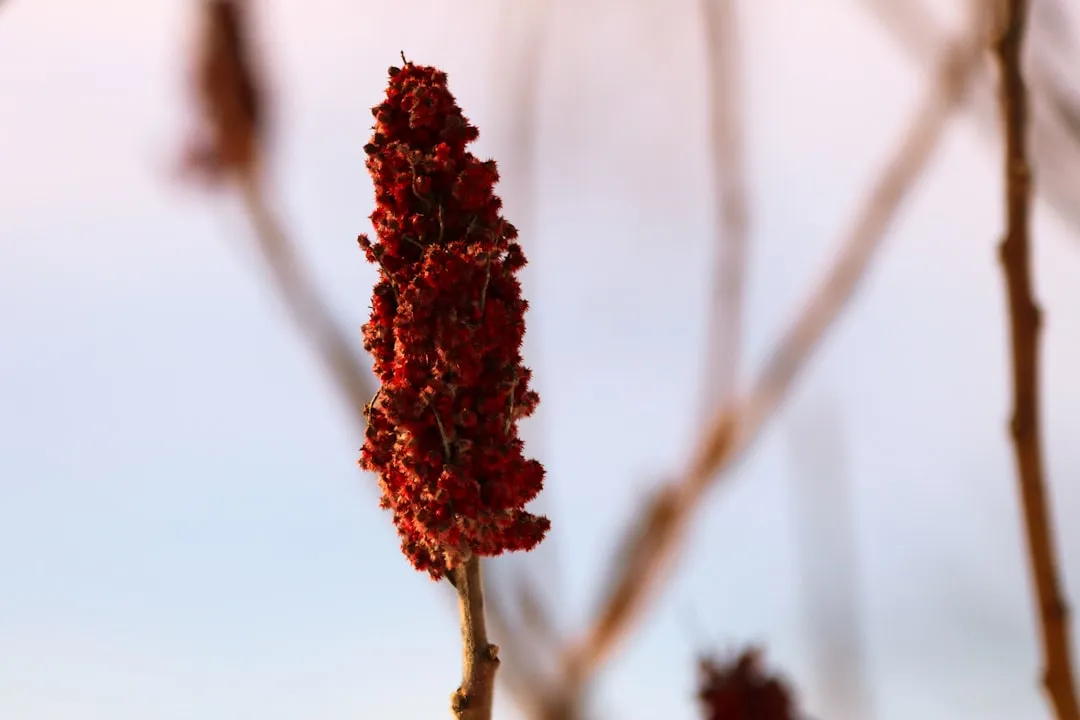
Sumac might be the most unfairly hated shrub in American yards. People confuse it with poison sumac, slap on labels like “invasive” or “dangerous,” and rip it out on sight. The truth is the opposite: native staghorn and smooth sumac are wildlife powerhouses that keep feeding birds long after your decorative annuals are dead.
Its upright red berry clusters form in late summer and can persist deep into winter, working as backup rations when little else is left. Over 30 species of birds have been documented feeding on sumac fruit, including bluebirds, flickers, grouse, and towhees, while the fuzzy antler-like stems double as perches and the spreading thickets shelter small mammals.
Is it tidy? Not even close. But while suburban HOAs treat it like a nuisance, restoration ecologists plant native sumac on purpose for erosion control, pollinator support, and long-season bird food. If you’ve got the space and care more about wildlife than perfectly trimmed edges, sumac is the quiet rebellion your yard has been missing.
The Bottom Line
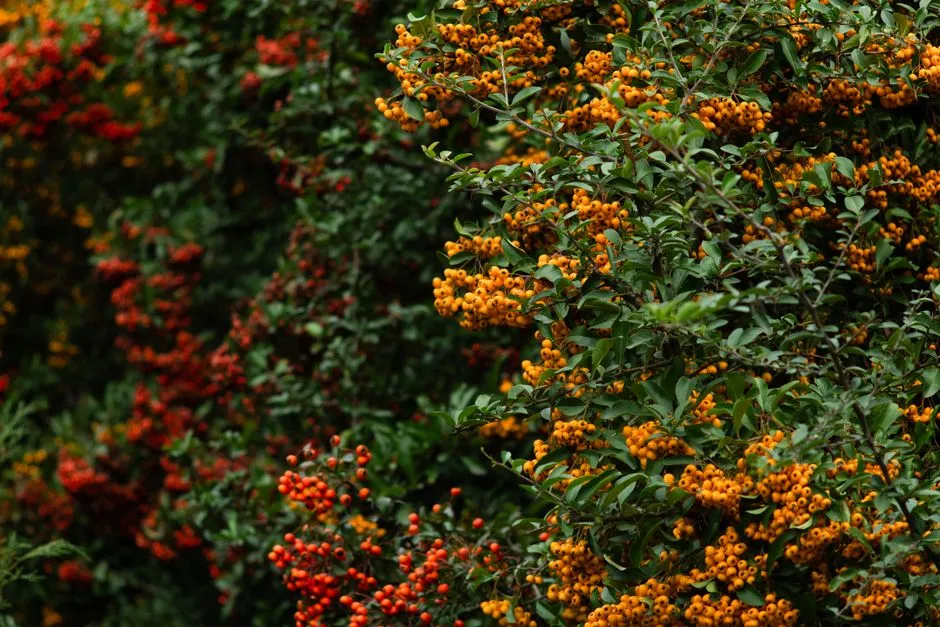
Most landscaping chases curb appeal for the Fourth of July, then quietly starves wildlife for the rest of the year. Every shrub on this list flips that script – they bloom late, hold fruit into winter, and turn the “off-season” into the most important feeding window your yard has.
Yes, some of them look a little wild. Yes, your HOA or that one neighbor might prefer trimmed boxwoods and sterile hydrangeas that do absolutely nothing once the flowers drop. But sterile plants make sterile yards, and sterile yards make hungry birds.
If you actually want your backyard to matter to something other than curb appeal, you can’t just garden for summer selfies. Plant for the months when food gets scarce – that’s when your yard either shows up for wildlife, or it doesn’t. Which of these would you swap in for a pretty-but-useless shrub on your block, and what would you add to the list?
