
Ask ten random Americans how U.S. wildlife is doing, and nine of them will tell you the same grim story: fewer animals, shrinking habitat, extinction creeping closer every year. It’s the story we’ve all absorbed by osmosis, and honestly, a lot of it is true.
But quietly, in desert canyons, suburban backyards, and marshes most people never think twice about, something else has been happening. Species that were supposed to be gone – some down to a few dozen animals on the entire planet – have been clawing their way back. Not all of them are the famous ones. Some of these comebacks are so under-the-radar that even people who love the outdoors have never heard the full story. Here’s what’s actually happened, animal by animal.
#10 – The Desert Bighorn Sheep Return to the Cliffs
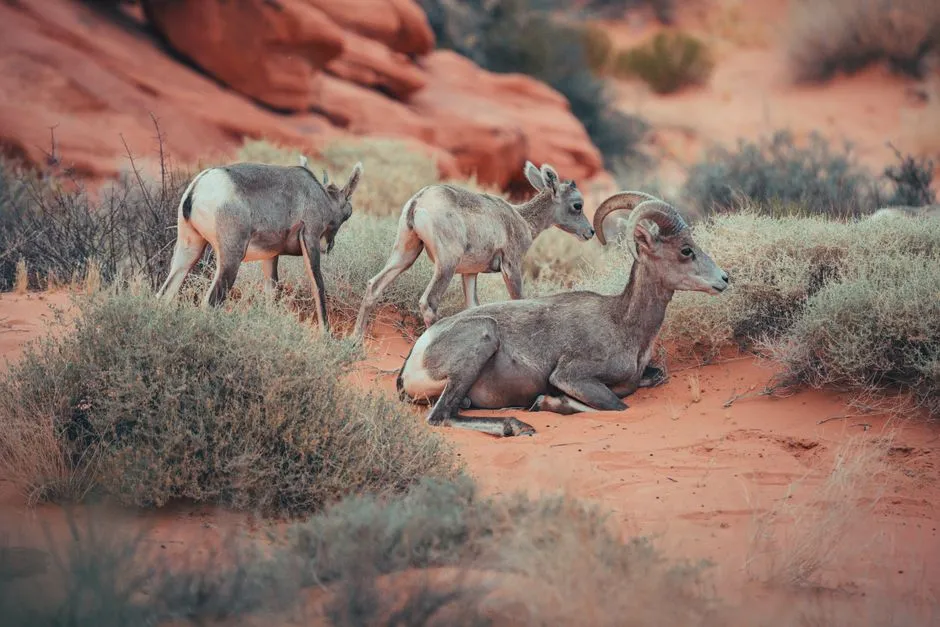
Most people hear “bighorn sheep” and picture snowy Rocky Mountain peaks. Almost nobody pictures the desert version – because for a long stretch of the 20th century, there basically wasn’t one to picture. Disease spread from domestic sheep, unregulated hunting, and water development that favored cattle over wildlife wiped desert bighorn off entire mountain ranges in the Southwest.
In some ranges, they didn’t just decline. They vanished completely. Starting in the 1980s and 90s, state agencies and tribes began quietly airlifting sheep by helicopter into “ghost” ranges that hadn’t heard a hoof click on rock in decades. Combined with strict hunting limits and dedicated wildlife-only water sources, it worked better than almost anyone expected. Today, parts of Nevada, Arizona, and California have stable, huntable herds again – something old-timers in the 1960s would have laughed off as fantasy. And that’s the mild version of what’s coming next.
Fast Facts
- Desert bighorn vanished entirely from some Southwest mountain ranges by the mid-1900s.
- Helicopter airlifts starting in the 1980s and 90s moved sheep back into empty ranges.
- Man-made “guzzlers” now supply water year-round in bone-dry terrain.
- Nevada, Arizona, and California all maintain regulated, huntable herds today.
#9 – Black Bears Quietly Moving Back Into the Suburbs
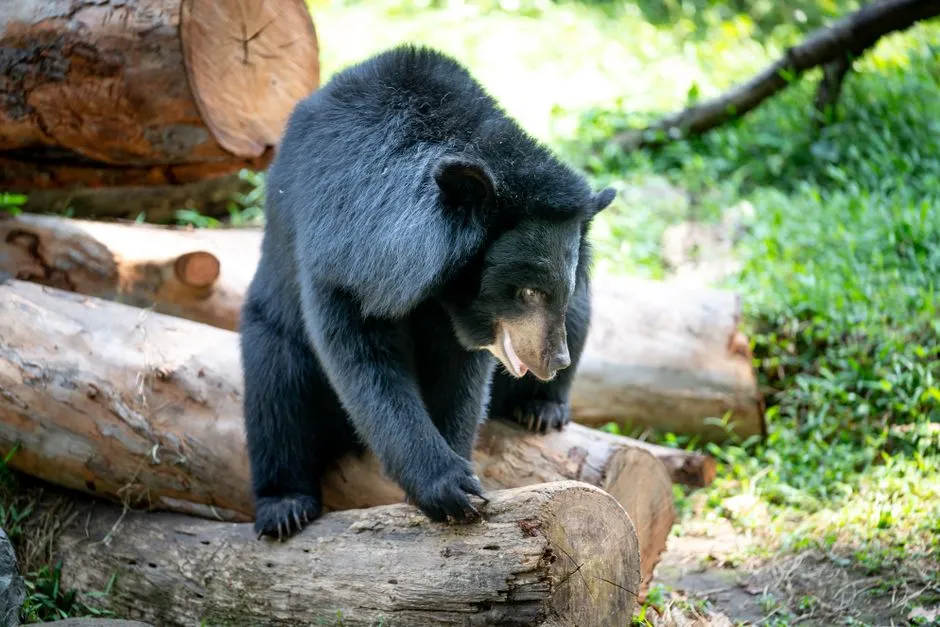
Black bears are supposed to be a deep-woods animal, miles from the nearest cul-de-sac. Tell that to the residents of Massachusetts and New Jersey who keep finding bears on their Ring cameras, elbow-deep in a trash can or floating in the backyard pool.
Black bears have rebounded so hard in the East that they’re recolonizing farmland and suburbs where they disappeared a century ago. It’s not an accident – decades of regulated hunting, habitat protection, and small farms reverting back to forest gave bears exactly the room they needed. Biologists call it one of the genuine good-news stories in American conservation. Homeowners are a lot less unified. Some love watching wildlife return to their backyard; others want every bear tranquilized and hauled off immediately. That tug-of-war between ecological success and human patience is only going to get louder.
#8 – The American Alligator’s Comeback From the Brink
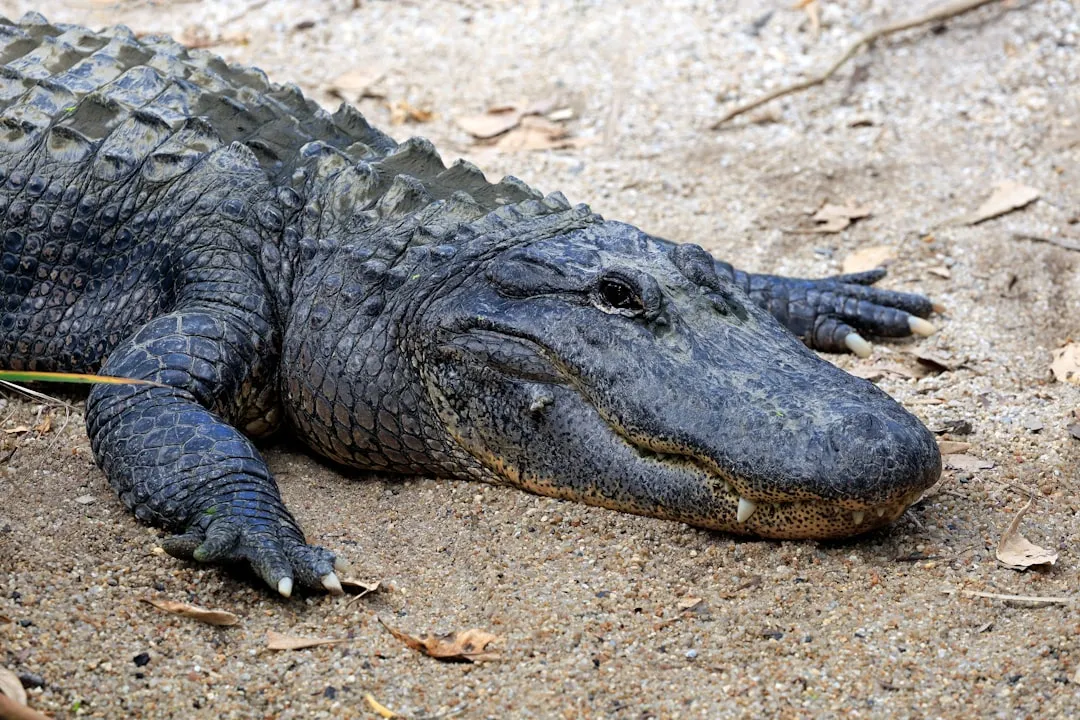
Everyone knows alligators are “doing fine now.” Almost nobody realizes how close that sentence came to being false. Unregulated hunting and wetland destruction hammered gator populations across the Southeast so badly that in 1967, alligators were officially listed as endangered – the same legal cliff edge we now associate with animals like the whooping crane.
Federal protection, habitat safeguards, and tightly controlled hunting flipped the script faster than anyone predicted. States eventually turned alligators into a managed resource, using limited harvests to fund the conservation that saved them in the first place. Now the complaint you hear from younger Southerners isn’t extinction – it’s the opposite. Viral videos of gators strolling across golf courses have convinced a lot of people there are “too many” now, even though biologists say this is simply what healthy wetlands look like when the apex predator is back where it belongs.
#7 – Bald Eagles Surging Back to Crowded Coasts and Cities
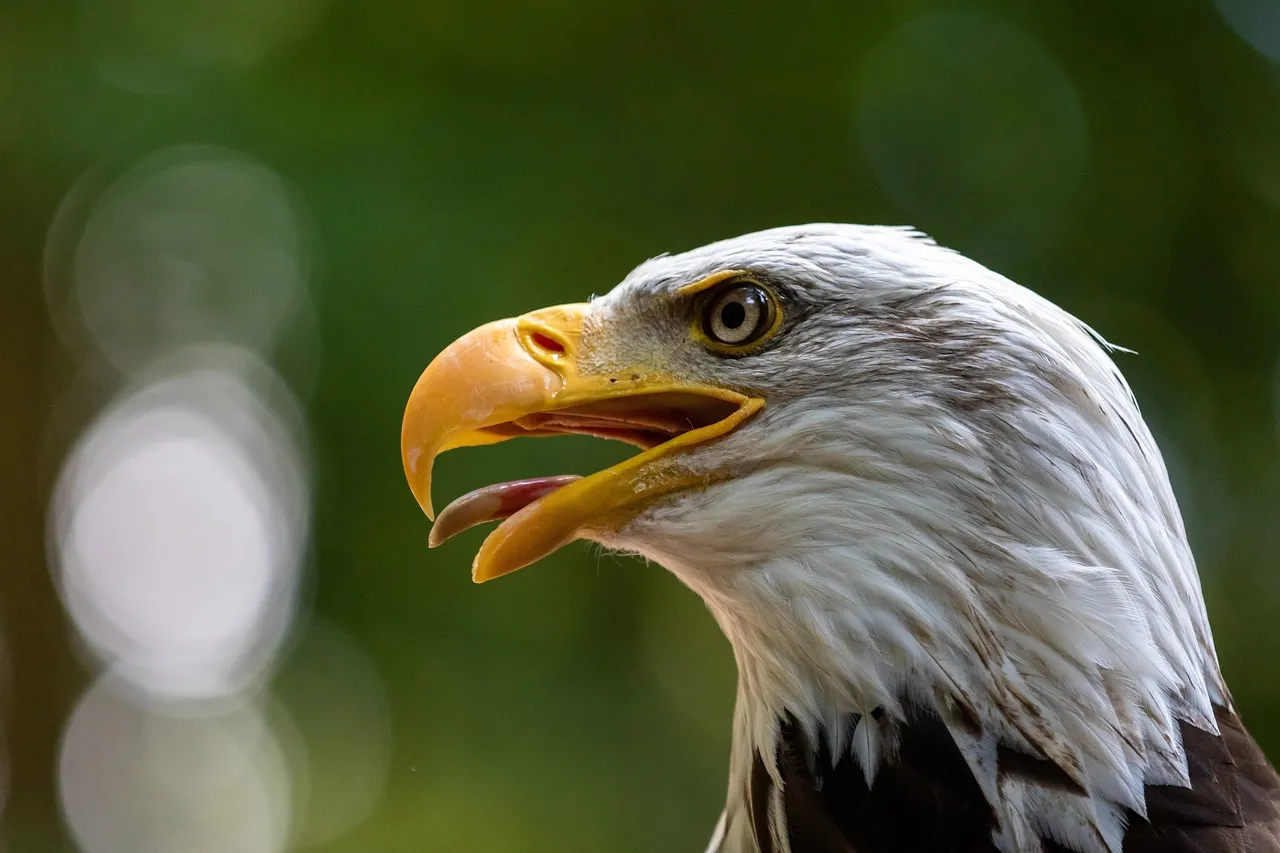
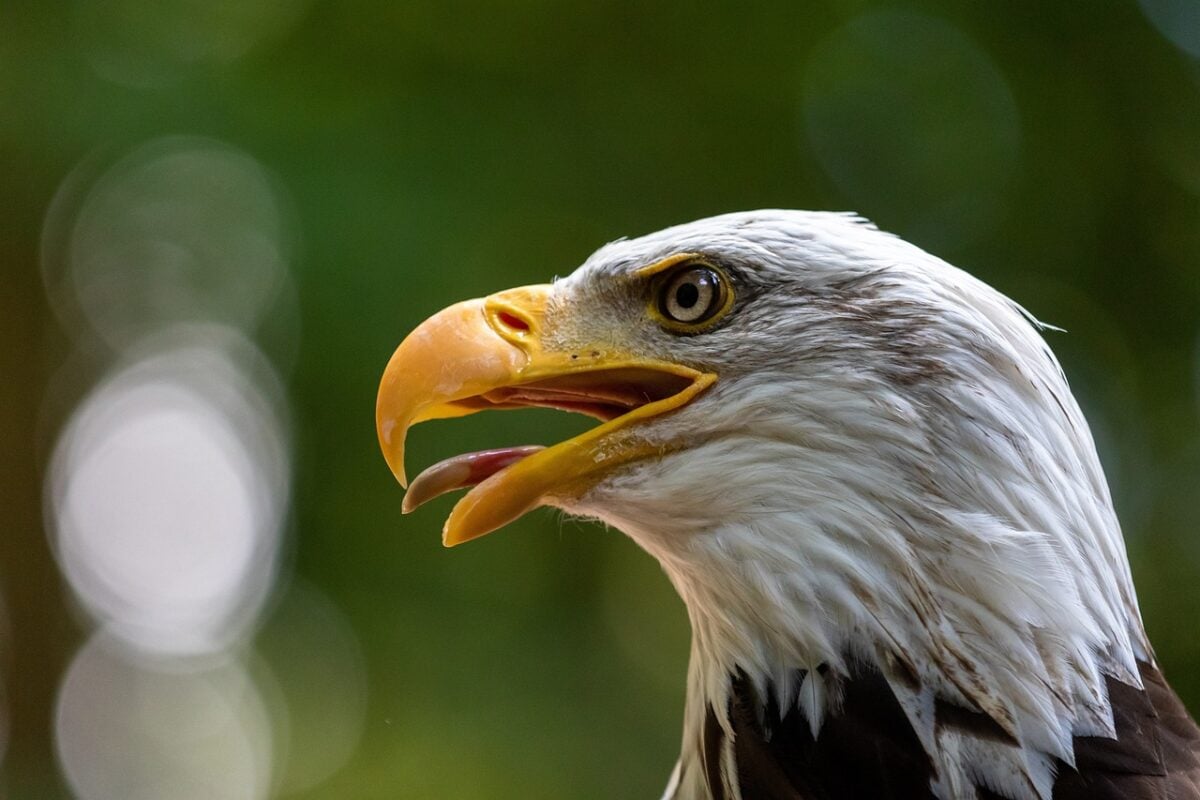
Everyone’s heard bald eagles “recovered.” Most people still picture them as rare, remote wilderness birds you’d have to hike miles to spot. That picture is decades out of date. In the 1960s and 70s, DDT and shooting had crushed the lower 48 states down to a few hundred breeding pairs.
After the DDT ban and Endangered Species Act protections kicked in, bald eagle numbers exploded faster than experts dared predict. Now they nest on cell towers, in lakeside subdivisions, and along highways where boaters barely glance up anymore. Here’s the part nobody expected: eagle success is now creating eagle problems. They raid seabird colonies, steal fish straight out of osprey talons, and occasionally take small pets – turning America’s most untouchable symbol into a genuinely messy neighbor.
At a Glance
- 1963: an all-time low of just 417 nesting pairs in the lower 48 states.
- 2007: the bald eagle comes off the endangered species list after topping 10,000 nesting pairs.
- 2020 federal survey: more than 71,400 nesting pairs and an estimated 316,700 total eagles.
- That’s a population that has quadrupled in roughly a decade, according to U.S. Fish and Wildlife Service data.
#6 – Gray Wolves Reclaiming Their Old Territory (And Old Enemies)
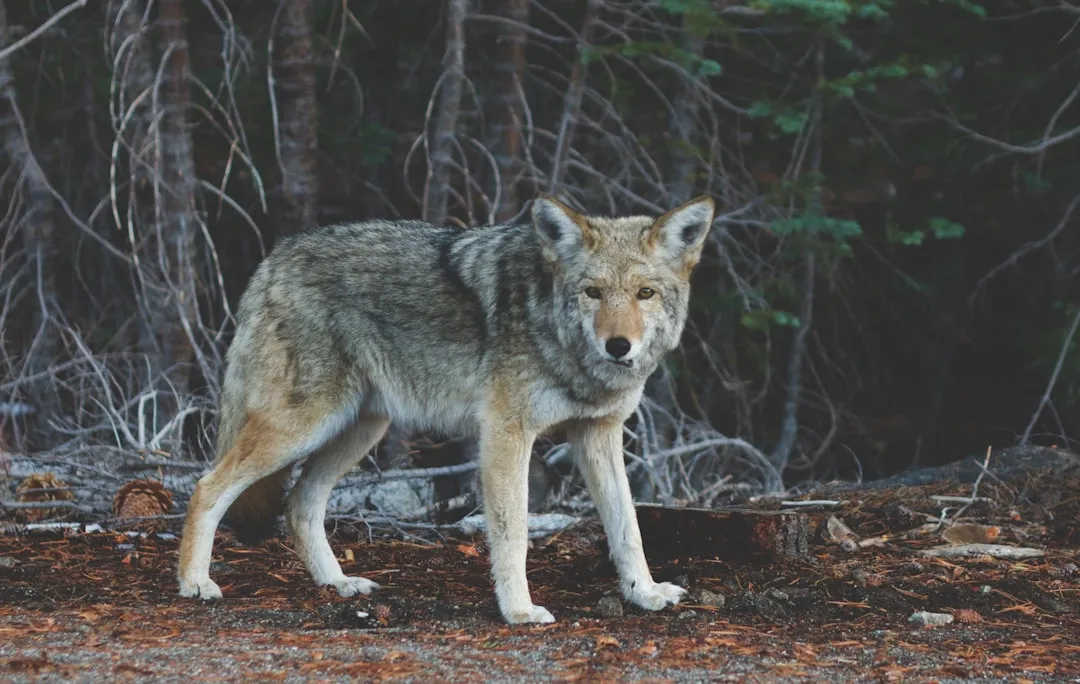
Ask most Americans about wolf recovery and you’ll get the same answer: “Yeah, they brought them back to Yellowstone.” True, but that’s barely a quarter of the real story. Gray wolves have naturally spread far beyond the park, resettling parts of the Northern Rockies, the Great Lakes, and states that hadn’t seen a wild wolf in generations.
Legal protection, plentiful deer and elk, and surprising adaptability let wolves quietly stitch together a patchwork comeback across the northern U.S. They’re nowhere near as absent as most people assume. But this is also the most politically radioactive recovery on this entire list. Ranchers see a threat to their livelihood; many urban voters see a symbol of wildness worth protecting no matter the cost. That collision has produced ballot measures, court battles, and wildly different hunting rules between neighboring states – proof that wolf recovery is as much about people as it is about animals.
#5 – The Osprey’s Sky-High Recovery Over American Waterways
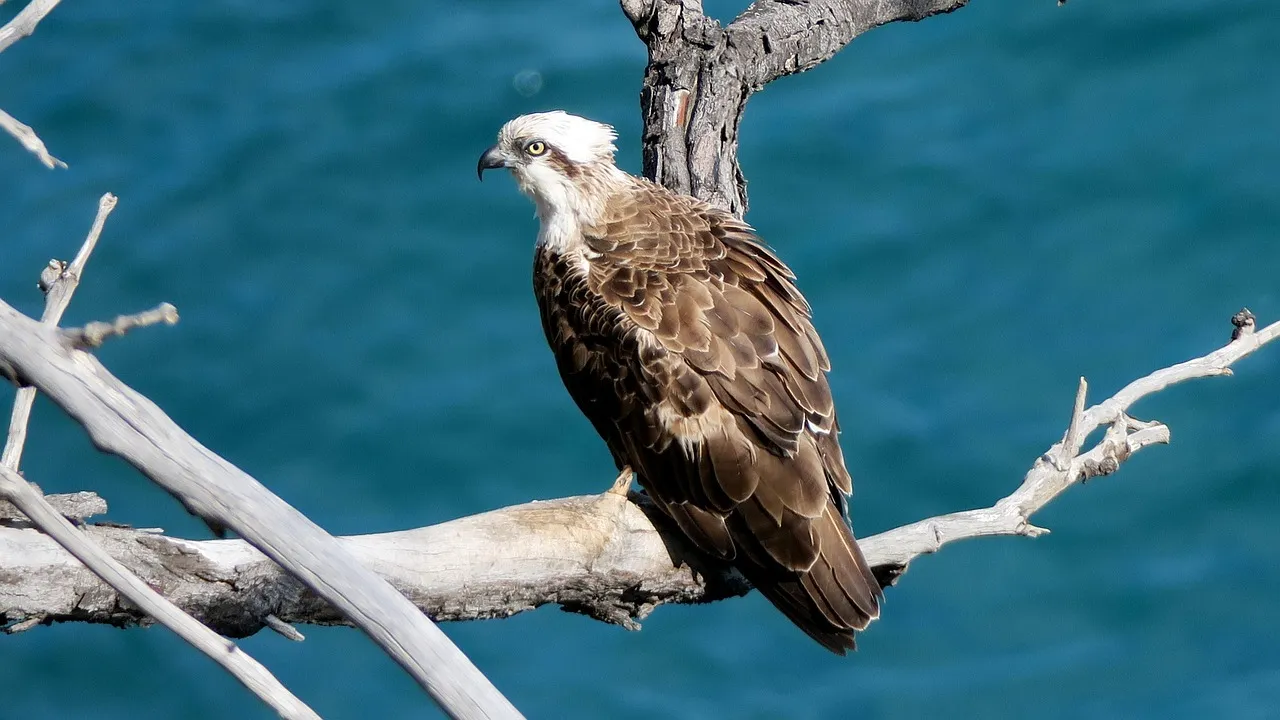
Most boaters under 40 assume ospreys have always been this common. They haven’t. From the 1950s through the 70s, DDT thinned osprey eggshells so severely that breeding failed almost entirely in coastal states. By the time the pesticide was banned, these fish-hunting raptors had vanished from rivers where older generations remembered them as a fixture of every summer afternoon.
Once DDT faded out of the food chain, ospreys came back with a speed that stunned even optimistic biologists. Today they nest on channel markers, light poles, and highway platforms built specifically for them, their sharp calls echoing over marinas again. Bald eagles get the patriotic headlines, but plenty of researchers quietly consider ospreys the cleaner proof that a targeted ban and some habitat protection can genuinely work – no political mess, no pet drama, just fish and feathers.
In nature, nothing exists alone.
Rachel Carson
#4 – The Secret Recovery of the Indiana Bat in the Midwest
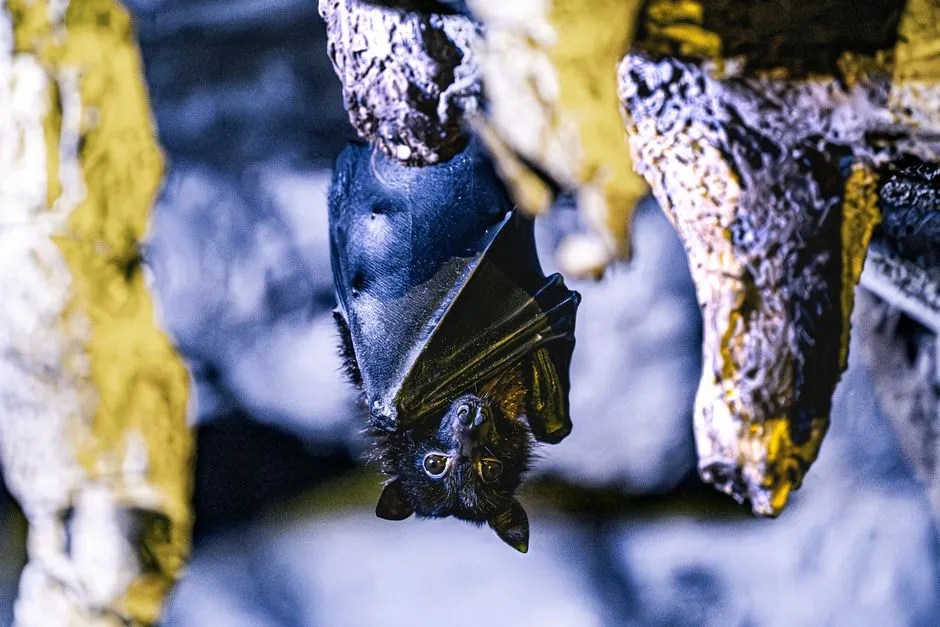
If you’ve never heard of the Indiana bat, that’s kind of the point. This small, insect-eating bat was listed as endangered in 1967 after cave disturbance, lost roost trees, and pesticide-heavy farming gutted its population. For decades it was the textbook example of a species nobody outside a lab coat cared about.
Yet unglamorous work – gating caves, protecting key forests, restricting logging during sensitive seasons – actually stabilized and even grew some populations. No viral videos, no plush toys, just patient policy. Now bat conservation is colliding with wind energy development, and some communities grumble that protecting “some bat they’ve never seen” is slowing projects down. Biologists counter that these bats provide free pest control worth millions to farmers every year. Add in white-nose syndrome still spreading through bat colonies, and the Indiana bat’s comeback remains fragile – but it proves even a species nobody’s heard of can bounce back if it’s given a real chance.
Worth Knowing
- Listed as endangered in 1967, one of the earliest species under federal protection.
- Winters in massive colonies packed into a small number of caves, making disturbance especially dangerous.
- White-nose syndrome, a cave fungus, is now the single biggest threat to remaining colonies.
- Range stretches from the Midwest through Appalachia and into parts of the Northeast.
#3 – The Pronghorn’s Race Back Across the High Plains
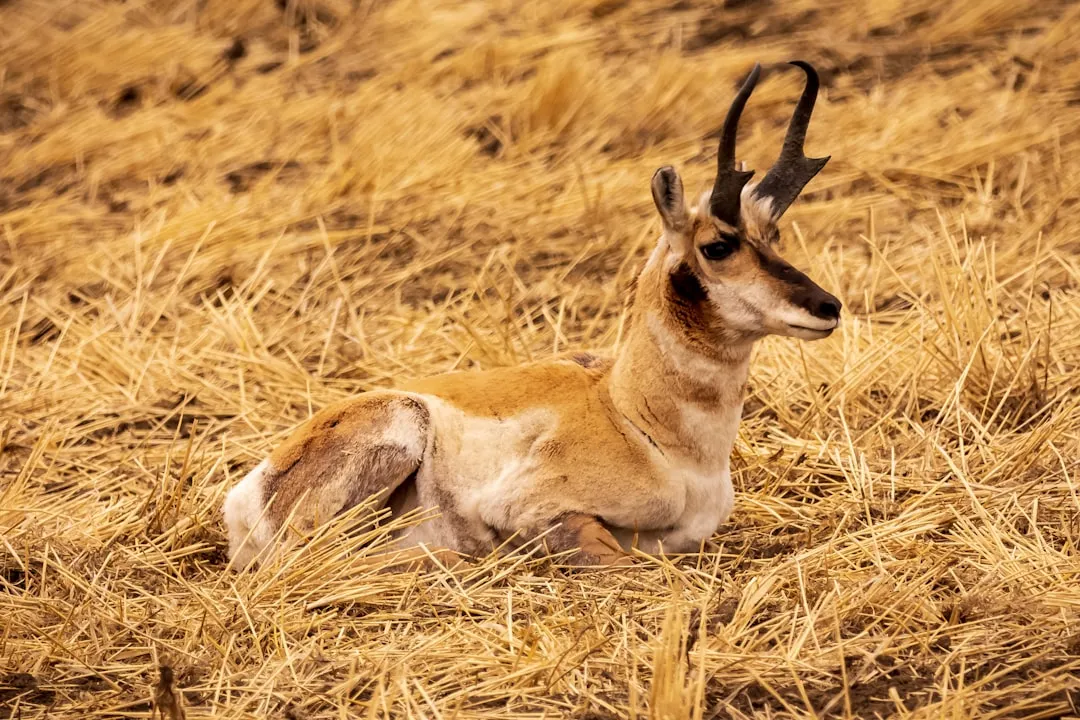
Most people picture pronghorn – often called antelope – as a permanent fixture of Western wildlife, like they’ve always just been out there. The twist is that pronghorn were nearly wiped off the continent by the early 1900s, with estimates crashing to as few as 13,000 animals across all of North America. Market hunting, fencing, and habitat conversion nearly finished off the fastest land mammal on the continent.
Western states, ranchers, and conservation groups did something rarely credited to them: they moved fast, setting hunting limits, creating refuges, and redesigning fences so pronghorn could actually slip underneath instead of piling up against them. Today pronghorn number in the hundreds of thousands, with some herds still running impressively long seasonal migrations across Wyoming and Montana. The comeback isn’t perfect – highways and energy development still choke off old routes – but it’s strong enough that most hunters today call pronghorn “abundant,” with zero idea how close they came to disappearing for good.
#2 – The California Condor’s Second Chance From Just 27 Birds
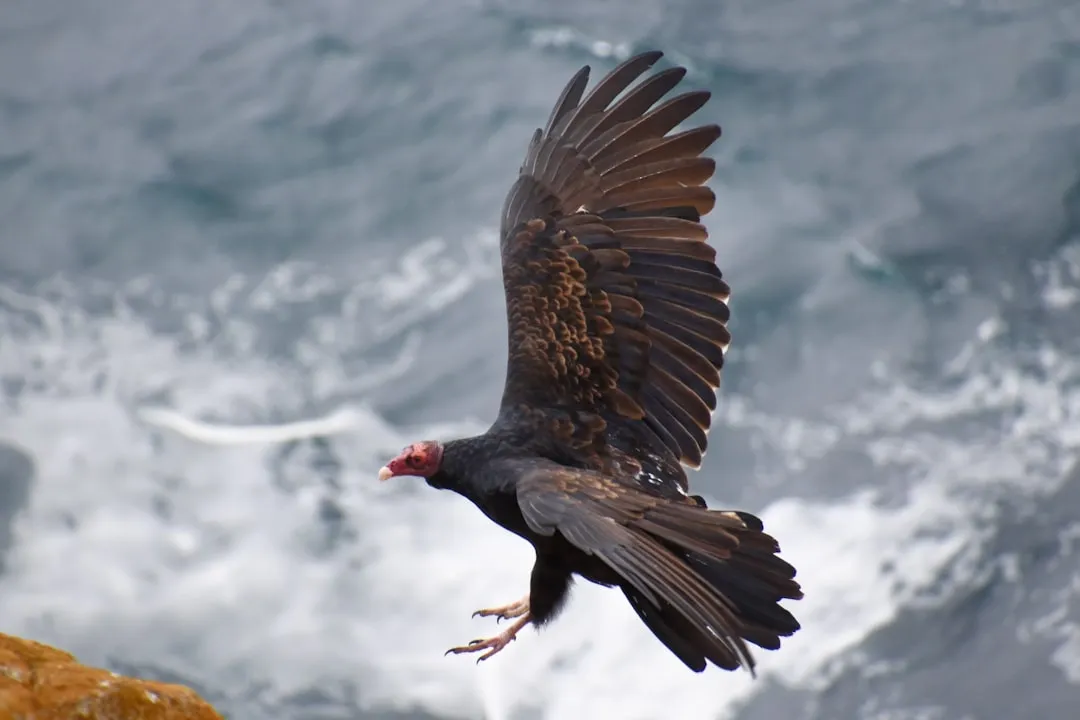
Most wildlife stories don’t get a true back-from-the-dead arc. This one does. By the 1980s, California condors were down to 27 individuals – on the entire planet. Every single wild condor was eventually captured and brought into a last-ditch captive breeding program, a decision so controversial that critics accused conservationists of “imprisoning” the last free condors on Earth.
The alternative was extinction, full stop. Decades of painstaking breeding, lead poisoning cleanup, and partnerships with local tribes slowly made it possible to release condors back into the wild. Now they soar again over canyon country in California, Arizona, and Utah. The numbers are still small enough that every single death matters, and critics still argue it’s too expensive to save one species this way. Others say this is exactly what a wealthy nation should be spending its money on – and standing under a wild condor riding a thermal is hard to argue with.
Quick Compare
- Then: by the early 1980s, wild condor numbers had crashed into the low dozens, pushing the species to the edge of extinction.
- Now: the wild population reached 392 birds by the end of 2025, up from 373 the year before.
- Global total: combined wild and captive condors topped 600 for the first time on record.
- Range today: free-flying birds across California, Arizona, Utah, and Baja California, Mexico.
#1 – The American Bison’s Survival Against All Odds
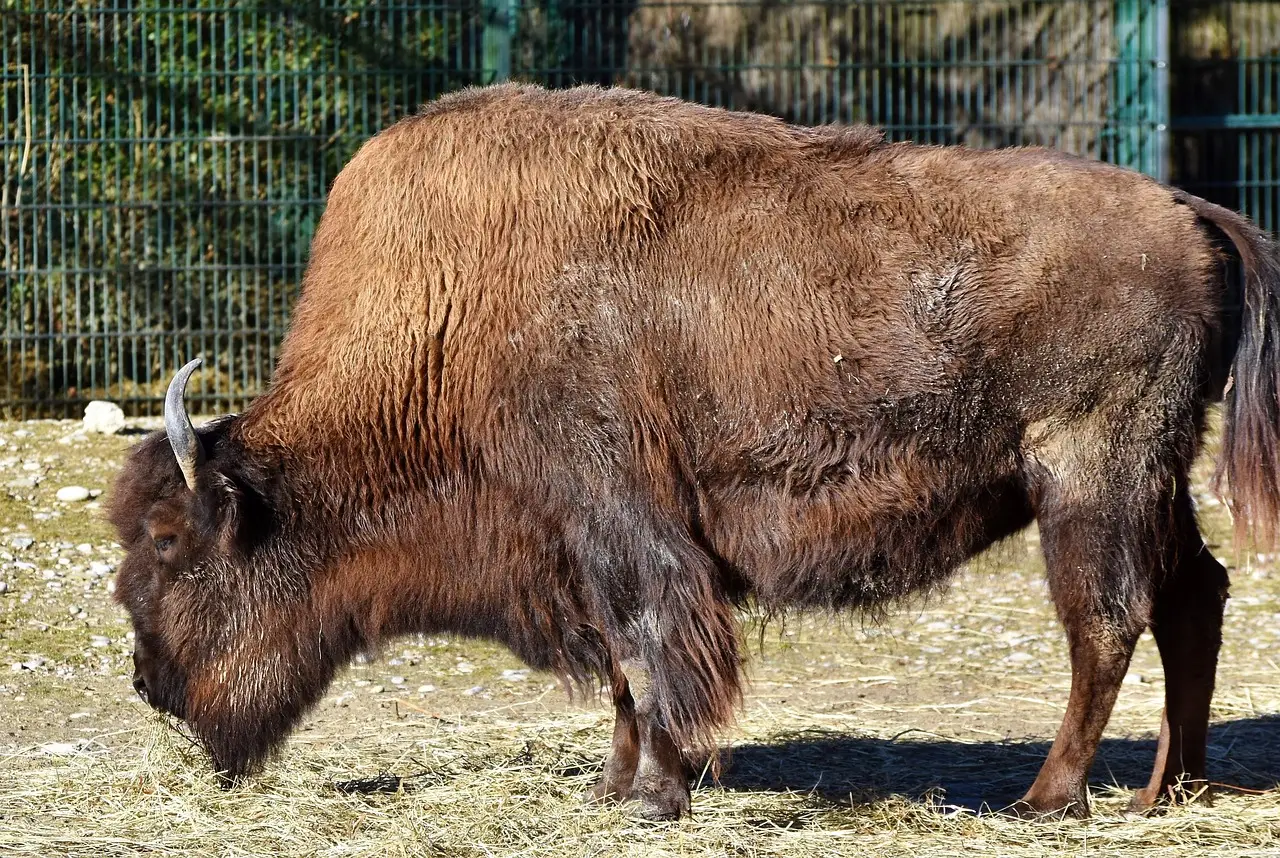
If any animal should be gone from this continent, it’s the bison. In the late 1800s, commercial slaughter, military policy, and railroad expansion took tens of millions of bison down to maybe a few hundred truly wild animals left standing. The only reason any survived is a messy, sometimes self-interested mix of ranchers, conservationists, Indigenous nations, and a handful of stubborn early advocates who kept tiny remnant herds alive against the odds.
That history doesn’t change where things stand now: American bison have rebounded to hundreds of thousands of animals across national parks, tribal herds, and conservation ranches. But here’s what almost nobody talks about – we still can’t agree on what “recovery” even means for this animal. Should bison roam freely again as true wildlife, or stay a semi-domestic commodity behind fences? Western landowners largely resist expanding wild herds, while tribal nations push hard for larger, free-roaming populations as part of cultural restoration. The comeback is real. Whether it becomes permanent freedom or just a crowded holding pattern is still being decided.
The Bottom Line
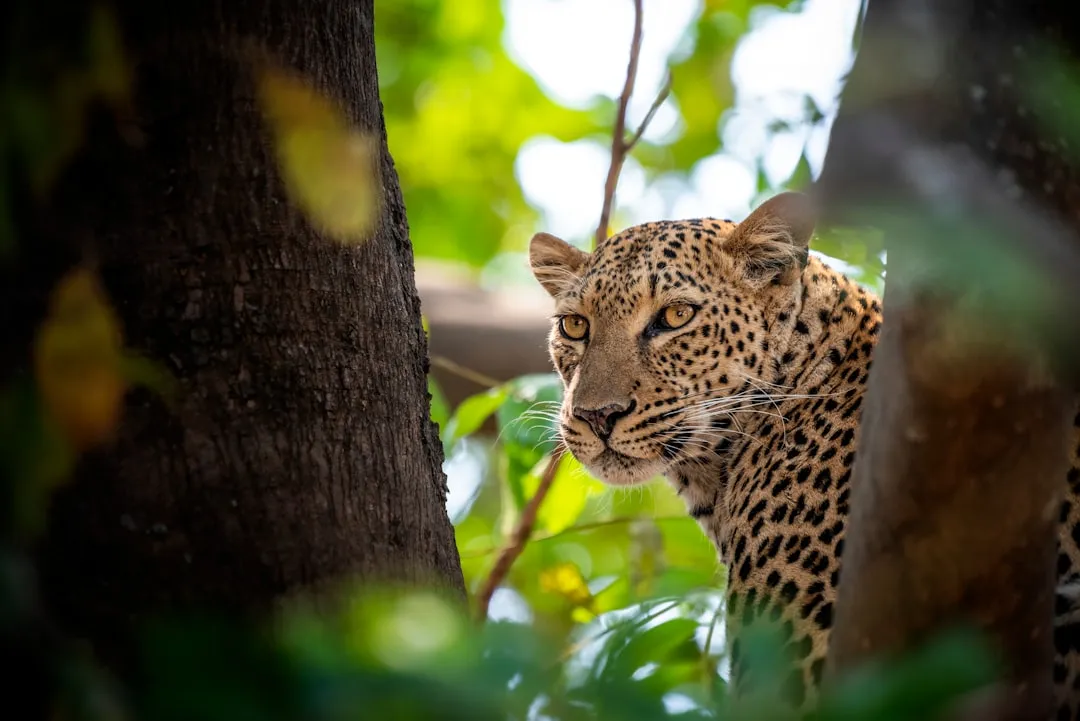
These aren’t Disney endings. They’re messy, political, and full of trade-offs – and that’s exactly why they matter. From alligators once listed as endangered now sunbathing on golf courses, to condors clawing back from a population smaller than a classroom, the pattern repeats itself: when laws, local communities, and long-term funding actually line up, even badly wounded species can come back from the edge.
Here’s the uncomfortable part nobody likes to say out loud: plenty of people cheer these recoveries only as long as the animals stay out of sight, out of their yard, and off their land. Others argue that sharing a continent means living with the noise, the mess, and the occasional bear on the porch. Both sides have a point, and that tension isn’t going away anytime soon. So which comeback do you think deserves the next big push – and which one are you personally willing to put up with in your own backyard?

- 9 Ecosystem Engineers That Change Entire Landscapes - August 4, 2026
- 10 Animal Behaviors That Scientists Misunderstood for Decades - August 4, 2026
- 10 Wildlife Comebacks That Few Americans Have Heard About - August 4, 2026